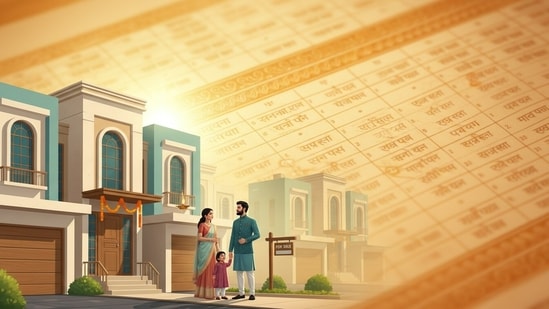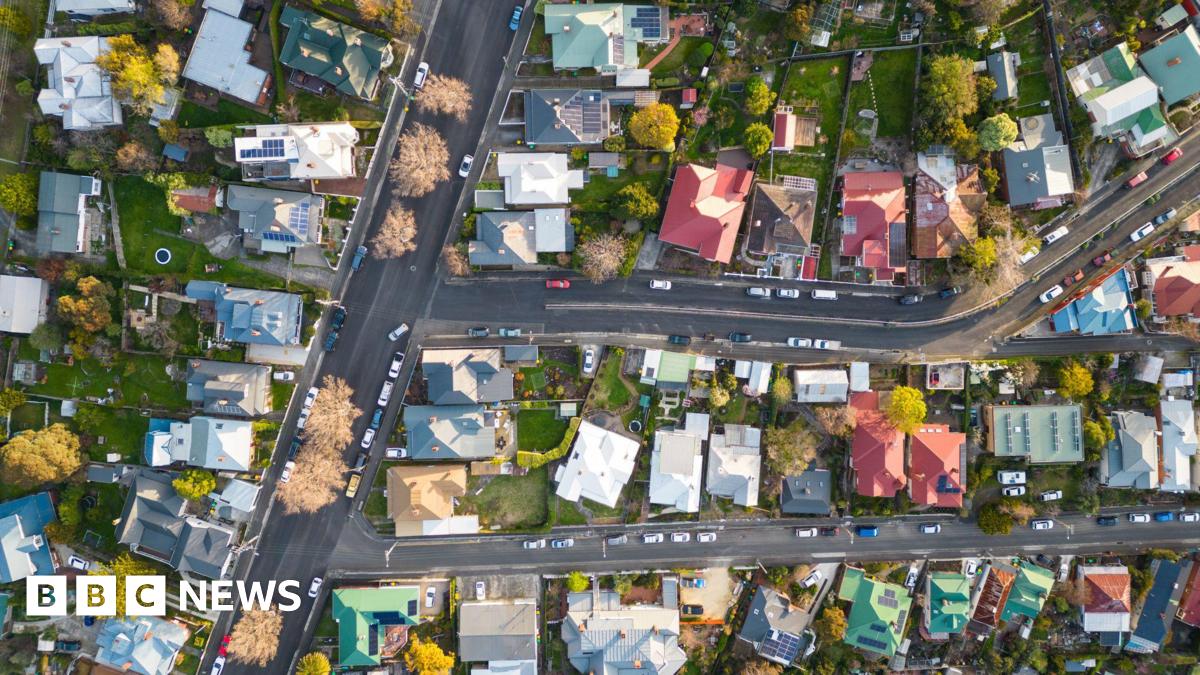
But since 2019 the housing crisis has worsened, its impact reaching further up the class ladder. Demographics have also shifted, with disenfranchised millennial and zillennials making up a greater share of the voter base, and many of their parents seeing the crisis touch their loved ones for the first time.
“It’s like a slow boiling frog… this has been building for more than 20 years but it has hit crisis point,” Danielle Wood, chair of the Productivity Commission – the government’s own independent economic think tank – told the BBC.
“And I think these tax changes have probably become a bit symbolic in thinking about what’s created this problem.”
Retired couple Christine and Cliff Hill shrug off the complaints of younger generations.
Cliff, 64, points out that moving to outer suburbs, saving every dollar – and not going on “expensive overseas holidays” – was how they could afford their first home.
“You can’t go complaining that houses are $1m because they aren’t. They’re $500,000 or $600,000 but the young folks don’t want to live 35km from Melbourne,” he says.
The couple own their home in Hoppers Crossing, in Melbourne’s western suburbs, and have three investment properties. They recently sold a fourth property – a four-bedder that they bought in 2010 for $320,000, offloading it for $668,000.
They say Tuesday’s tax reforms are a recipe for disaster. They argue that investors will increase their rents or sell their properties, which might see an initial increase in homes on the market, but the supply still won’t meet demand, meaning houses will remain unaffordable for most.
“The government are going after the inter-generational gap that they keep talking about – and being a baby boomer, I’m really over that,” says Christine.