Why Does SGX Membership Matter for Interactive Brokers?
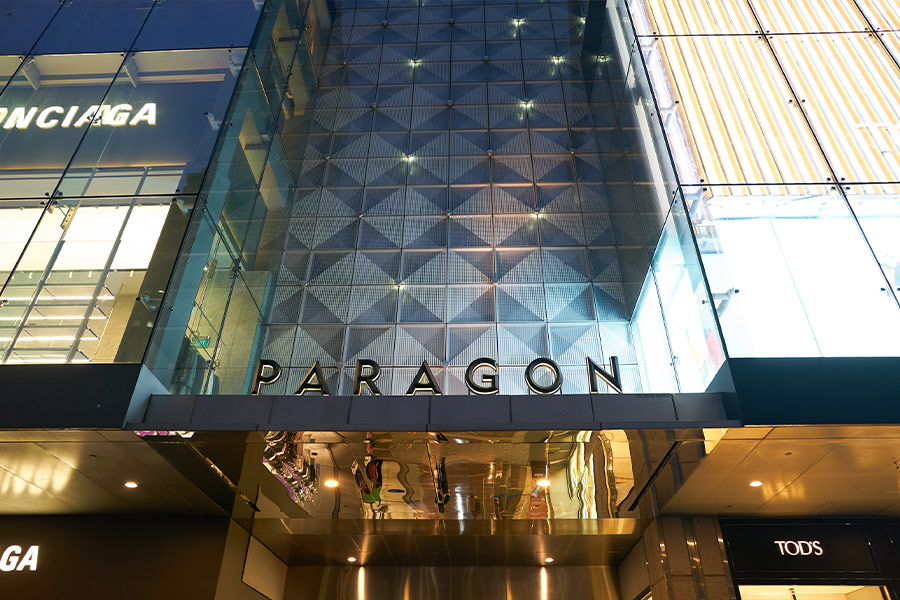
Interactive Brokers has taken a deeper step into Asia’s derivatives infrastructure by joining the Singapore Exchange as both a trading and clearing member. The move extends beyond market access into execution control, margin efficiency, and cross-border liquidity.
The membership gives Interactive Brokers Singapore direct participation in SGX’s derivatives segment, which has become the exchange’s primary growth driver. While equities trading in Singapore remains relatively modest, SGX has built a strong position in derivatives linked to foreign exchange, equity indices, and commodities, with particular demand for instruments offering offshore exposure to China.
By securing both trading and clearing status, the firm is not only expanding access to listed contracts but restructuring how it connects clients to those markets.
How Does Clearing Access Change the Economics of Trading?
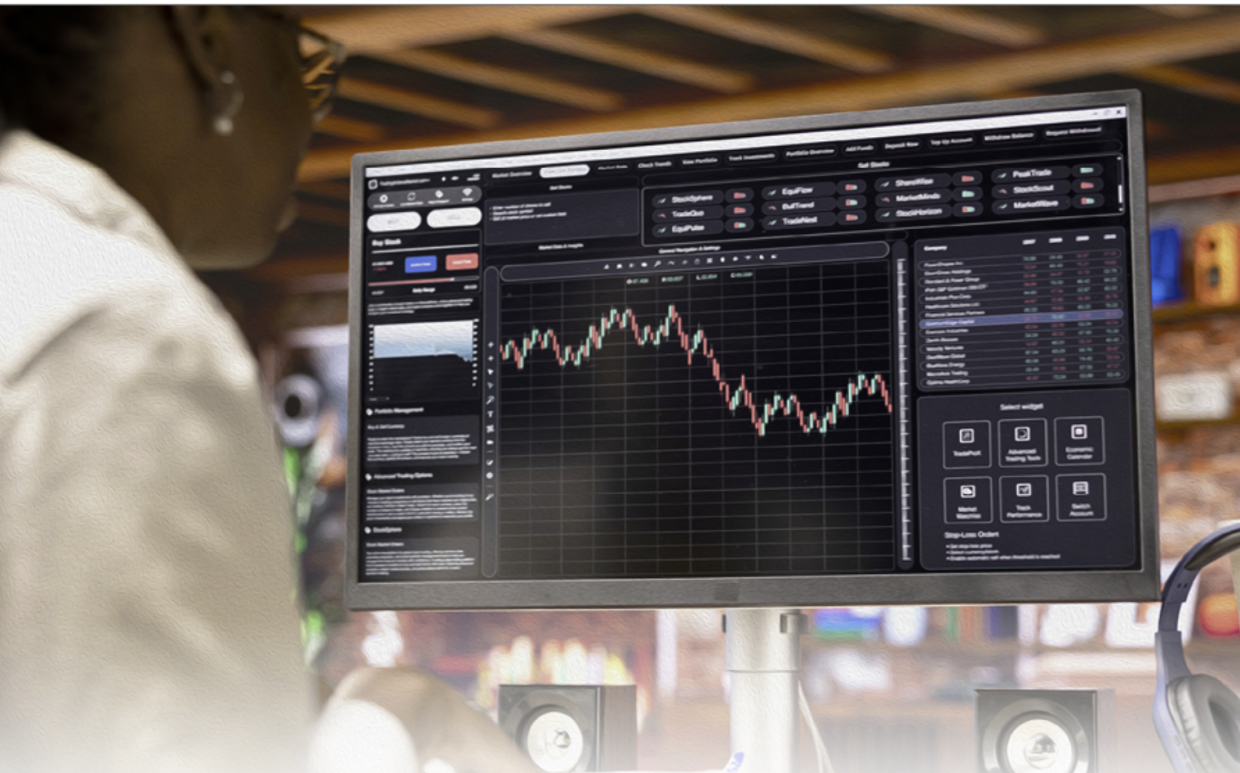
Clearing membership allows Interactive Brokers to bypass intermediaries that typically handle post-trade processing and margining. This reduces transaction costs, improves capital efficiency, and gives the firm tighter control over execution flows.
For a broker operating across more than 170 markets, incremental savings in clearing and margin can scale quickly. Direct control over margin at SGX also improves portfolio efficiency, particularly for institutional clients and systematic strategies that rely on cross-margining across asset classes.
The shift reflects a broader trend where brokers seek to internalize more of the trading stack rather than relying on third-party clearing providers.
Investor Takeaway
What Role Does SGX Play in Global China Exposure?
SGX has positioned itself as a key offshore hub for China-linked derivatives. Products such as FTSE China A50 futures and offshore renminbi contracts have attracted steady demand from global investors seeking exposure outside mainland regulatory constraints.
International funds often rely on offshore venues due to access limitations and operational complexity in onshore markets. SGX has built liquidity around standardized derivatives that act as proxies for China exposure, allowing investors to hedge or express macro views without direct market entry.
The addition of Interactive Brokers strengthens this ecosystem by bringing in additional flow and improving connectivity for global clients.
Investor Takeaway
How Does This Reflect Broader Market Structure Shifts?
The move highlights a shift in how trading firms compete. Access to markets is no longer sufficient; control over execution infrastructure, clearing, and margin management is becoming central to performance.
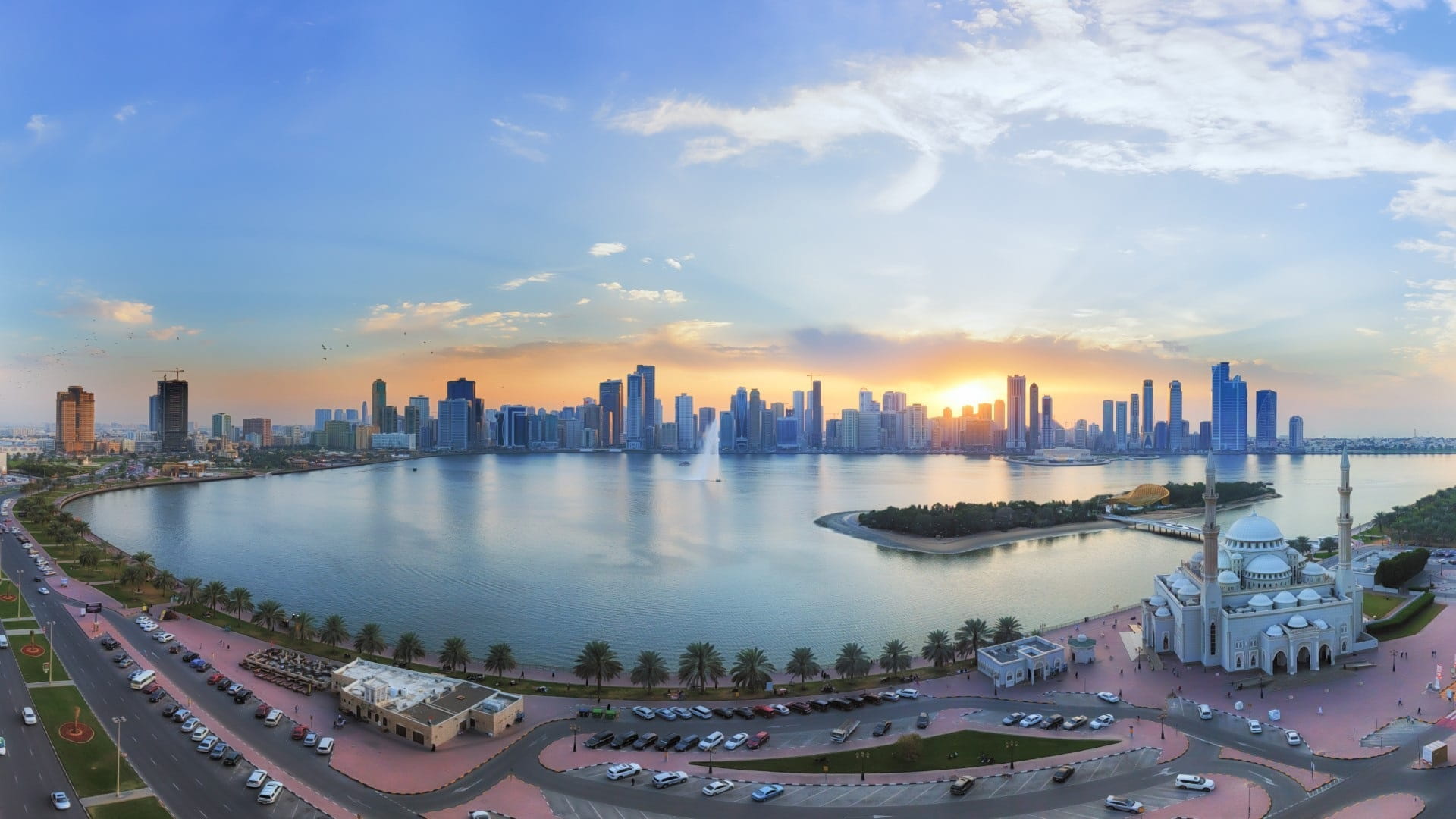
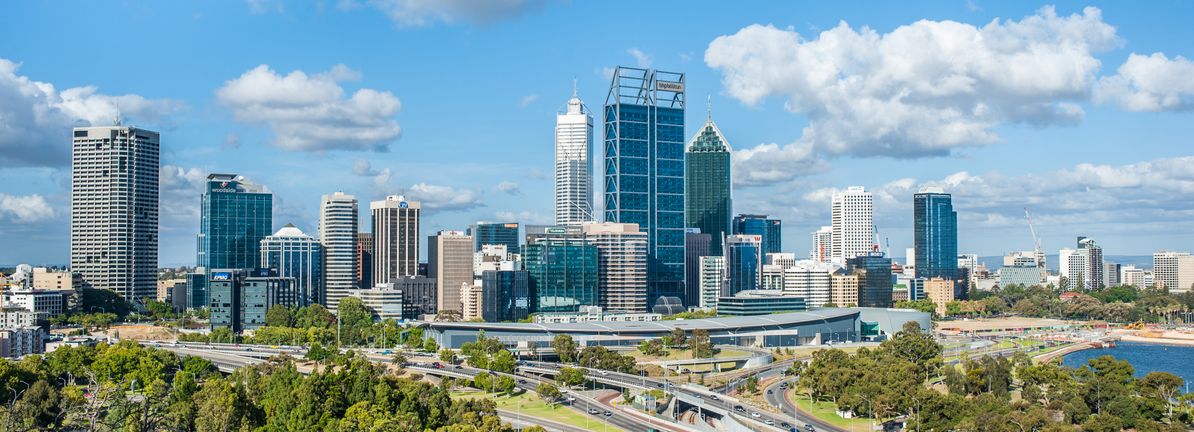
Singapore’s position as a financial hub supports this transition. The city combines regulatory stability with advanced clearing infrastructure and a time zone that connects trading activity across the US, Europe, and Asia.
At the same time, institutional trading has leaned further into regulated derivatives venues, where standardized contracts and clearing protections offer a different risk profile compared to less regulated markets. This has supported growth in SGX’s derivatives segment, which now includes 68 trading members and 34 clearing members.
For Interactive Brokers, direct integration into SGX’s clearing system allows it to scale its Asia-Pacific presence without building new infrastructure. For the exchange, the addition reinforces a strategy centered on liquidity growth and international participation.
Interactive Brokers has built its Asia presence over several years through regulated local entities rather than a single market entry. The firm operates licensed units in key financial centers including Singapore, Hong Kong, India, Japan, and Australia, each integrated into local exchanges and regulatory systems. This structure allows it to offer cross-border trading through a single platform while maintaining compliance in each jurisdiction.
Singapore is a central part of that strategy. When the firm formally expanded its Singapore operations in 2020, it was already active in the market and had a long-standing relationship with SGX Group. At that time, Asia accounted for a rising share of its global client base, driven by both retail growth and institutional demand from family offices, hedge funds, and wealth managers seeking regulated access to global markets.
The recent move to become both a trading and clearing member of SGX’s derivatives market reflects a shift from presence to control. Instead of relying on intermediaries, Interactive Brokers can now handle execution and post-trade processes directly, improving cost efficiency and margin management. This aligns with its broader model of low-cost, high-scale automated trading.