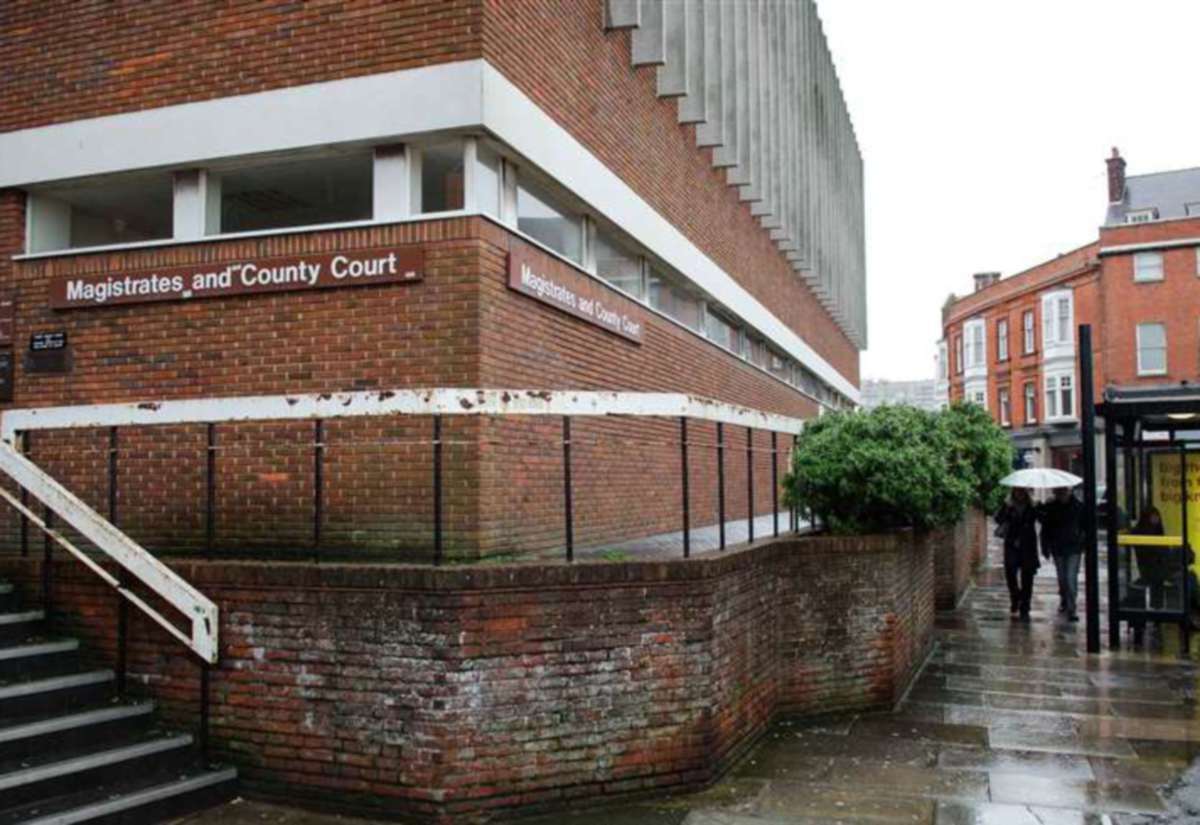
The Johannesburg high court, in a landmark judgment, has ruled that cryptocurrency constitutes both “money” and “capital” under South Africa’s Exchange Control Regulations.
The case arose after the South African Reserve Bank (SARB) ordered the forfeiture of roughly R6m in cash and Bitcoin belonging to Square Mangundhla and Fungai Dangaiso.
Between 2018 and 2020, Mangundhla used his and Dangaiso’s accounts on the Luno cryptocurrency trading platform to move about 1,680 Bitcoins, valued at about R182m, from South Africa to digital wallets hosted on foreign cryptocurrency exchanges without Treasury permission.
The Reserve Bank took the view that this conduct amounted to the exportation of Bitcoin and their rand value, contrary to section 10(1)(c) of the regulations. Exercising his delegated powers, the deputy governor of the SARB declared forfeit to the state just under R6m in Bitcoin assets and money standing to Mangundhla’s and Dangaiso’s credit in their respective Standard Bank accounts and Luno cryptocurrency trading accounts.
“The basis of the forfeiture order was that this money and cryptocurrency was either the proceeds of Mr Mangundhla’s contravention of the regulations, or was itself in the process of being unlawfully exported,” said judge Stuart Wilson in his judgment handed down on Monday.
Wilson said there was no dispute before him that the transactions actually took place or that Mangundhla was behind them. The parties also agreed that Mangundhla did not have the Treasury’s permission to perform these transactions, which he would need if they amounted to the export of capital from South Africa.
“The main dispute in this case is about whether Mr Mangundhla needed the Treasury’s permission to perform the transactions.”
Wilson said the answer to that question depended on whether the regulations can be read to apply to cryptocurrency transactions at all.
He said Mangundhla and Dangaiso sought to review and set aside the forfeiture orders, principally on the basis that the regulations did not apply in that manner.
One of the applicants’ submissions was that cryptocurrency was neither capital, nor currency, nor a security under the regulations, and that its transfer to a wallet registered on a foreign cryptocurrency exchange was not a “payment” to the holder of the wallet. Accordingly, there was no basis on which a forfeiture order could be made, because the regulations do not apply to cryptocurrency, they argued.
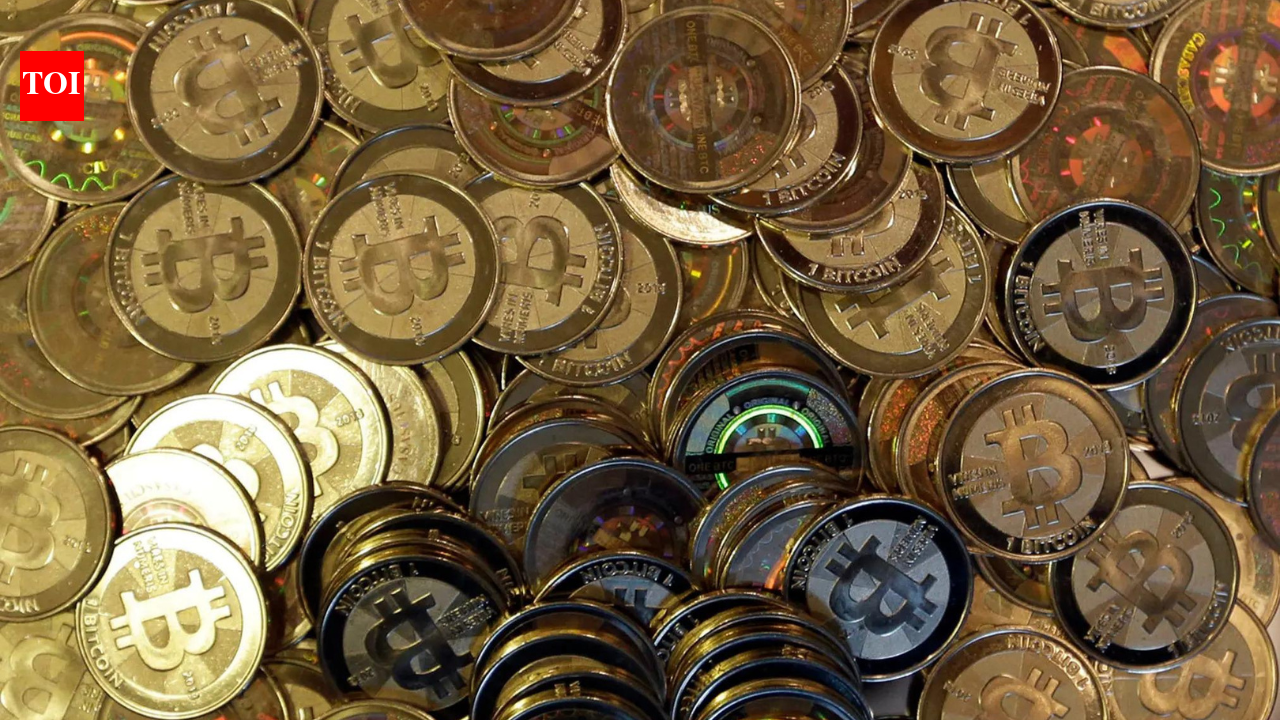
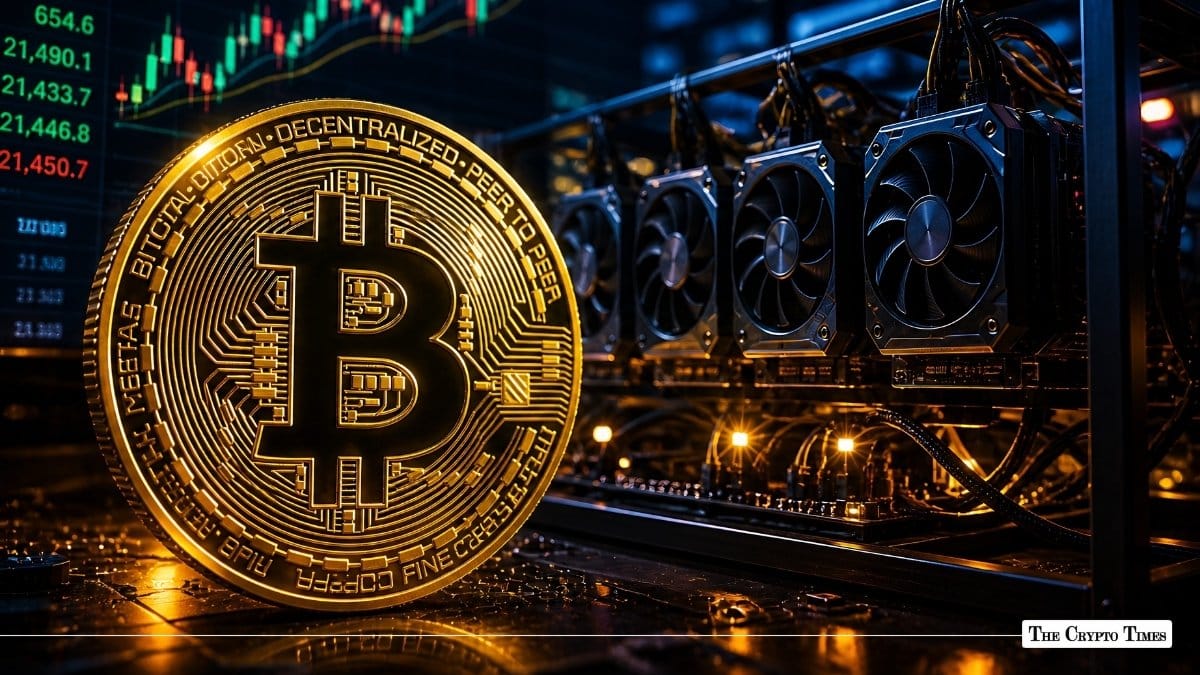
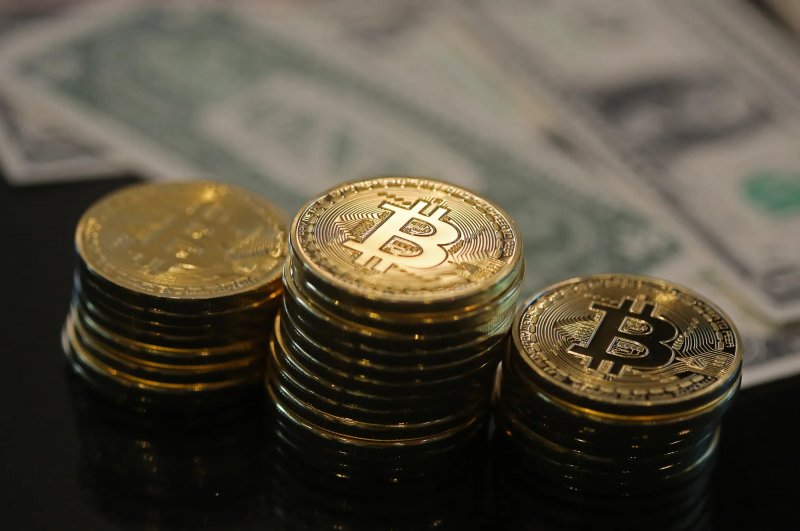
Wilson said it seemed to him that Bitcoin was plainly capital in the sense that it was a financial asset that was capable of holding value and being used as a medium of exchange.
“Bitcoin can be exchanged for fiat currency. It is, in other words, possible to buy Bitcoin using South African rand, to hold it in the expectation that its rand price will increase, and then sell the Bitcoin on at a profit. In some places, Bitcoin is also accepted by merchants as a form of currency,” the judge said.
He said what the Reserve Bank said happened in this case was that Mangundhla used his and Dangaiso’s Luno accounts to purchase Bitcoin on behalf of, and using South African rand provided by, third parties.
To the extent that cryptocurrency is a financial asset that holds value and is used as a medium of exchange through which capital can be taken from within South Africa and placed beyond its borders, it does not matter that it may not be legal tender [in other words fiat currency], or that it exists as an entry on a digital ledger.
— Stuart Wilson, judge
Mangundhla then credited the Bitcoin so purchased to wallets held on cryptocurrency exchanges registered outside South Africa.
“In this way, the ordinary rules applicable to the export of capital were avoided, because the Bitcoin transferred to the foreign cryptocurrency exchanges could only be kept in a cryptocurrency account outside South Africa,” the judge said in summarising the bank’s submission.
The central bank said the net effect was that the rand value of the Bitcoin transferred to the foreign exchanges (around R182m) left the country. It was, the Reserve Bank argued, exported.
“If that is correct, then the regulation of Bitcoin as capital is essential to maintain the effectiveness of the capital controls embodied in the Currency and Exchanges Act and in the Exchange Control Regulations.
“Were it otherwise, those controls could be virtually worthless, as anyone of any means who wished to take their money abroad could do so without Treasury oversight, simply by converting it into cryptocurrency and transferring it to a foreign cryptocurrency exchange,” the judge said.
Accordingly, text, context and purpose all pointed in the same direction: Bitcoin was “capital” for the purposes of Regulation 10 (1)(c), Wilson said.
The judge said he was referred to a previous judgment from the same court last year, where the judge said cryptocurrency was not “considered legal tender in many countries”, was “nothing more than codes on a digital ledger”; and that it “exist[s] anywhere and everywhere and [has] a global nature”.
“To the extent that cryptocurrency is a financial asset that holds value and is used as a medium of exchange through which capital can be taken from within South Africa and placed beyond its borders, it does not matter that it may not be legal tender [in other words fiat currency], or that it exists as an entry on a digital ledger,” Wilson said.
Wilson said it followed from the undisputed facts that the capital at issue in this case was “exported” within the meaning of Regulation 10(1)(c). Export took place when the thing exported left the country.
“The mere fact that the Bitcoin was credited to cryptocurrency wallets on foreign exchanges is enough to conclude that capital was exported.”