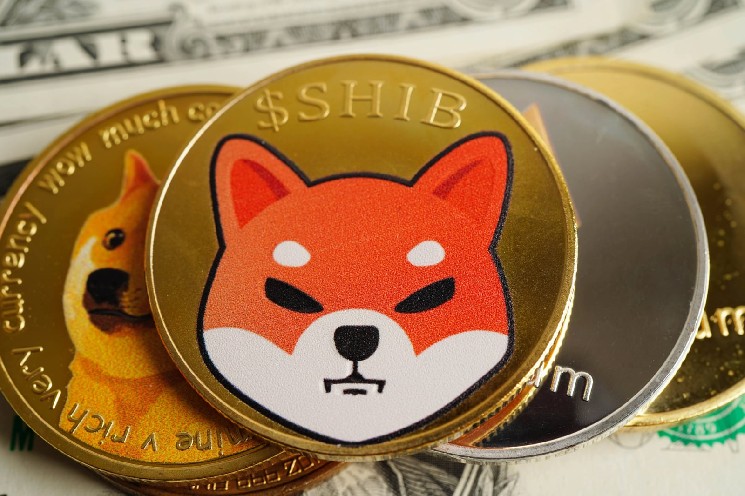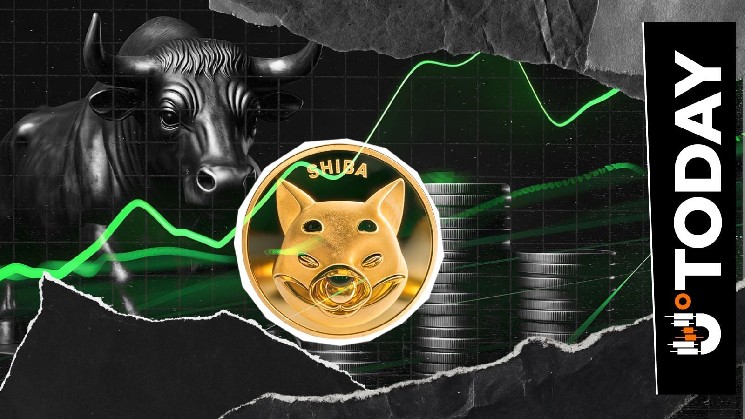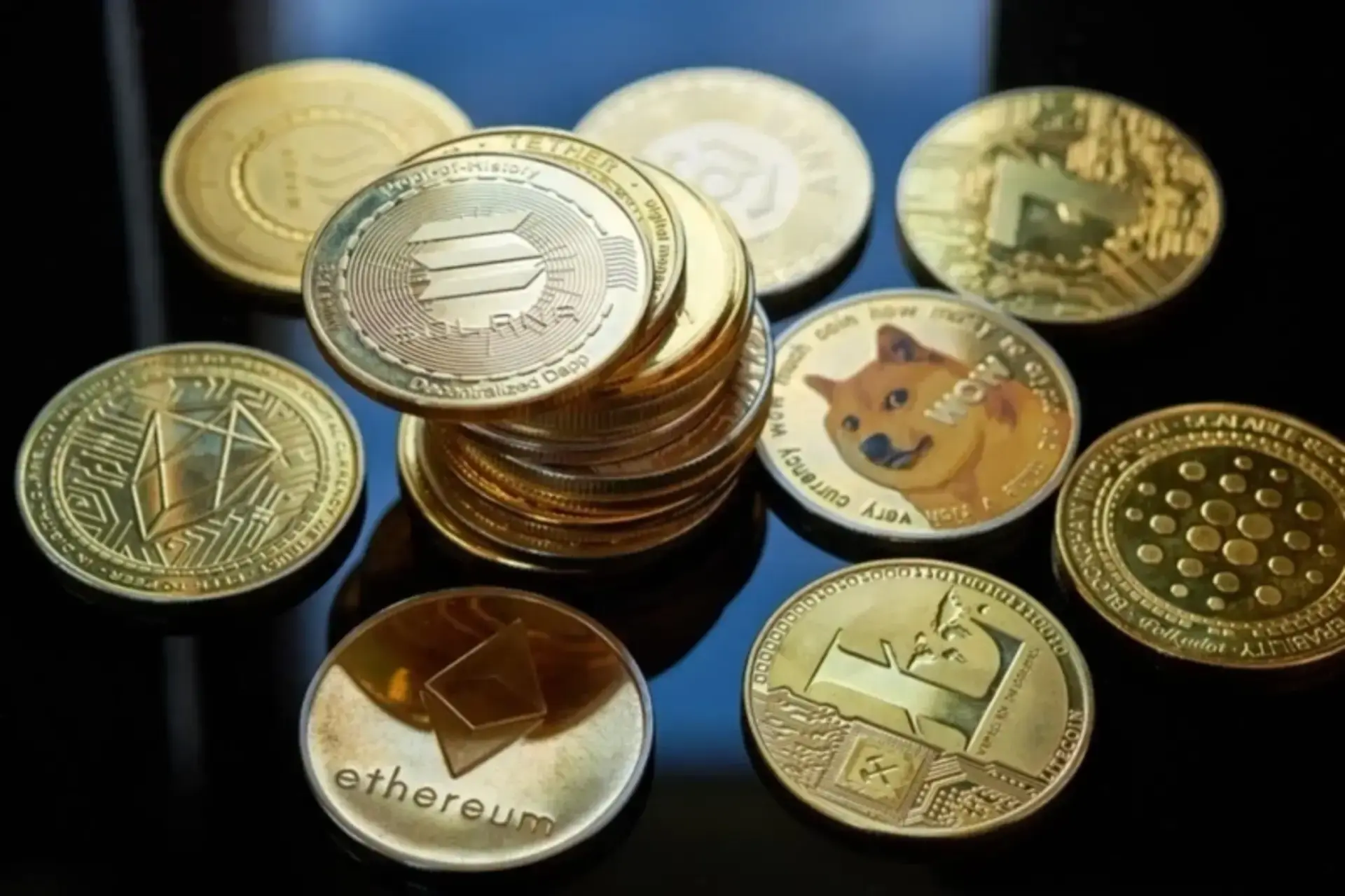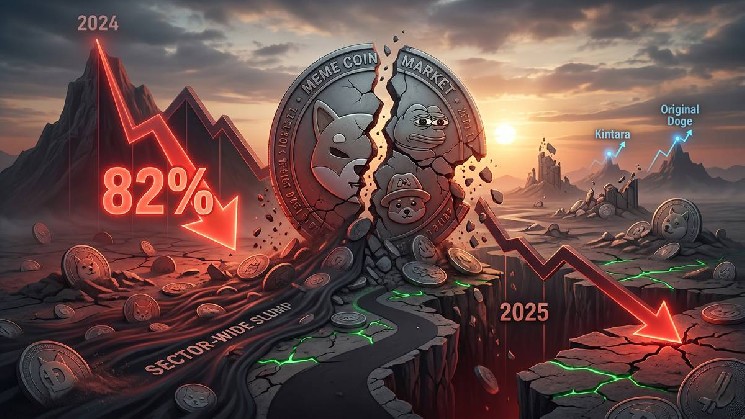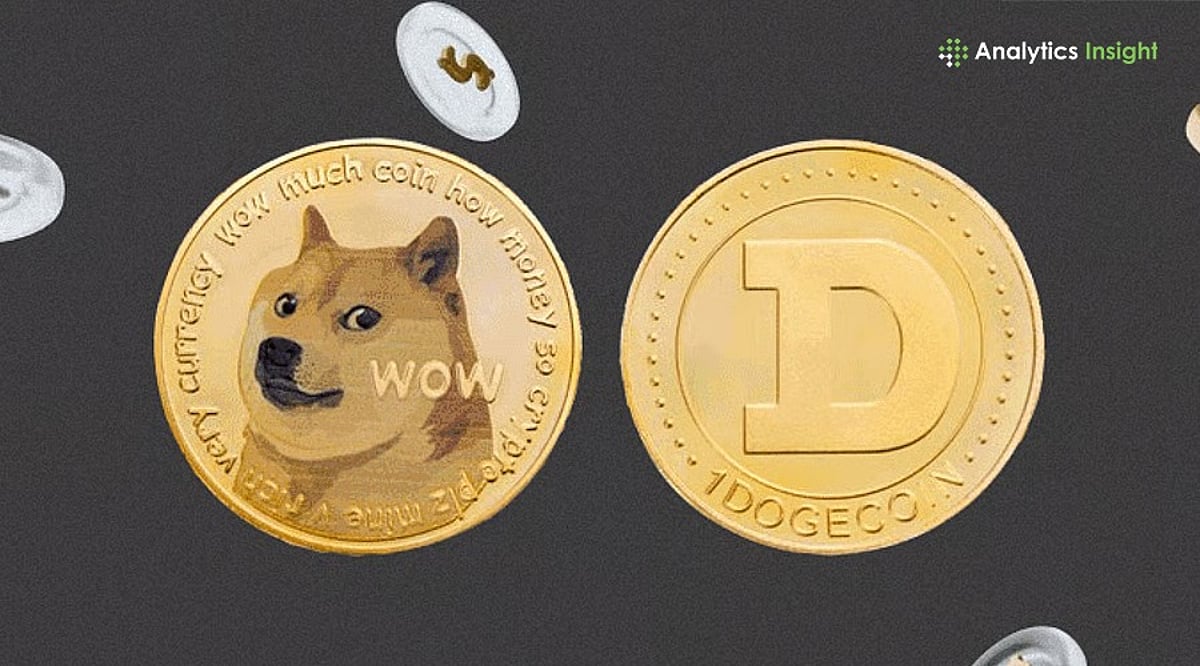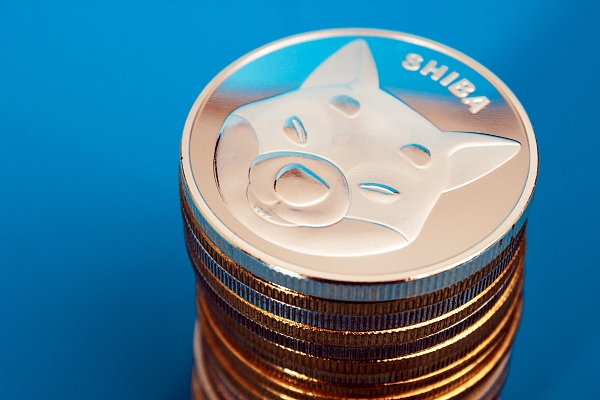
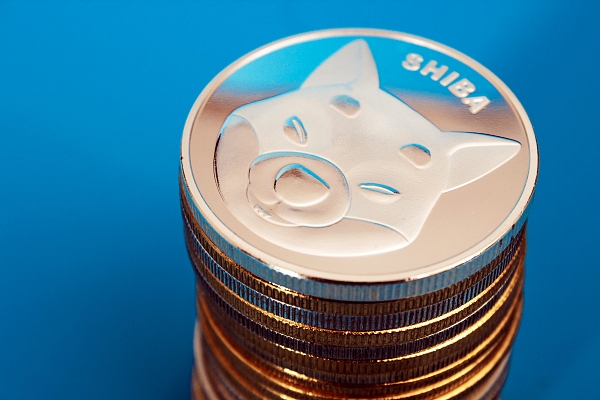
Criticism has resurfaced that Shiba Inu (SHIB) reaching $1 is virtually impossible.
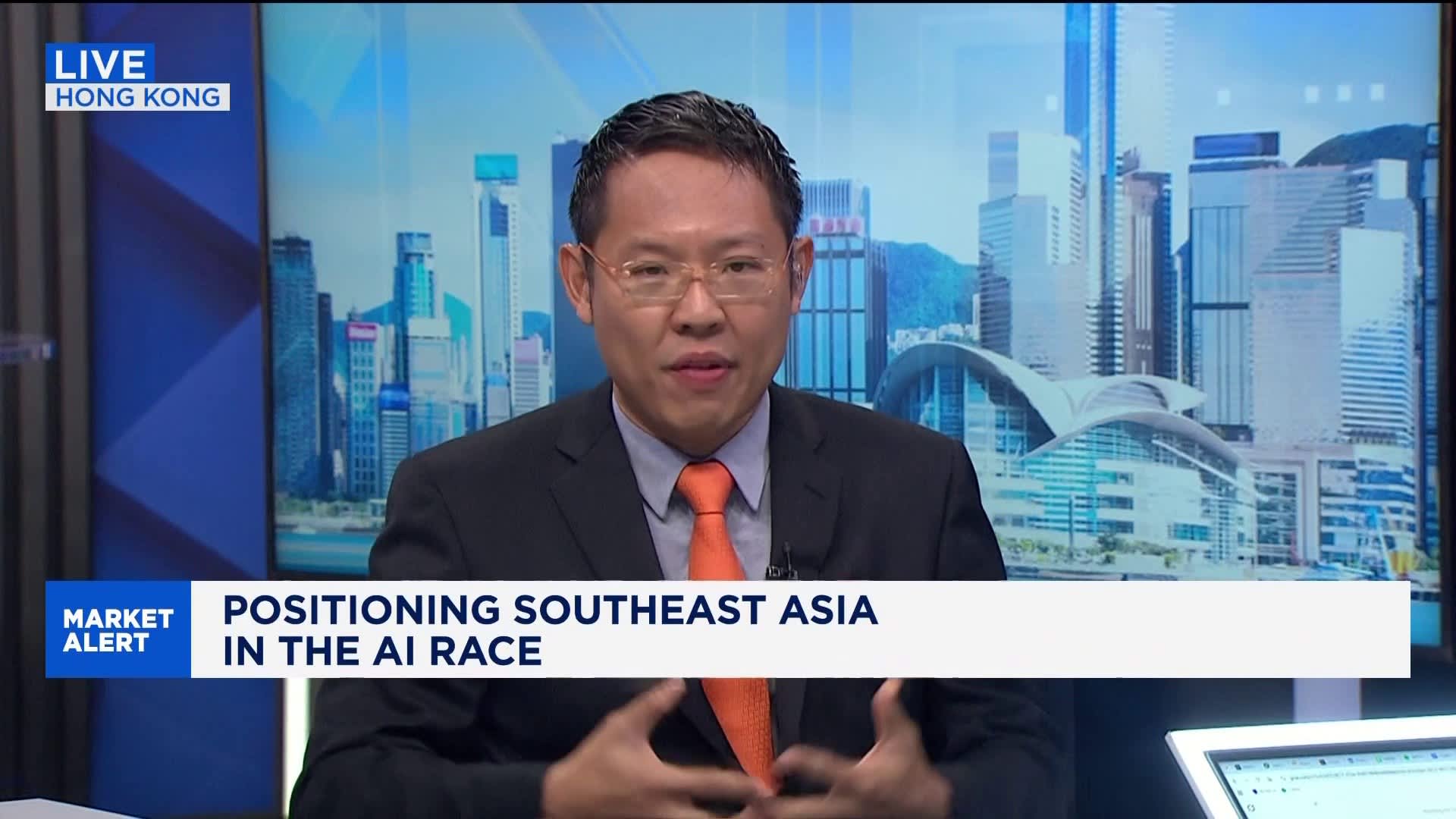
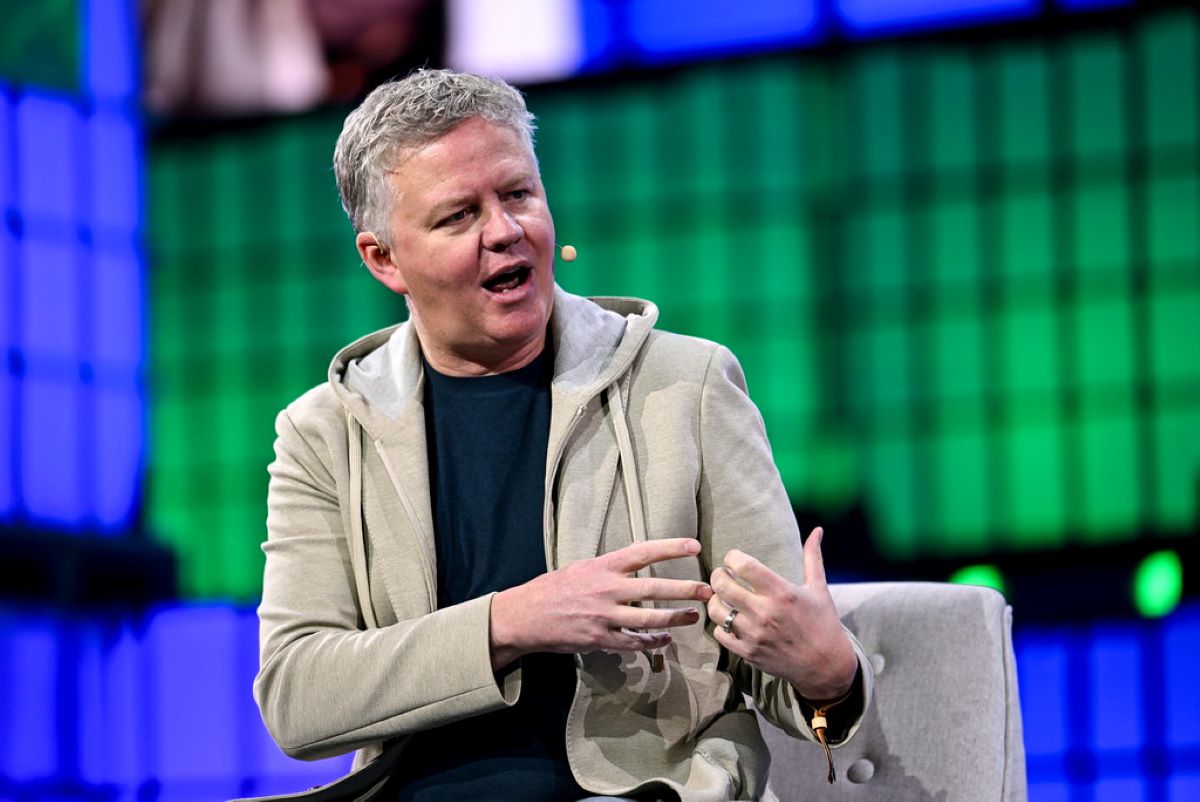
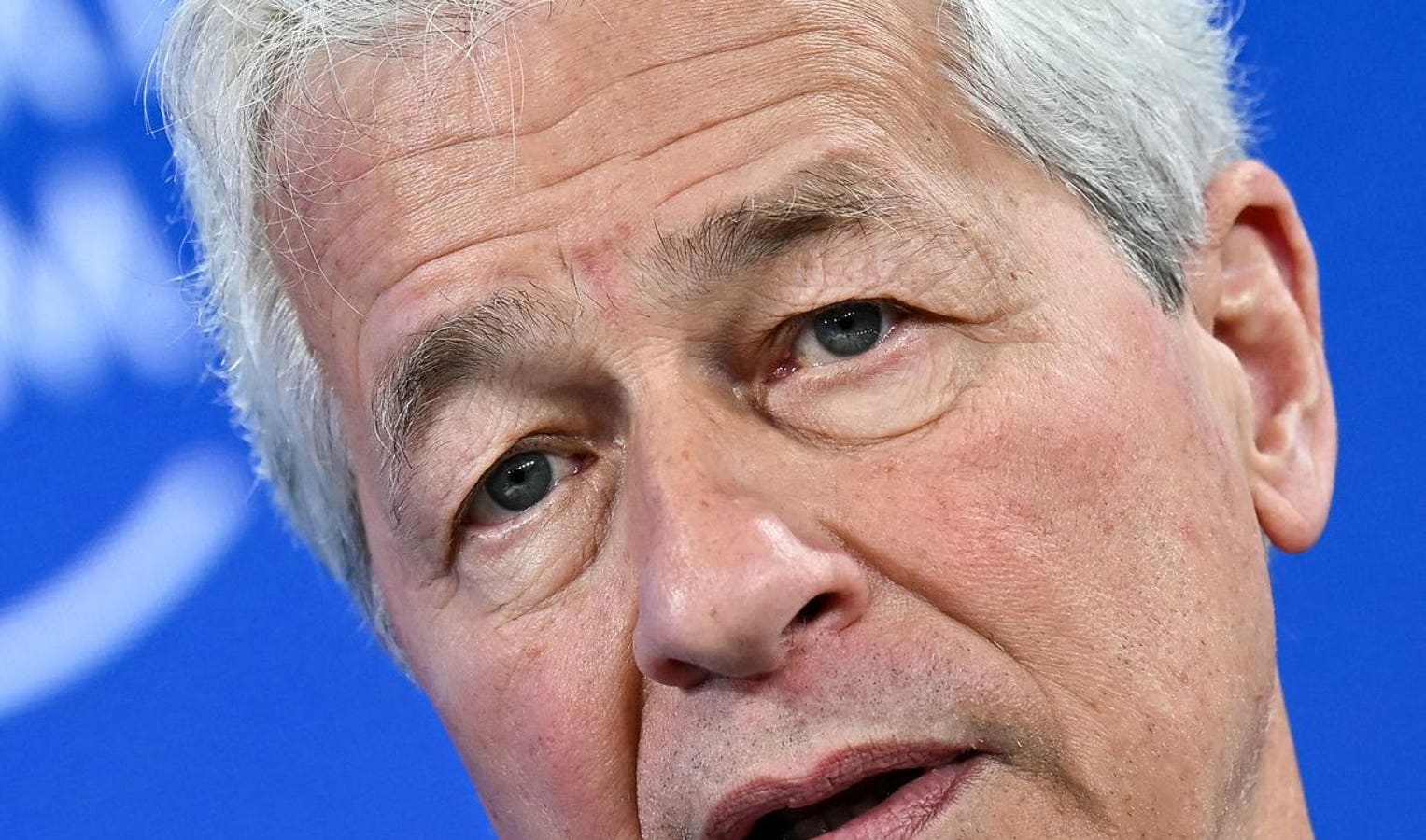
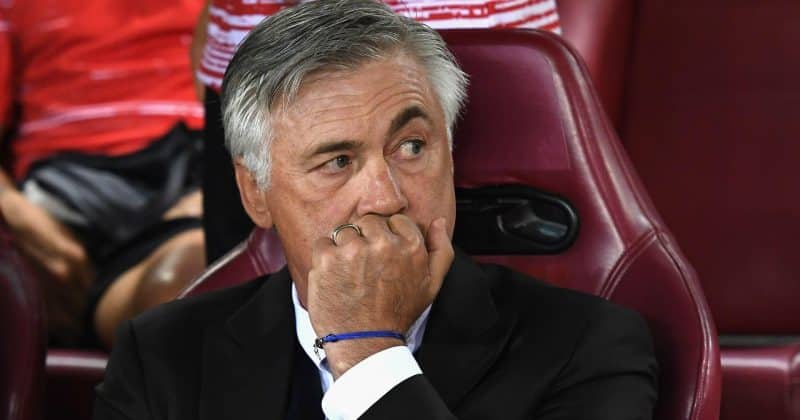
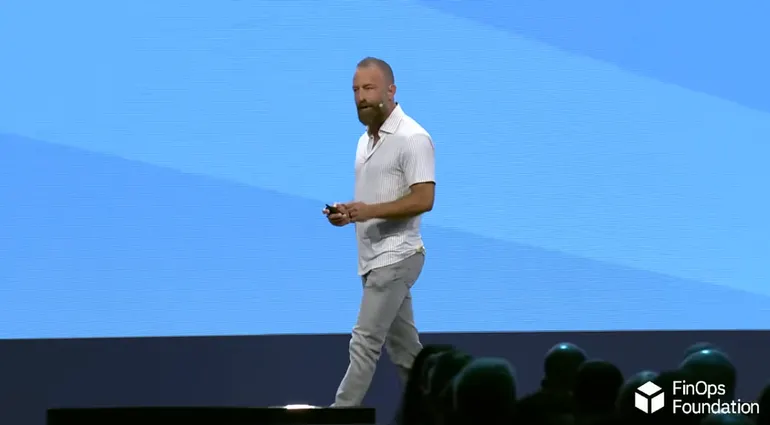
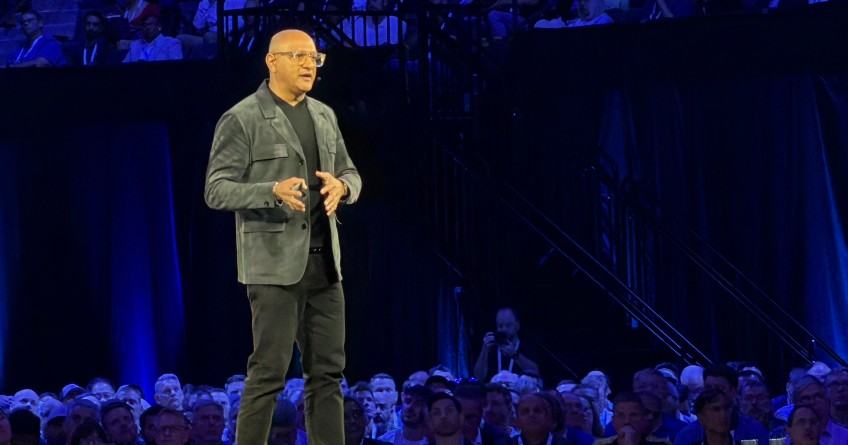
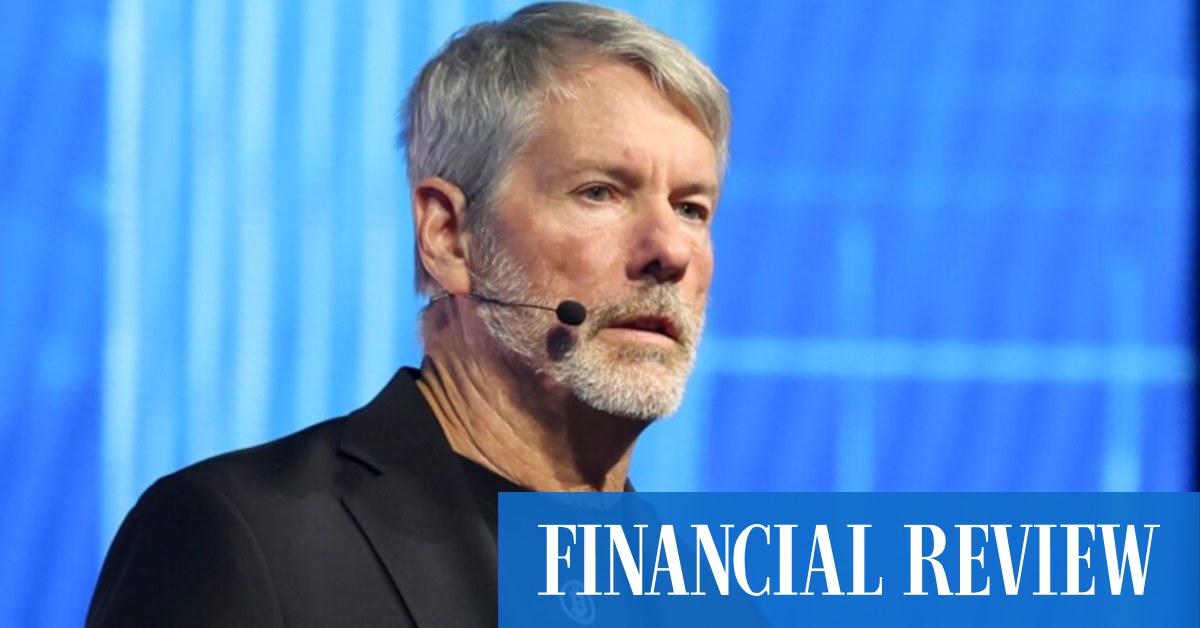
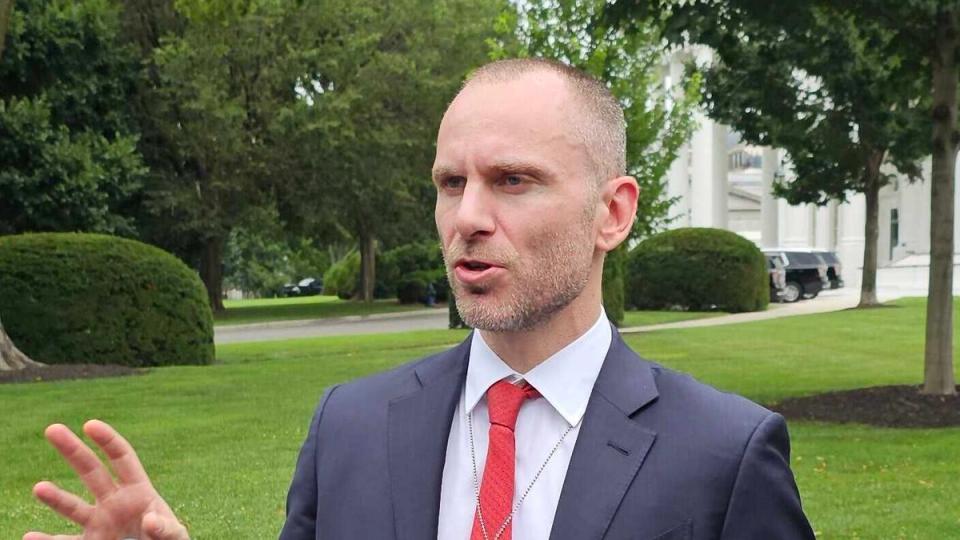
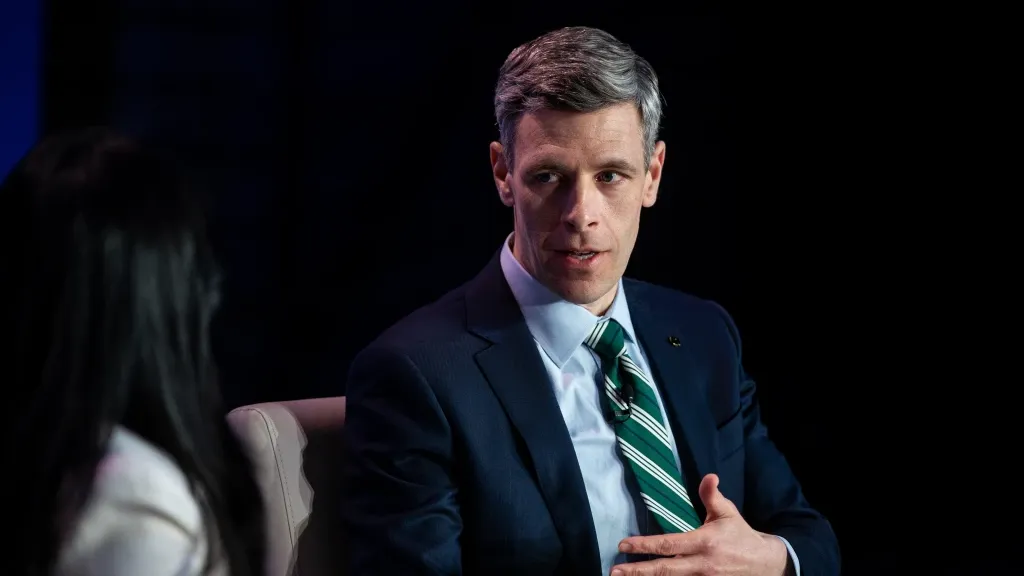
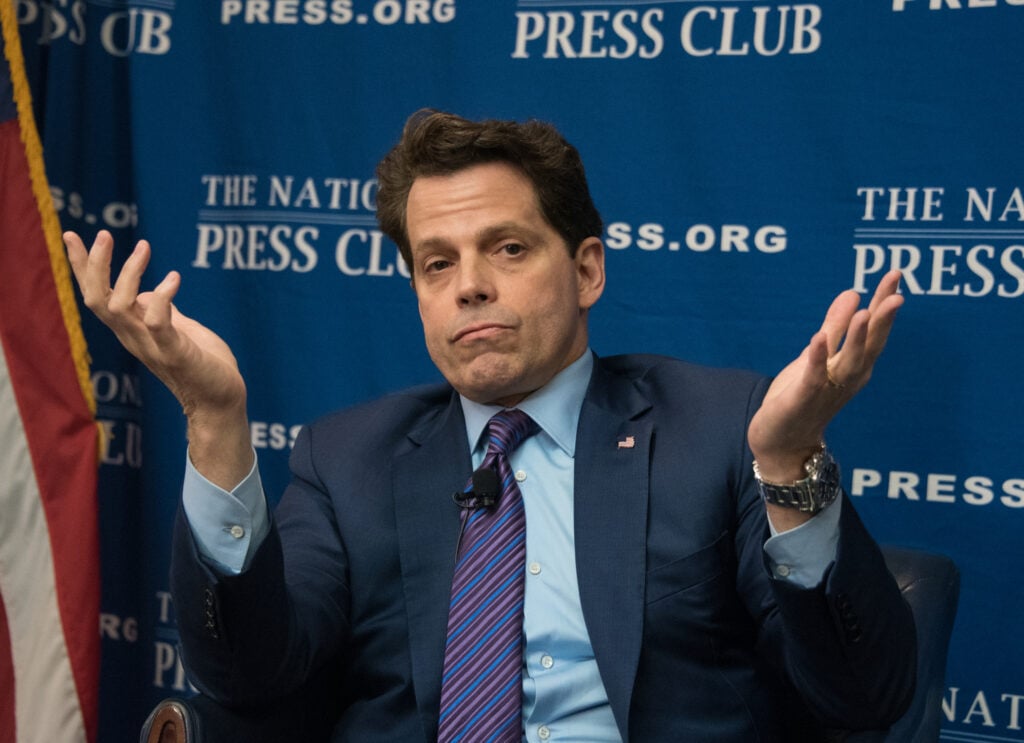
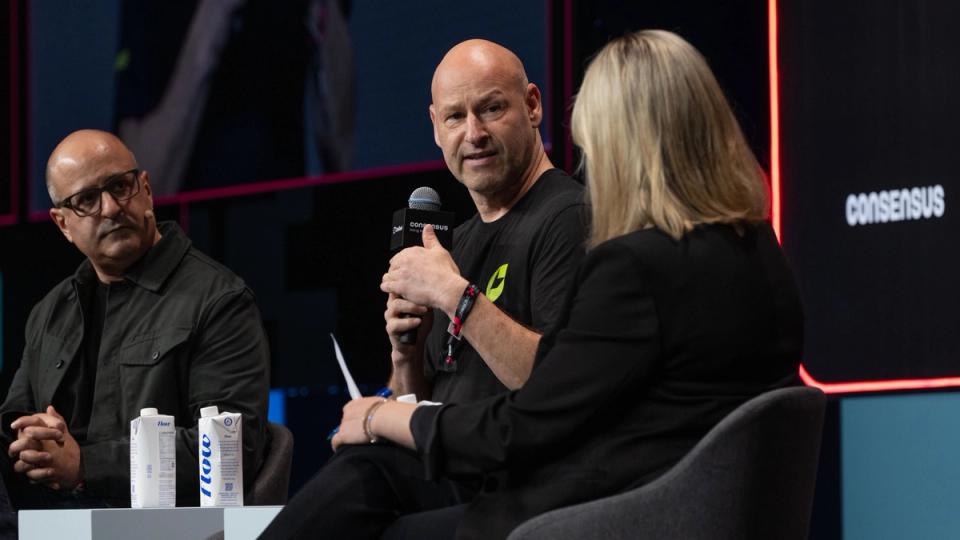
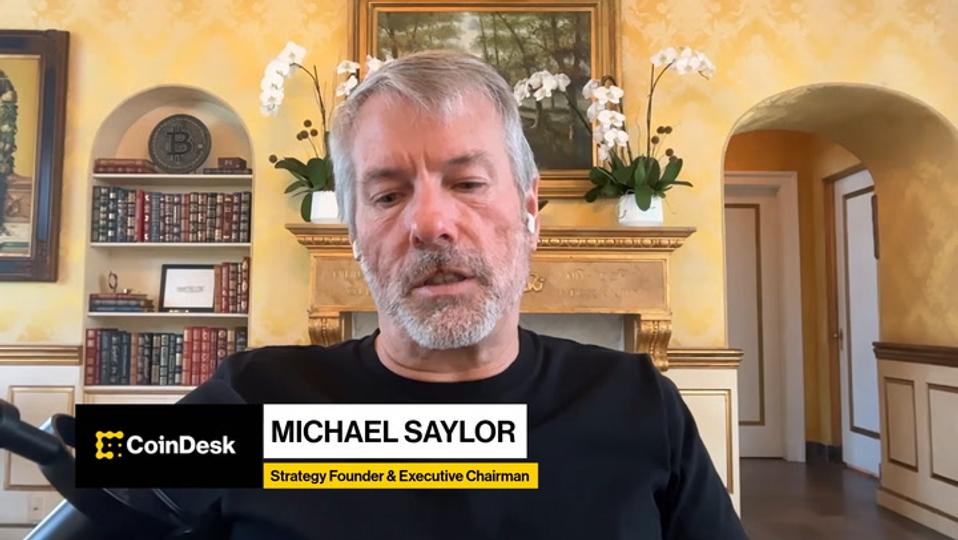
On June 19, blockchain outlet U.Today reported that macro strategist Michael Gayed publicly rebutted expectations in parts of the market about the possibility of Shiba Inu reaching $1.
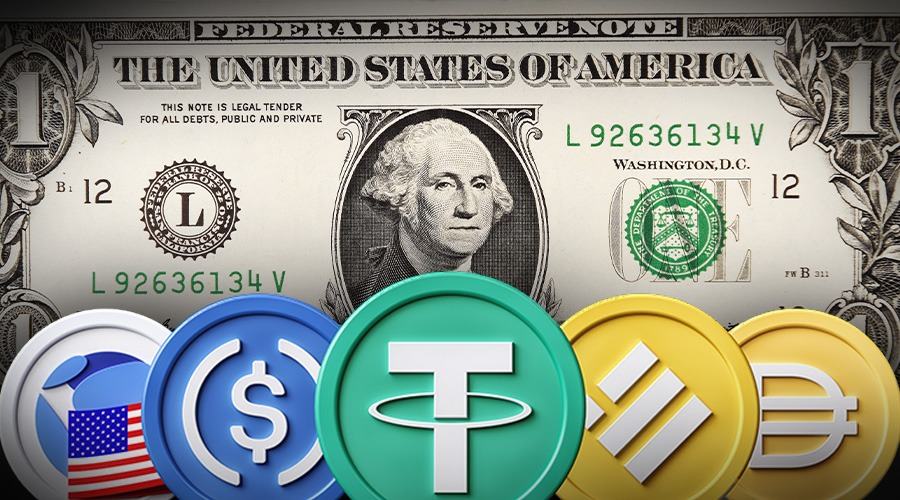
The controversy began with a post by analytics platform TXMC. TXMC said Shiba Inu would need a market capitalisation exceeding the entire global supply of U.S. dollars to reach $1. Reacting to that, Gayed used a coarse expression likening trading Shiba Inu to his physiological needs. The language was strong, but his view of speculative cryptocurrencies, including Shiba Inu, was clear.
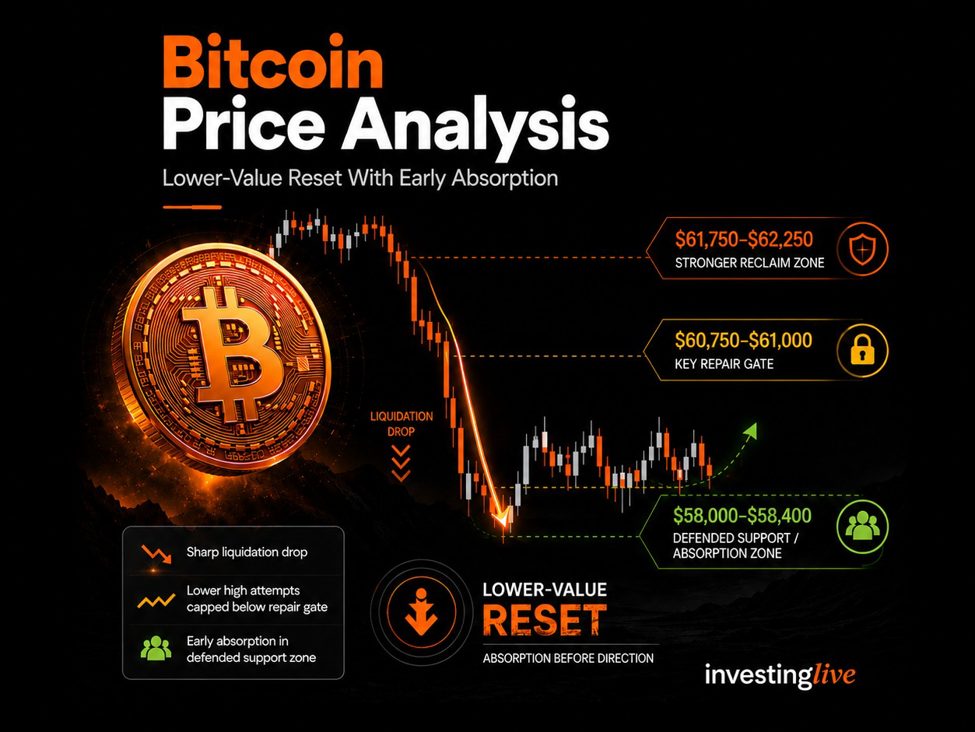
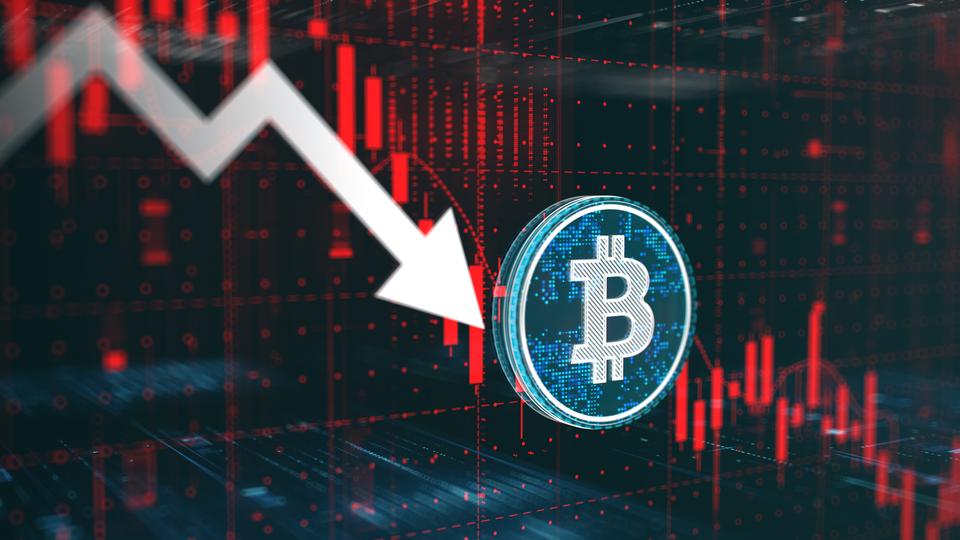
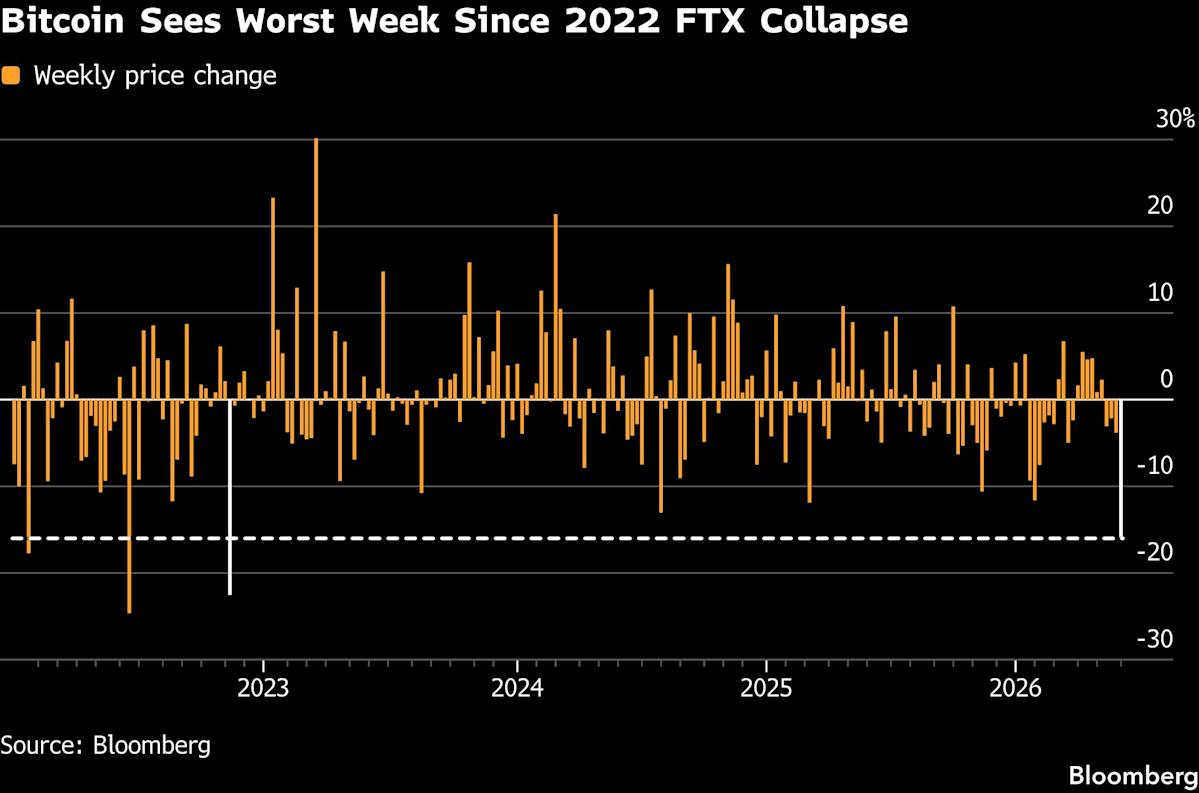
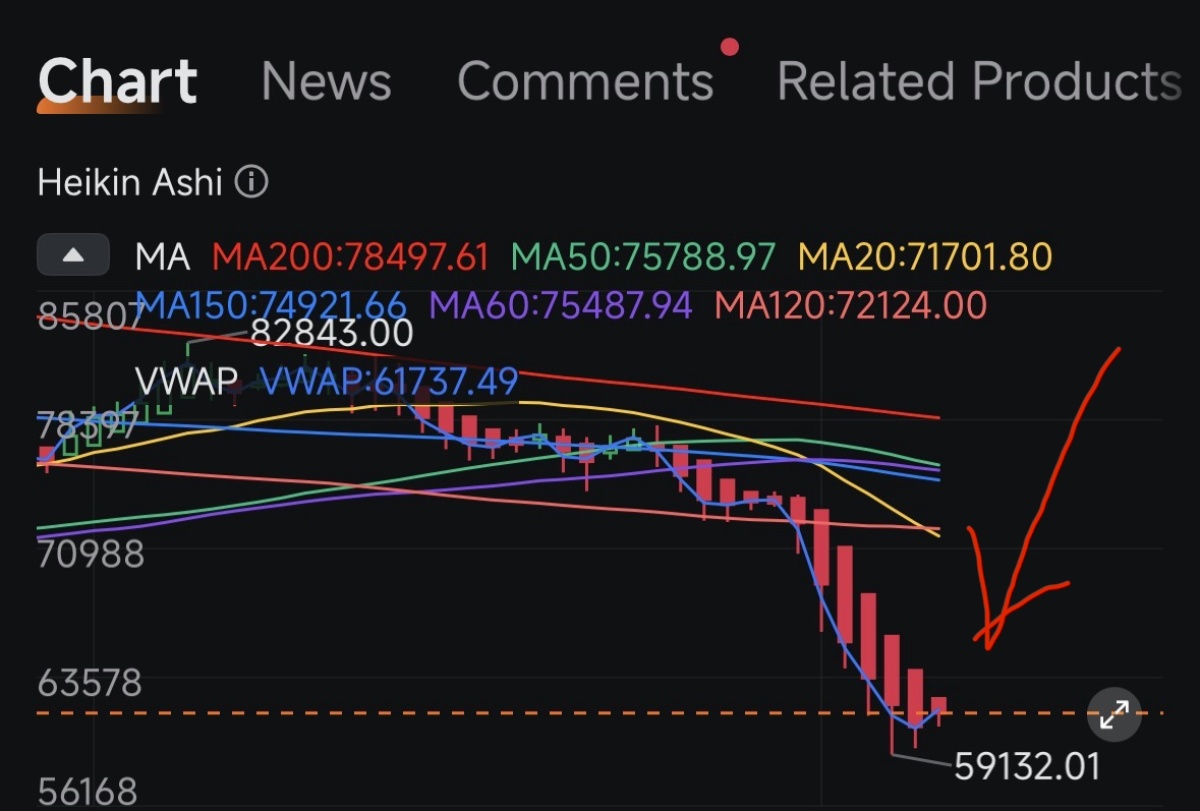
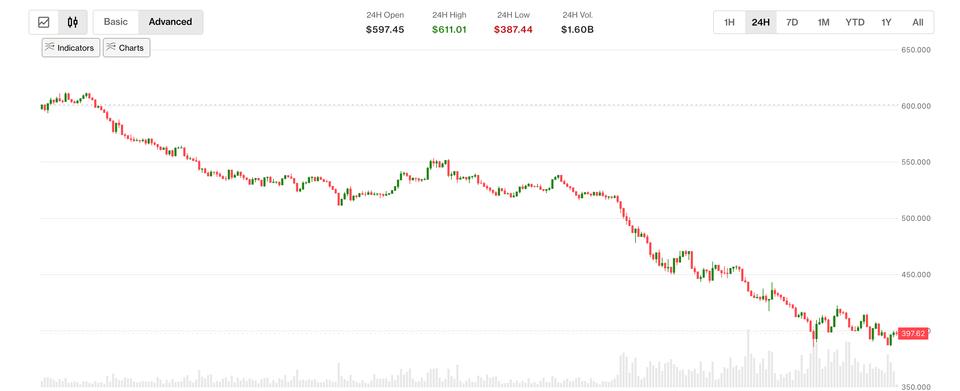
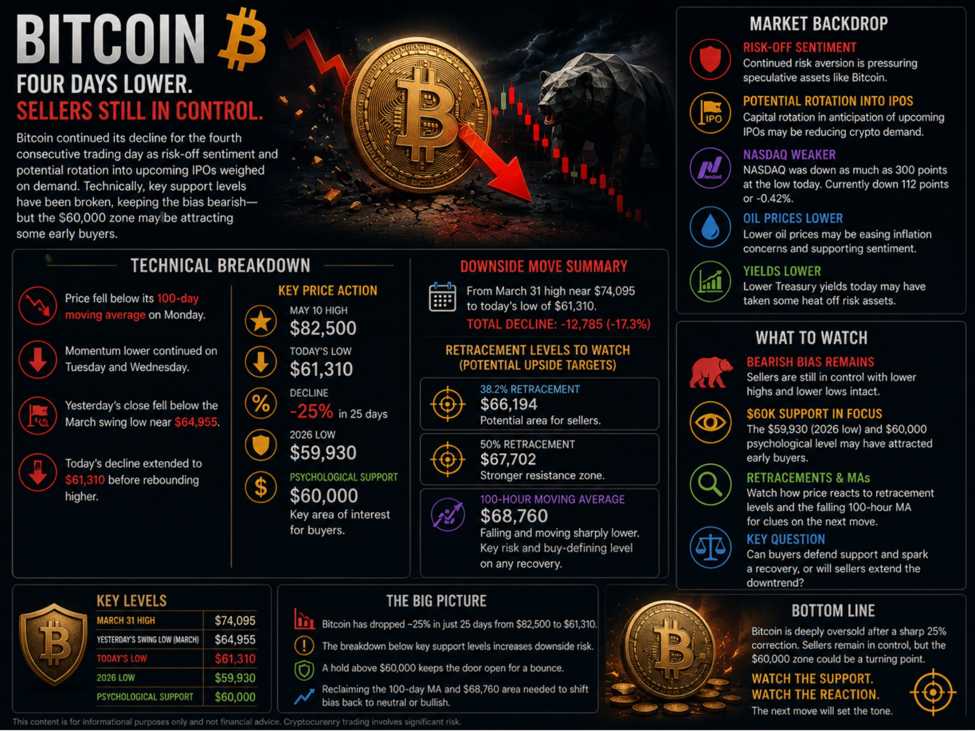
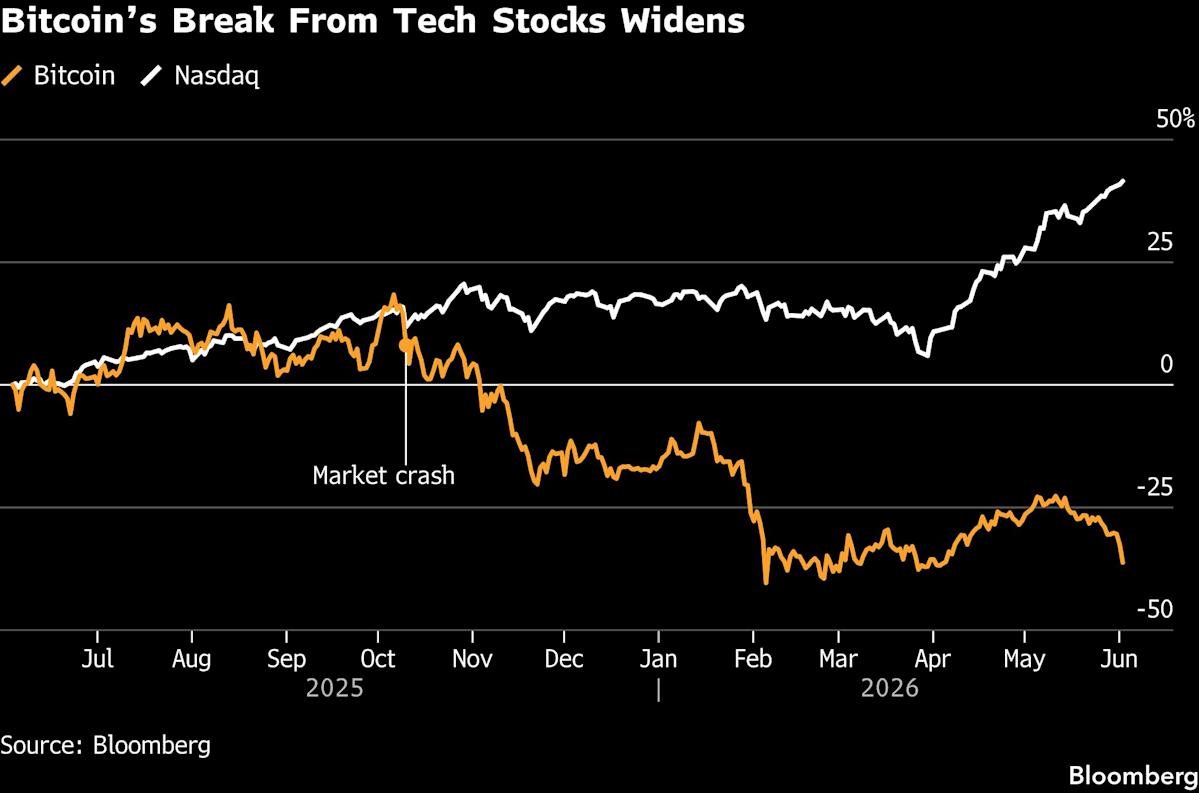
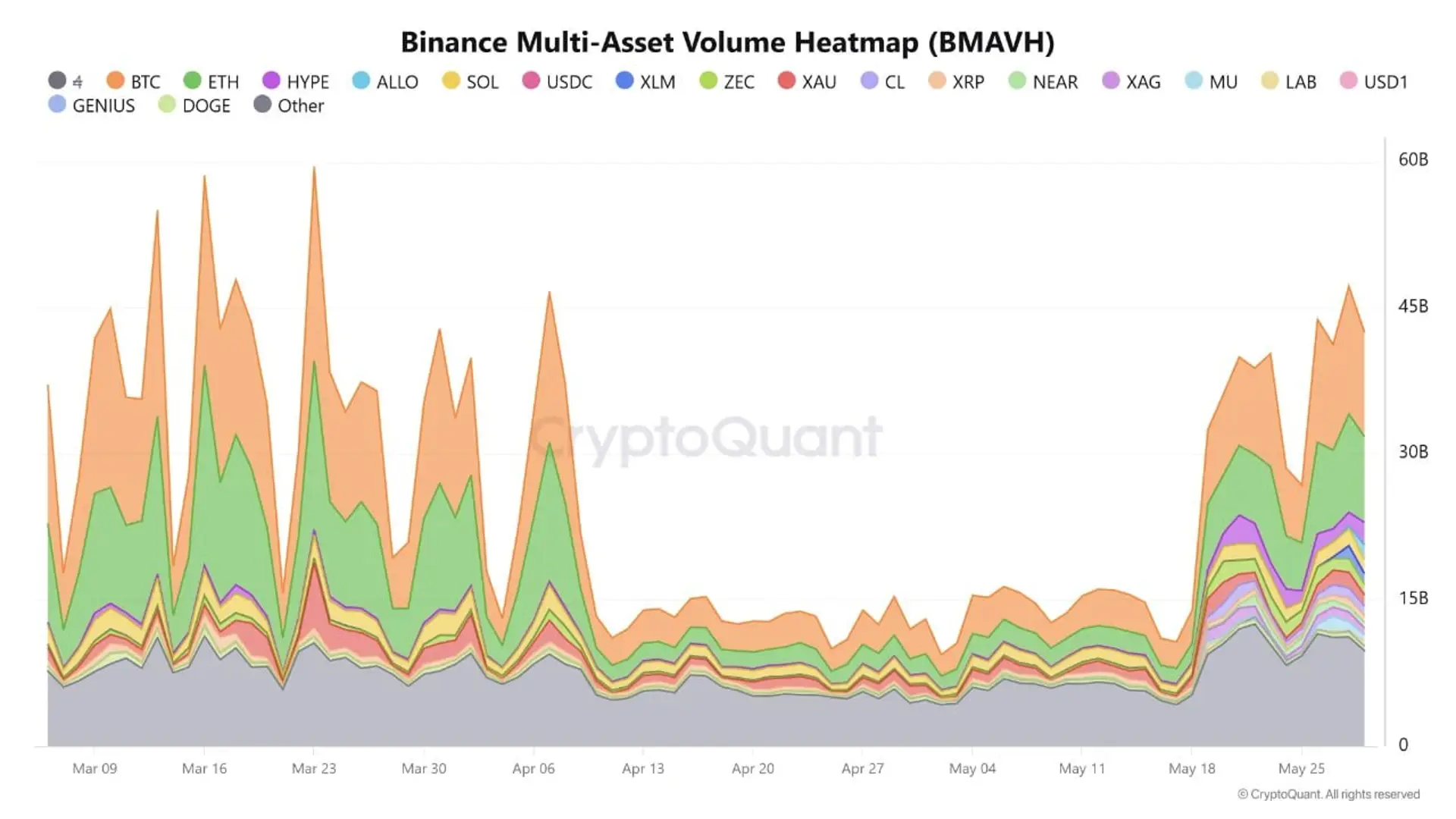
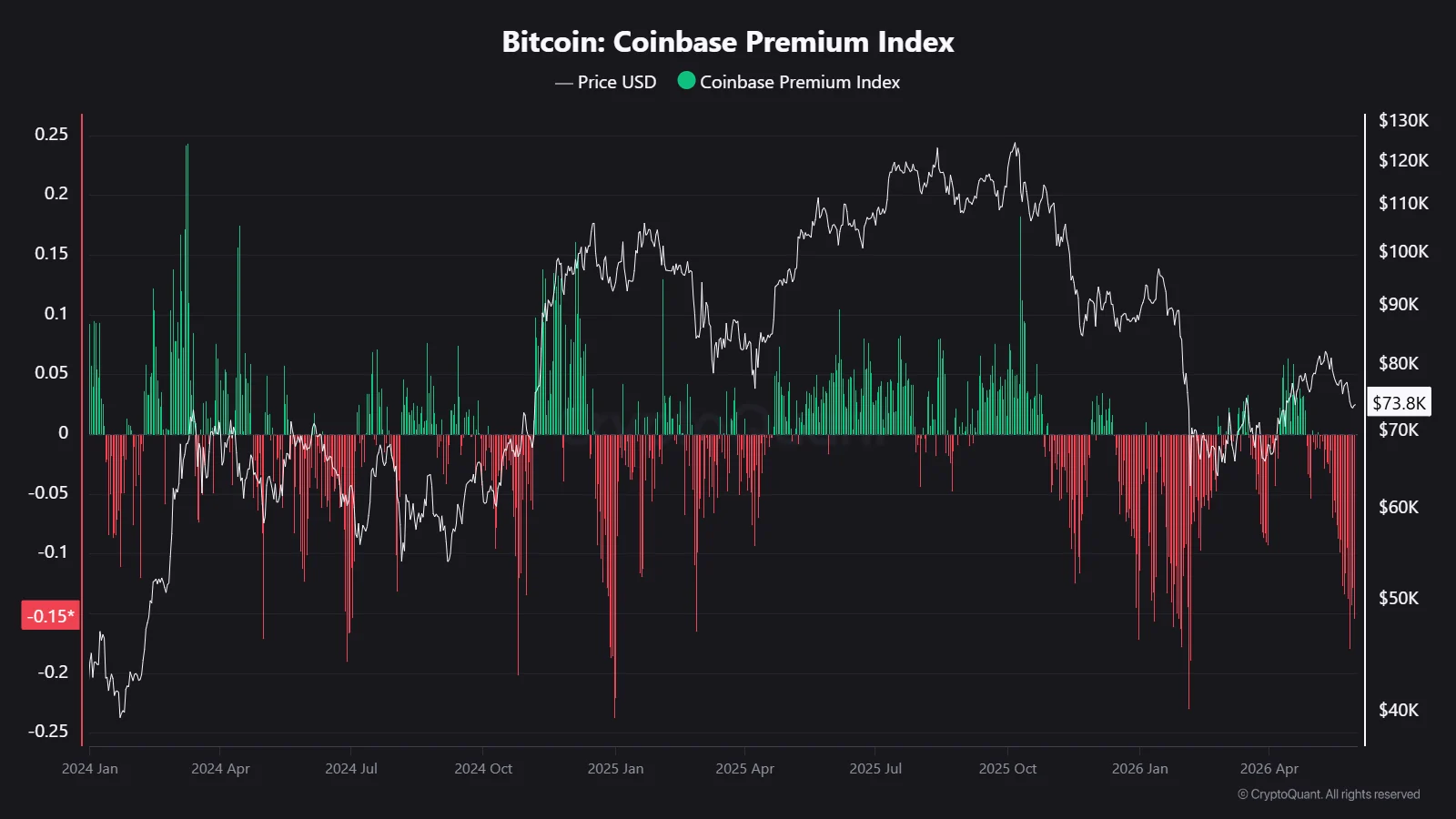
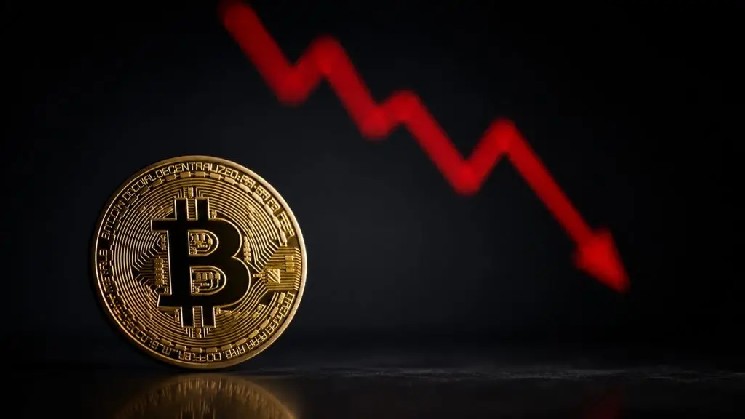
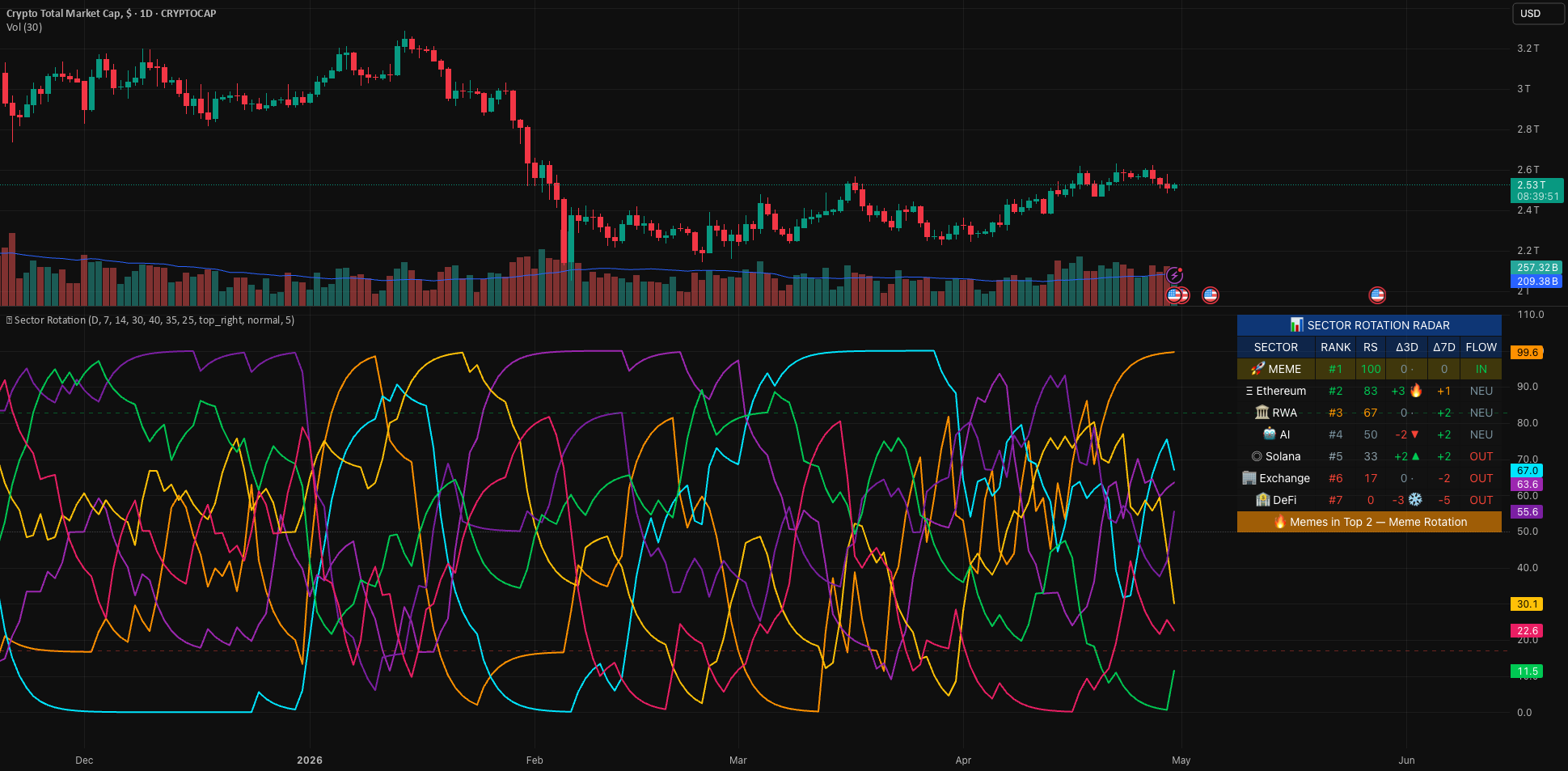
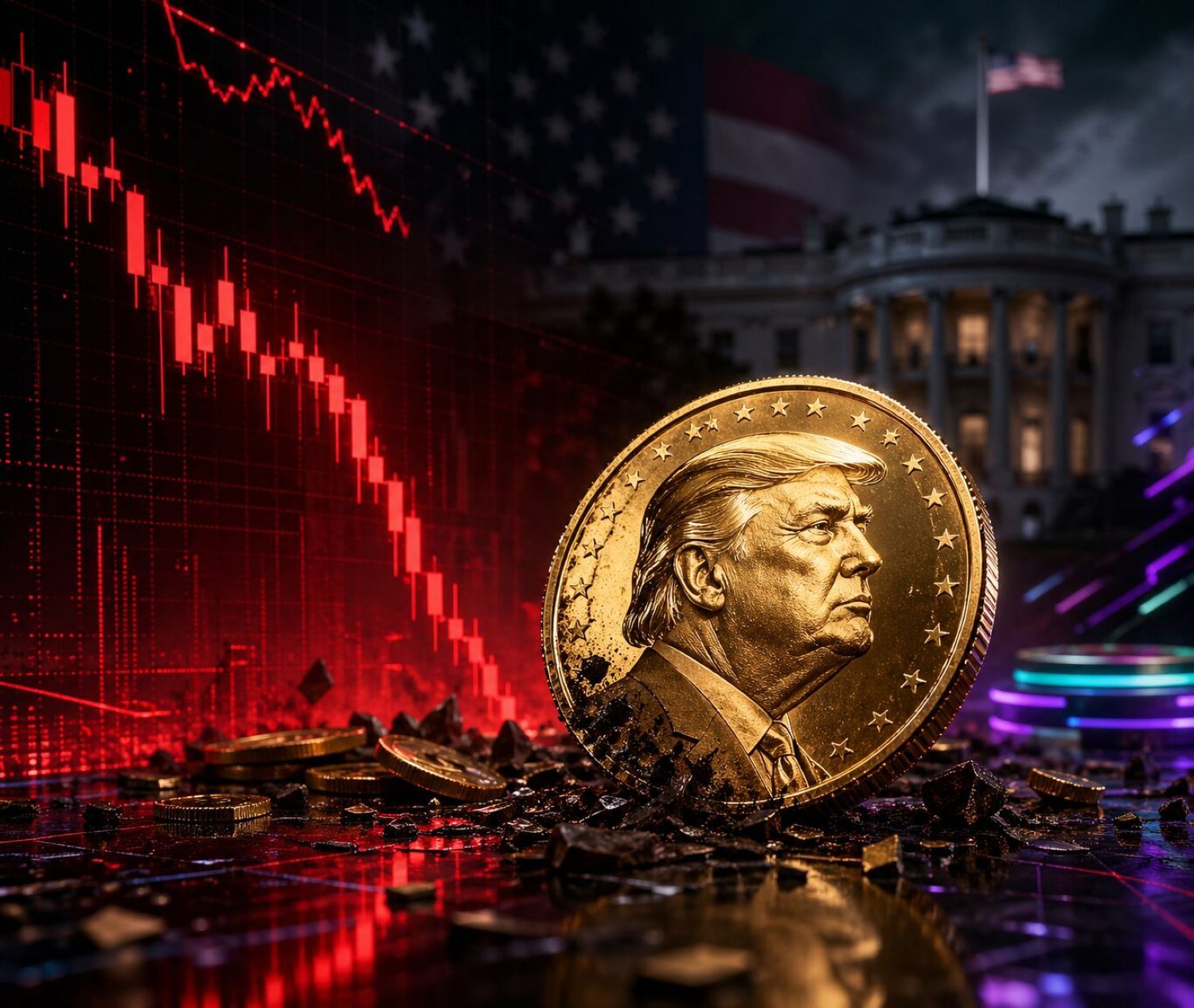
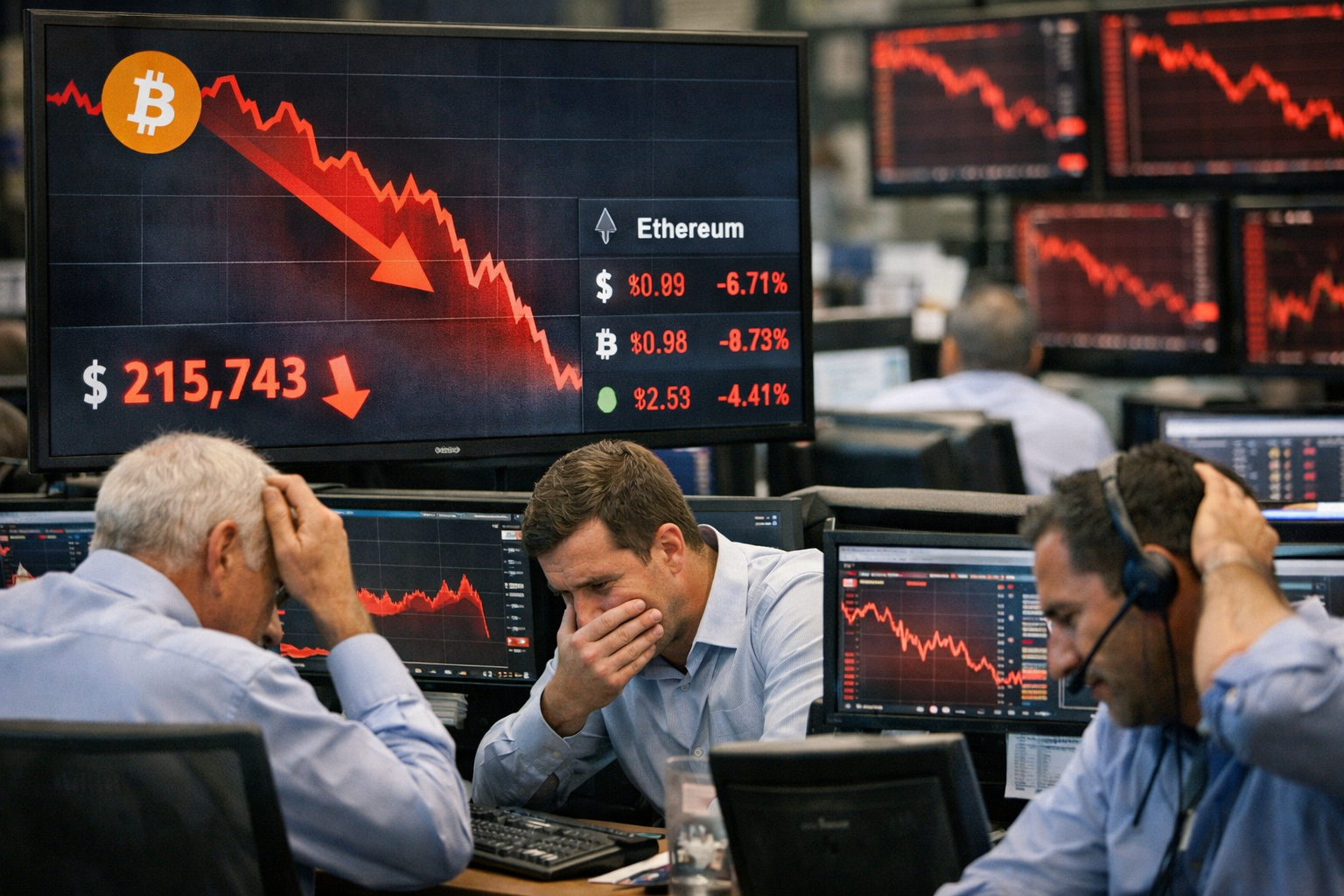
Gayed’s remarks went beyond simple criticism of meme coins. In analysis he has been making since early June, he described the recent downturn in the cryptocurrency market as the second stage of a global liquidity crisis. He argued that when central banks withdraw cheap credit from markets, large investors first unwind speculative positions, and that shock spread to cryptocurrencies.
He also set out an order in which asset classes are hit. Bonds were struck first, cryptocurrencies are now passing through that phase, and equities are next, he said. In the same context, he pointed to the reversal of carry trades as a direct driver of crypto weakness. He said high-risk assets are the first to be shaken when liquidity shrinks.
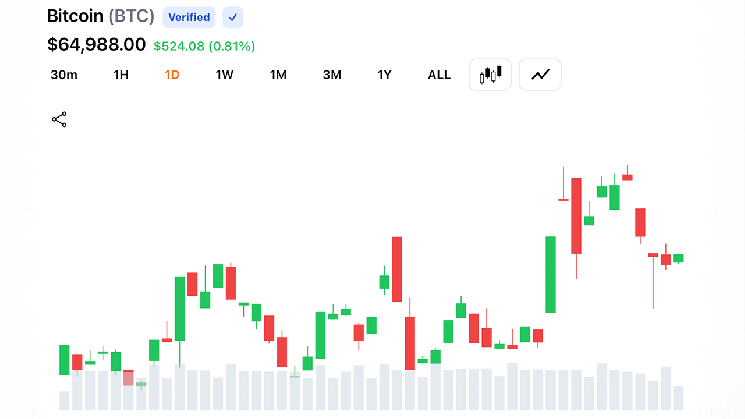
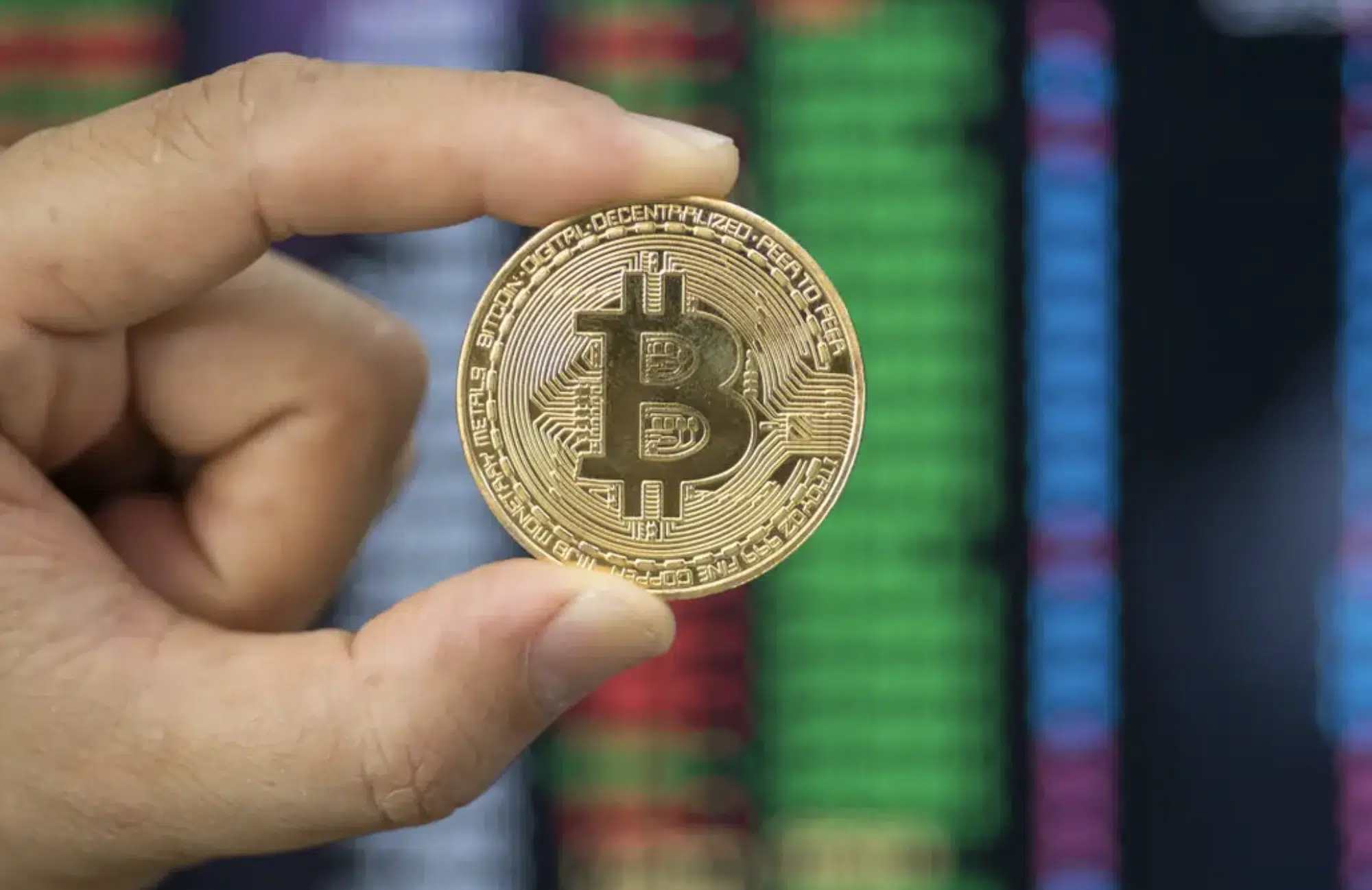
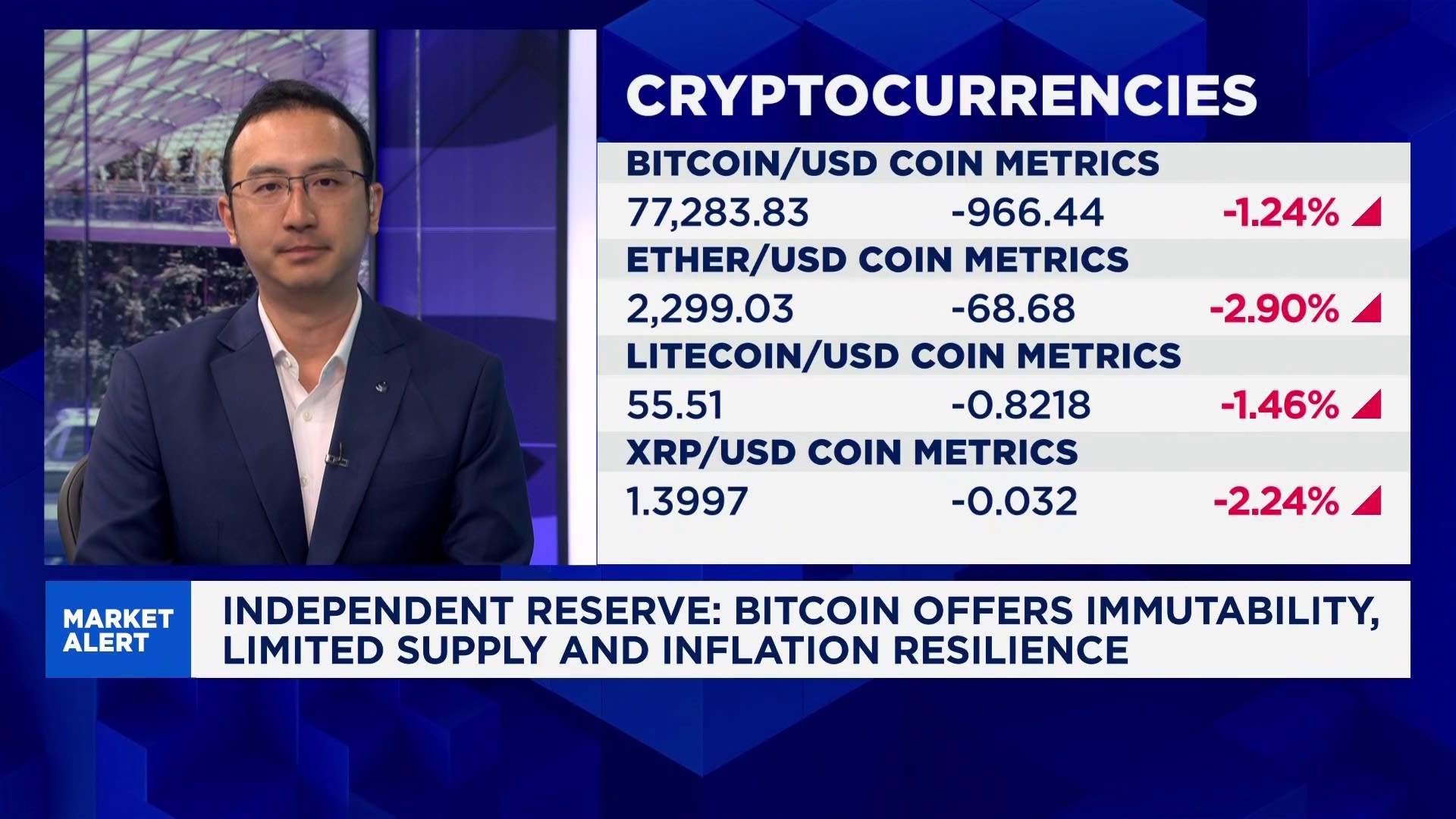
He made no exception for bitcoin. Gayed said bitcoin had “completely failed” to serve as a defensive asset. He argued bitcoin protects no one and is merely “high risk” wrapped in an attractive narrative to draw in capital. Citing that even bitcoin, the market’s flagship asset, cannot provide protection, he reasoned that expectations for meme coins have even less room to stand.
The key point is that the $1 Shiba Inu thesis is not merely a price forecast but something that is difficult to sustain given the structure of its market capitalisation. Gayed also sees the broader cryptocurrency market as being directly exposed to the effects of shrinking liquidity. As a result, rather than expectations surrounding Shiba Inu, a bigger focus is how changes in liquidity conditions are putting pressure on digital assets overall.