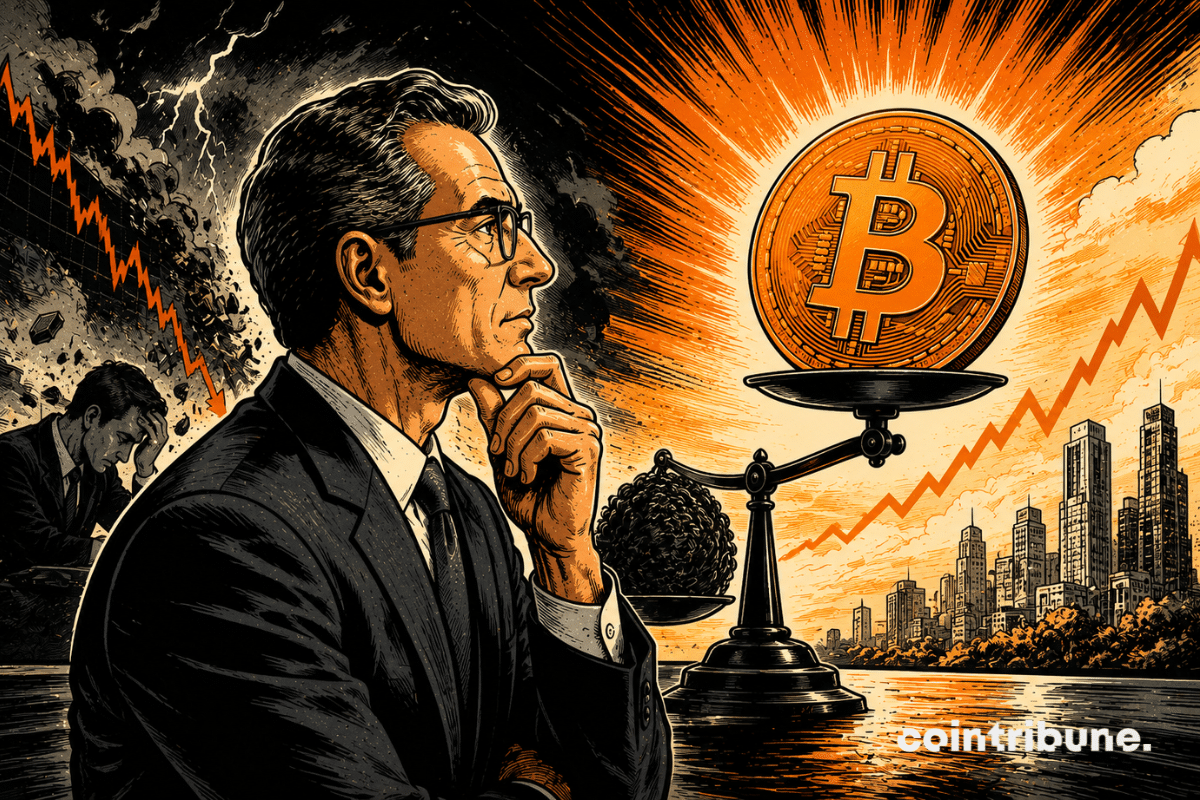

Bitcoin, up or down by jantsarik via Shutterstock
Bitcoin (BTCUSD) treasury companies transformed from a niche idea into one of Wall Street’s hottest investment themes over the past two years. Rather than buying Bitcoin directly, investors flocked to companies promising leveraged exposure through creative financing and aggressive accumulation.
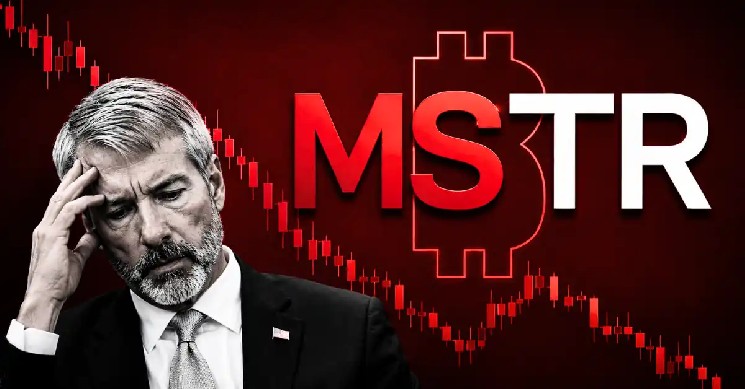
As long as Bitcoin kept climbing, the strategy appeared almost unstoppable. Yet every leveraged strategy eventually faces a bear market. That’s when financial engineering gets tested. What separates durable investment models from temporary market phenomena is how they perform when prices fall instead of rise, and that distinction has become increasingly clear for Strategy (MSTR), formerly MicroStrategy.
The Original Playbook Worked—Until It Didn’t
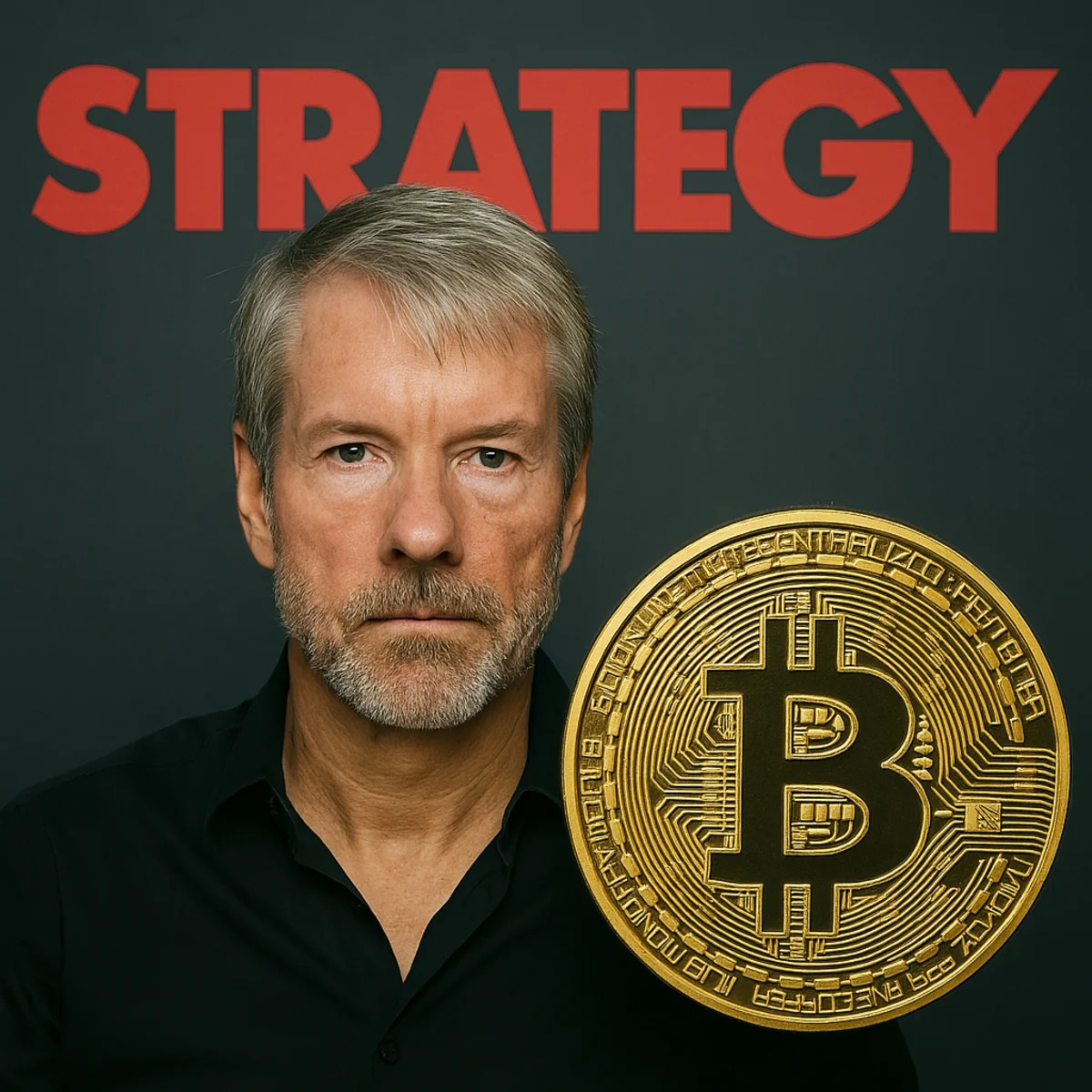
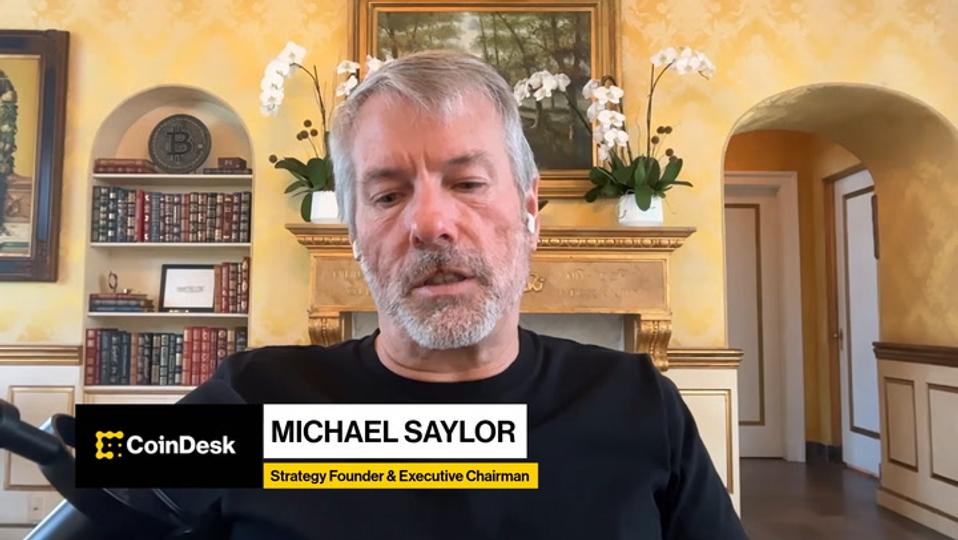
Michael Saylor never pitched Strategy as simply another software company (not anymore at least; that was the old “MicroStrategy,” which dated back to 1989). Instead, it became a Bitcoin treasury vehicle whose stock often traded at a premium to the value of its underlying Bitcoin holdings, or net asset value (NAV). That premium became the engine driving the strategy.
When MSTR traded well above NAV, the company could issue new shares, buy more Bitcoin, and increase its holdings. Investors viewed the stock as a leveraged long-term call option on Bitcoin rather than a traditional equity investment.
Critics argued from the beginning that this only worked during a bull market. If Bitcoin fell long enough, that premium would disappear, limiting Strategy’s ability to raise capital efficiently.
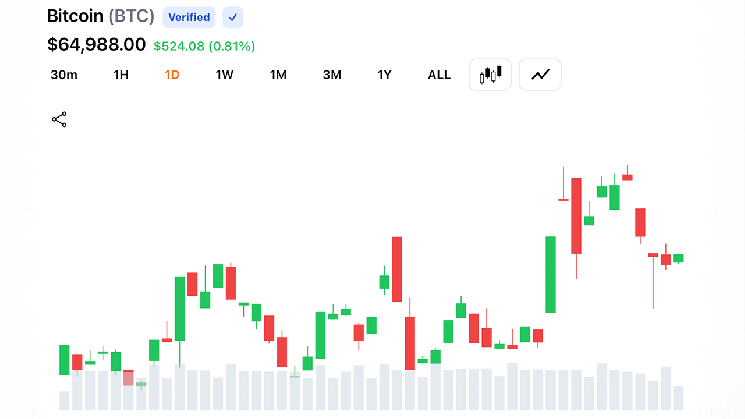
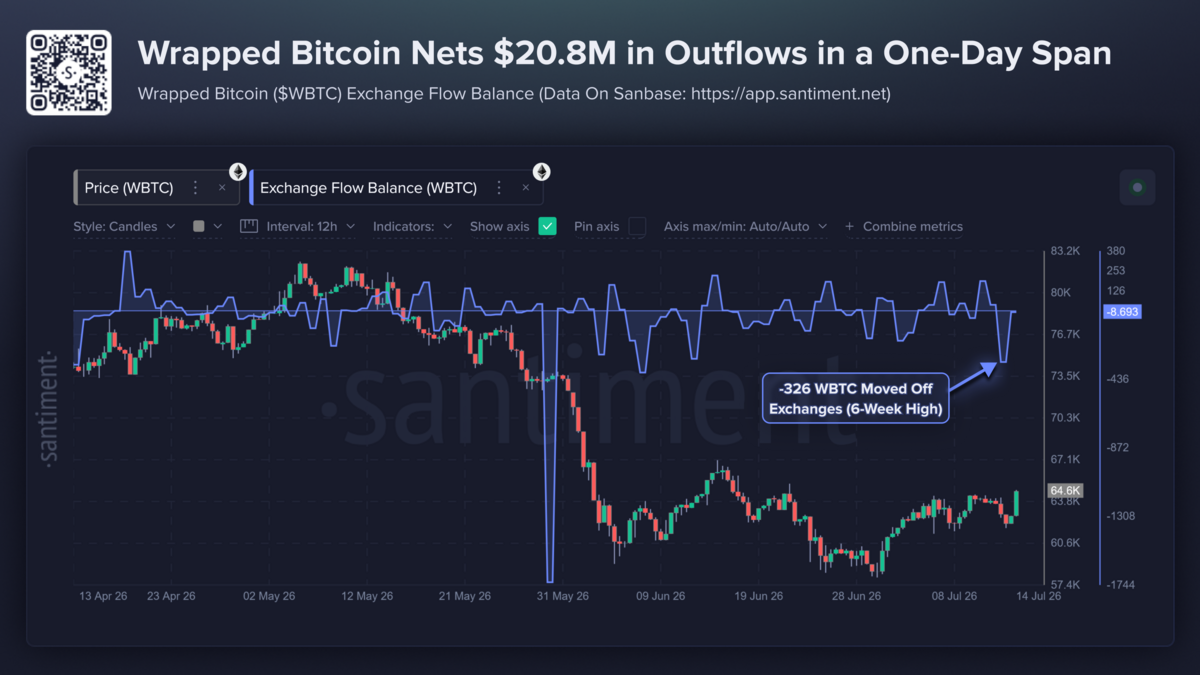
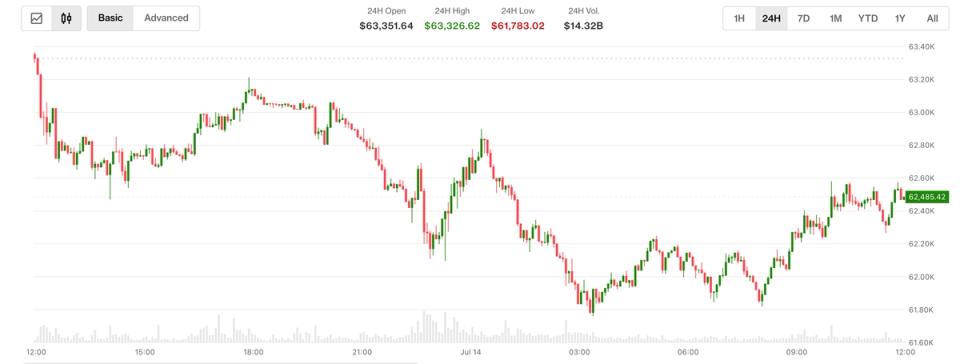
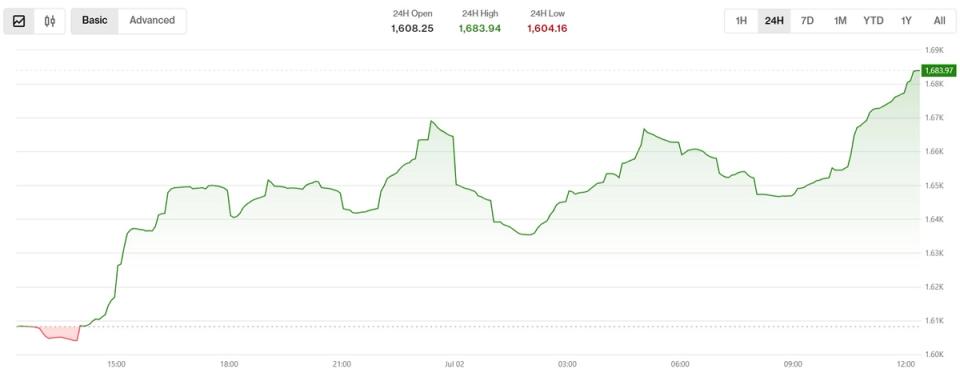
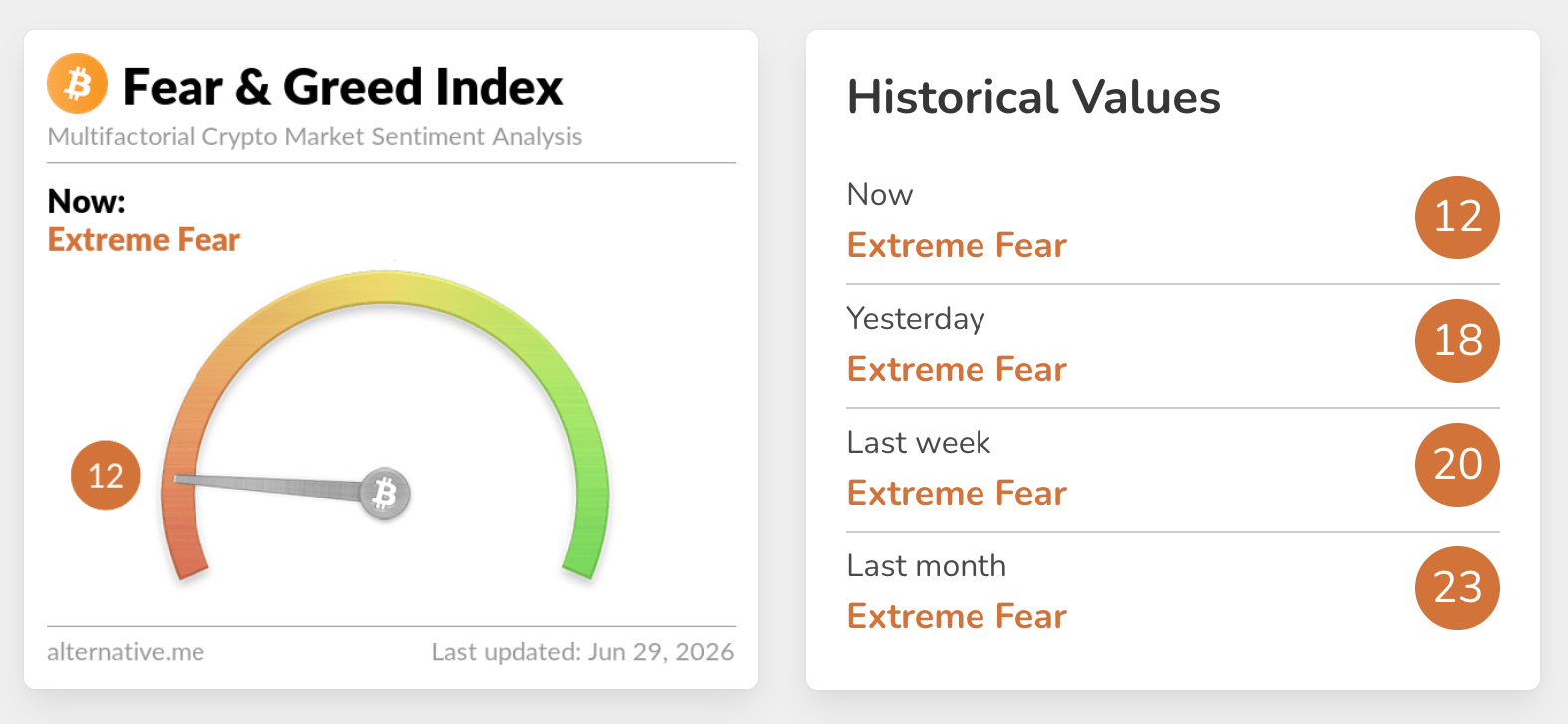
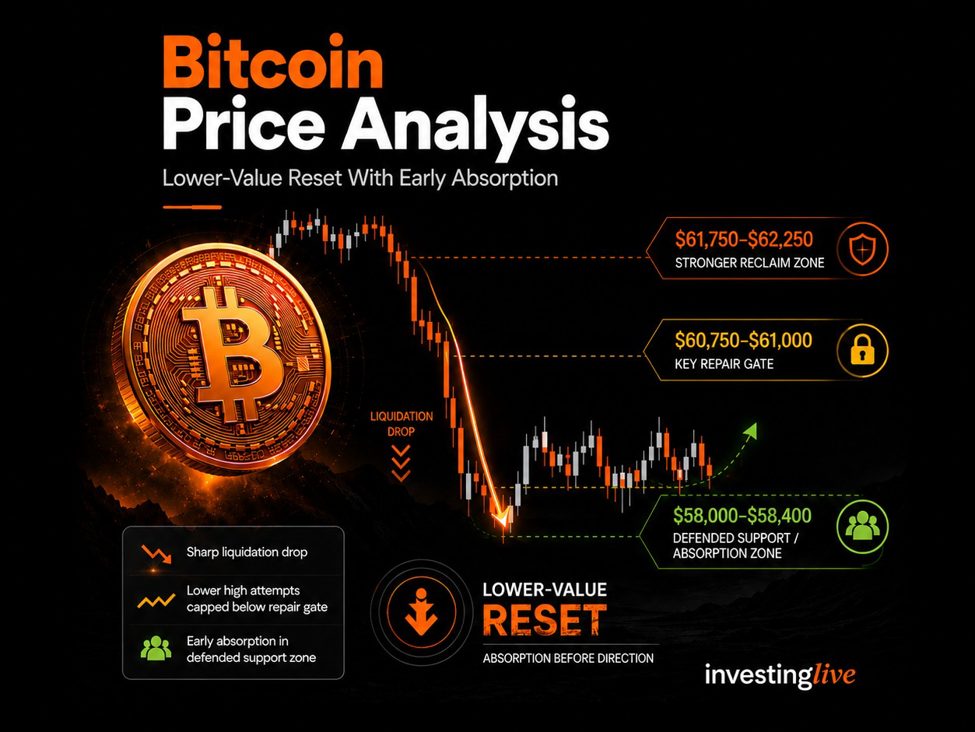
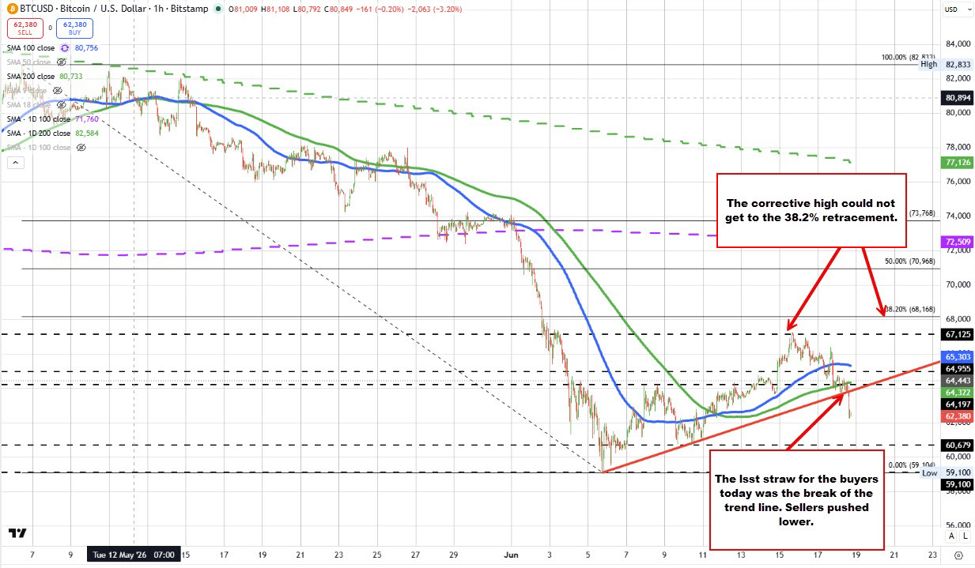
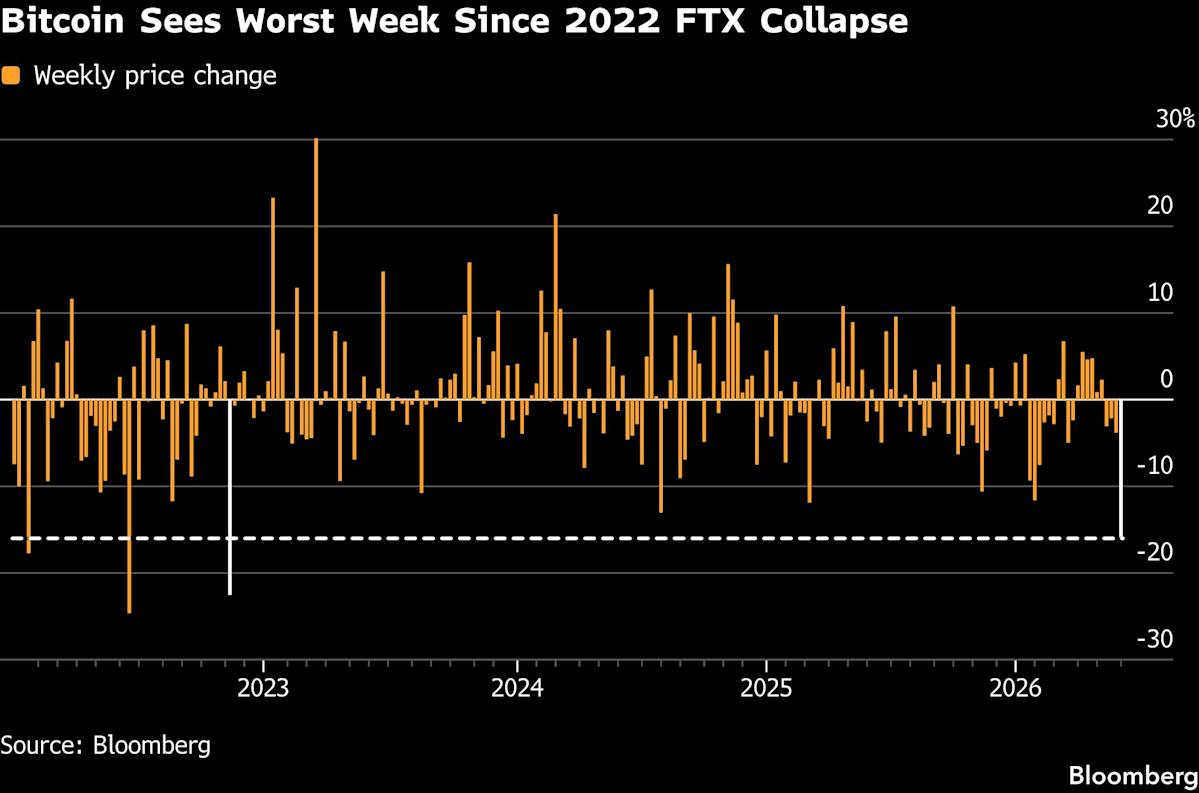
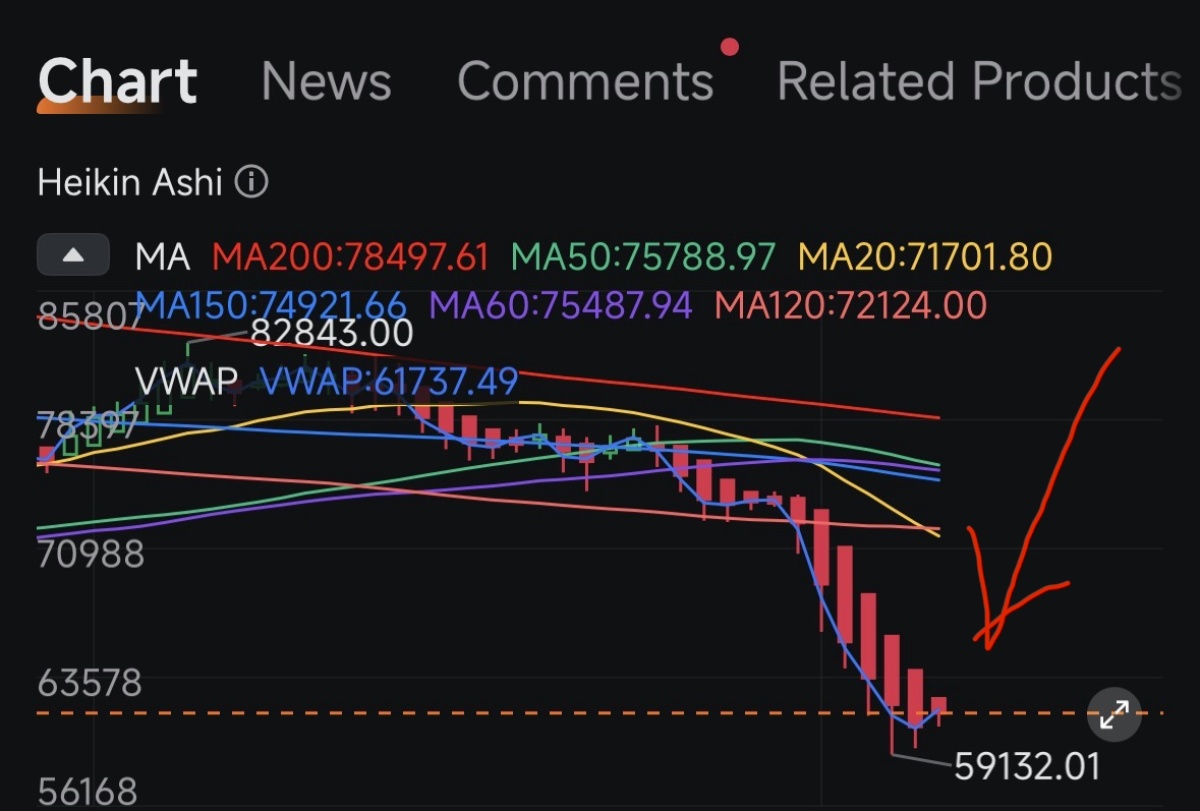
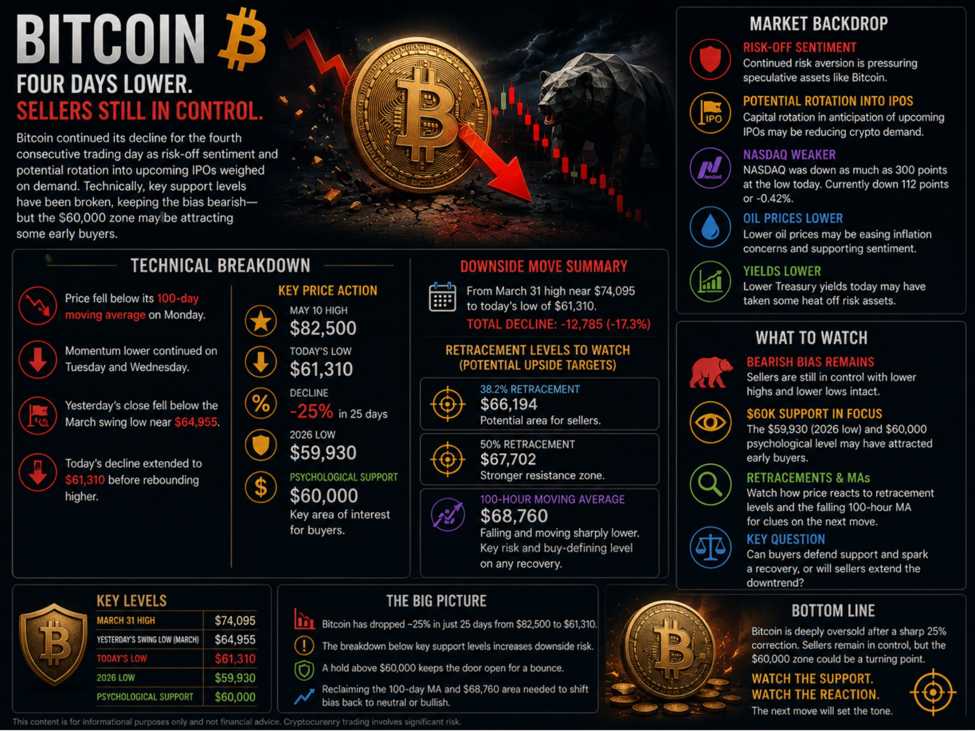
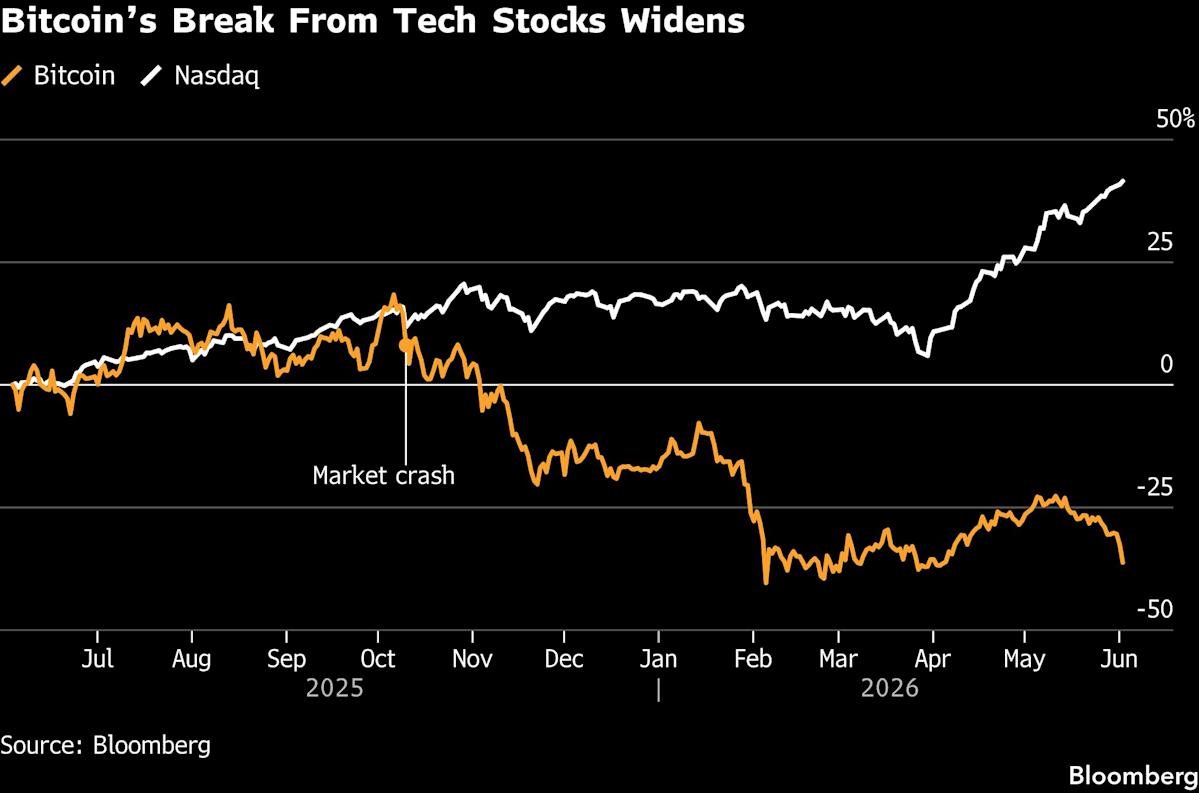
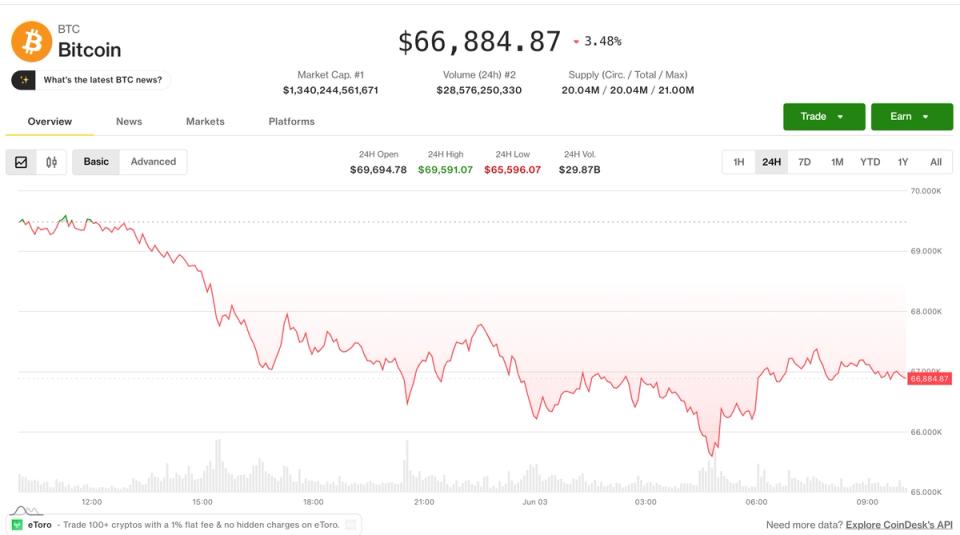
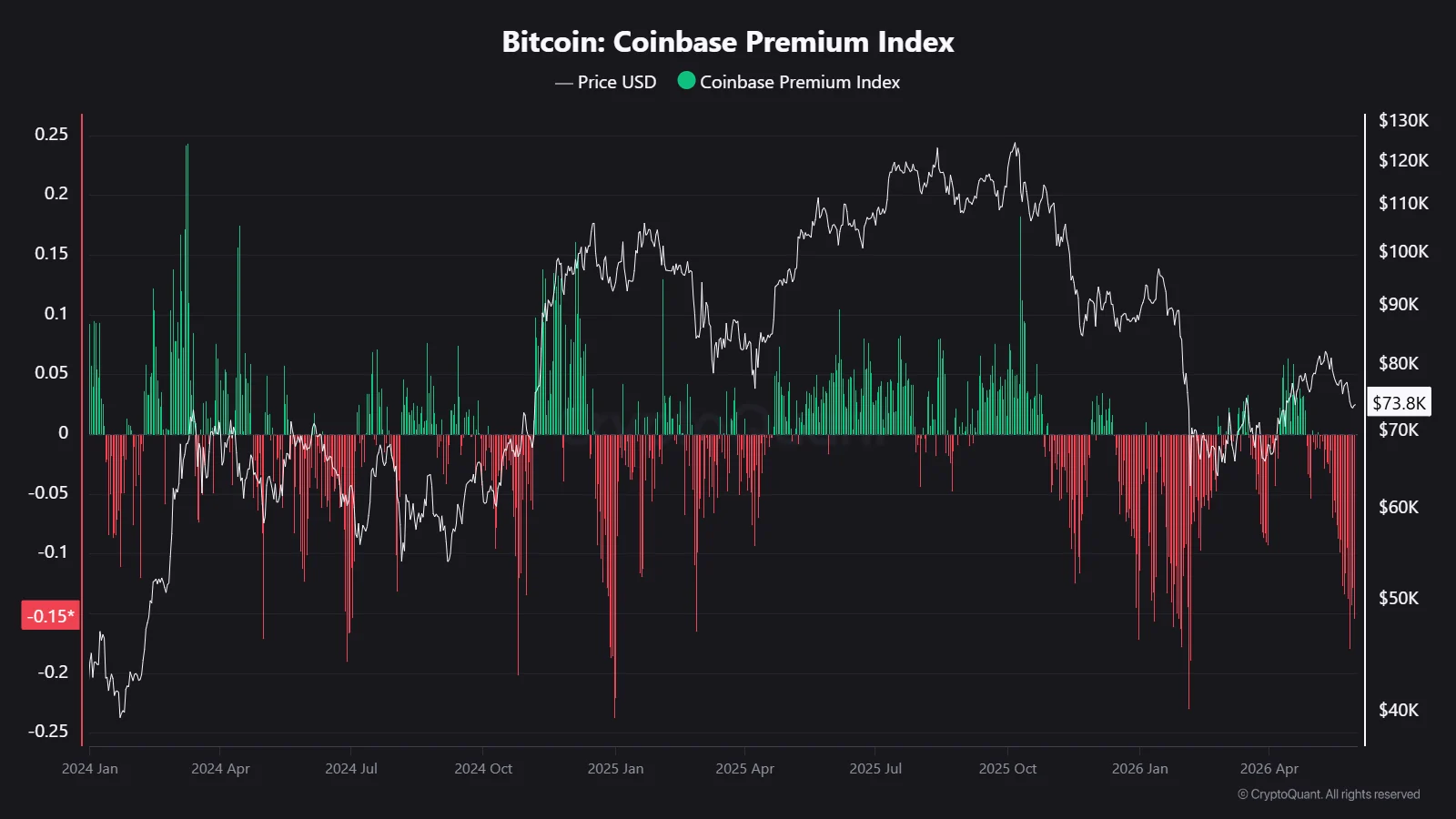
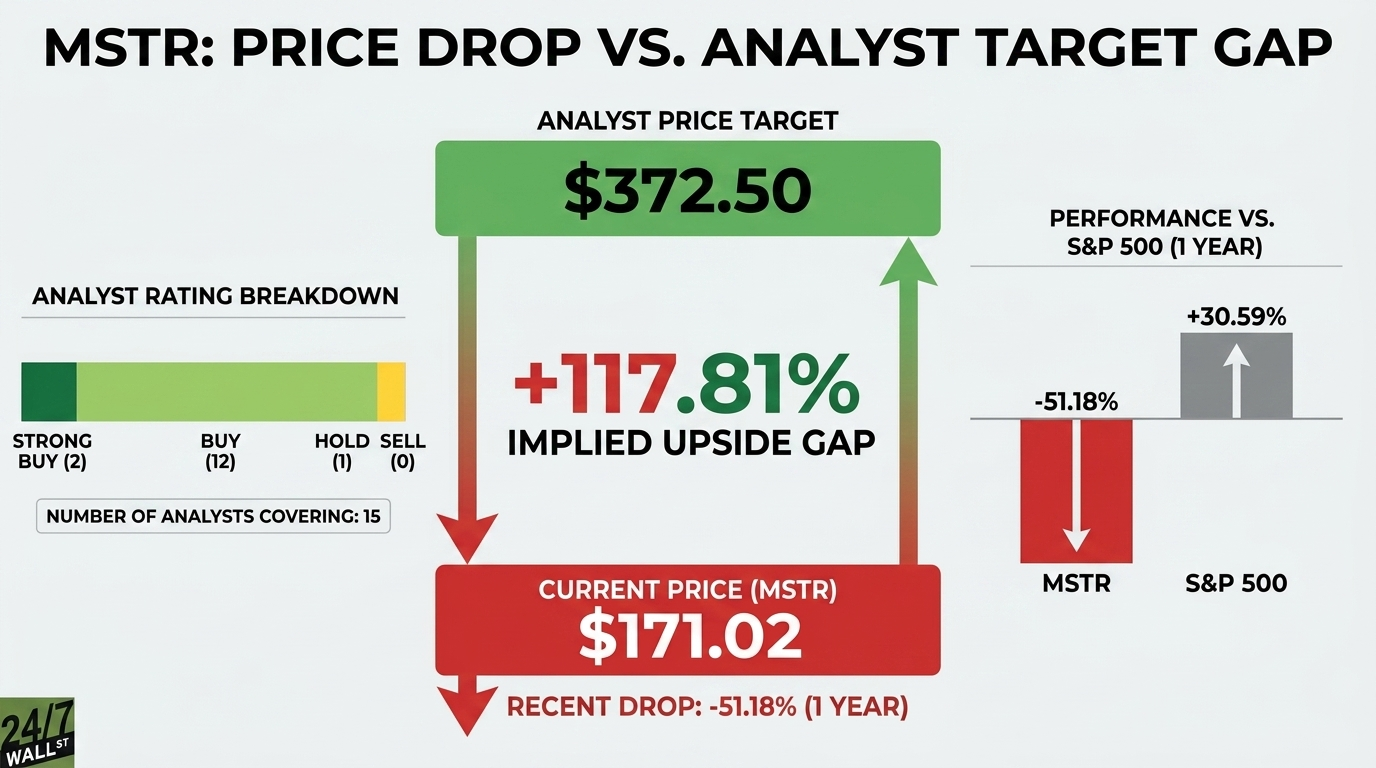
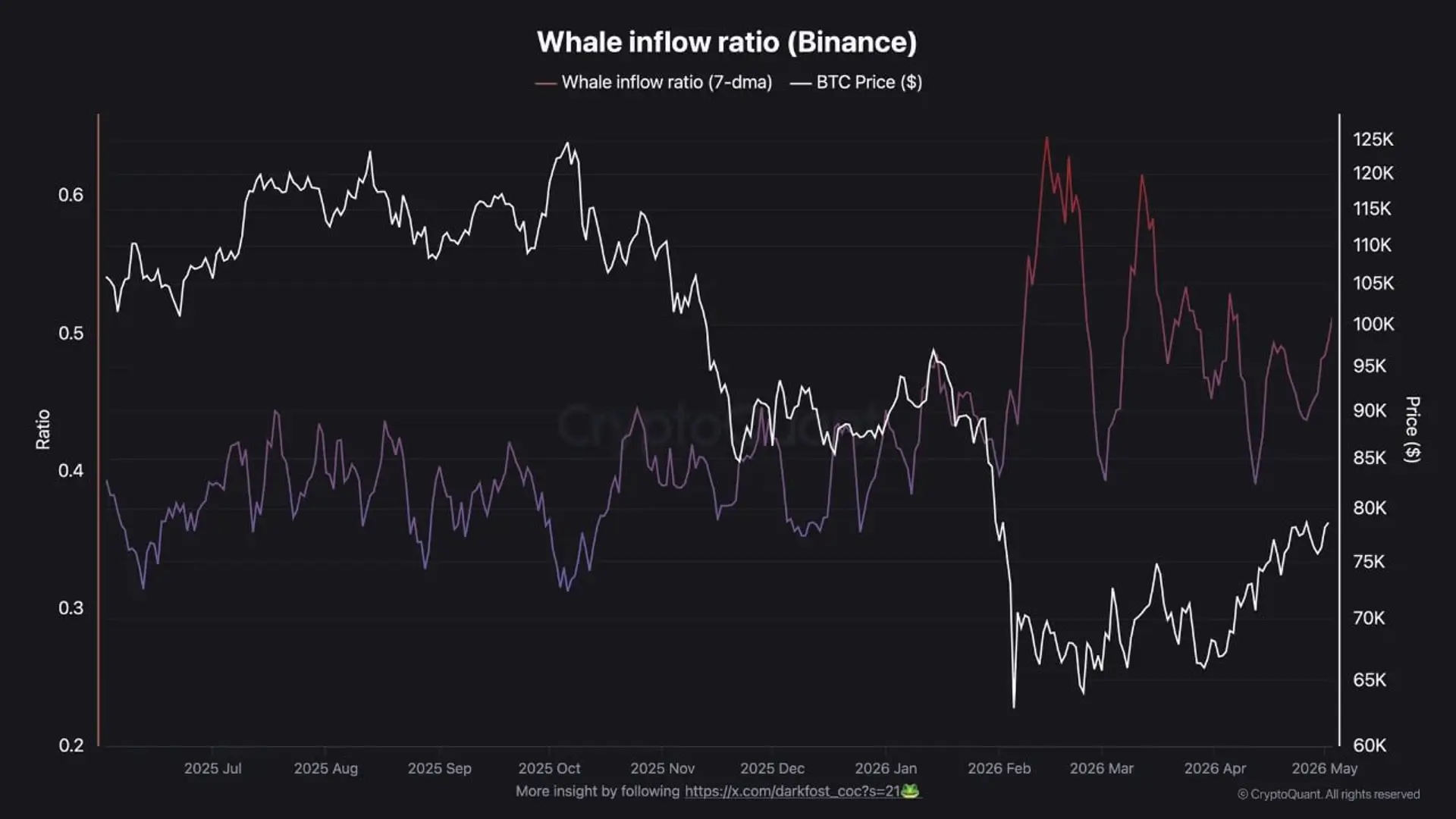
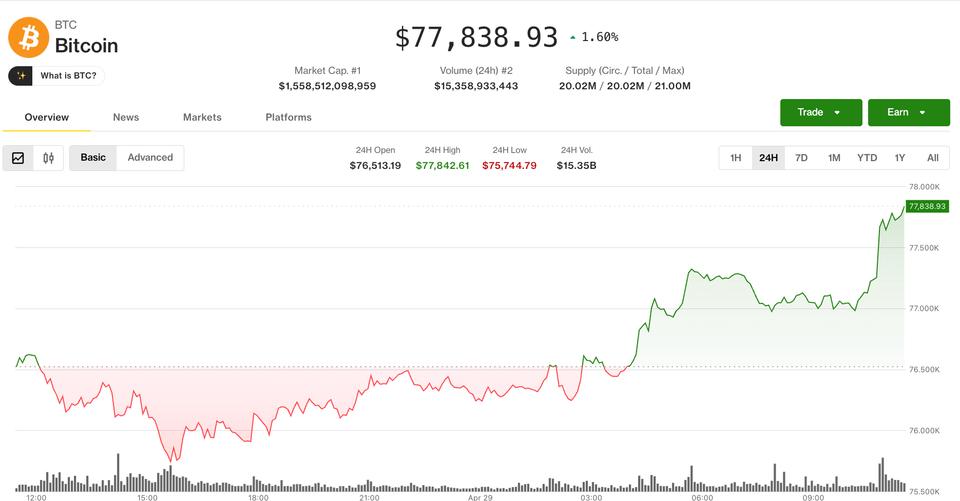
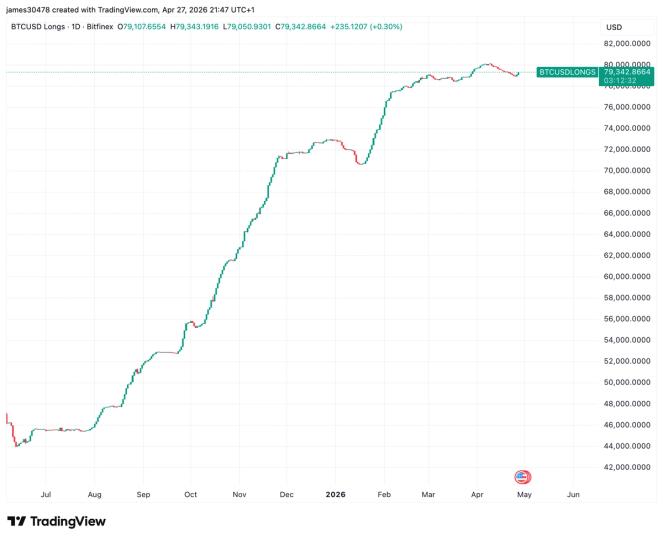
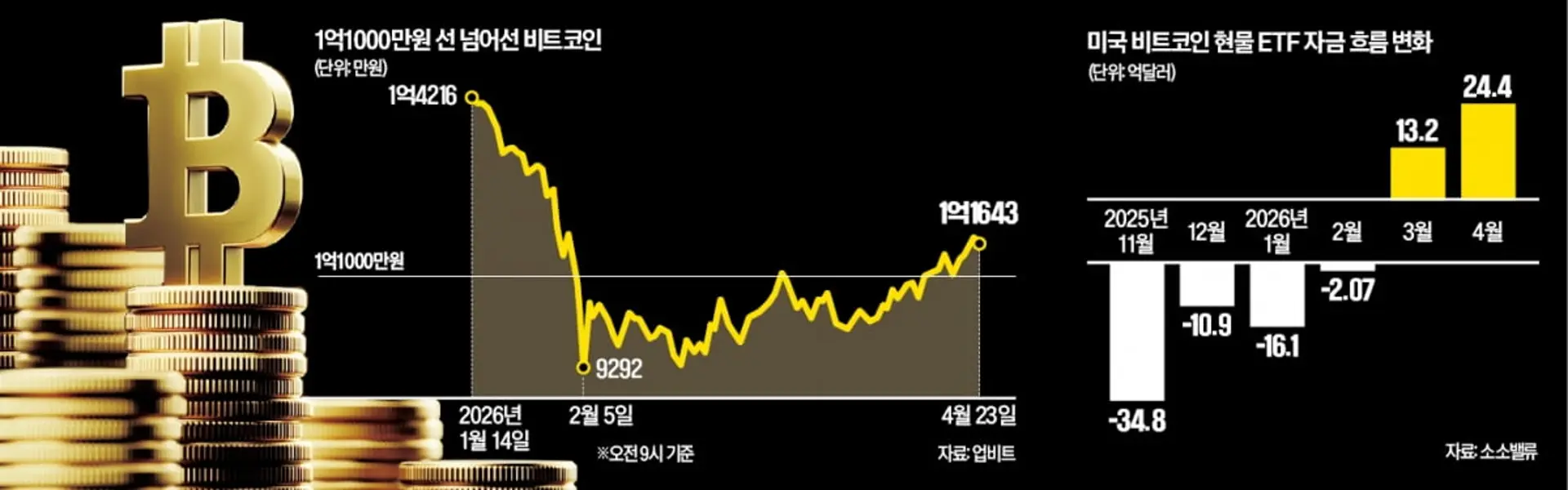
For several years, they were wrong. Bitcoin surged beyond $126,000 during last year’s crypto frenzy, validating Saylor’s approach. But after last October’s flash crash, Bitcoin entered a prolonged decline amid a broad crypto selloff that has erased roughly half its value. As of today, Bitcoin trades around $64,000. MSTR stock is down 37% in 2026 and 79% over the past year.
Strategy’s SEC filings tell the story:
| Metric | Value |
| Bitcoin owned | 843,775 BTC |
| Total cost | $63.7 billion |
| Average purchase price | $75,476 |
| Current Bitcoin price | $64,126 |
The company is now underwater on its Bitcoin purchases.
Financial Engineering Became the Story
Saylor once embraced a “never sell” philosophy. That gradually shifted into acknowledging sales were theoretically possible. Today, selling assets has become embedded in the capital structure.
The introduction of Variable Rate Series A Perpetual Stretch Preferred Stock (STRC) represented the next phase. Supporters described it as an “infinite money glitch” because perpetual preferred financing could continuously fund additional Bitcoin purchases. Critics warned that the structure depended on investor confidence remaining intact.
They also pointed to another risk. If MSTR’s NAV approached 1.0 or fell below it, issuing new securities became far less attractive while Bitcoin sales could become necessary. At the same time, STRC’s generous dividend obligations meant Bitcoin sales might eventually fund dividend payments rather than new purchases.
Strategy attempted to solve that problem by creating a U.S. dollar reserve. Yet even that proved insufficient as both Bitcoin and MSTR declined.
The company has since assembled roughly $3 billion in cash reserves, including $467 million raised by selling additional MSTR shares. Yet STRC still trades at just $87 versus its $100 par value after falling as low as $70.44. Below par, issuing additional preferred shares becomes far less appealing.
The Strategy Investors Bought No Longer Exists
Strategy’s latest announcement may represent its biggest strategic shift yet.
Rather than continuing to buy Bitcoin regardless of price, the company says it will suspend additional Bitcoin purchases until STRC returns to its $100 par value. Speaking with Bloomberg TV, CEO Phong Le said rebuilding the dollar reserve is now a central pillar of the capital plan and acknowledged he is “unsure” how long that process could take. He also described Strategy as evolving beyond a Bitcoin treasury company into a “full digital capital platform.”
That marks a dramatic departure from Saylor’s original thesis that falling Bitcoin prices simply created opportunities to buy more.
Key Takeaway
In short, the investment case for MSTR has changed more than many shareholders may realize. The original model depended on a persistent premium to NAV, rising Bitcoin prices, and inexpensive access to capital. Those conditions no longer exist.
Granted, Le argues the balance sheet remains secure unless Bitcoin falls below $10,000, but today’s priority is no longer maximizing Bitcoin ownership. It is maintaining cash reserves, supporting STRC, and preserving access to capital markets.
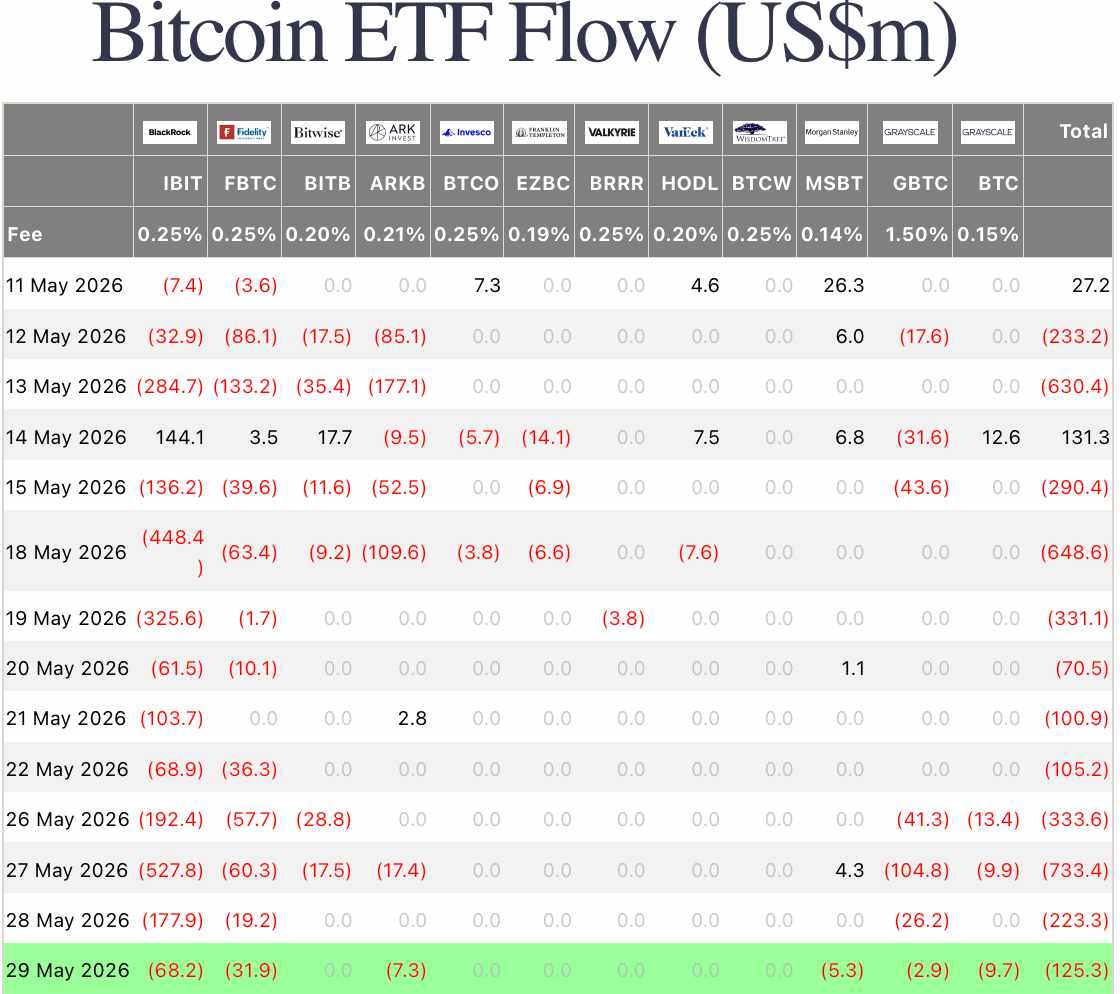
For investors seeking Bitcoin exposure, buying Bitcoin directly—or through a spot Bitcoin ETF—still provides cleaner exposure without layers of leverage, preferred dividends, or evolving capital structures. Ironically, the company once marketed as the purest way to own Bitcoin has become something far more complicated, leaving investors to evaluate an entirely new strategy rather than the one they originally signed up for.
On the date of publication, Rich Duprey did not have (either directly or indirectly) positions in any of the securities mentioned in this article. All information and data in this article is solely for informational purposes. For more information please view the Barchart Disclosure Policy here.