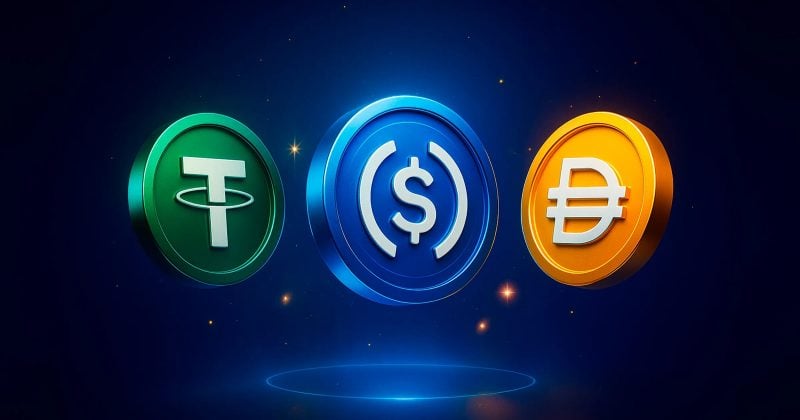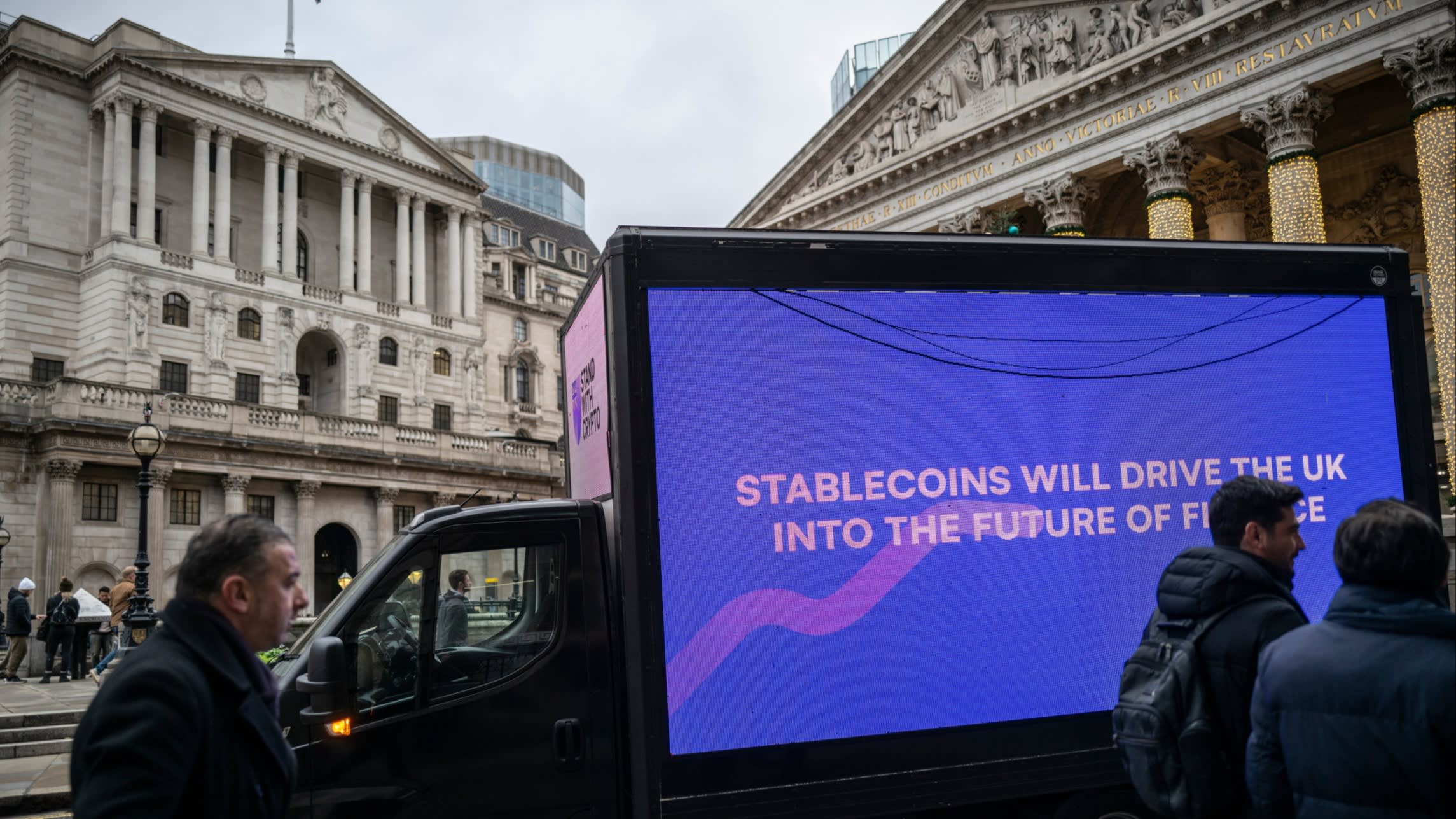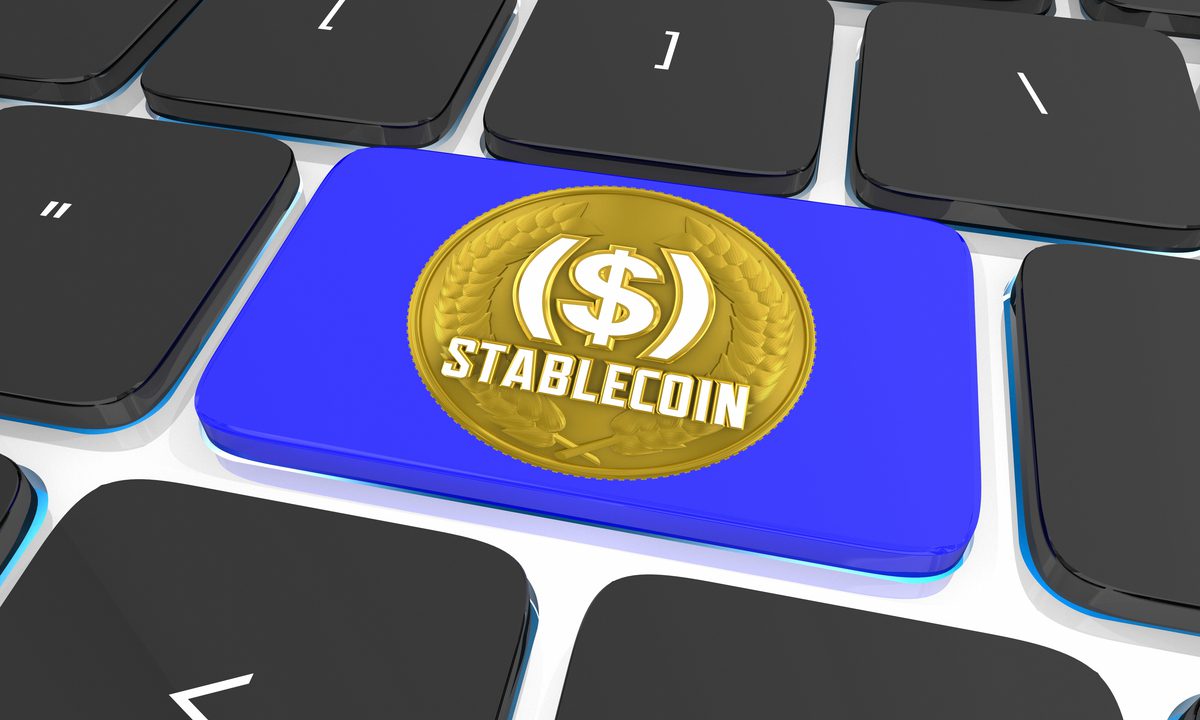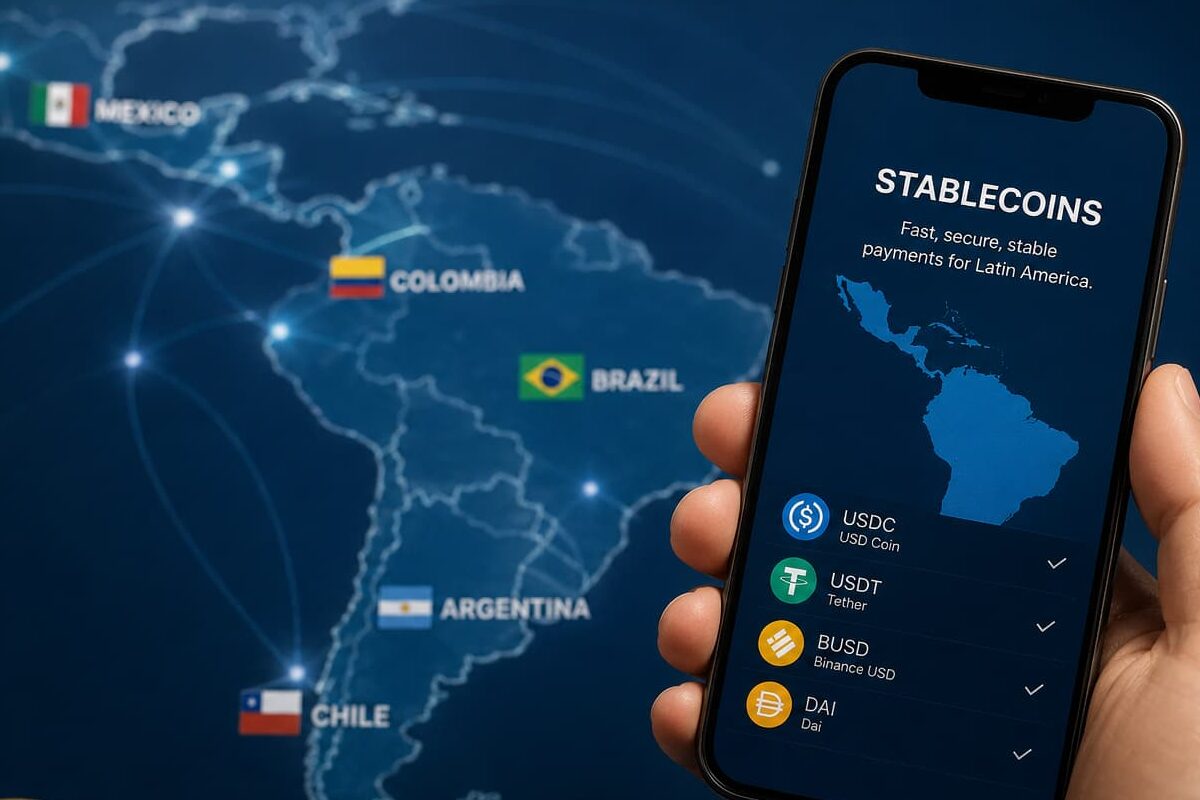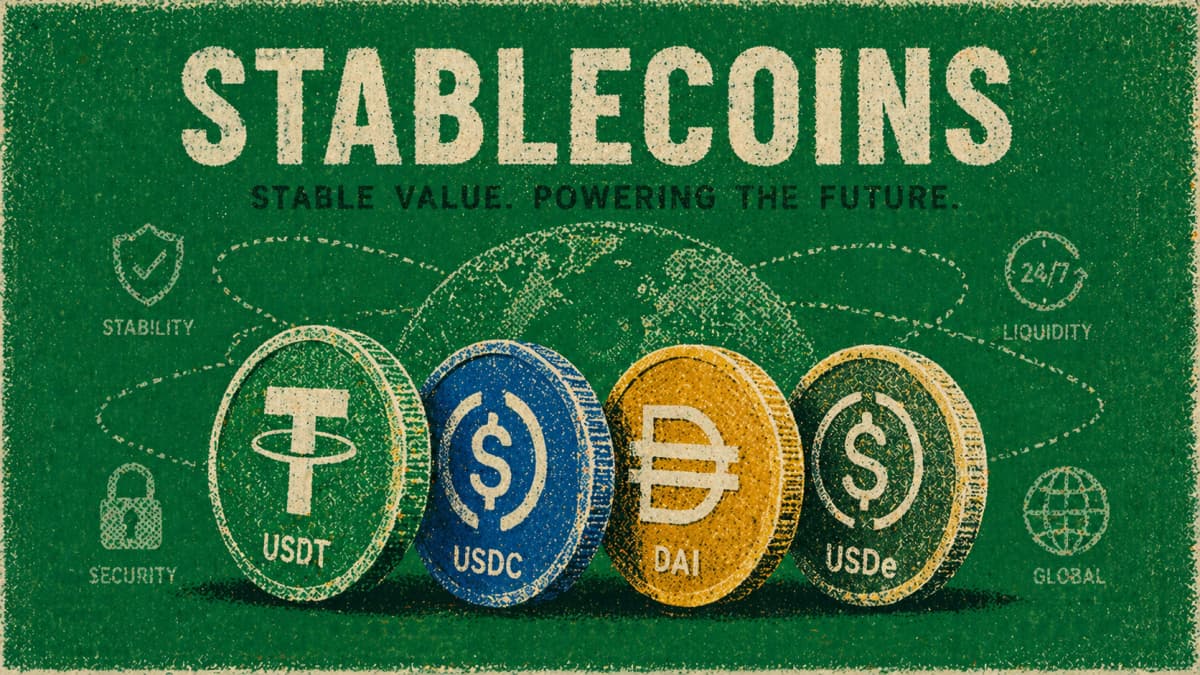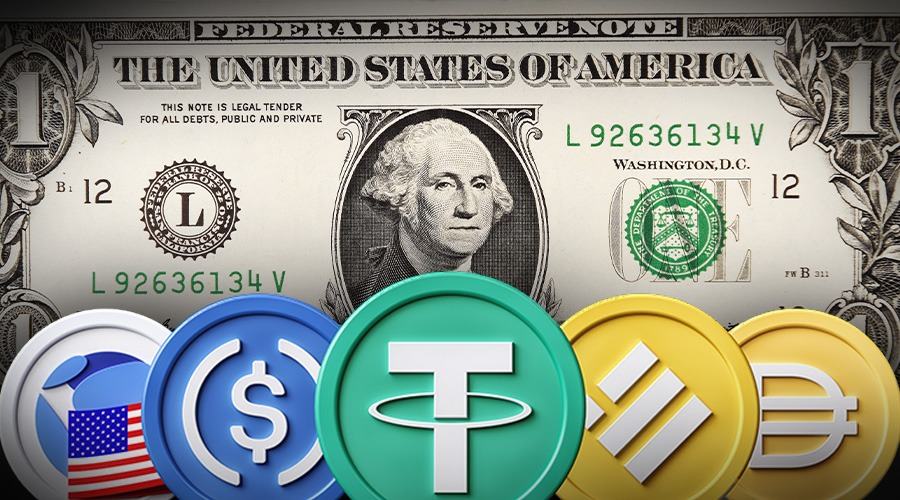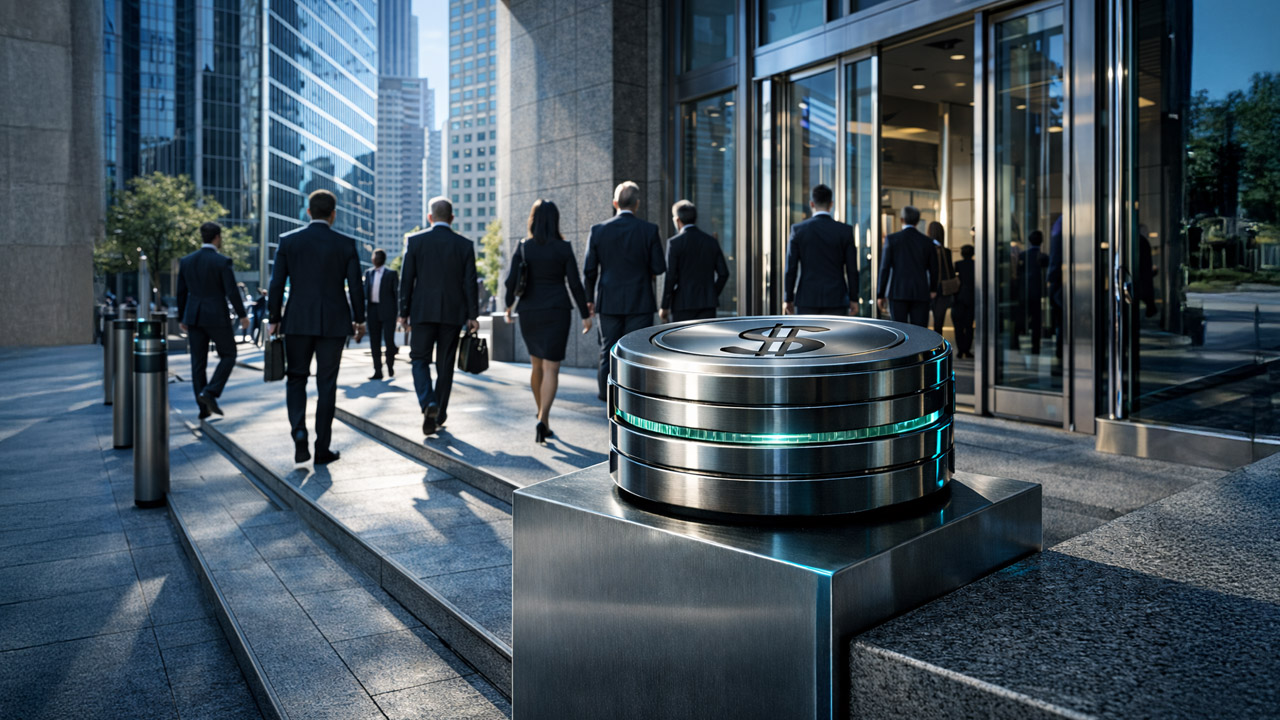
Institutions have become increasingly comfortable with stablecoins. However, large scale adoption requires more harmonisation around settlement flows, technology and increased interoperability amongst custodians.

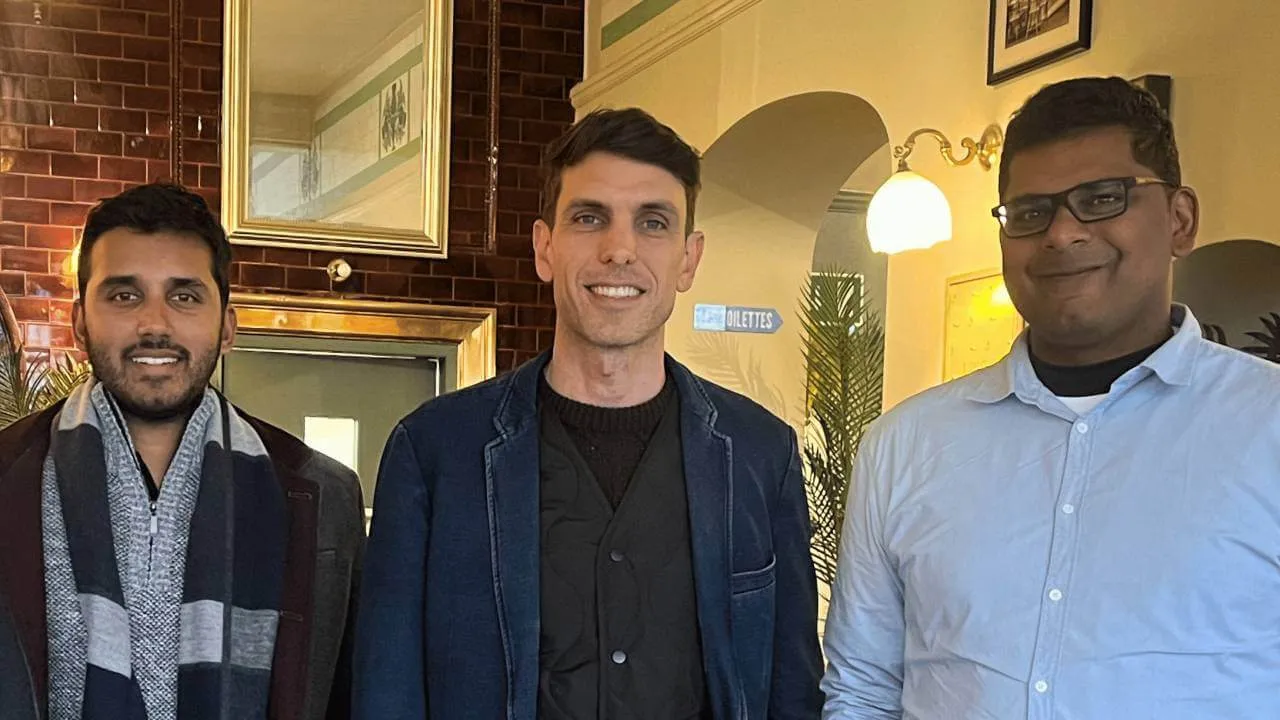
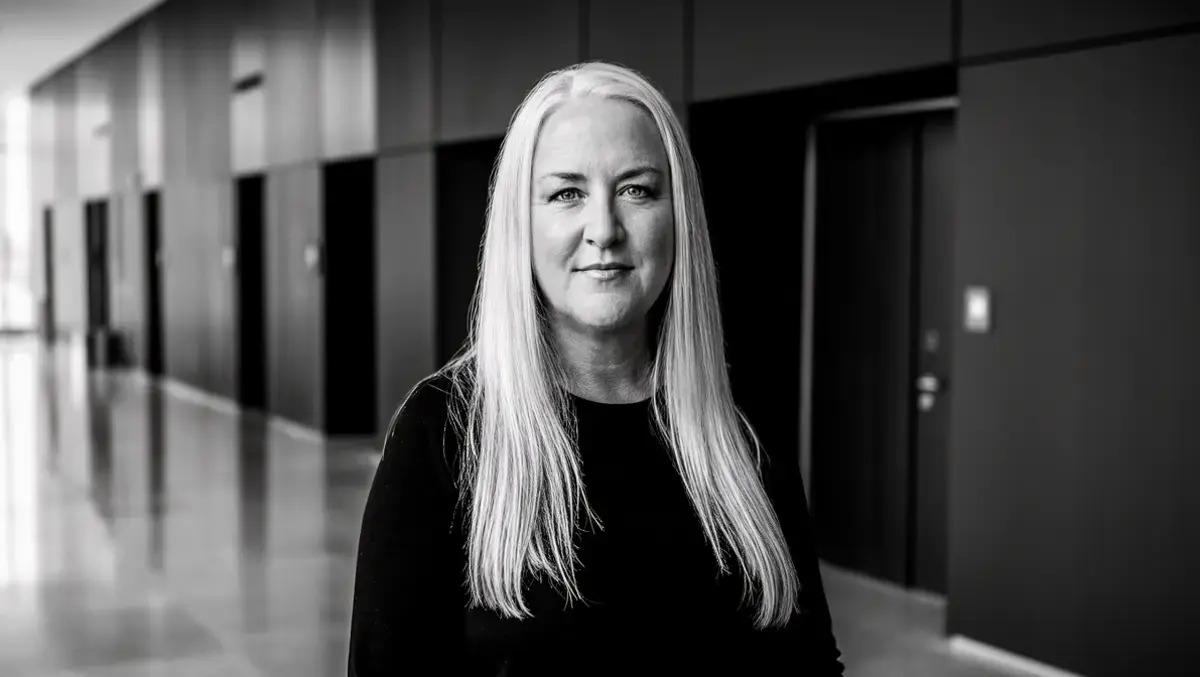
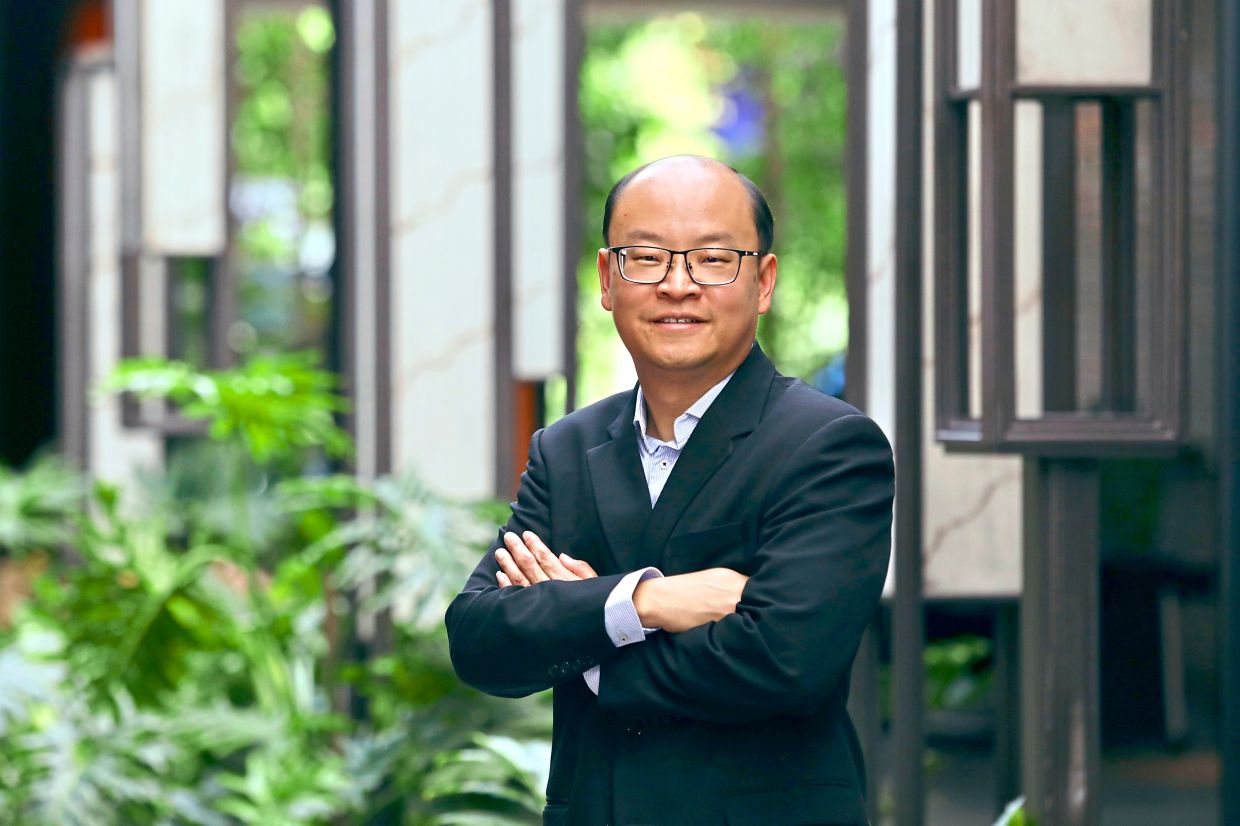
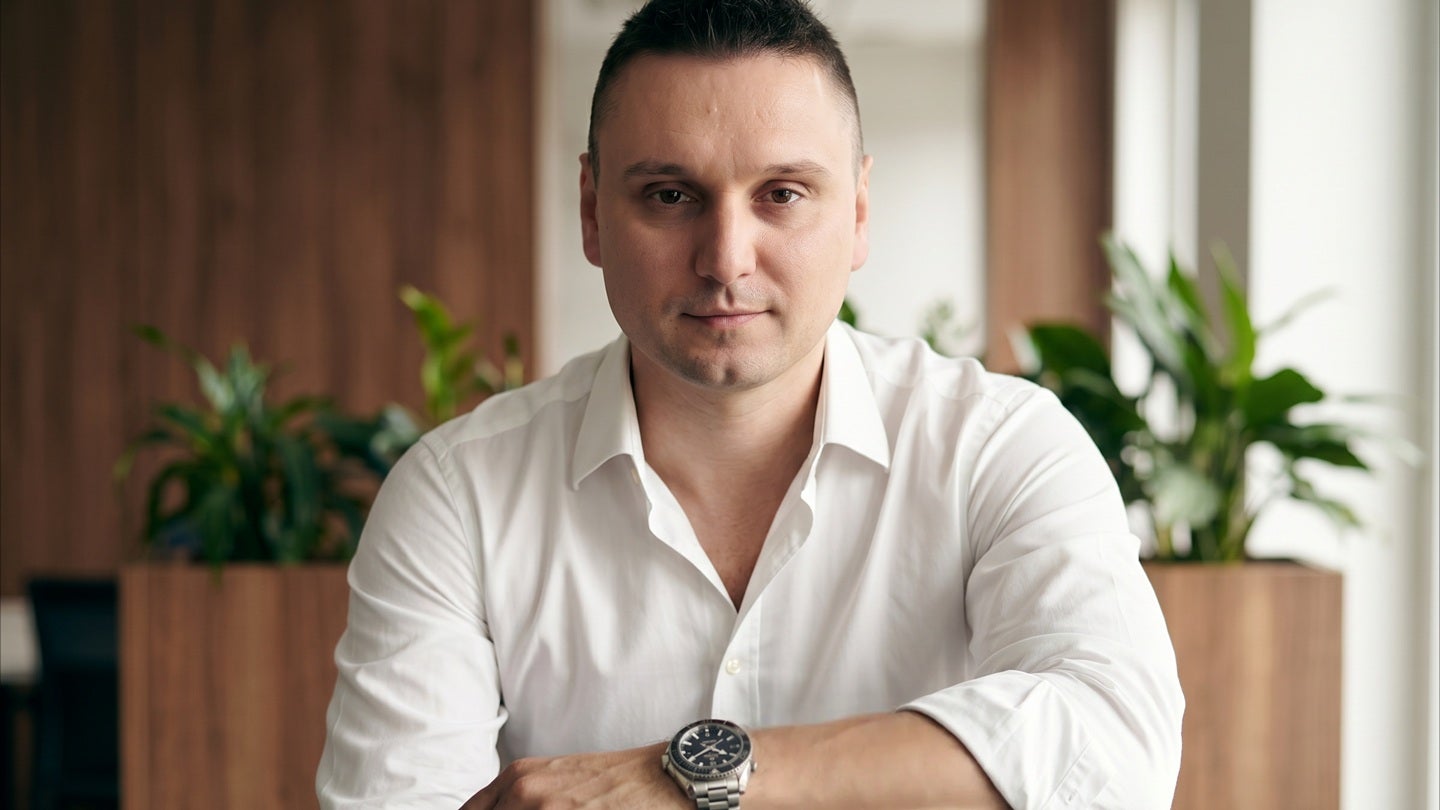
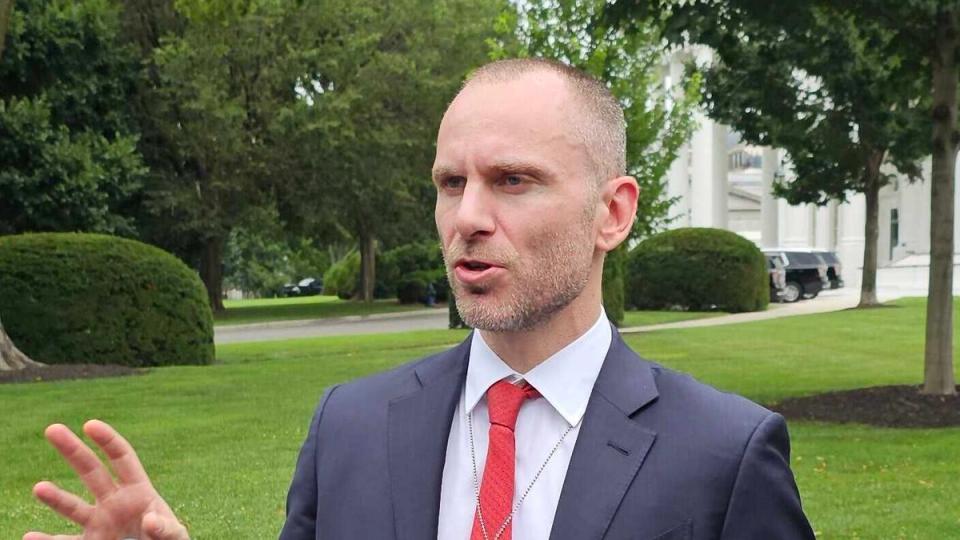
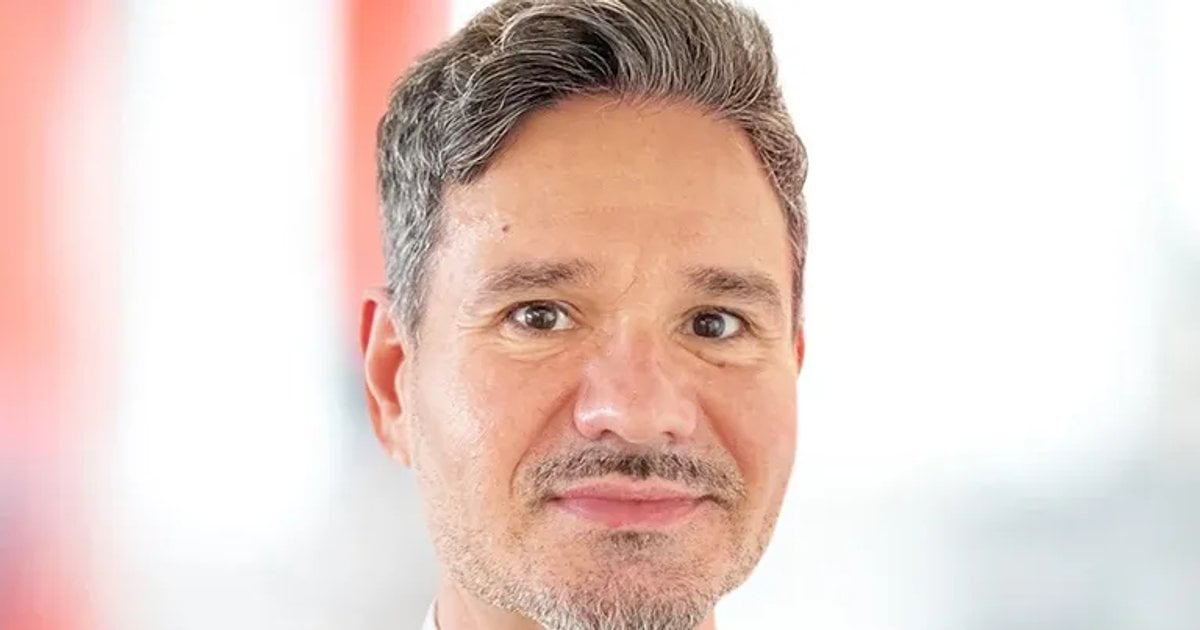
Luke Dorney, head of custody at LMAX Group, the operator of institutional execution venues for foreign exchange and digital asset trading and custody, told Markets Media that the infrastructure that supports the movement of stablecoins is still quite fragmented. He added: “Until the market is more harmonized around settlement flows, technology and the operation of custodians, the large scale adoption of stablecoins is going to take time to play out.”
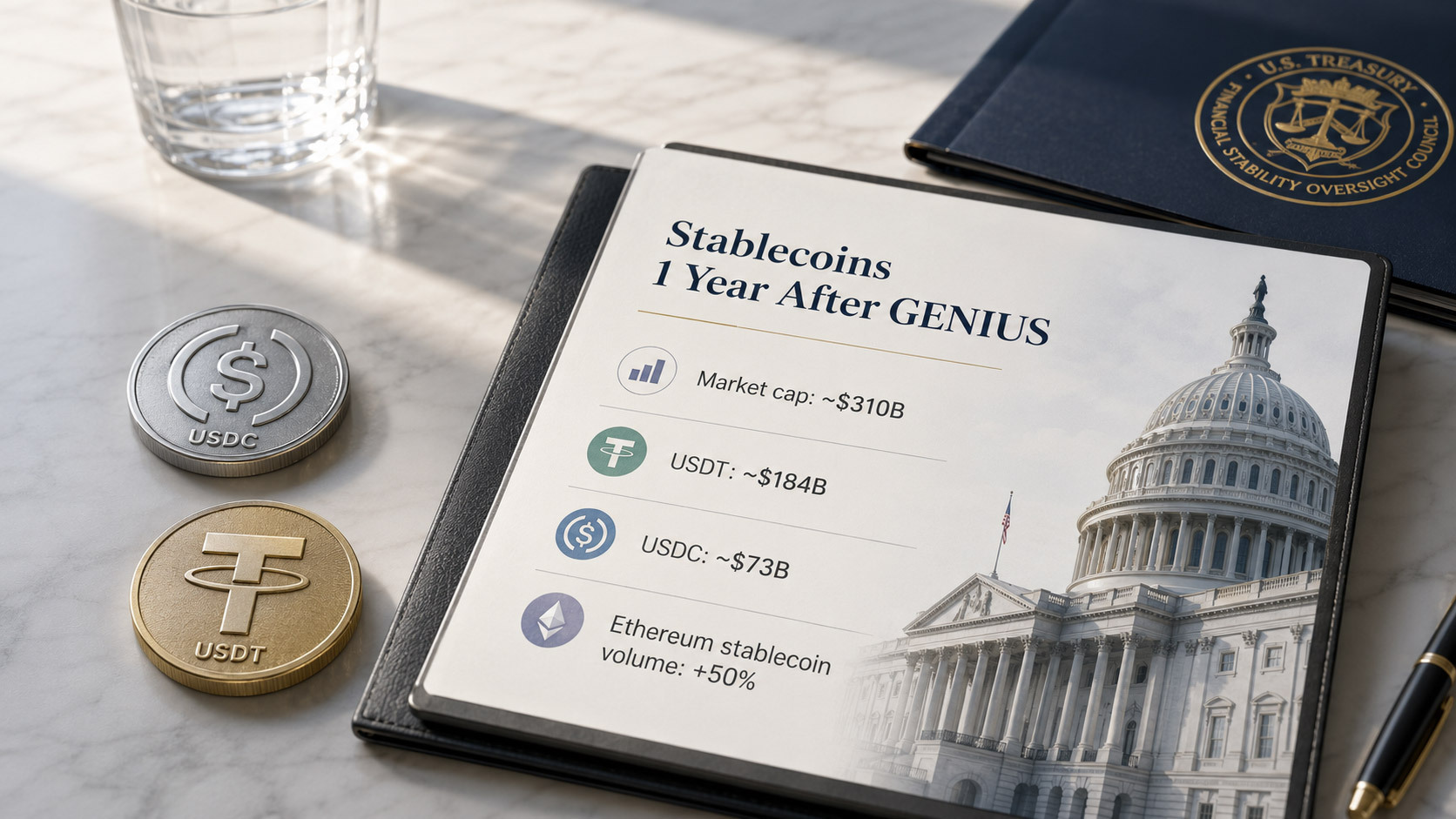
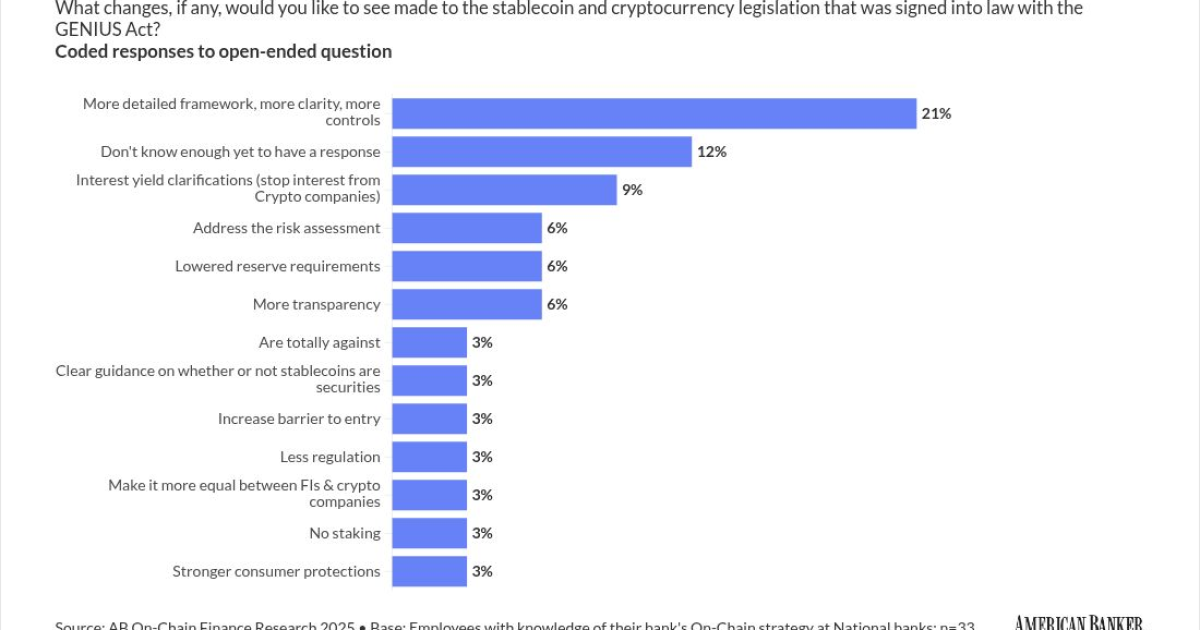
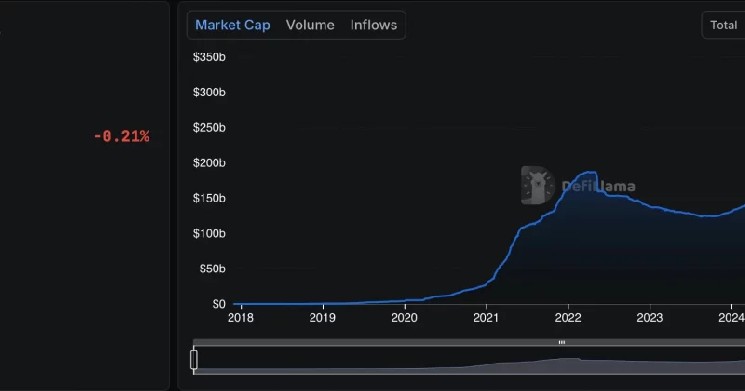
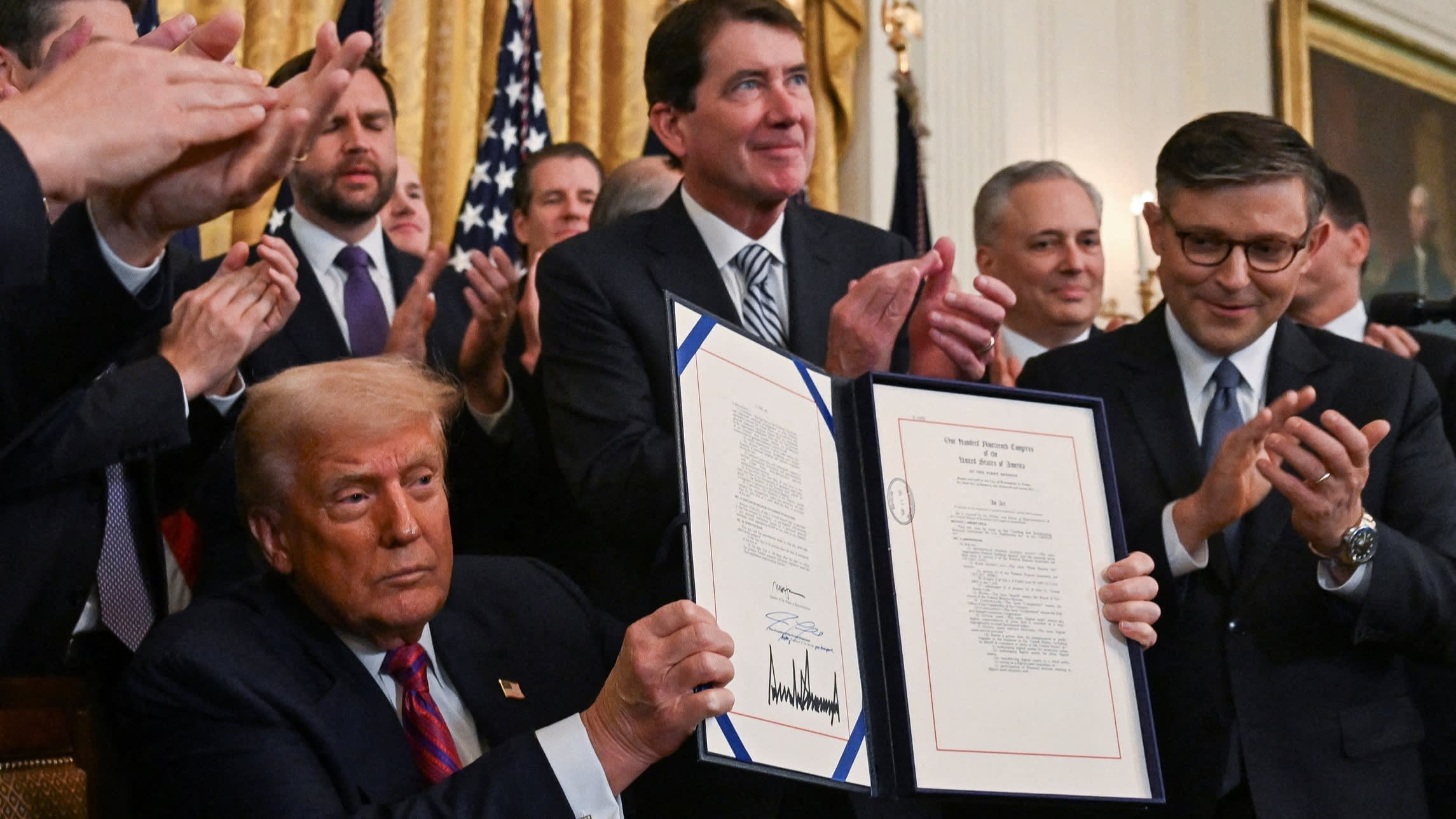
The stablecoin market has grown since the U.S. administration passed the Genius Act in 2025 to provide the first federal framework for the digital assets. LMAX has seen an increase in the use of stablecoins for collateral, as they can move 24/7 and more quickly on traditional banking rails.
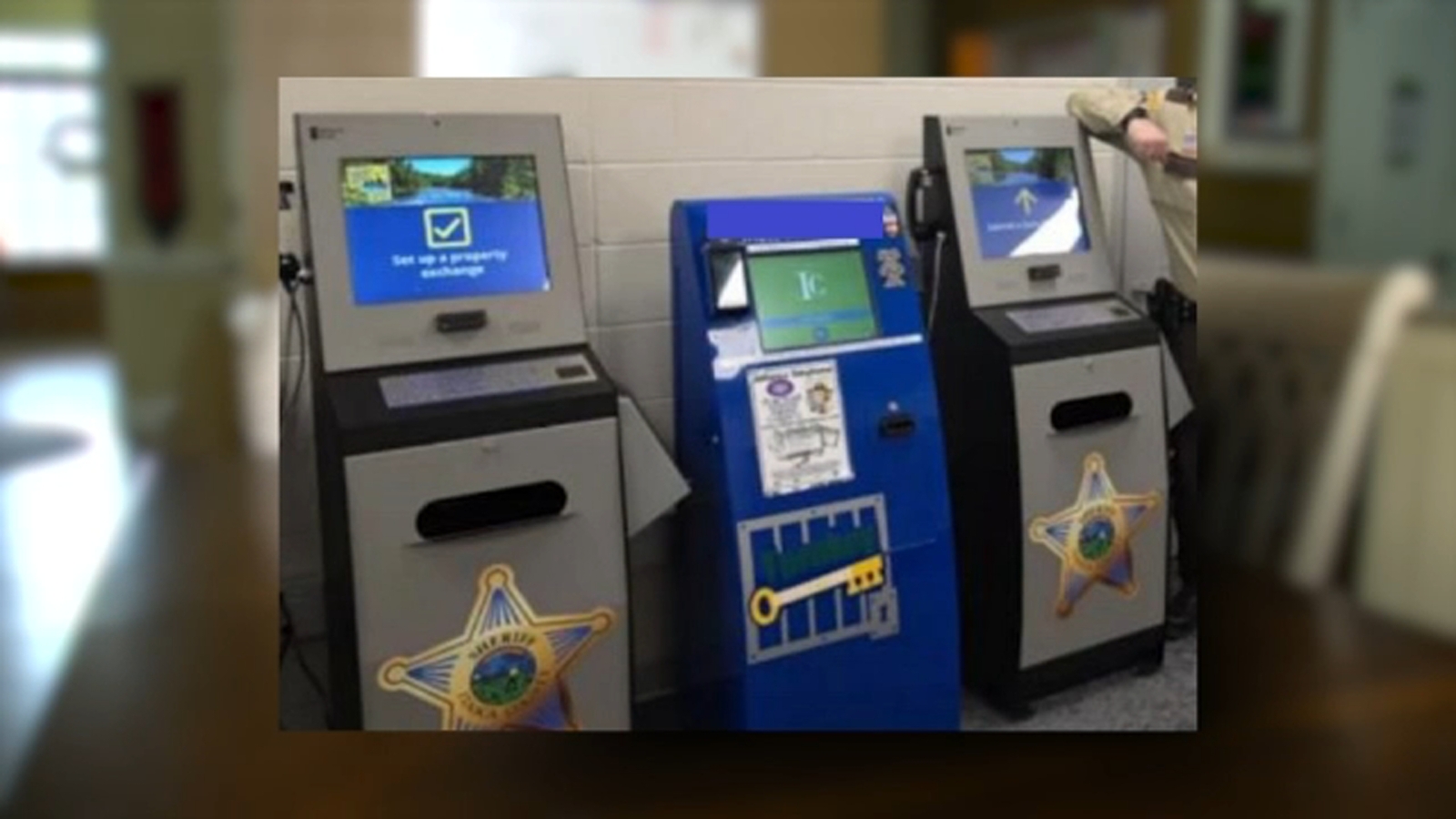
To improve interoperability in the digital asset ecosystem, in May this year LMAX Group launched Kiosk, which allows clients to deposit digital assets directly into LMAX Custody and instantly use them as collateral across the product ecosystem to trade spot FX, precious metals, digital assets, CFDs and perpetual futures.
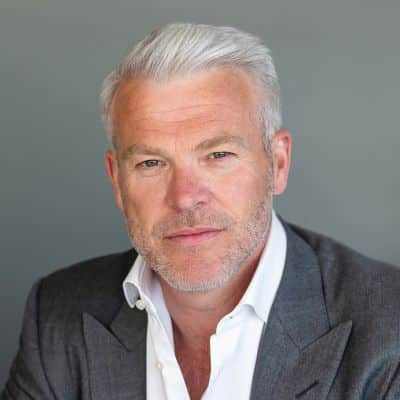
David Mercer, chief executive of LMAX Group, said in a statement: “Hyper-efficient collateral will be the foundation of modern, converged capital markets. Kiosk adds to our suite of products delivering greater access to trusted, institutional-grade solutions that bridge traditional and digital capital markets.”
Dorney said Kiosk will accelerate the use of stablecoins as collateral. He added: “A big driver for Kiosk was clients asking to deposit a stablecoin rather than fiat currency. They are using stablecoins across multiple applications and want the ability to move that quickly and efficiently.”
LMAX Custody currently supports three stablecoins and expects to support a wider list in the coming months.
Kiosk also enables LMAX to offer its wallet infrastructure to broker-dealers to give their underlying clients the ability to deploy digital assets and use them as collateral to trade multiple products. For example, more than 50 banks trade FX on LMAX and some have asked LMAX to extend its infrastructure to reduce the friction of providing digital asset services to their underlying clients.
Real world asset silos
Tokenized real world assets are currently dominated by tokenized Treasury or money market funds, such as BlackRock’s BUIDL. However, Dorney warned that assets are being tokenized in silos with each asset manager doing things in their own way, and banks tokenizing assets on their own private blockchains. Clients have told Dorney they want to use tokenized money market fund as collateral seamlessly across exchanges and chains.
“Until that happens, I don’t see the utility of tokenized real world assets growing exponentially,” he added.
In order to break down silos, LMAX Custody is working with crypto-native custodians and traditional bank custodians to ensure they are interoperable, as asset managers want to see their digital assets alongside their traditional assets in the same custody platform,”
“The Nirvana state is to be able to have all of those assets viewed together and being used as collateral to do other things on other platforms,” Dorney added. “I think that will take a long time, but the real take-off is when there is true interoperability, so tokens will have more utility.”
In a report, Tokenization 2030: Wall Street On-Chain, Citi Institute has estimated that the global tokenized asset market will reach $5.5 trillion by 2030, compared to approximately $17bn.
The report highlighted three forces underpinning this shift. The first is that traditional financial market infrastructure providers, including the DTCC, New York Stock Exchange and Nasdaq, are integrating tokenization into core issuance, trading and settlement workflows.
Second, the growth of regulated onchain money, including stablecoins and tokenized deposits, has been a key catalyst by providing onchain settlement. The report said: “Digital asset market infrastructure is also evolving, with advances in custody, compliance, and interoperability.”
Finally, regulatory clarity is improving across key jurisdictions.
Dorney moved from traditional finance to digital assets almost six years ago and said he has been speaking about interoperability during this time, but he can now see progress.
“Real adoption won’t happen until there are more standards around how digital asset products are traded and settled,” he added. “I am more confident than ever that things are coming together.”