- July 11, 2026
- Olivia
- 0
The race to bring stablecoins into mainstream business finance faces the challenge of whether treasury departments can process them without dismantling the systems that already manage billions of dollars in daily cash movements.
The question is a timely one given the emergence of the Open USD consortium. Broadly speaking, and as PYMNTS CEO Karen Webster noted in a recent column, “Stablecoins are real and growing at the edges. Cross-border, remittances, weak-banking corridors, crypto settlement. OUSD needs that volume to move to the center of everyday commerce. It hasn’t yet.”
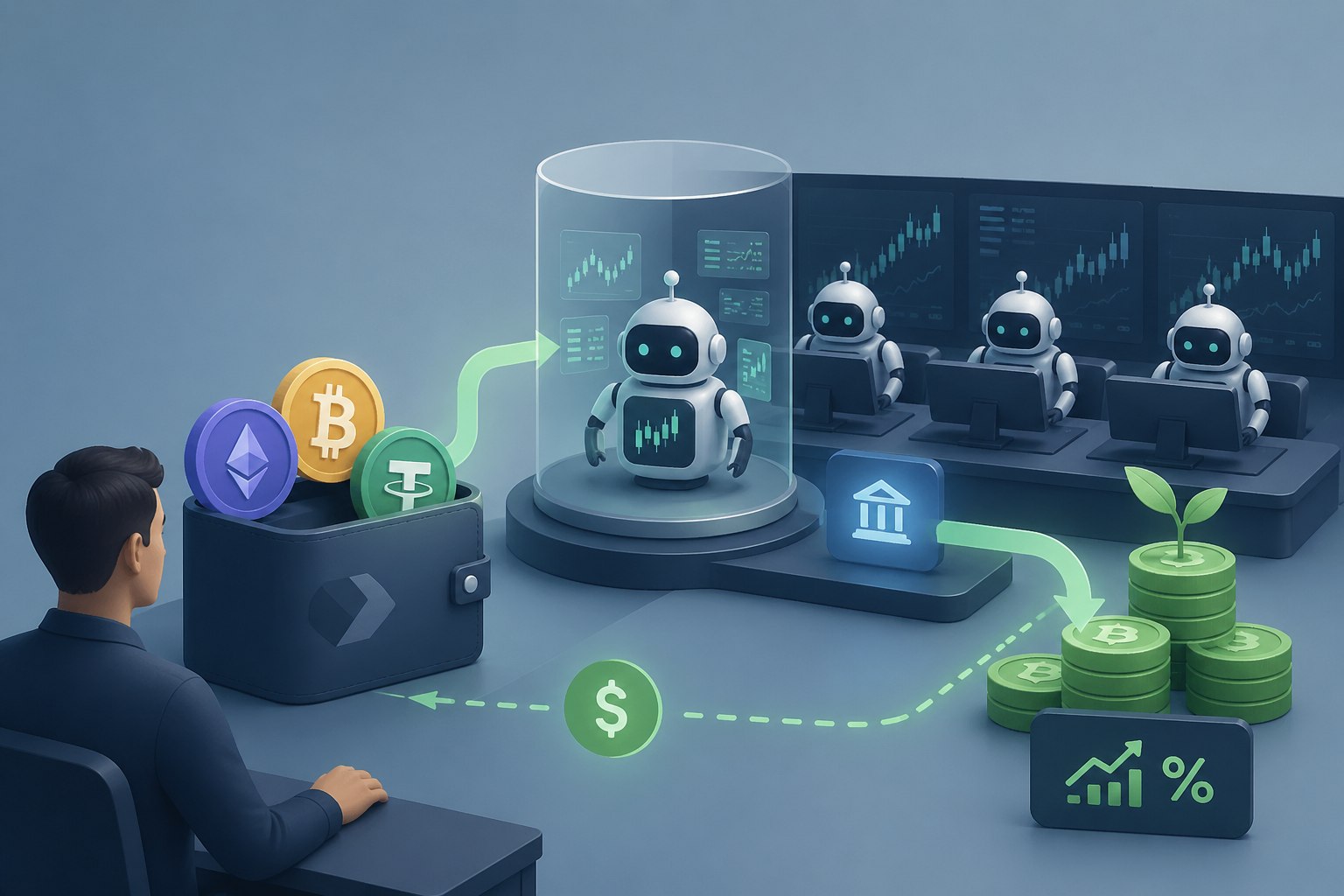
Rather than focusing on issuing another stablecoin, the initiative seeks to give businesses standardized tools to mint, redeem and integrate stablecoins into enterprise operations. The connective tissue, presumably, lets finance departments treat tokenized dollars as another treasury instrument instead of a separate technology project.
As reported in April, the Kansas City Fed found that payment activity represents less than 1% of stablecoin usage, while much of the supply remains idle or circulates within cryptocurrency markets rather than commercial payments. PYMNTS Intelligence likewise found that more than 4 in 10 middle-market firms have discussed or tested stablecoins, but only 13% report actual use.
Treasury organizations already operate through mature enterprise resource planning systems, treasury management platforms and banking APIs built around established payment rails such as wires, ACH and real-time payments. Those platforms govern liquidity management, payment approvals, accounting entries, compliance reviews and reconciliation. Replacing those workflows is rarely an option for companies responsible for financial reporting and internal controls.
Treasury Systems Must Absorb Tokenized Settlement
The challenge is therefore architectural in scope.
Finance teams need stablecoin transactions to appear inside the same dashboards, reconciliation processes and accounting records that already support traditional payments. If tokenized settlement creates duplicate approval chains, separate reporting tools or isolated wallet management processes, many organizations would gain settlement speed while sacrificing operational consistency.
Enterprise treasury environments house wallet activity, banking relationships, ERP systems and treasury management software. Stablecoin activity must be reflected in existing accounting records, connect with bank conversion services when needed, and remain subject to the same compliance screening, transaction approvals and audit controls that govern conventional payment methods.
That means preserving capabilities treasury departments already depend upon. Payment approvals still require segregation of duties. Audit trails must remain complete. Sanctions screening, know your customer procedures and anti-money laundering controls cannot disappear because value moves across a blockchain rather than a conventional payment rail.
Application programming interfaces, ERP connectors and treasury management integrations may prove more consequential than the deployment of another payment token. The Open USD consortium therefore represents a different chapter in the stablecoin discussion, but integrating assets into systems that already manage payments, liquidity and reporting across global operations is easier said than done. When tokenized settlement becomes another option inside established treasury infrastructure rather than an exception to it, stablecoin adoption will have moved from experimentation to ordinary business practice.