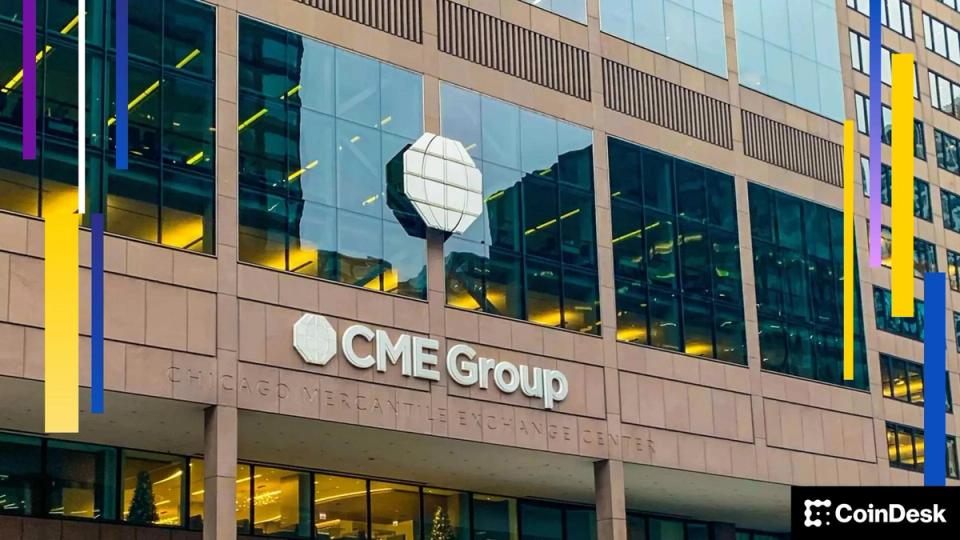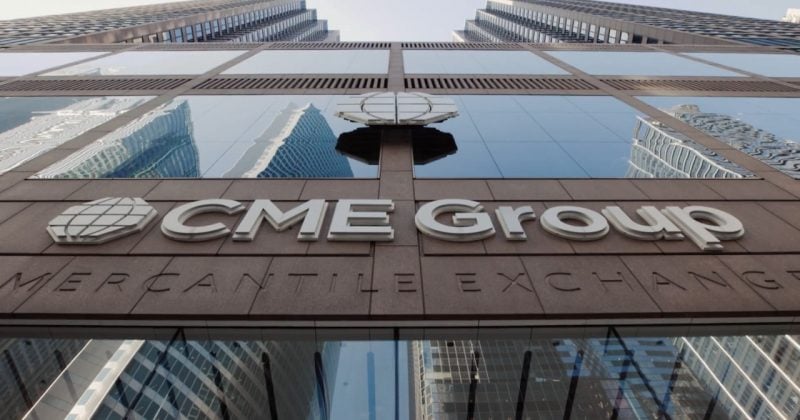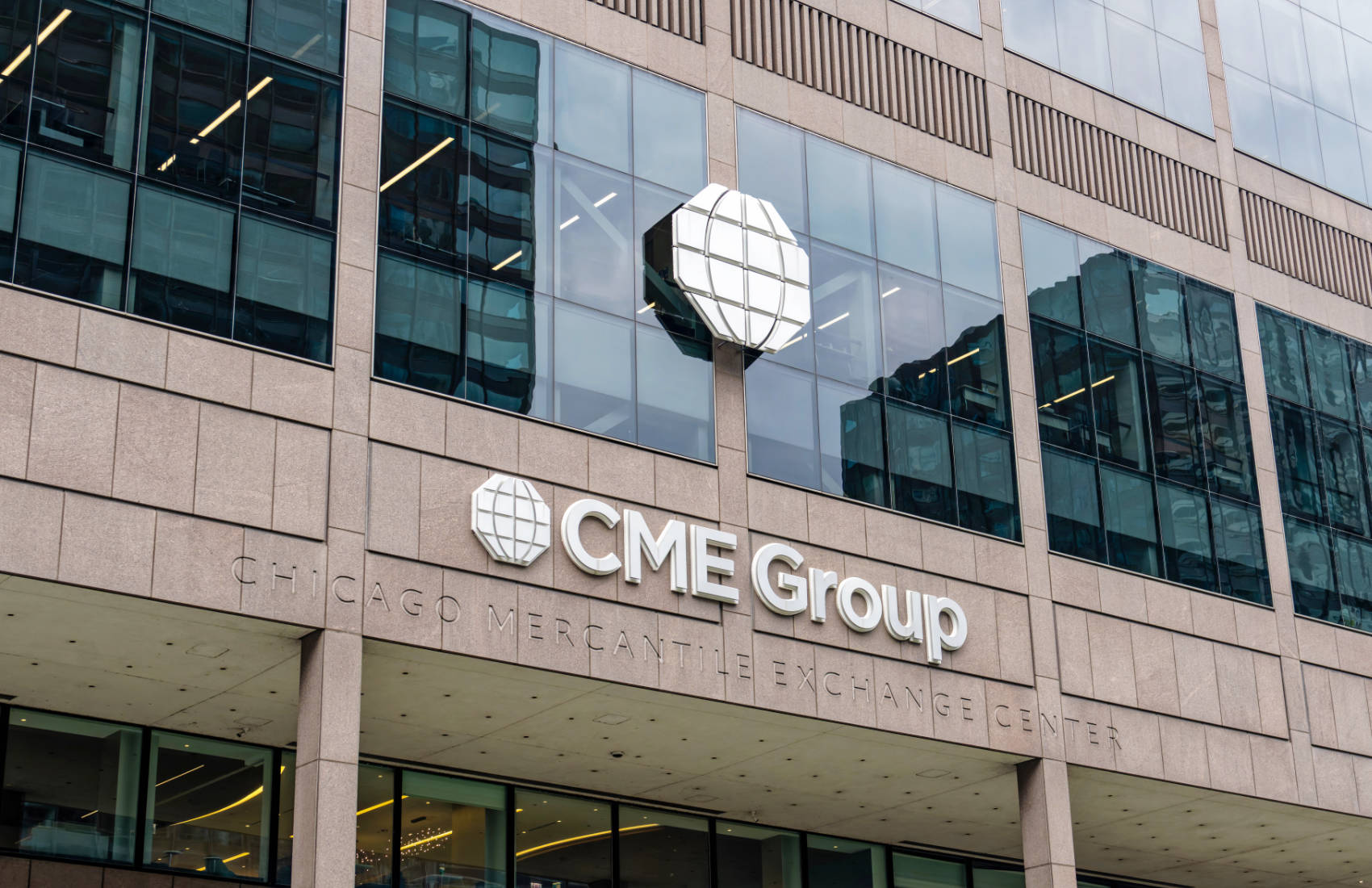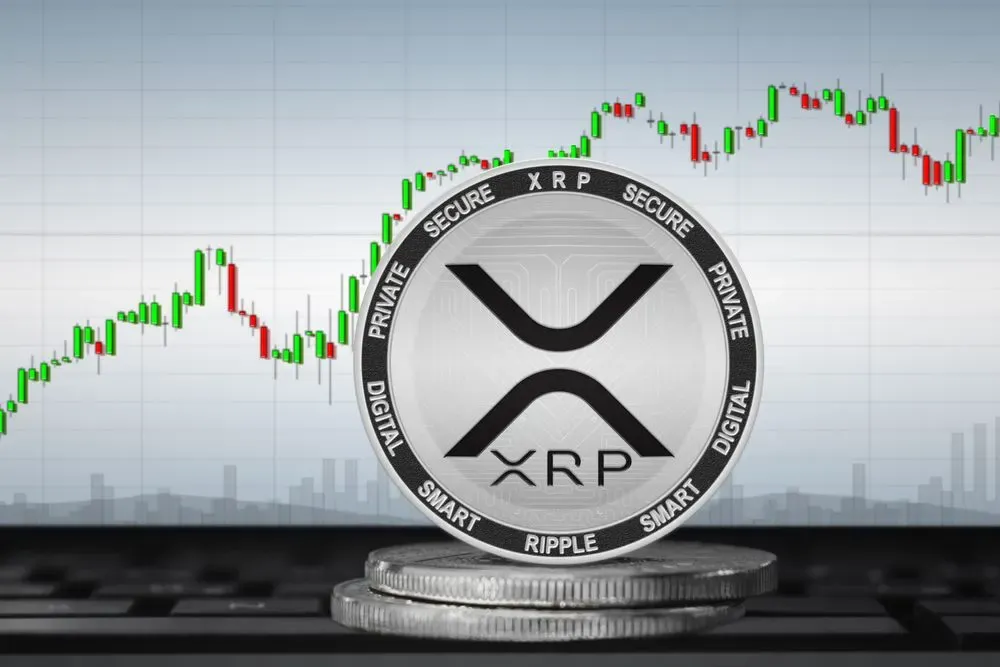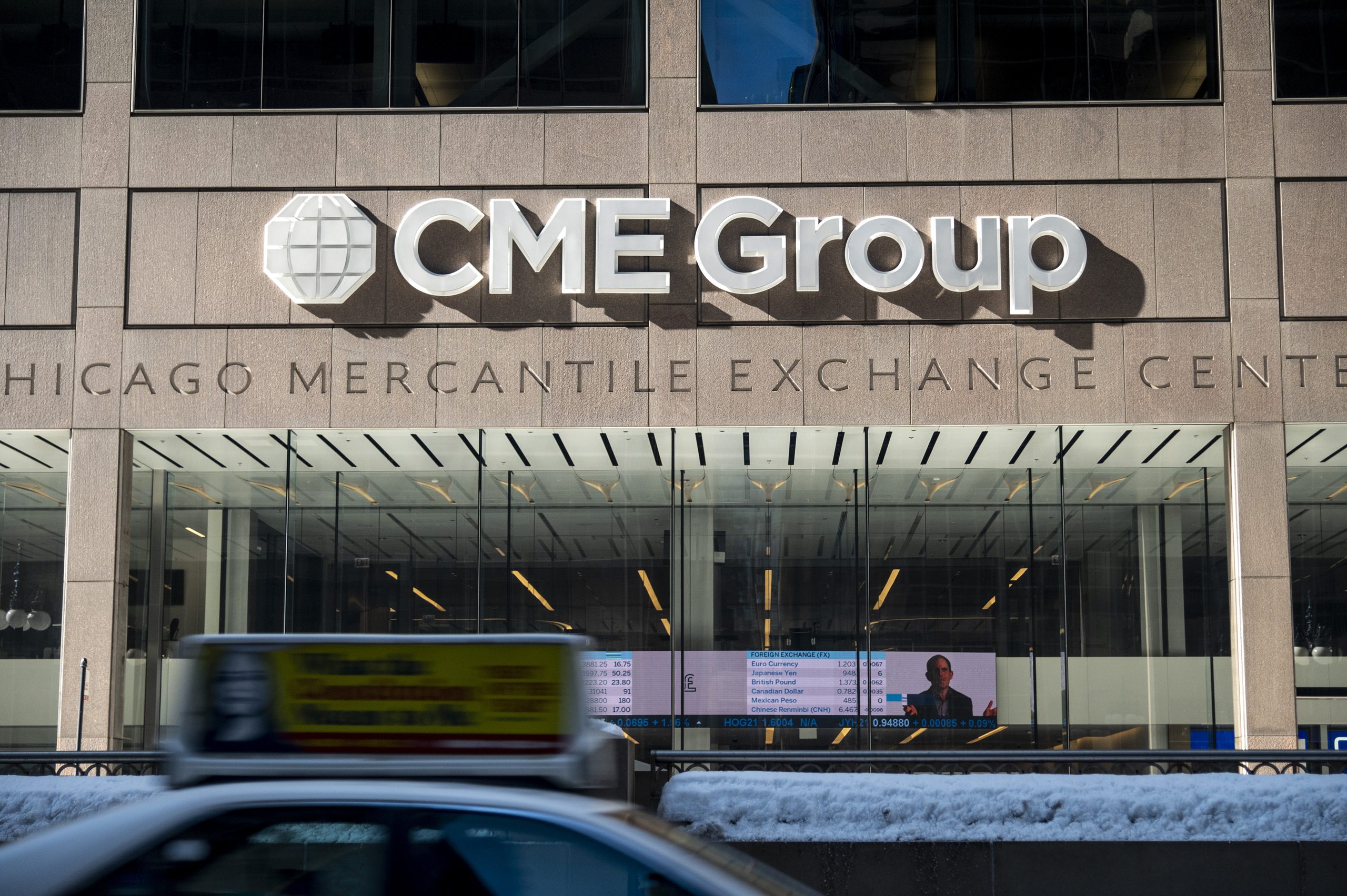
CME Group will begin trading cryptocurrency futures and options around the clock starting May 29 at 4:00 p.m. CT, with only a two-hour weekly maintenance window over the weekend. The exchange recorded $3 trillion in notional crypto volume in 2025 and has seen average daily volume climb 46% year-over-year in 2026 to 407,200 contracts. That volume has been squeezed into a schedule that shuts down every Friday at 4:00 p.m. CT and does not reopen until Sunday at 5:00 p.m. CT, leaving a 46-hour window where institutional traders cannot adjust positions while crypto spot markets keep moving.
That 46-hour blind spot has created a cottage industry around CME gap trading, where traders bet on price returning to Friday’s close after the weekend move. It has also forced basis traders and ETF arbitrage desks to price weekend risk into their funding curves. Both of those dynamics change on May 29.
Here is what the shift to continuous trading means for CME gaps, institutional hedging, and the broader crypto derivatives market.
What CME Is Actually Changing
The current CME crypto schedule runs Sunday through Friday with defined trading hours and a full weekend closure. Bitcoin, Ether, Solana, and XRP futures all follow this timetable. Starting May 29, all crypto futures and options on CME Globex will trade continuously, seven days a week. The only interruption is a roughly two-hour maintenance window on weekends.
This applies to every crypto product CME currently lists, plus the newly launched Avalanche and Sui futures that went live on May 4. Standard AVAX contracts are sized at 5,000 AVAX with micro contracts at 500 AVAX. SUI contracts are 50,000 SUI standard and 5,000 SUI micro. Both will be included in the 24/7 schedule from day one.
The timing is not accidental. CME’s crypto average daily open interest sits at 335,400 contracts in 2026, up 7% year-over-year. Futures volume alone averages 403,900 contracts per day. The exchange is building infrastructure around demand that already exists, not speculating on demand that might come.
Why the Weekend Gap Mattered
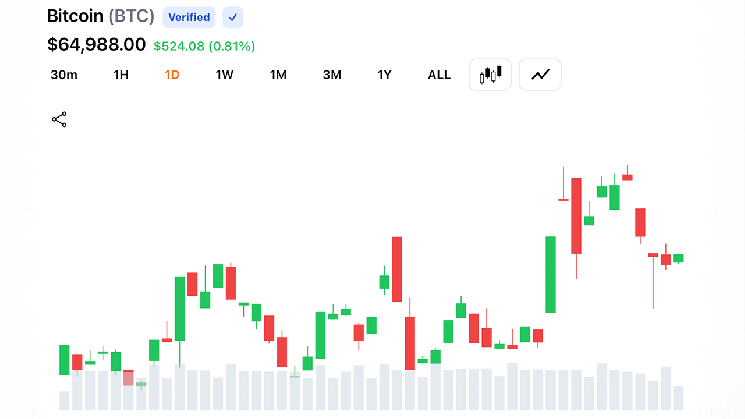
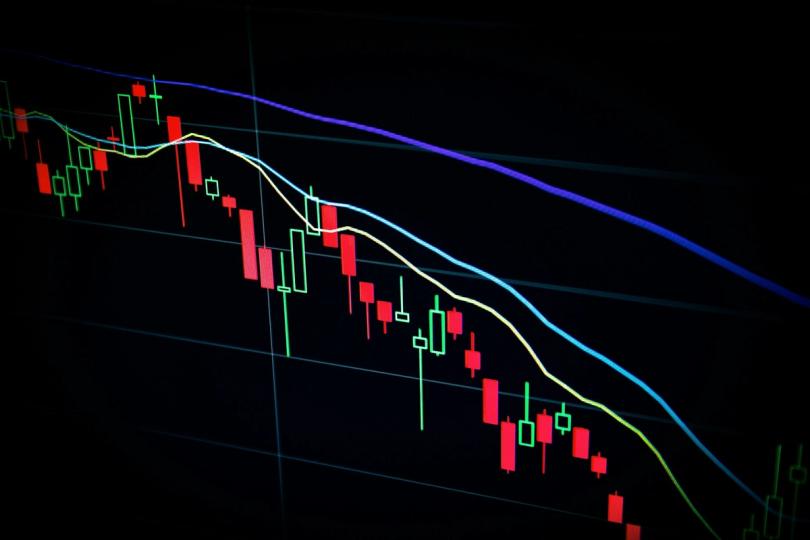
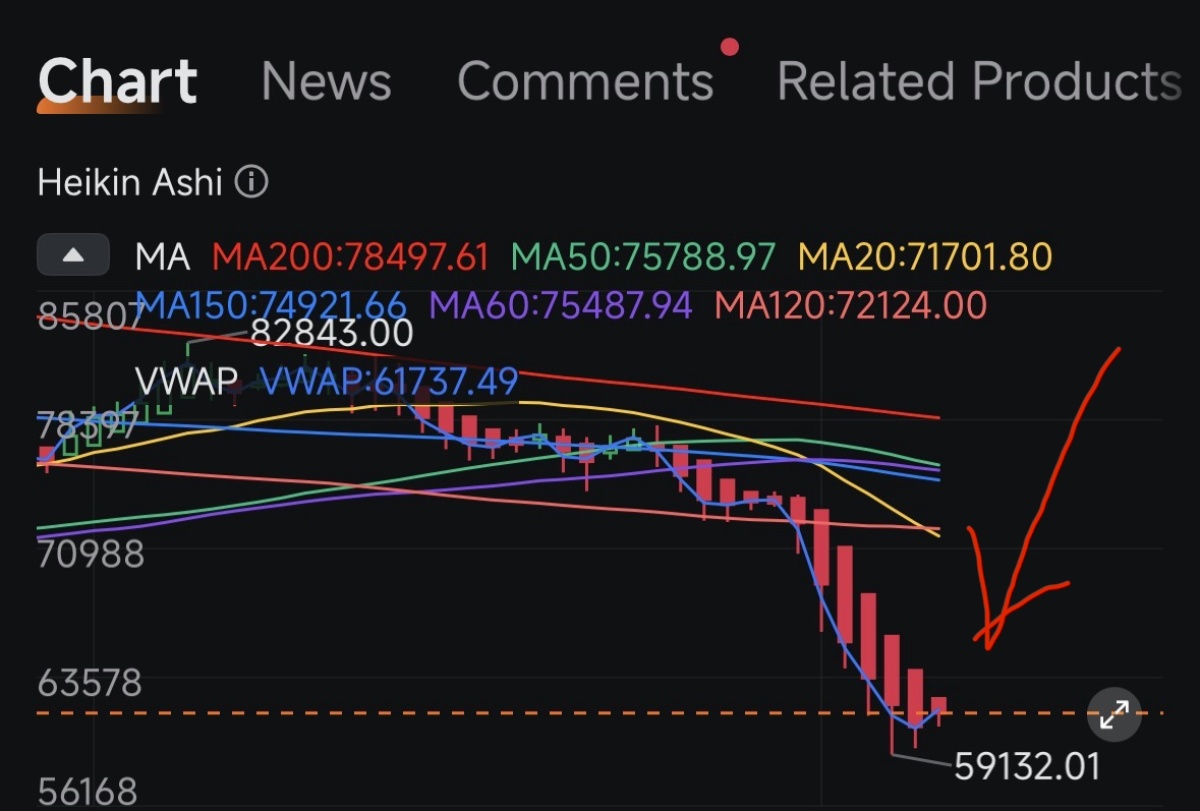
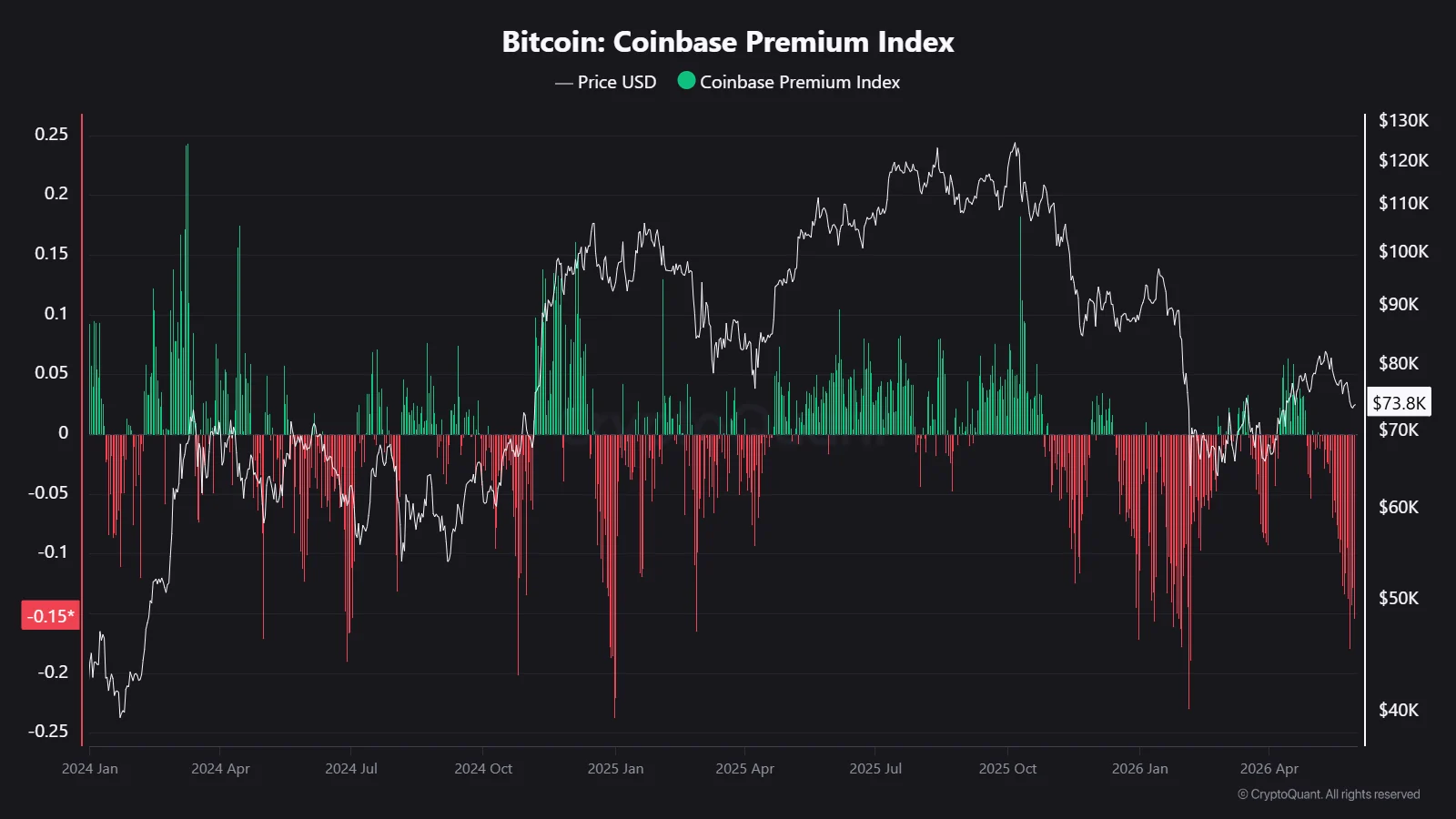
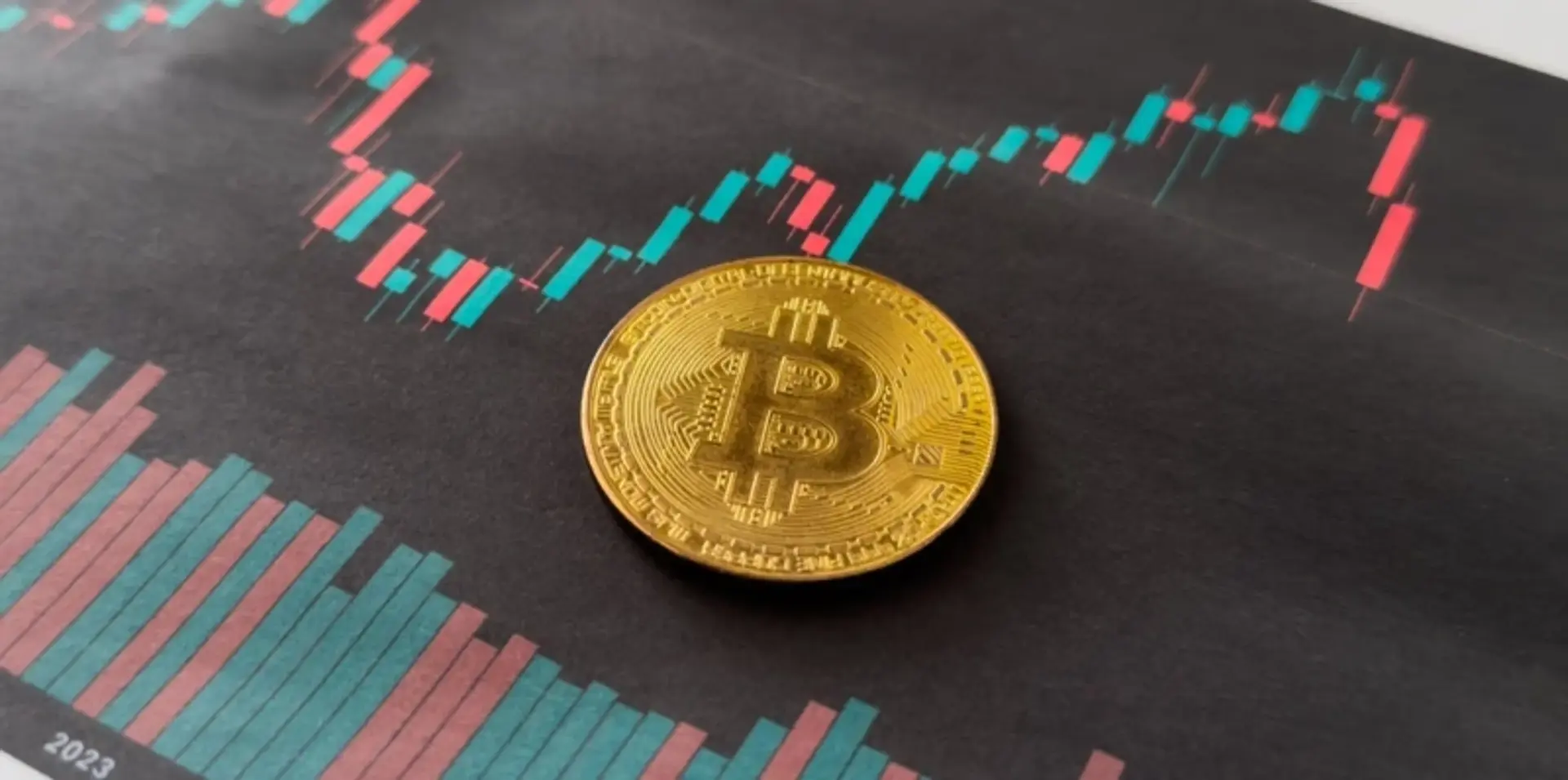
Every Friday at 4:00 p.m. CT, CME crypto futures stop trading while crypto spot markets keep running without interruption. Bitcoin can move 5-10% over a weekend on a geopolitical headline, a large liquidation cascade, or simply thin weekend liquidity amplifying normal volatility. When CME reopens Sunday evening, the futures price jumps to wherever spot has moved, leaving a visible gap on the chart between Friday’s close and Sunday’s open.
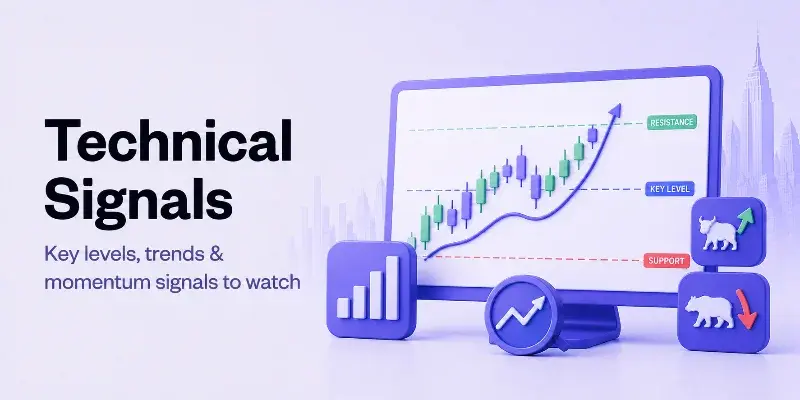
Roughly 77% of these gaps eventually fill, meaning price returns to the gap range at some point after it forms. That statistic, tracked across all CME Bitcoin futures gaps from 2018 through 2026, turned gap trading into one of the most-watched technical signals in crypto. Traders would note the gap level, wait for price to approach it, and trade the fill with a defined risk/reward setup.
The problem was never the fill rate itself but the timing. Some gaps filled within hours of the Sunday open, while others took weeks or never filled at all, trapping traders who sized positions around the assumption that every gap closes. The 77% fill rate sounds high until you realize that one out of four gaps leaves you holding a losing position indefinitely.
For institutional desks running basis trades, the weekend closure created a different problem entirely. Basis traders hold long spot or ETF positions hedged with short CME futures. When spot moves 5% over the weekend and the futures hedge cannot be adjusted, the trade’s P&L swings unhedged. Firms like Jane Street and Jump Trading built weekend risk premiums into their pricing models specifically because of this gap. Those premiums made the basis trade slightly more expensive for everyone downstream.
What 24/7 Trading Does to CME Gaps
The short answer is that new weekend gaps stop forming. If CME futures trade continuously, there is no Friday close and Sunday open to create a price discontinuity. The chart will show continuous candles through the weekend, just like spot exchanges already do.
But the situation is more nuanced than “gaps disappear, strategy dies.”
Existing unfilled gaps from before May 29 remain on the chart. Price has no reason to forget where those gaps sit, and traders who use gap levels as support and resistance zones will continue watching them. The historical data does not reset, but the forward-looking playbook changes significantly. Gap traders who relied on new gaps forming every week lose their primary setup. The strategy shifts from “trade the weekly gap” to “trade the remaining historical gaps” and eventually becomes irrelevant as those gaps either fill or the data grows stale.
For technical analysts, the more interesting question is how weekend price action on CME futures will compare to weekday price action. Spot markets already show lower weekend volume, wider spreads, and more volatile moves per unit of volume. CME futures during weekend hours will likely show the same pattern, with thinner order books and potentially wider bid-ask spreads than weekday sessions. The gaps disappear from the chart, but weekend volatility does not disappear from the market.
How This Changes Institutional Hedging
The biggest beneficiary of 24/7 CME trading is not the retail gap trader. It is the institutional portfolio manager who holds spot Bitcoin or a Bitcoin ETF and hedges through CME futures.
Before May 29, any weekend move in Bitcoin created unhedged exposure. If a fund is long $100 million in spot BTC hedged with an equivalent short CME position, and Bitcoin drops 8% on Saturday, the spot side loses $8 million while the futures hedge sits frozen until Sunday evening. For 46 hours, the hedge does not exist. Risk managers at pension funds, endowments, and crypto-native funds have flagged this as a structural barrier to larger allocations.
Continuous trading eliminates that exposure gap. A portfolio manager can adjust the hedge on Saturday morning if needed, just as they would on a Tuesday afternoon. The practical effect is that institutional desks can run tighter hedges, allocate more capital to crypto strategies, and reduce the risk buffers they currently hold to cover weekend exposure.
This also affects the basis trade directly. The cash-and-carry trade, where a fund buys spot BTC and sells CME futures to capture the premium, has been one of the most popular institutional crypto strategies since 2020. Weekend risk was priced into the futures premium because sellers demanded compensation for the period they could not adjust. With 24/7 trading, that risk premium compresses. Futures premiums may narrow, spreads between CME and offshore perpetual contracts may tighten, and the overall cost of hedging drops for every participant.
CME’s Expanding Crypto Lineup
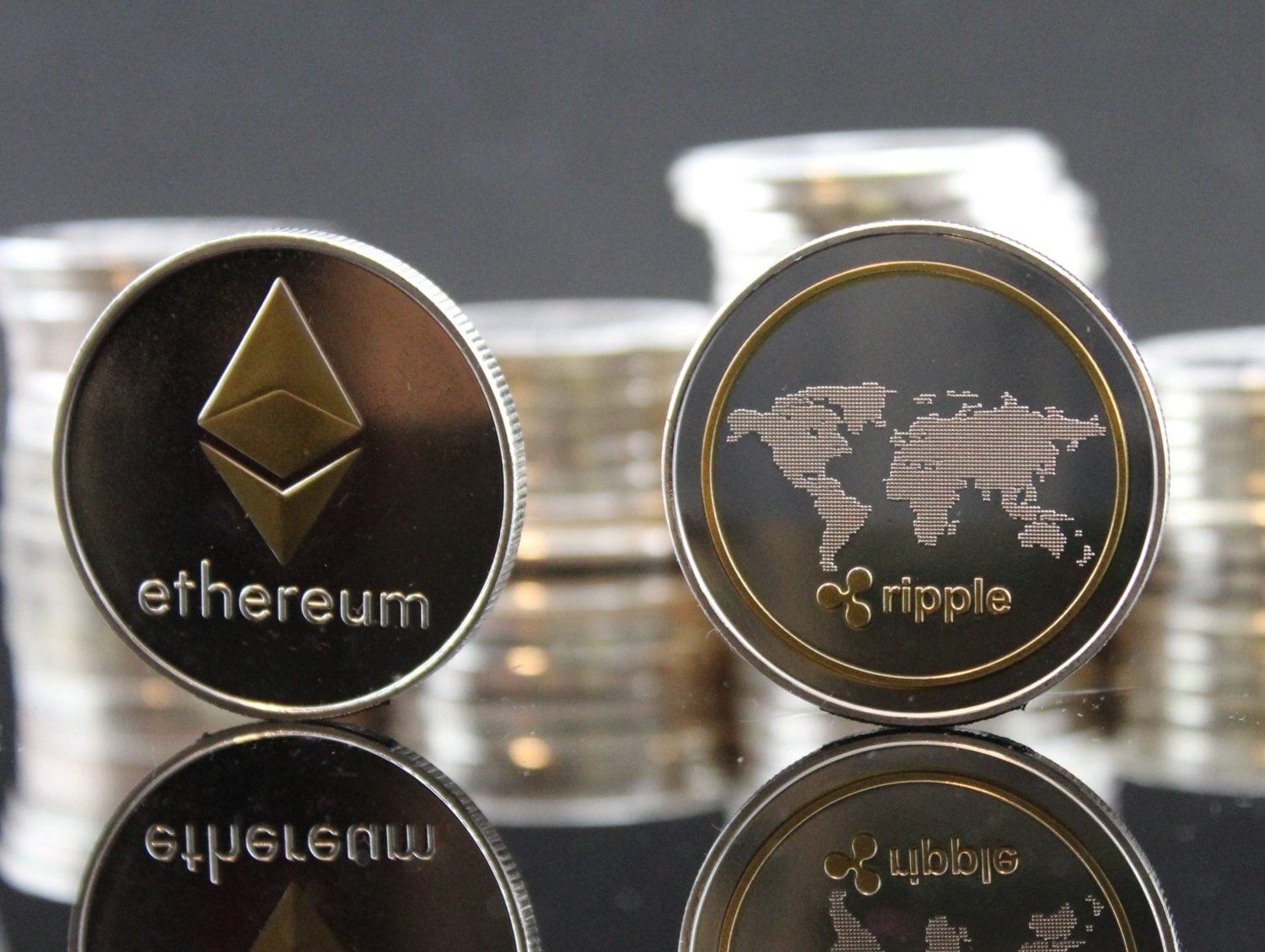
The 24/7 shift arrives alongside an aggressive product expansion. CME now offers futures on Bitcoin, Ether, Solana, XRP, Cardano, Chainlink, Stellar, Polkadot, Avalanche, and Sui. That is ten crypto assets with regulated futures contracts on a single exchange, up from just Bitcoin and Ether three years ago.
|
Asset |
CME Futures Status |
24/7 Starting May 29 |
|
BTC |
Live since Dec 2017 |
Yes |
|
ETH |
Live since Feb 2021 |
Yes |
|
SOL |
Live since 2025 |
Yes |
|
XRP |
Live since 2025 |
Yes |
|
ADA, LINK, XLM, DOT |
Live since early 2026 |
Yes |
|
AVAX, SUI |
Live since May 4, 2026 |
Yes |
The breadth matters because 24/7 trading across all ten assets means institutional desks can manage multi-asset crypto portfolios with continuous hedging. A fund holding SOL, AVAX, and BTC no longer needs to worry about basis risk on any of them over the weekend. The entire portfolio stays hedged.
And CME’s expansion signals where institutional demand is heading. Each new listing requires CFTC review and reflects demonstrated trading interest. The jump from two assets to ten in roughly 18 months tells you that regulated crypto derivatives are not a niche product anymore.
What Traders Should Watch After May 29
The first few weekends of 24/7 trading will be the most telling. Weekend volume on CME will almost certainly start lower than weekday volume, mirroring what spot exchanges have shown for years. If weekend CME volume ramps quickly, it signals genuine institutional demand for continuous hedging. If it stays thin, the change is more symbolic than structural in the near term.
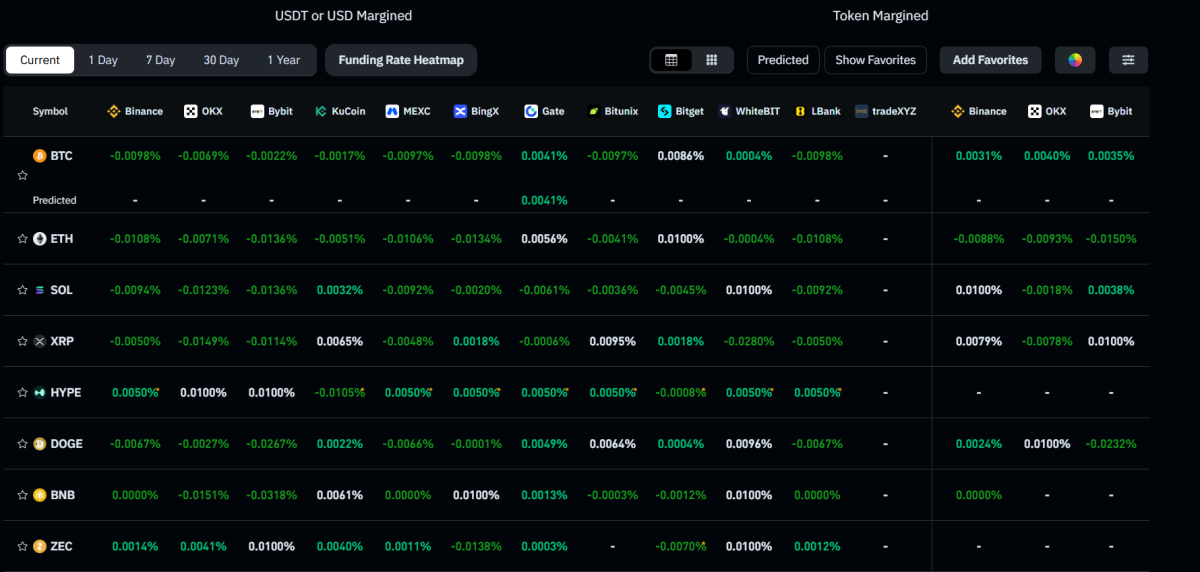
Watch the futures funding rates and basis spreads. If CME futures premiums compress after May 29, that confirms the weekend risk premium is being repriced. Tighter spreads between CME and perpetual contracts on crypto-native exchanges would be a measurable sign that the market structure has shifted.
The gap trading community will need to adapt. Some traders will shift to intraday gap strategies around the maintenance window, though a two-hour pause is unlikely to produce meaningful price dislocations. Others will pivot to the remaining unfilled historical gaps or abandon the strategy entirely. The 77% fill rate on weekend gaps was a clean, repeatable edge. Finding a replacement with similar statistical backing will take time.
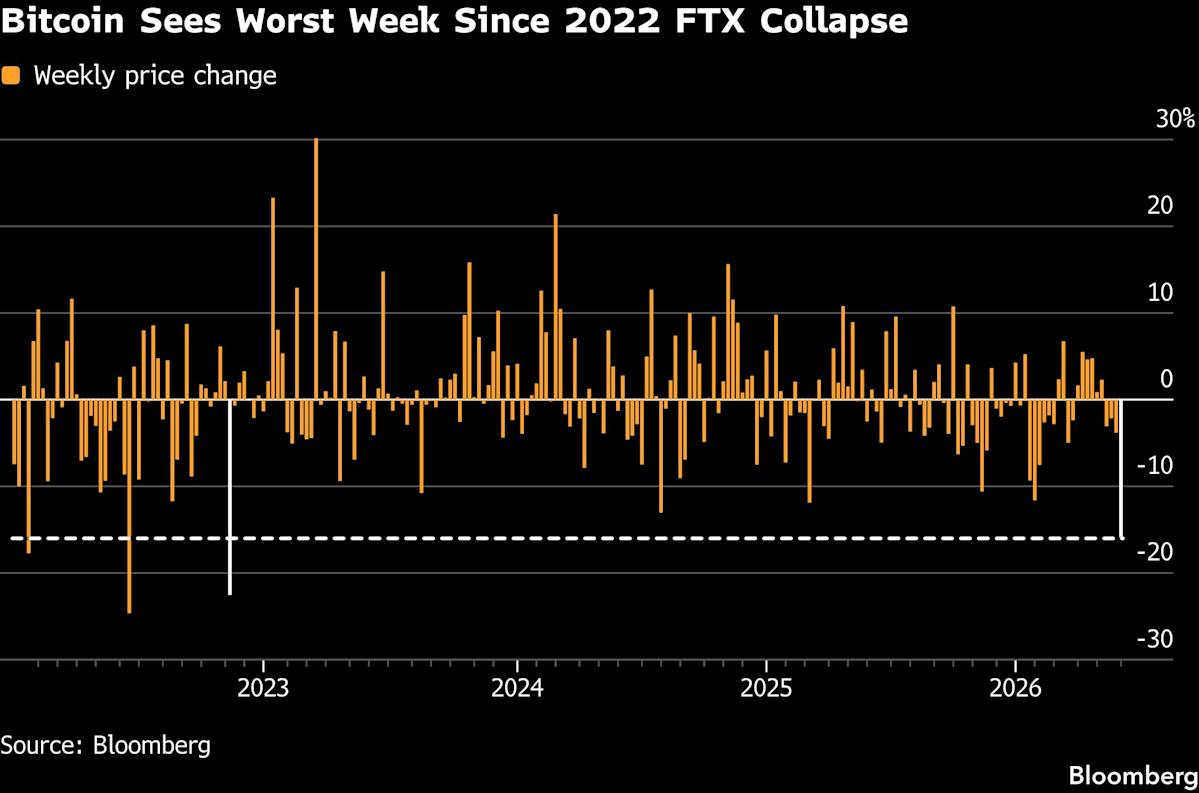
For the broader market, the real signal is what happens to weekend volatility. If CME participation dampens weekend price swings by adding institutional liquidity to a period that was previously retail-dominated, that changes the risk profile of holding crypto over weekends. Historically, the worst single-day drawdowns have clustered on weekends when institutional liquidity was absent. More participants trading through those windows should, in theory, reduce the magnitude of weekend liquidation cascades.
Frequently Asked Questions
What is the CME gap in Bitcoin?
A CME gap forms when Bitcoin’s price moves over the weekend while CME futures are closed, creating a visible price discontinuity on the chart between Friday’s close and Sunday’s open. About 77% of these gaps have historically filled, making them a popular trading signal. After May 29, new weekend gaps will no longer form because CME will trade continuously.
Will CME 24/7 trading affect Bitcoin’s weekend volatility?
Adding institutional liquidity to weekend hours should reduce the magnitude of weekend price swings over time, since the most extreme weekend moves have historically occurred in thin liquidity conditions. The effect will not be immediate, and spot exchange volume will still drive most weekend activity, but having CME order books active adds a stabilizing layer that did not exist before.
Does CME trade crypto perpetual futures like Phemex?
CME only offers expiring futures contracts with set settlement dates, which is fundamentally different from the perpetual contracts available on exchanges like Phemex. Perpetual futures have no expiry and use funding rates to stay anchored to spot price. CME futures settle monthly or quarterly, which is why basis trades and roll strategies exist. The two products serve different purposes and attract different types of traders.
Which crypto futures does CME currently offer?
As of May 2026, CME lists futures on Bitcoin, Ether, Solana, XRP, Cardano, Chainlink, Stellar, Polkadot, Avalanche, and Sui. All ten assets will be included in the 24/7 trading schedule starting May 29. Both standard and micro-sized contracts are available for most of these assets.
Bottom Line
The 46-hour weekend blind spot that defined CME crypto trading since Bitcoin futures launched in December 2017 closes on May 29. For institutional desks, this removes the single biggest structural friction in crypto hedging and should compress the risk premiums baked into futures basis trades. For gap traders, the weekly setup that produced a 77% fill rate over eight years of data stops generating new signals.
The first three weekends after the launch will reveal how much institutional activity actually shows up during those hours, or if the 24/7 label functions more as an insurance policy than a trading session. Watch CME weekend volume, basis spread compression, and the magnitude of weekend BTC price swings. If all three move in the expected direction, the crypto derivatives market just became meaningfully more efficient. If weekend CME volume stays thin, the continuous schedule is more branding than substance, and the real liquidity will still live on exchanges like Phemex where it always has.
This article is for informational purposes only and does not constitute financial or investment advice. Cryptocurrency trading involves substantial risk. Always conduct your own research before making trading decisions.