The Sudden Dawn of a Fully Regulated Dollar on the Blockchain
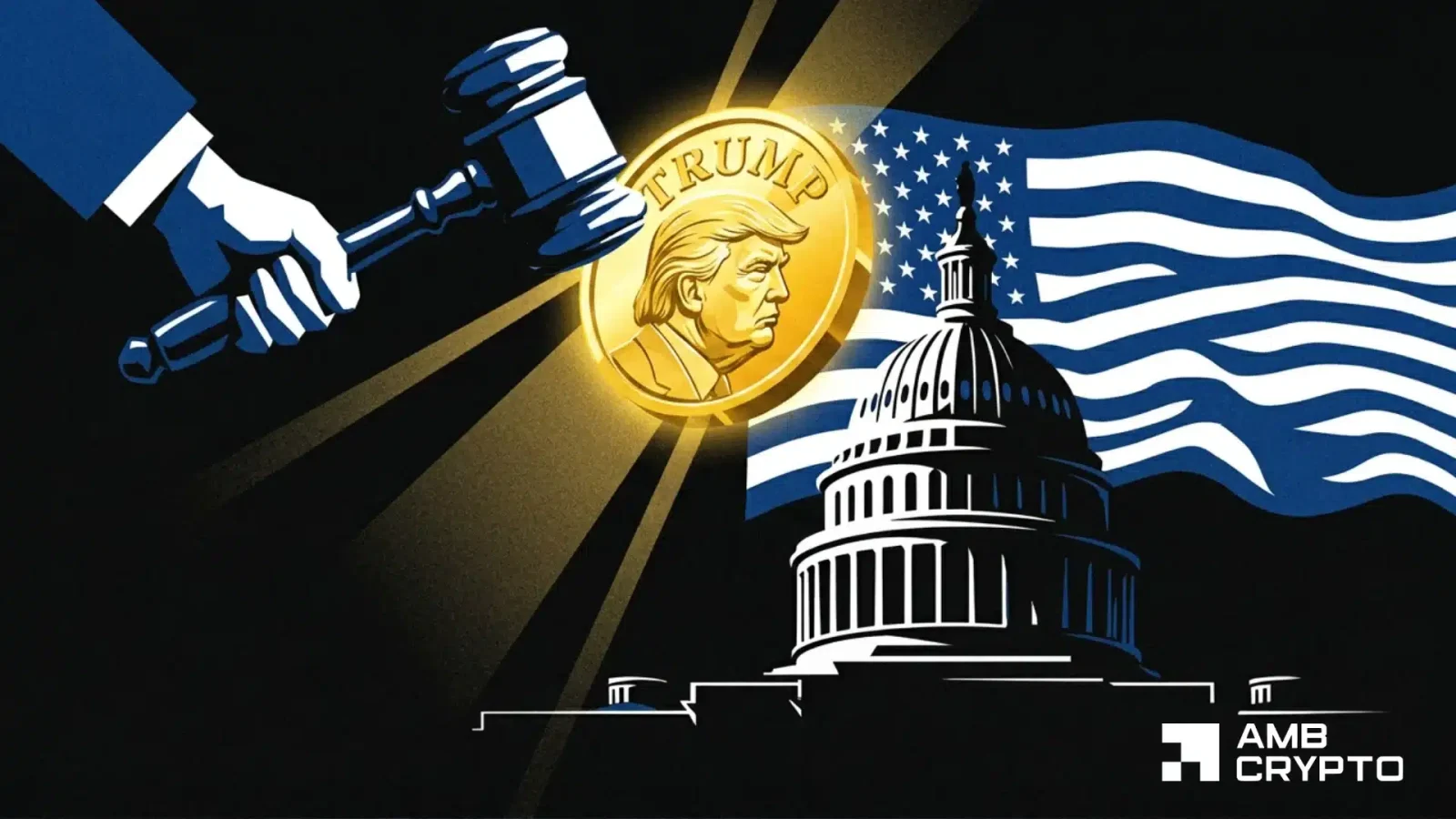
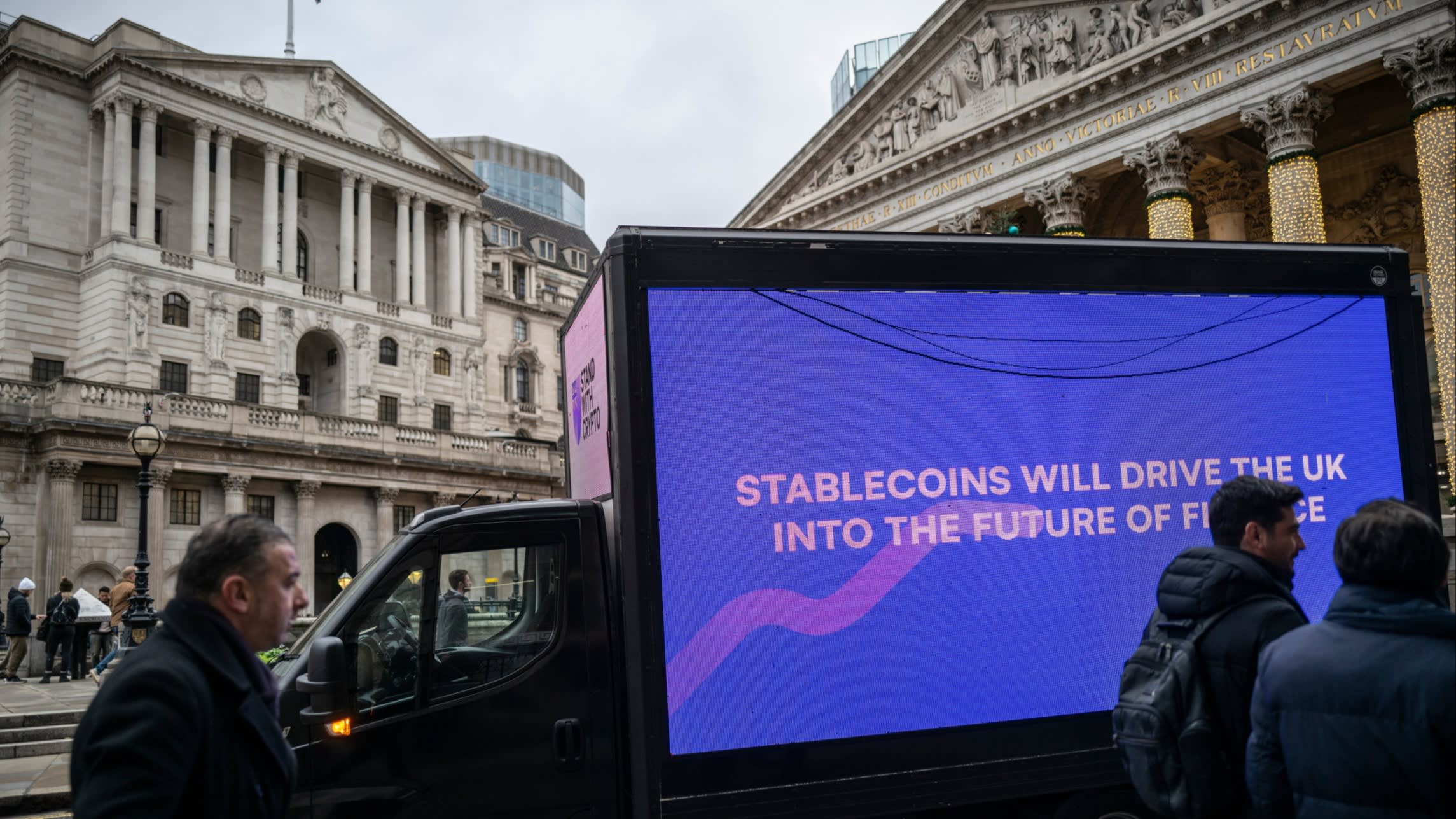
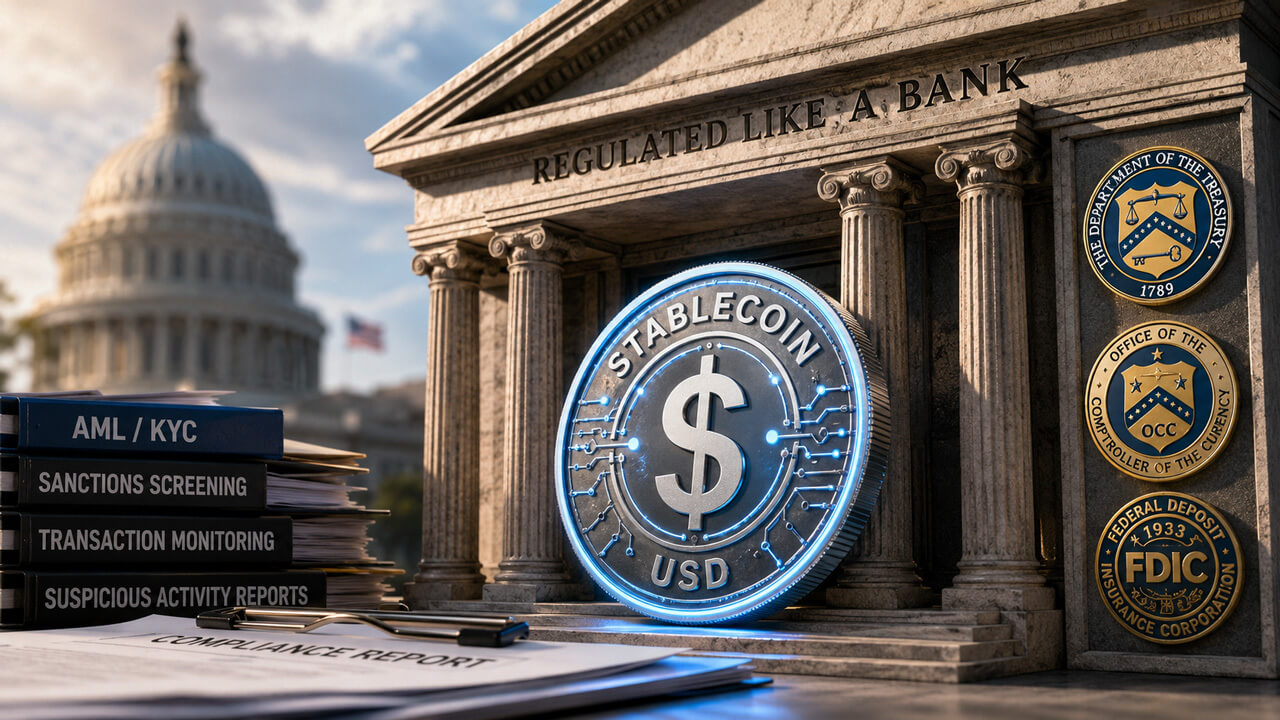
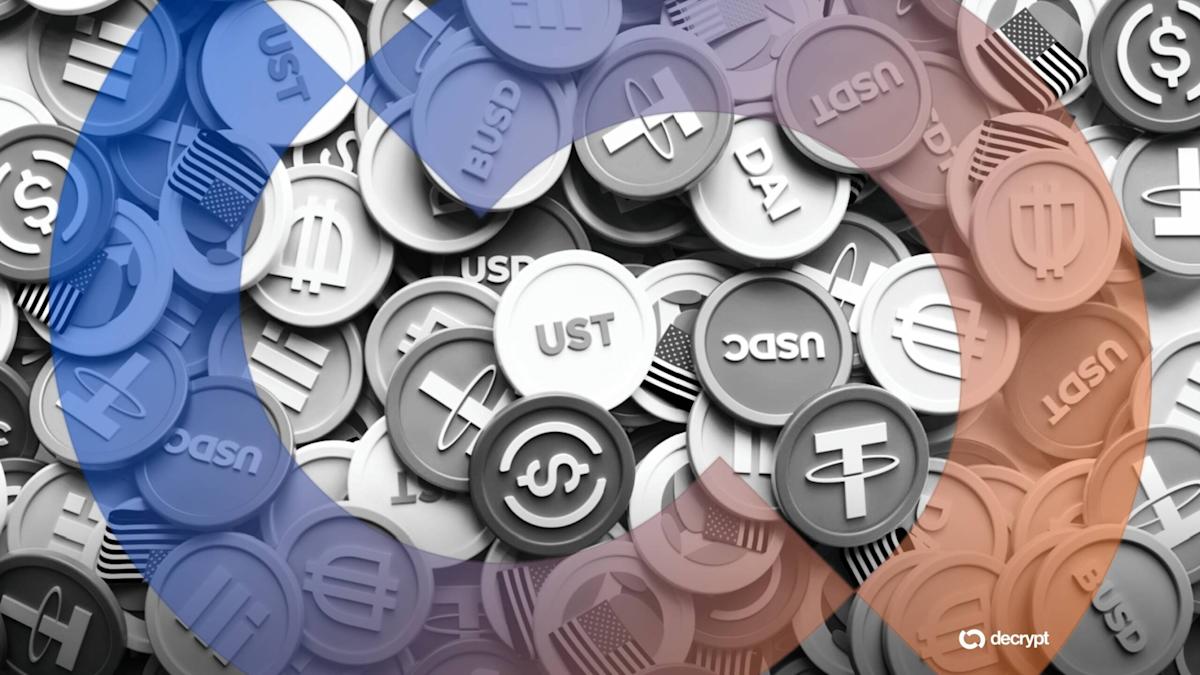
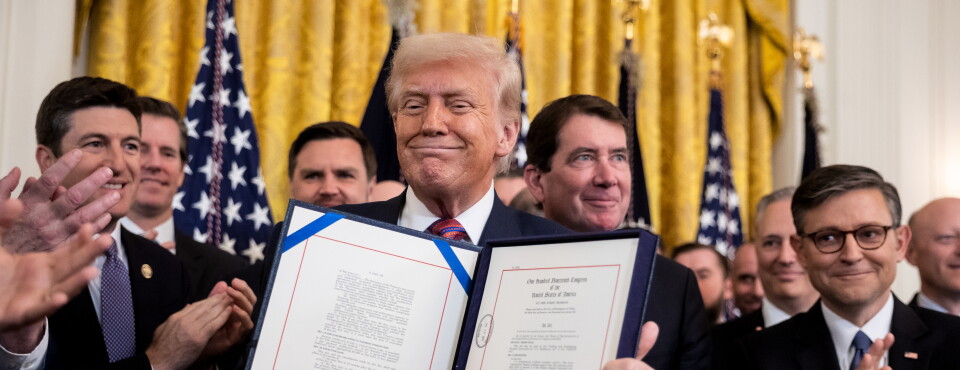
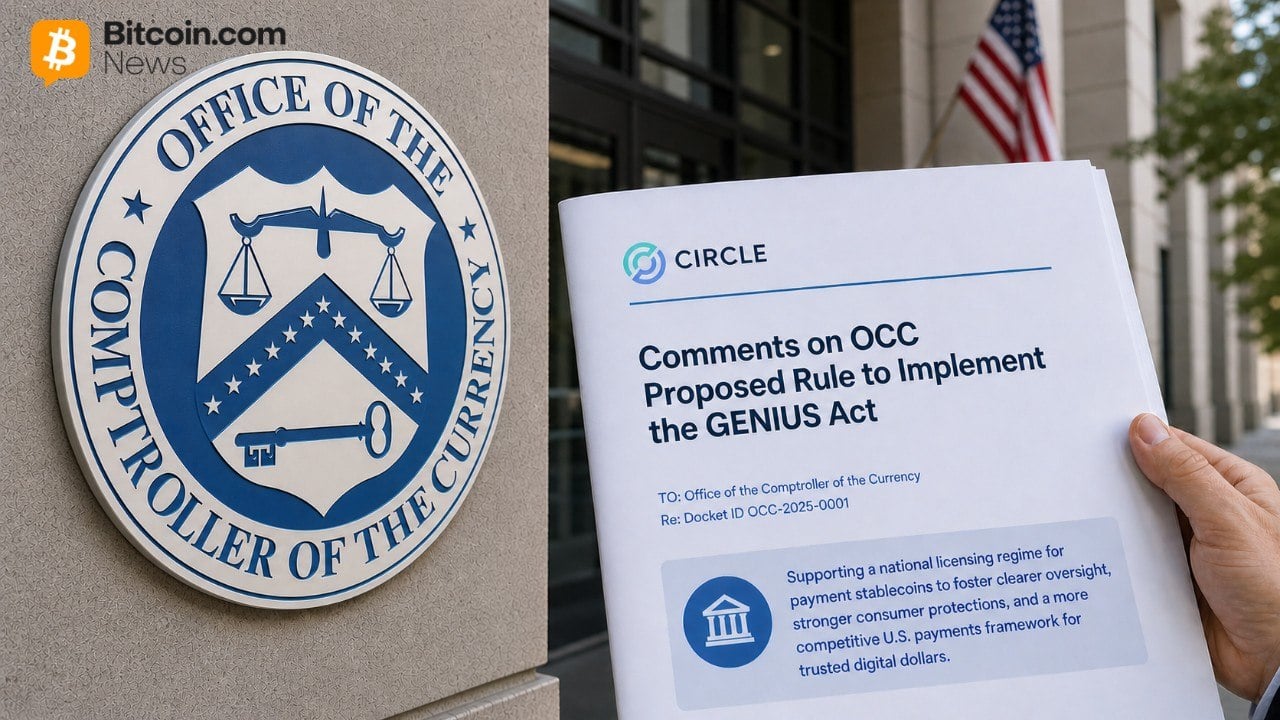
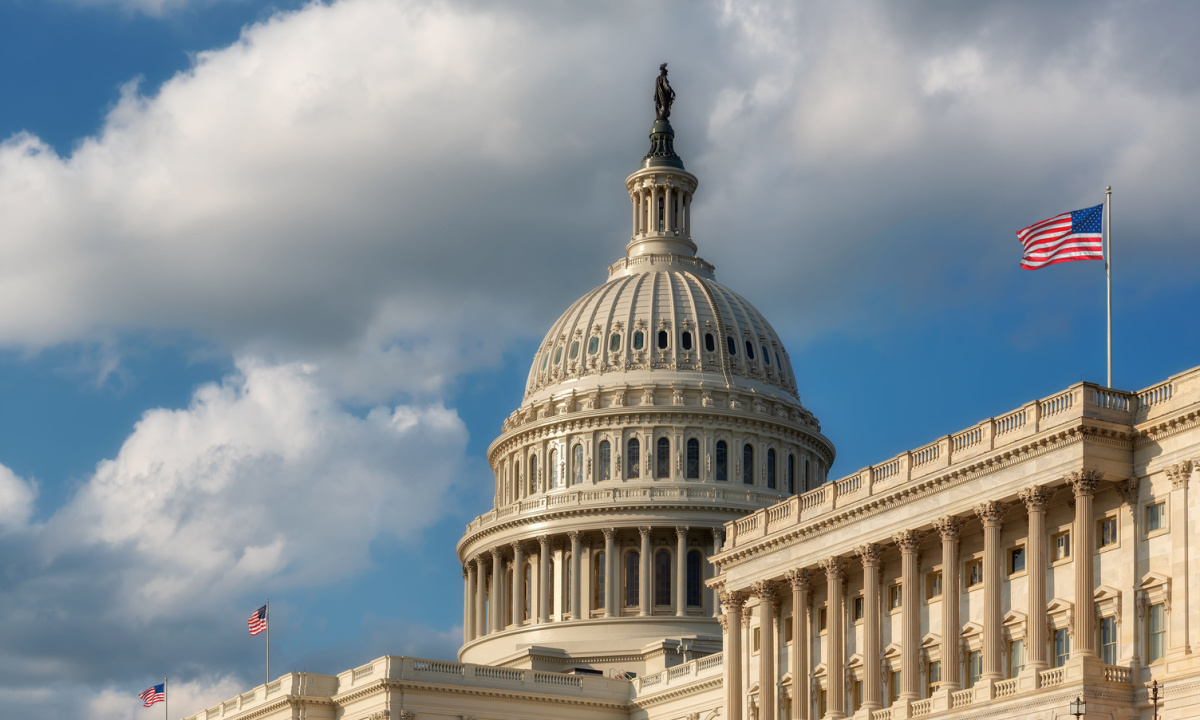
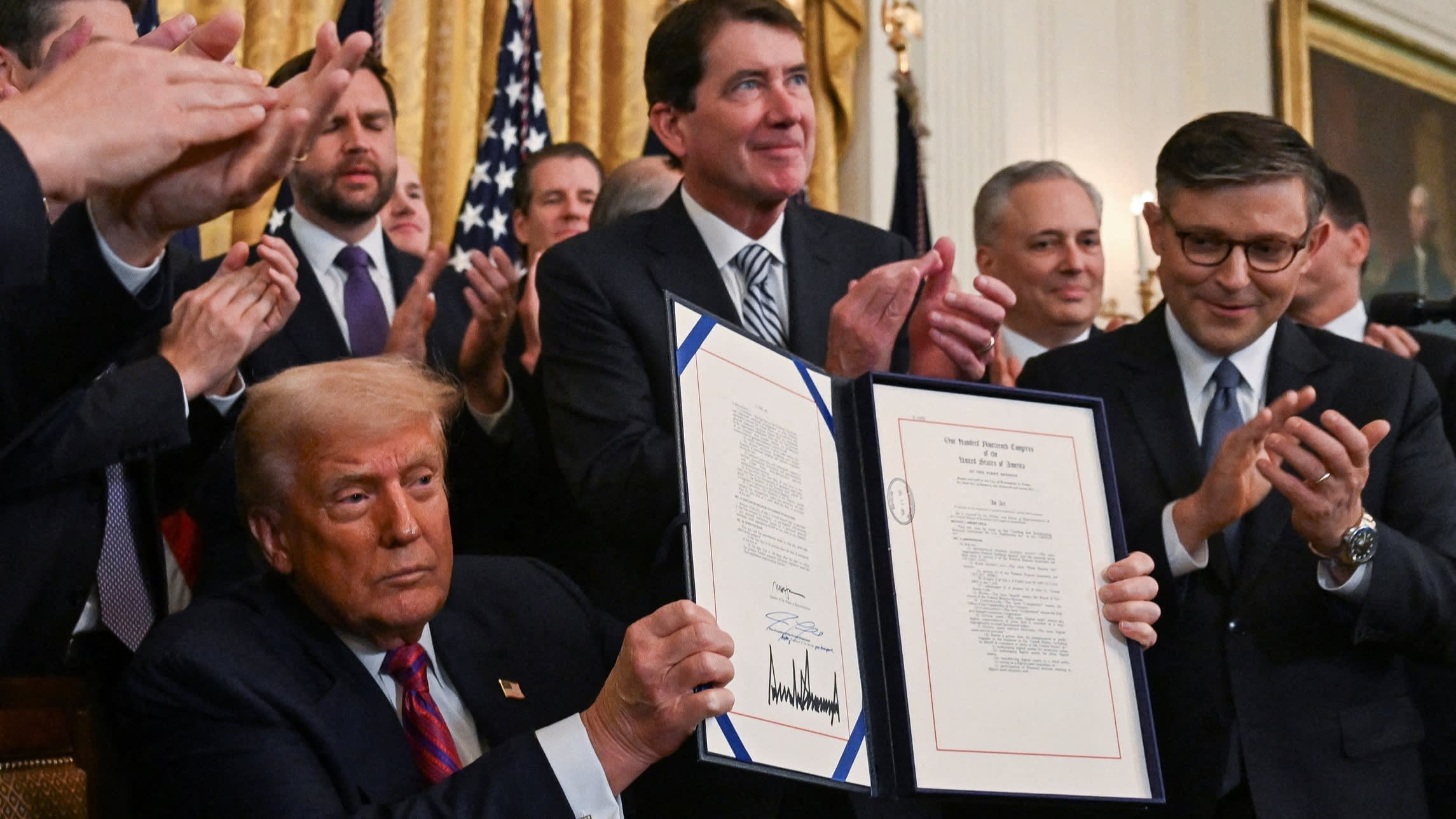
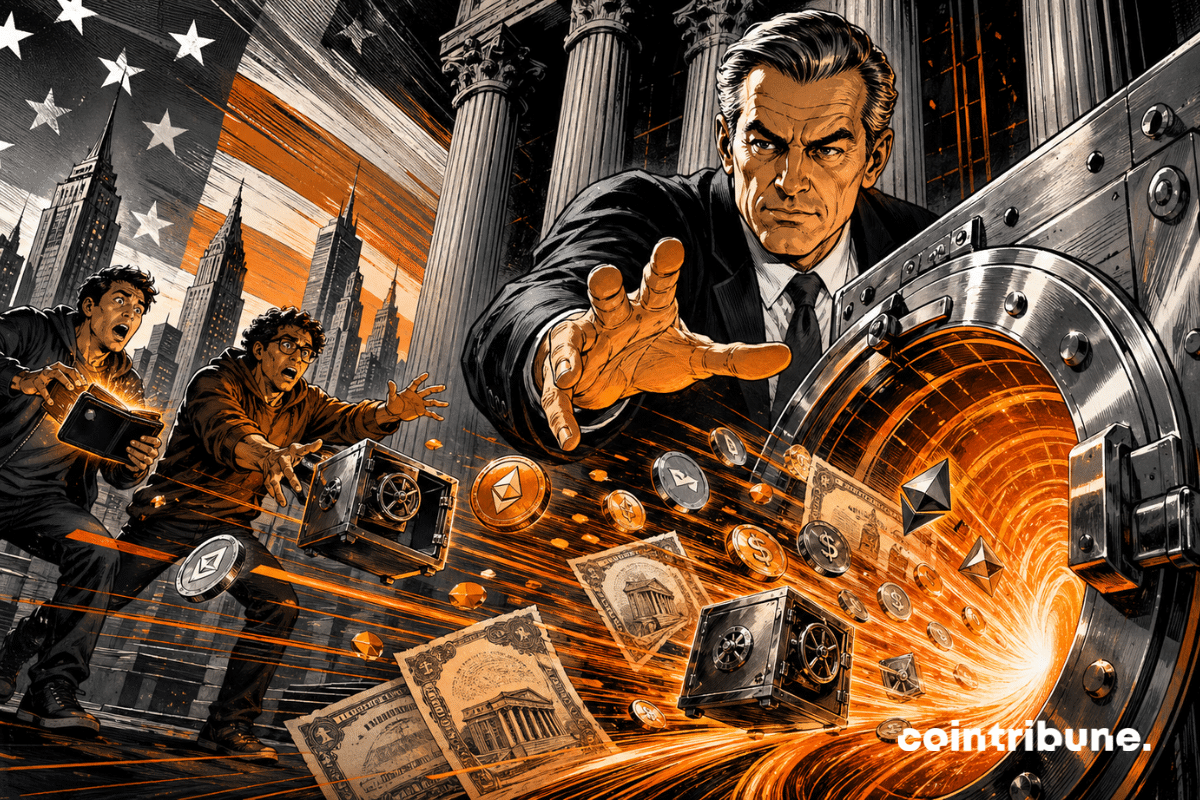
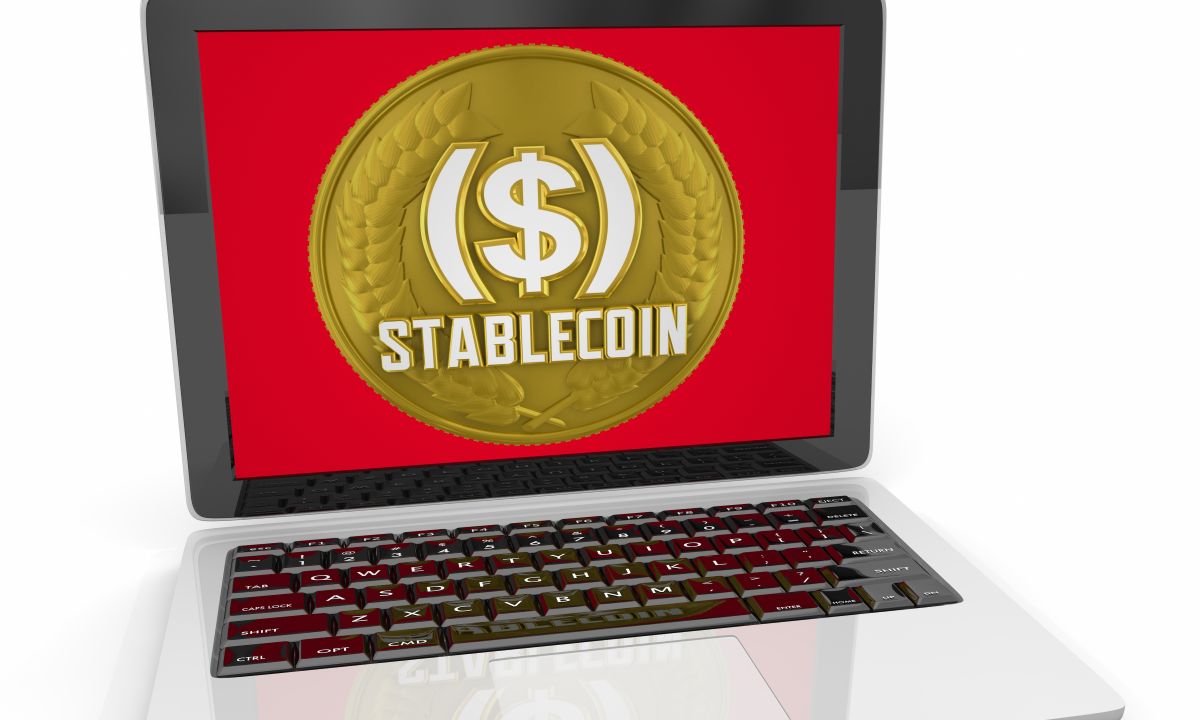
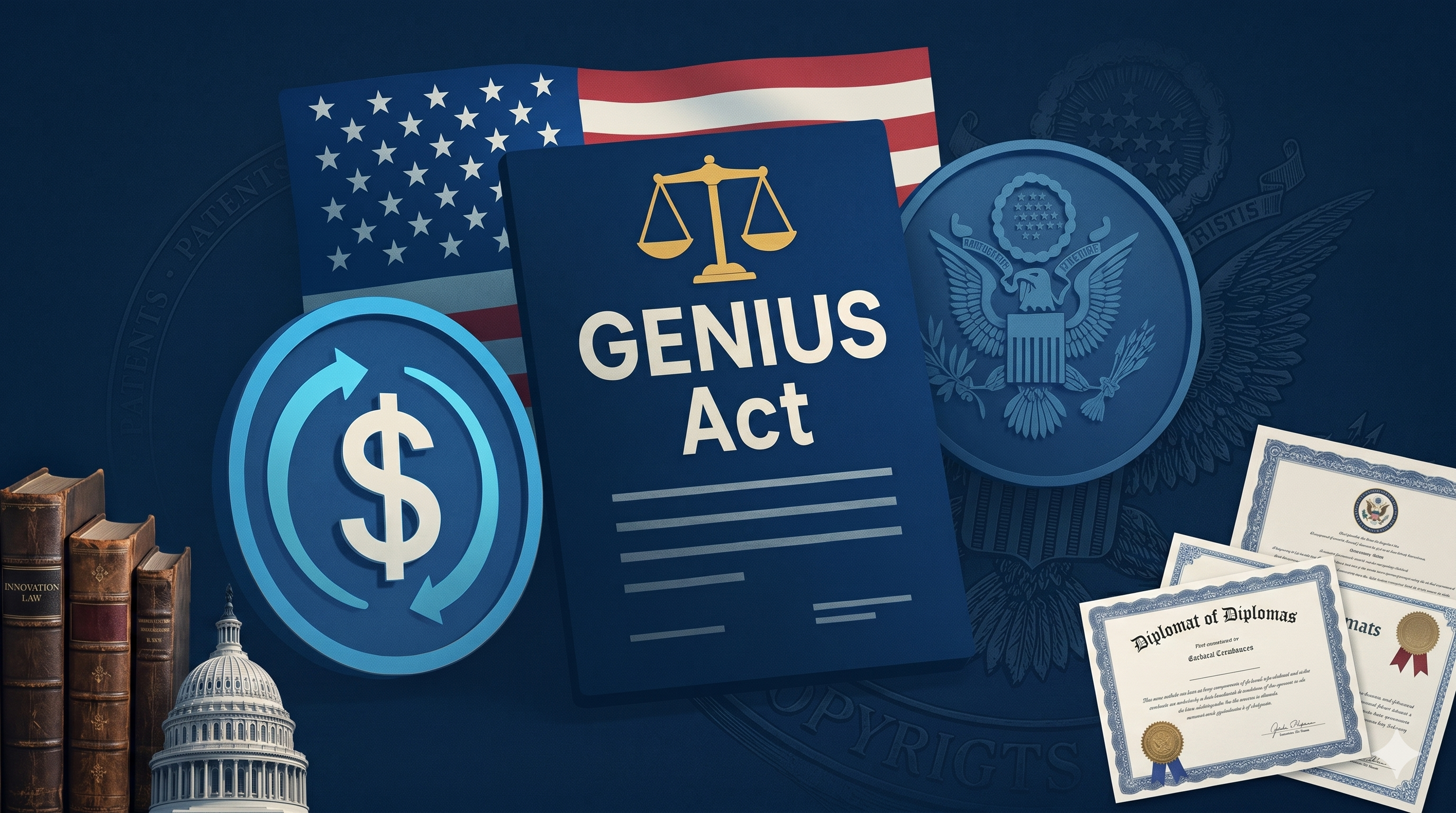
The ecosystem of digital finance shifted permanently when the Guiding and Establishing National Innovation for U.S. Stablecoins Act, or the Genius Act, became law in July 2025. This legislative milestone represents the first time a major global power has provided a clear, statutory definition for stablecoins, effectively pulling them into the light of the formal economy.
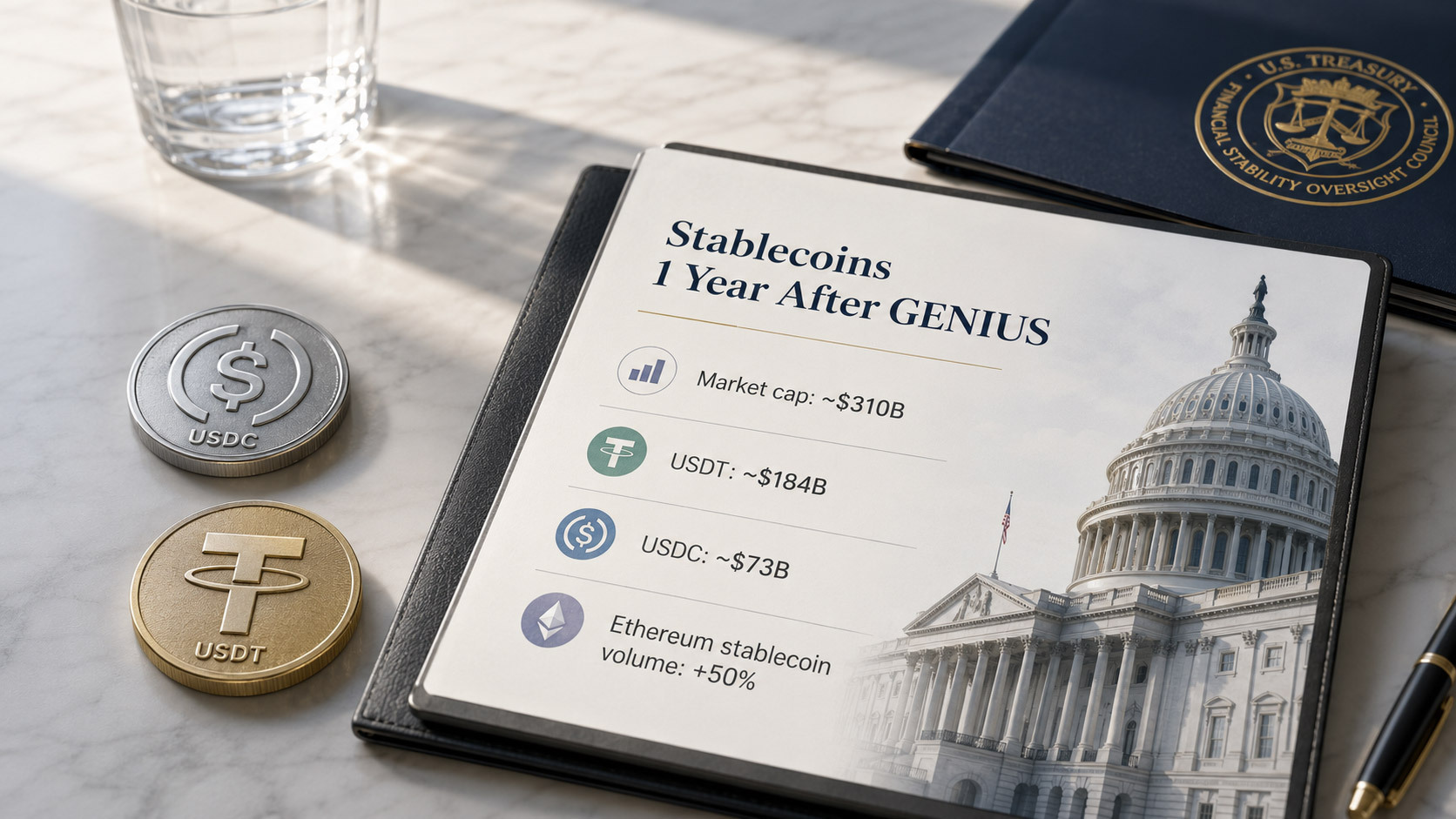
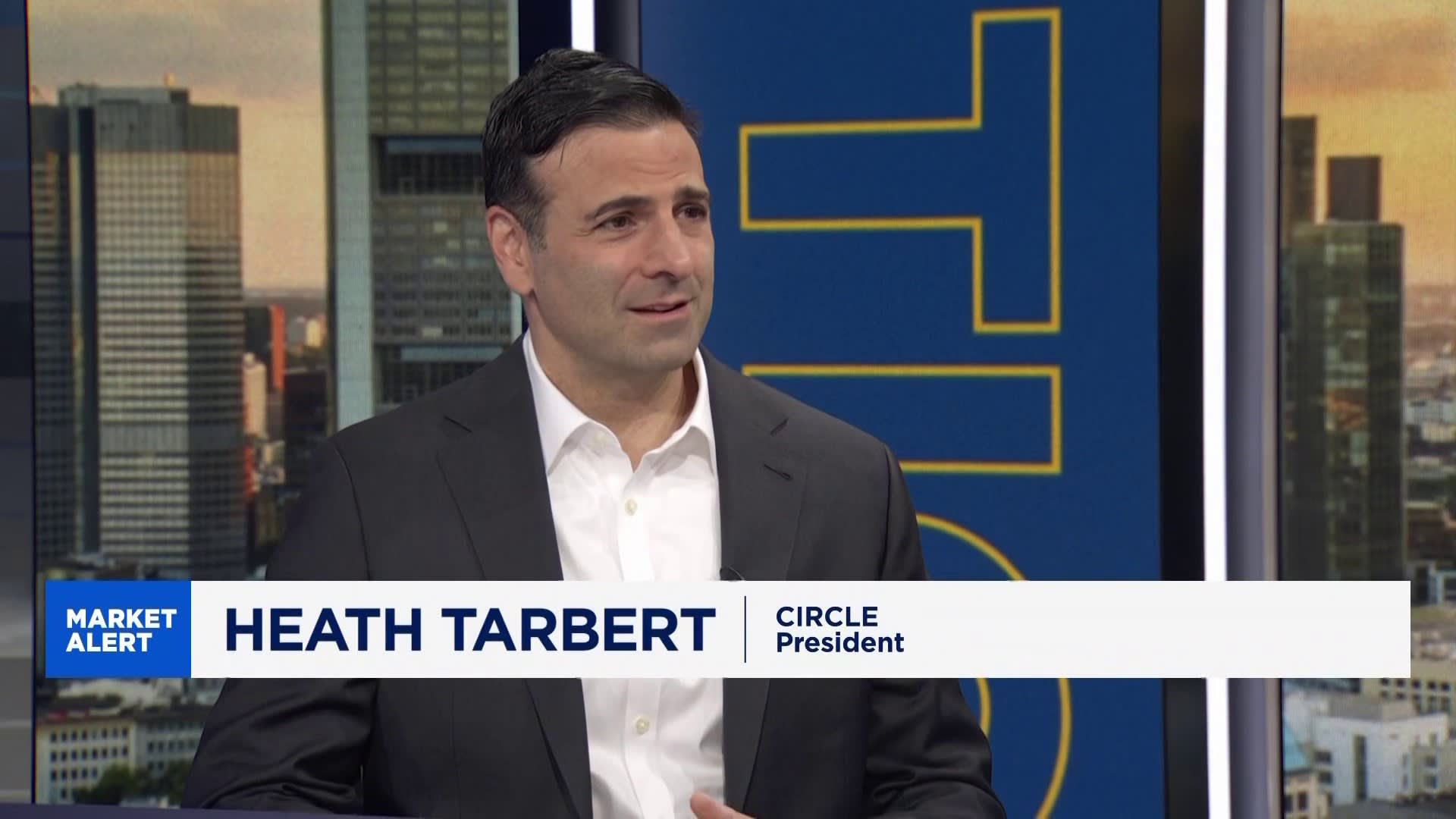
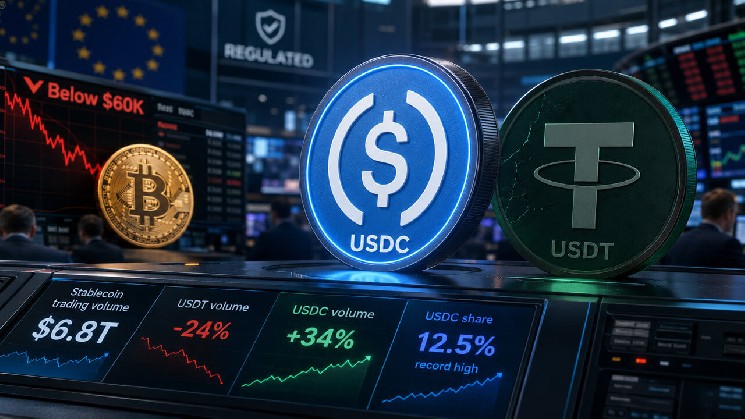
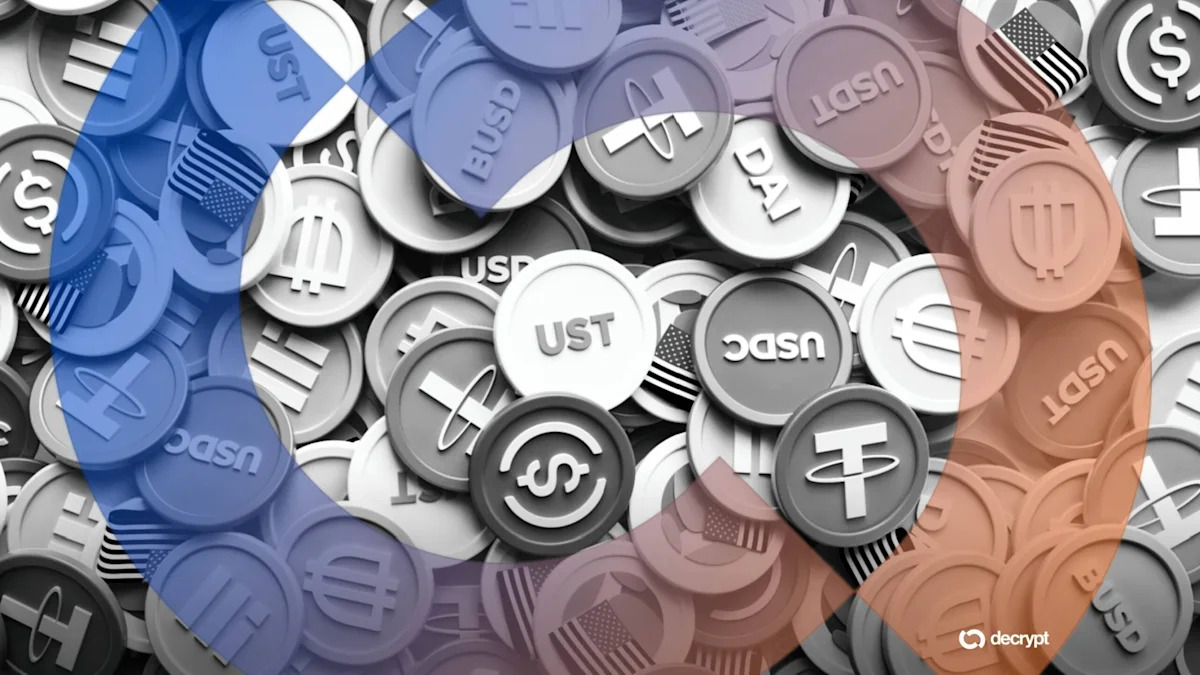
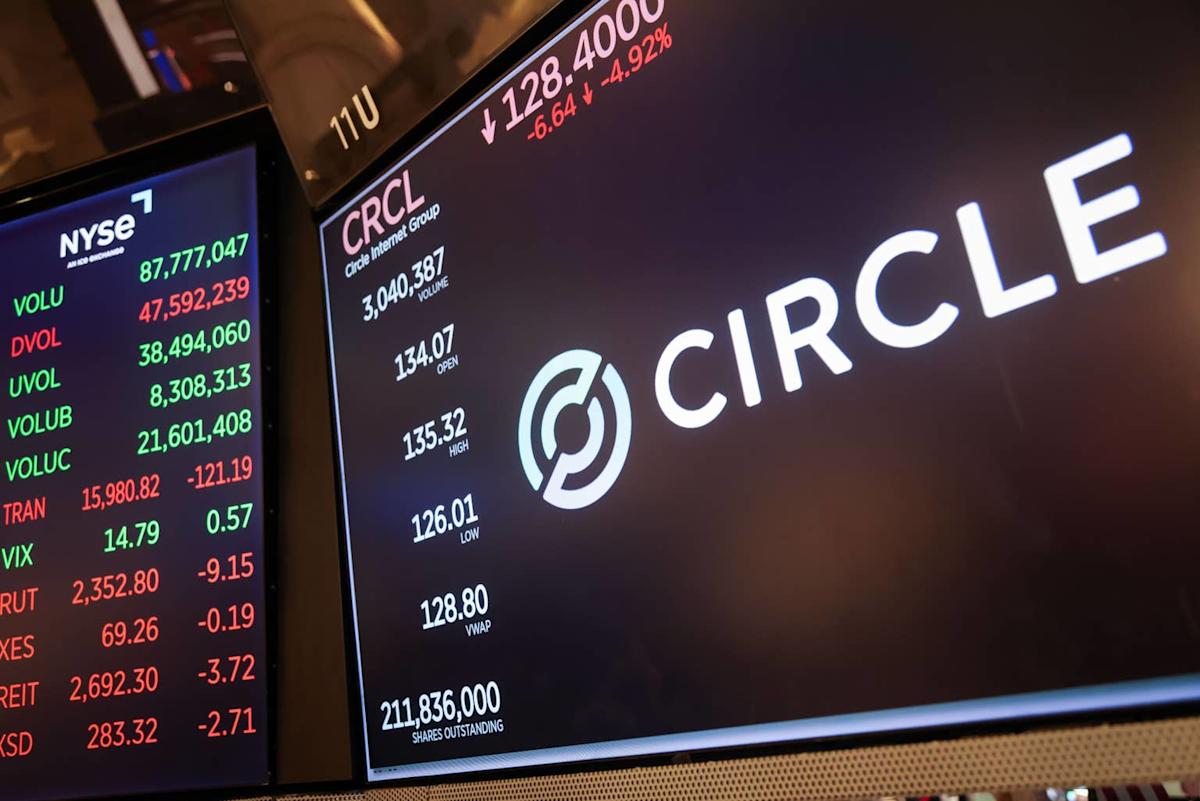
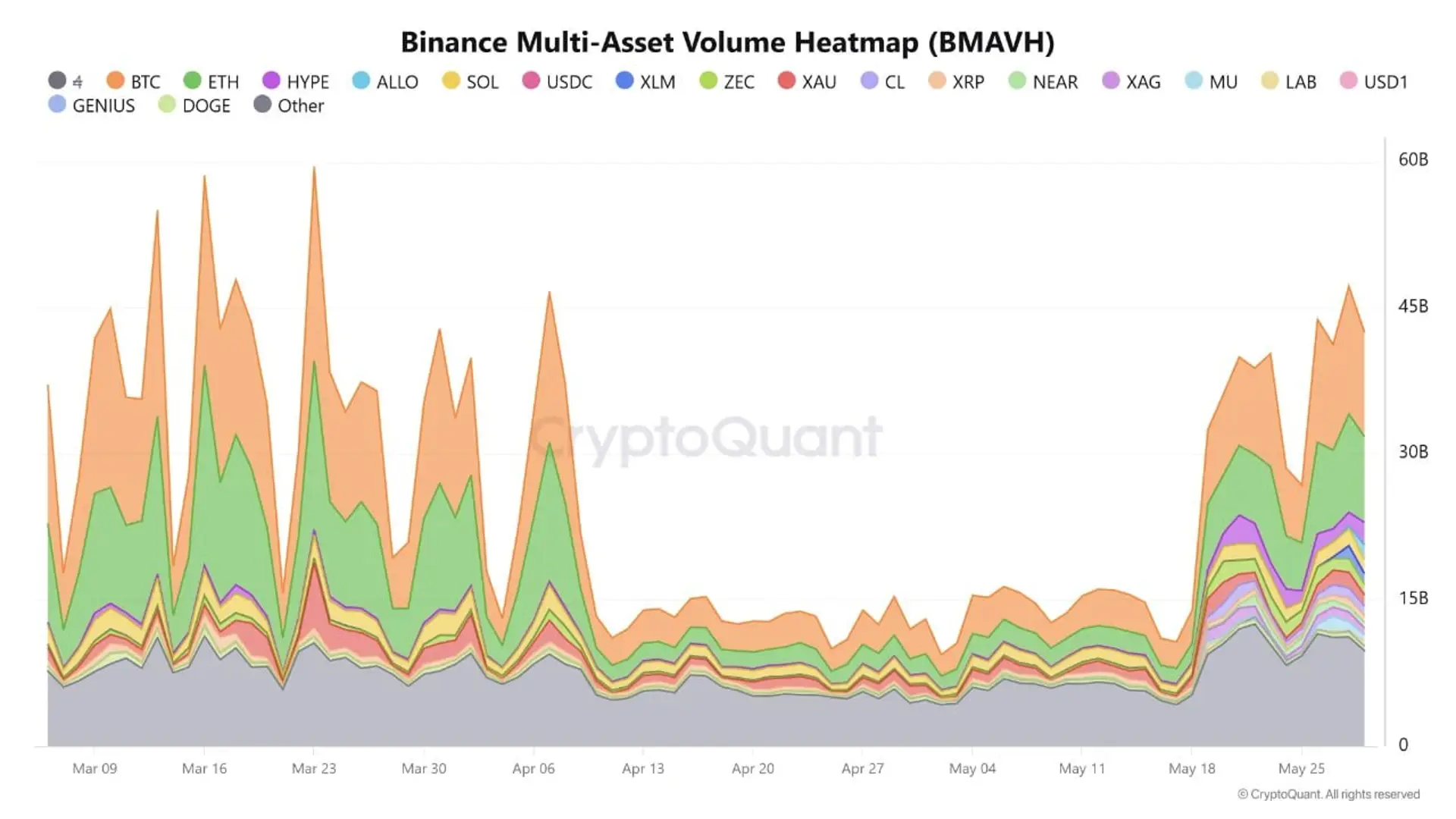
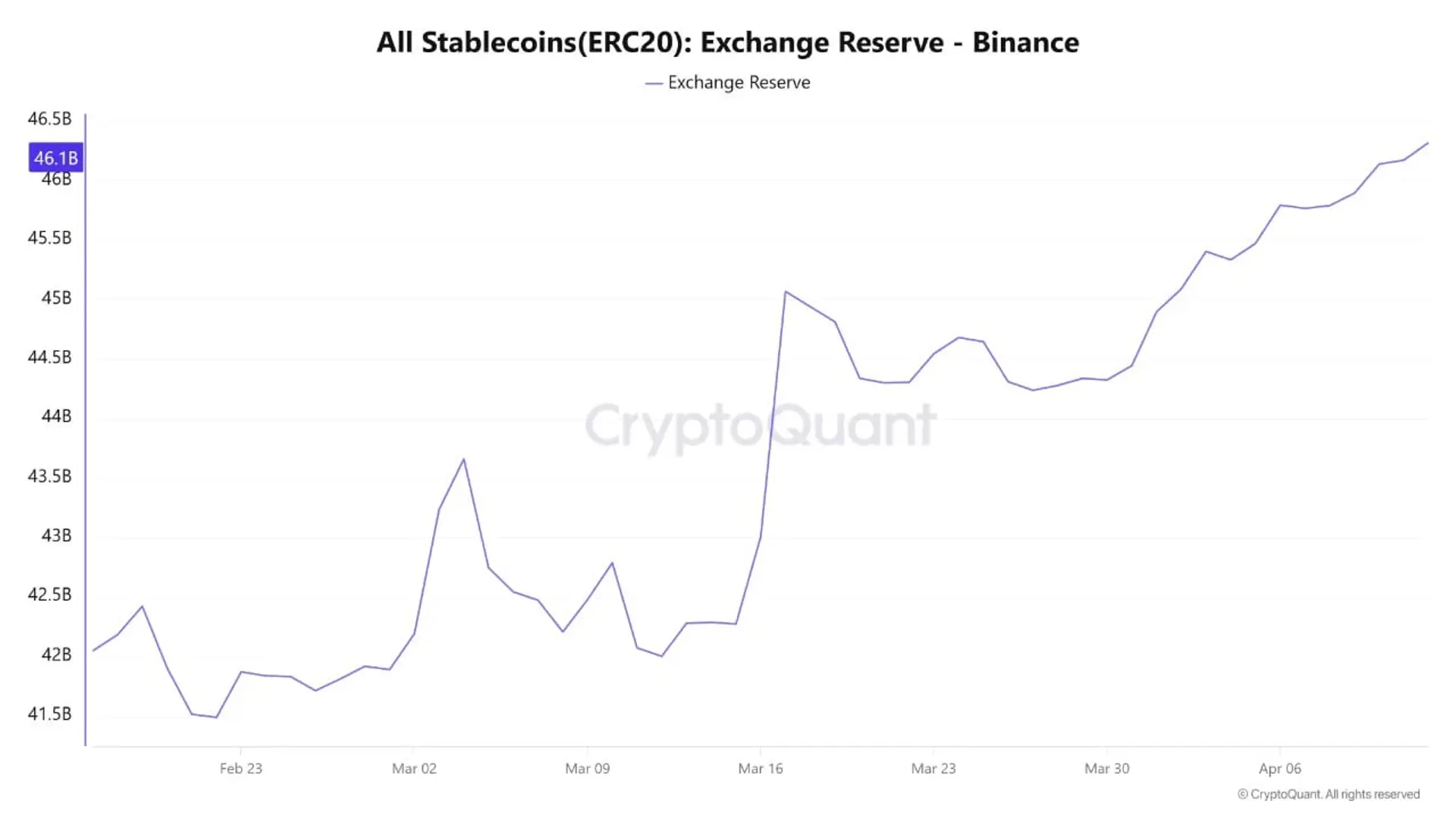
By establishing that dollar-backed tokens are neither securities nor commodities, the Act has removed a decade of legal fog that kept massive pools of institutional capital on the sidelines. According to recent data from March 2026, daily transaction volumes for stablecoins have surged from $1 trillion before the Act to over $4 trillion today, as reported by industry leaders like Circle.
This explosive growth is not just about trading volume; it signals a fundamental change in how the world perceives digital value. Investors are no longer just betting on price swings; they are using these assets for real-time settlement and global commerce.
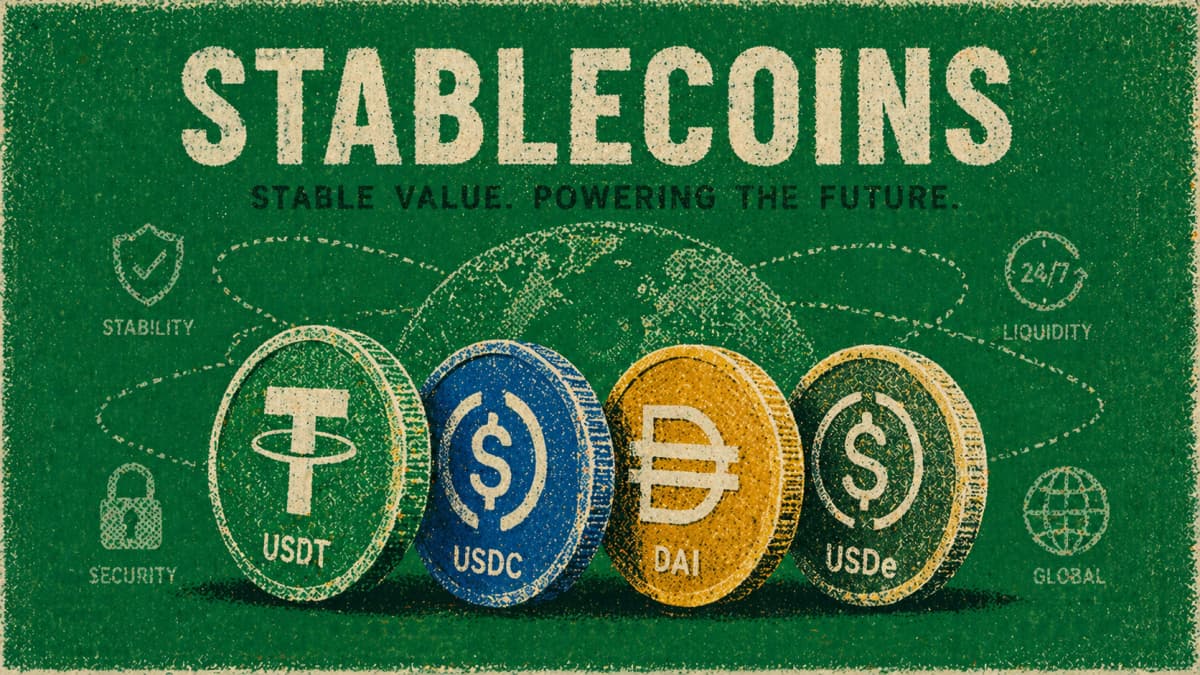
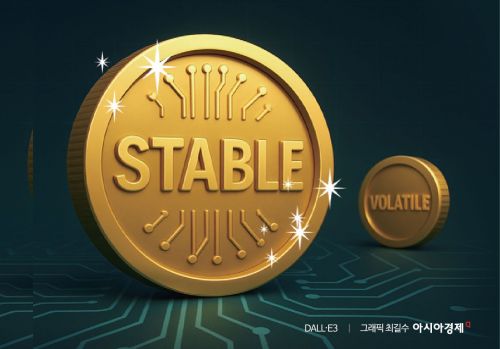
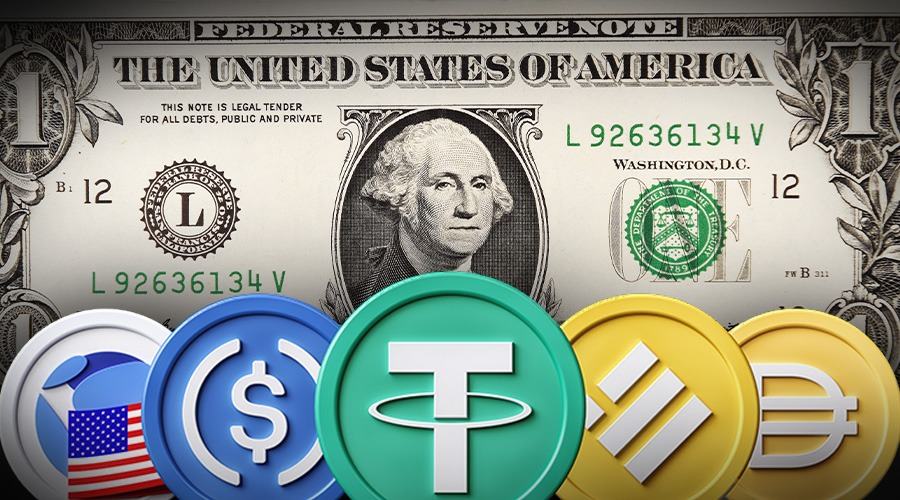
The Genius Act has turned the stablecoin into a verified digital version of the U.S. dollar, backed by a 1:1 reserve of high-quality liquid assets like short-term Treasuries. This move has given the public and private sectors a common language for digital assets, ensuring that every token in circulation is a reliable mirror of the world’s primary reserve currency.
Why Every Major Bank is Suddenly Racing to Issue Tokens
Before the Genius Act, traditional banks viewed the cryptocurrency field with a mix of curiosity and intense caution. However, the legislation has now provided a green light for insured depository institutions to enter the fray as primary issuers of payment stablecoins.
As of early April 2026, the U.S. Treasury has begun formalizing the rules that allow banks to integrate these digital assets directly into their core operations. This shift has triggered a massive migration of capital, as banks realize that issuing their own stablecoins allows them to offer real-time, 24/7 settlement services that were previously impossible under the old banking rails.
For the average consumer, this means the wall between their checking account and the blockchain is disappearing. We are seeing a “hockey stick” growth curve in institutional participation, with banks now serving as both custodians of reserves and architects of new payment networks. This integration is forcing a total rethink of what a bank account actually is. In this new era, a deposit isn’t just an entry in a private ledger; it is a programmable asset that can move across global networks in seconds.
The competition is fierce, as legacy financial giants and nimble fintech firms now play on the same field, each trying to capture the massive market for digital liquidity that the Genius Act has officially unlocked.
Turning the Slow Gear of Global Payments into Instant Velocity
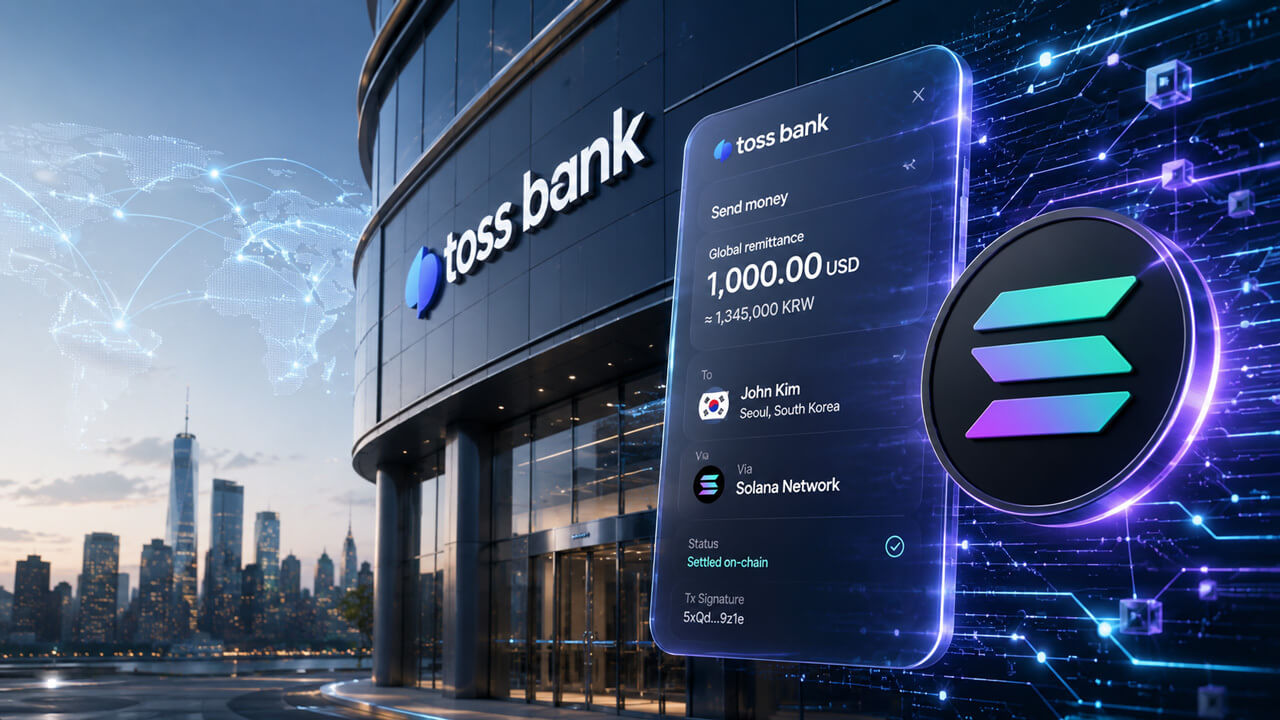
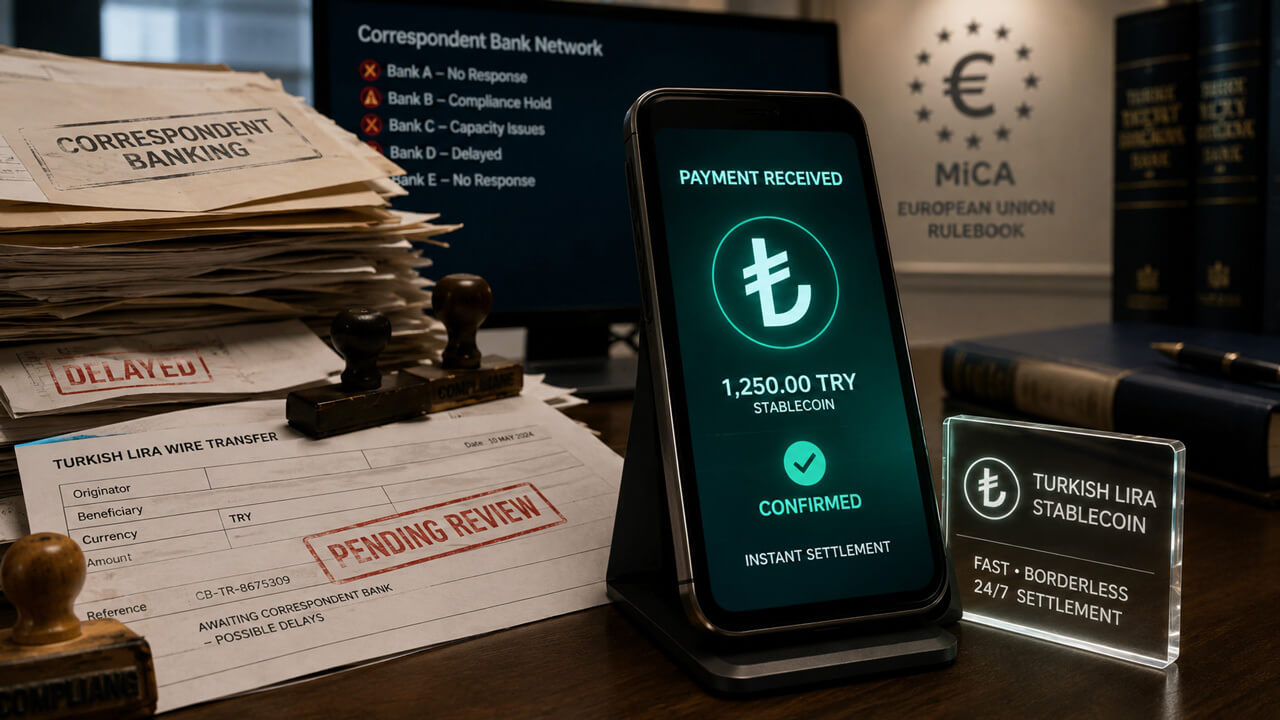
One of the most profound impacts of the Genius Act is felt in the world of cross-border payments, where the old system of correspondent banking is being replaced by digital speed. Historically, moving money between countries took days and involved multiple intermediaries, each taking a small cut. With the Genius Act providing a stable framework, businesses are now using dollar-backed tokens to bypass these bottlenecks entirely. Large payment firms are seeing their business models challenged as stablecoins facilitate B2B transactions with near-zero latency. Recent research from the Bank Policy Institute in March 2026 suggests that the market value of traditional payment incumbents has shifted by billions as the market adjusts to this new reality.
Small business owners who once waited a week for international supplier payments to clear can now settle invoices in minutes. This is not just a technical upgrade; it is a massive injection of liquidity into the global supply chain. The ability to move value at the speed of the internet, with the backing of a federally recognized asset, is a game-changer for international trade. This velocity is creating a new standard for corporate treasury management, where dead time for capital is being eliminated. The Genius Act has essentially turned the U.S. dollar into a high-performance software protocol that works for everyone from a local florist to a multinational tech firm.
The Death of the Shadow Stablecoin and the Rise of Transparency
For years, the cryptocurrency field was haunted by “shadow” stablecoins, tokens with mysterious reserves and questionable backing. The Genius Act has effectively ended this era of uncertainty by mandating 1:1 reserves held in cash or short-term government securities.
Every issuer must now provide monthly disclosures, a level of transparency that was unheard of in the early days of crypto. This requirement has fundamentally changed the risk profile of the entire industry. When users hold a Genius-compliant stablecoin, they are no longer taking on the “black box” risk of a private company’s balance sheet. Instead, they are holding a transparently backed instrument that is subject to regular audits and federal oversight.
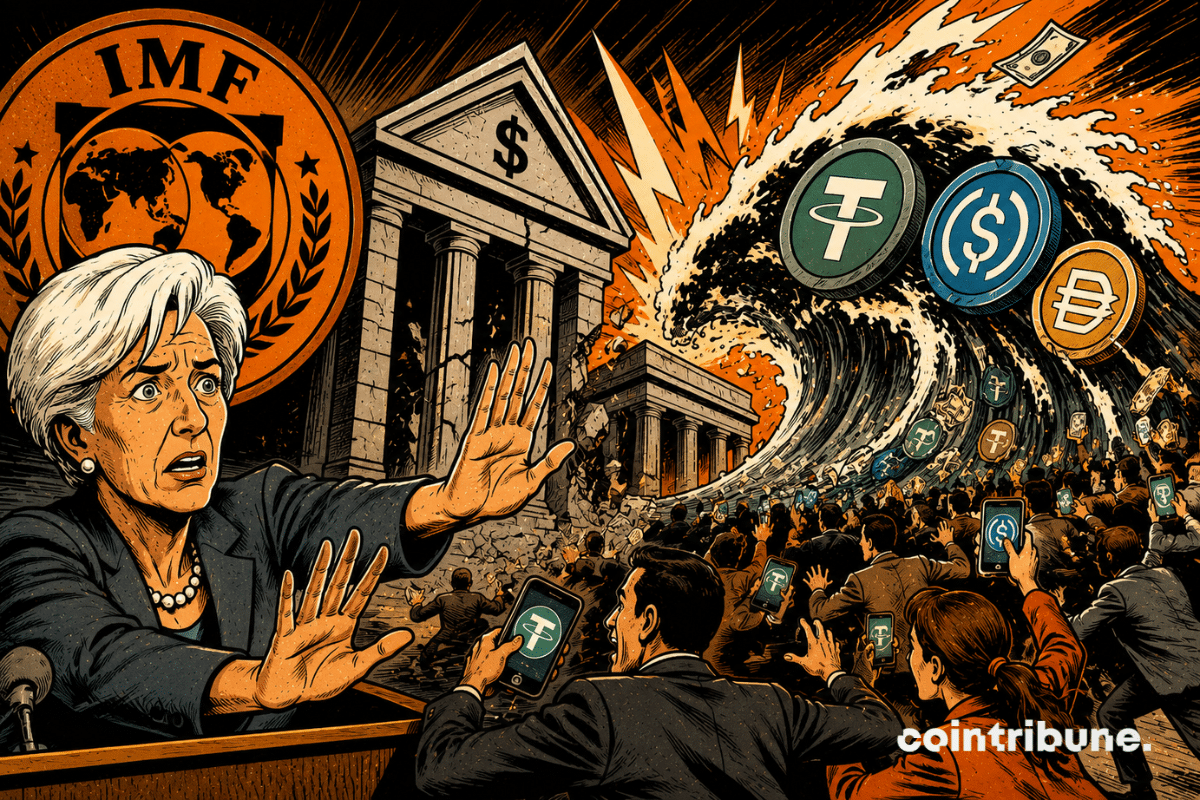
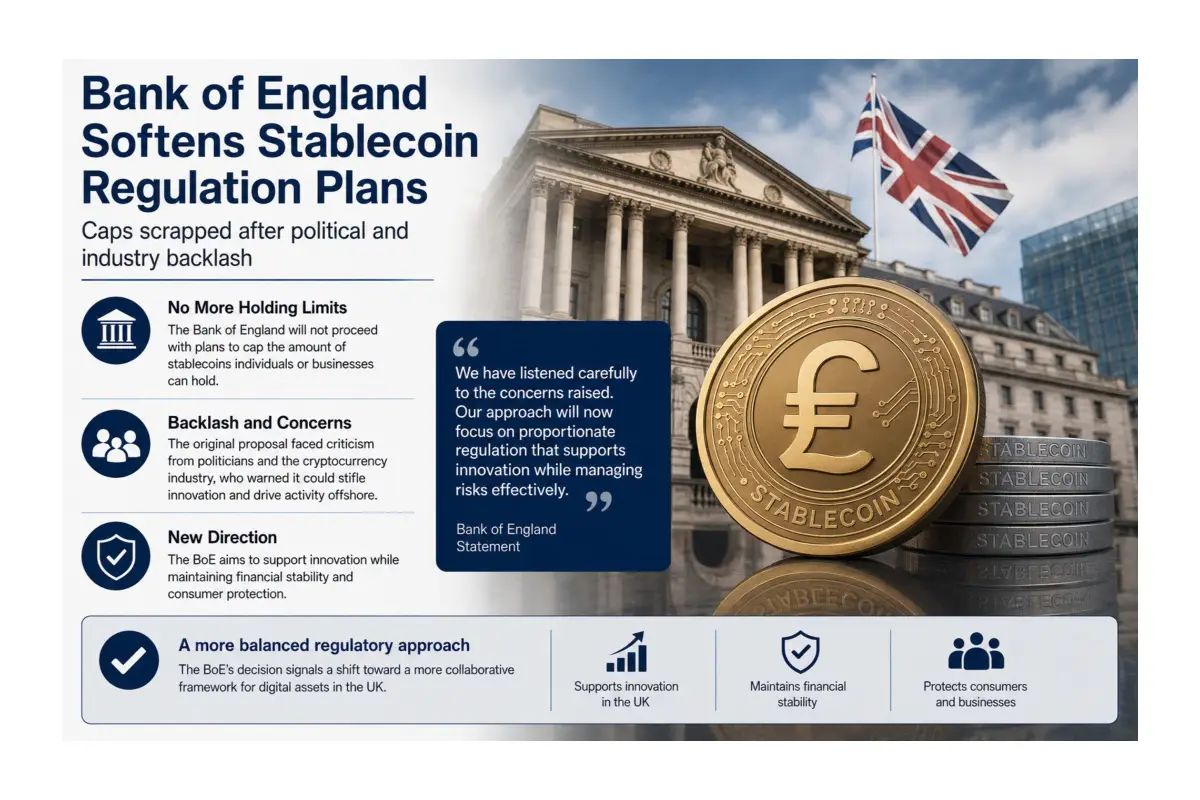
This transition has led to a consolidation in the market, where only the most transparent and well-capitalized players can survive. According to insights from the World Economic Forum, this transparency is the trigger that is prompting other countries to follow suit, creating a global standard for digital asset safety.
The result is a much healthier ecosystem where trust is built on hard data rather than promises. For the first time, the “stable” in stablecoin actually means something to the average user, as the law provides a priority claim for holders in the event of an issuer’s insolvency. This safety net has brought a level of peace of mind that is attracting a new demographic of risk-averse participants to the crypto space.
Building a New Financial Infrastructure on Public Blockchains
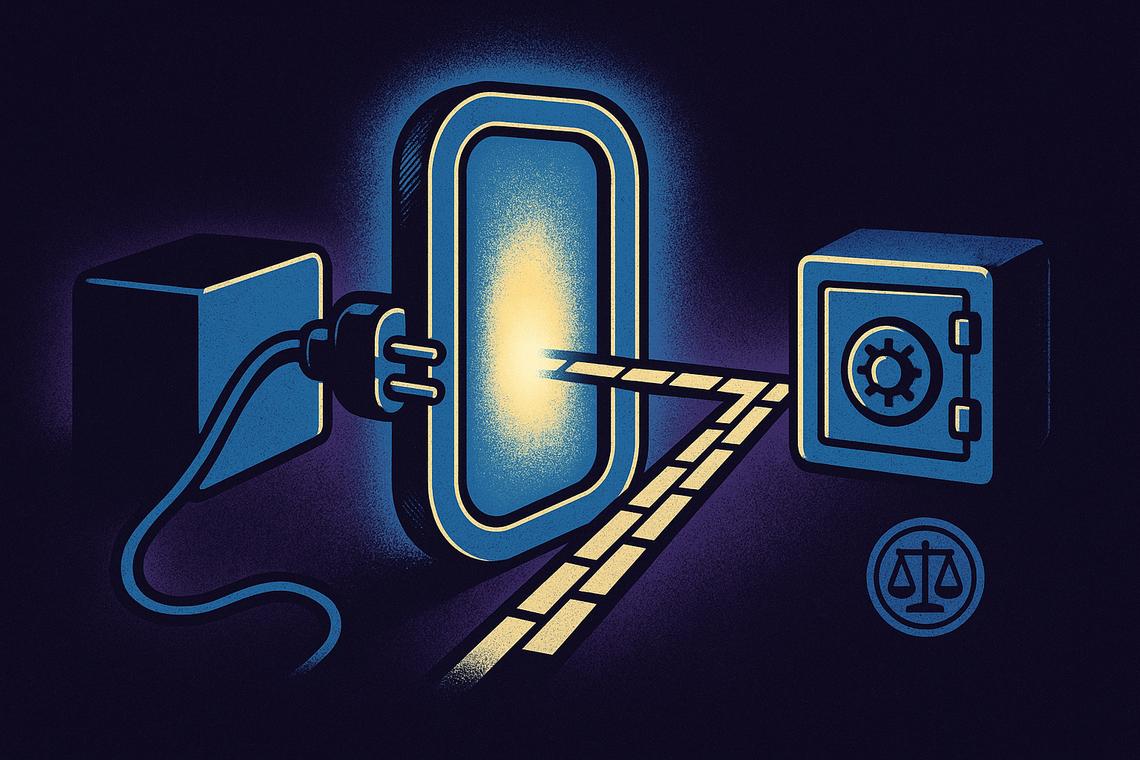
A subtle but massive detail of the Genius Act is its explicit recognition of public blockchains as a viable infrastructure for financial services. By defining payment stablecoins as instruments issued on a cryptographically secured distributed ledger, the Act has legitimized the very technology that was once seen as a fringe experiment. This has opened the door for what experts call the tokenization of everything. We are seeing traditional financial assets, from stocks to bonds, being moved onto the same networks that carry stablecoins. This convergence is creating a unified financial layer where different types of value can interact seamlessly.
The public blockchain is no longer just for crypto people; it is becoming the foundation of a new digital market infrastructure. This shift is encouraging developers to build more complex financial applications, knowing that the underlying currency of the system is legally sound. We are moving away from isolated walled gardens of finance and toward an open, interoperable system where a stablecoin can move from a bank’s vault to a decentralized trading platform without friction. The Genius Act is the blueprint for this transition, providing the necessary bridge between the old world of centralized finance and the new world of decentralized innovation.
How State and Federal Power are Sharing the Digital Frontier
In a unique twist of legislative design, the Genius Act does not just centralize power in Washington; it creates a dual track system where states still play a critical role. Issuers with less than $10 billion in outstanding tokens can choose to be regulated by state agencies, provided those states maintain standards substantially similar to the federal framework.
This wide latitude for states, as discussed in recent Treasury proposals from April 2026, allows for a healthy amount of regional experimentation.
States like New York and Wyoming, which have long been leaders in digital asset policy, can continue to innovate while staying within the national safety guardrails. This structure prevents a “one-size-fits-all” approach that could stifle smaller fintech startups. It ensures that the crypto field remains diverse, with room for both massive national banks and smaller, community-focused issuers.
For the industry, this means multiple pathways to compliance, fostering a competitive environment where innovation can happen at different scales. This balance of power is a clever solution to the tension between federal stability and local flexibility.
It acknowledges that the digital asset space is too dynamic for a single, rigid regulator to manage alone. By involving state regulators, the Genius Act ensures that the oversight of the crypto field remains as agile as the technology it monitors, allowing for local solutions to global financial challenges.
The Strategic Race for Digital Reserve Currency Dominance
The Genius Act is not just a domestic policy, it is a powerful tool in the global struggle for digital currency dominance. By providing a safe and regulated home for dollar backed stablecoins, the United States is effectively exporting its currency into the digital age.
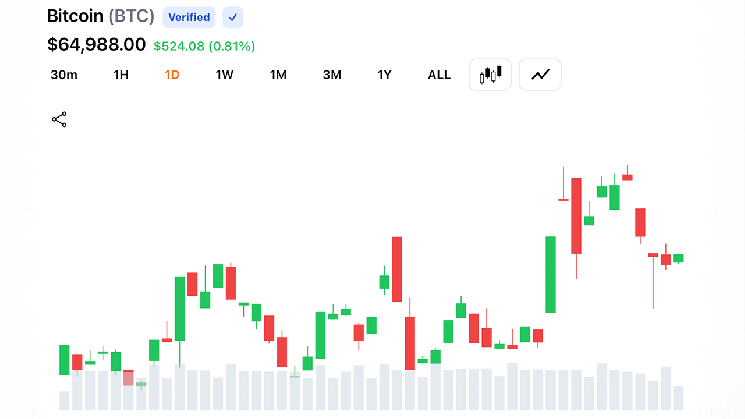
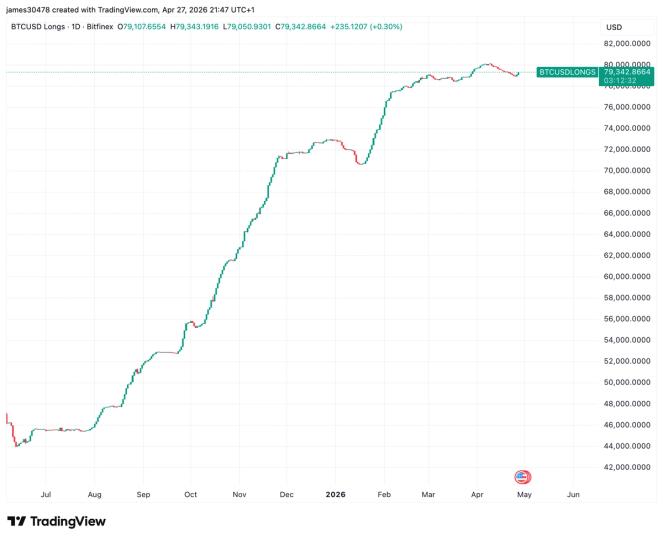
As other nations experiment with their own central bank digital currencies (CBDCs), the U.S. has chosen a private sector led model that leverages the innovation of the crypto industry. This strategy is paying off, as the dollar denominated stablecoin has become the de facto currency of the internet. Analysts at the Conference Board have highlighted how the Act supports the goal of making America a bitcoin superpower by providing the necessary stability for the broader ecosystem.
This isn’t just about finance, it is about geopolitical influence. When a person in a developing nation uses a Genius-compliant stablecoin to save their wealth, they are choosing the U.S. financial system over local alternatives.
The Act ensures that this choice is backed by the rule of law, making the digital dollar the most attractive option on the global market. By setting clear standards, the U.S. is leading the way in defining how digital finance will work on a global scale.
The Genius Act has transformed the stablecoin from a niche trading tool into a primary instrument of national economic policy, ensuring that the dollar remains at the center of the world’s financial future.
Creating a Safety Net for the Everyday Crypto User
While much of the discussion around the Genius Act focuses on big banks and global policy, its most direct impact is on the individual user. For the first time, crypto holders have statutory legal protections in the event of an issuer’s bankruptcy.
The Act mandates that stablecoin holders are given priority claim over other creditors, a massive shift from the early days of the industry where a company’s collapse often meant total loss for its customers. These consumer protections, as explained by SoFi, are bringing a new level of legitimacy to the market.
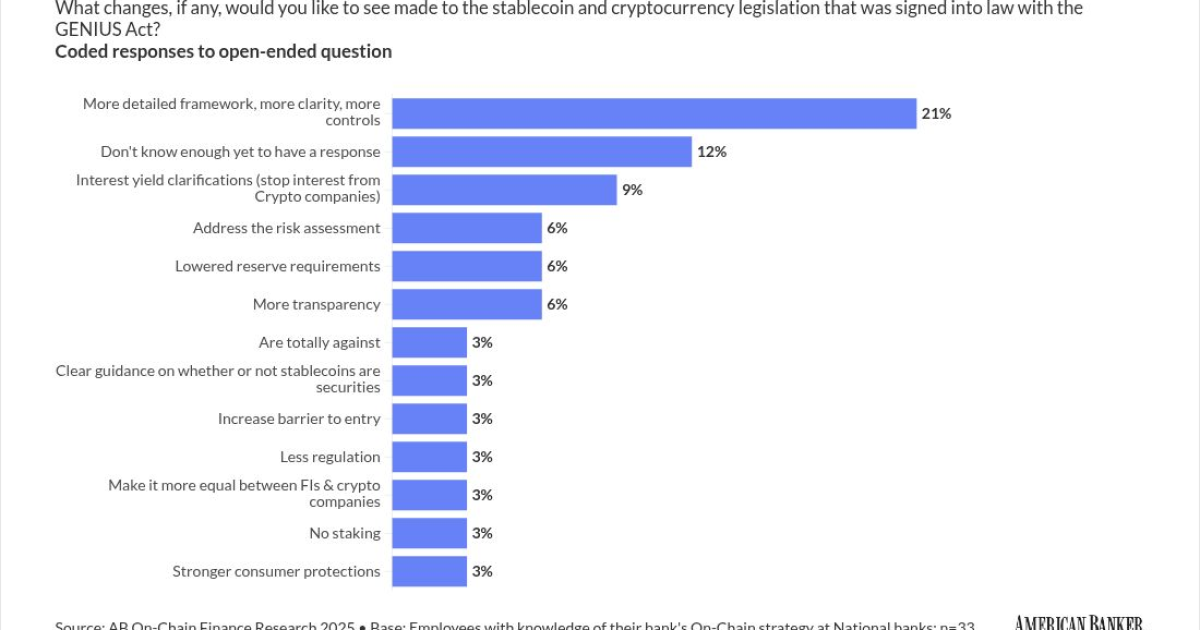
No longer do users have to worry about whether their “dollars” will disappear overnight because of a platform’s bad bets. The Act also prohibits stablecoins from being treated like investment assets, meaning they cannot pay interest or yield. This might seem like a drawback, but it is actually a safety feature designed to keep stablecoins focused on their primary job: being a reliable medium of exchange.
By removing the incentive to “chase yield,” the Act ensures that stablecoin issuers remain focused on maintaining liquidity and security. For the person using crypto to pay for a cup of coffee or send money home to family, this means a boring, predictable, and safe experience. The Genius Act has successfully traded the wild volatility of the early crypto days for a secure and functional digital economy that works for everyone.
FAQs
What does the Genius Act do for me?
The Genius Act makes your digital dollars much safer by requiring companies to hold a real dollar or a safe government bond for every token they issue. This means if a company fails, you have a legal right to get your money back first. It takes the guesswork out of using stablecoins by ensuring they are transparently backed and federally overseen.
Can I still earn interest on my stablecoins?
No, the Act prevents “payment stablecoins” from paying interest or rewards. This is a safety measure to ensure companies don’t take risky bets with your money just to offer you a yield. By removing interest, the law keeps these tokens focused on being a reliable and boring way to store or spend your money.
Will the government take control of my private wallet?
No, the Genius Act focuses on the companies that create the coins, not on your personal “self-custody” wallet. You still have the freedom to hold your own digital keys and manage your assets privately. The law simply ensures that the digital dollars you choose to put in that wallet are actually worth what they claim to be.
Can I still use smaller, independent stablecoins?
You will still have choices, but there will likely be fewer small players because the costs of high-level audits and safety standards are expensive. While smaller companies can still be regulated at the state level, the industry is shifting toward larger, verified providers that can meet the strict federal requirements for security.
Does this law affect the whole world or just the U.S.?
The law is American, but its impact is global because the U.S. dollar is the world’s primary currency. By setting a high safety standard in the U.S., it creates a “gold standard” that other countries are already beginning to copy. It makes dollar-backed stablecoins the most trusted digital currency for people and businesses everywhere.
How does this impact the price of Bitcoin?
Disclaimer
This content is for informational purposes only and does not constitute investment advice. Cryptocurrency investments carry risk. Please do your own research (DYOR).