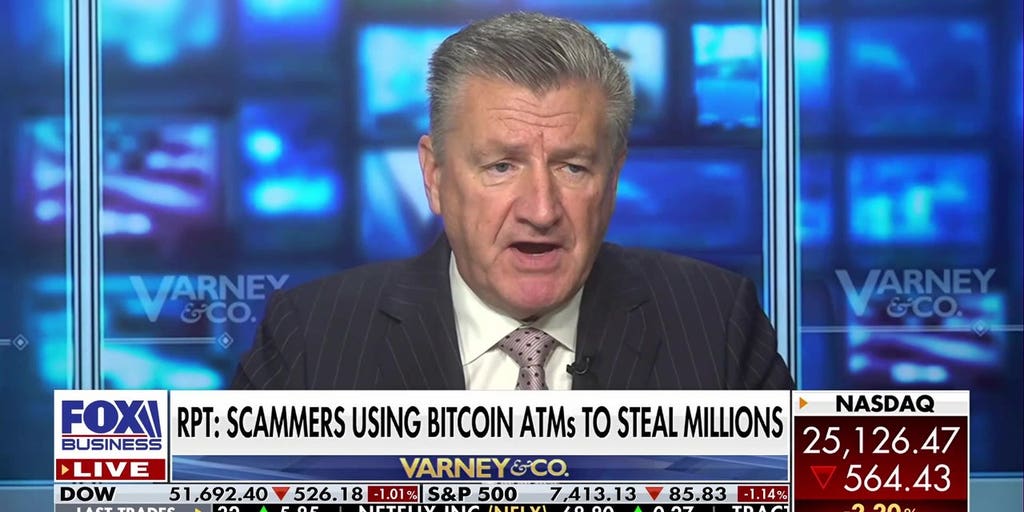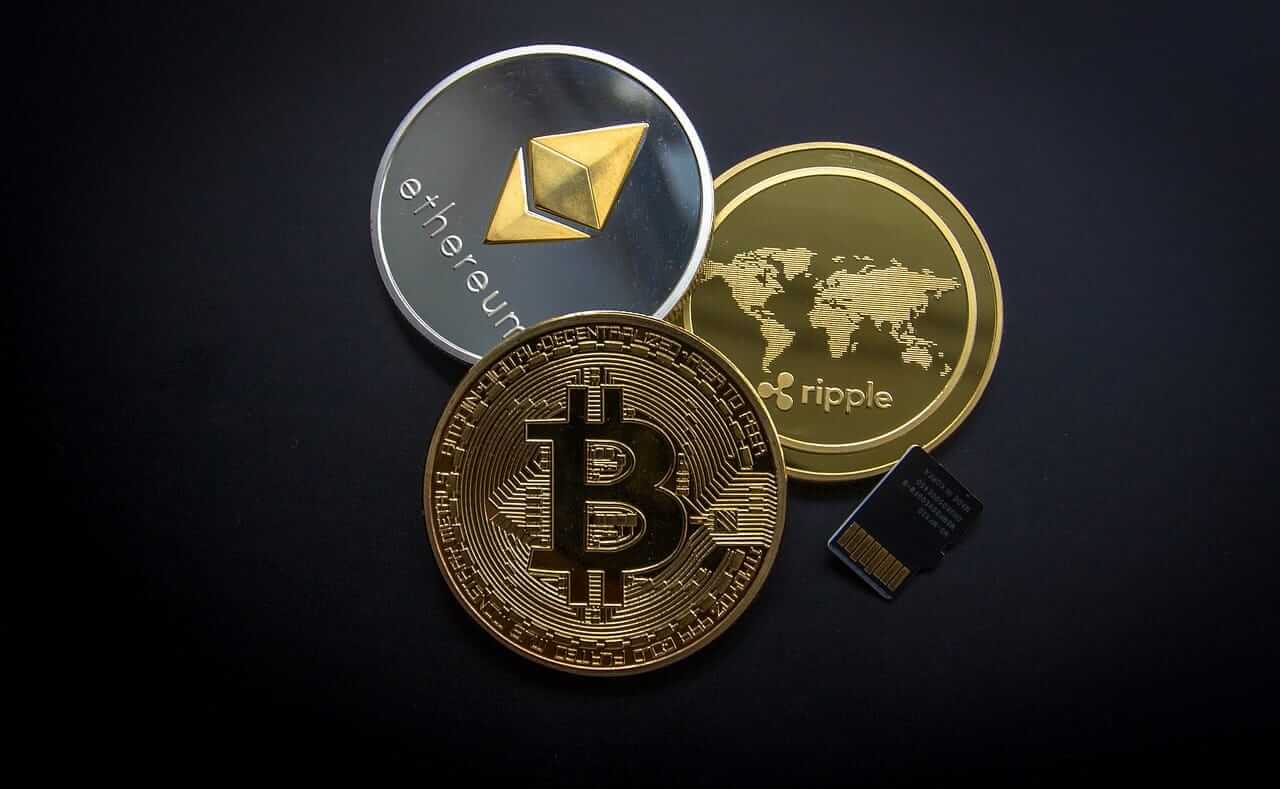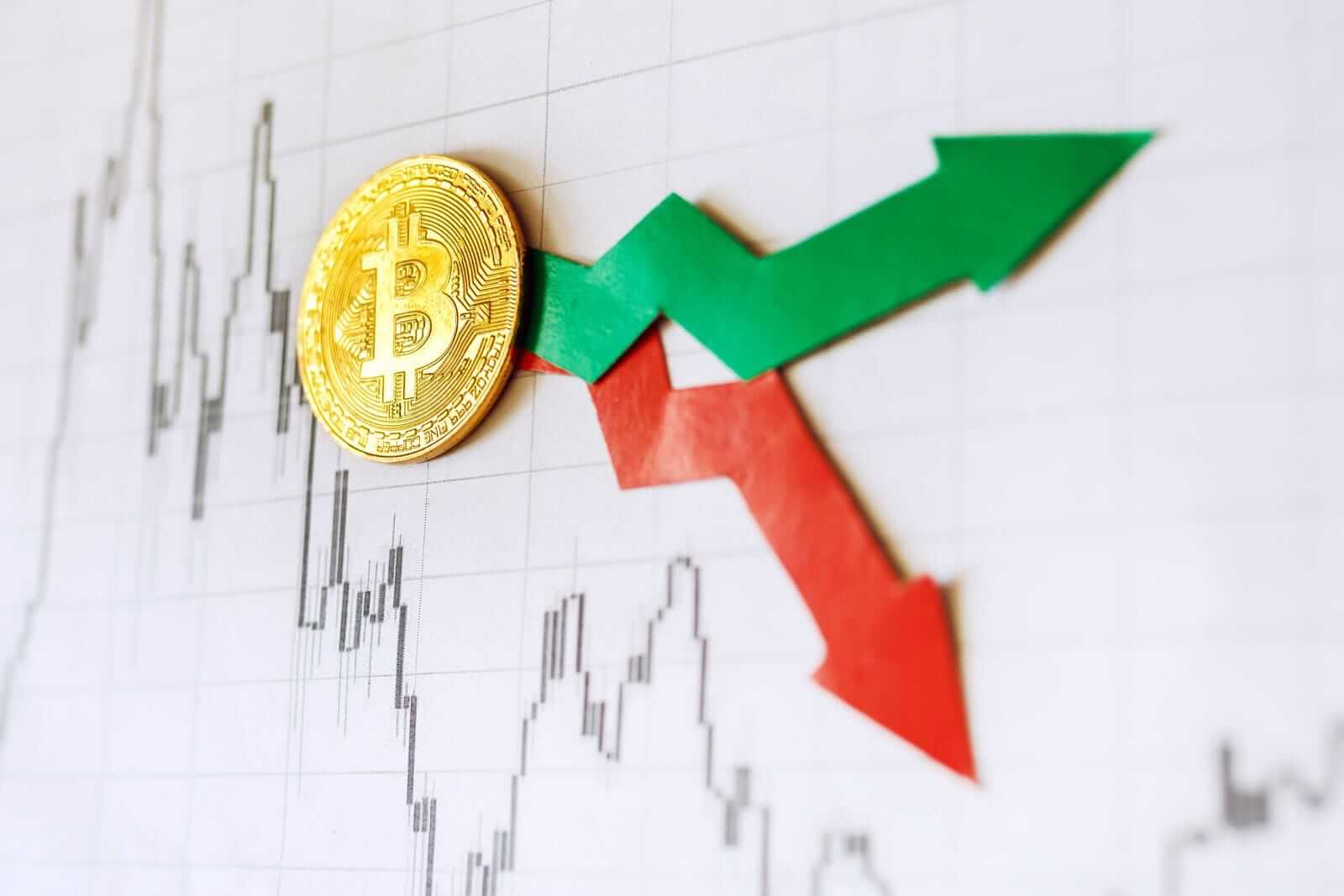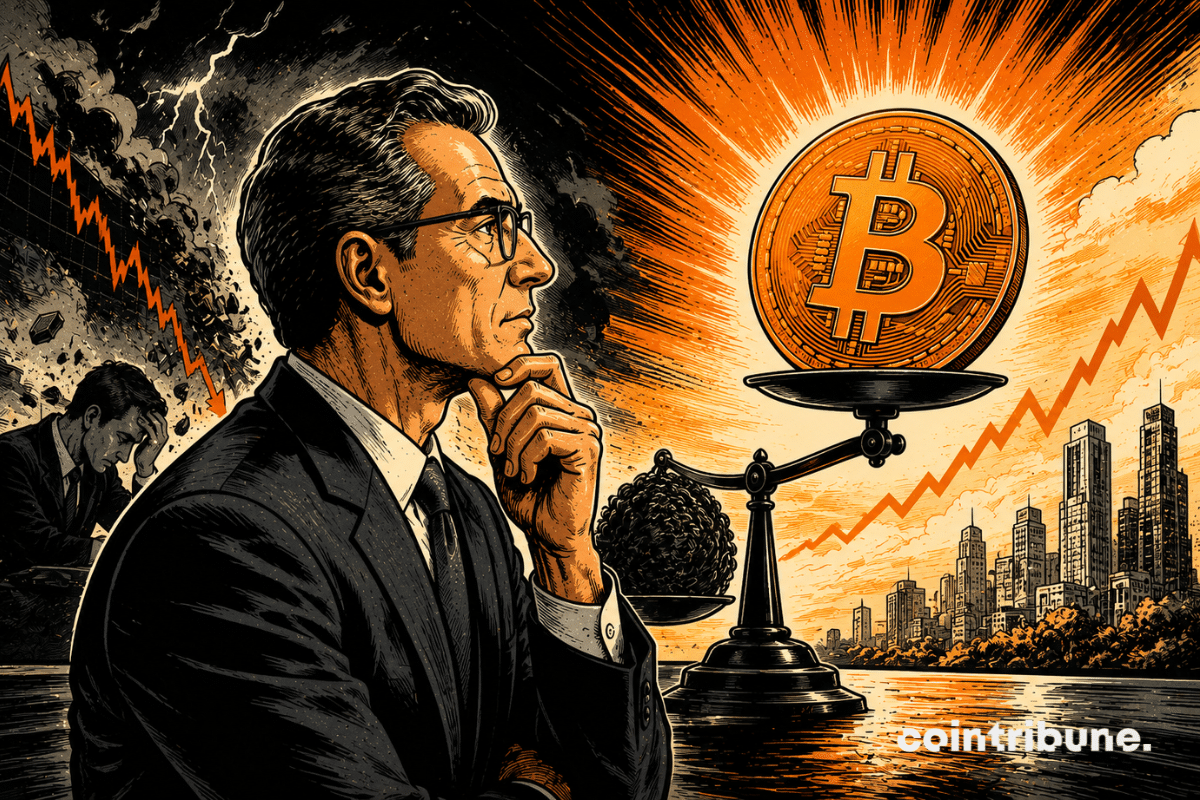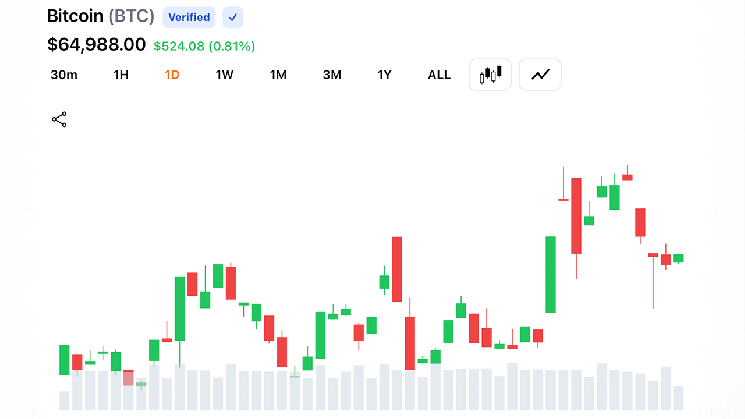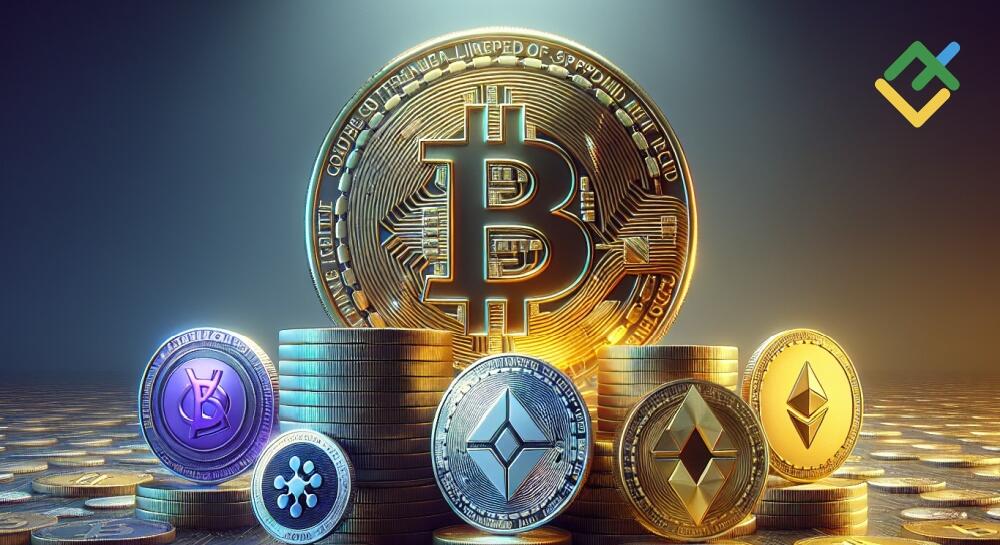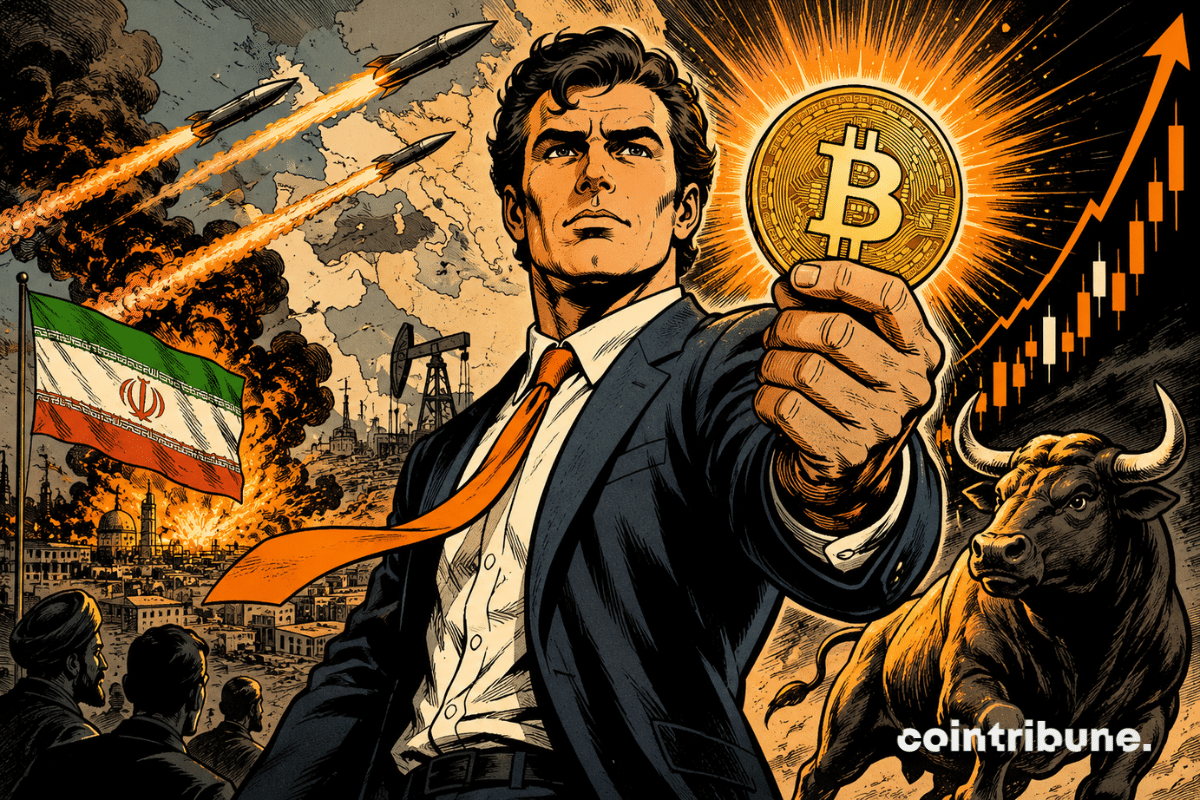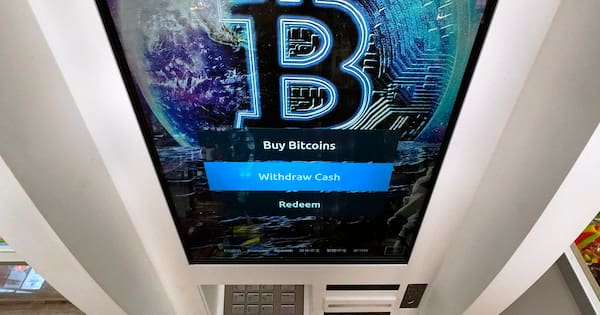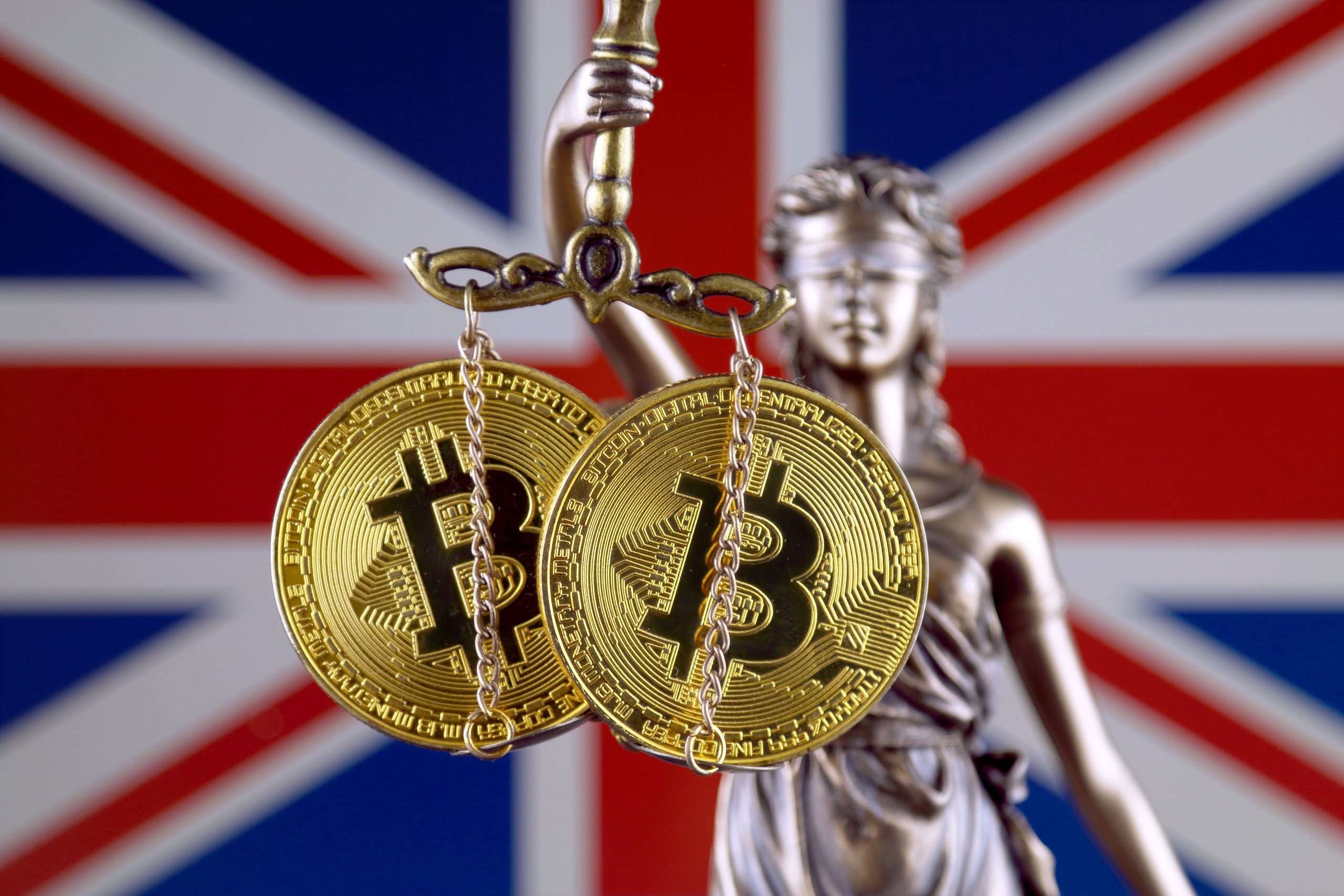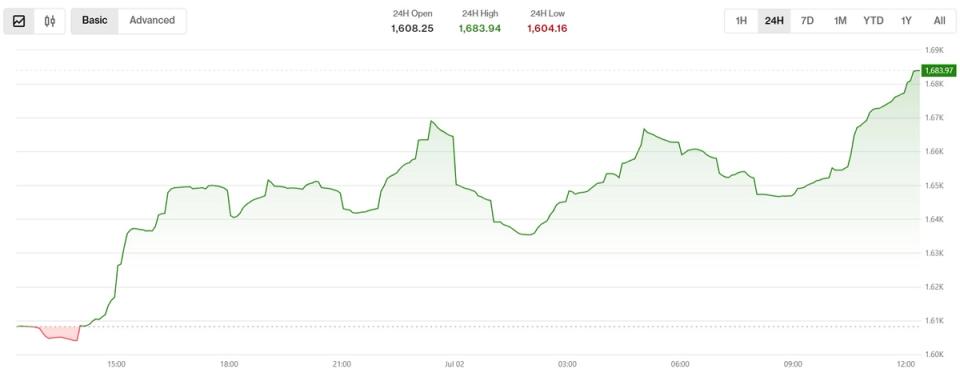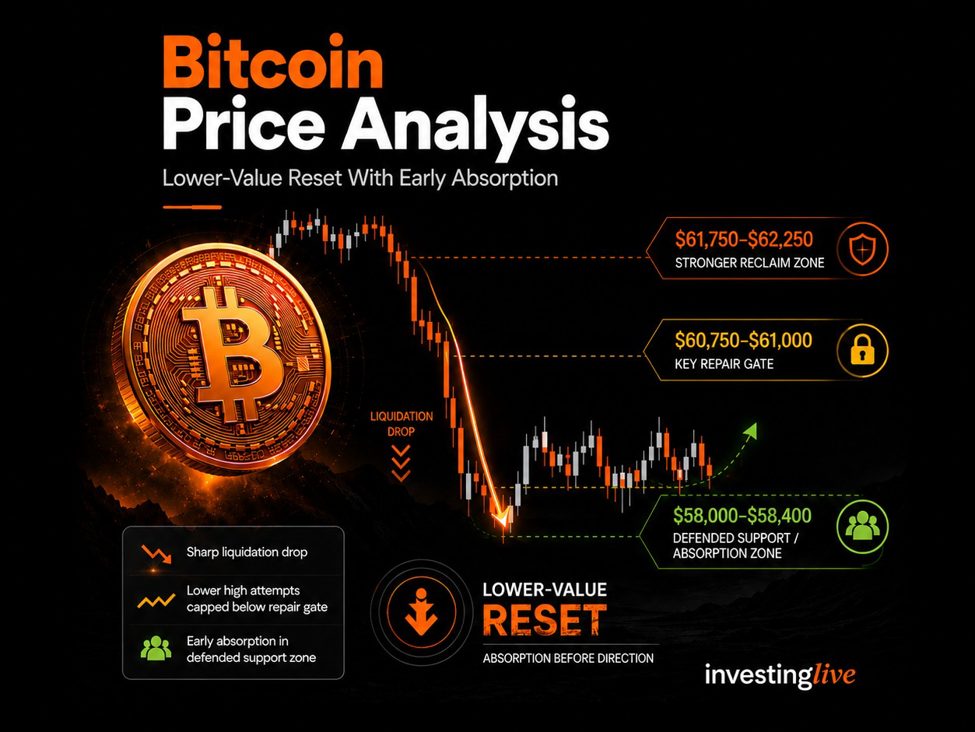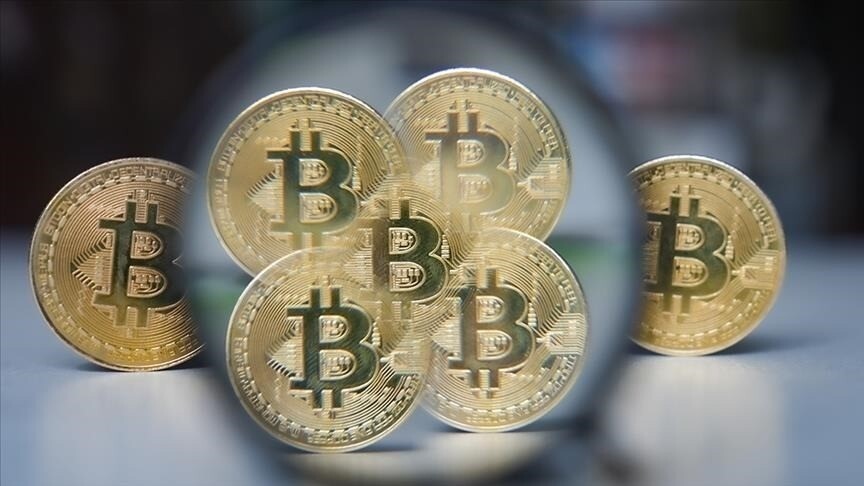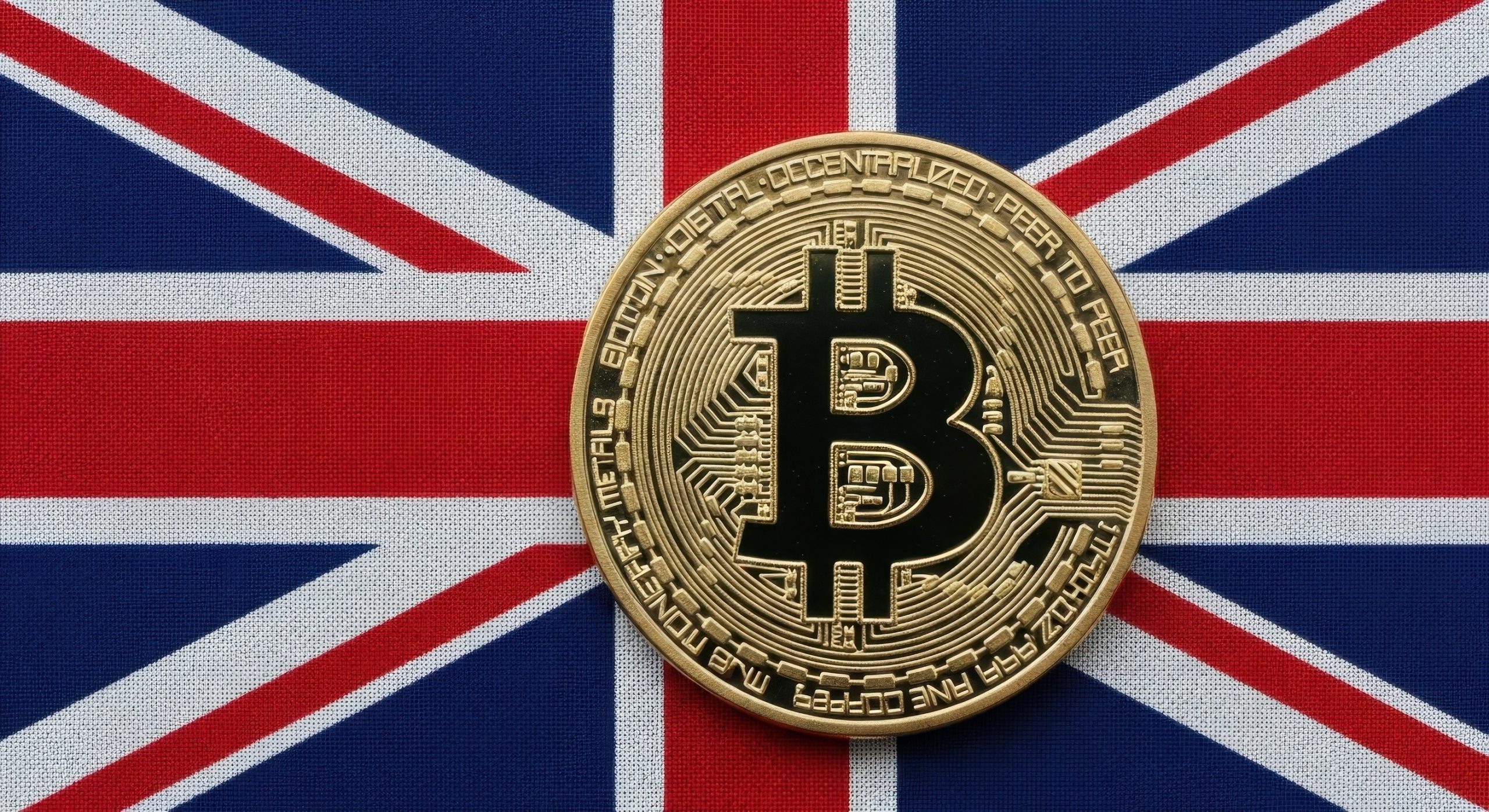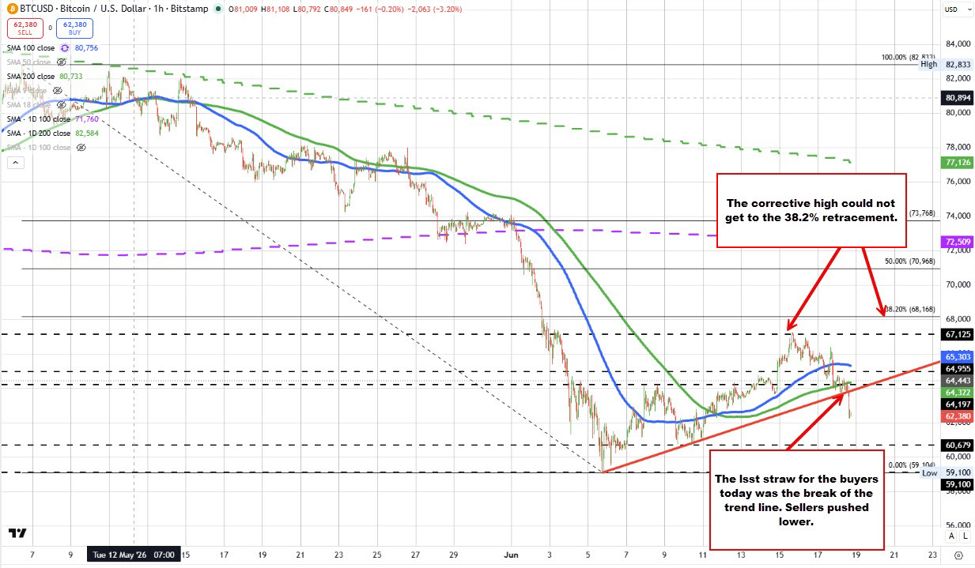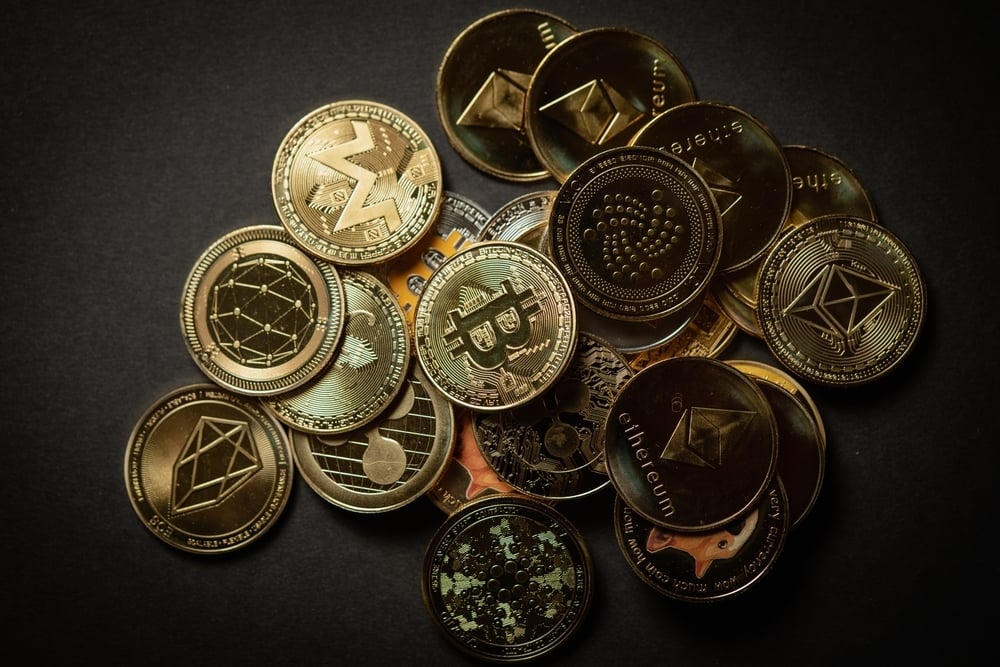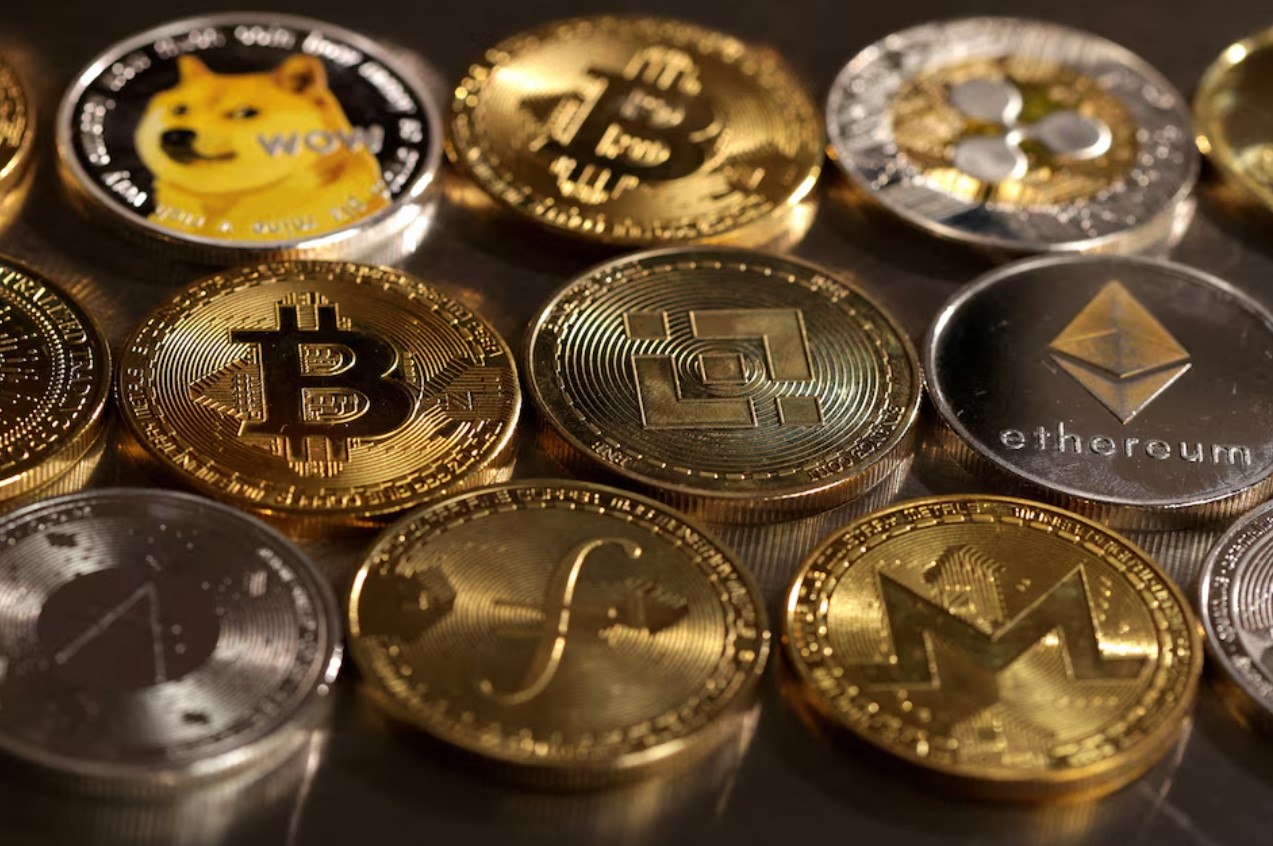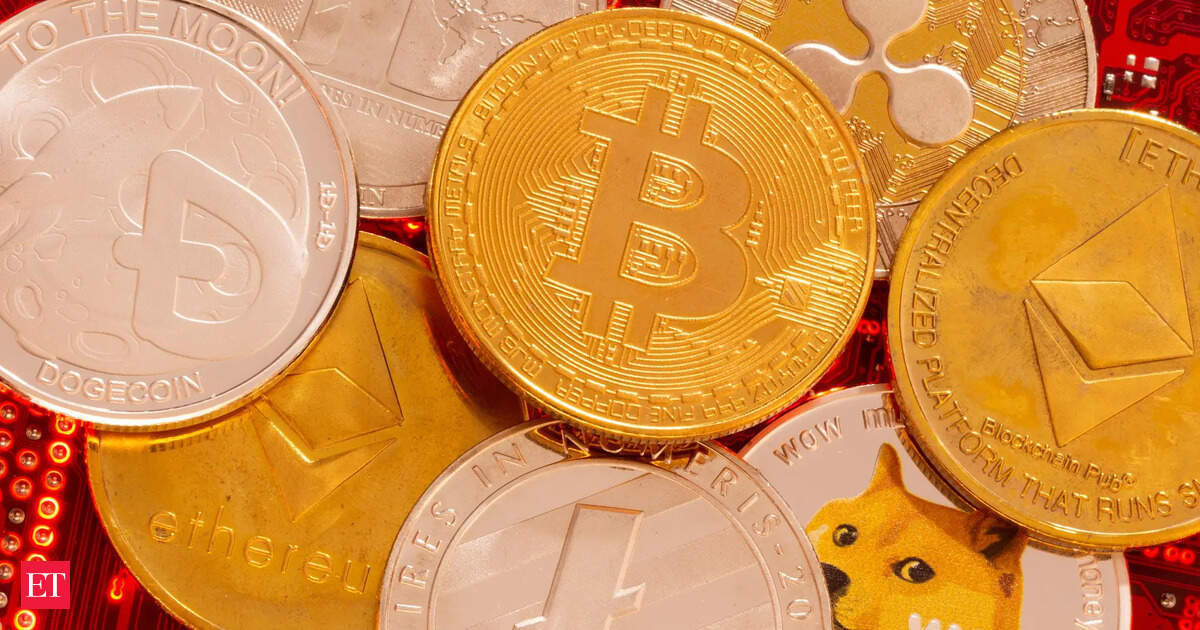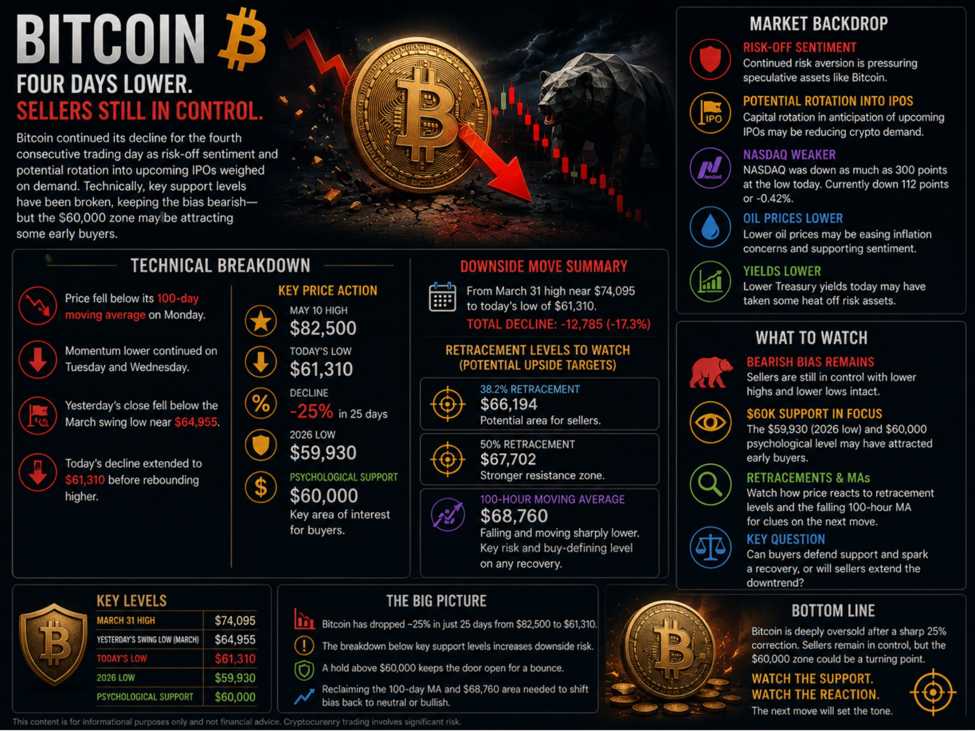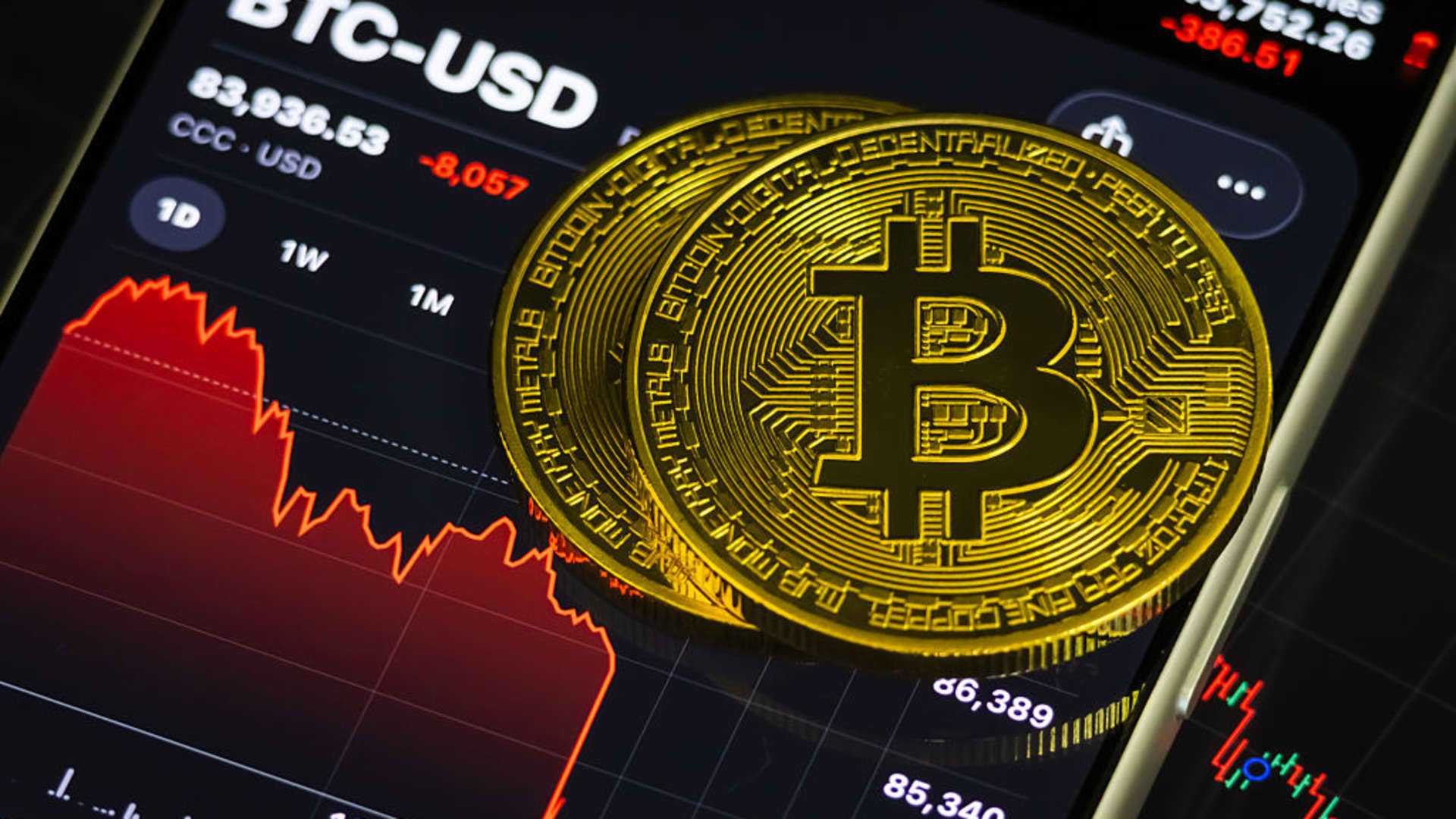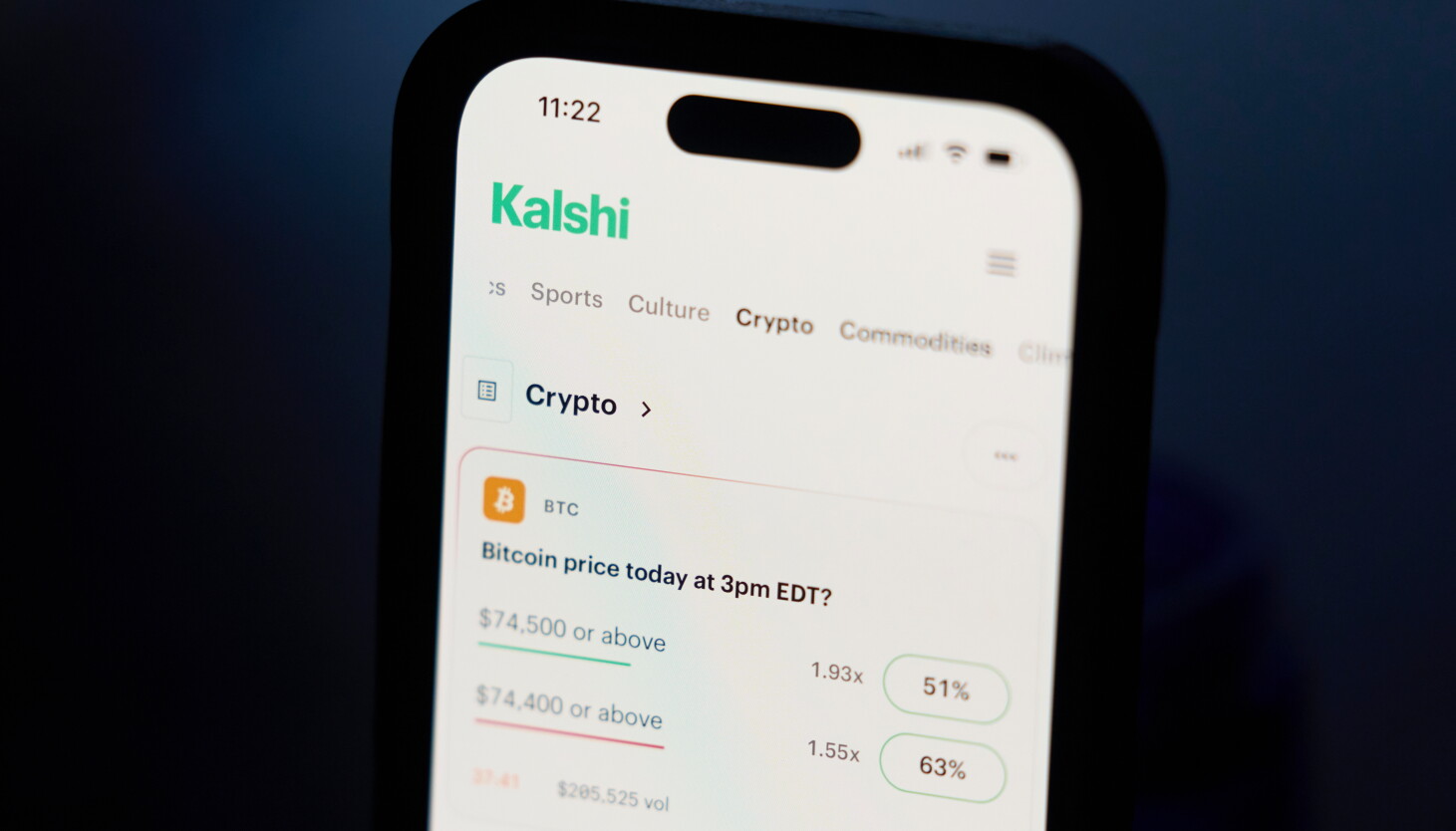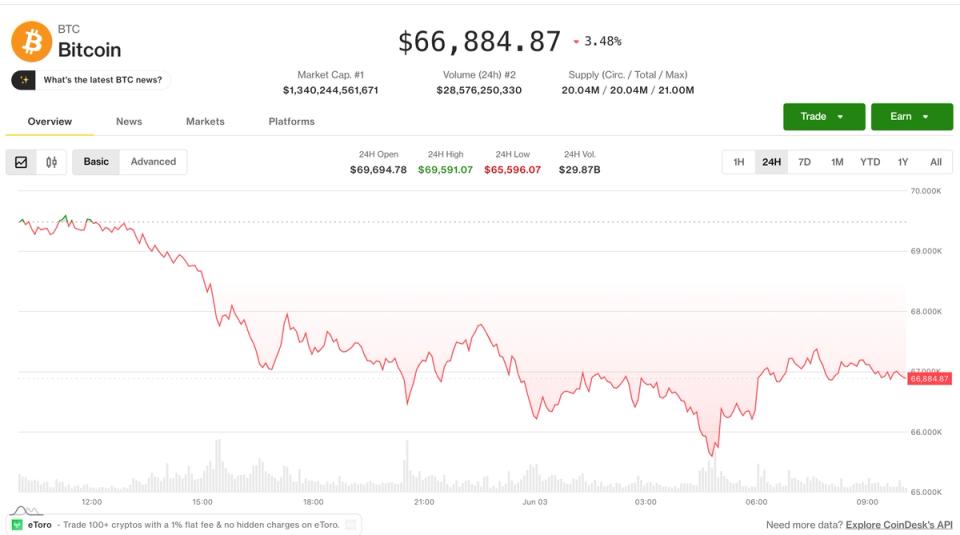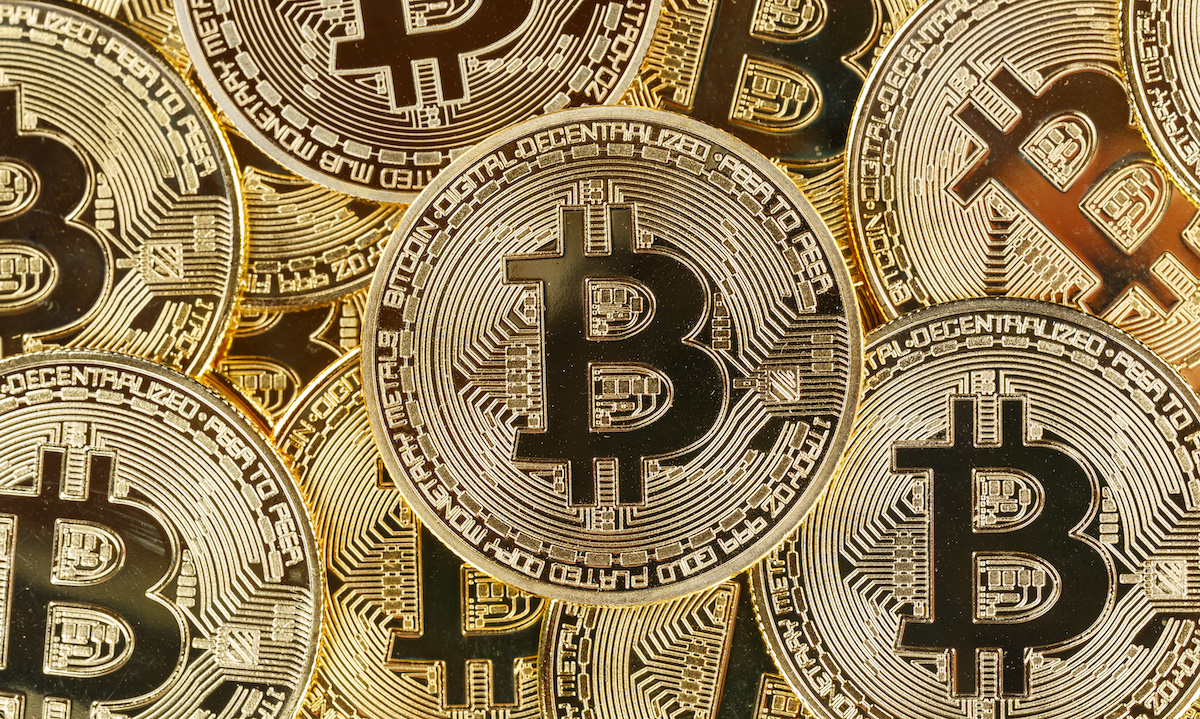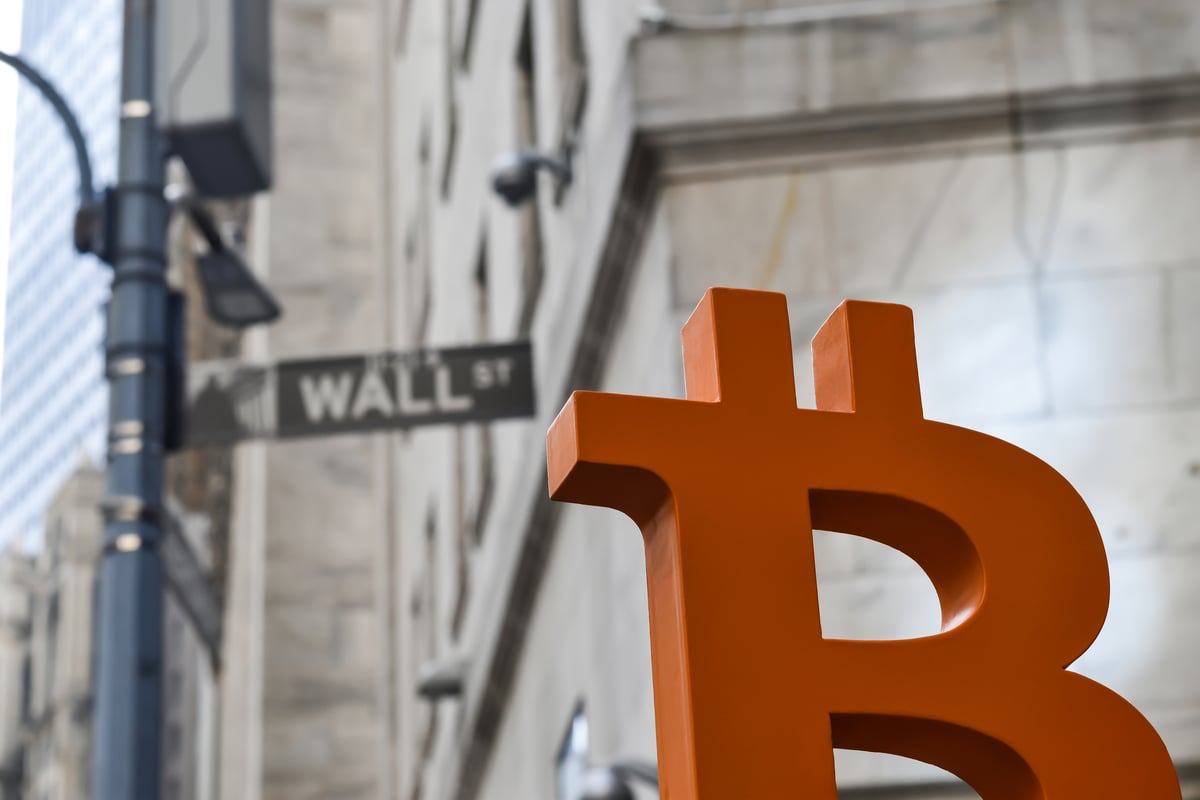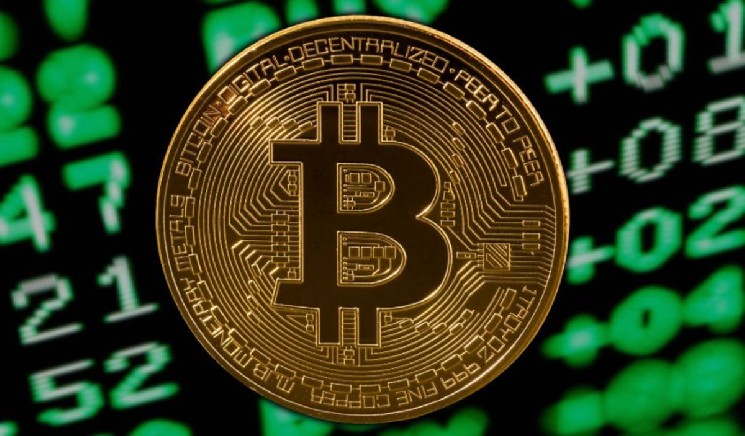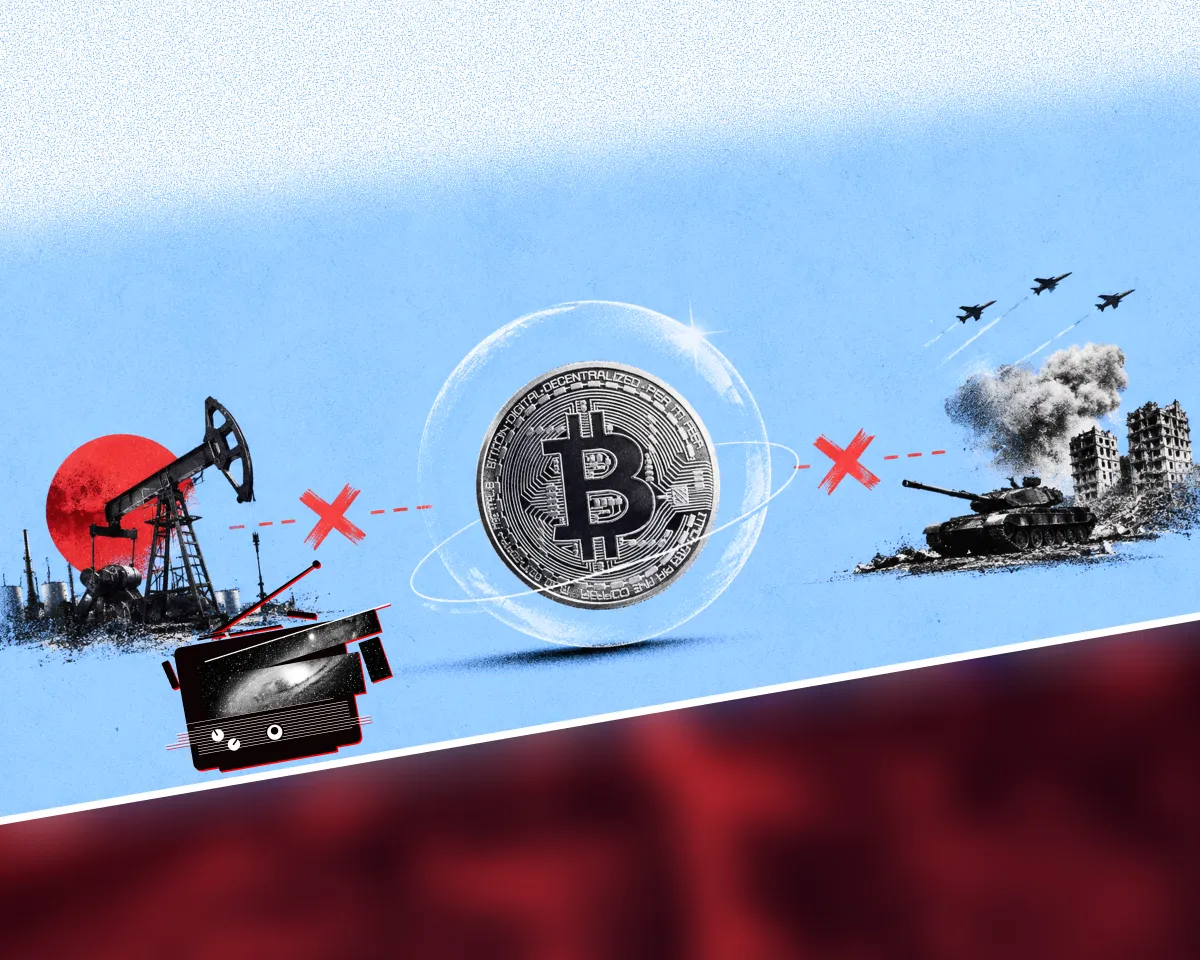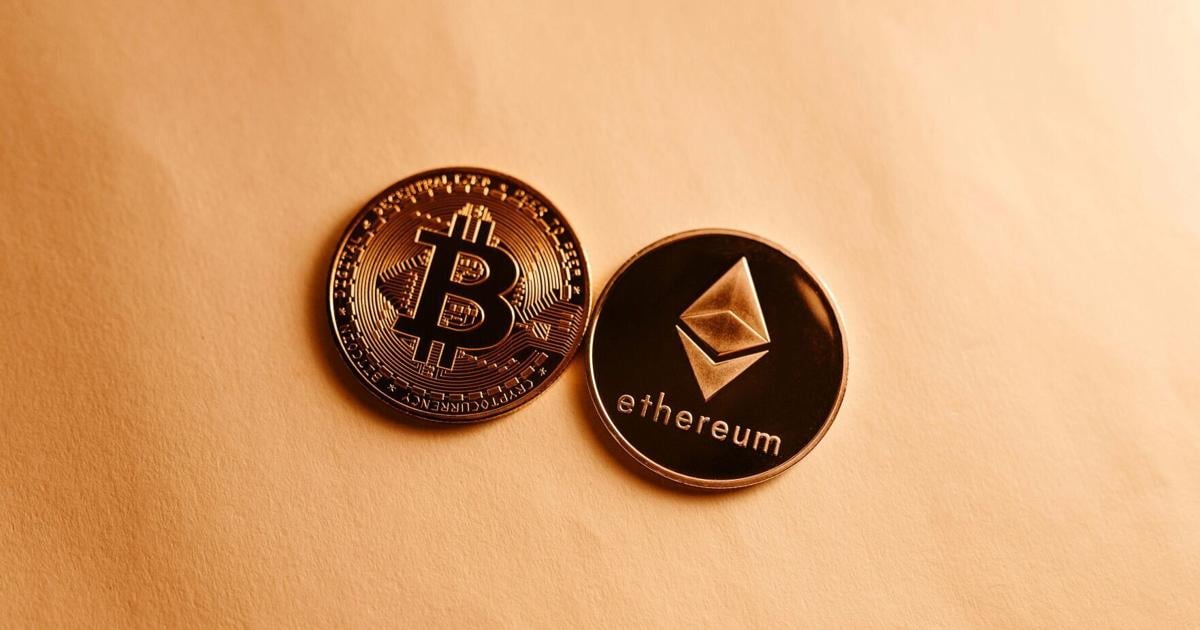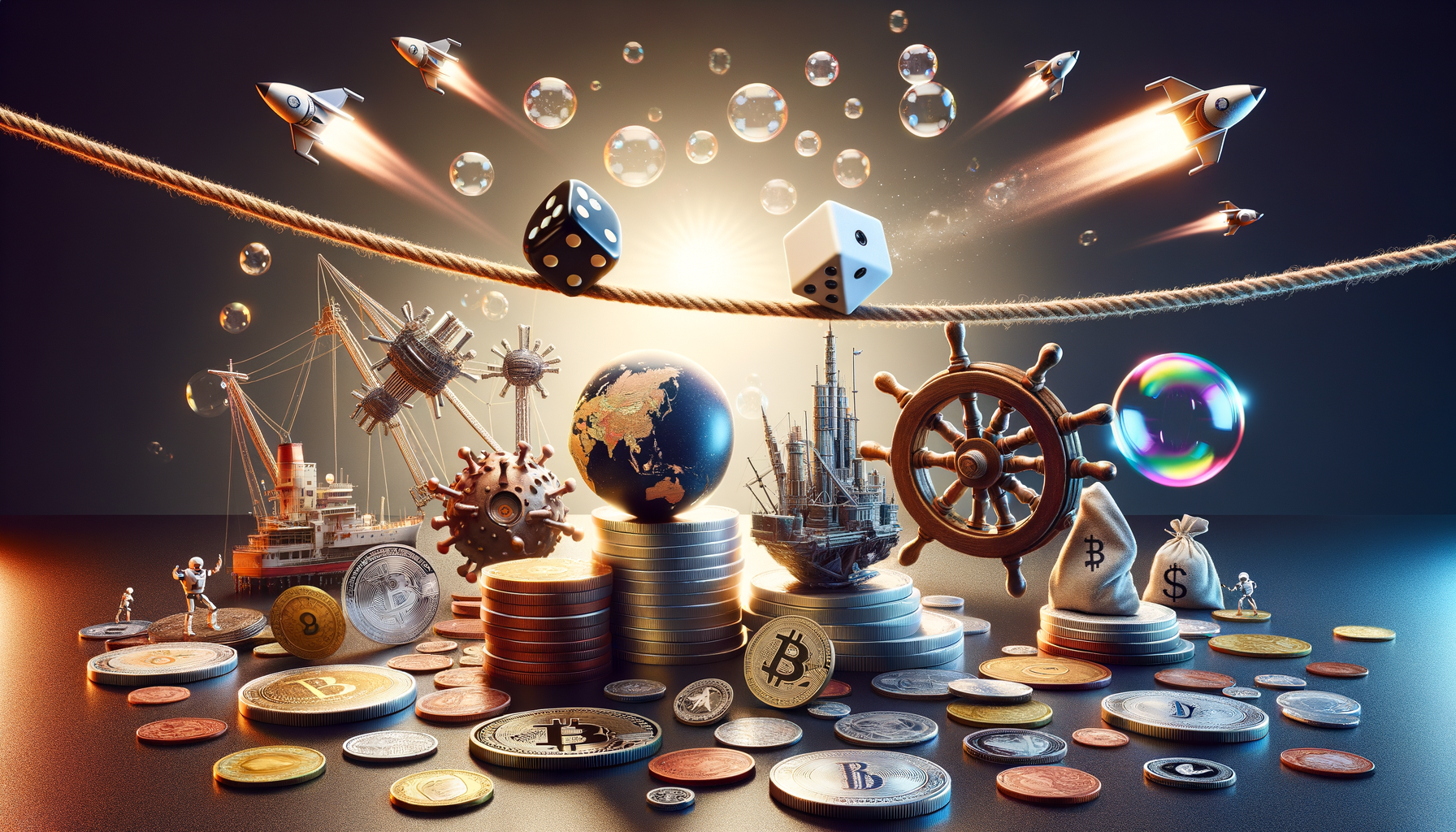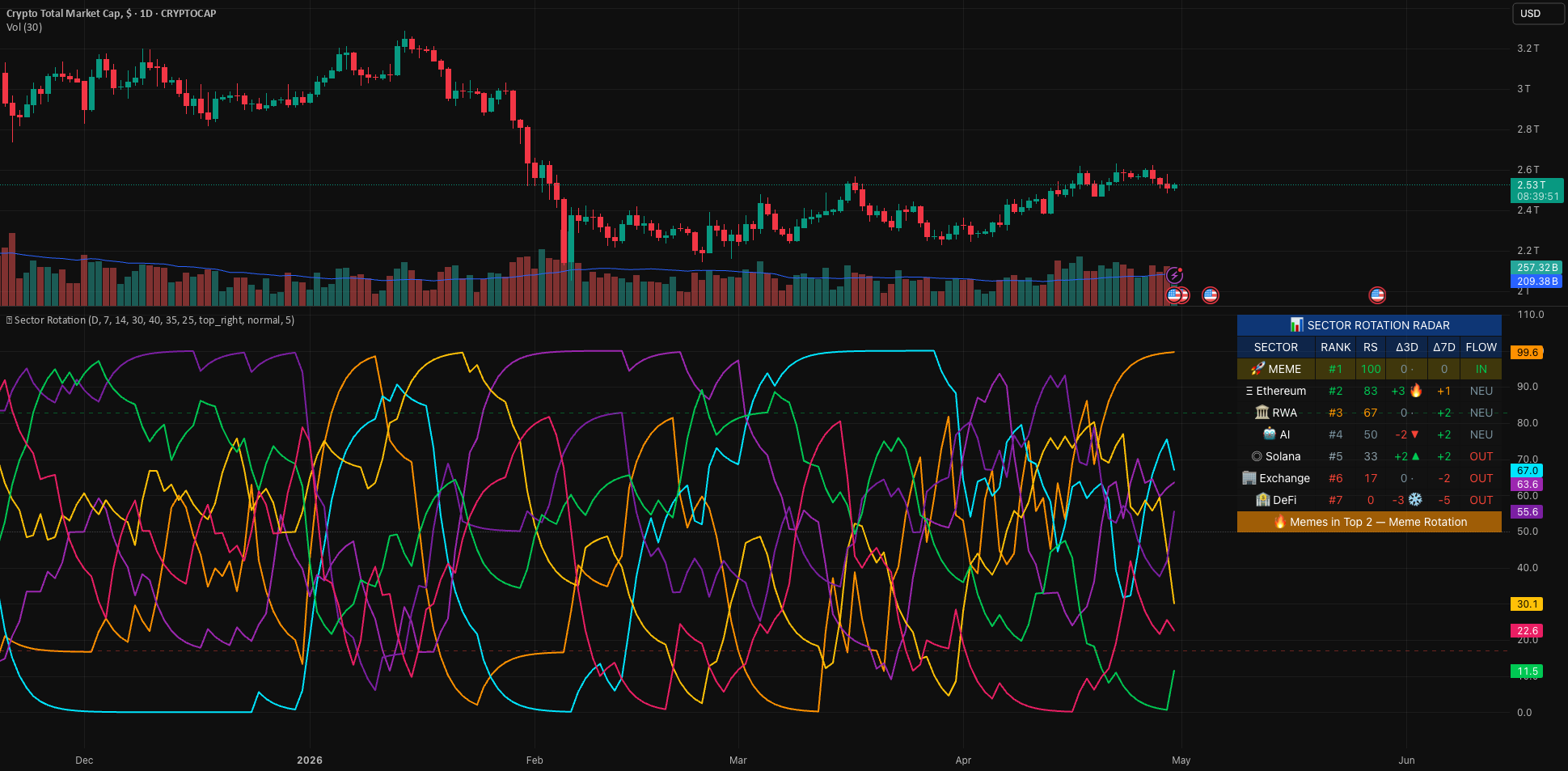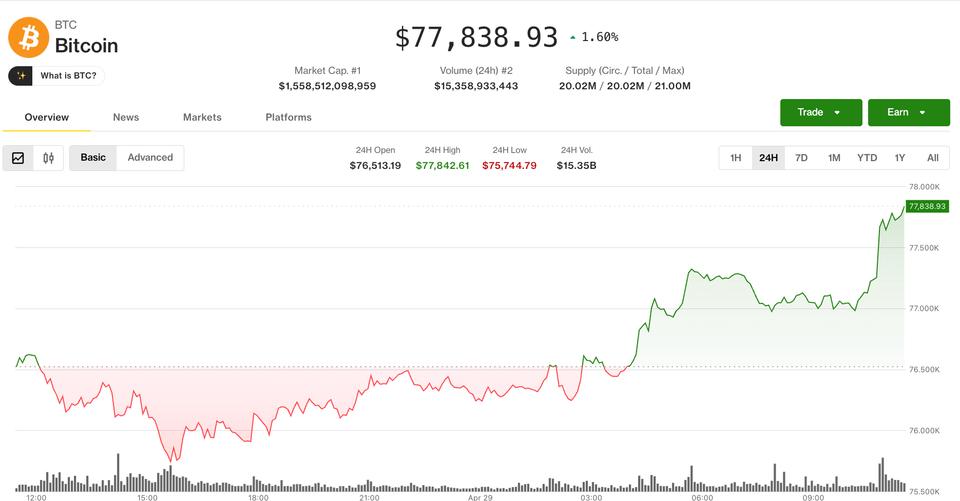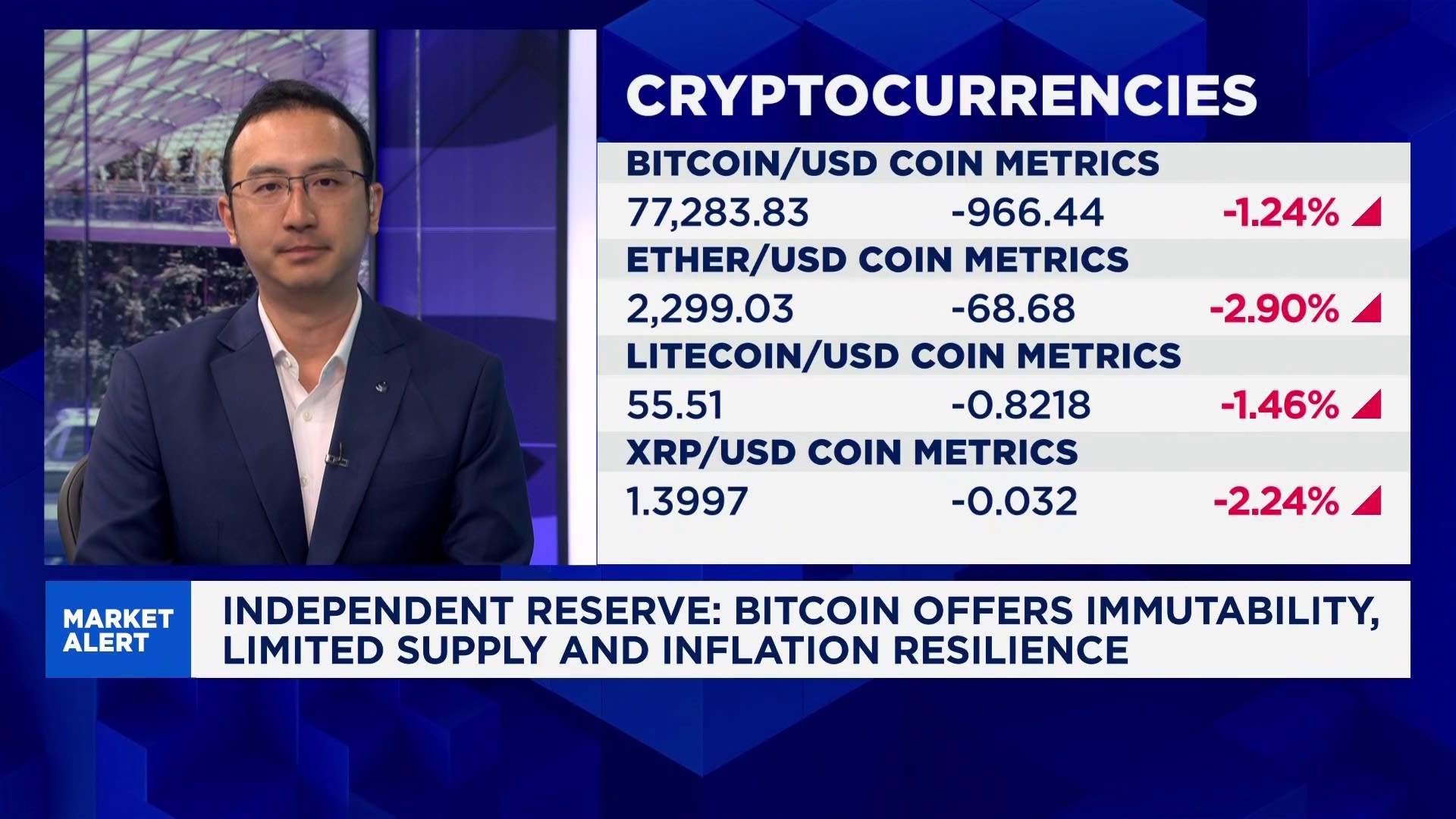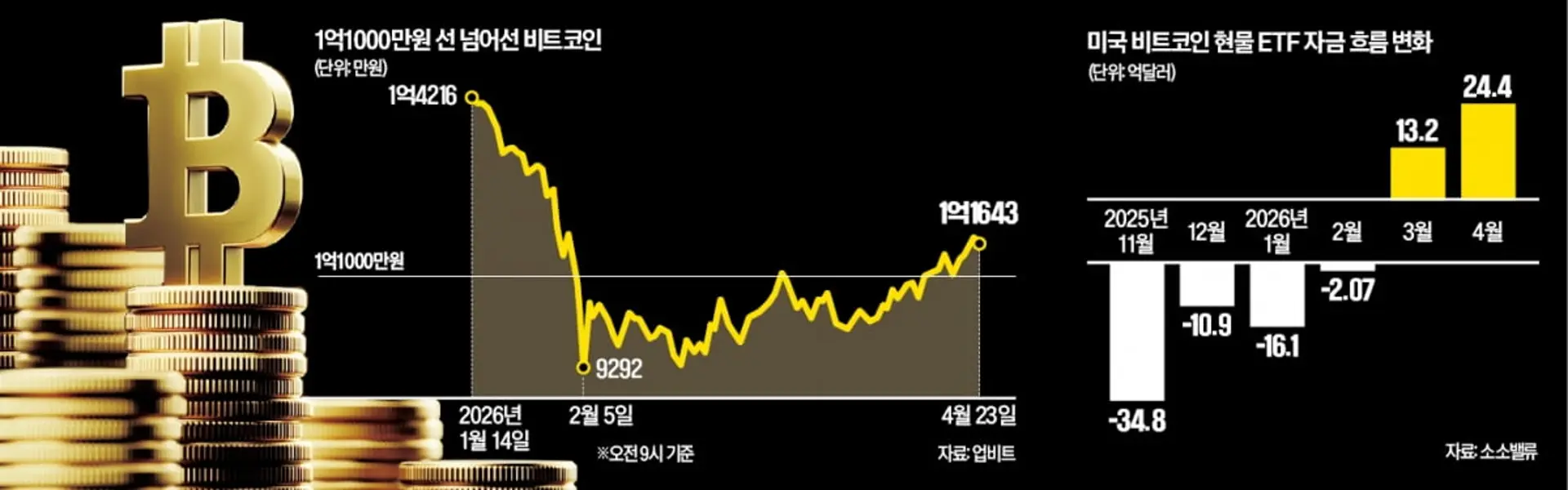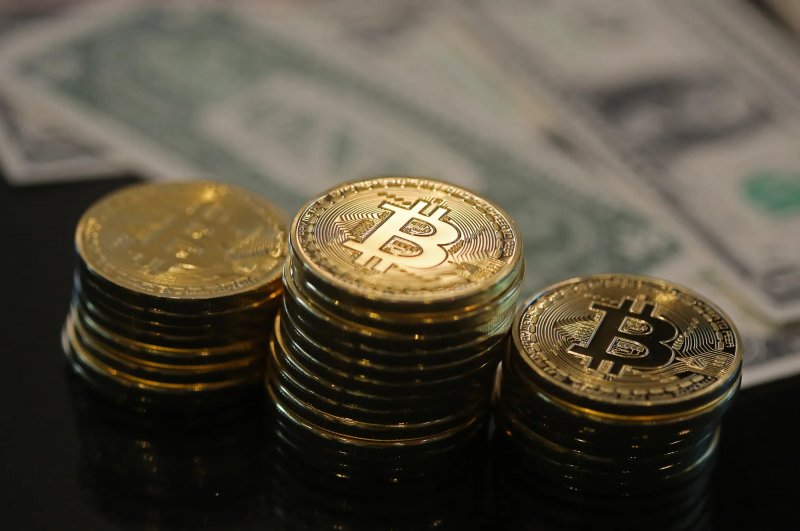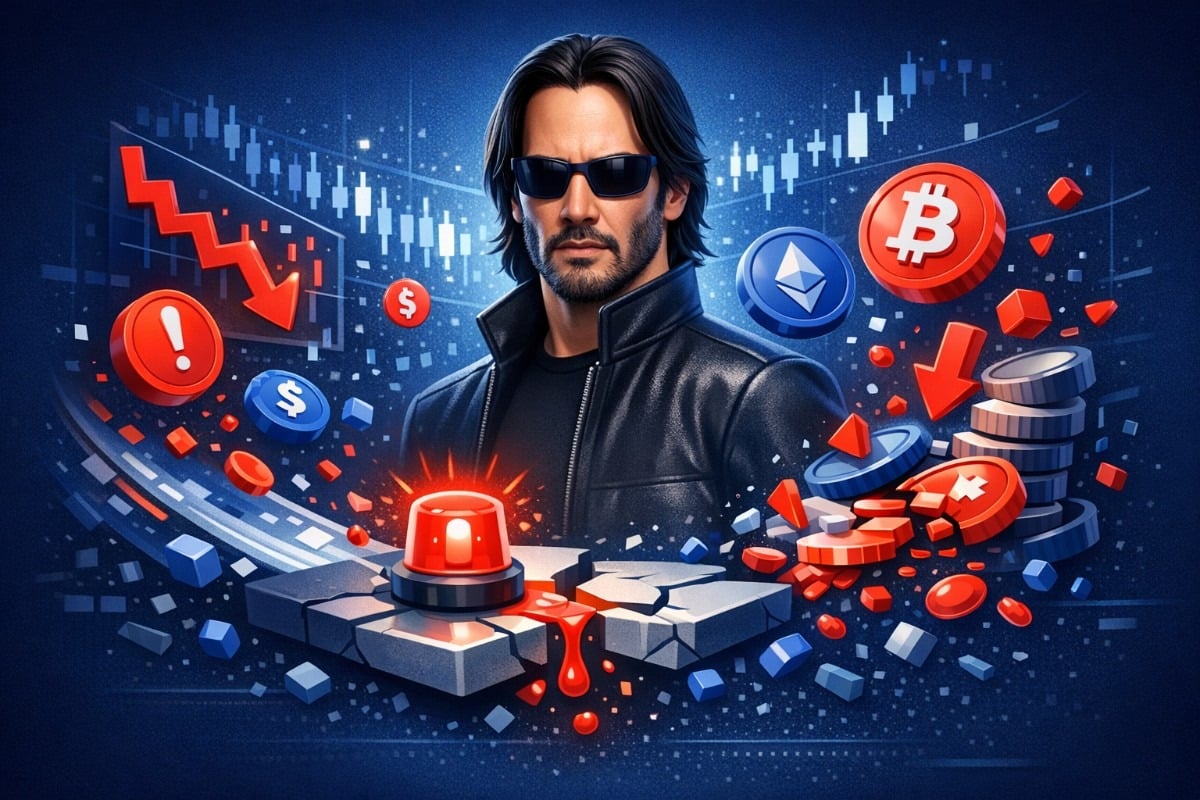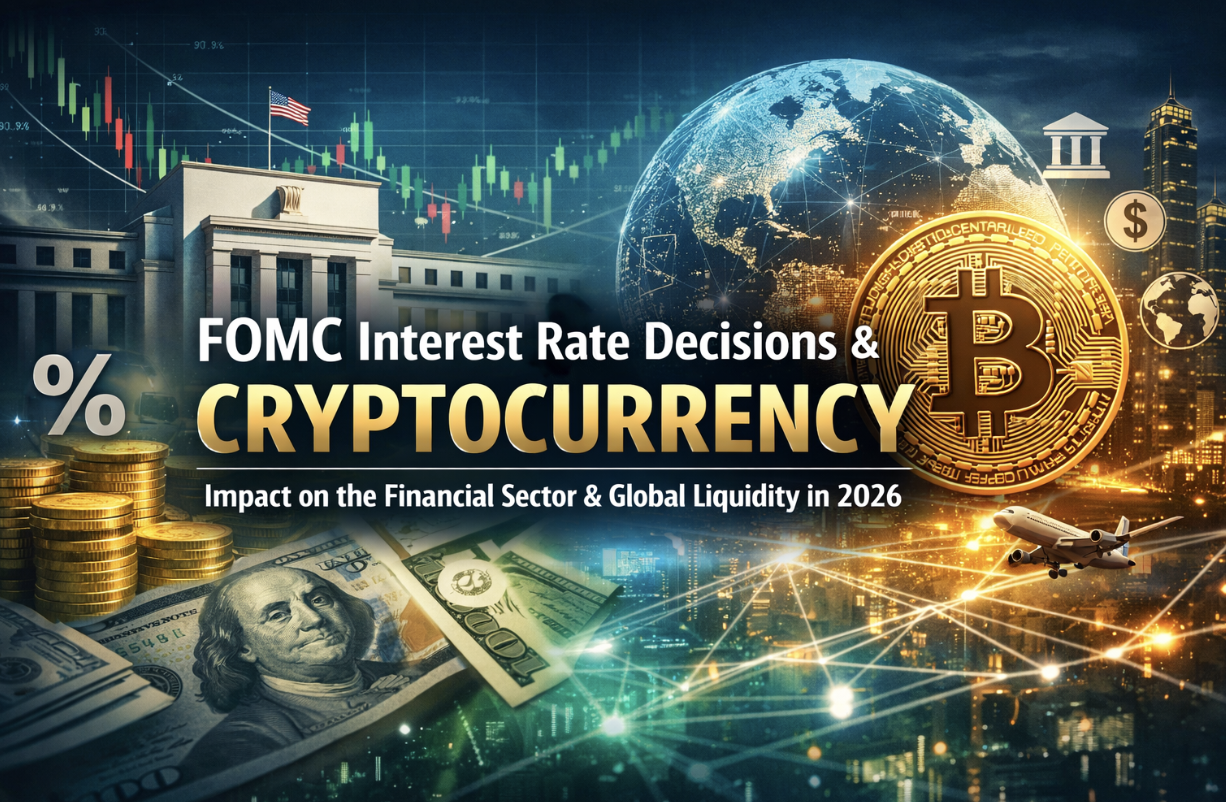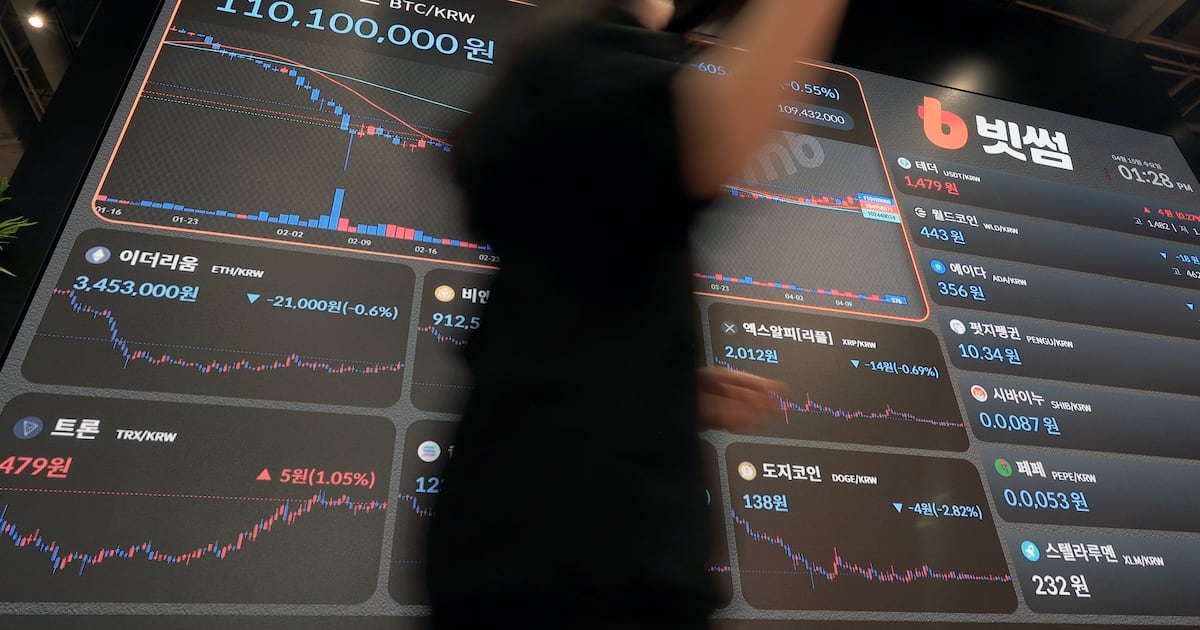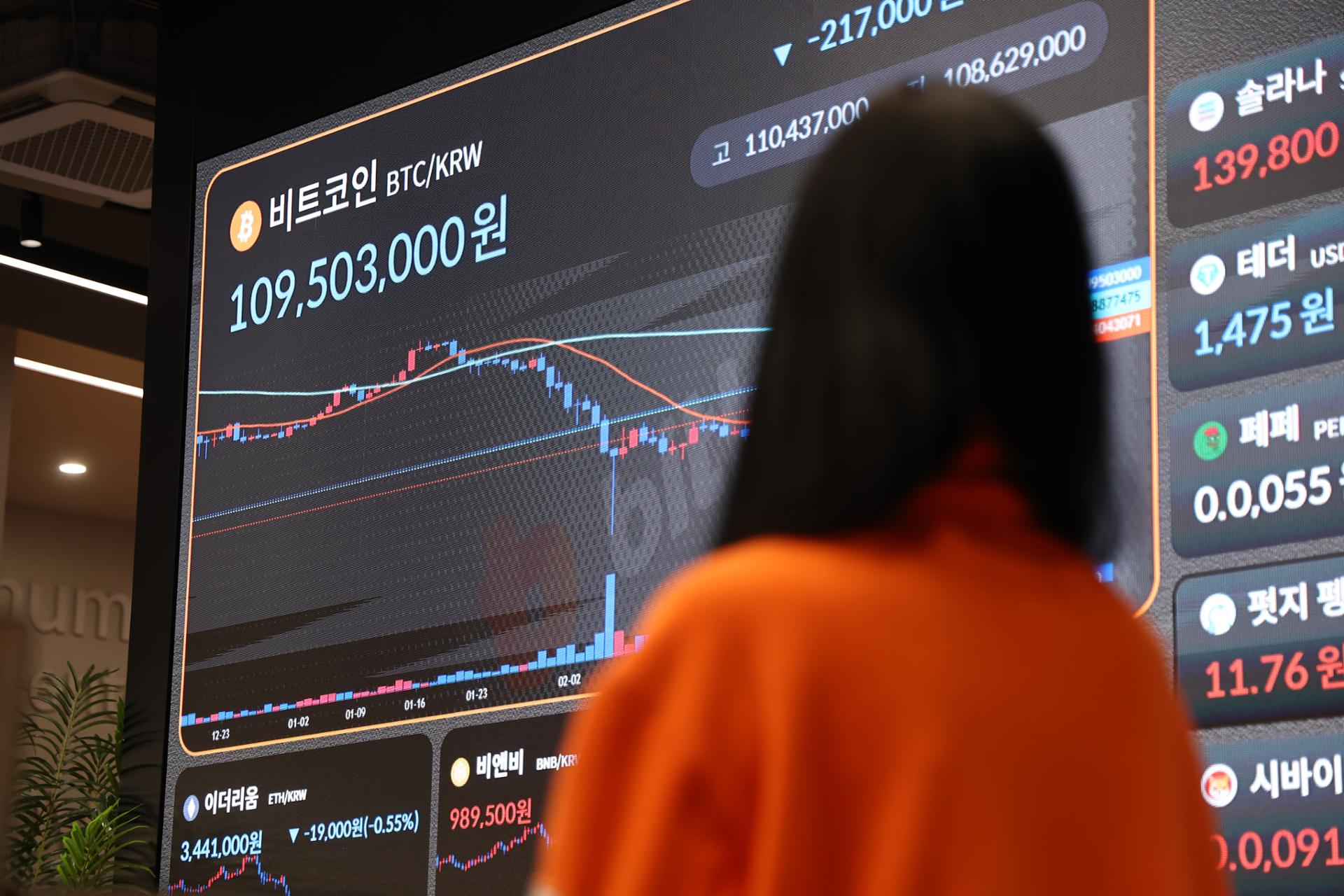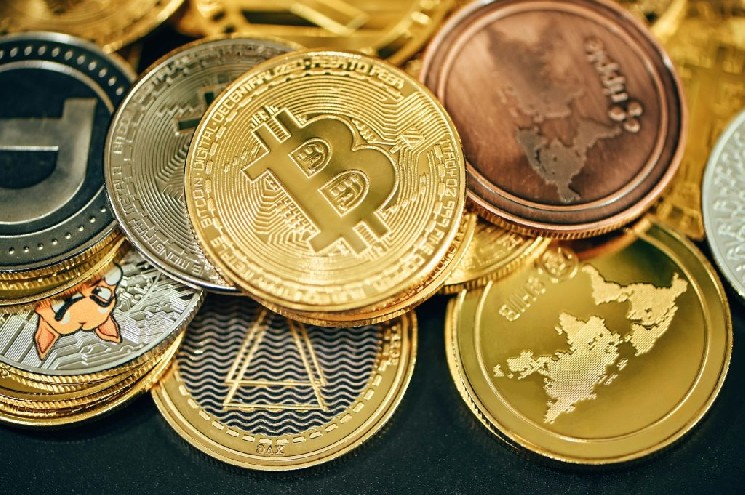
Bitcoin is holding recent gains despite a modest pullback, as geopolitical tensions in the Middle East and rising oil prices keep crypto in focus.
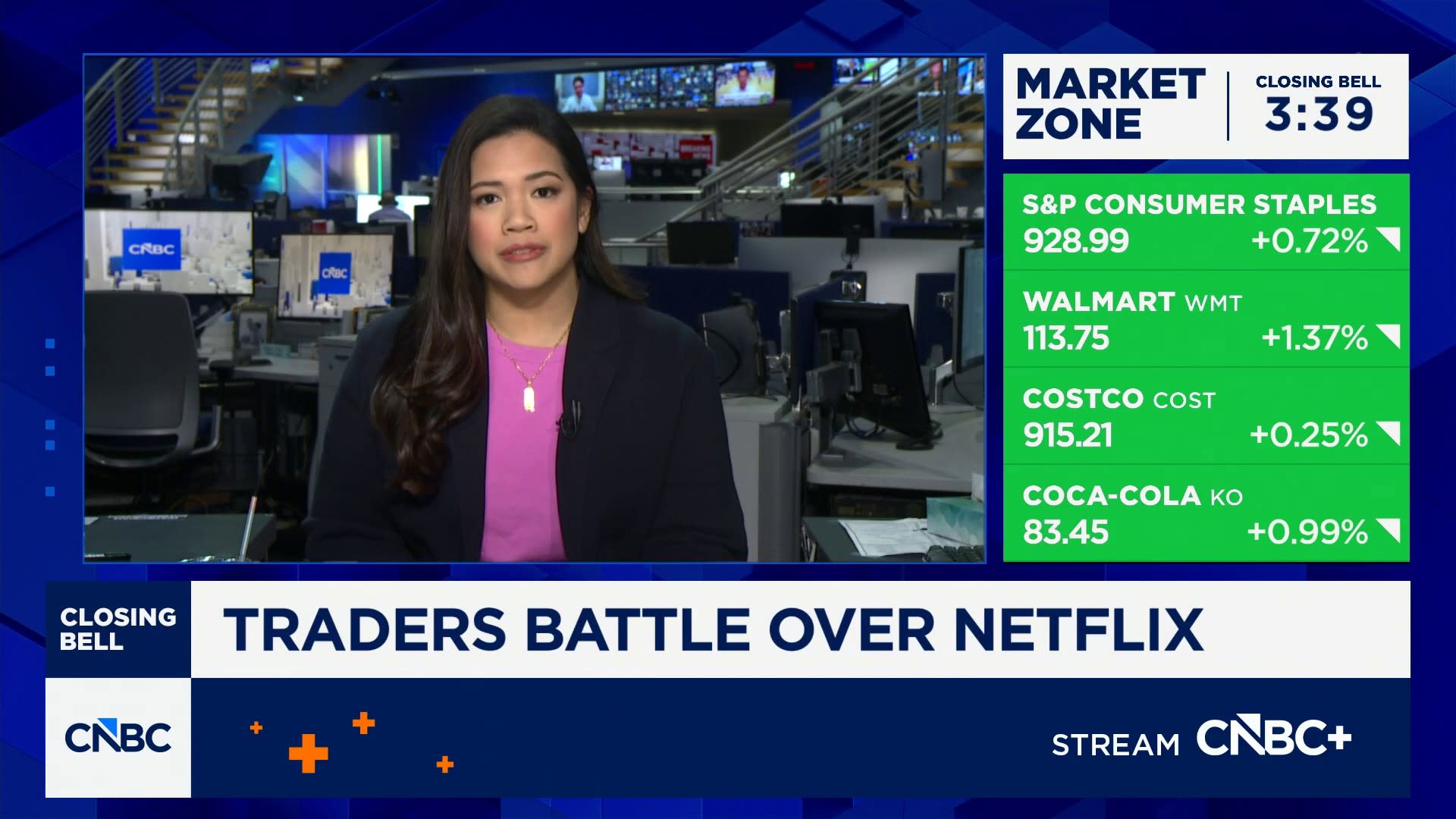
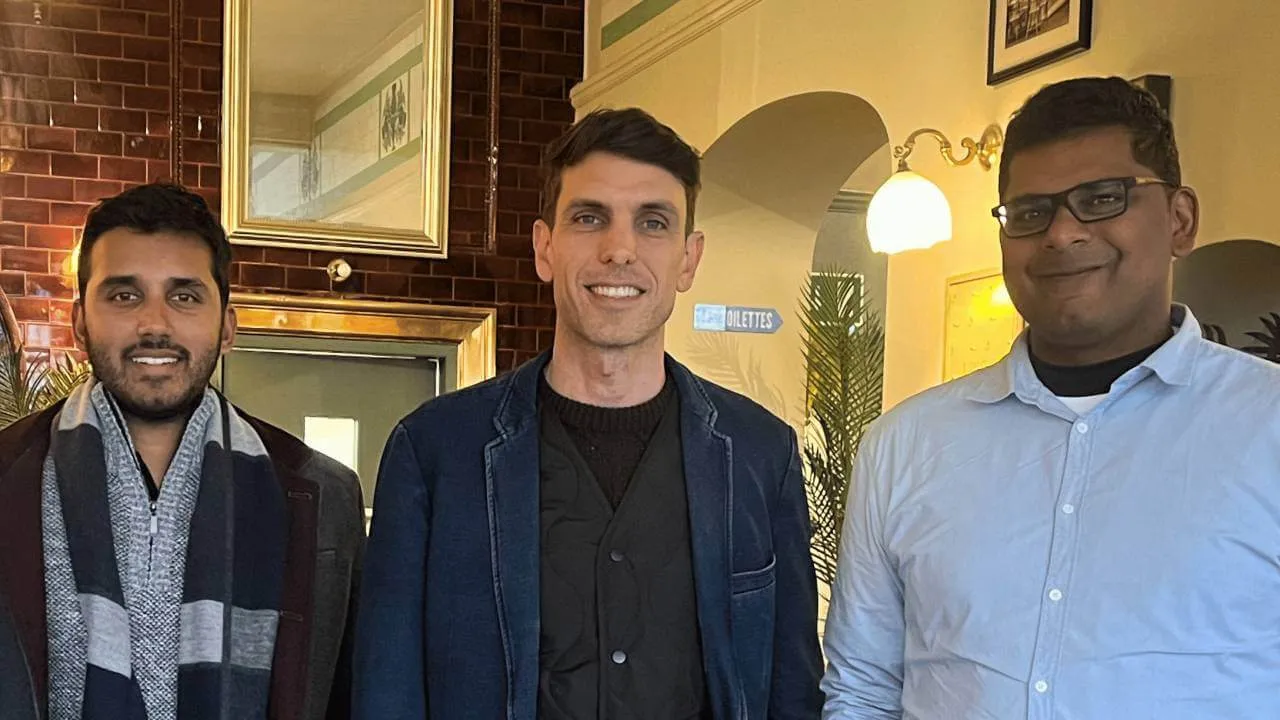
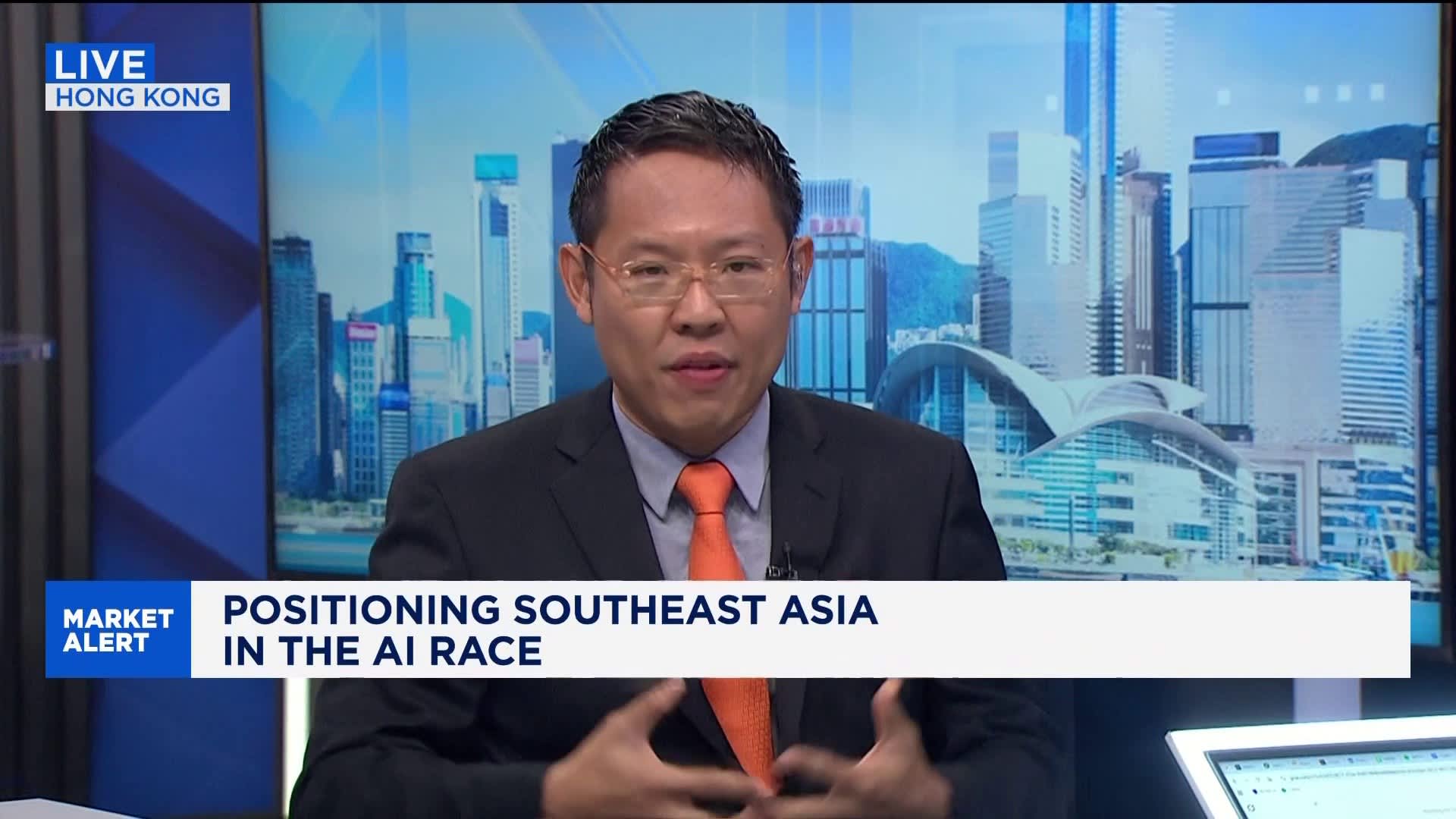
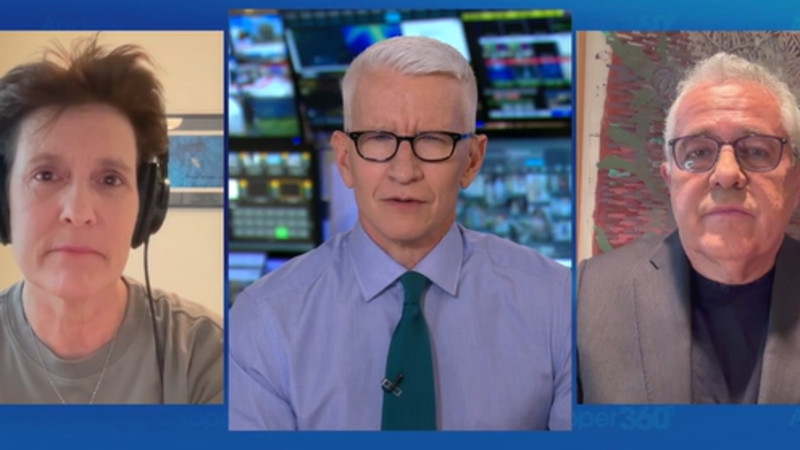
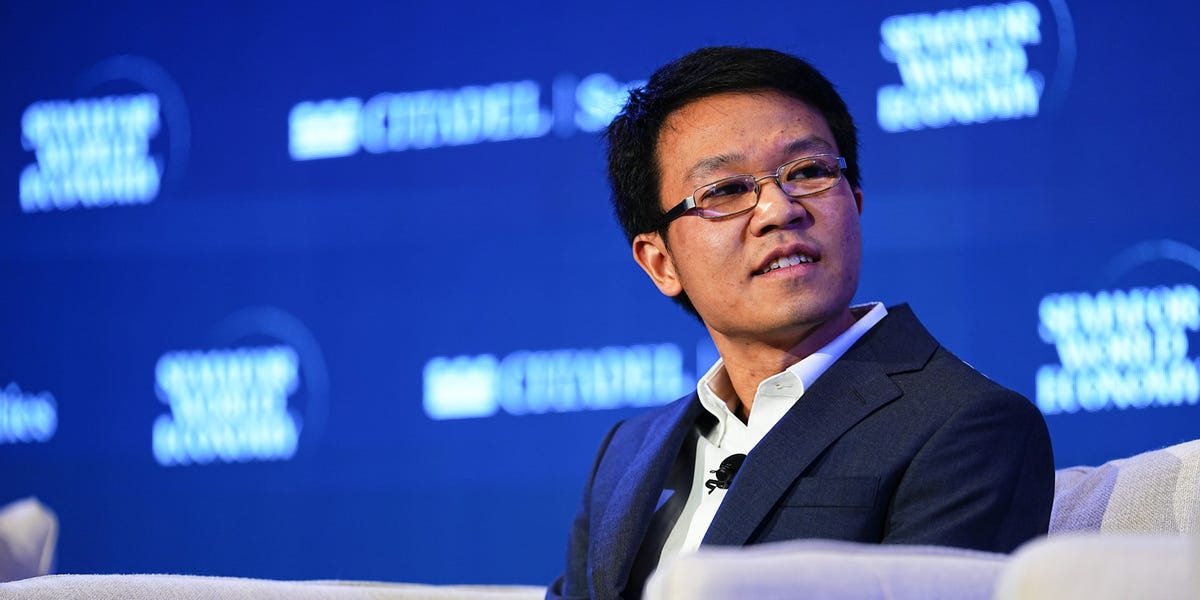
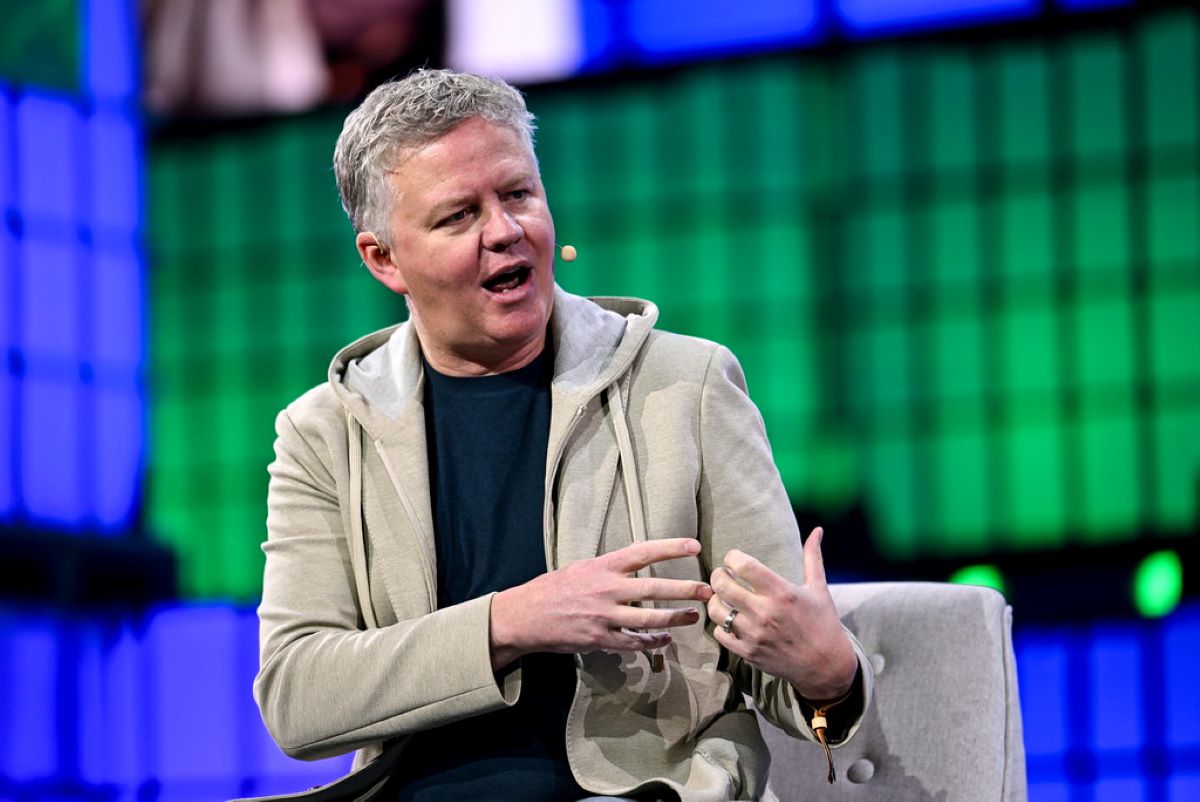
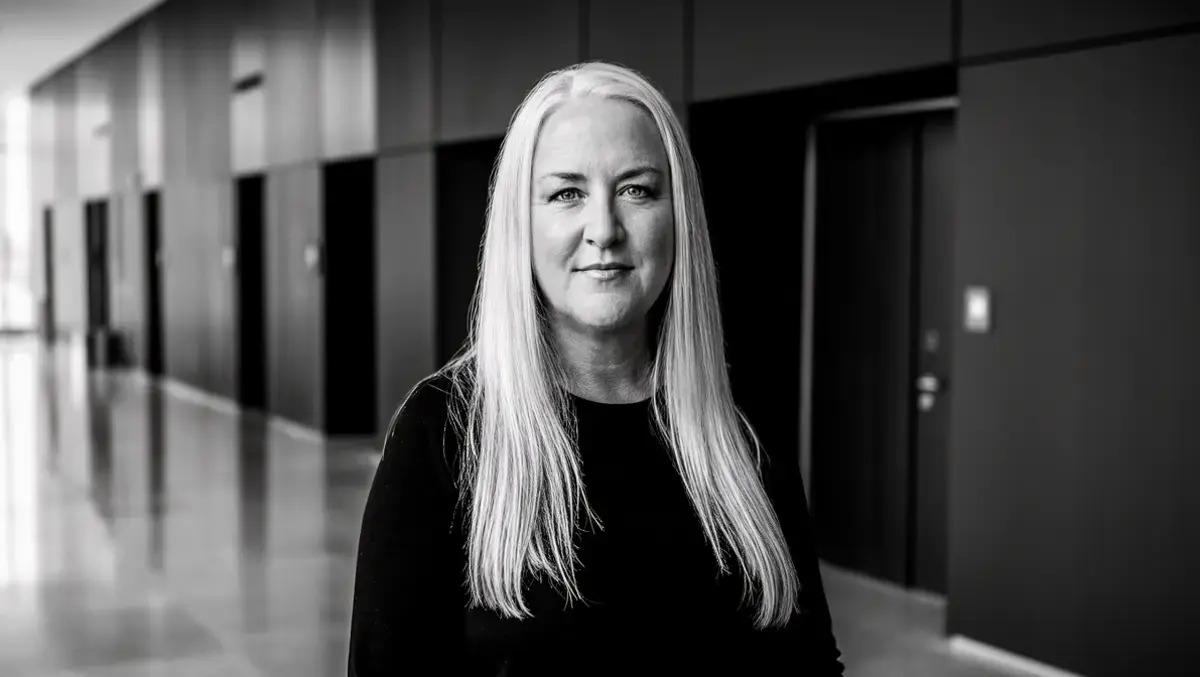
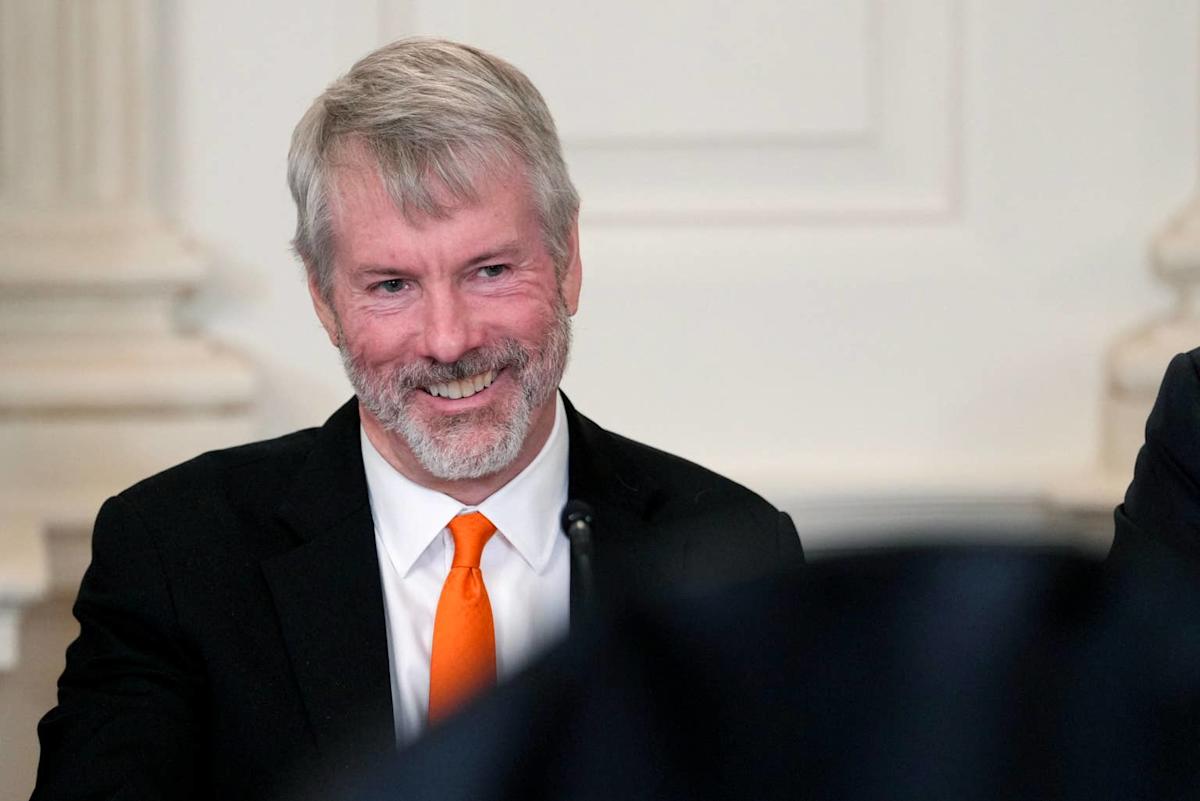
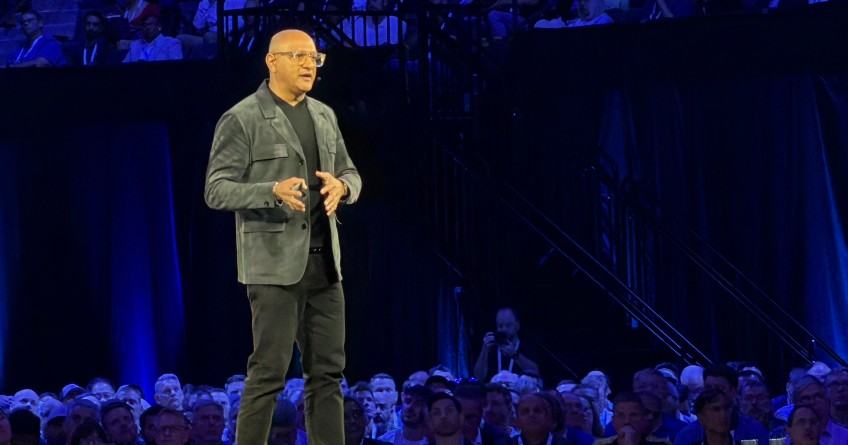
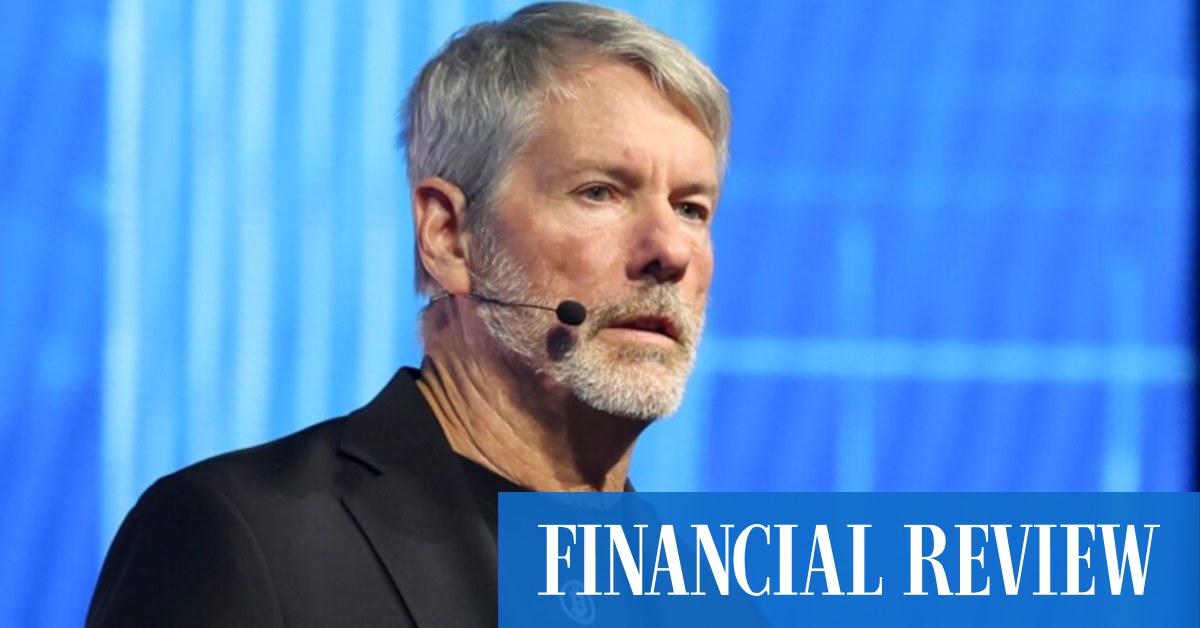
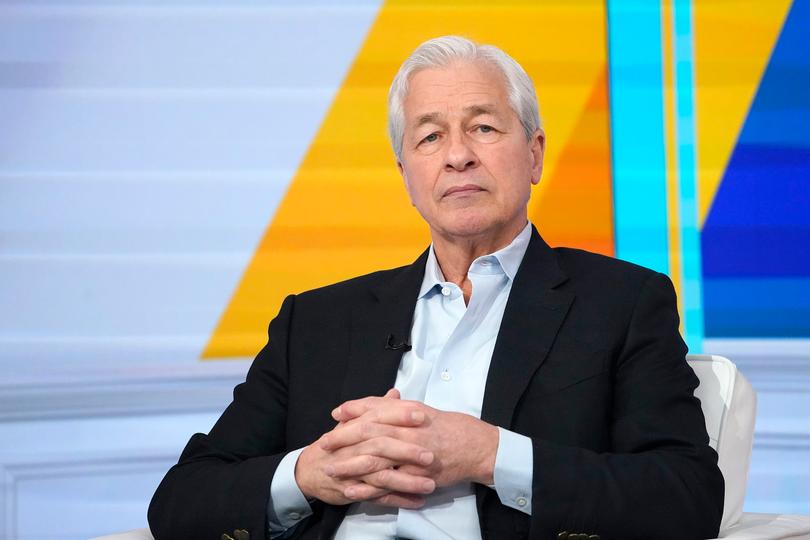
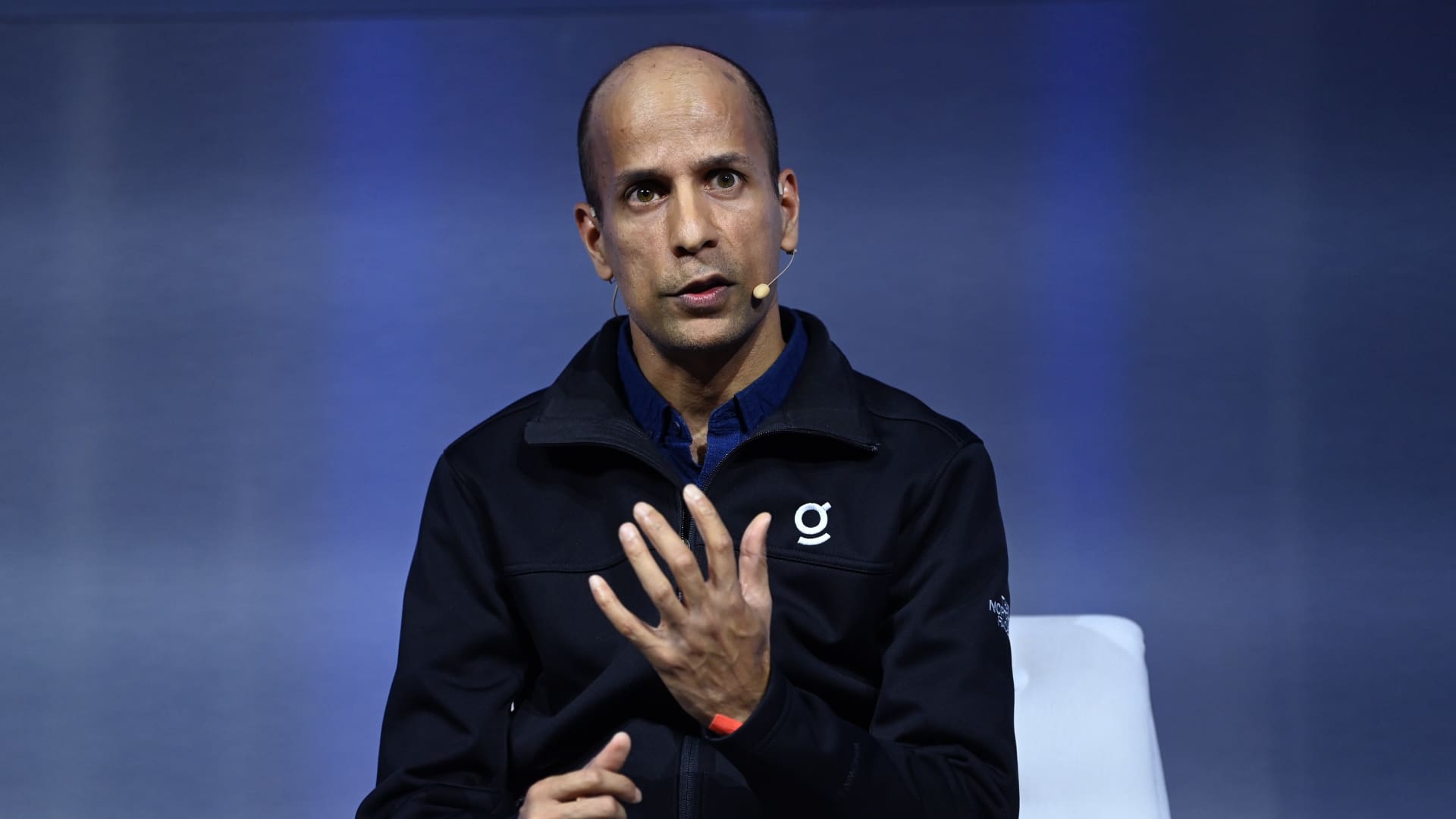
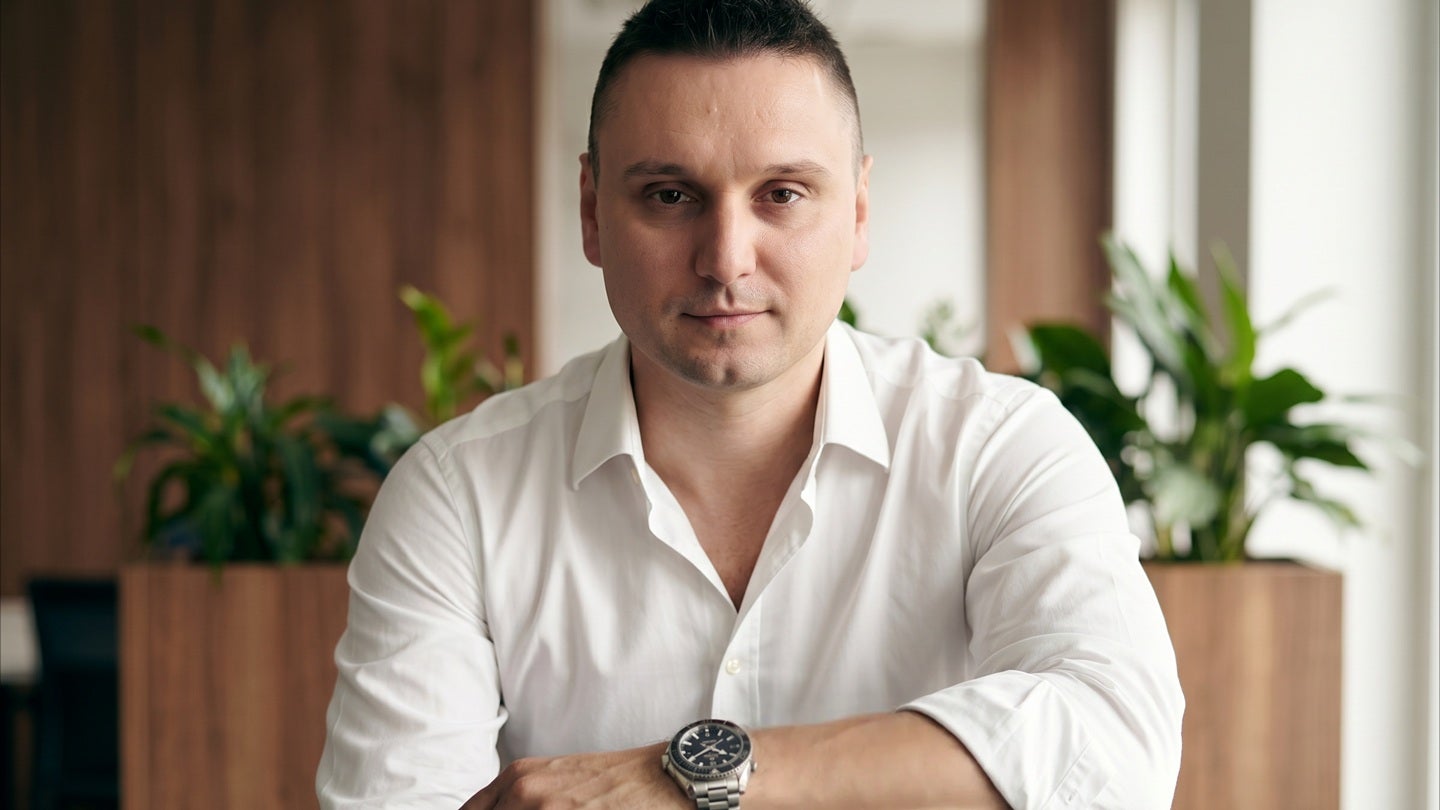
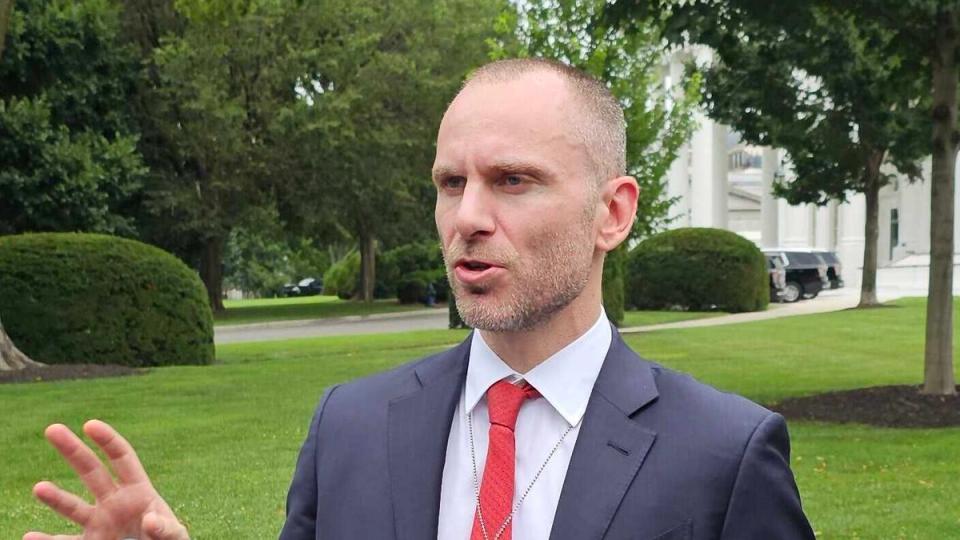
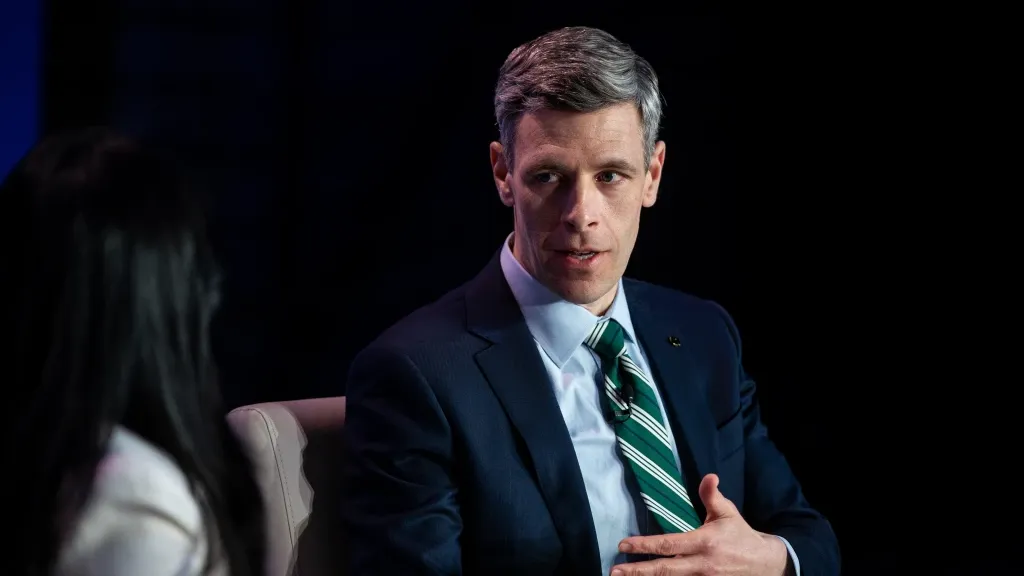
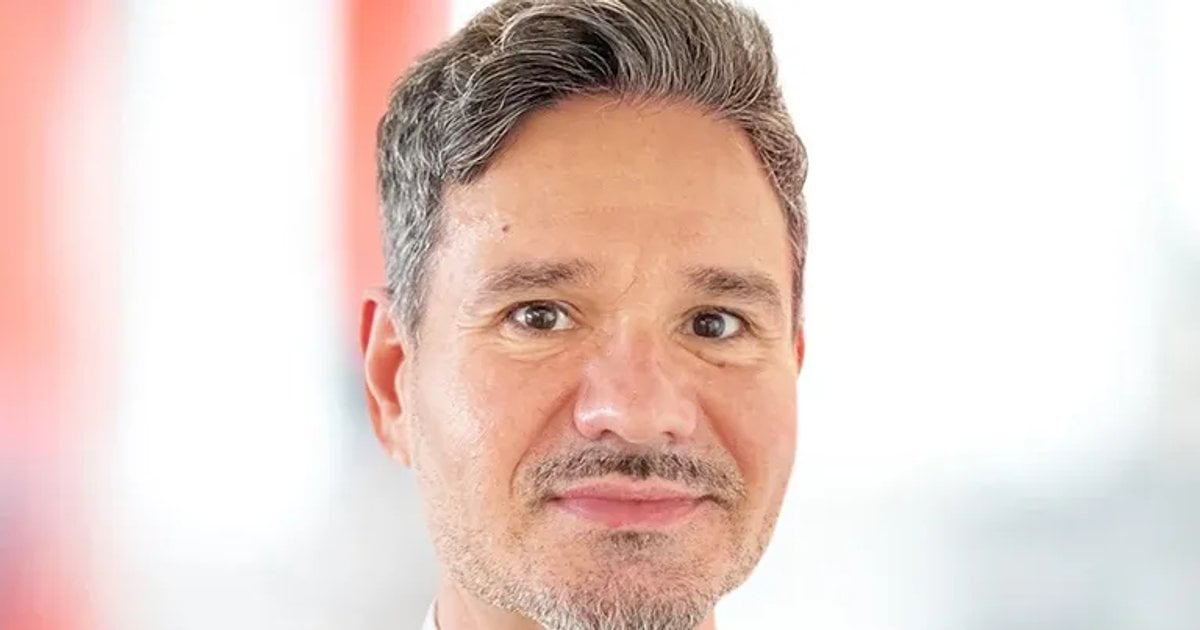
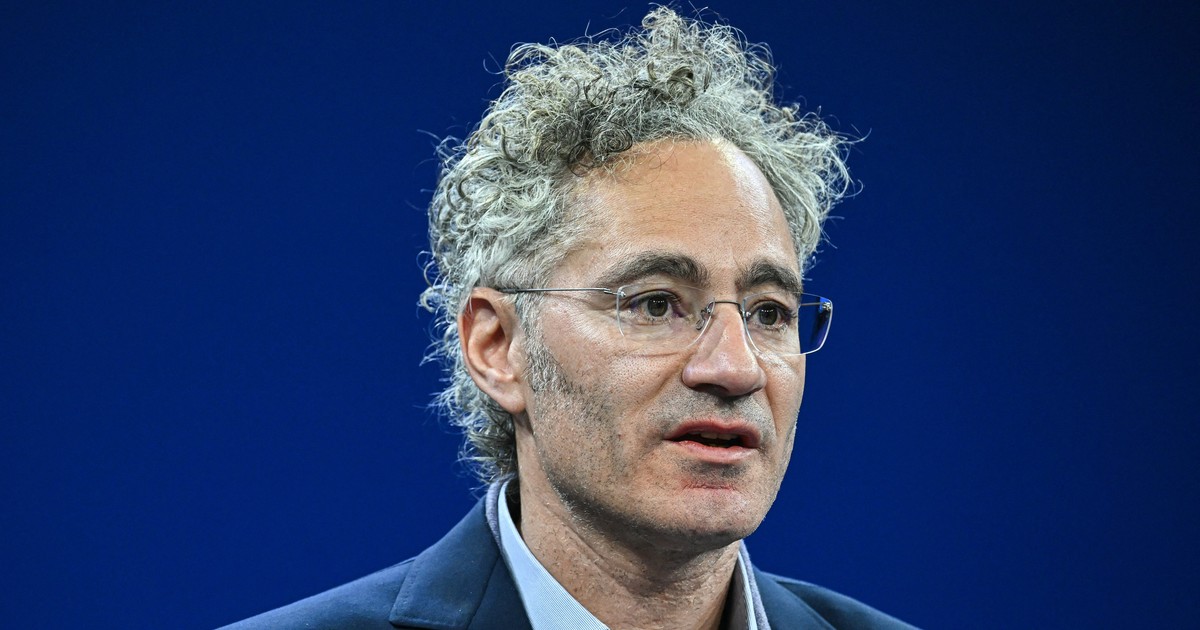
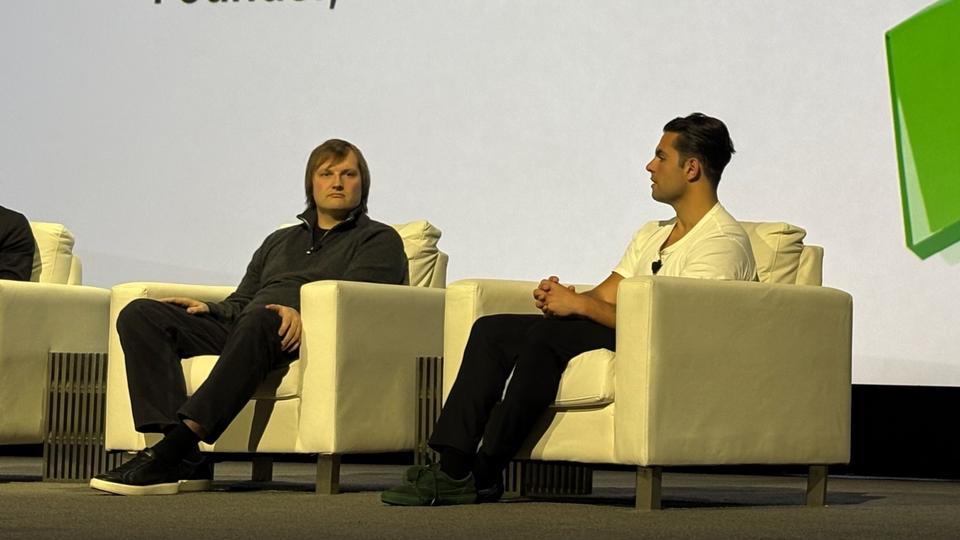
BNN Bloomberg spoke with Sean Bill, co-founder and CIO at Bitcoin Standard Treasury Company, who said Bitcoin’s role as a “digital gold” asset is supporting demand amid macro uncertainty and evolving regulation.
Key Takeaways
- Bitcoin is being viewed as a “digital gold” asset, with limited supply and global liquidity supporting demand during geopolitical uncertainty.
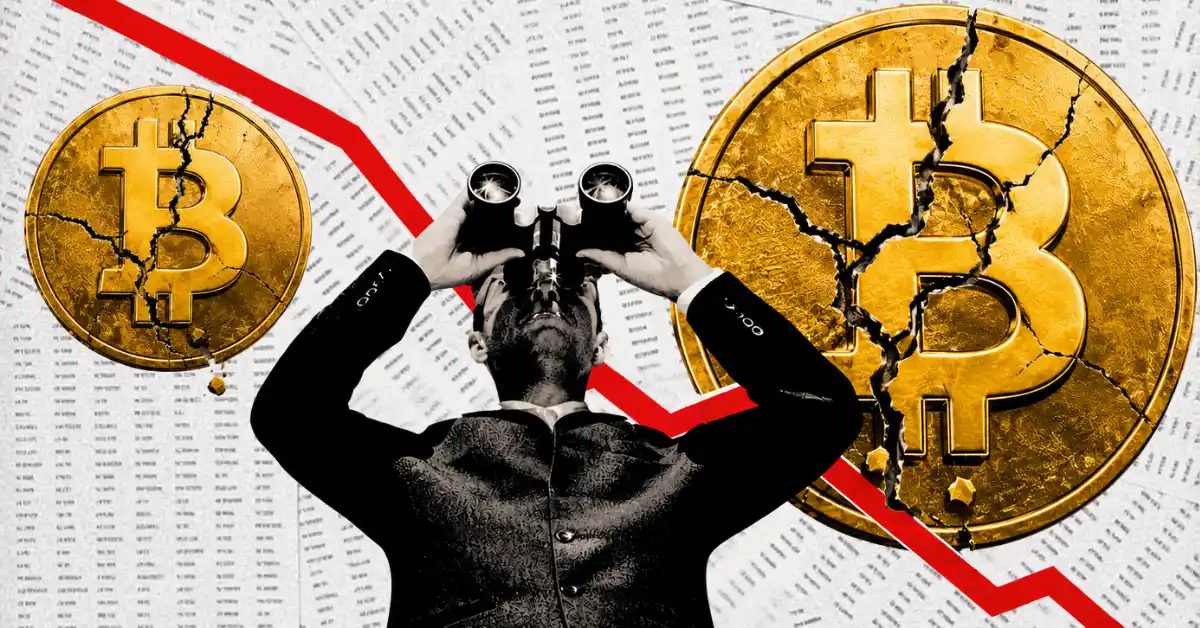
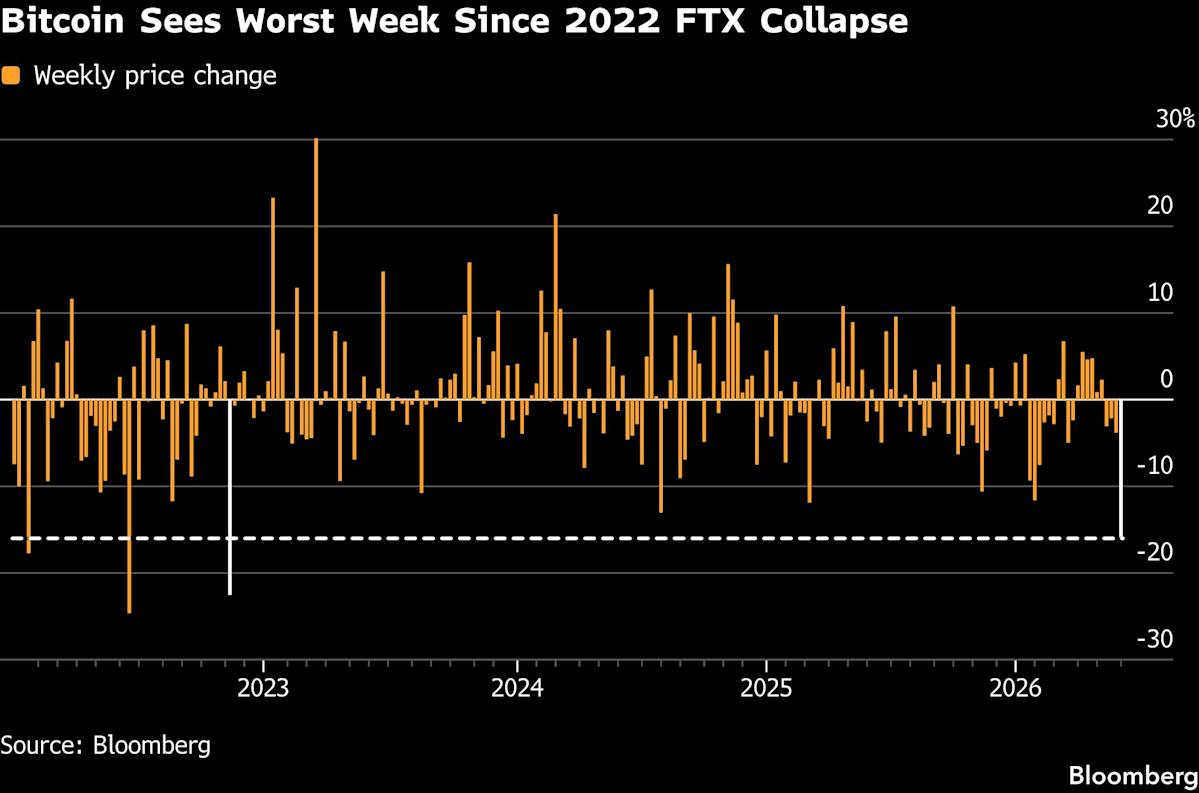
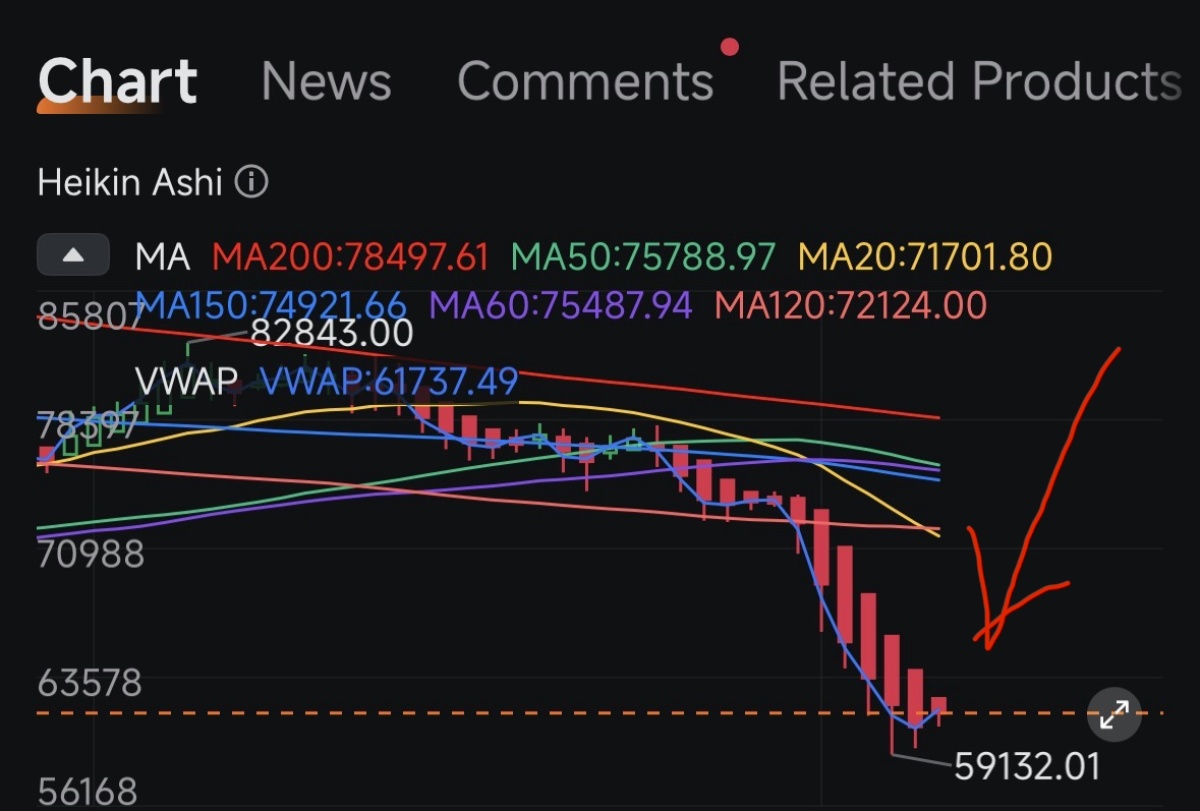
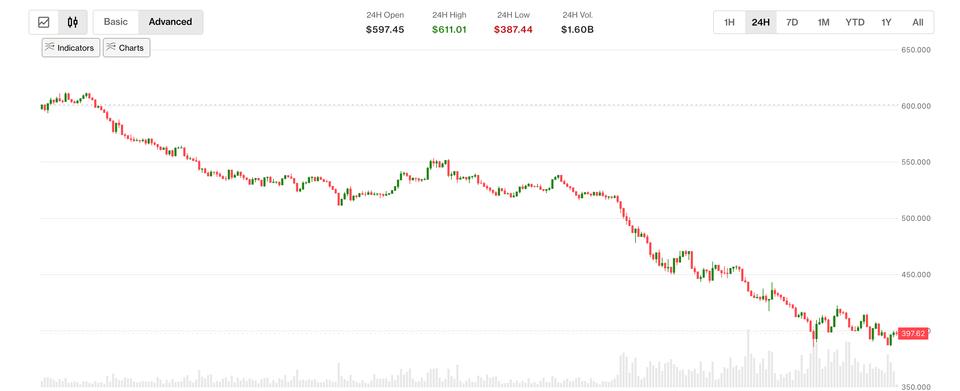
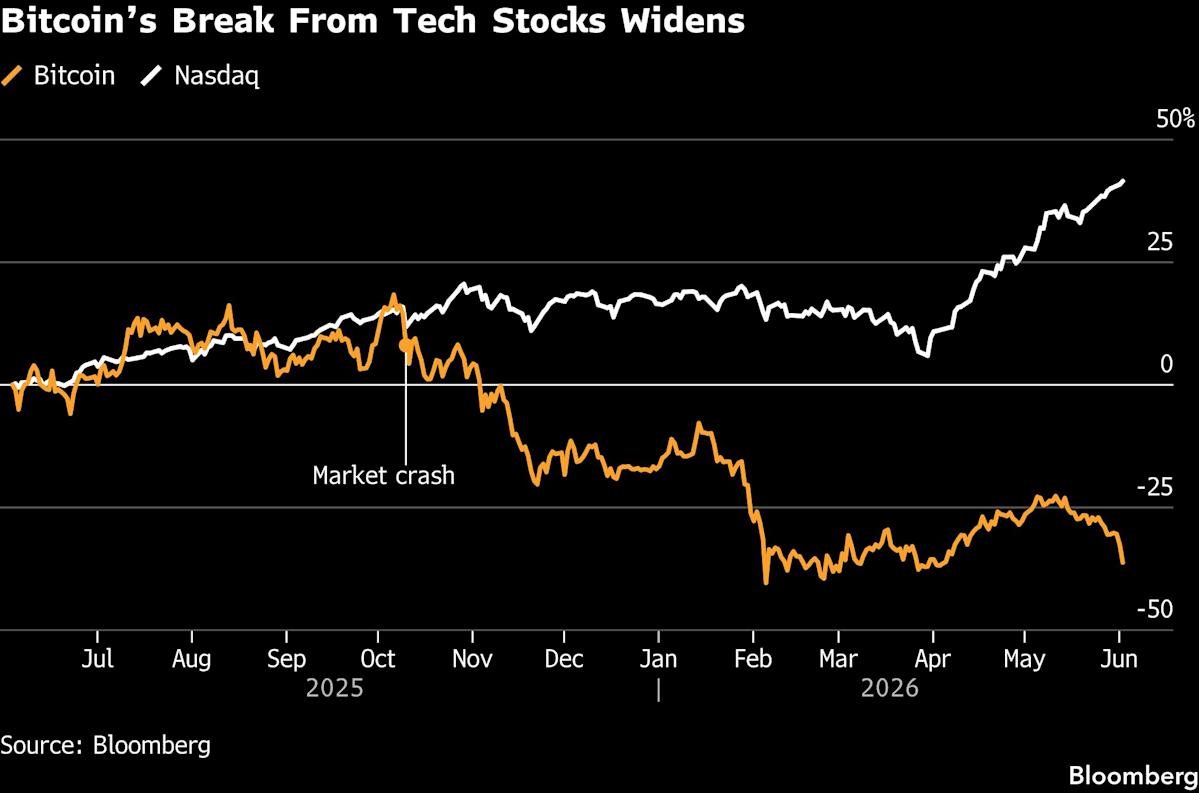
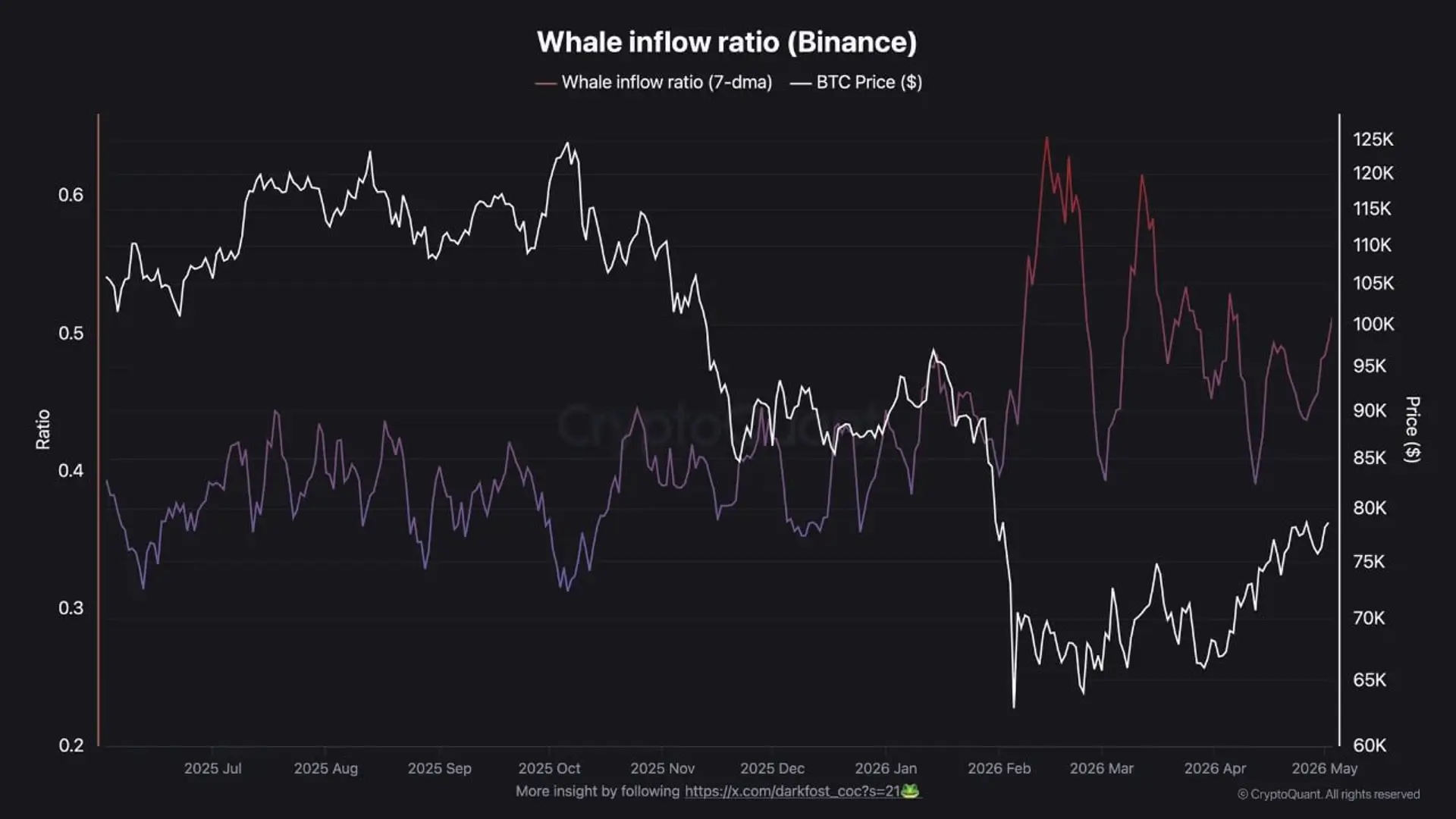
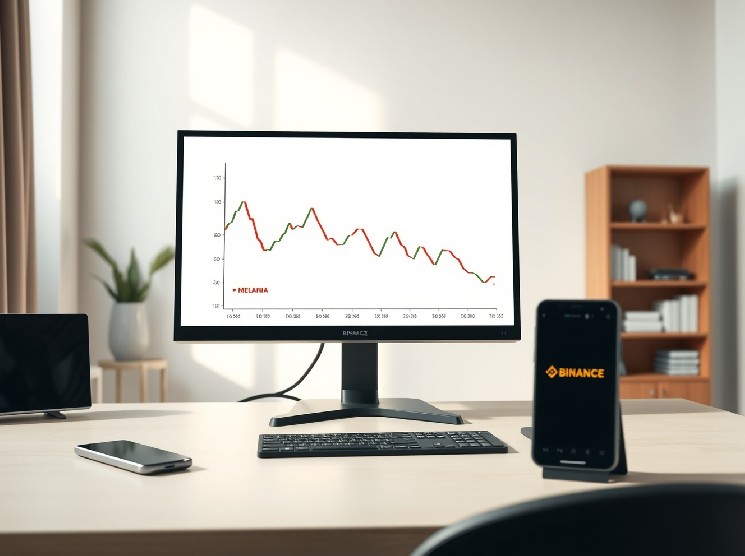
- The current drawdown of roughly 38 to 40 per cent is considered relatively mild compared with past crypto cycles.
- Interest rate expectations and money supply trends remain key macro drivers, with higher rates a risk and liquidity growth a tailwind.
- Regulatory progress in the U.S. is seen as a positive step toward broader institutional adoption of digital assets.
- Institutional investors, including pensions and endowments, are increasingly considering small Bitcoin allocations due to diversification benefits.
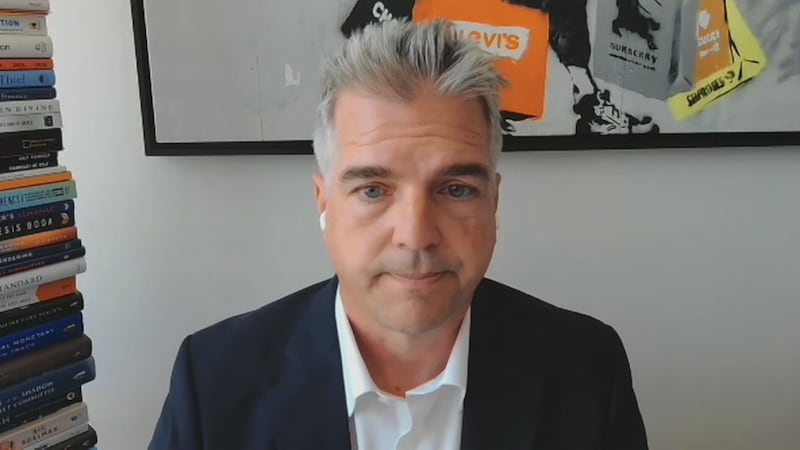
Read the full transcript below:
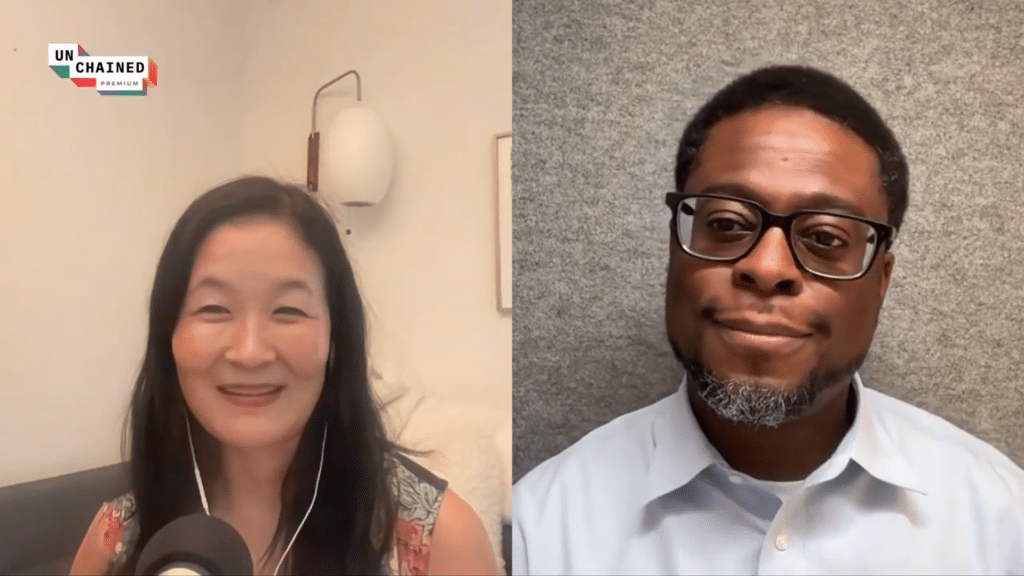
ROGER: Despite being a bit flat today, crypto has seen a significant jump over the past few weeks. That move comes as tensions in the Middle East rise and oil prices climb. Bitcoin has continued to draw interest amid the ongoing geopolitical uncertainty. Joining us now to break this all down is Sean Bill, co-founder and CIO of BSTR. Sean, thanks very much for joining us.
SEAN: Thanks for having me, Roger. I appreciate being here.
ROGER: I mean, Bitcoin and crypto are always a roller-coaster. It’s been even more so this year, hasn’t it?
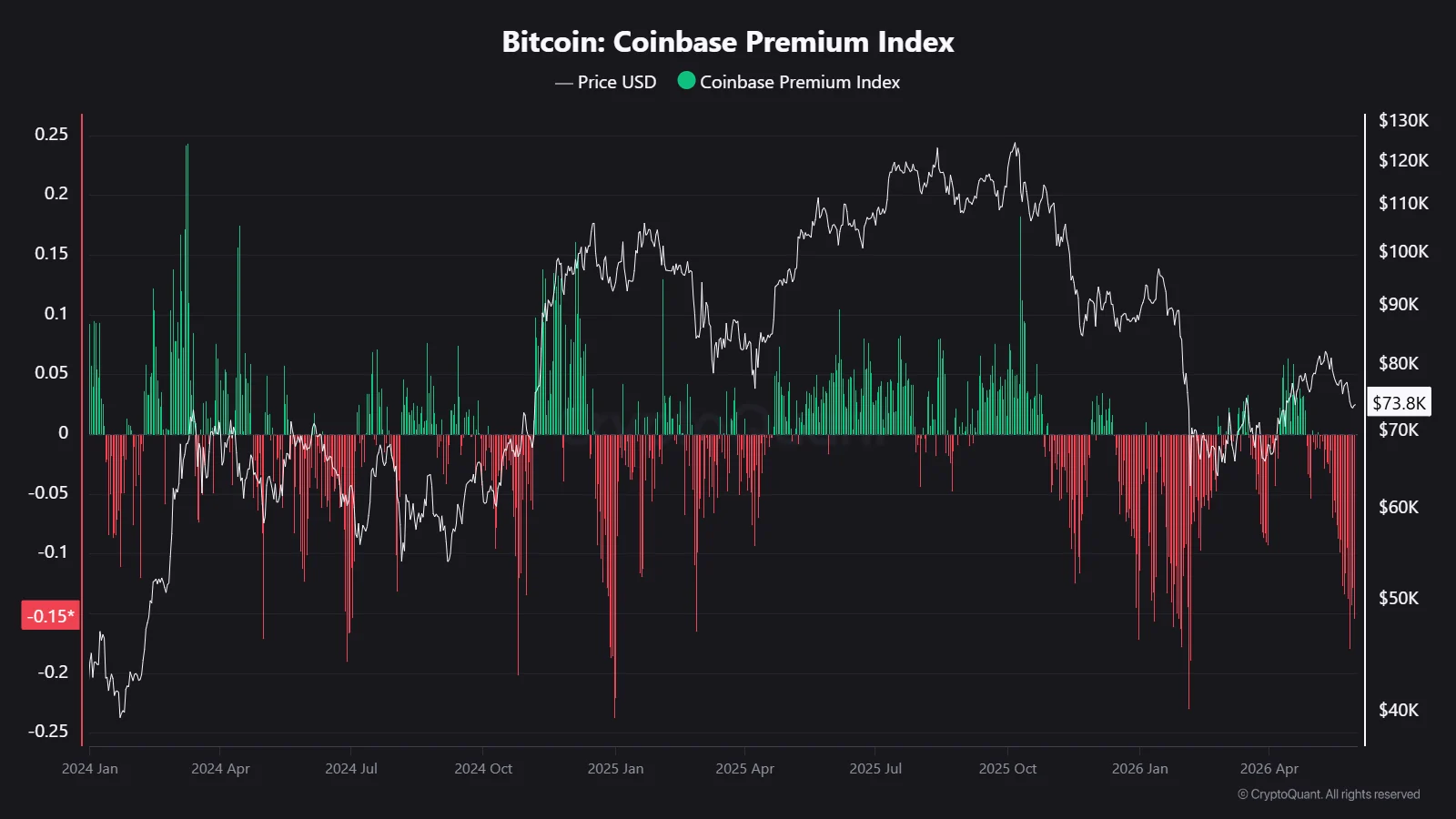
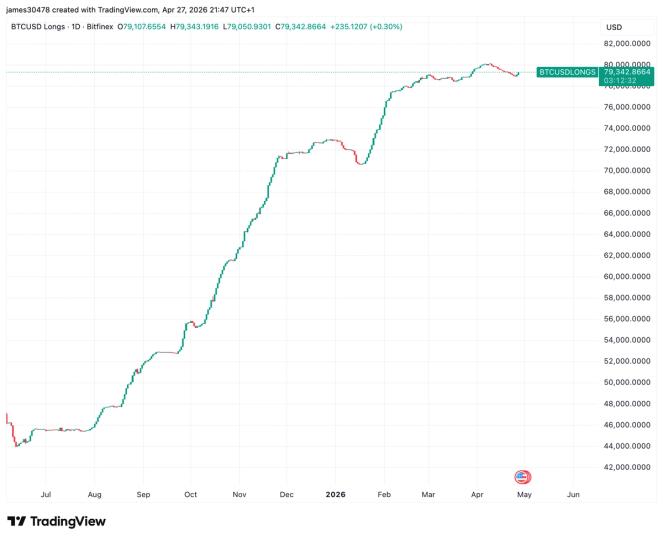
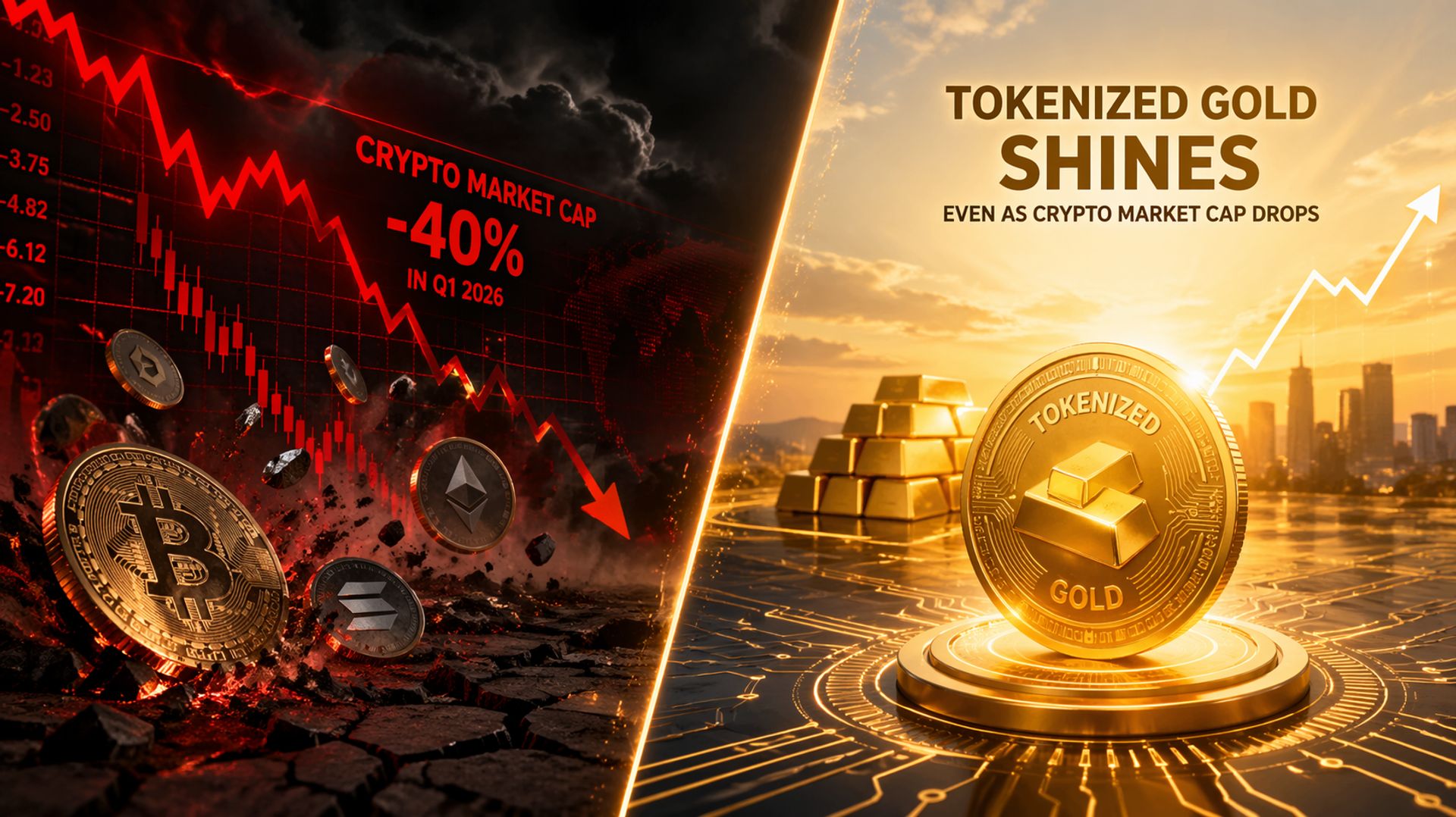
SEAN: Oh, absolutely. I mean, this is actually a relatively mild drawdown for Bitcoin this year, down about 38 to 40 per cent from the peak. For those of us who have been in Bitcoin for a long time, this is relatively tame. We’ve seen declines into the 60s and 80s even in the early days. So I think as this sector has grown and as the market cap of Bitcoin has expanded, we’ve actually seen the volatility come down quite a bit.
ROGER: And are you surprised, considering what’s unfolded in the Middle East, that it hasn’t been as volatile?
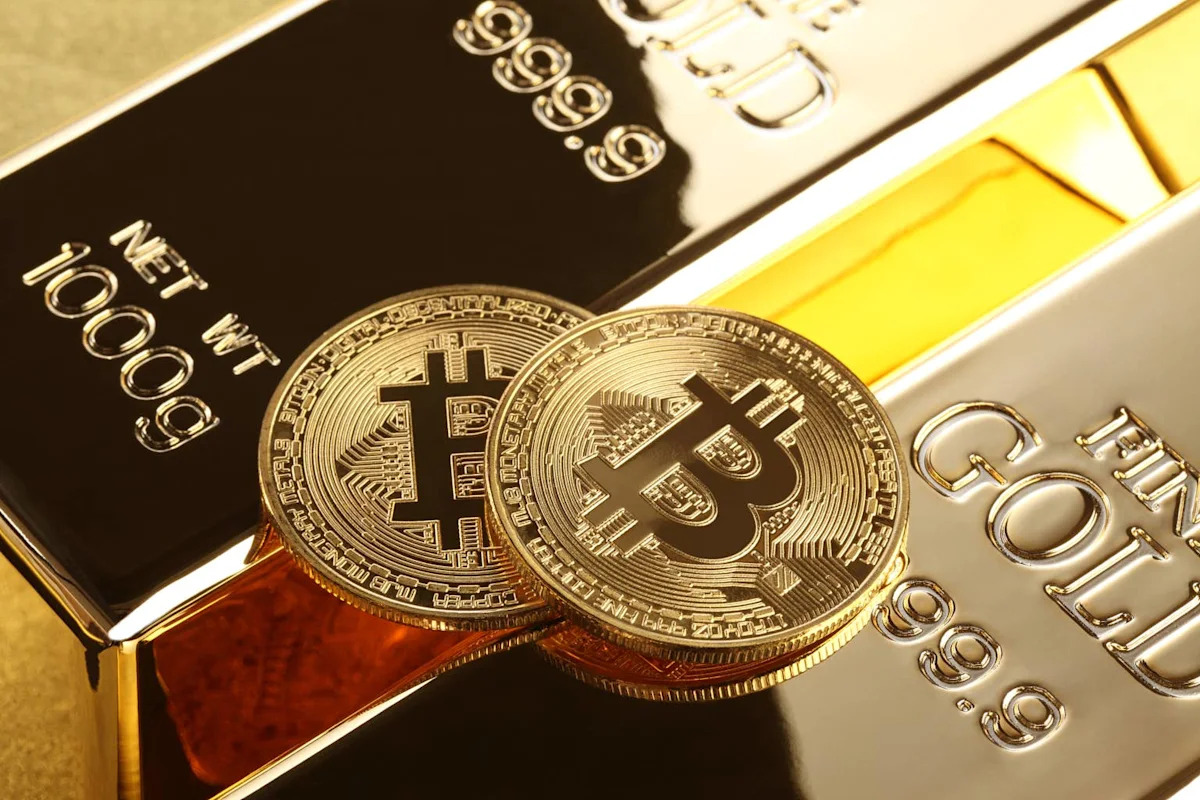
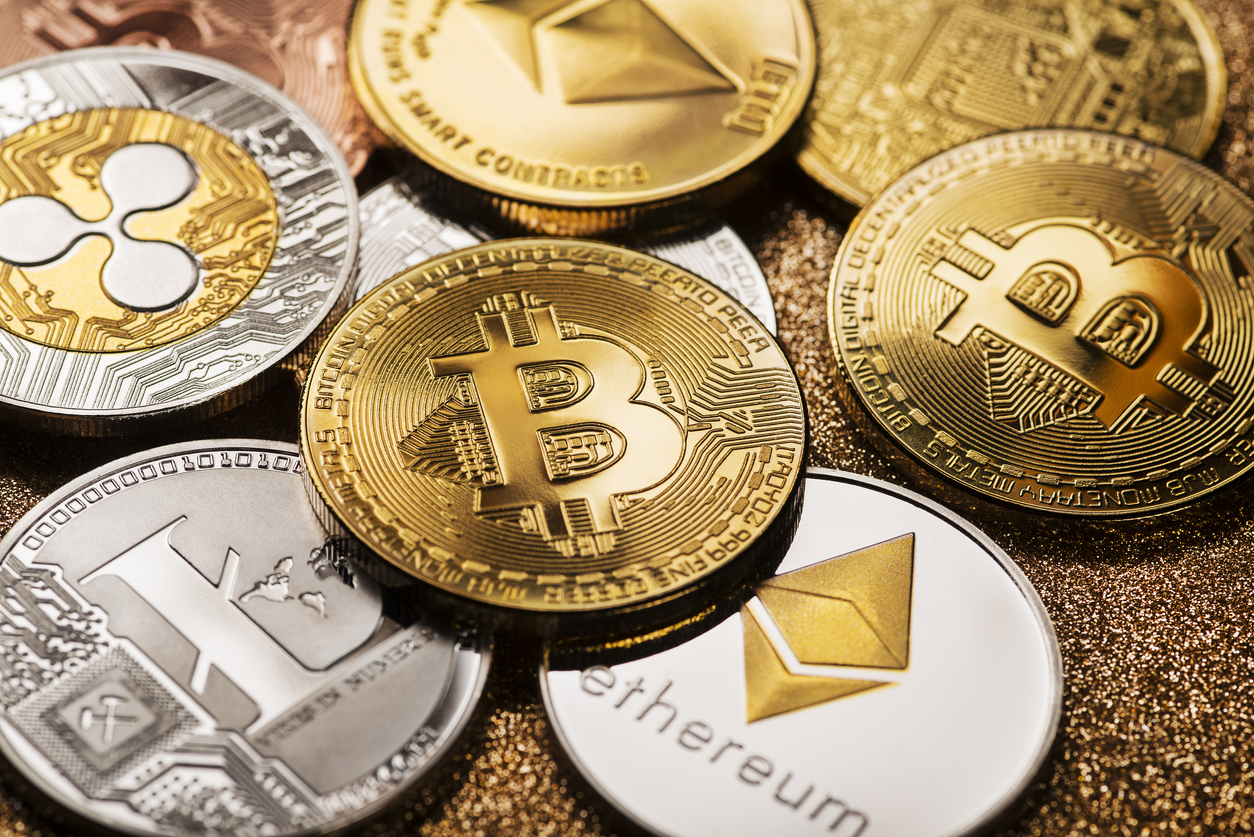
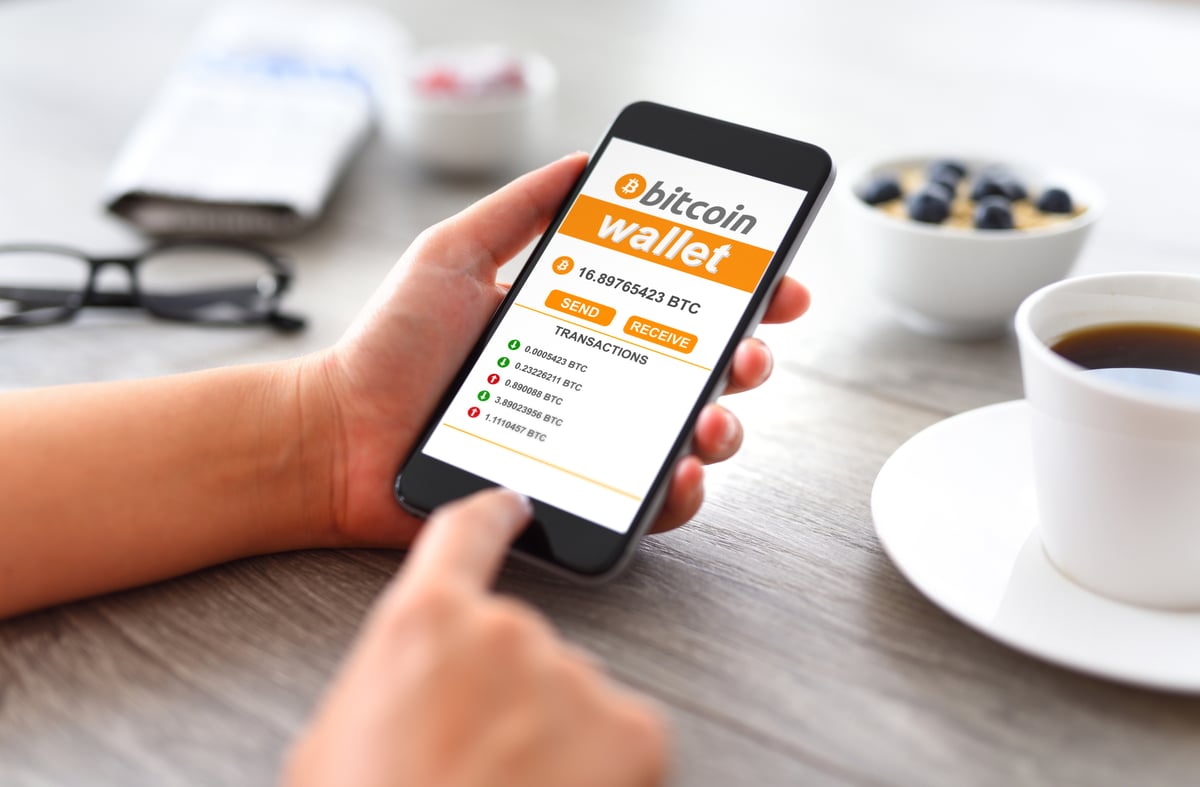
SEAN: I think a lot of folks view Bitcoin as almost like digital gold. So it kind of makes sense to me that it’s finding a bottom here, with all the activity going on in the Suez Canal and the price action we’ve seen in gold. Although it’s been more volatile lately, Bitcoin is very similar. It basically functions a lot like gold. It has a limited supply, it’s convertible into any currency in the world, and those are the features that make it like digital gold that you can carry in a wallet on your phone.
ROGER: Any concerns about broader macro issues with crypto right now?
SEAN: I think the main issue would be what’s going to happen with the money supply. What we’re seeing in the Middle East, and potentially higher energy prices, could lead to higher rates. That would probably be a negative for Bitcoin. However, on the flip side, the U.S. government will have to replenish armaments, and that could lead to additional money supply growth. If we see money supply growth, that’s usually very positive for Bitcoin.
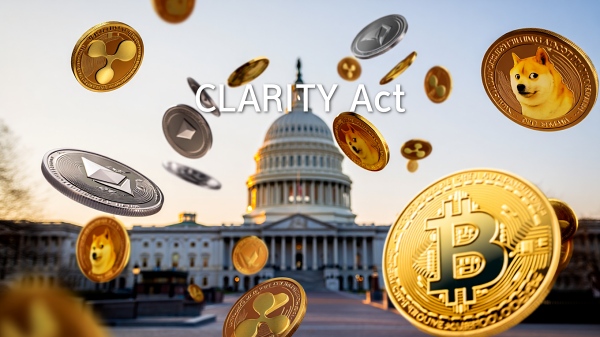
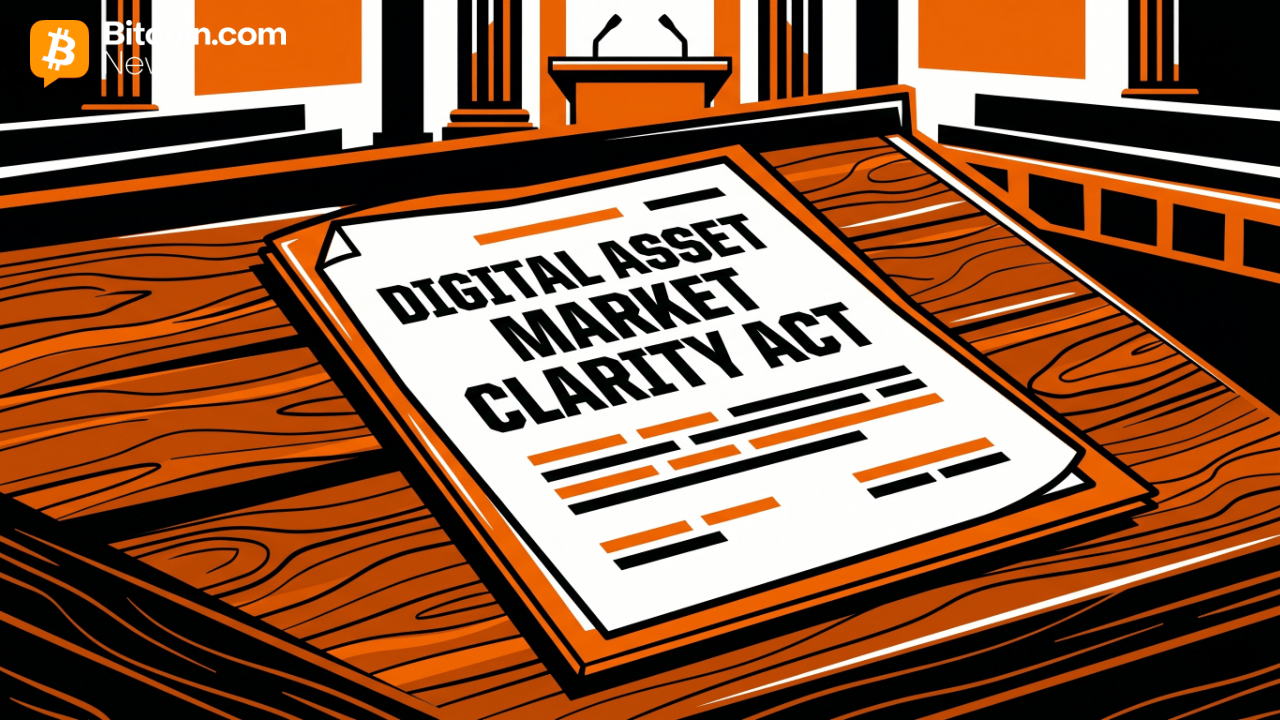
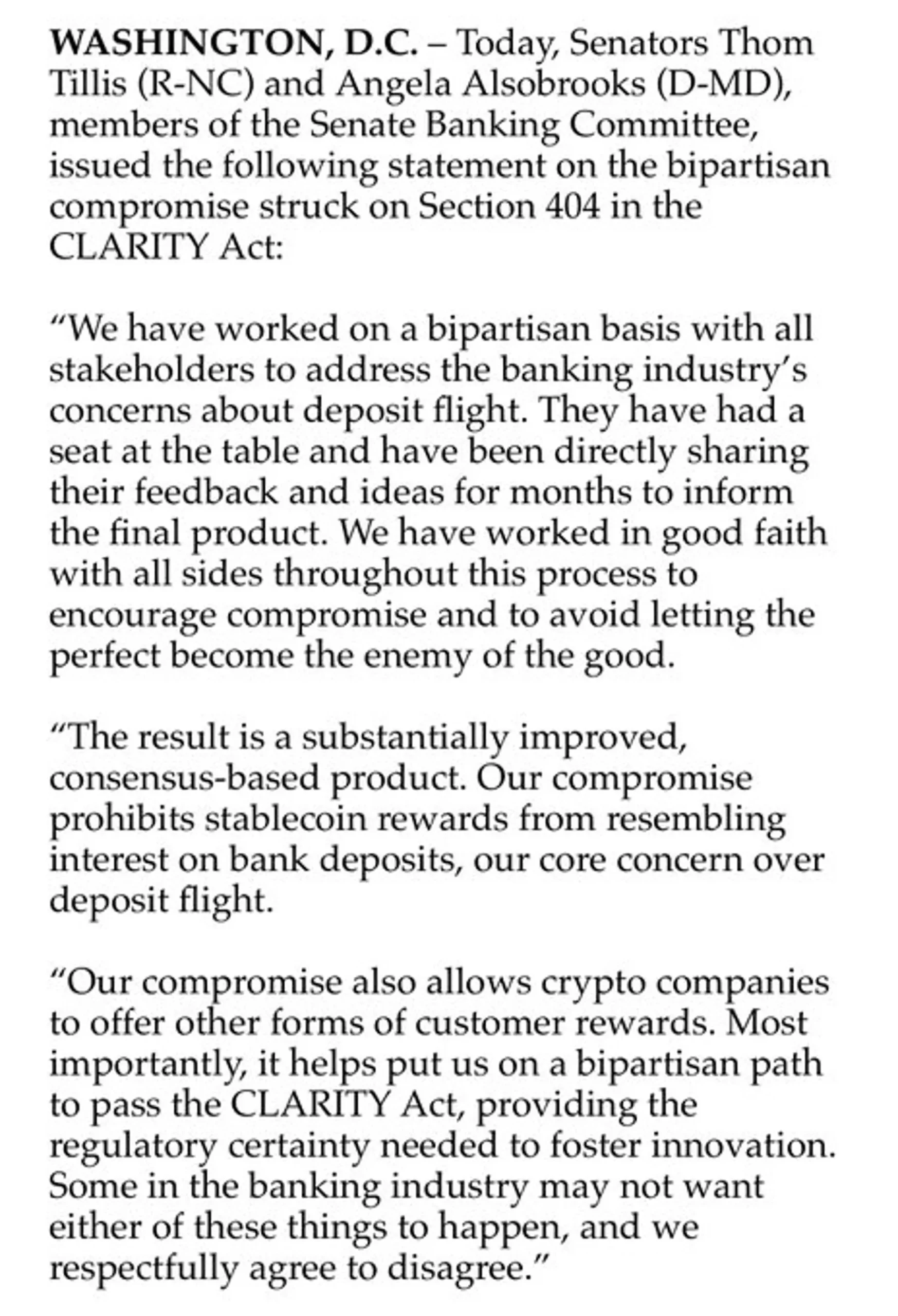
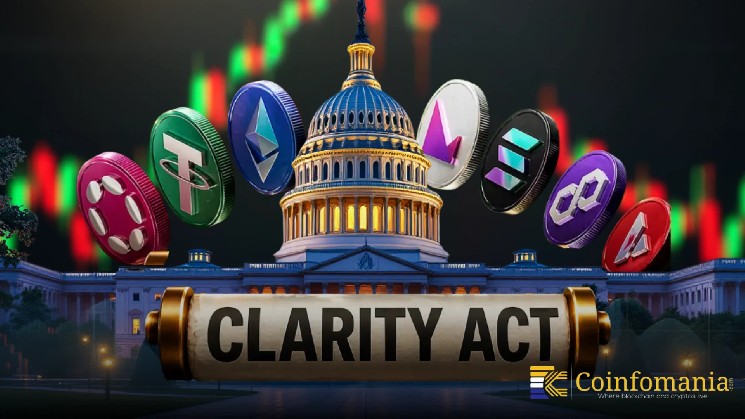
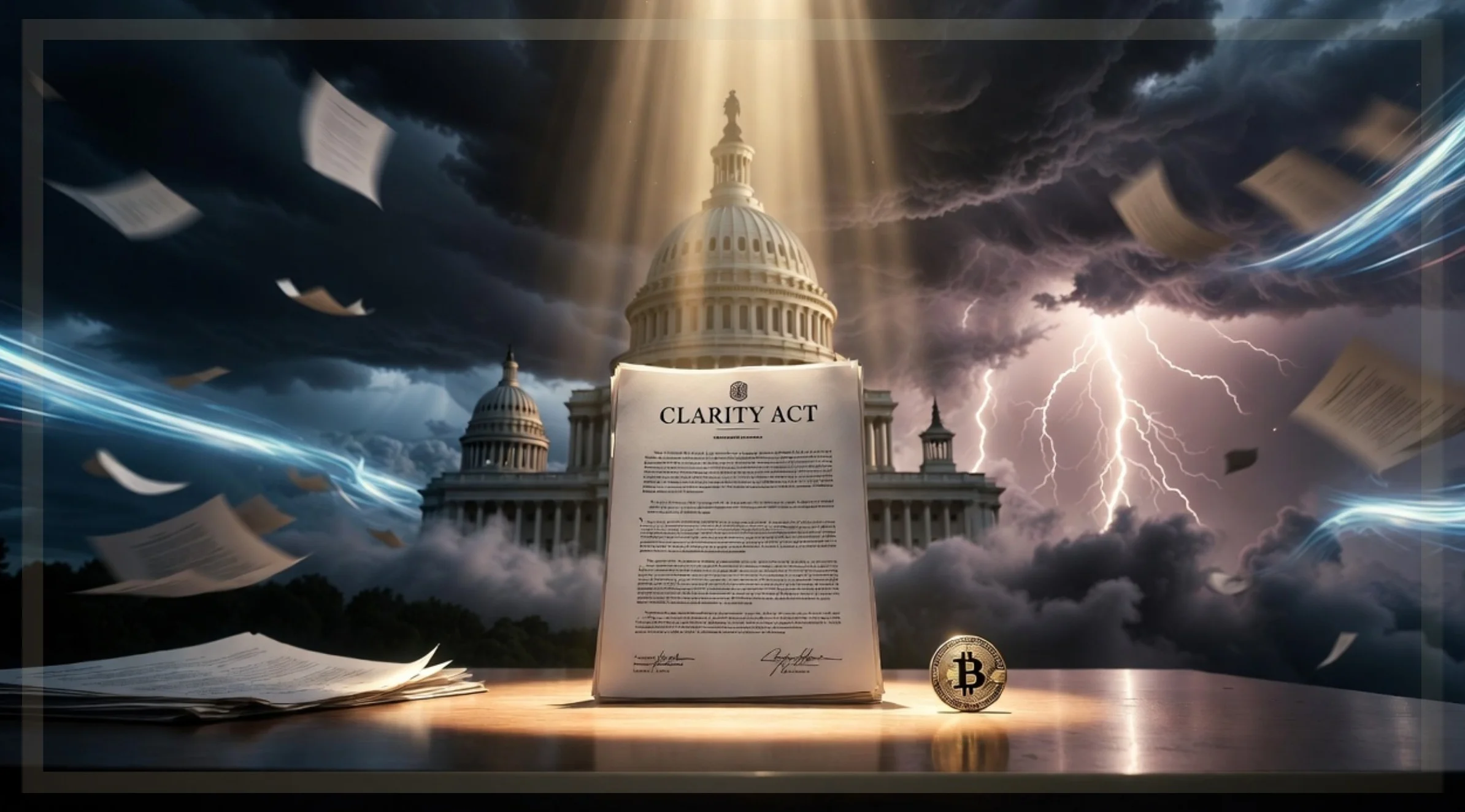
ROGER: And with that Senate crypto bill working its way through — I guess it’s at the Senate Banking Committee right now — how important is that? Is it shaping up to be something that will be good for cryptocurrency?
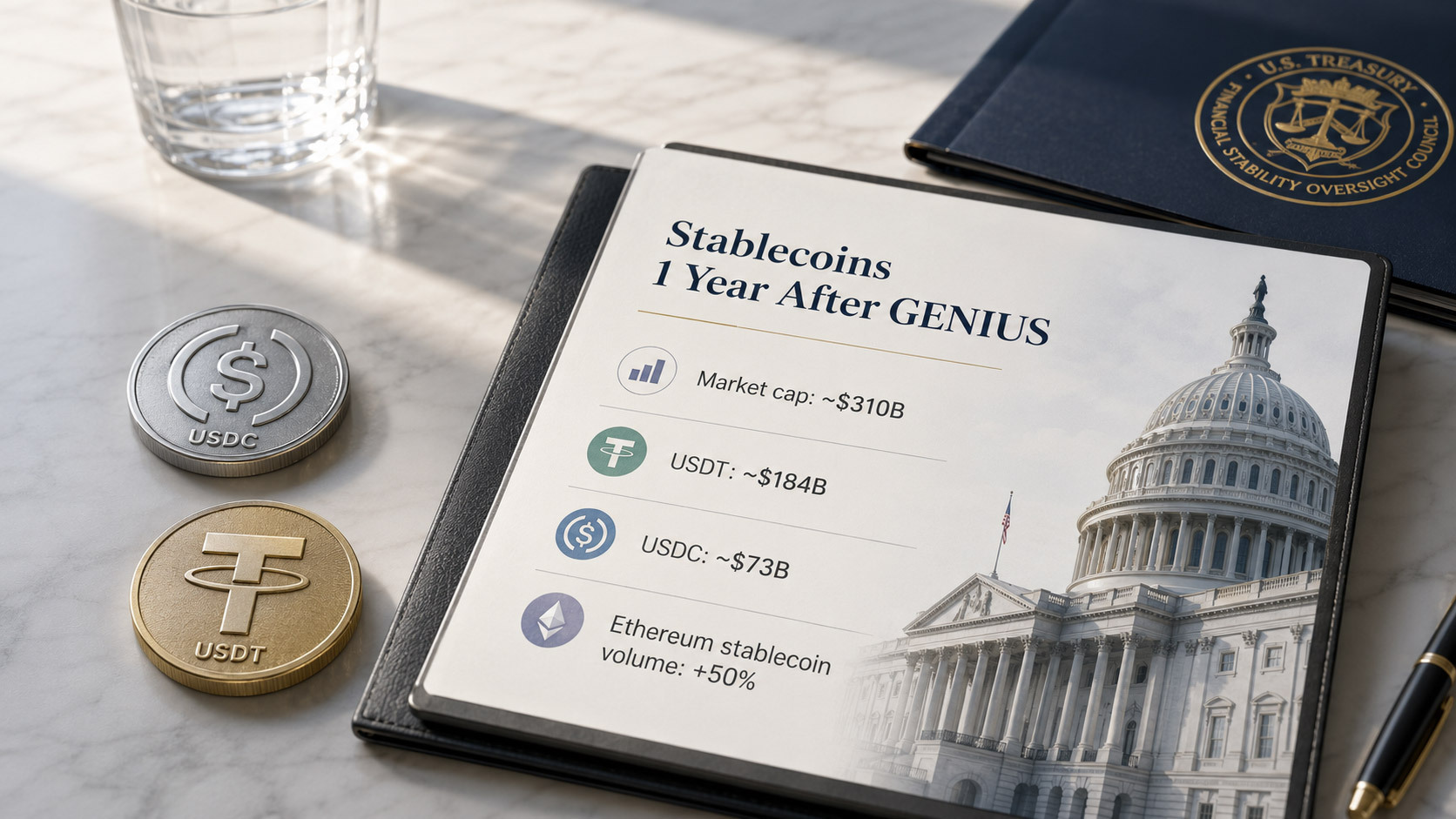
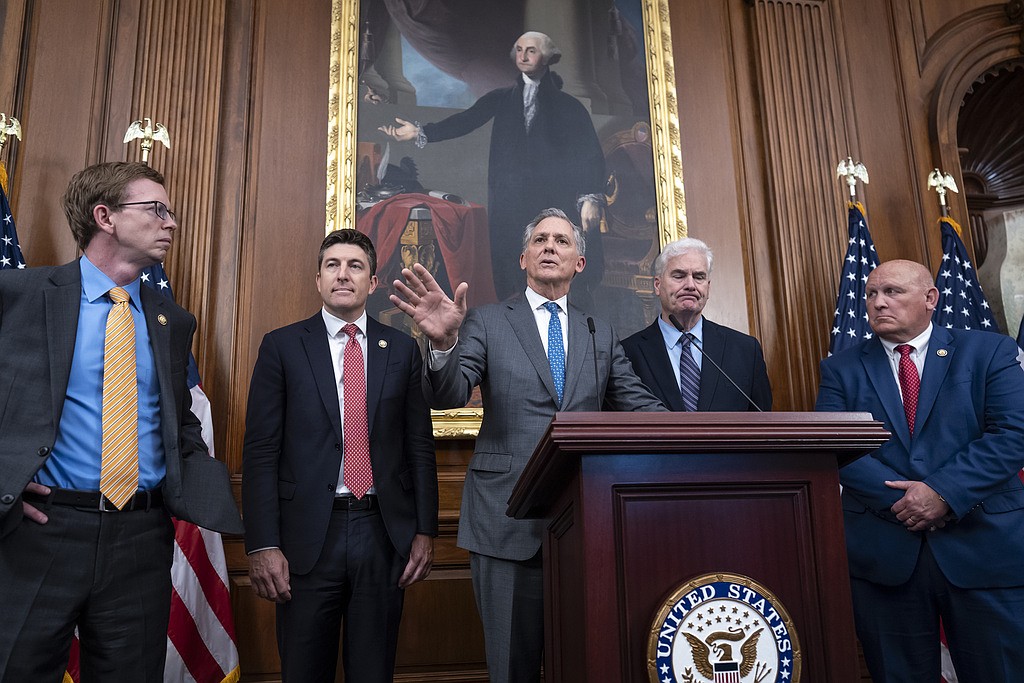
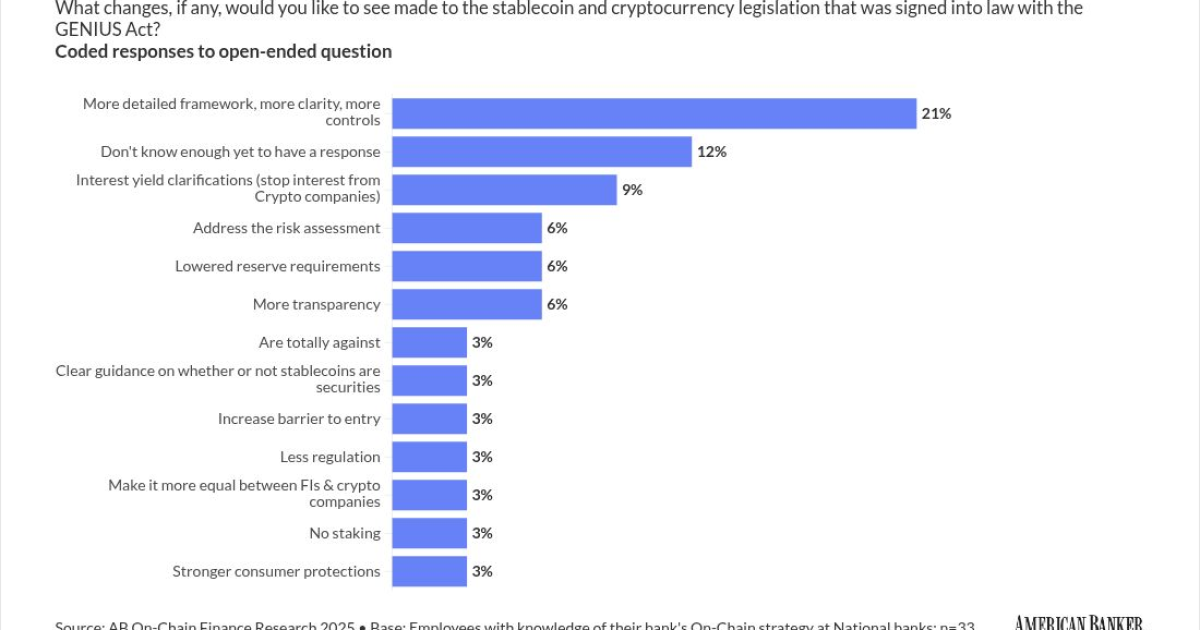
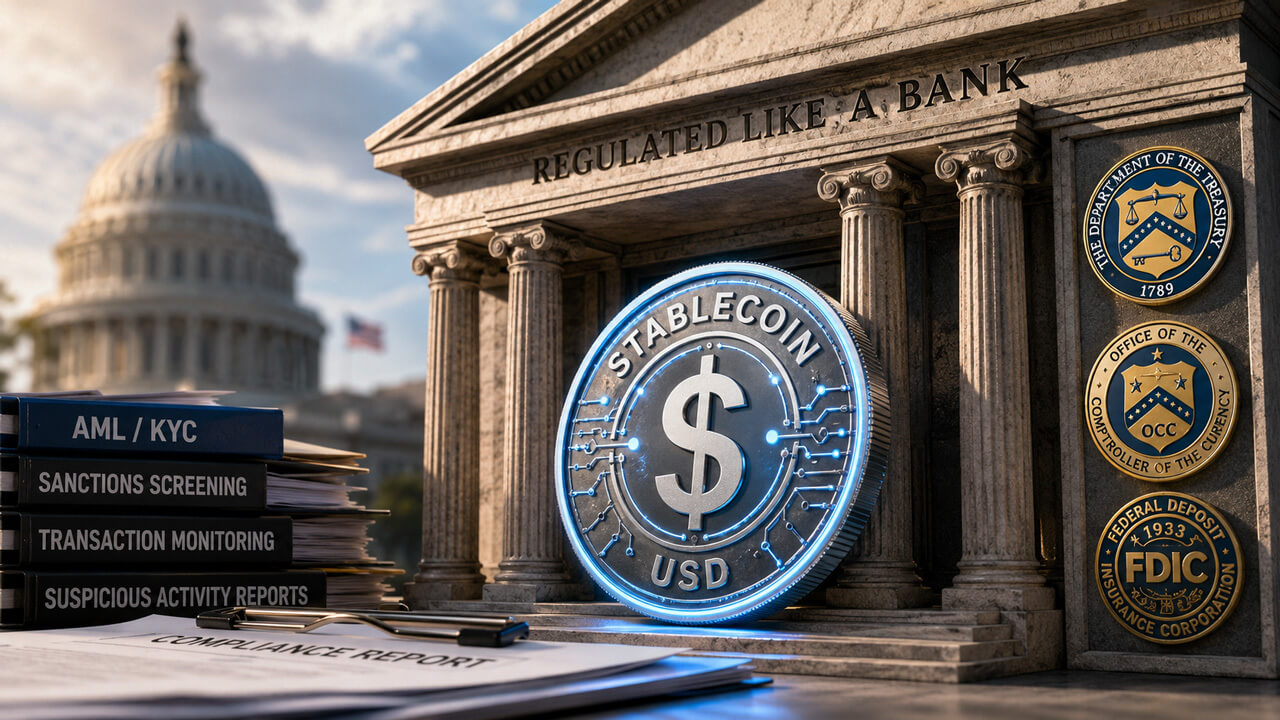
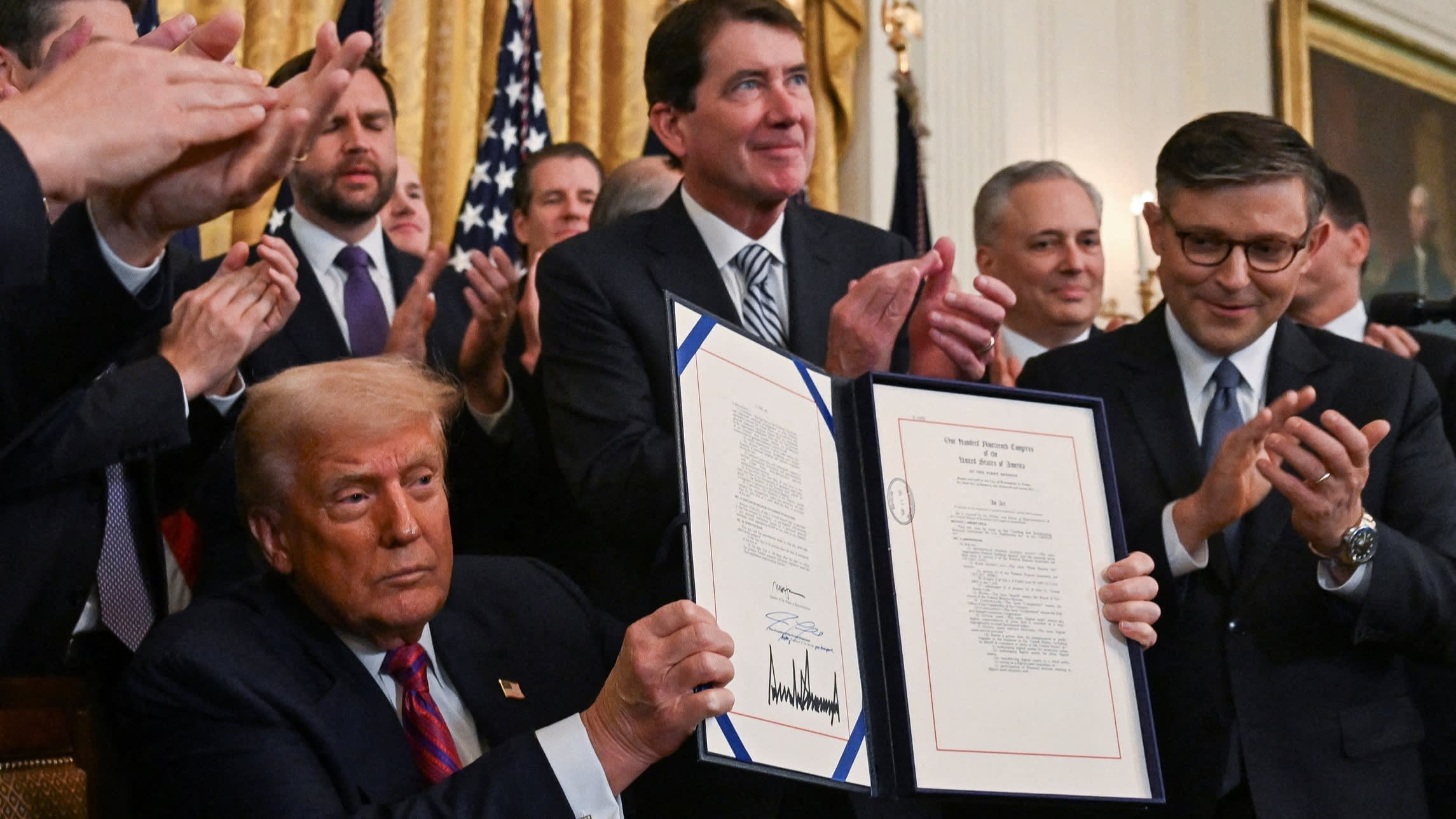
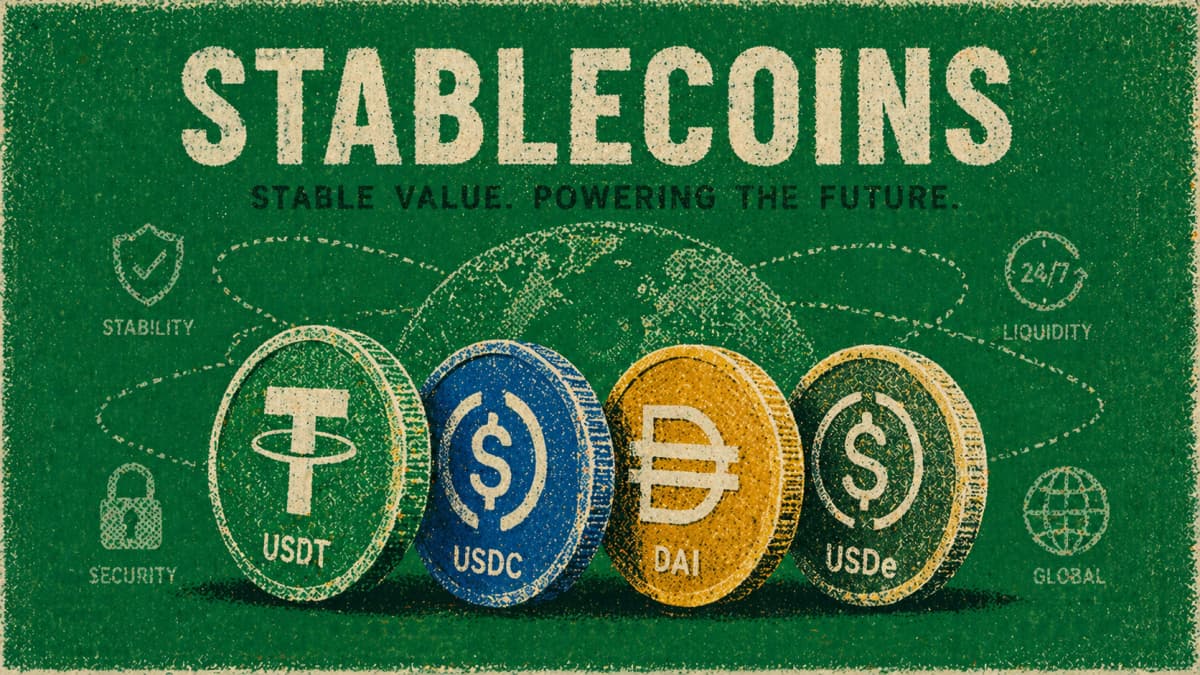
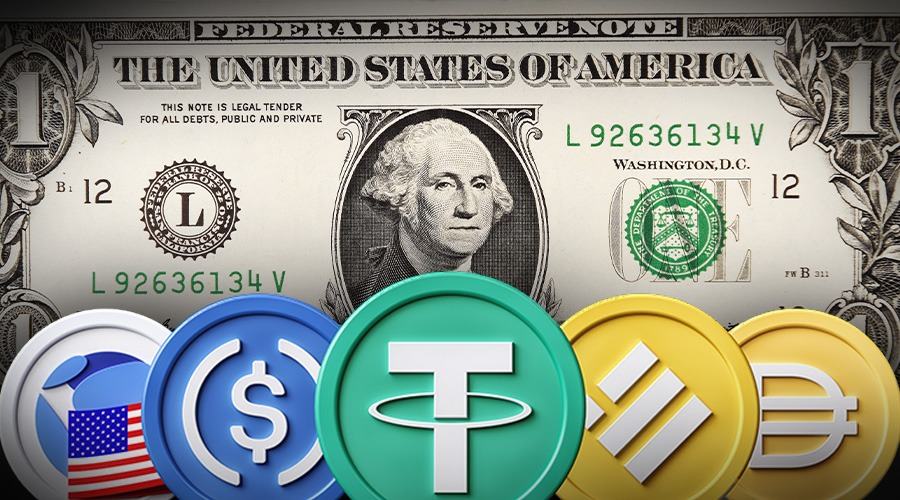
SEAN: We think it’s really important. The GENIUS Act went through, and that laid the groundwork for stablecoins. This is important because under the prior administration there was a negative tilt toward digital assets, and a lot of the industry moved to places like Singapore and Switzerland. What we’re seeing now from Congress and the Senate is an effort to create an operating framework so companies can operate legally in the U.S. We think that’s a strong positive. If the U.S. wants to remain the financial capital of the world, regulation needs to evolve with digital assets.
ROGER: Crypto has always seemed like it has a bit of an outlaw feel. Will people come into the fold if that goes through?
SEAN: I think so. Back in 2019, I proposed adding Bitcoin to pension funds in California when I was CIO at Santa Clara, and people thought it was crazy. But this asset has very low correlation to other assets and a strong return profile. It actually makes sense for endowments, foundations and pension funds to have a small allocation. We’ve seen broader adoption. It used to be a handful of groups like Fairfax, Houston firefighters and Santa Clara, but now it’s a much more common topic among pensions and endowments, which are often ahead of the curve.
ROGER: I’m seeing a story about Satsuma, the Bitcoin accumulator, and shareholders pushing for it to sell its holdings and wind down. Is that a concern, or more of a one-off?
SEAN: I think that’s potentially a one-off. But stepping back, in technology-driven markets with near-zero marginal costs, you tend to see consolidation around large players. That’s our view here. We think there will be a few large winners in the Bitcoin space, and we believe our company will be one of them.
ROGER: What’s the difference? What gives you confidence compared to something like Satsuma?
SEAN: We’re very different. We have deep domain expertise — both in Bitcoin technology and in active treasury management. We raised about $5.1 billion in two days, and we’re also our own largest investor, seeding the company with 25,000 Bitcoin. What we’re trying to do is actively manage Bitcoin as an asset, similar to how Berkshire Hathaway uses stocks and bonds to grow its business.
ROGER: We’ll have to leave it there. Sean, thanks very much for joining us.
SEAN: Thank you for having me.
ROGER: Sean Bill, co-founder and CIO of BSTR.
—
This BNN Bloomberg summary and transcript of the April 23, 2026 interview with Sean Bill are published with the assistance of AI. Original research, interview questions and added context was created by BNN Bloomberg journalists. An editor also reviewed this material before it was published to ensure its accuracy and adherence with BNN Bloomberg editorial policies and standards.