- April 21, 2026
- Olivia
- 0
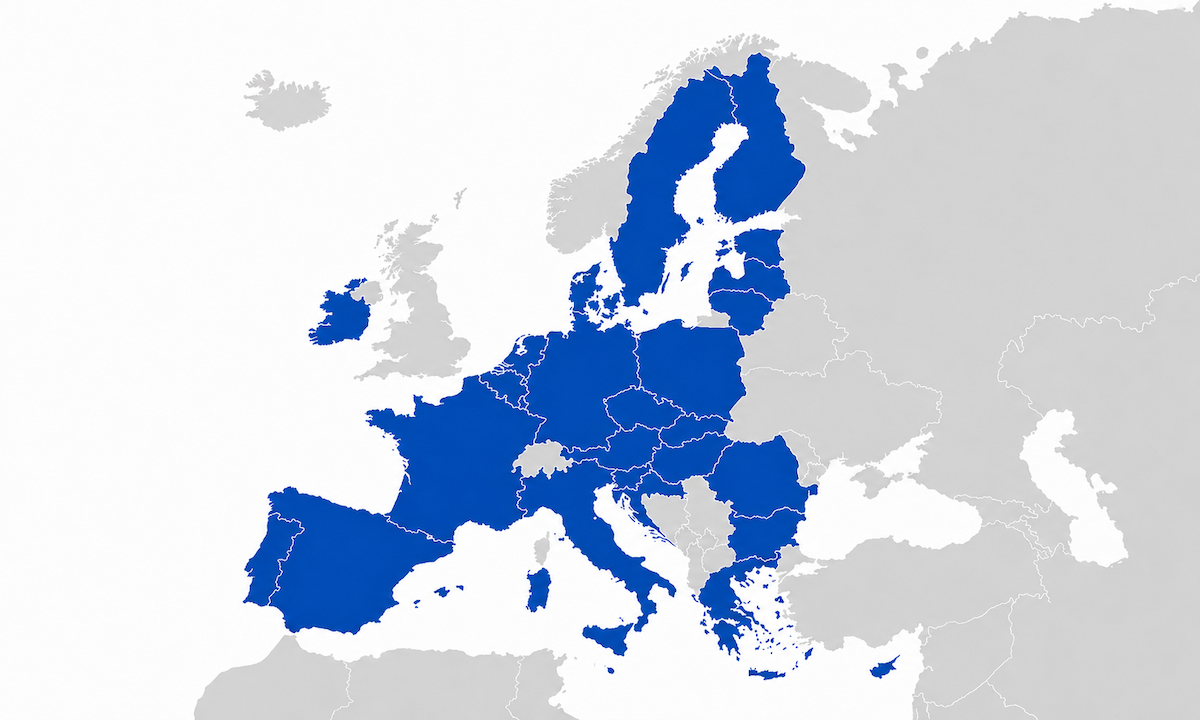
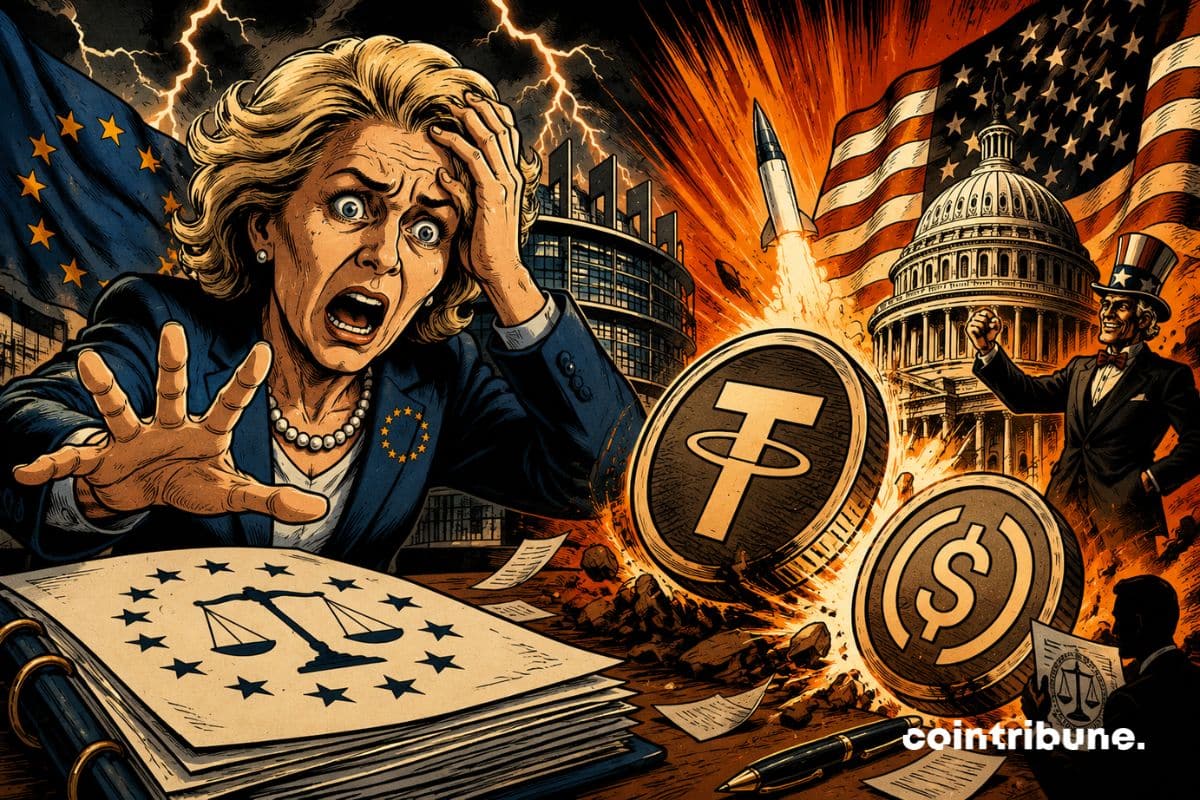
Europe’s Markets in Crypto-Assets regulation (MiCA) was never designed to be subtle. Born as a sweeping attempt to impose order on a fast-moving, often opaque crypto sector, it put stablecoins squarely at the center of its ambitions.
Now the clock is running out. In a Friday (April 17) statement, the European Securities and Markets Authority (ESMA), reaffirmed that the MiCA grace period is closing fast. The transitional window for the bloc-wide policy framework expires officially on July 1. The training wheels are off.
This will be the moment MiCA stops being theory and becomes market structure. As MiCA enters a stricter implementation phase, bringing caps on usage, tighter transaction rules, and new licensing demands, the question hanging over the industry is whether enforcement will crowd out stablecoins, or pull them closer to traditional finance.
The language is unambiguous. Once July 1 passes, any firm offering crypto-asset services in the EU without formal authorization must cease operations across member states. Firms that fall short are expected to execute orderly wind-downs, transferring client assets or leaving the market entirely.
The implications extend beyond Europe’s borders. The ESMA statement underscores that non-EU firms, outside of narrow reverse solicitation scenarios, are effectively barred from serving European clients. Even outsourcing is constrained, blocking firms from routing key services through less regulated jurisdictions to sidestep the rules.
For authorized players, the dynamic cuts the other way. They are being actively encouraged to onboard displaced clients, accelerating consolidation across the sector. Access to Europe’s digital asset market is no longer about reach. It’s about regulatory alignment.
Advertisement: Scroll to Continue
See also: While US Debates Stablecoin Yield, Europe and Asia Set Clearer Rules
The End of the Grace Period
If MiCA’s earlier phases established intent, its next milestone will enforce reality.
For stablecoins, the upcoming MiCA moment may be a particularly consequential one. Issuers and service providers that lack the scale, capital or operational maturity to meet MiCA’s requirements will be forced to exit, leaving a smaller but more institutionally robust field. MiCA’s enforcement phase collapses that ambiguity into a binary system: authorized or excluded. Those that remain will not simply be compliant; they will be embedded within a regulatory architecture that increasingly resembles traditional finance.
Among the most debated of MiCA’s provisions are caps on daily transaction volumes and tighter oversight of large-scale usage. These measures are designed to prevent stablecoins from becoming shadow payment systems that could undermine monetary sovereignty or financial stability.
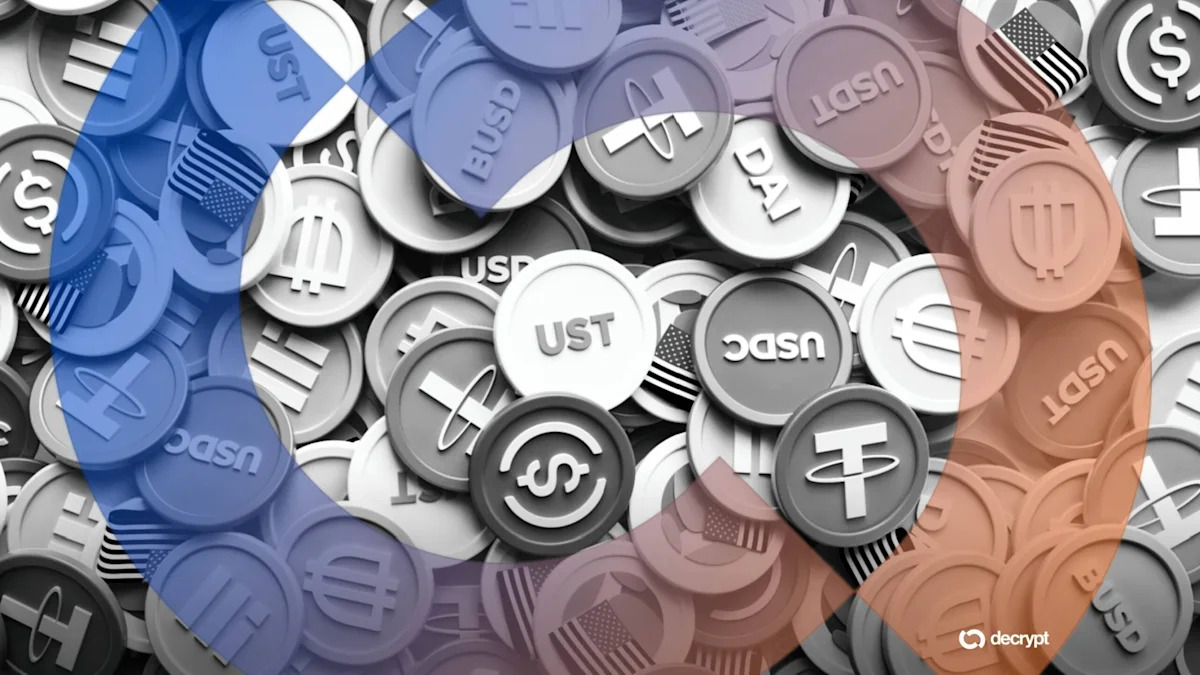
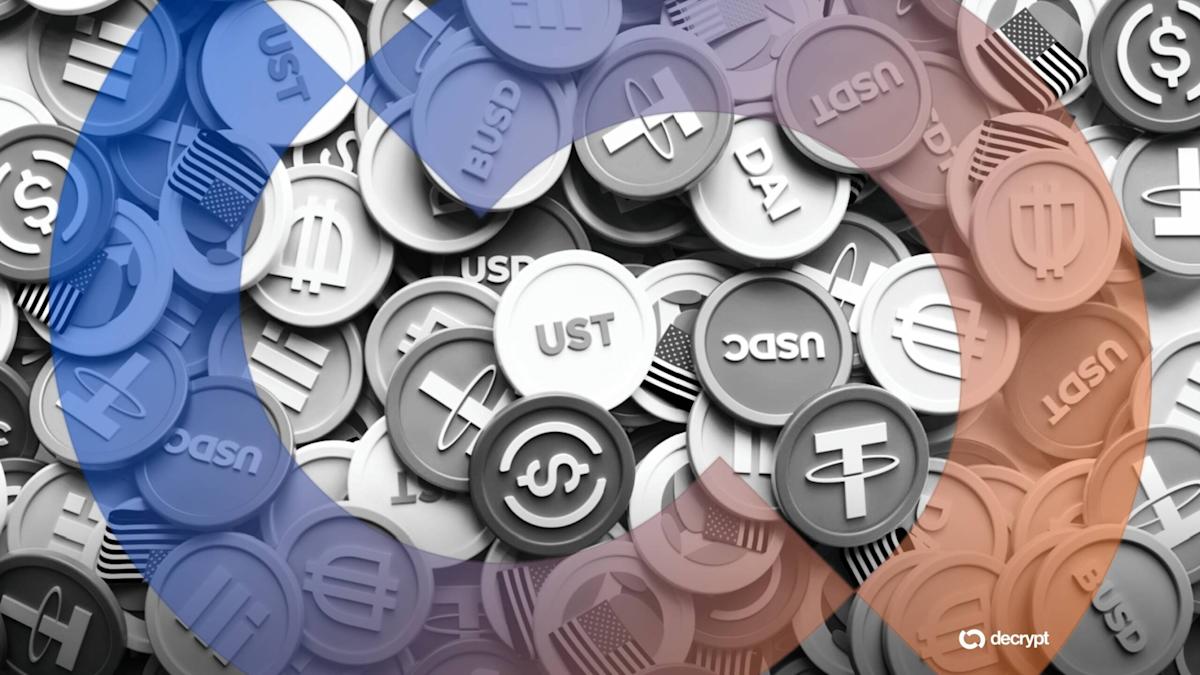
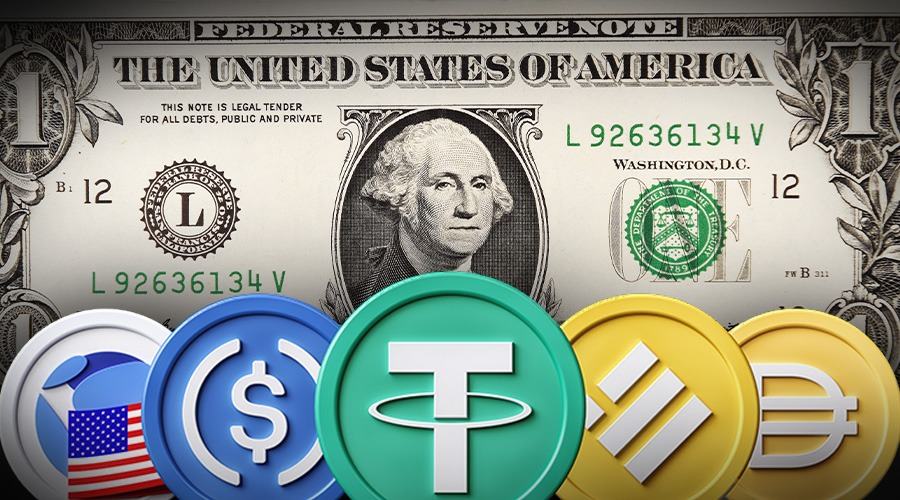
After all, despite Europe’s regulatory head start, the global dominance of dollar-backed stablecoins remains largely intact. Liquidity, not legislation, continues to determine market behavior, and dollar-denominated tokens benefit from deep integration into trading infrastructure, from centralized exchanges to decentralized finance protocols. They are the default settlement layer for crypto markets worldwide, and Europe has not been immune to that gravitational pull.
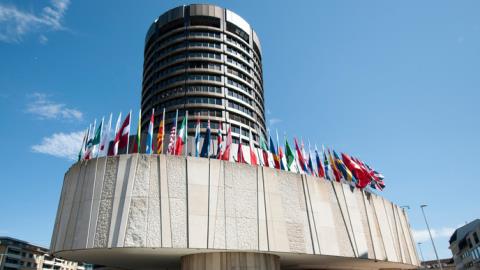
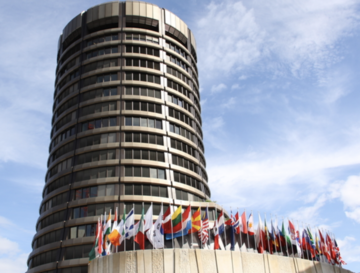
More than 90% of stablecoin activity across Europe is still linked to the U.S. dollar. The head of the Bank for International Settlements (BIS) warned of potential threats from the increasing use of U.S. stablecoins for international payments in a speech in Japan Monday (April 20).
Designed to boost trust, reinforce financial stability, and, not incidentally, elevate the euro’s role in digital finance, MiCA is now entering a more muscular phase of implementation.
See also: Crypto Embraces Regulator-in-the-Loop Strategy as Federal Rules Roll Out
The Institutionalization of Stablecoins
At the heart of MiCA lies a persistent tension between usability and oversight. Each layer of regulation introduces friction — transaction monitoring, reporting requirements, and compliance checks that can slow processes once valued for their efficiency. For users accustomed to the near-instantaneous nature of crypto transactions, this shift can feel like a step backward.
Yet these same measures address longstanding concerns around fraud, market integrity and systemic risk. The challenge is not whether to regulate, but how to calibrate that regulation so it enhances trust without undermining utility.
If MiCA imposes constraints, it also confers legitimacy. By establishing a clear legal framework, it helps lower the barrier for traditional financial institutions to engage with stablecoins. The PYMNTS Intelligence and Citi report “Chain Reaction: Regulatory Clarity as the Catalyst for Blockchain Adoption” found that blockchain’s next leap will be shaped by regulation.
And in Europe, at least, banks, payment providers, and large FinTech firms that were long deterred from crypto by its regulatory ambiguity are now exploring issuance, custody, and integration strategies.
Findings in “Waiting for Certainty: Why Most CFOs Are Holding Back on Crypto and Stablecoins,” the latest installment of the PYMNTS Intelligence exclusive series, The 2026 Certainty Project, reveal that the majority of CFOs surveyed would prefer to engage with banks, not crypto-native wallets or FinTech intermediaries, when launching a stablecoin strategy.