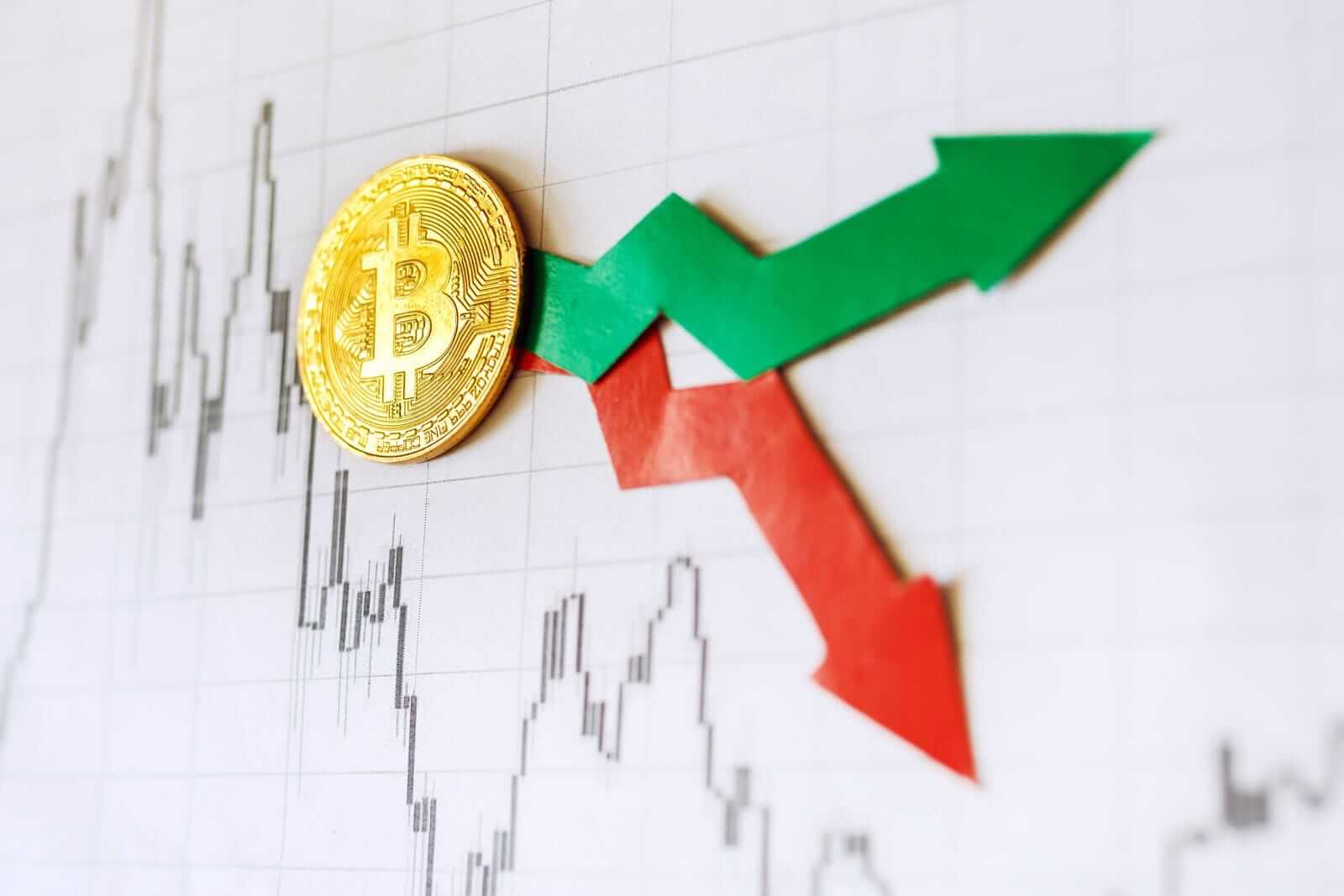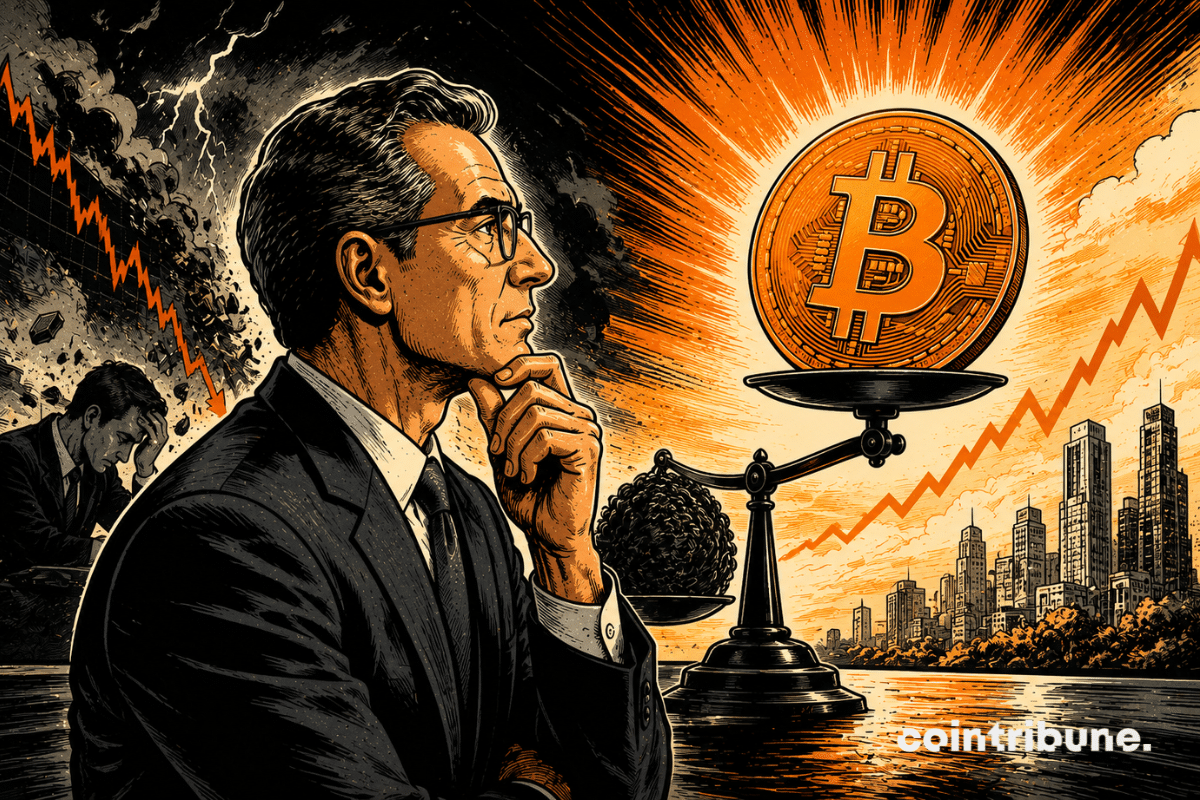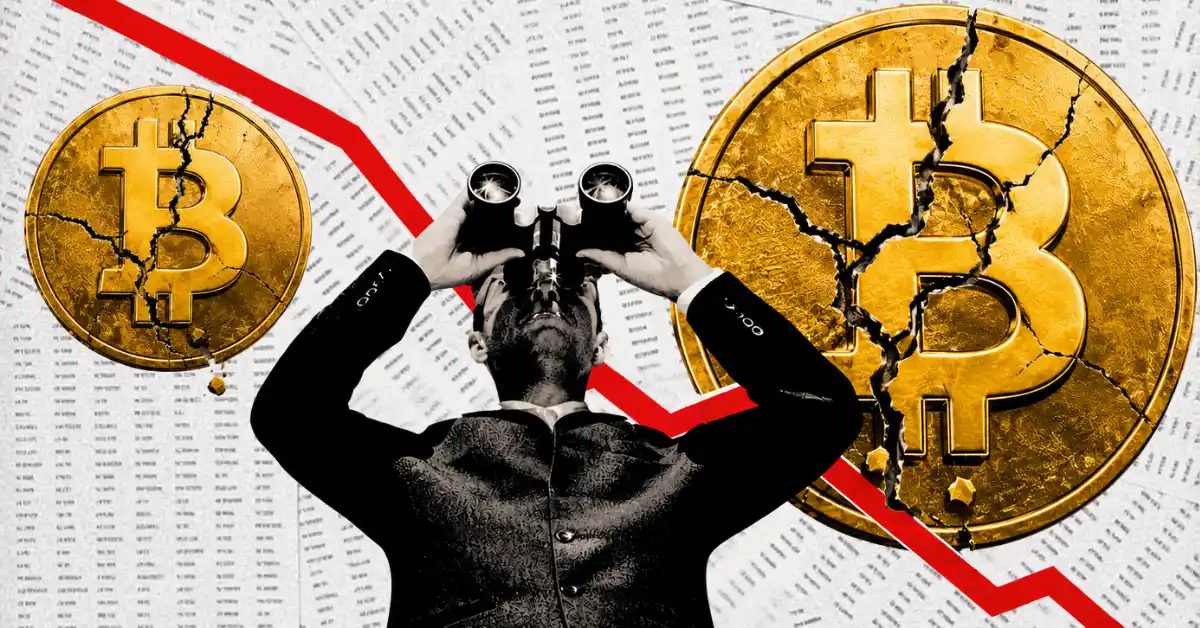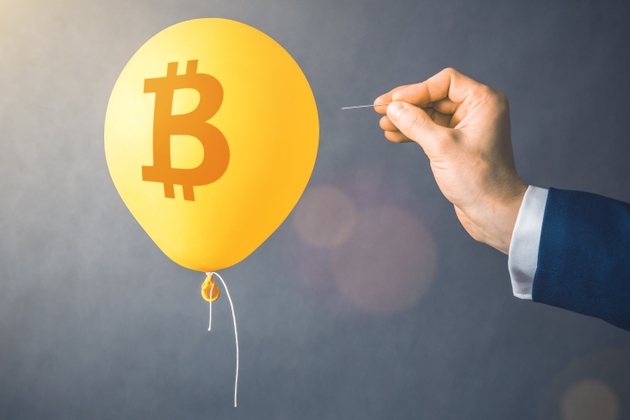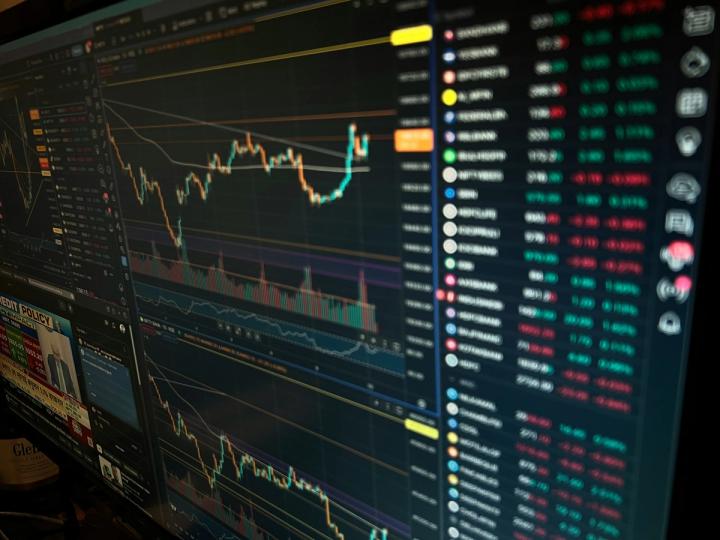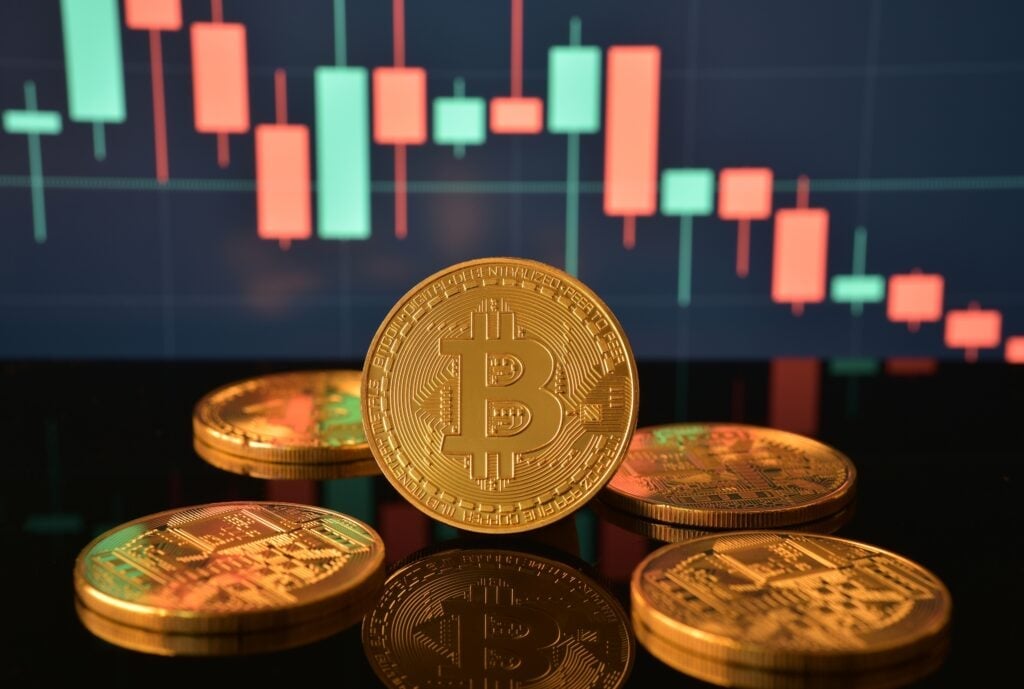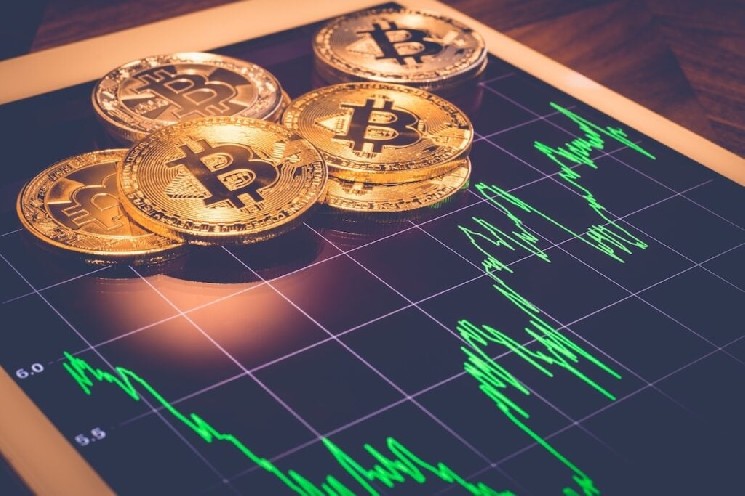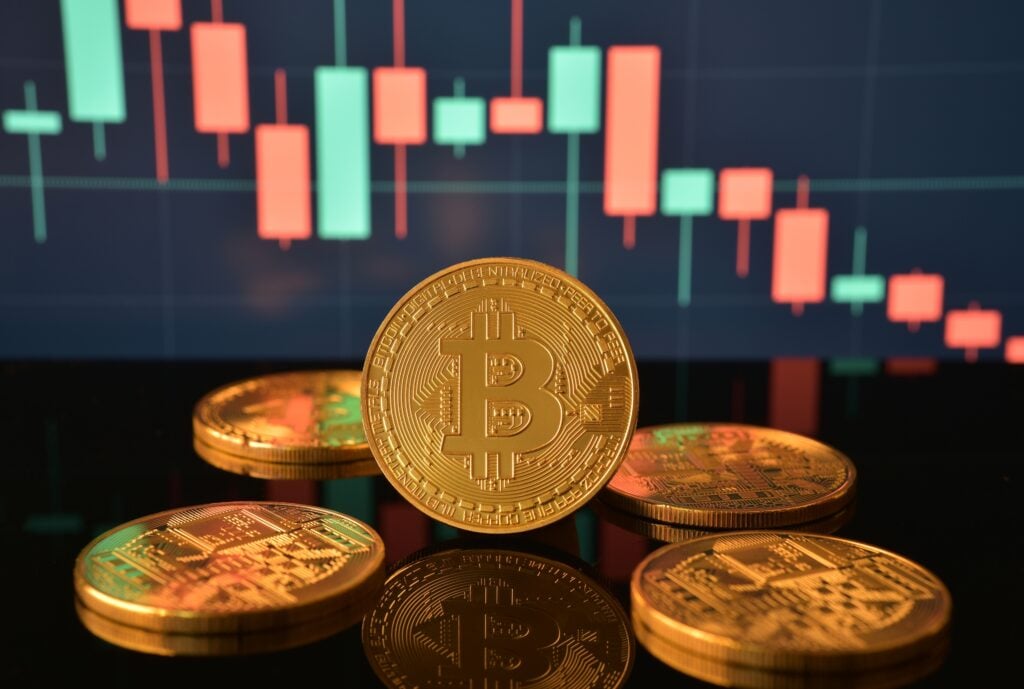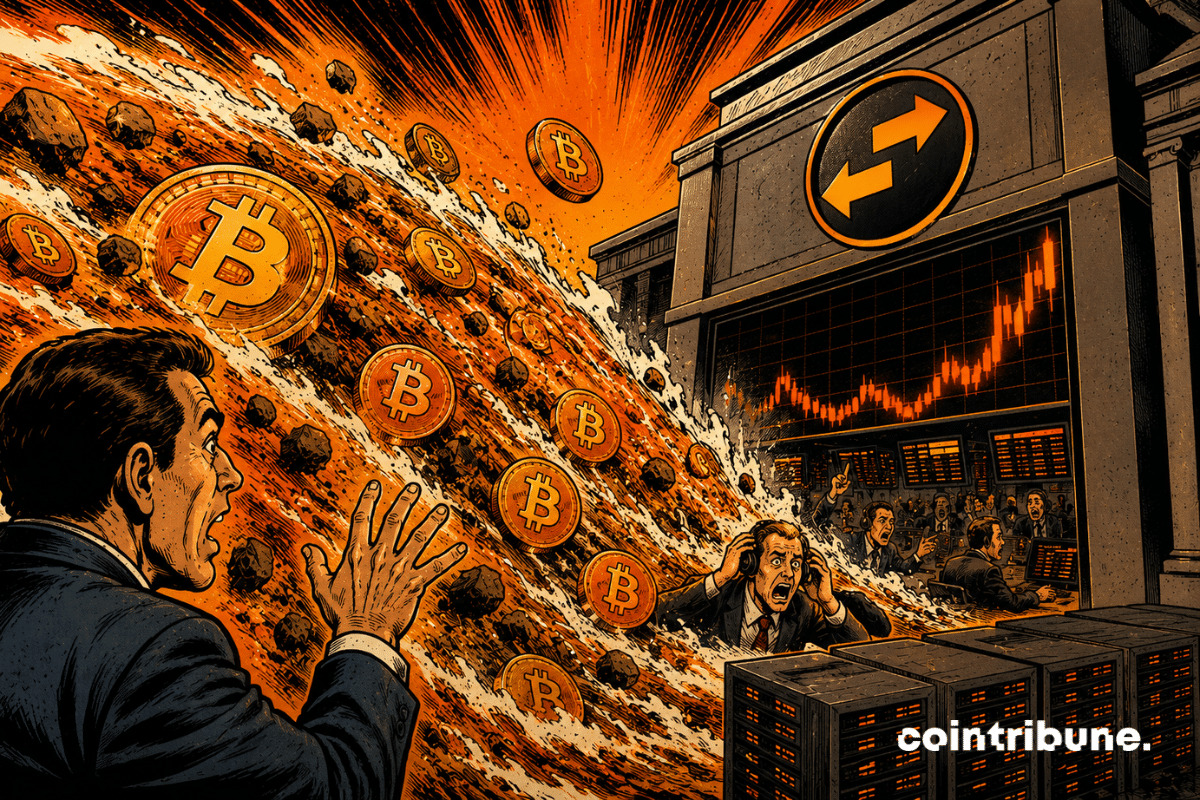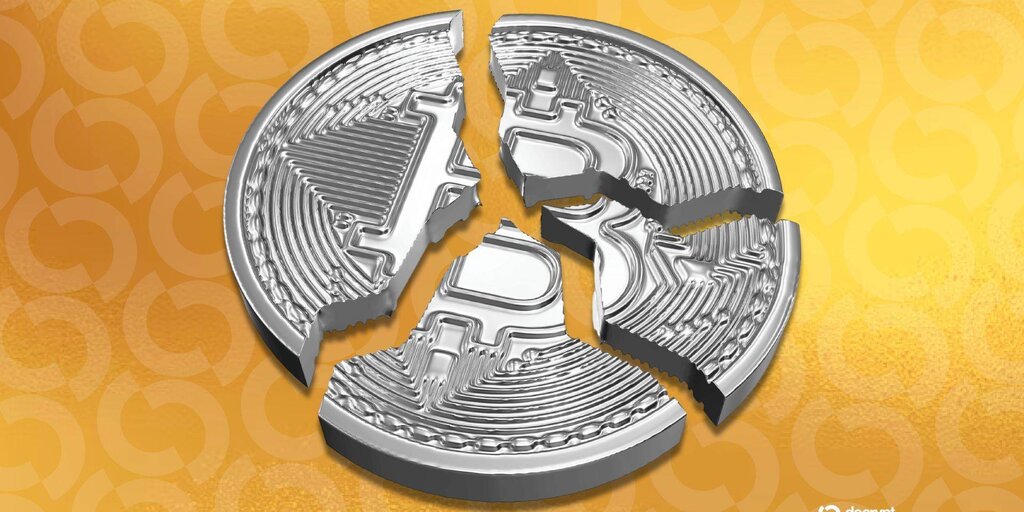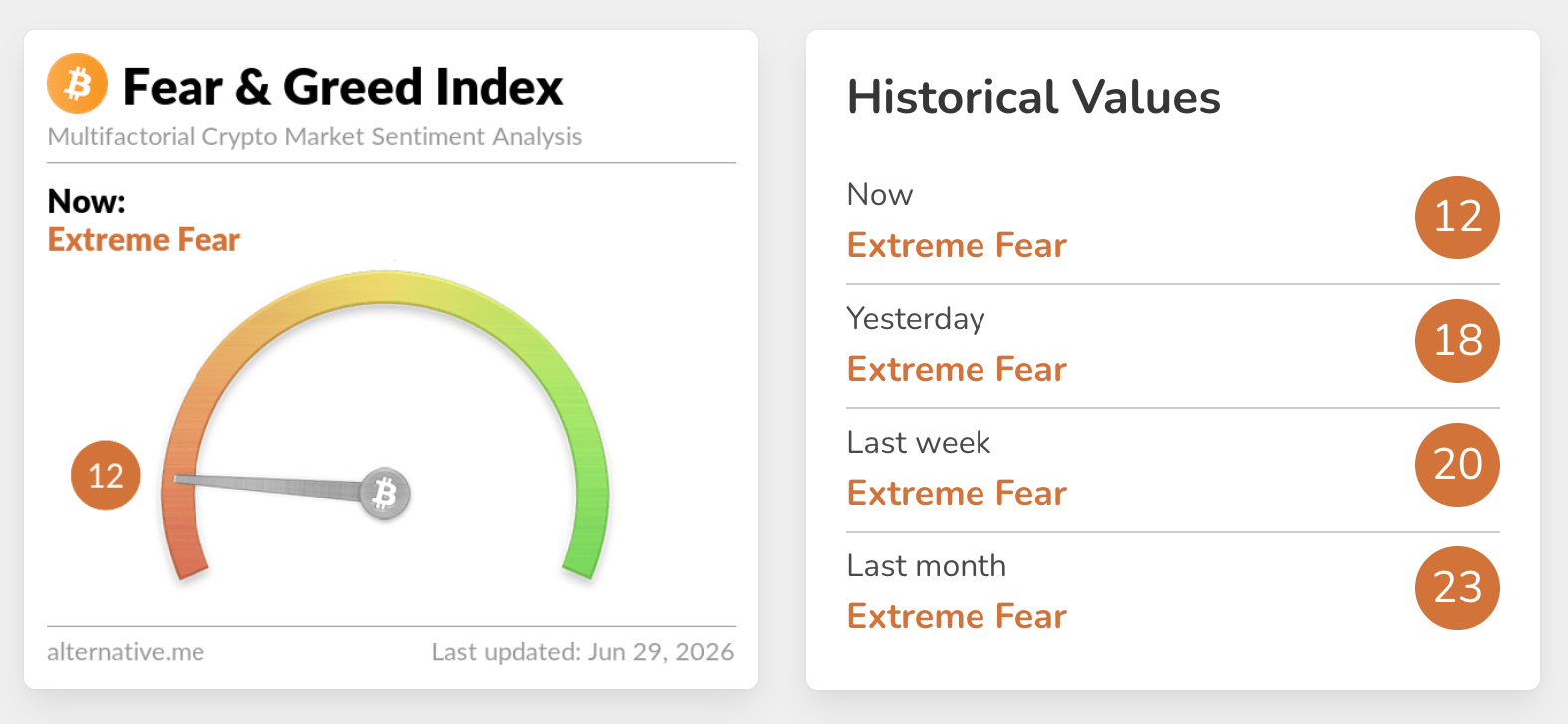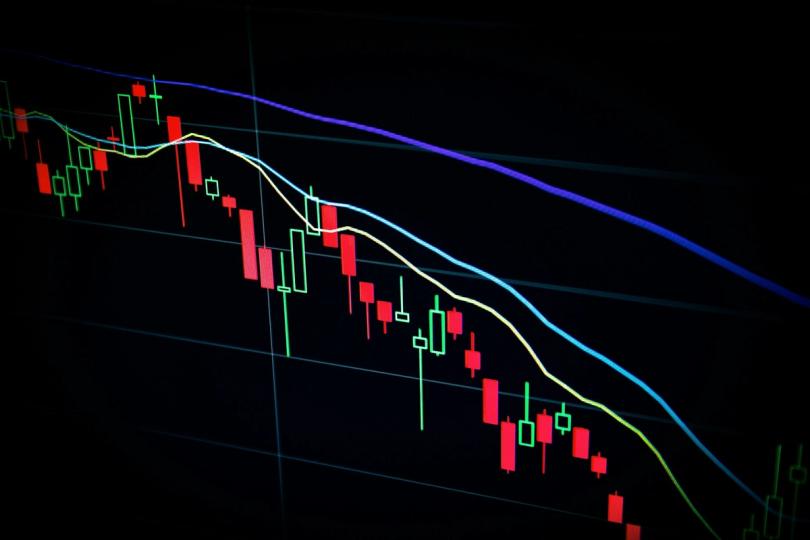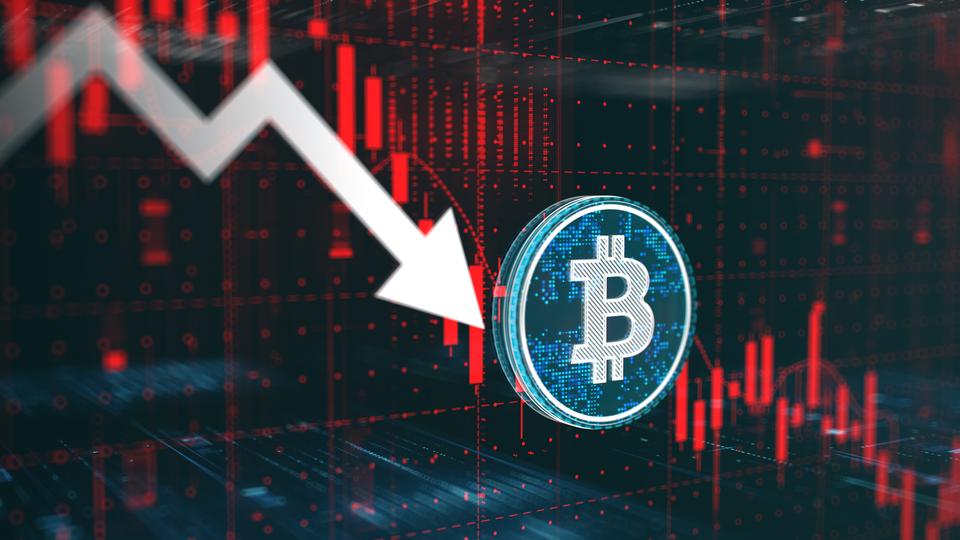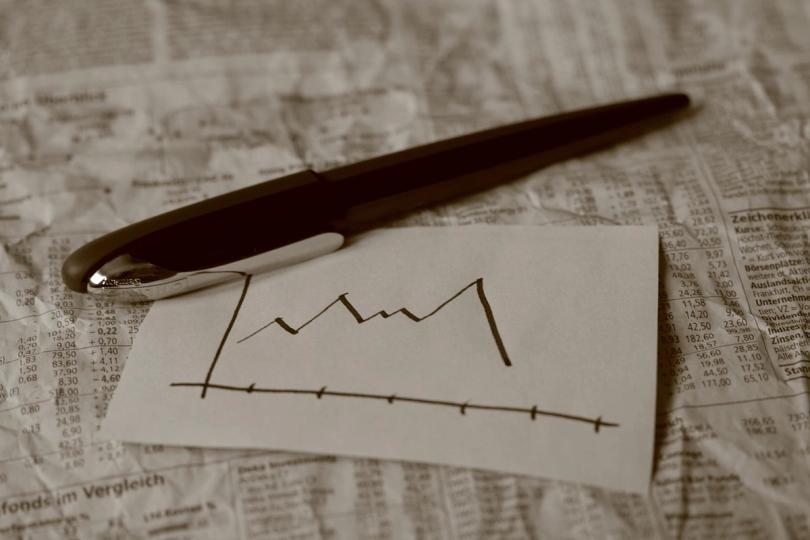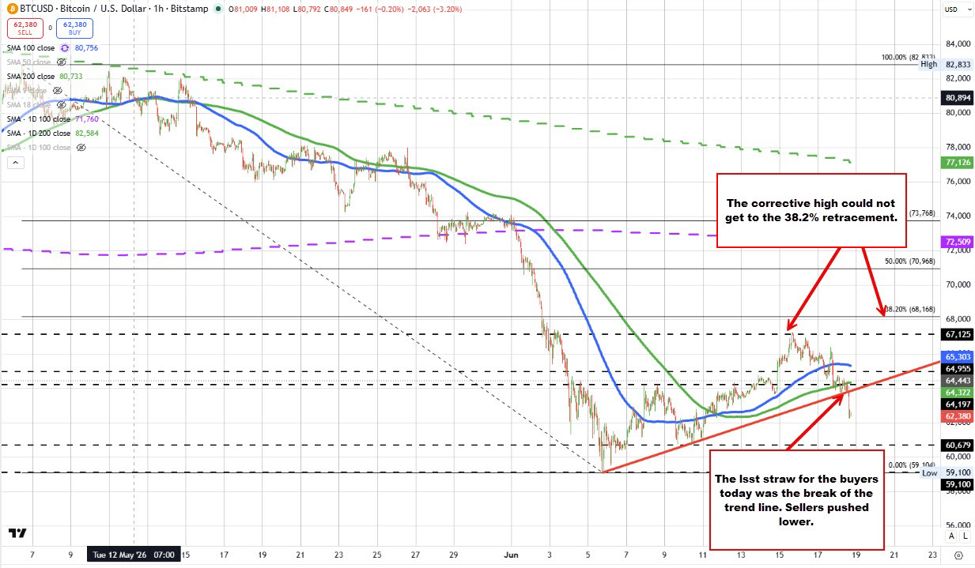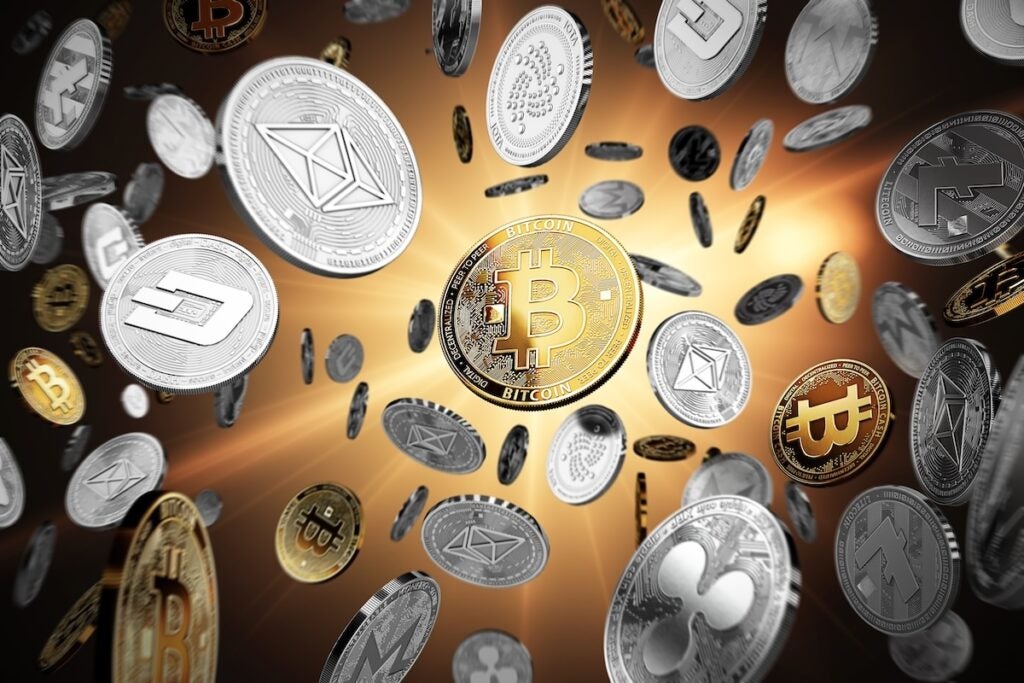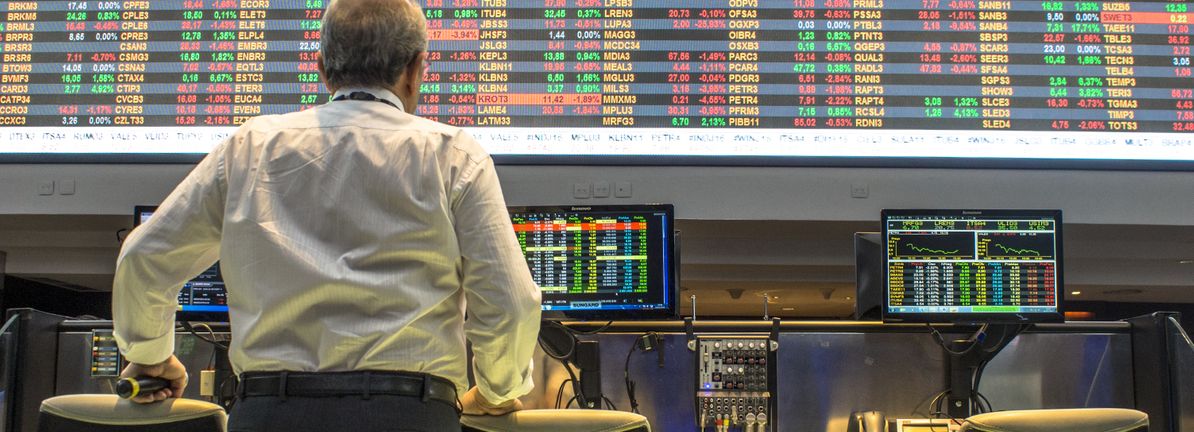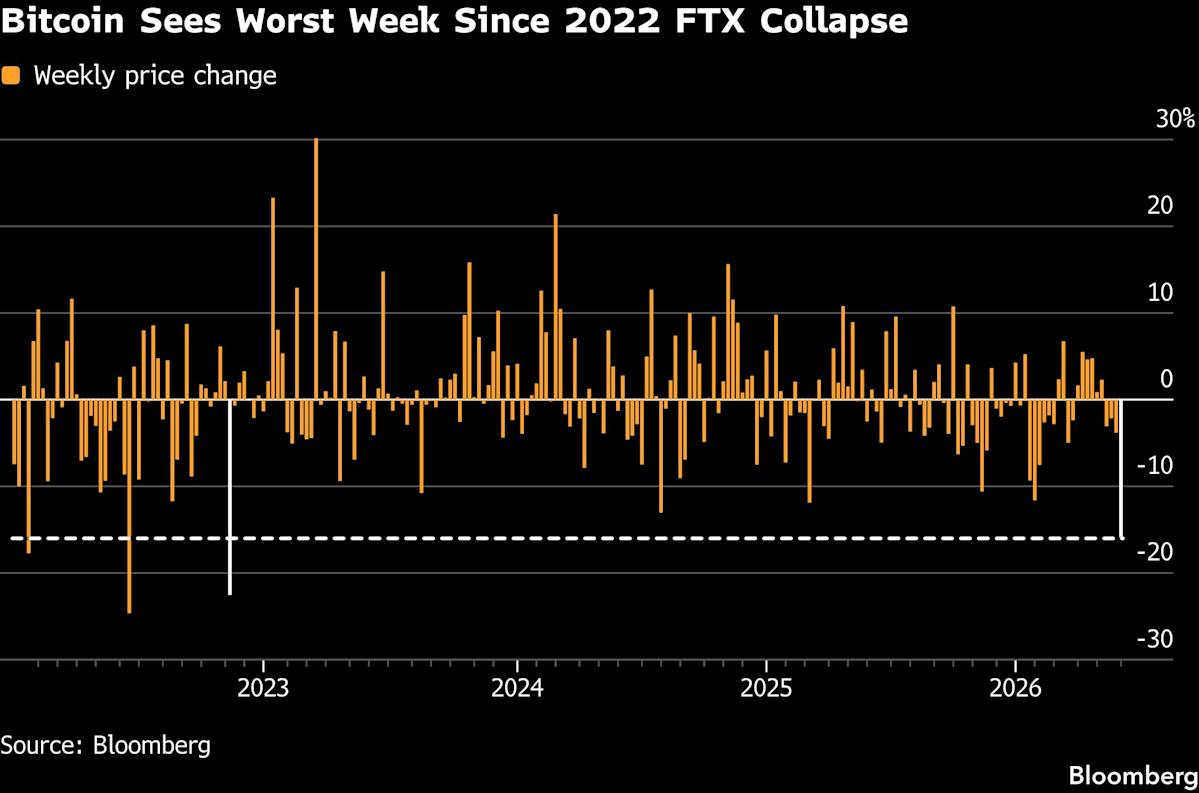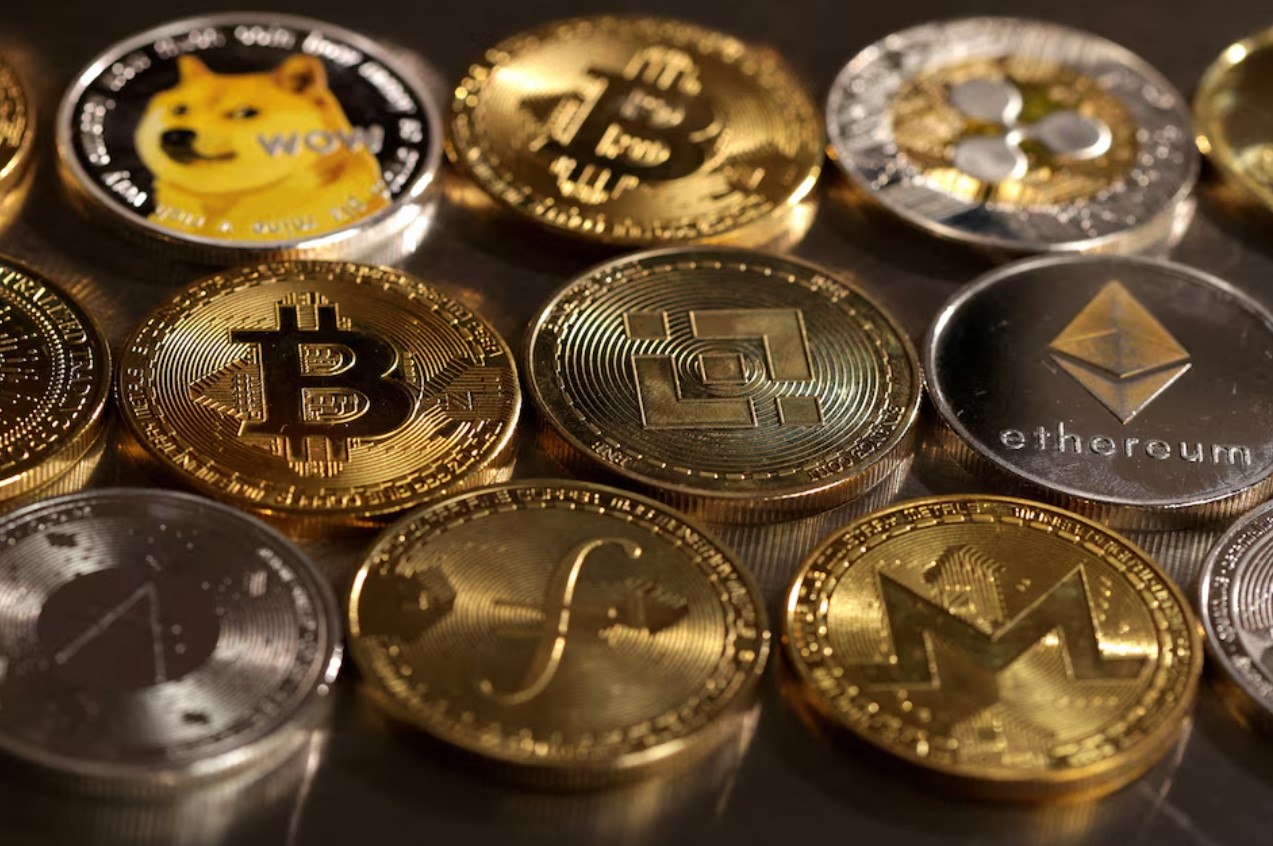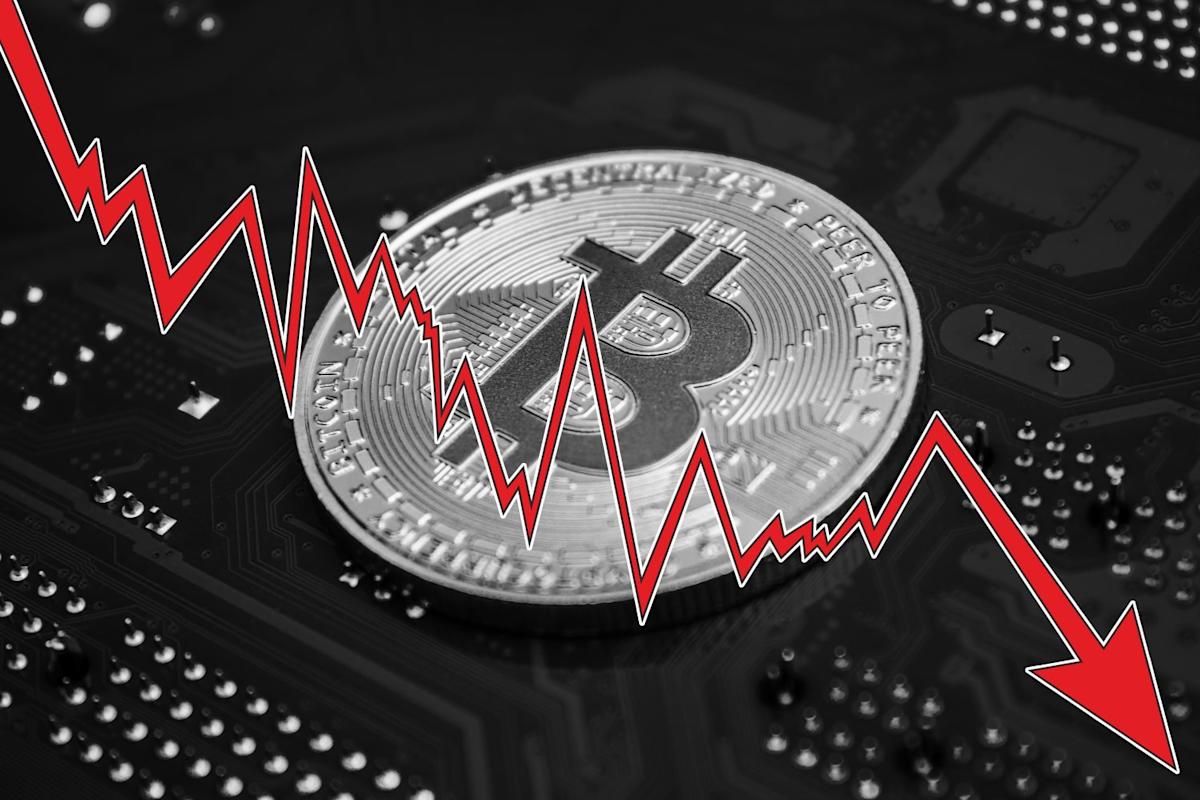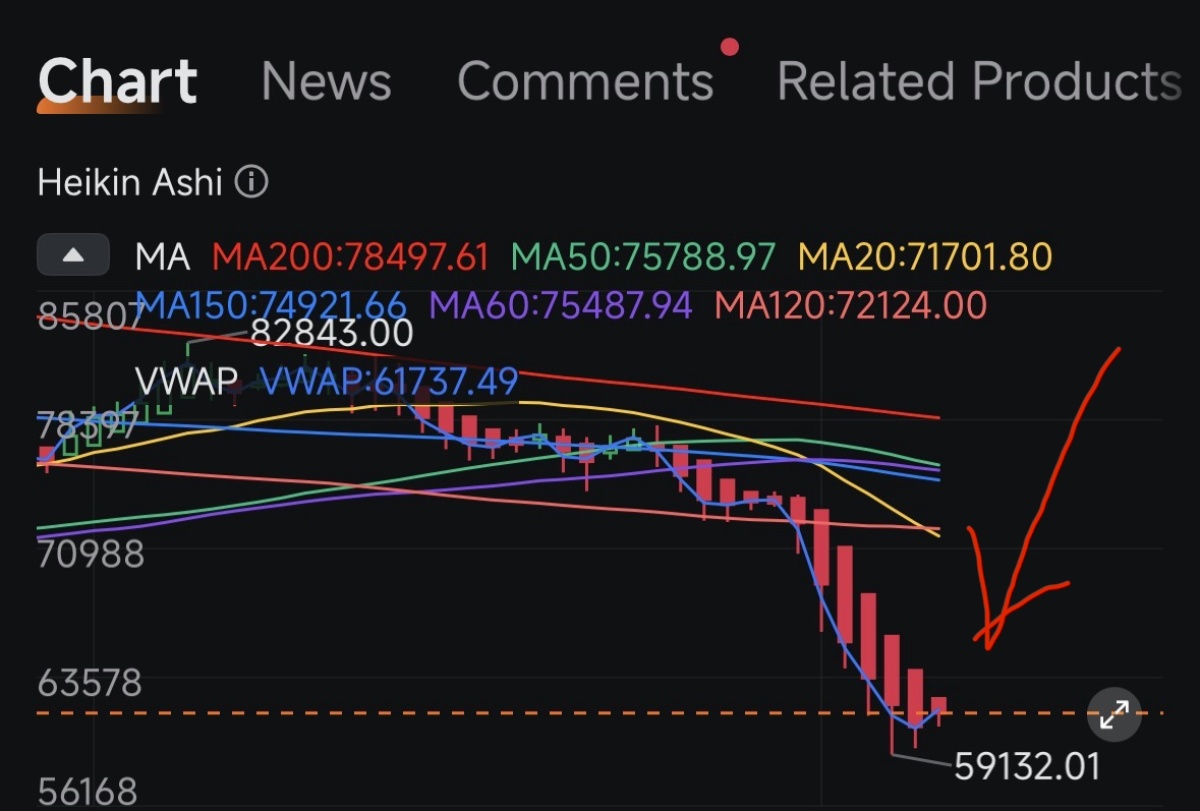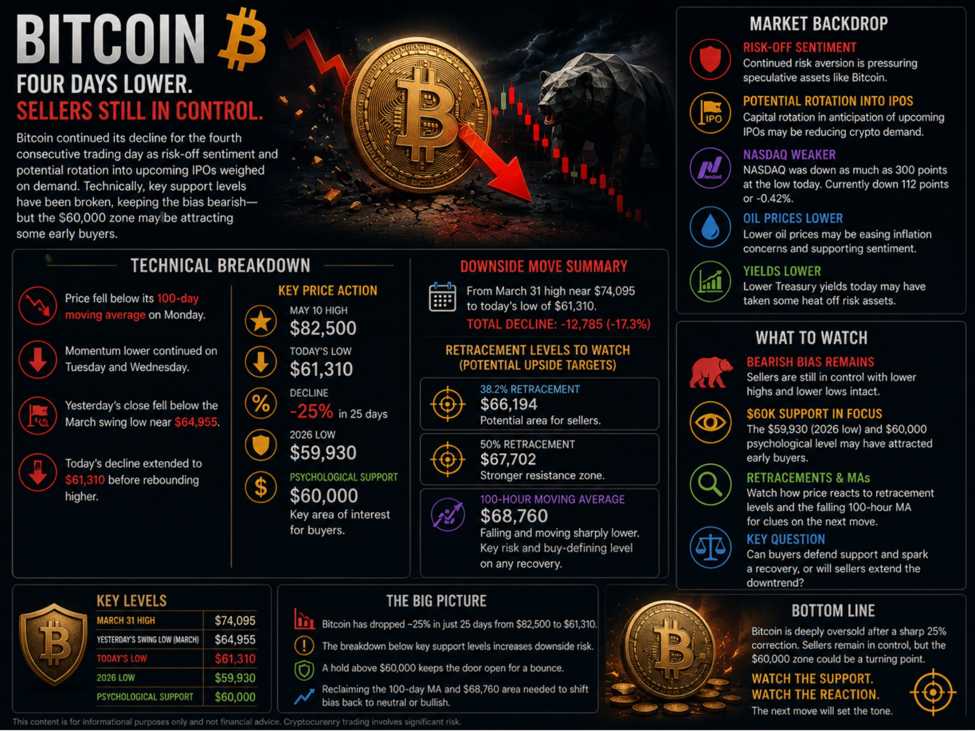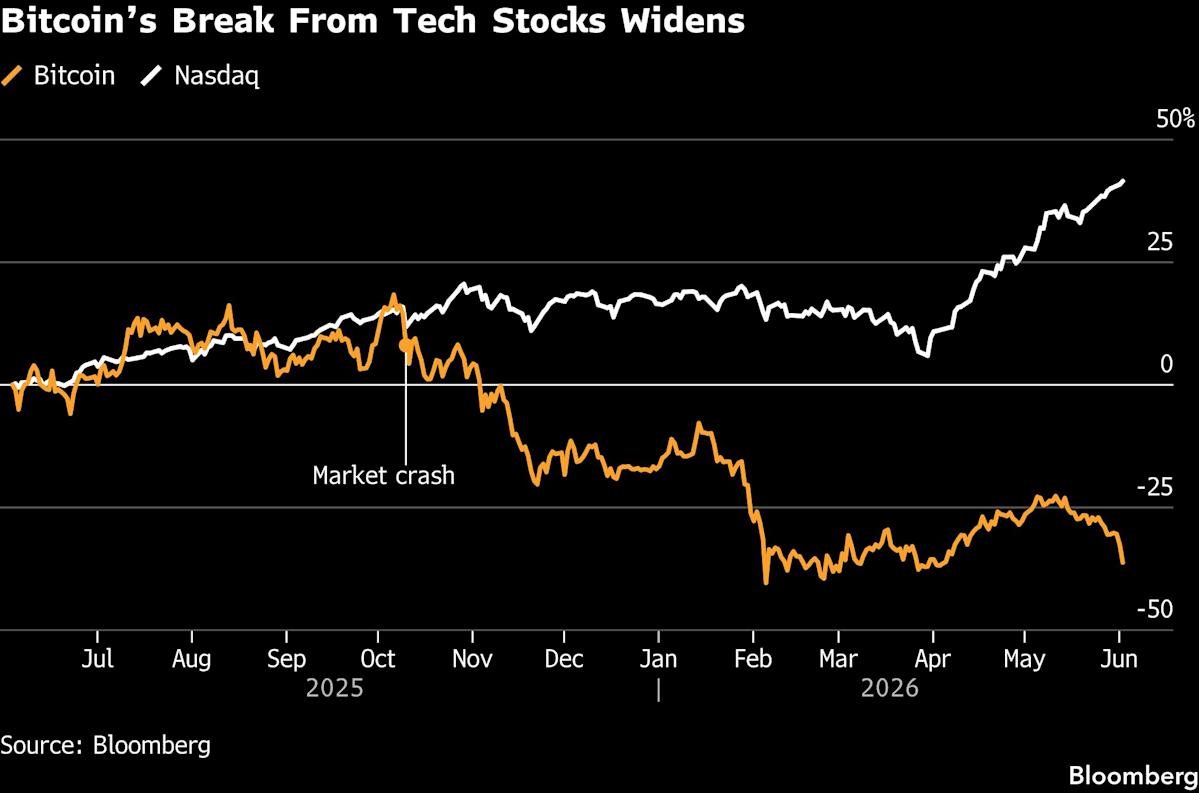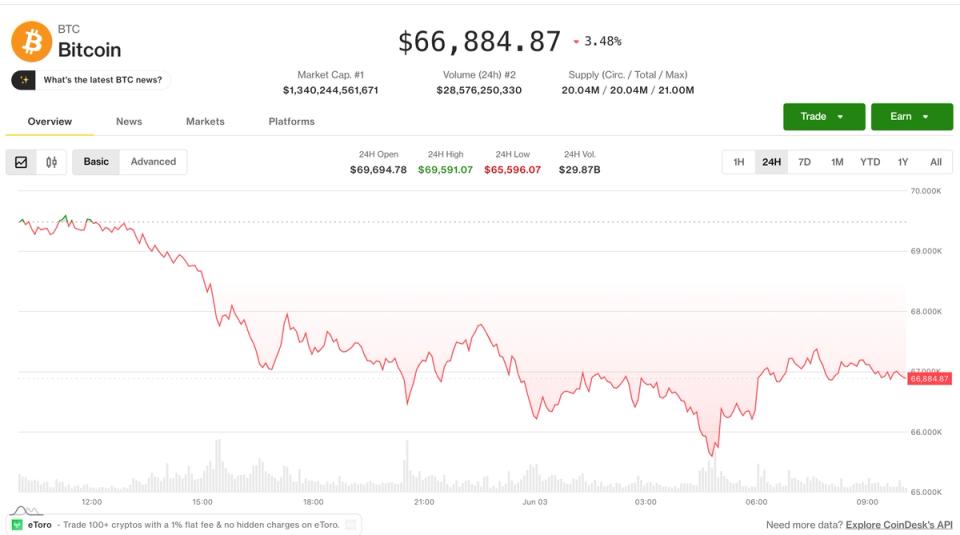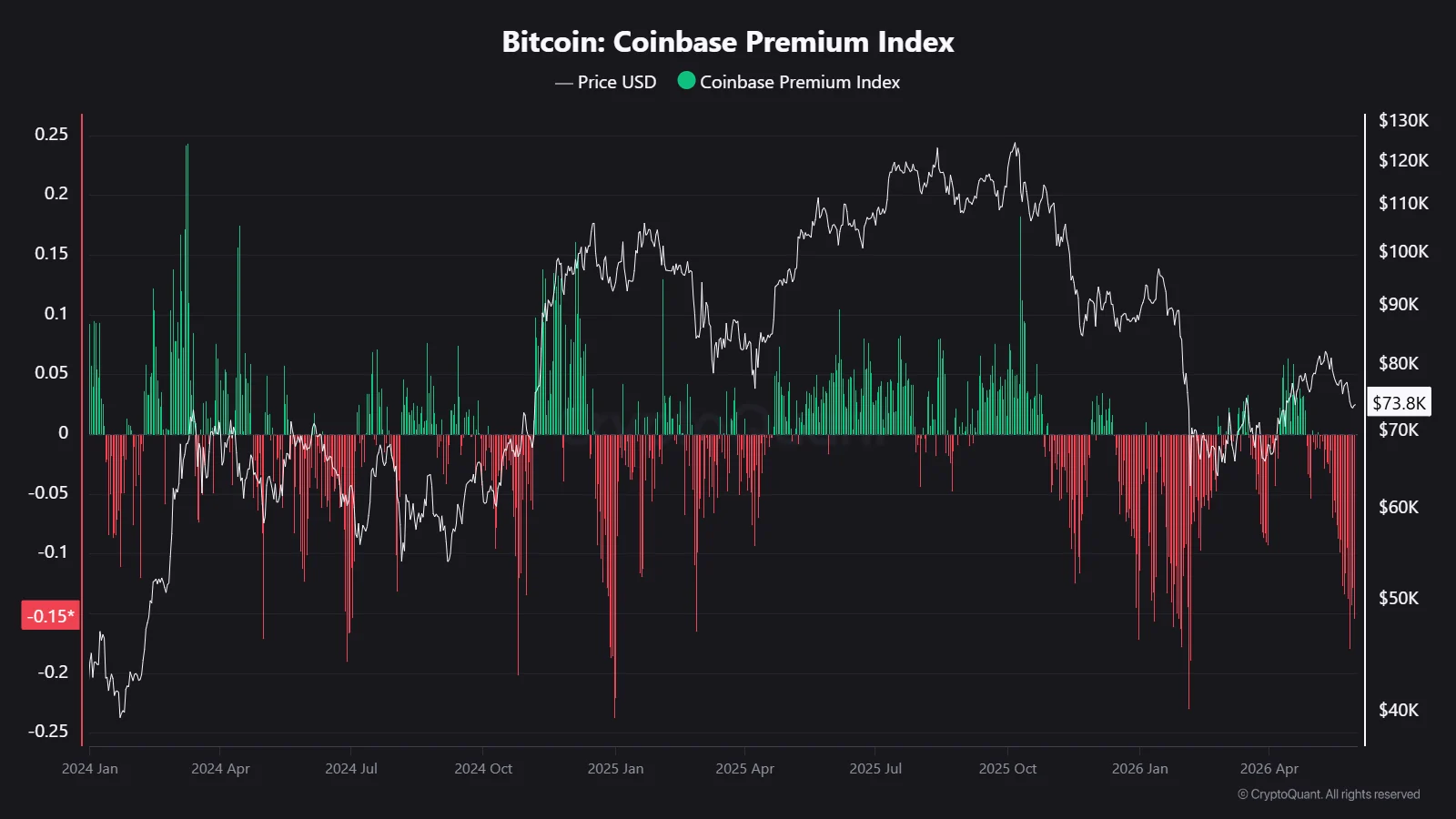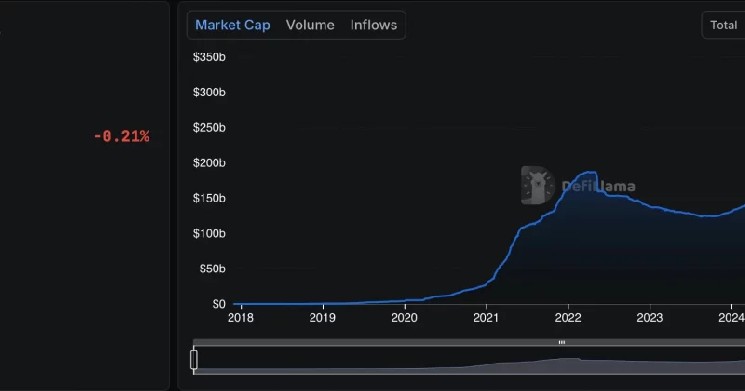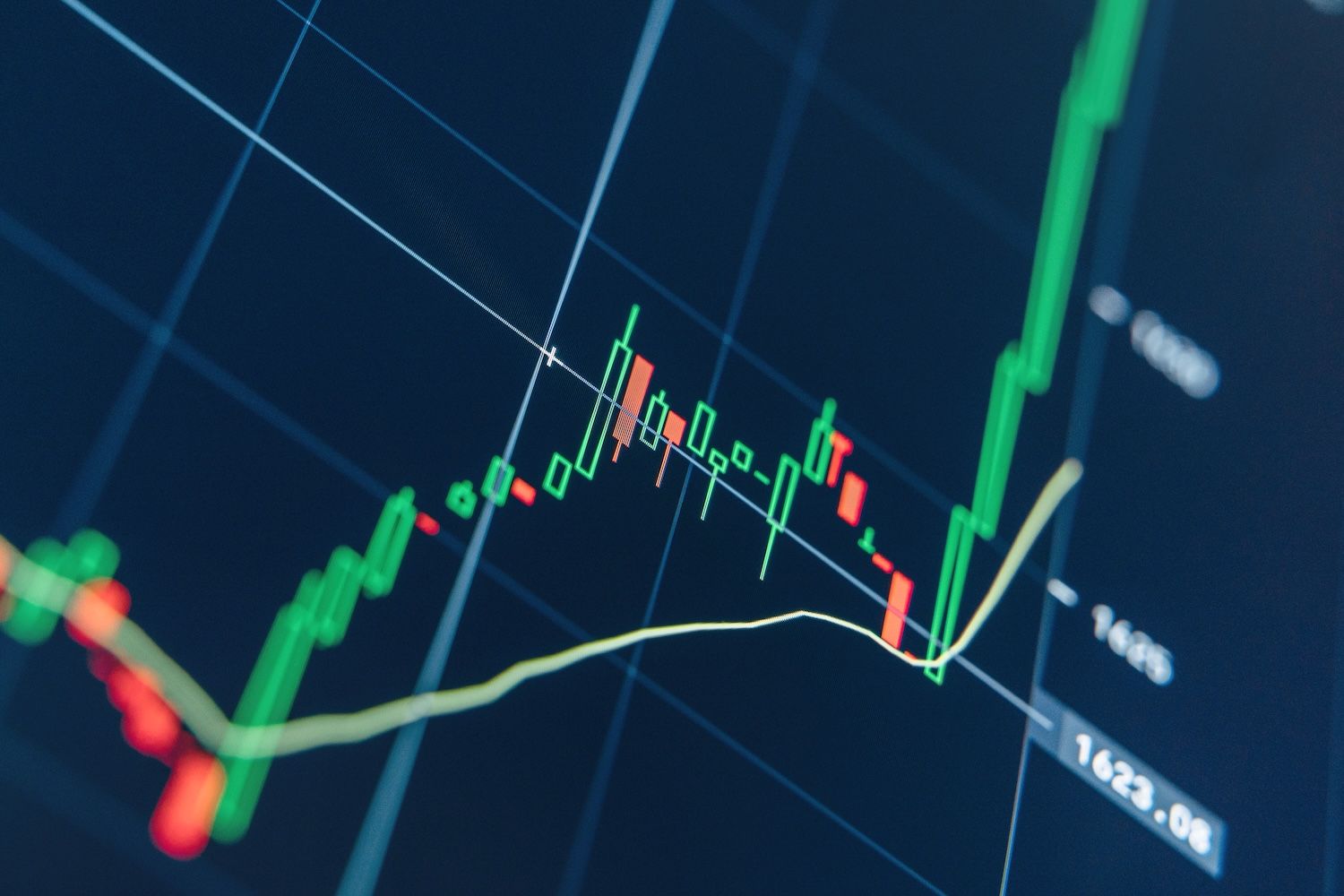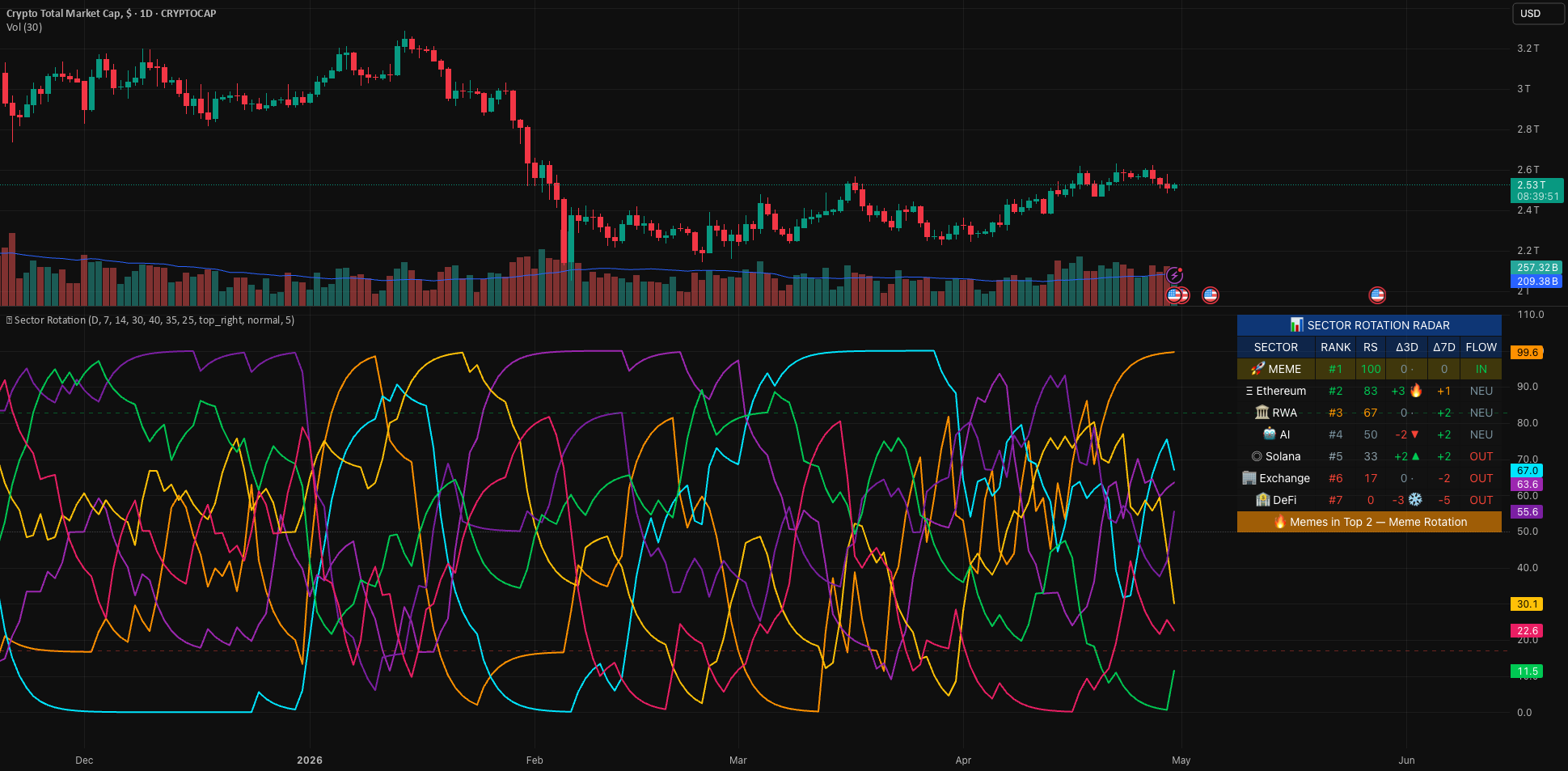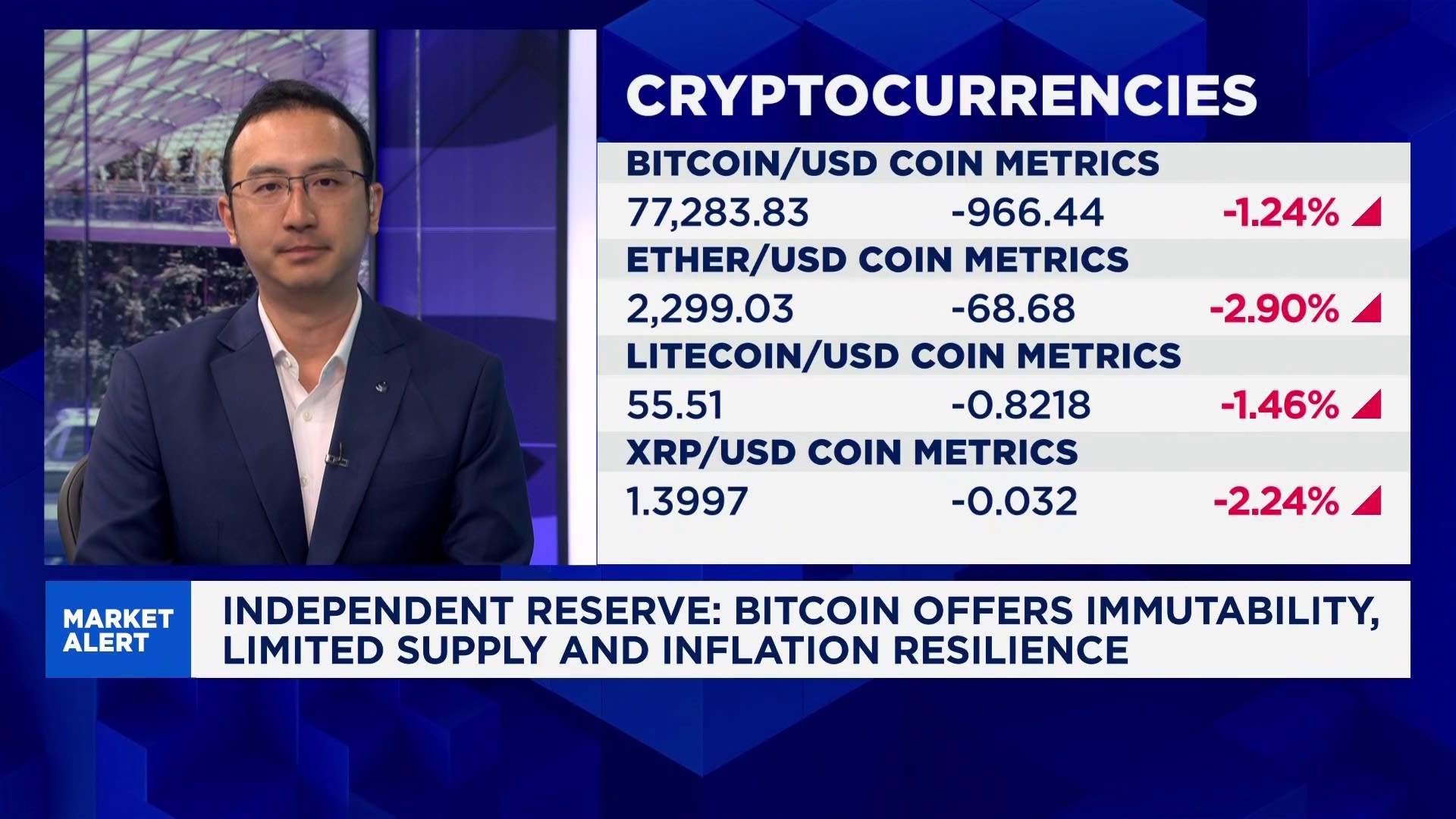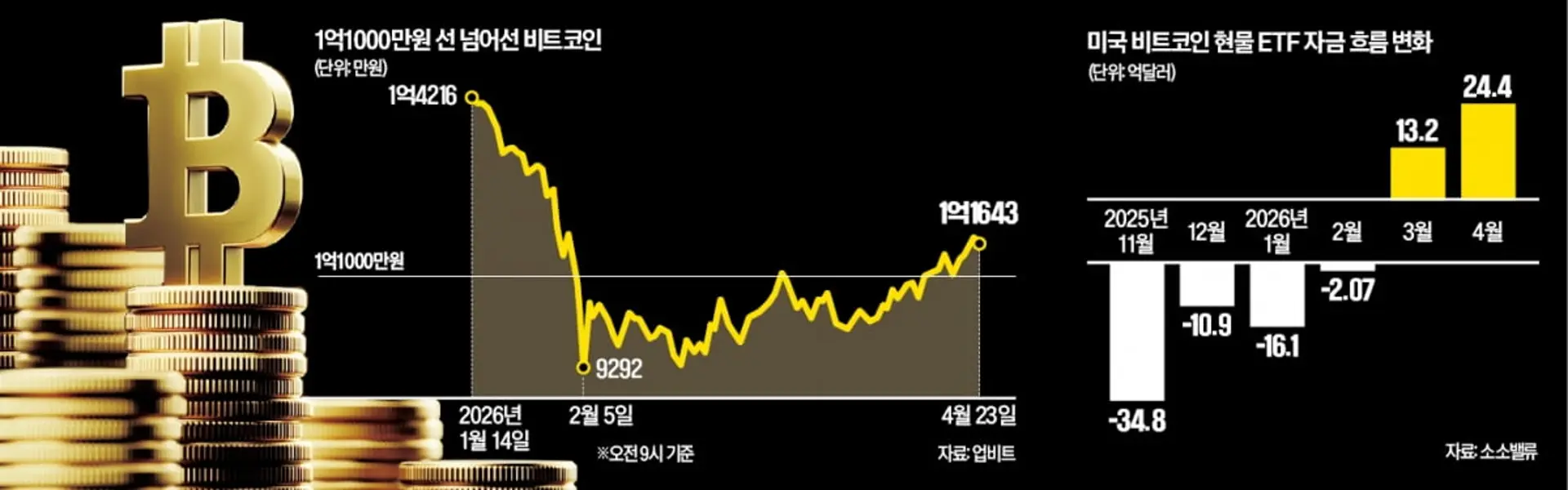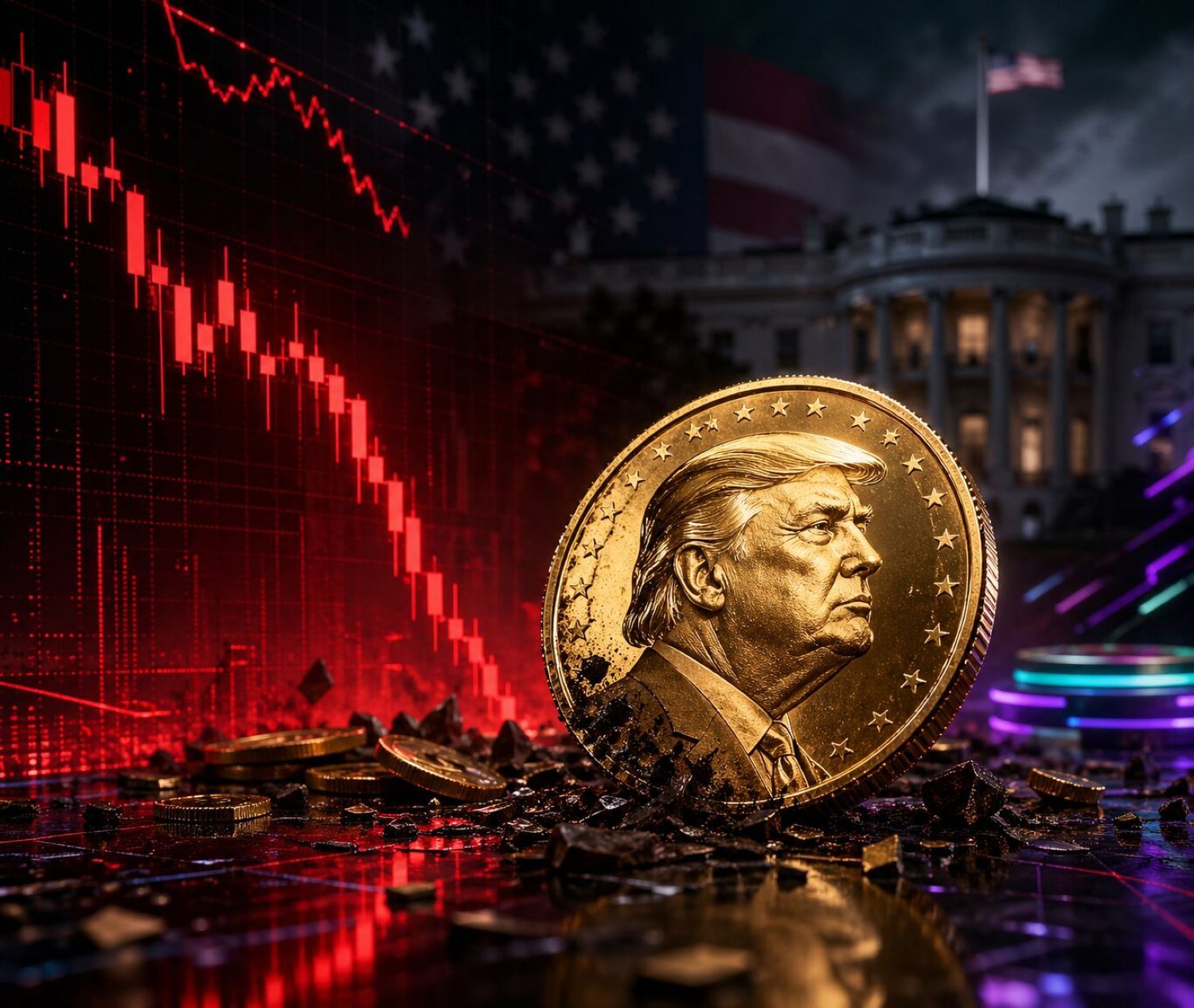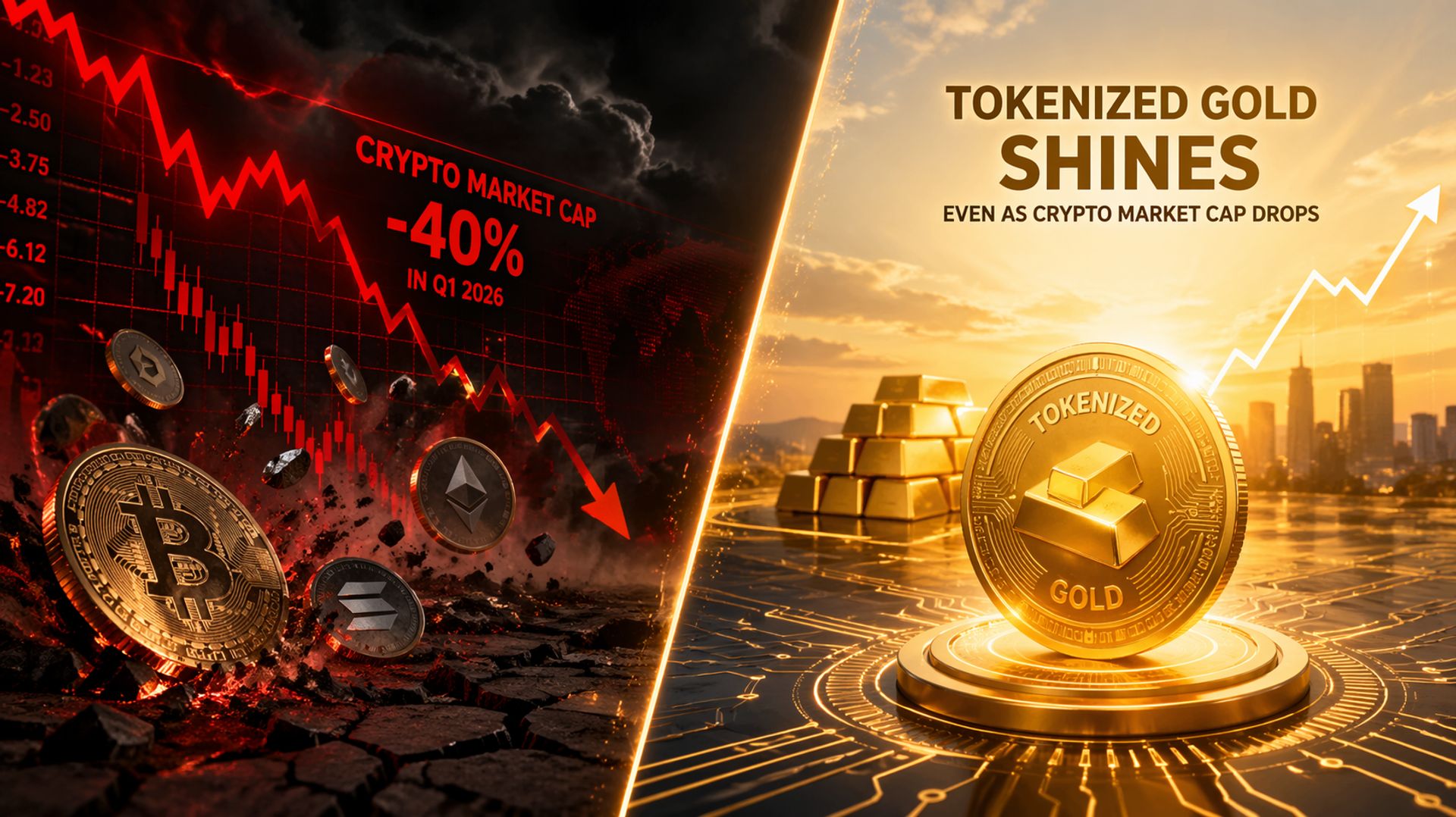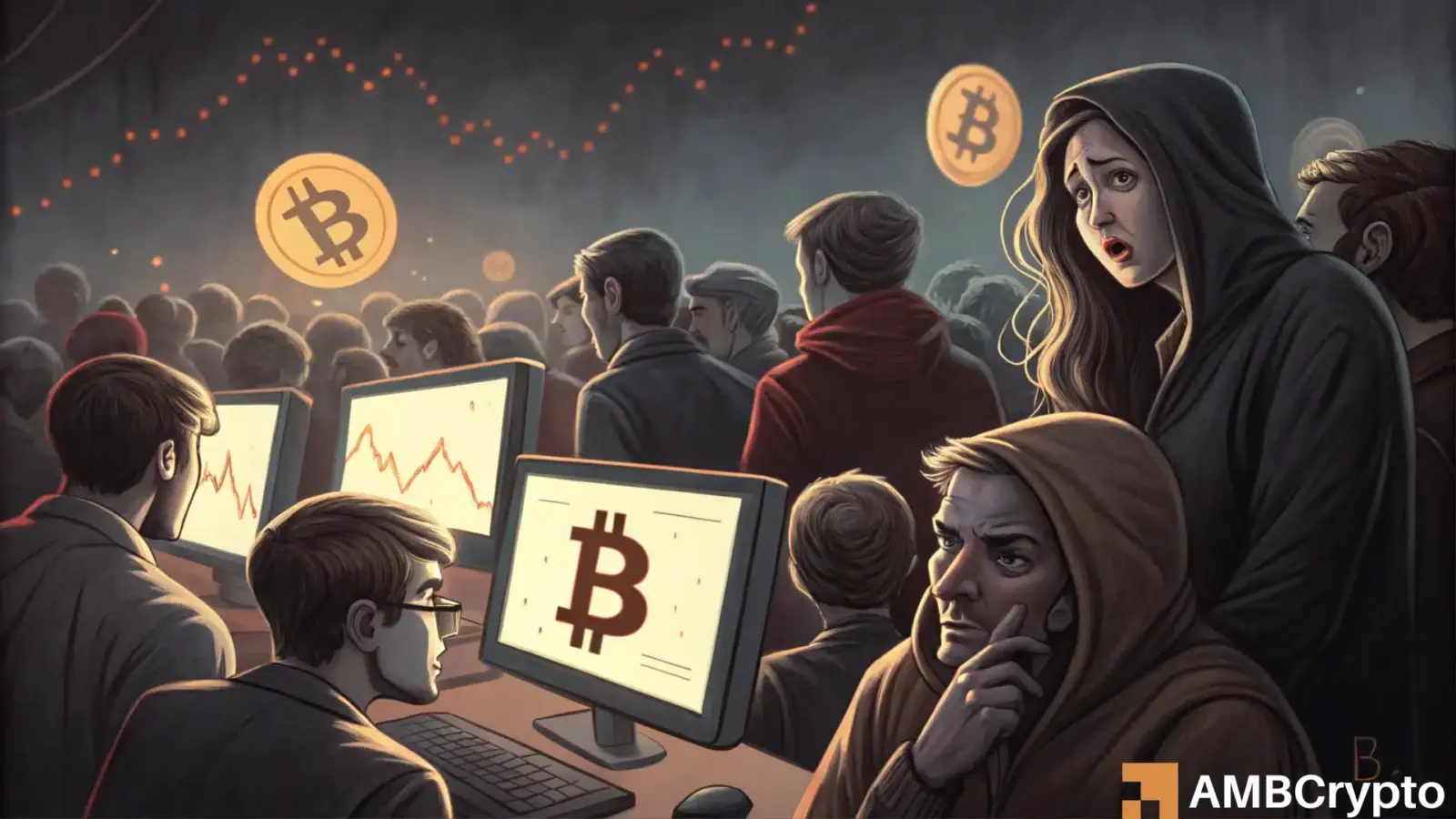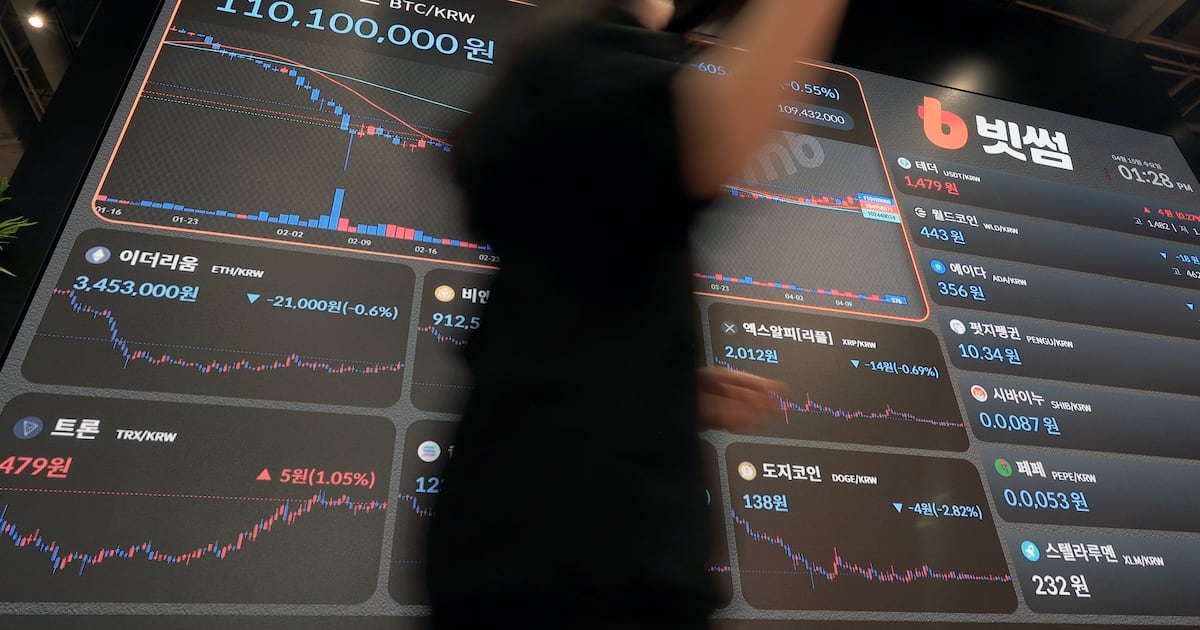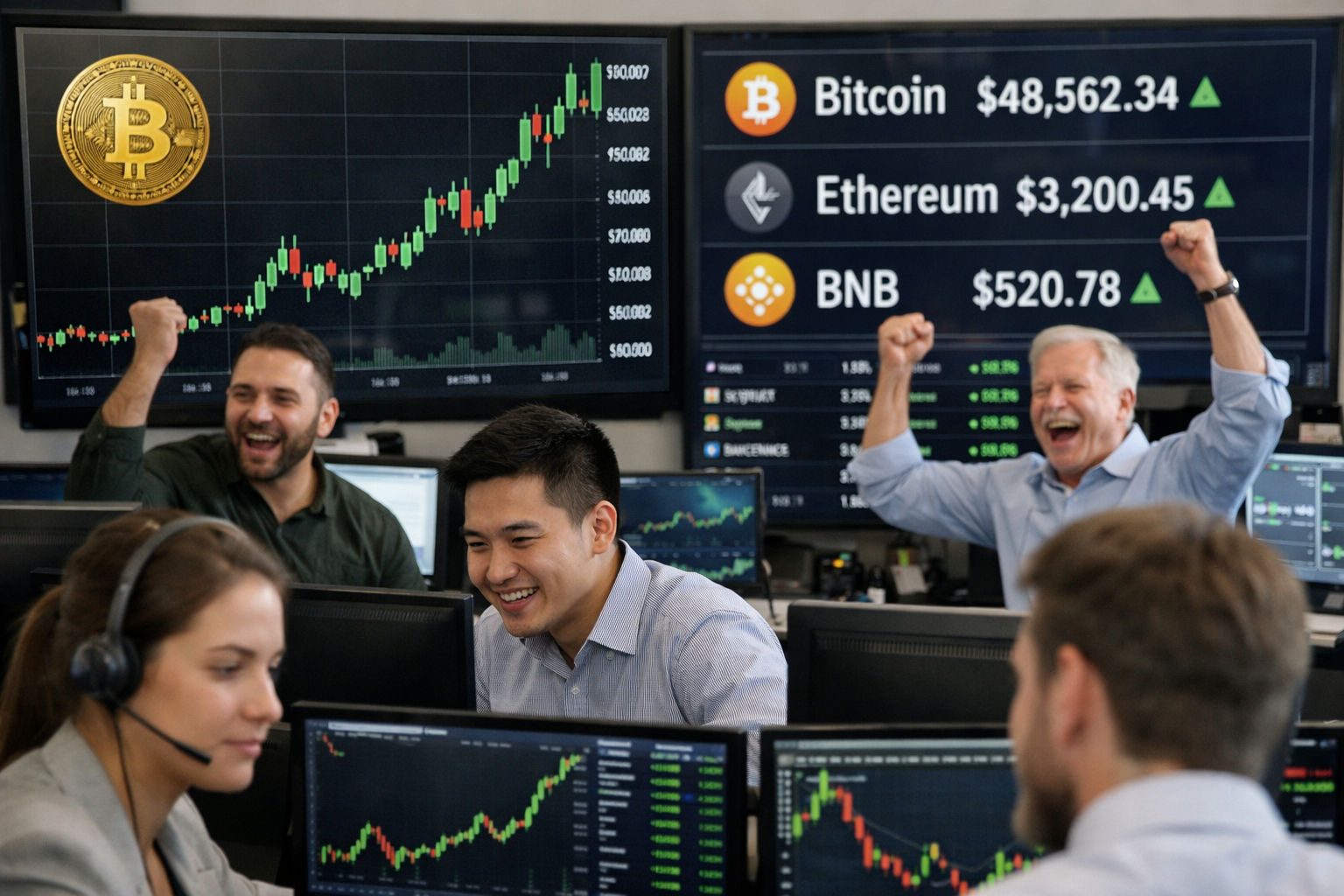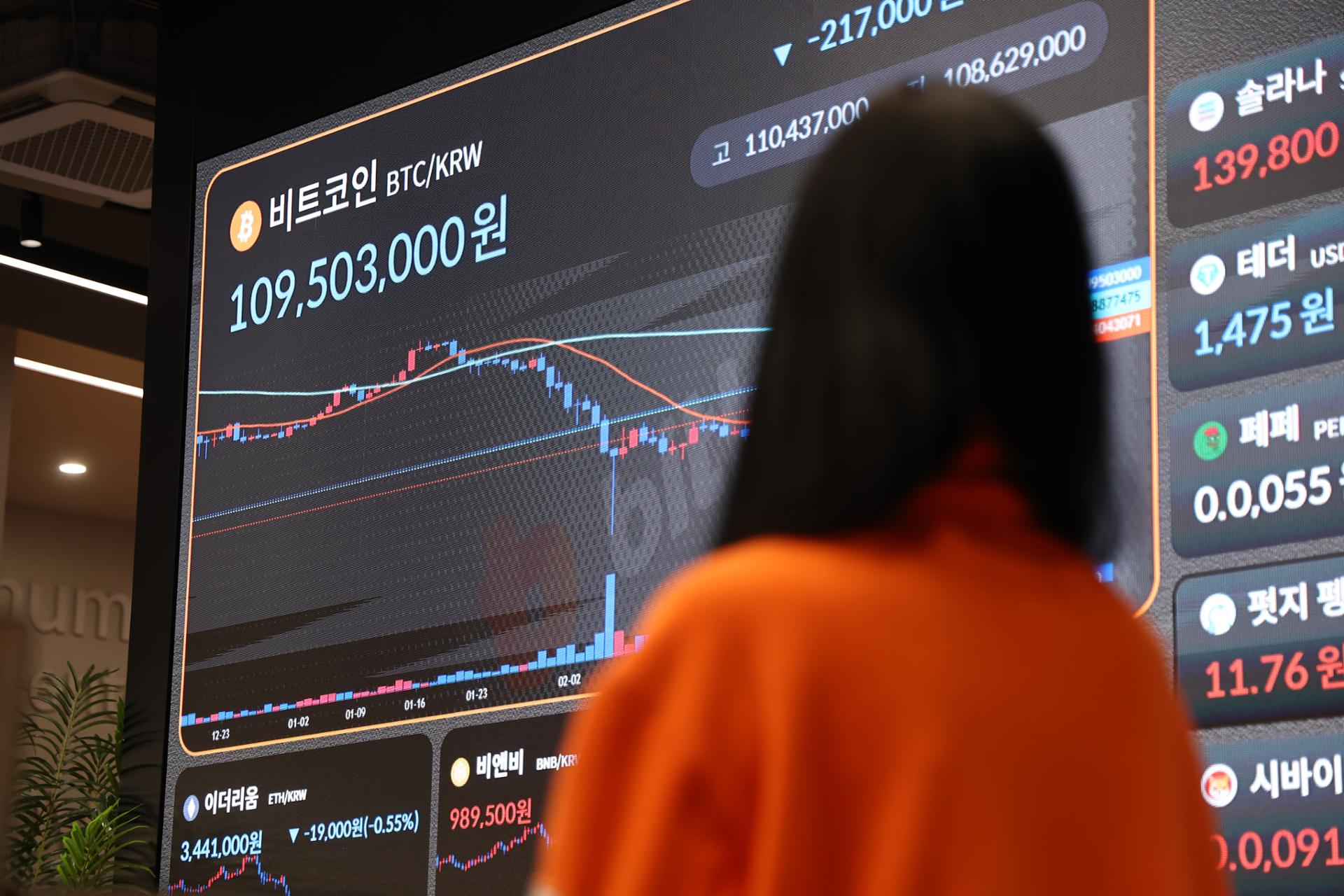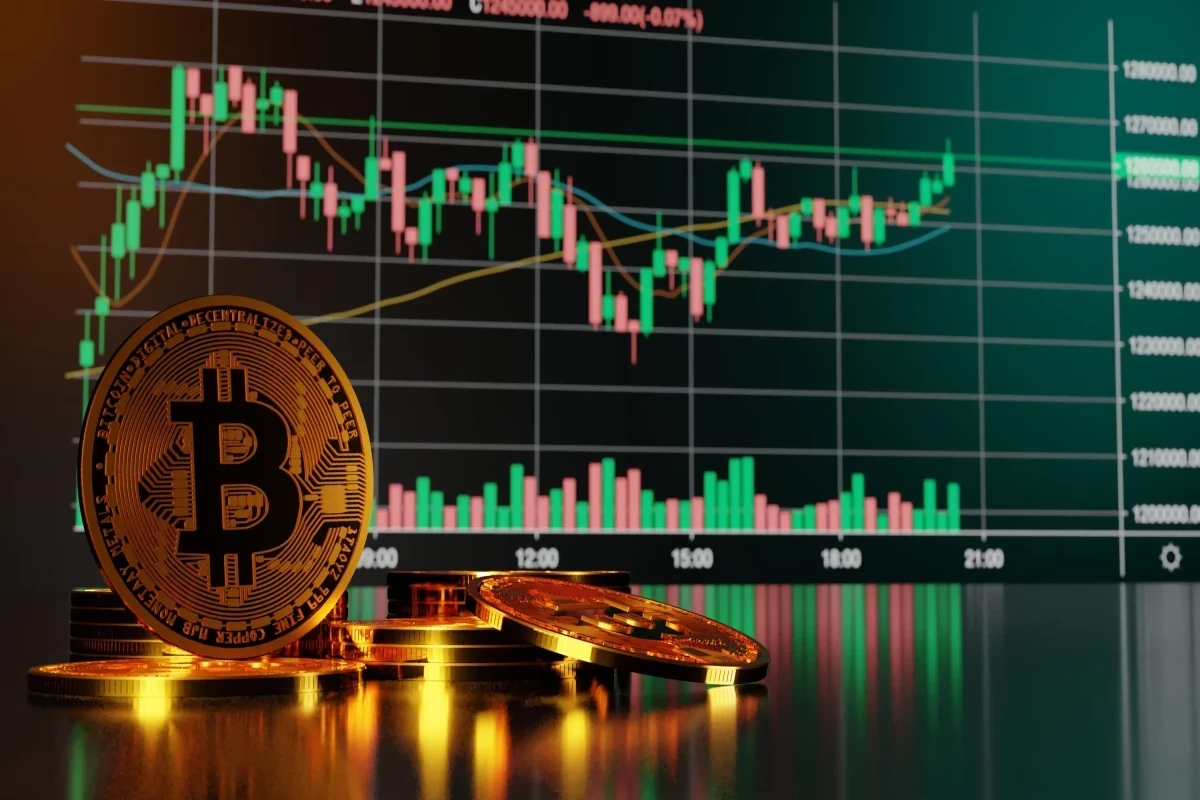
It hasn’t been an enjoyable time if you have money tied up in cryptocurrencies. After the market’s valuation peaked at $4.4 trillion in October, we’ve witnessed a downward spiral that has resulted in that figure plummeting to $2.6 trillion today (as of April 17).
On the other hand, the S&P 500 index climbed 5% during the same time. It’s completely understandable if people want to forget about digital assets. They aren’t the easiest to hold; it’s hard to handle the volatility.
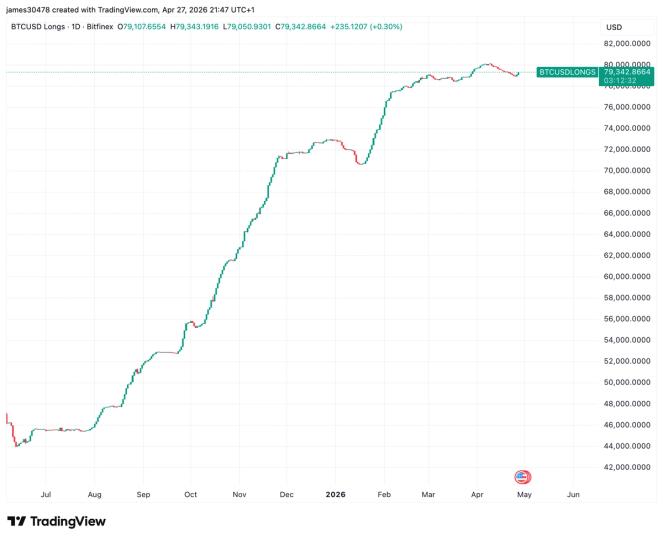
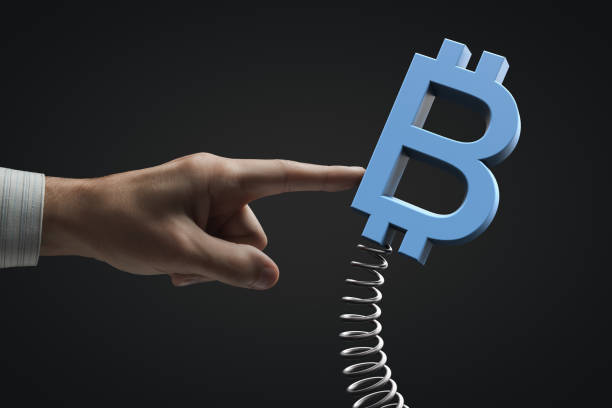
However, a monster opportunity is staring investors in the face. Here’s the cryptocurrency to buy right now, especially since it trades under $80,000.
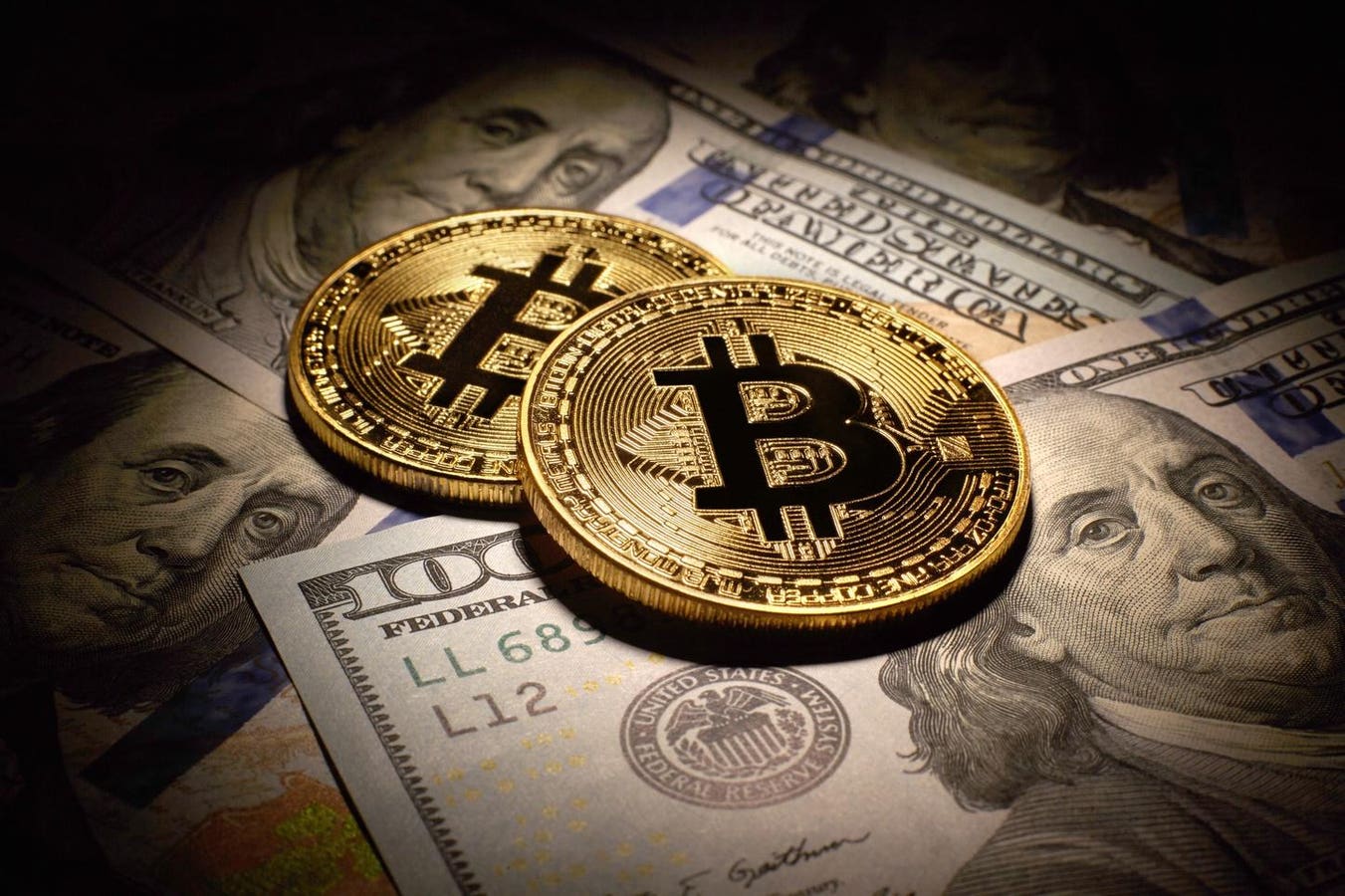
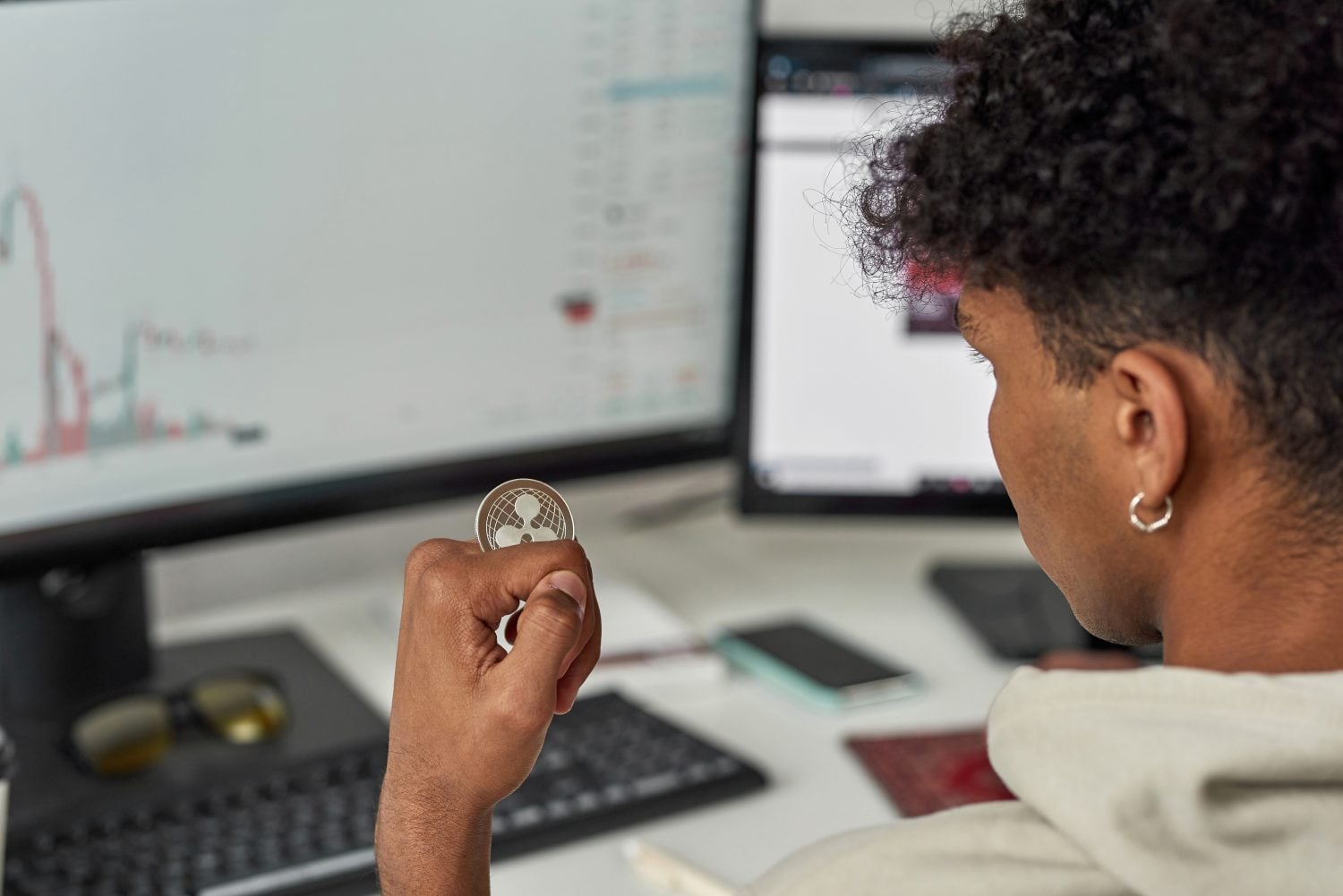
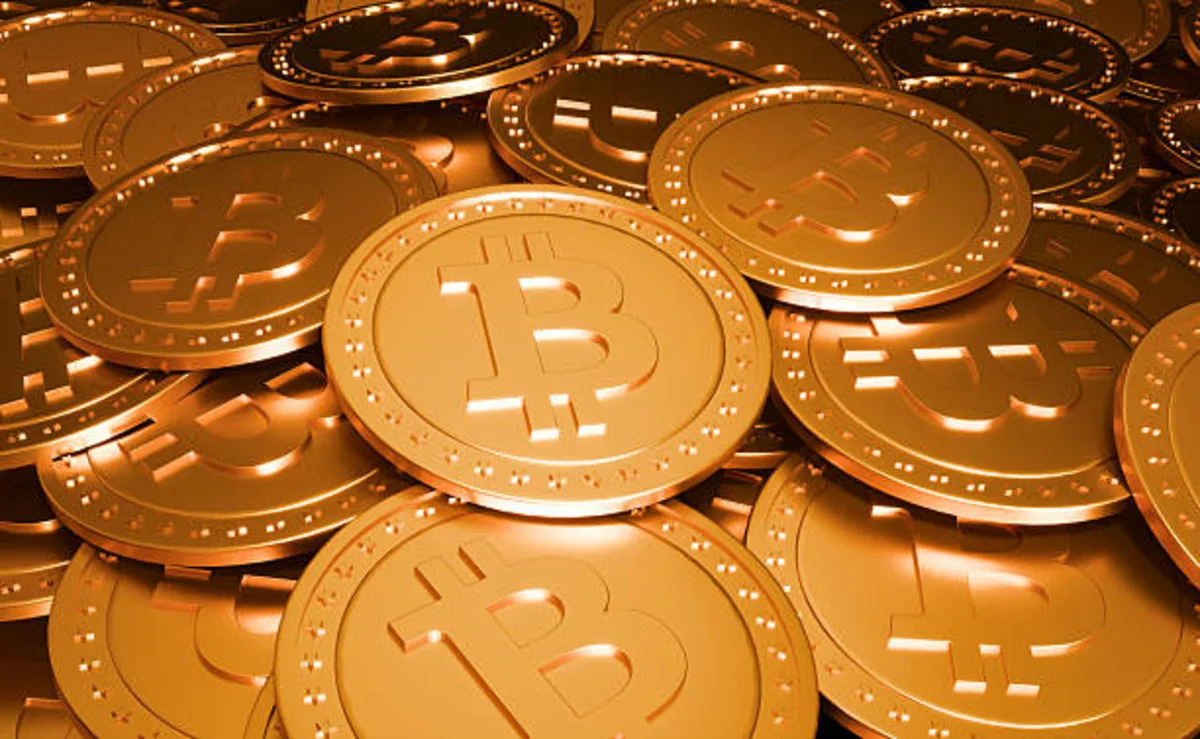
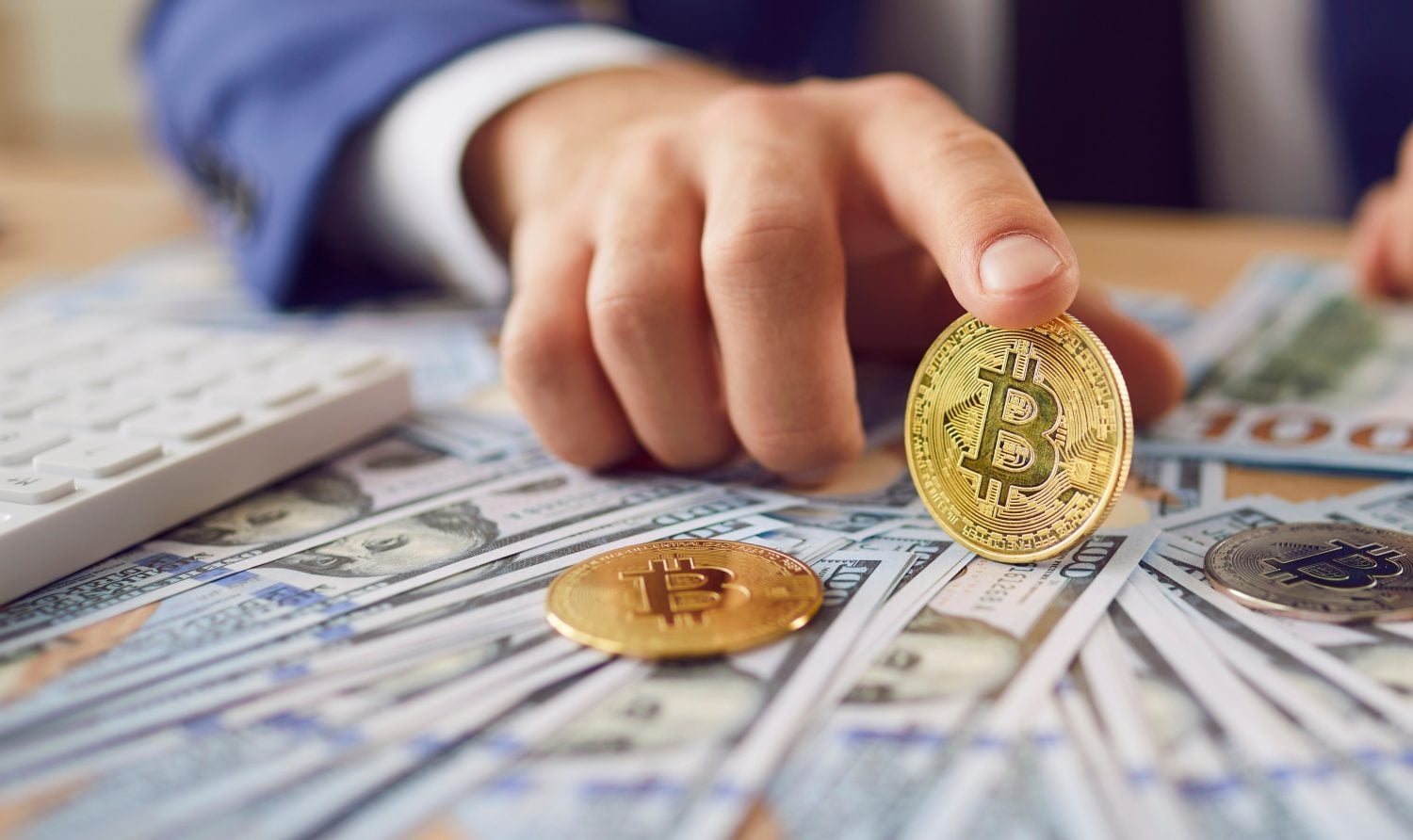
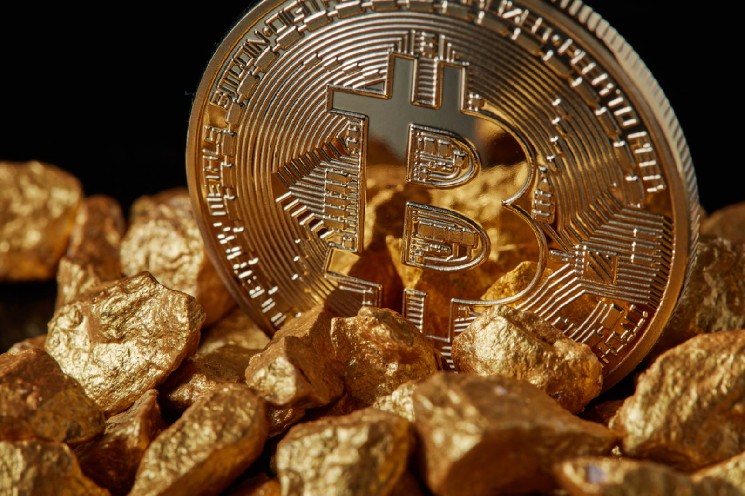
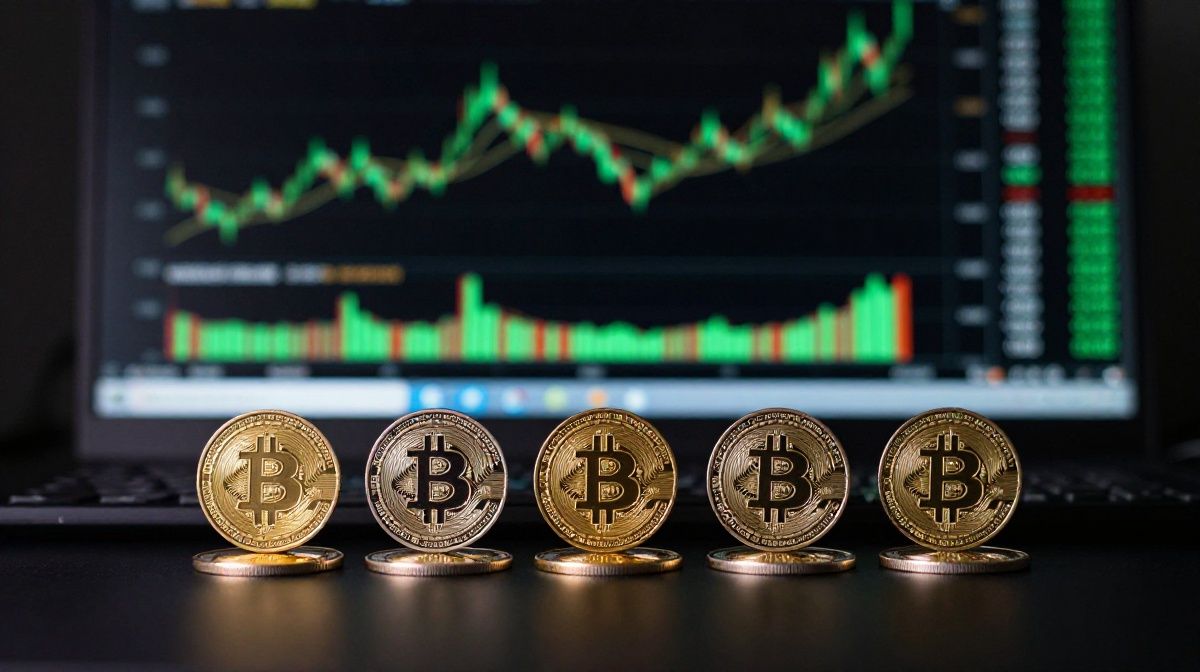
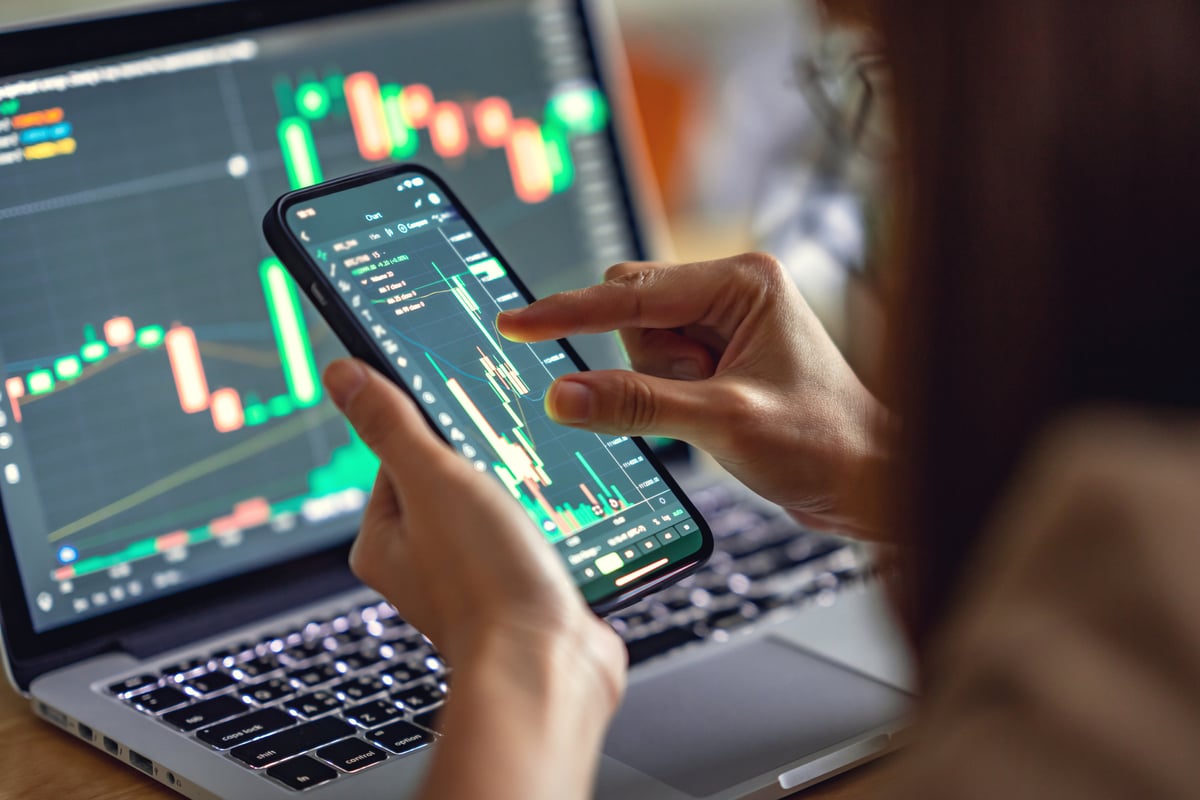
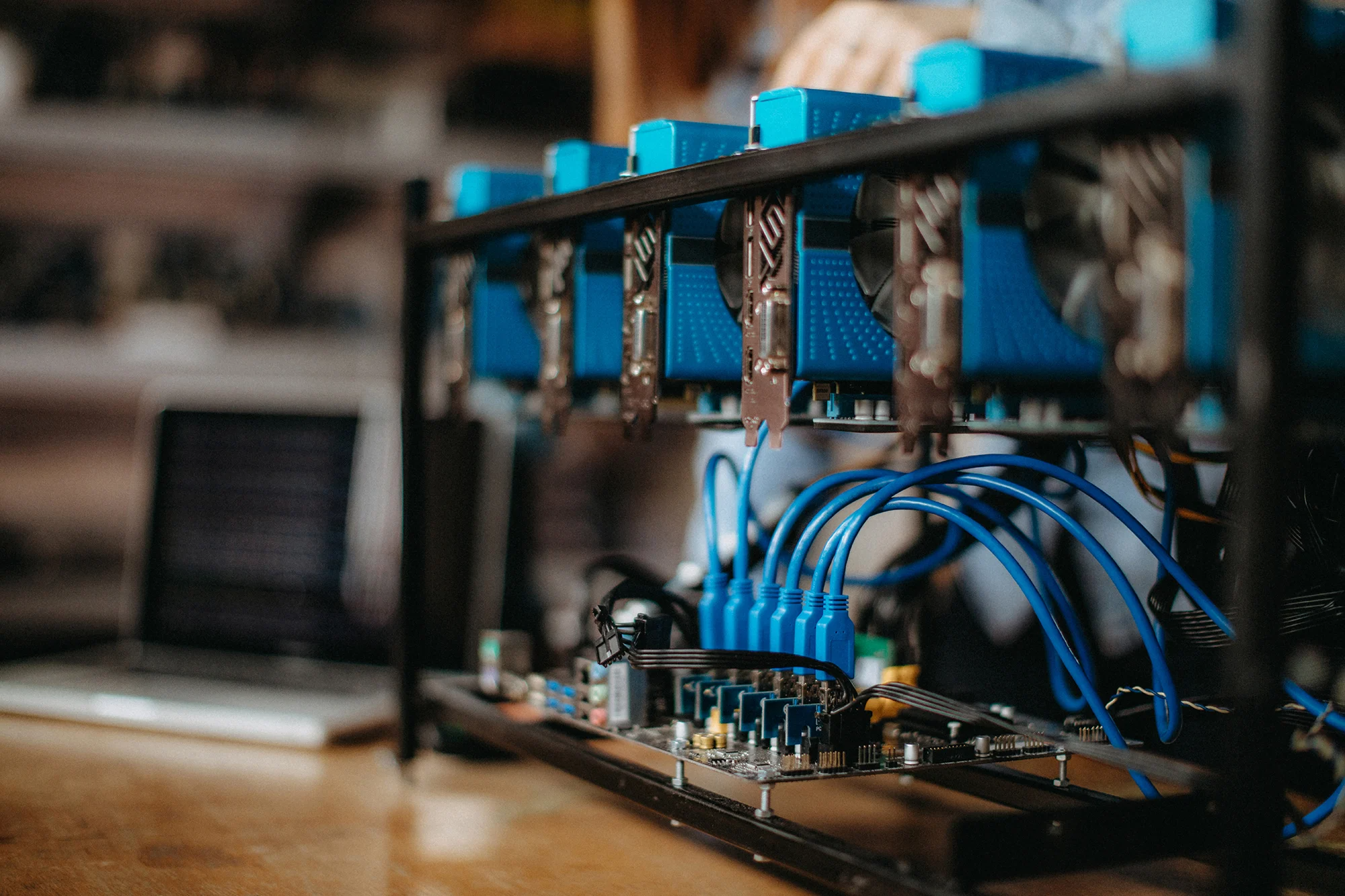
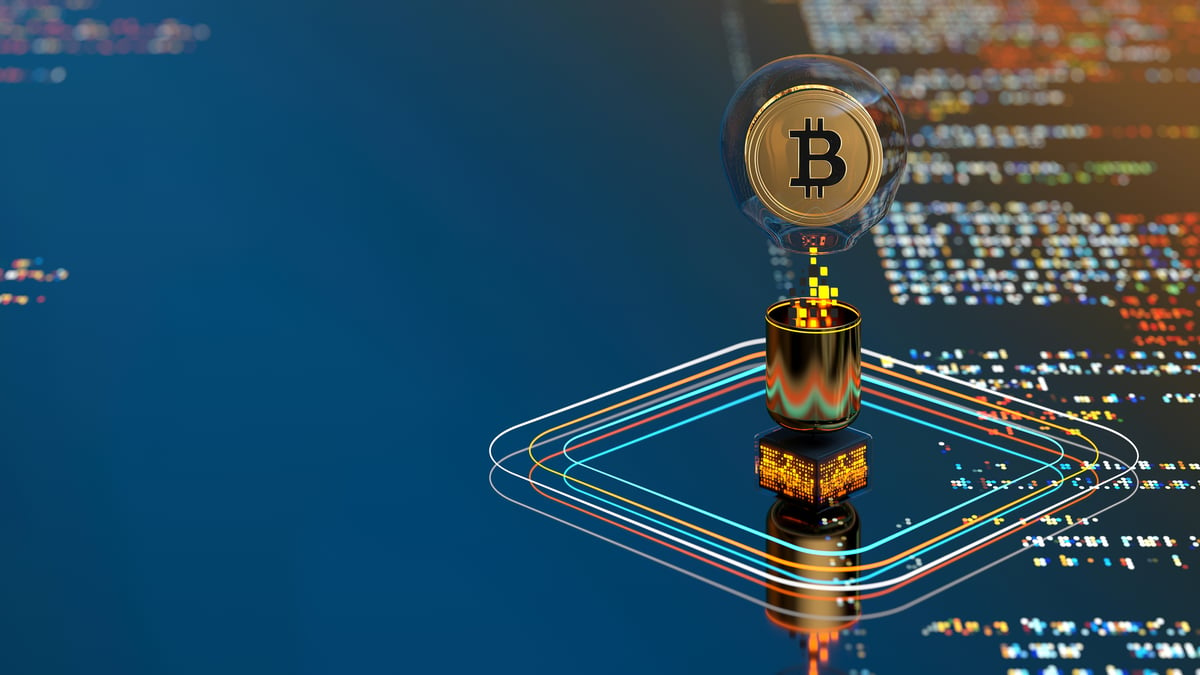
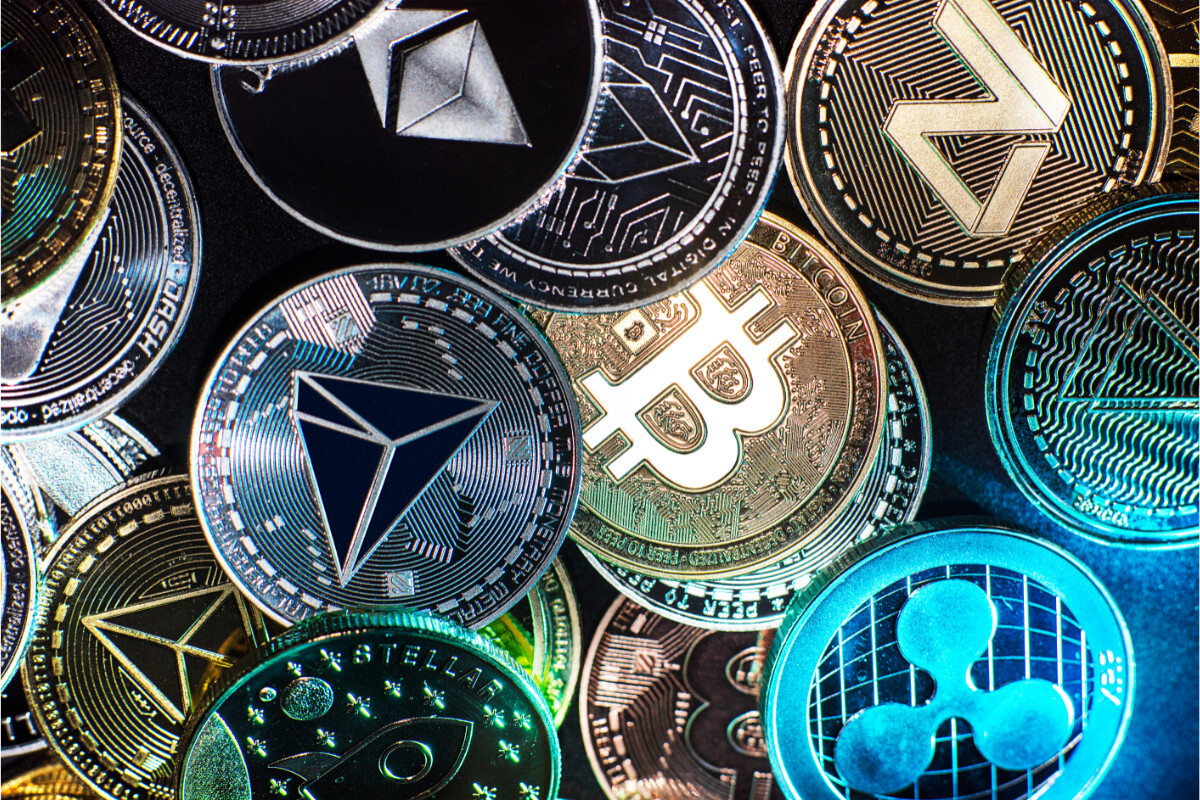
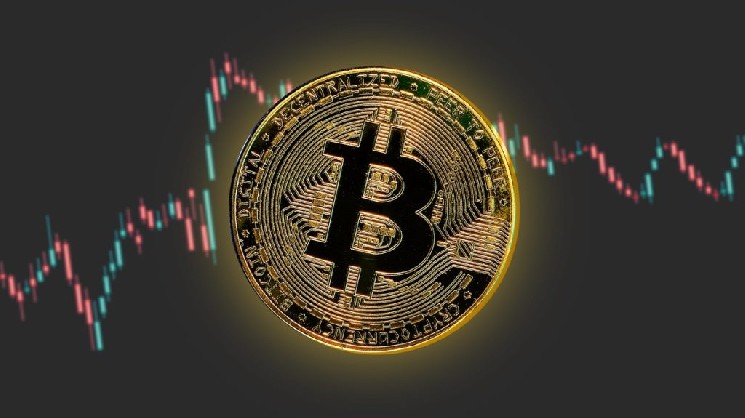
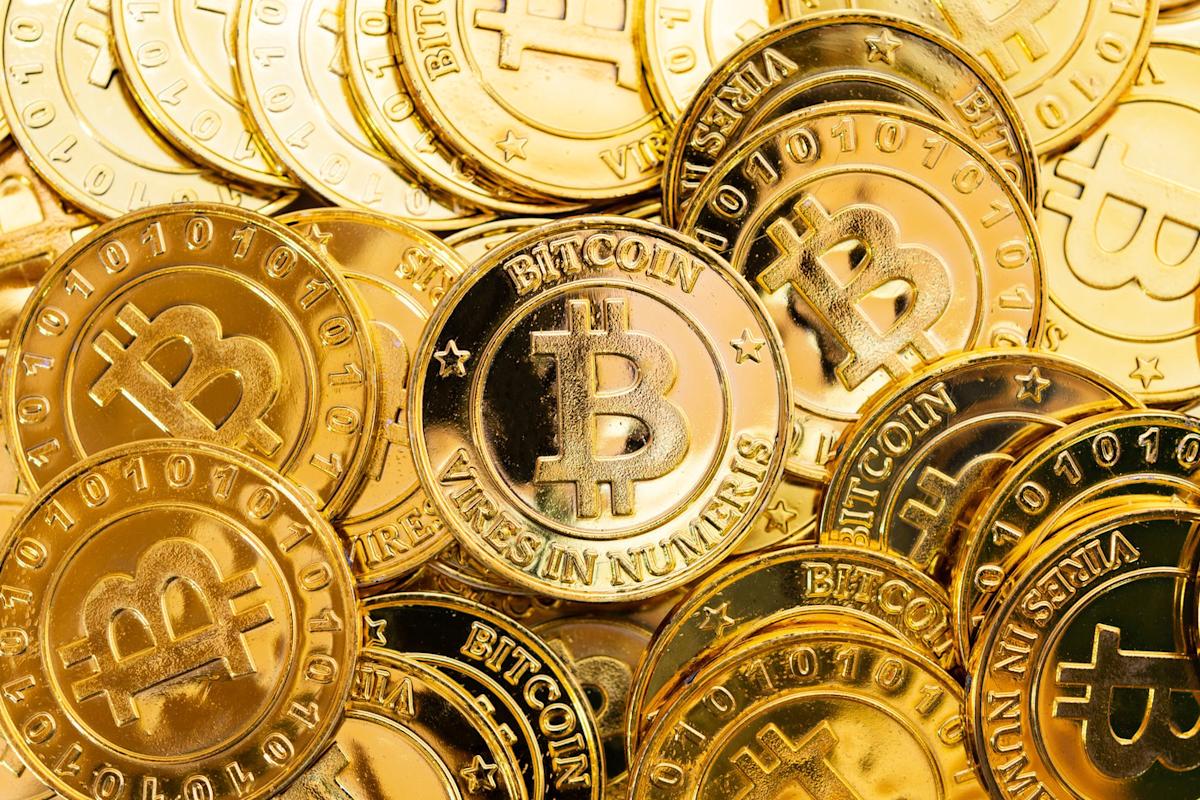
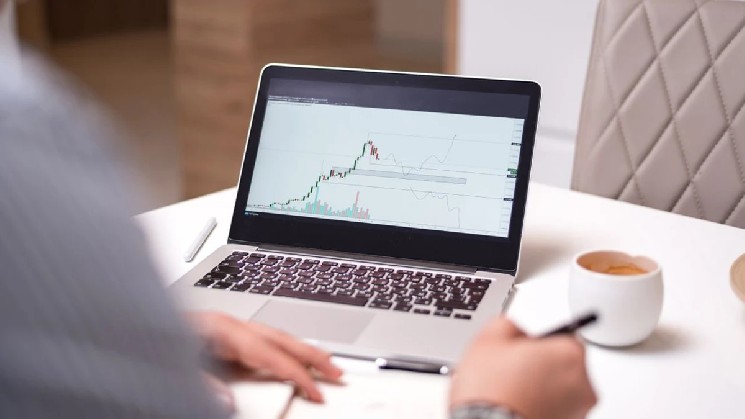
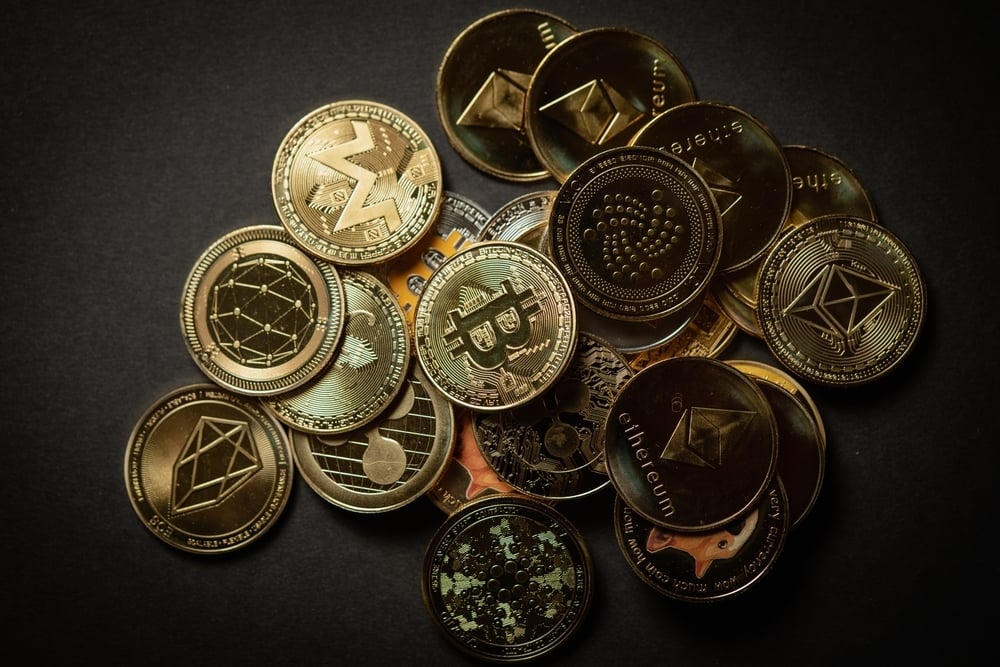
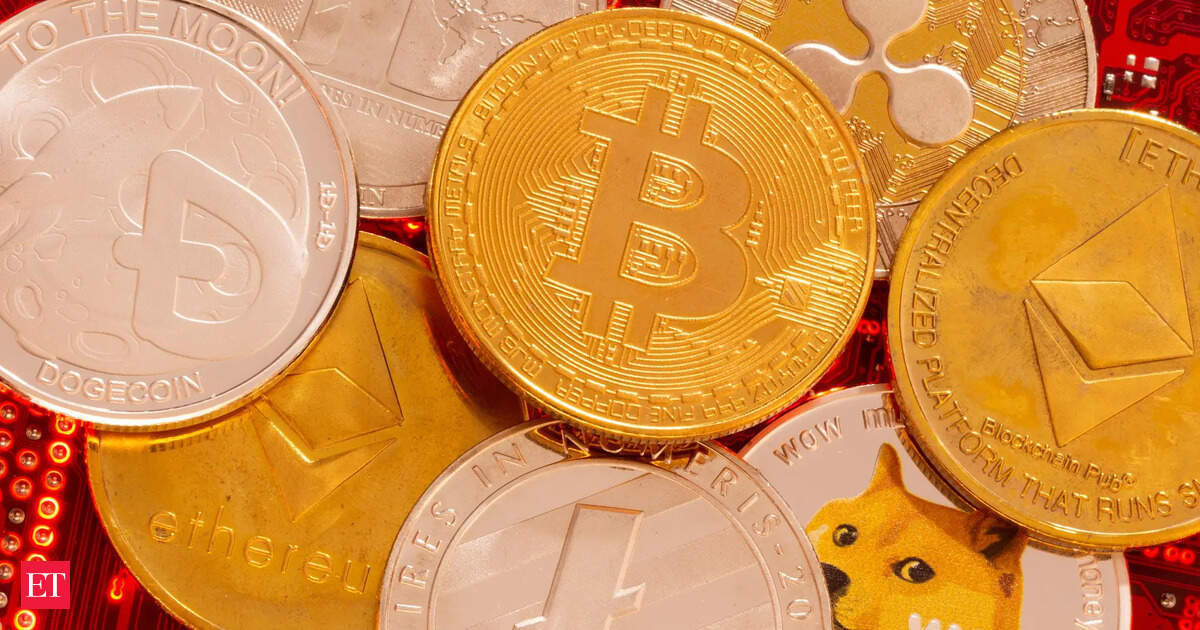
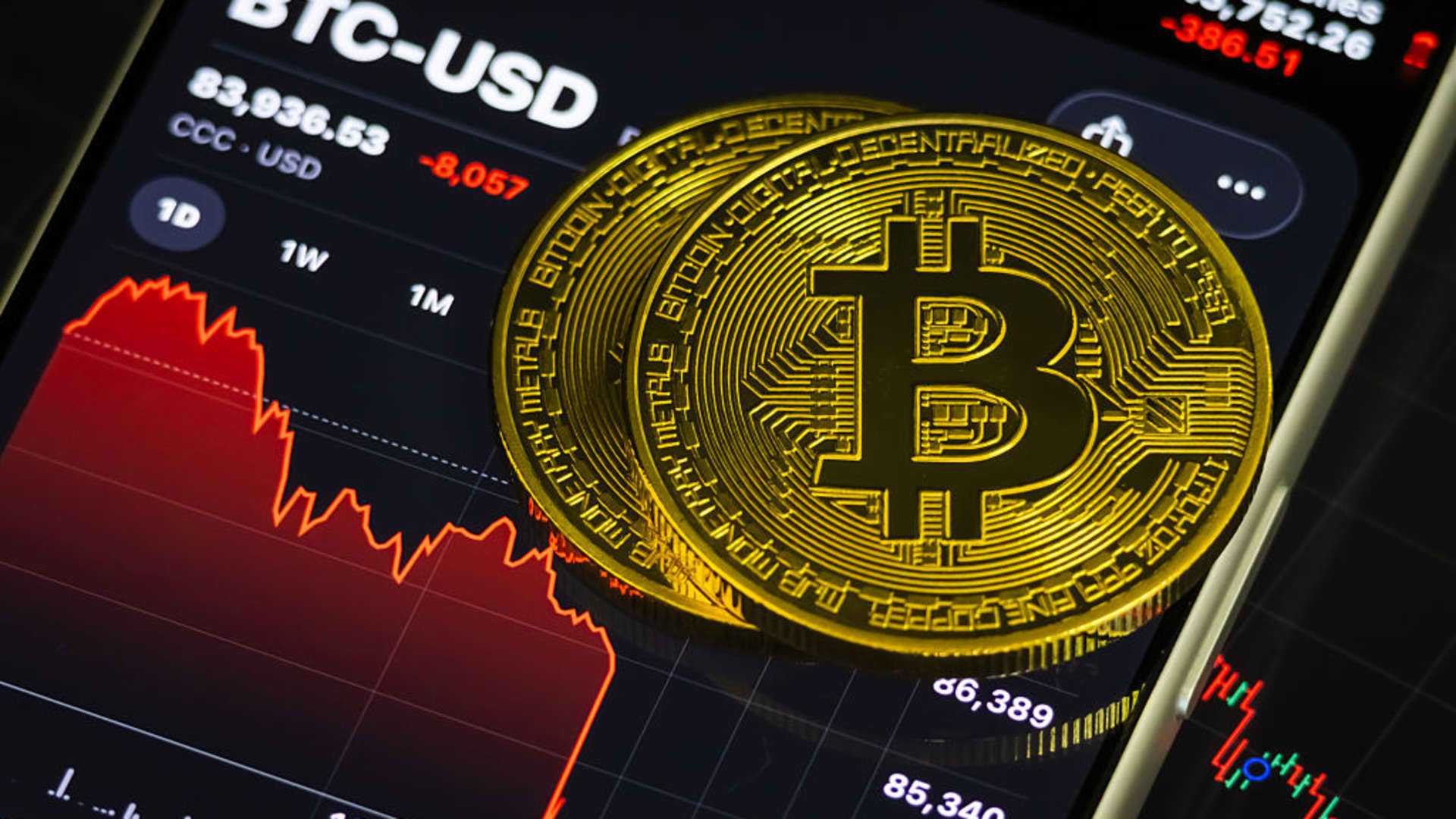
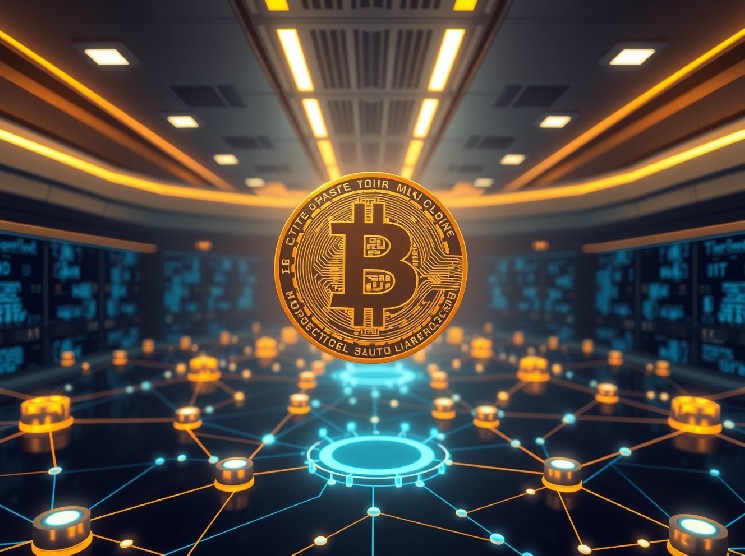
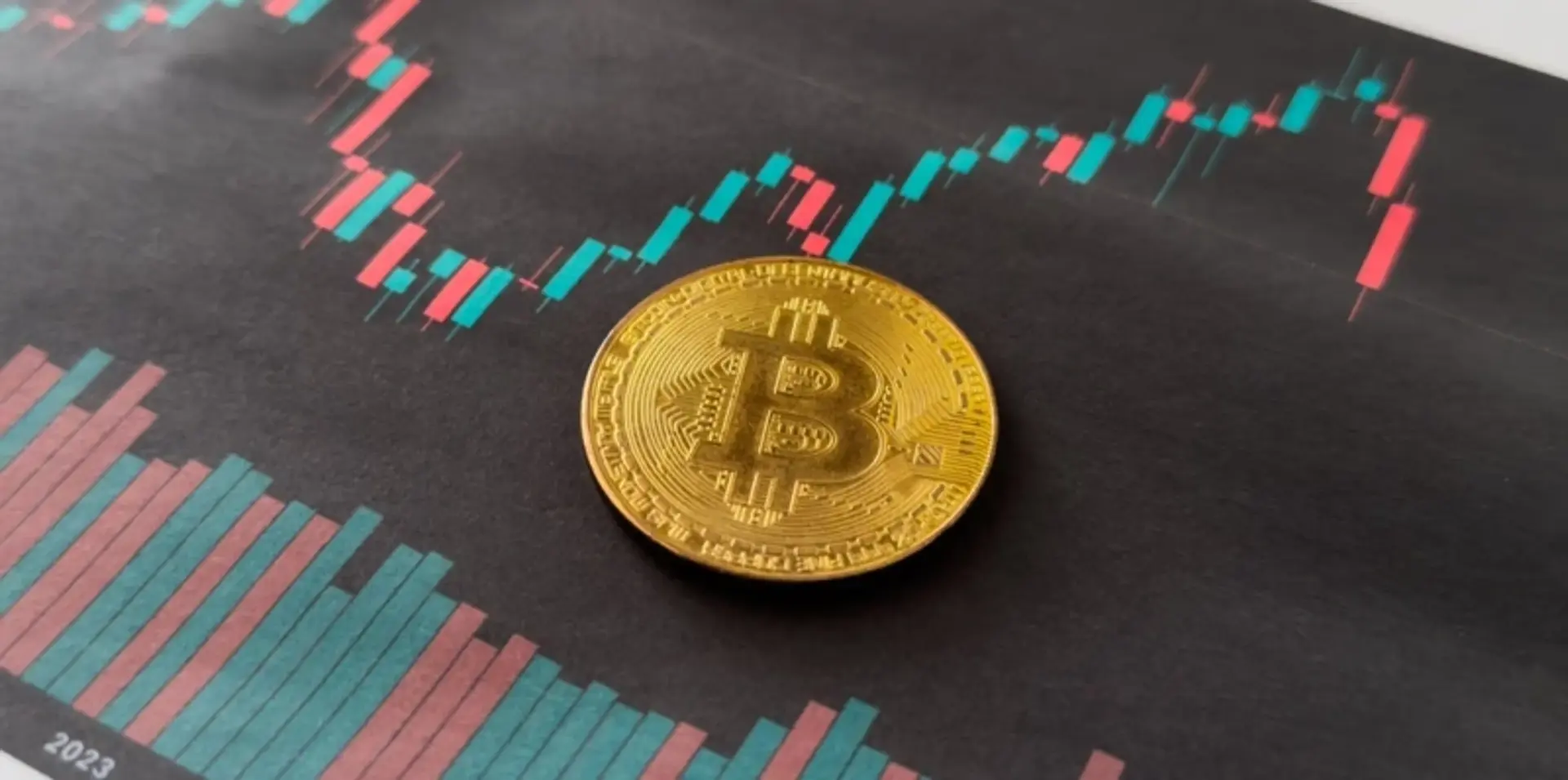
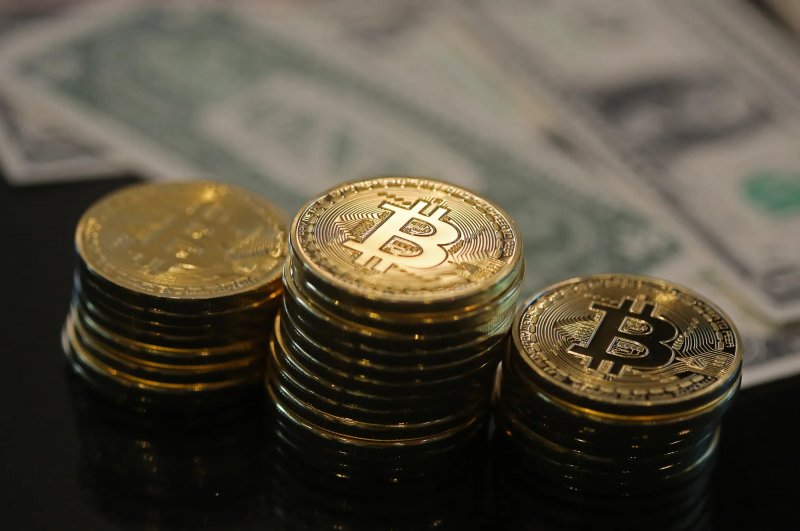
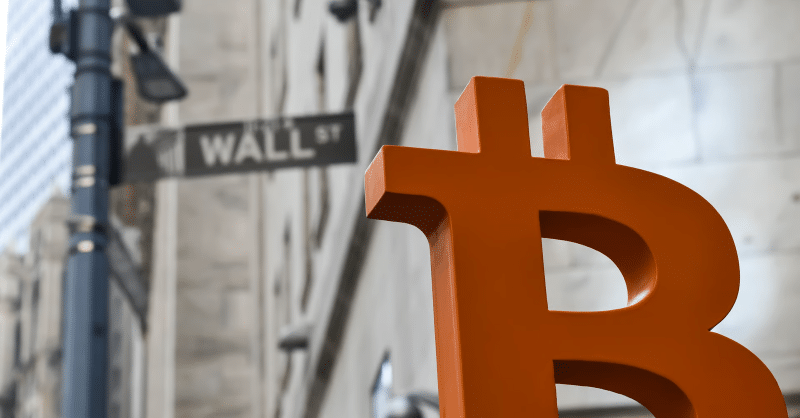
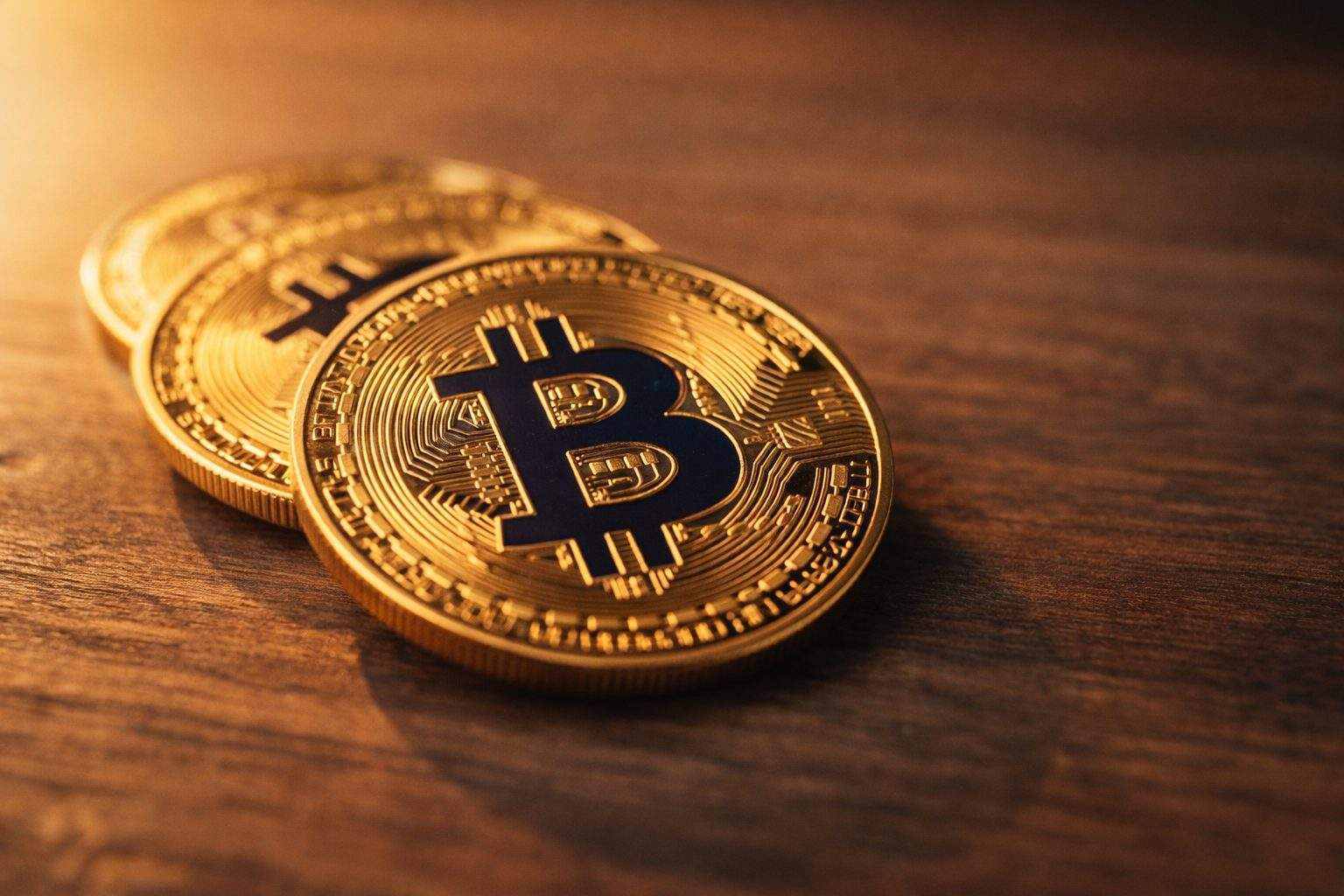
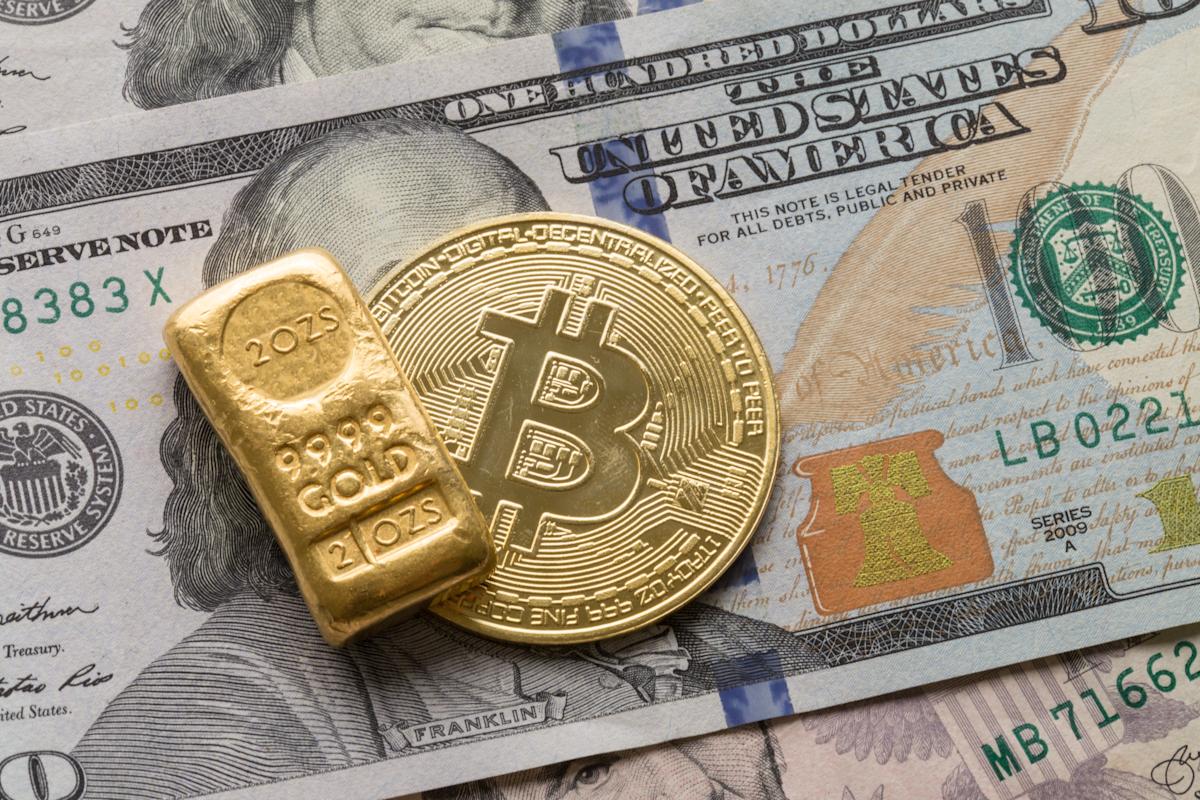
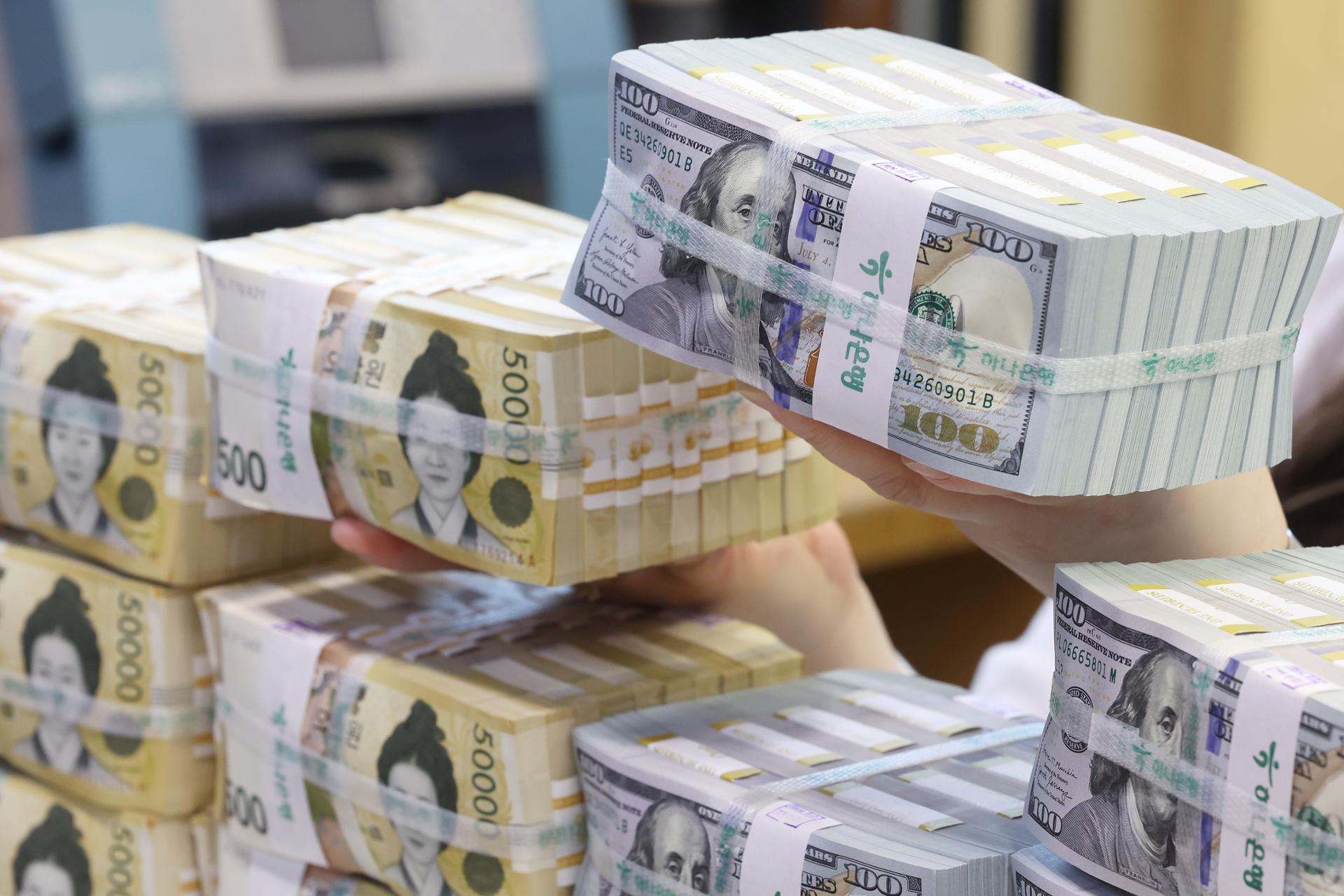
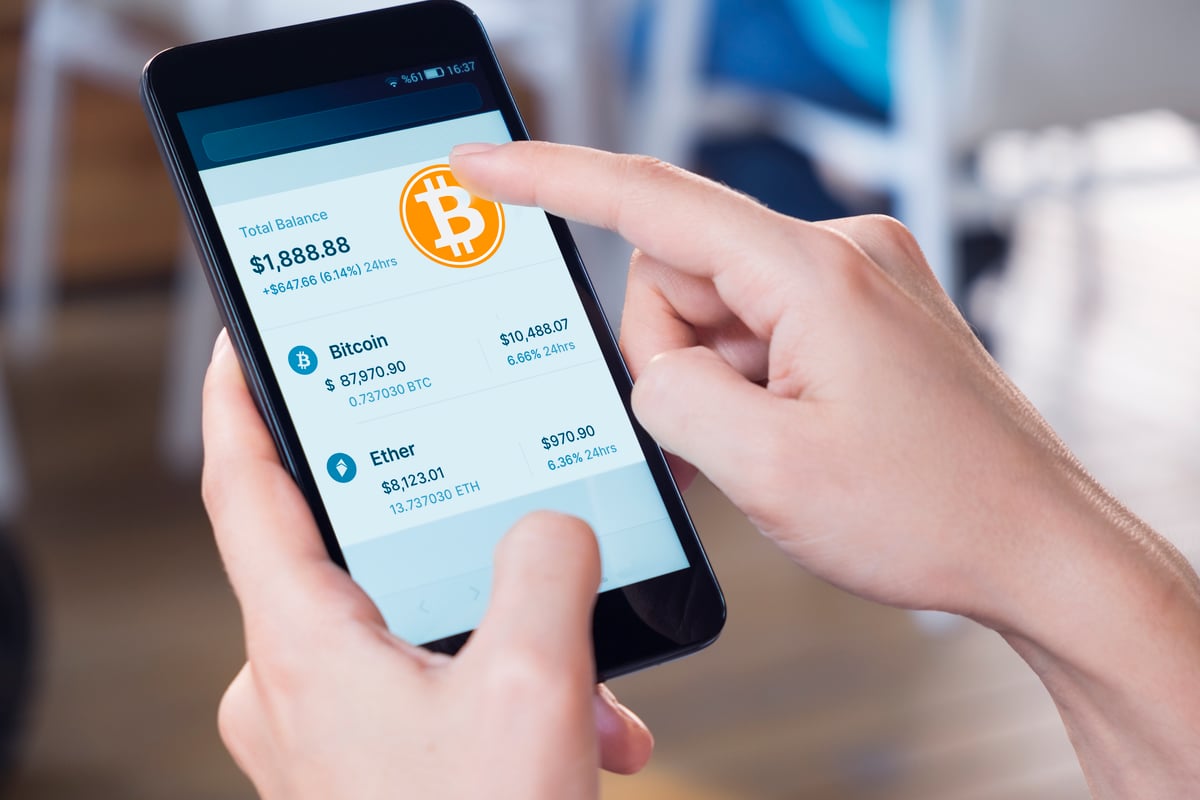
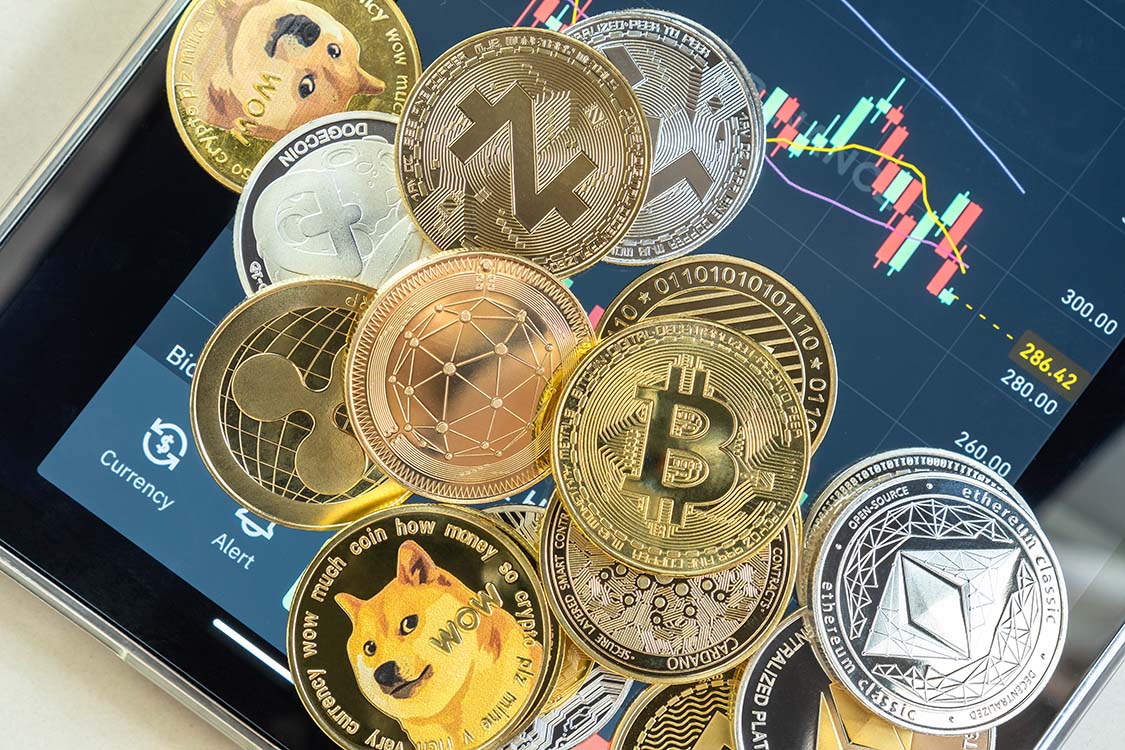
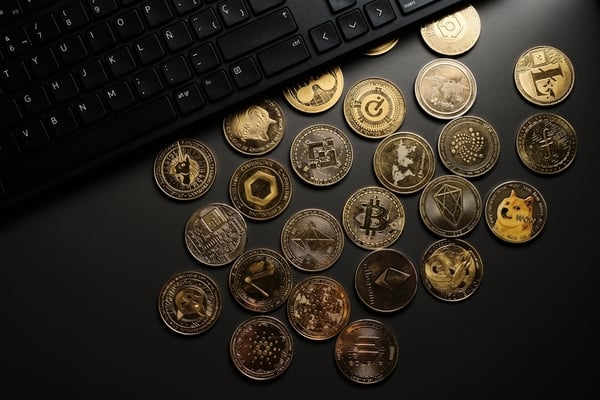
Image source: Getty Images.
It usually doesn’t end well for fiat currencies
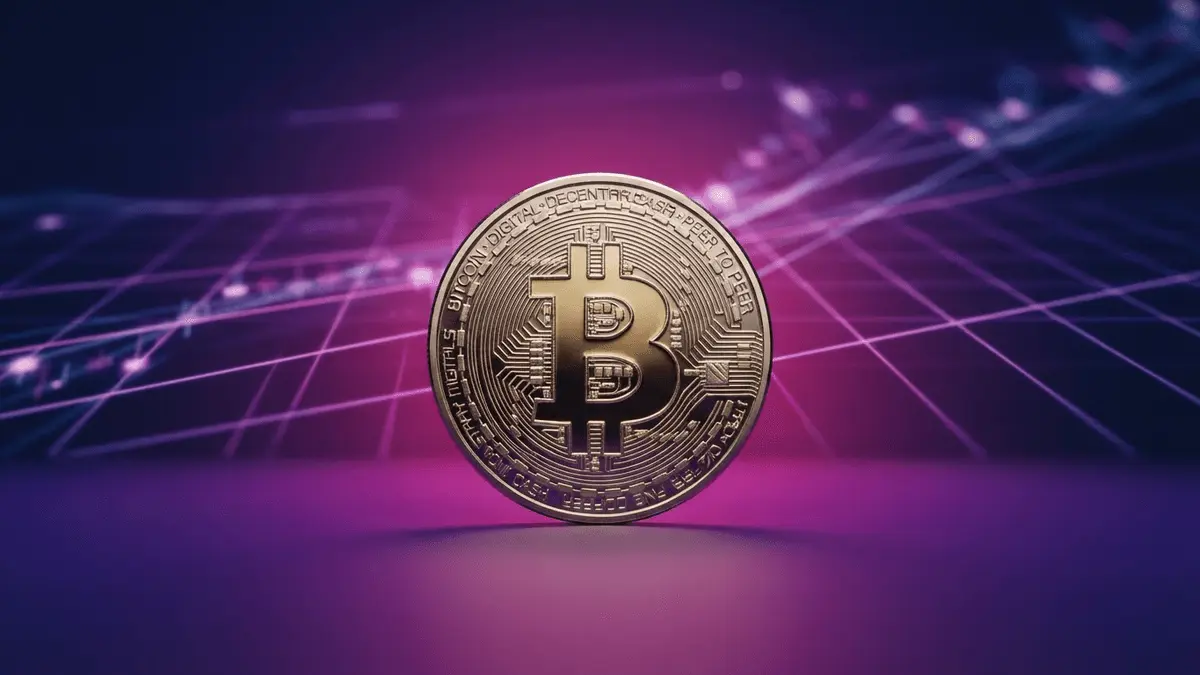
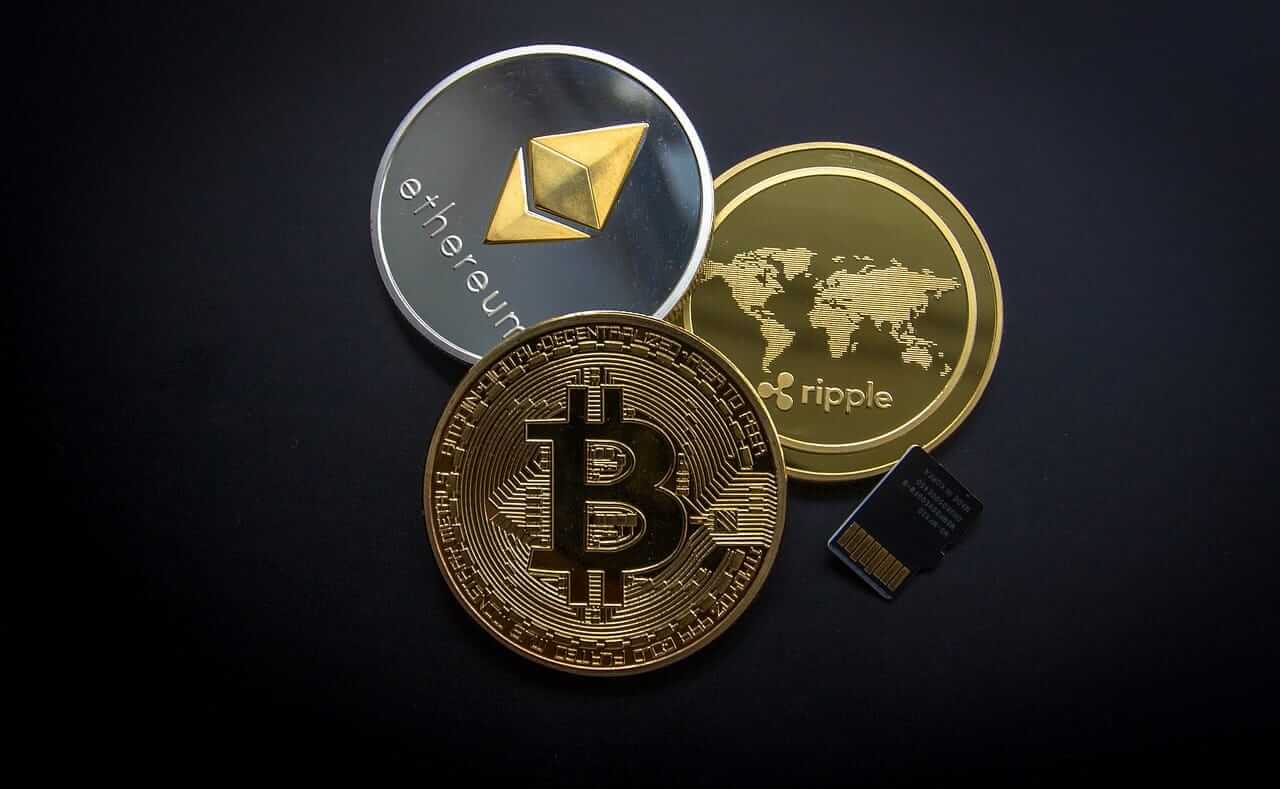
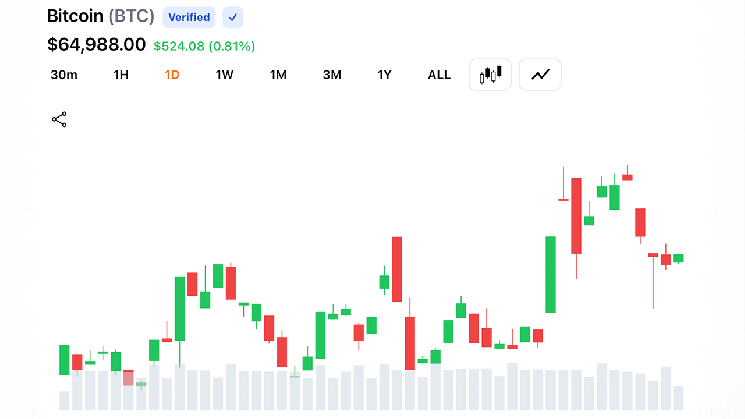
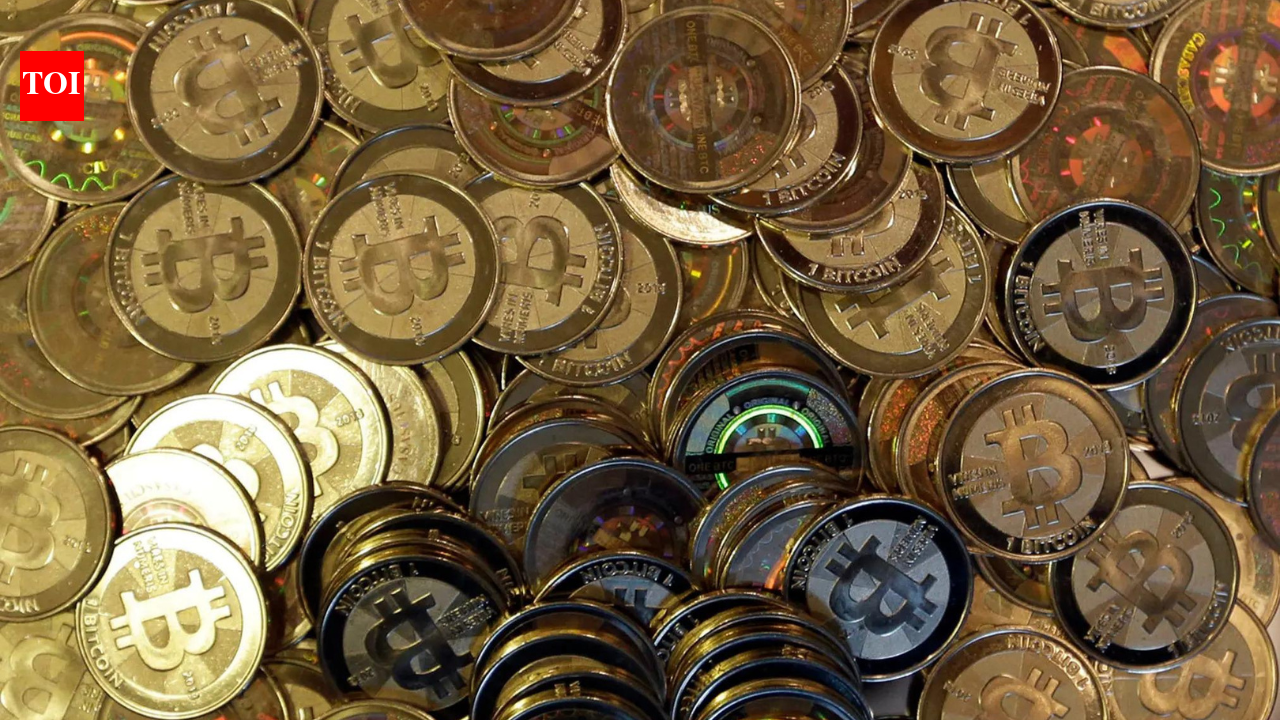
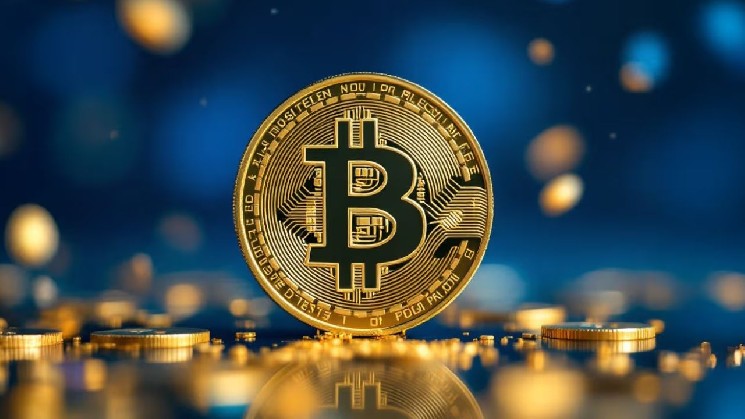
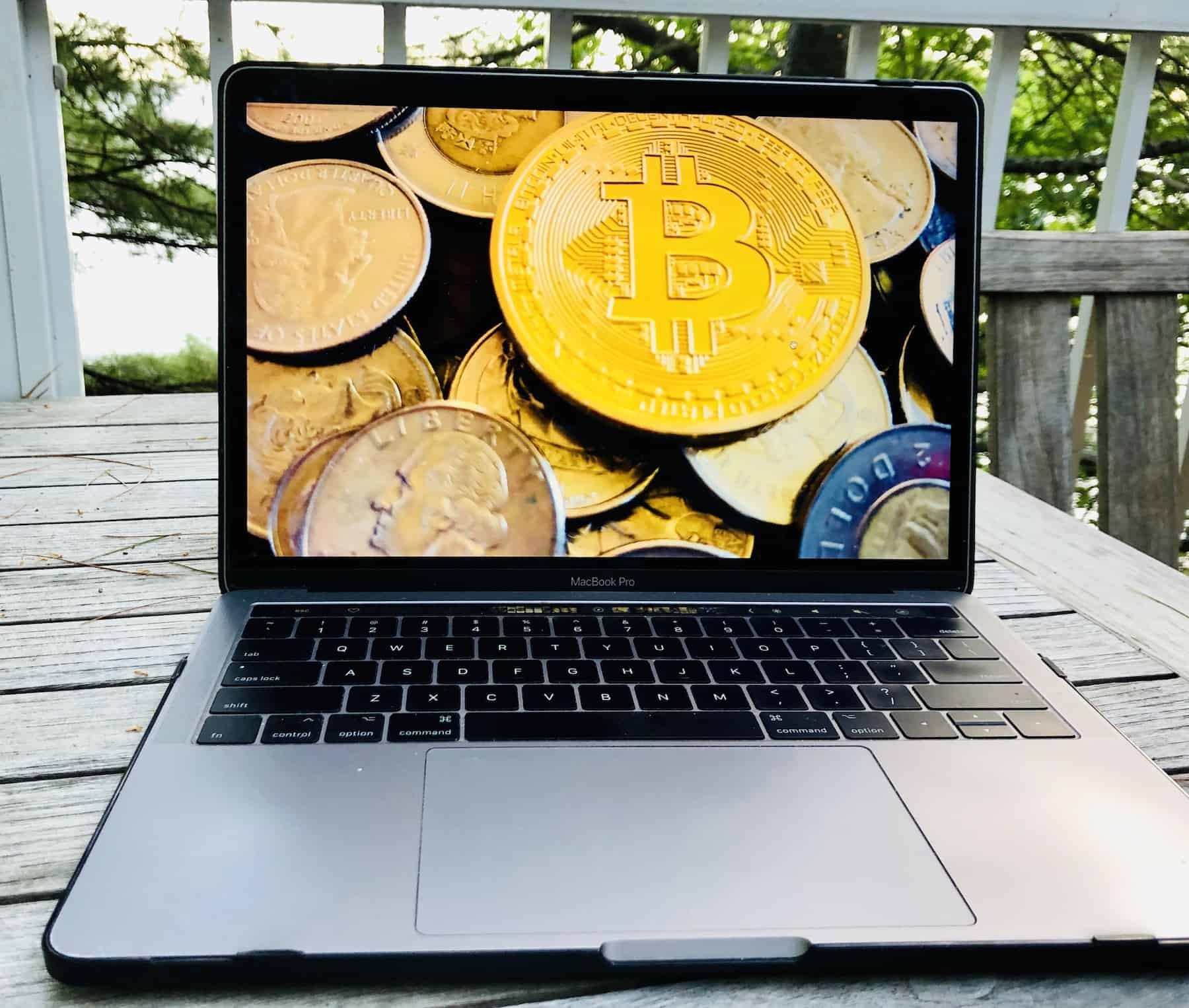
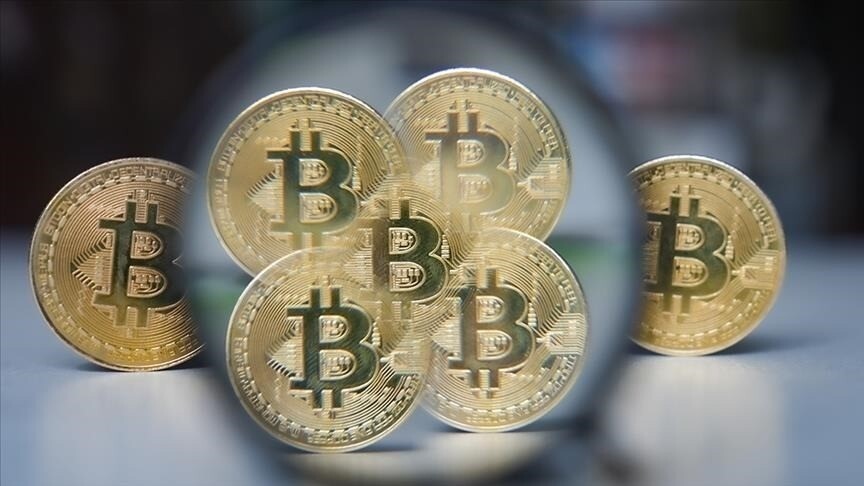
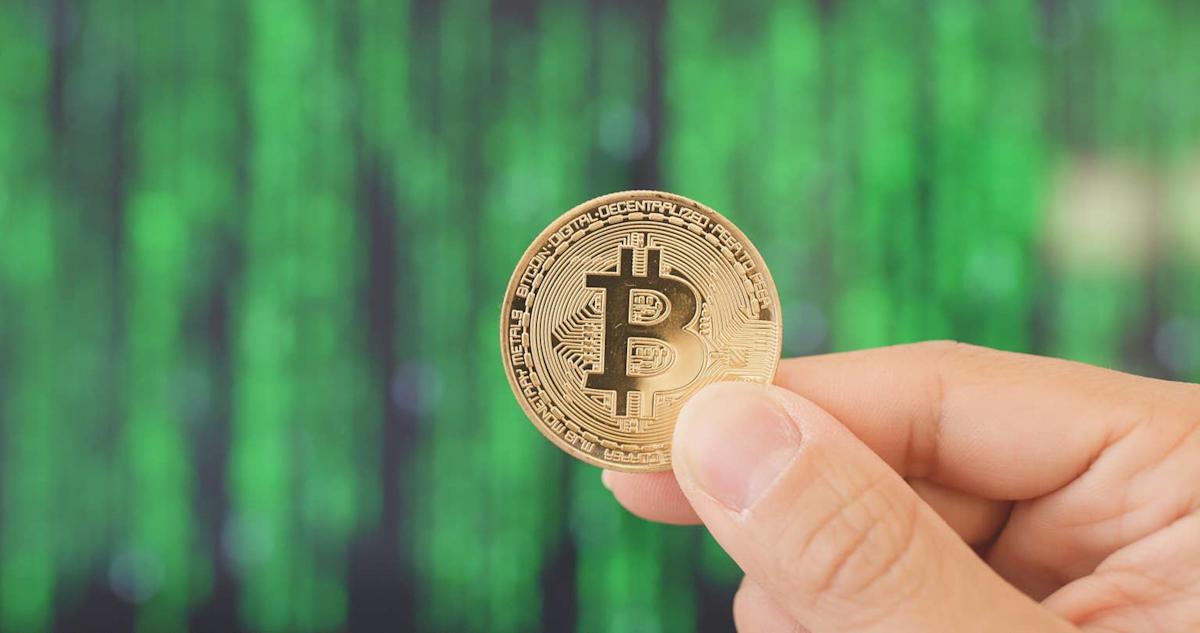
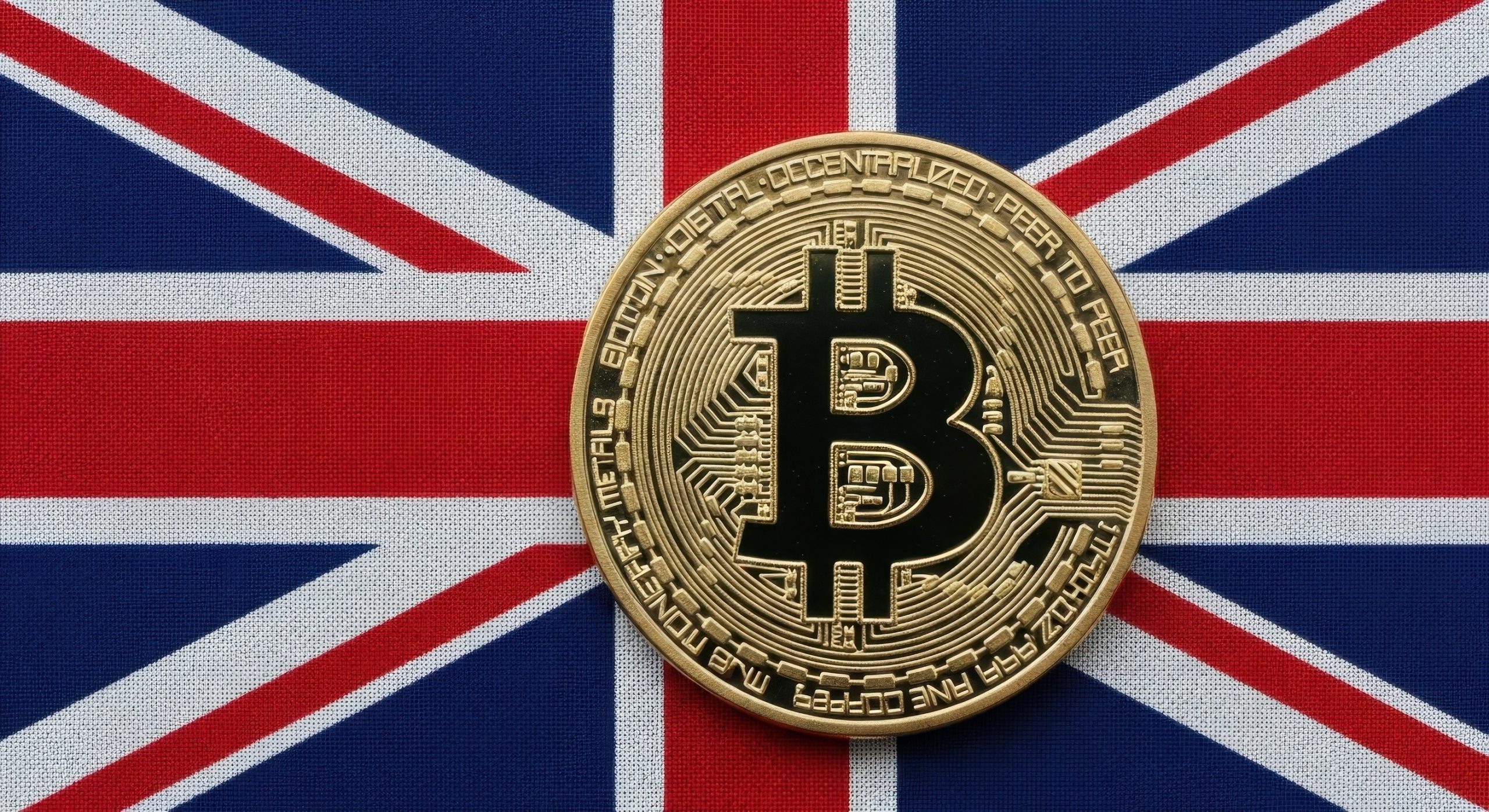
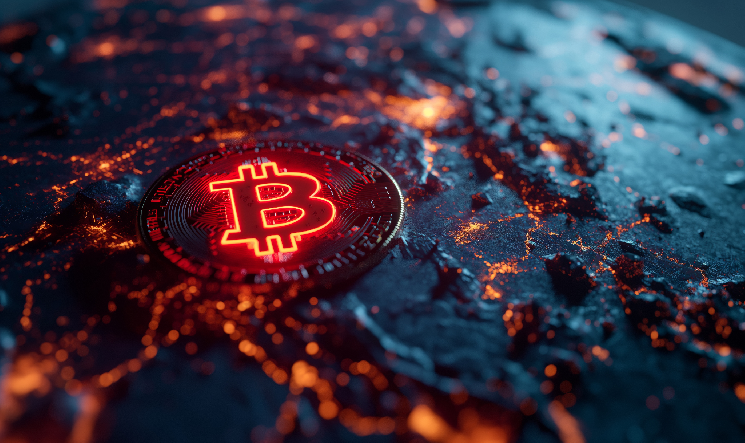
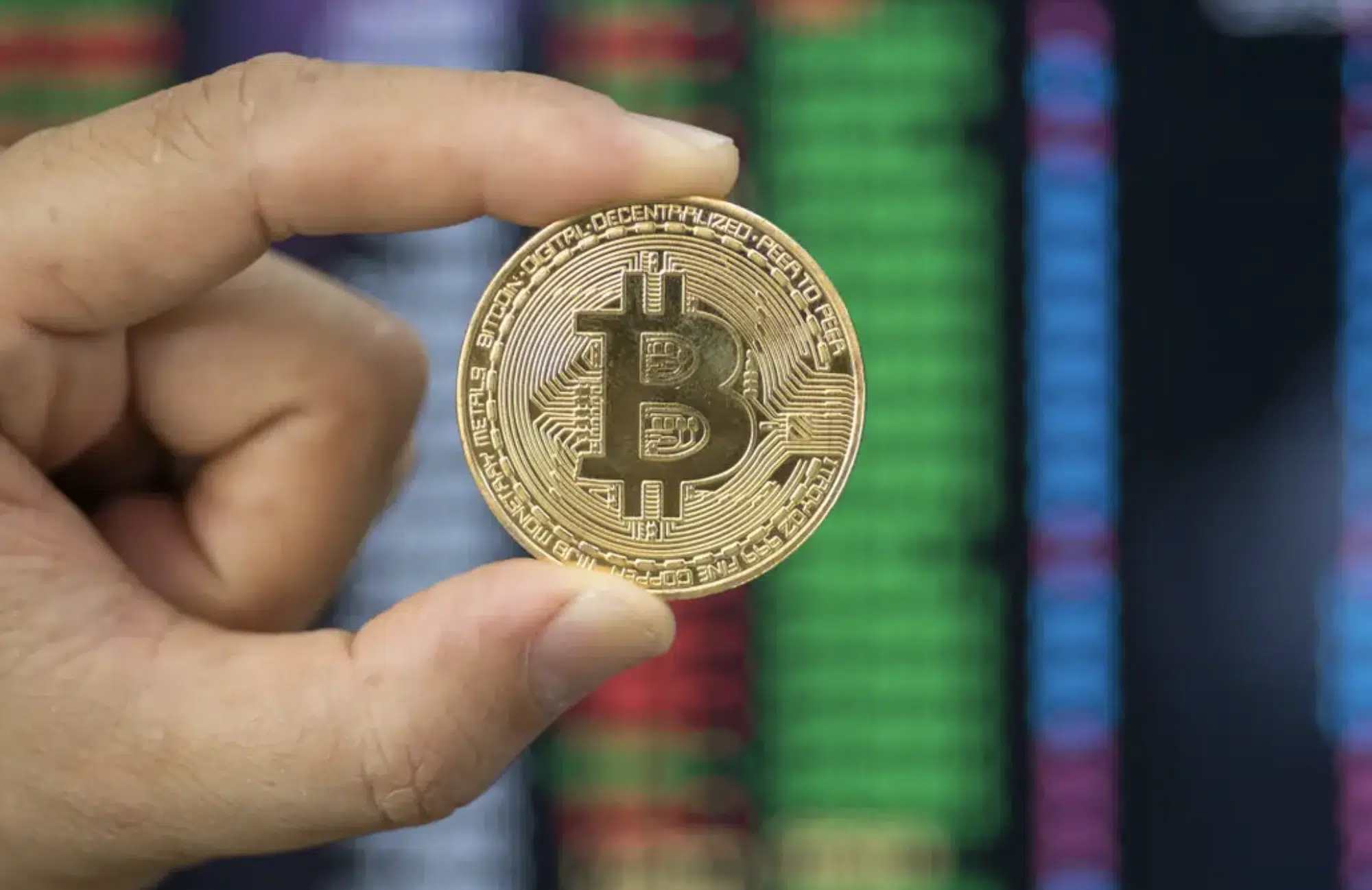
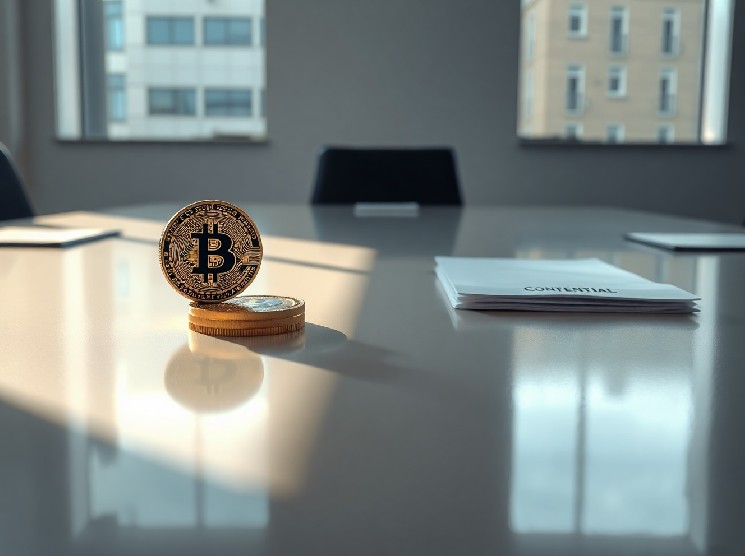
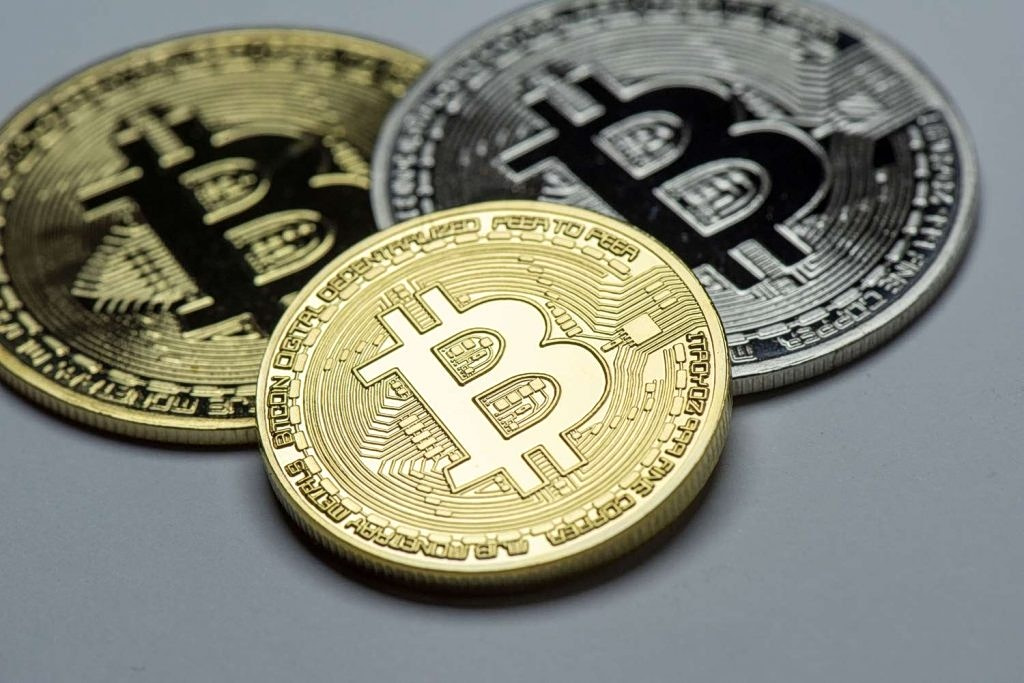
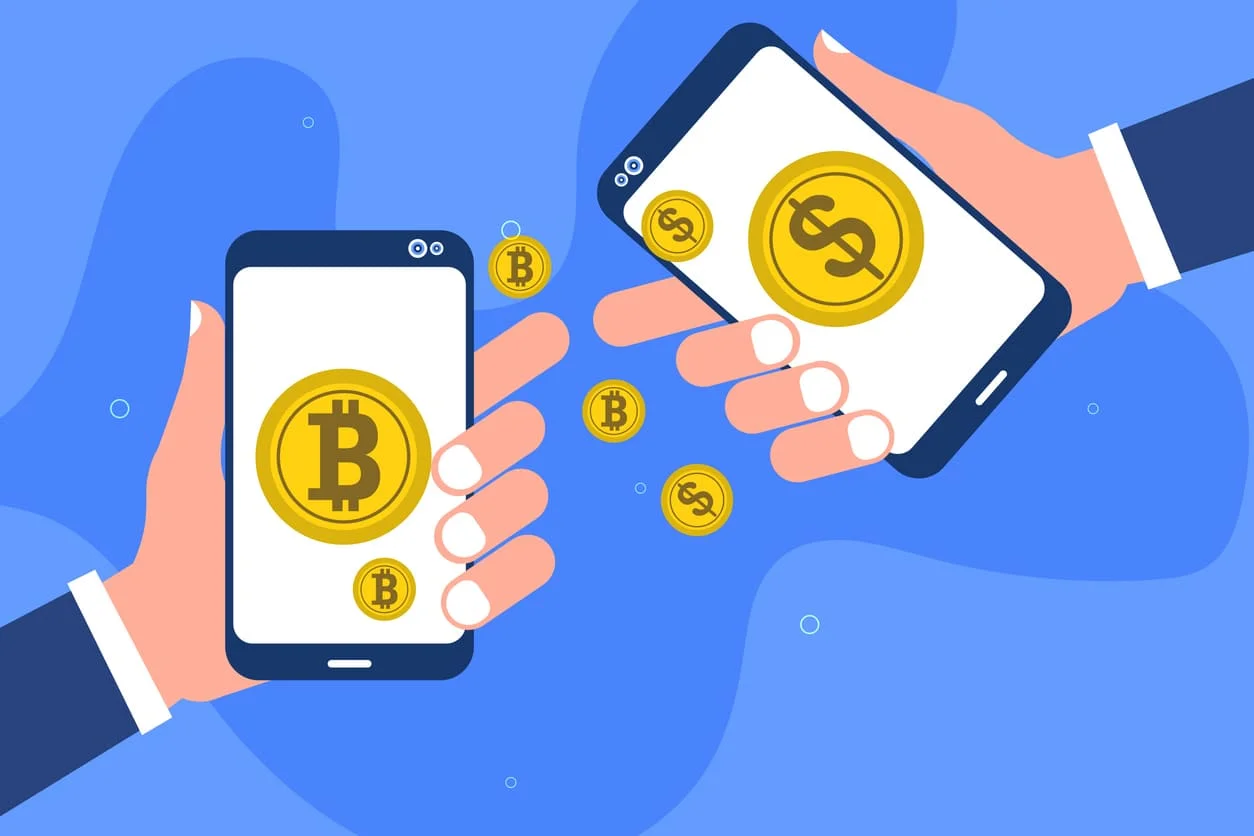
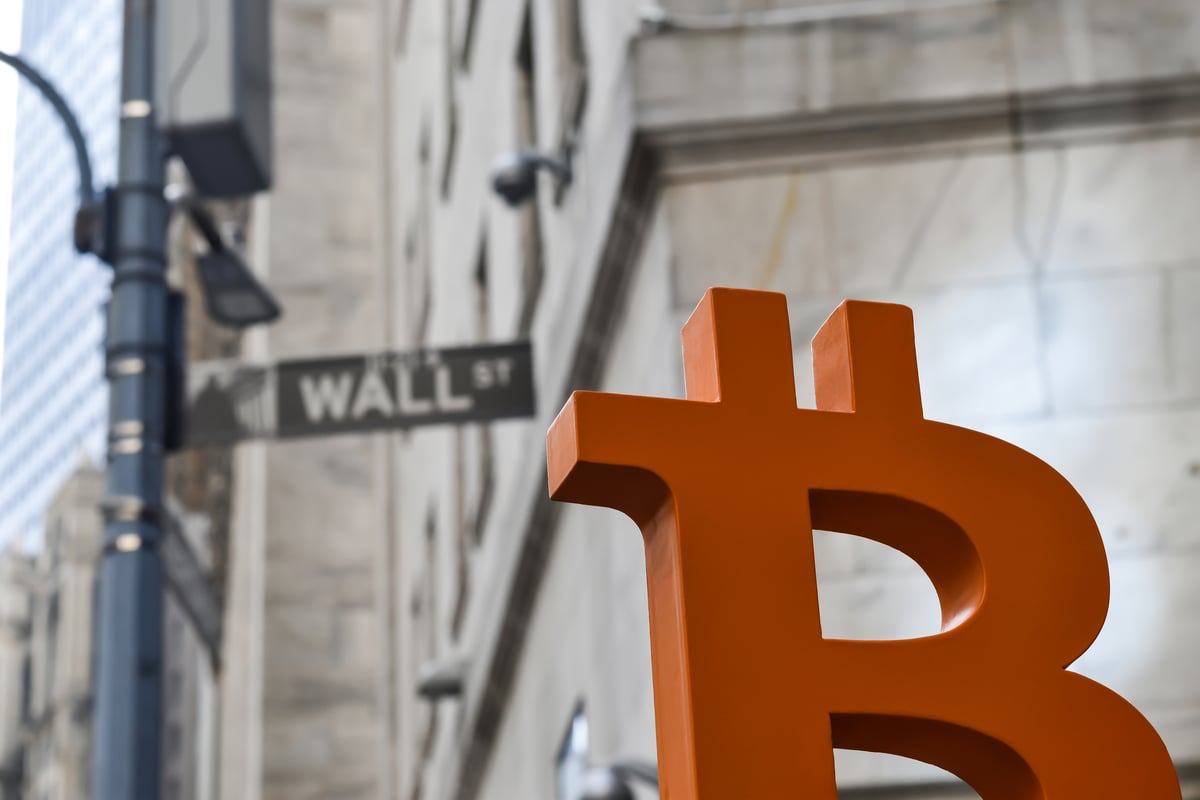
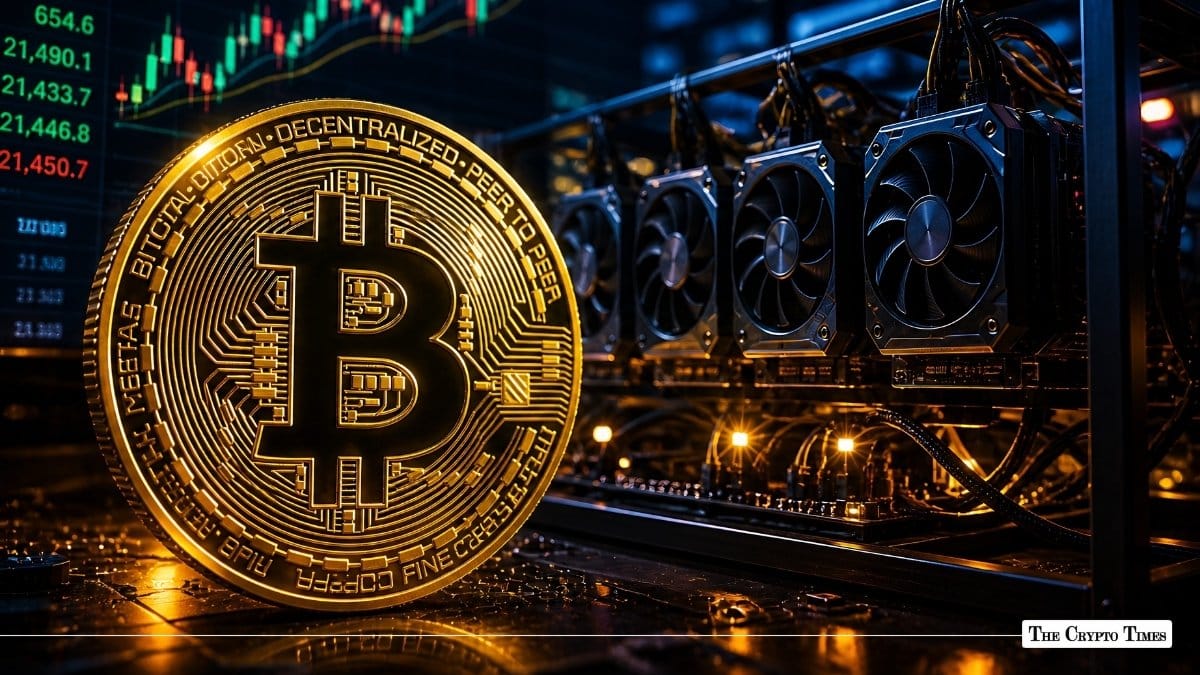
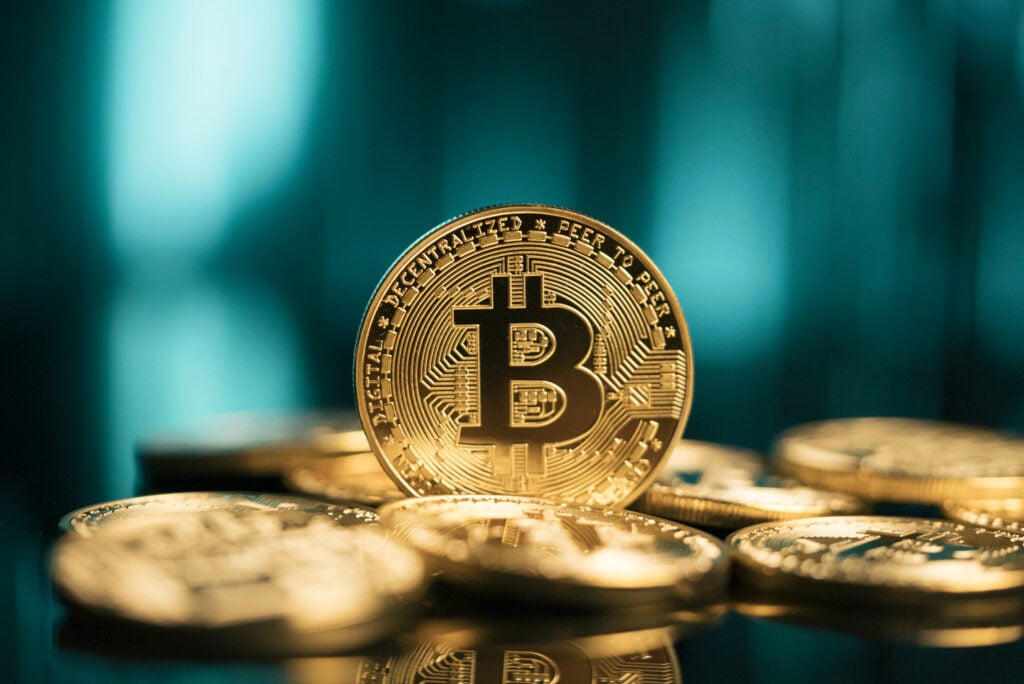
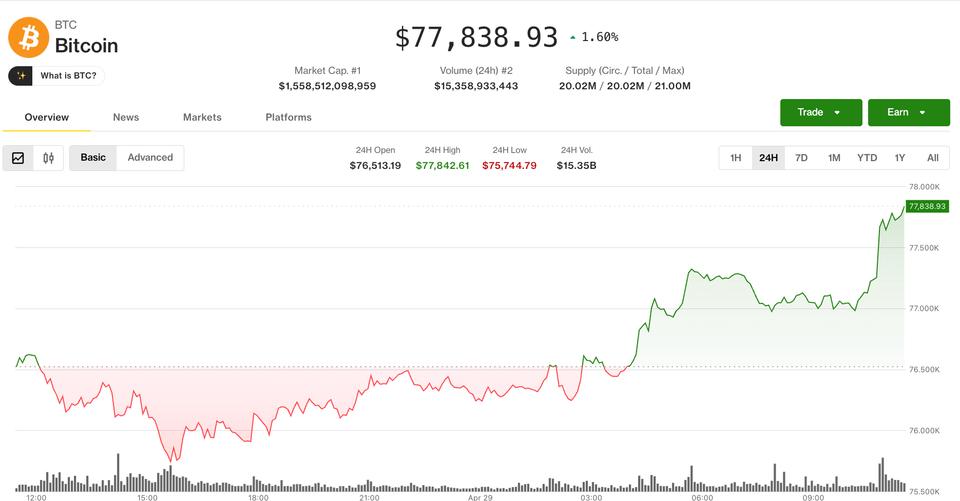
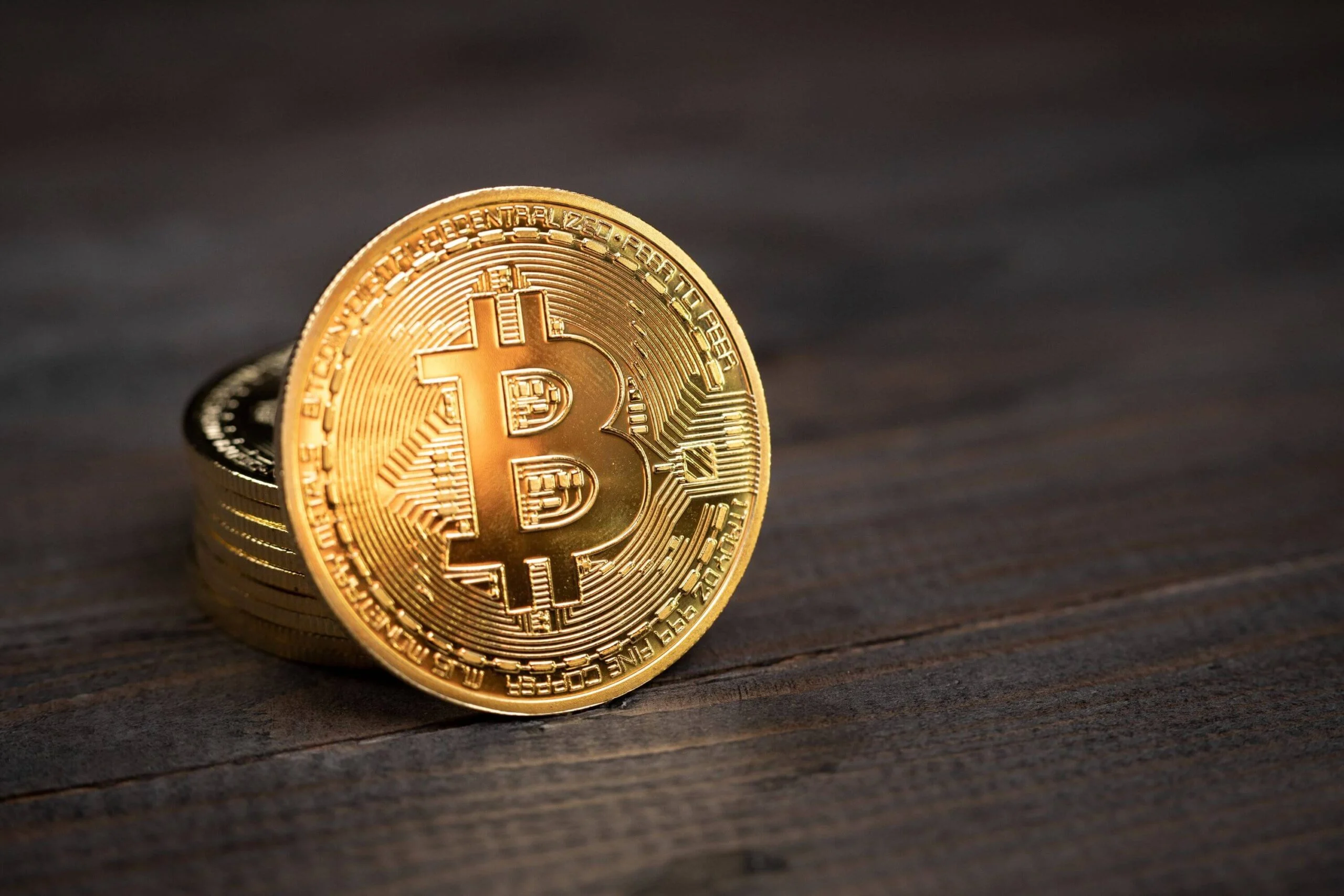
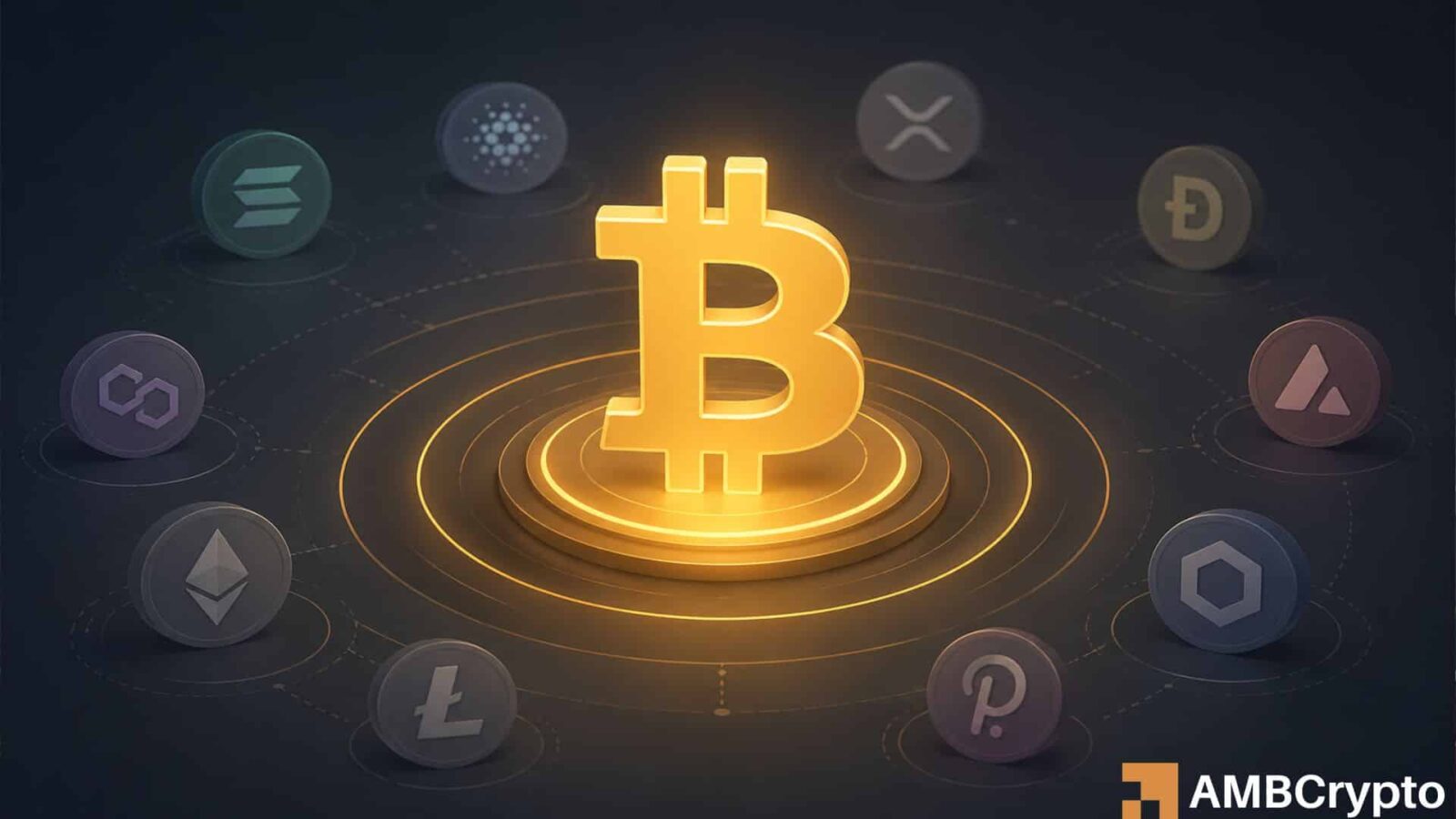
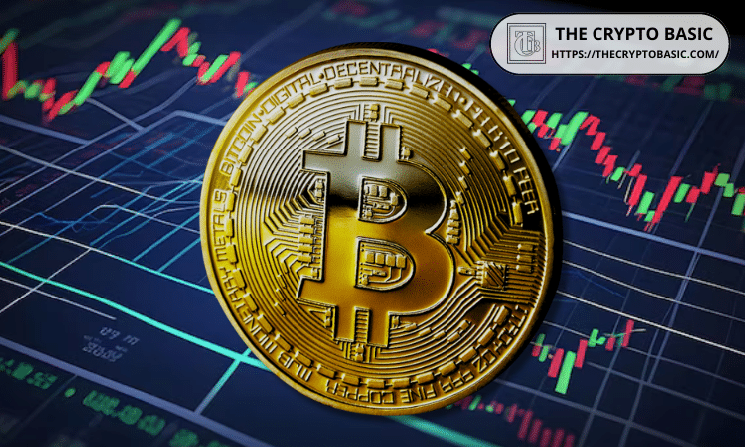
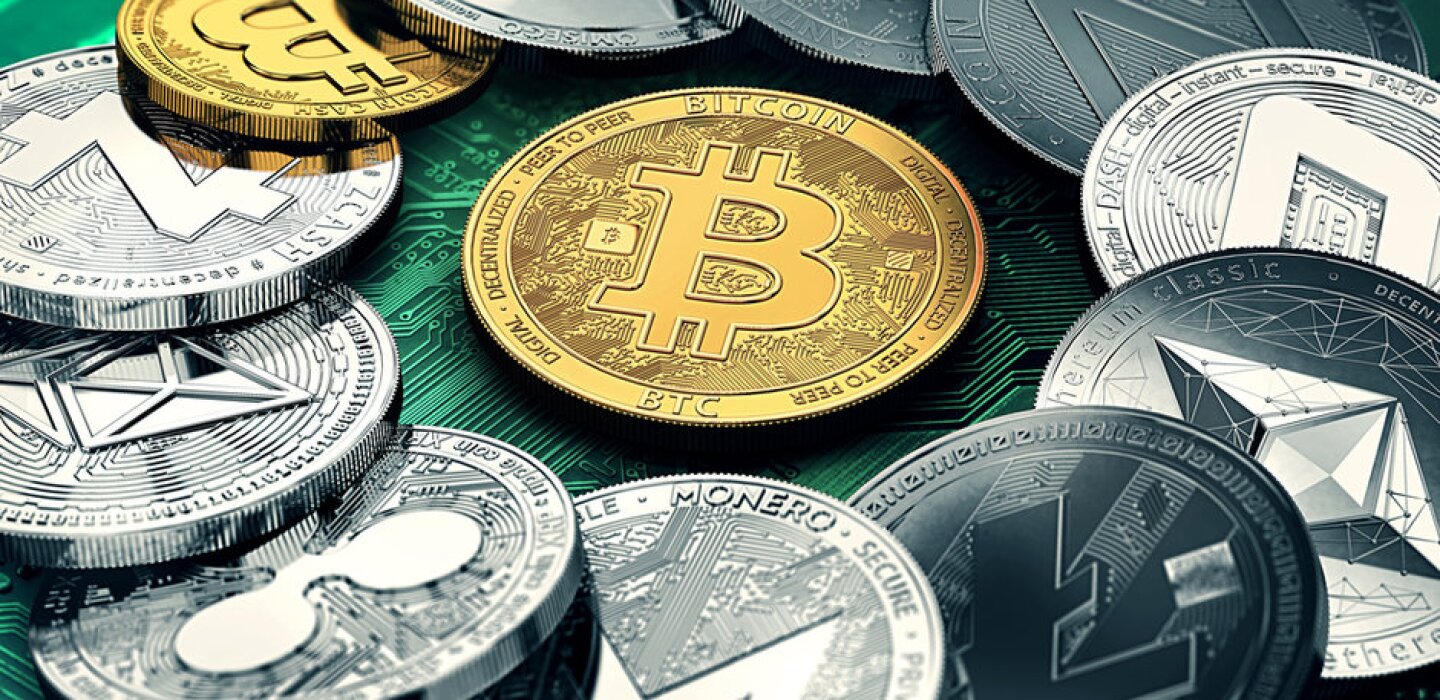
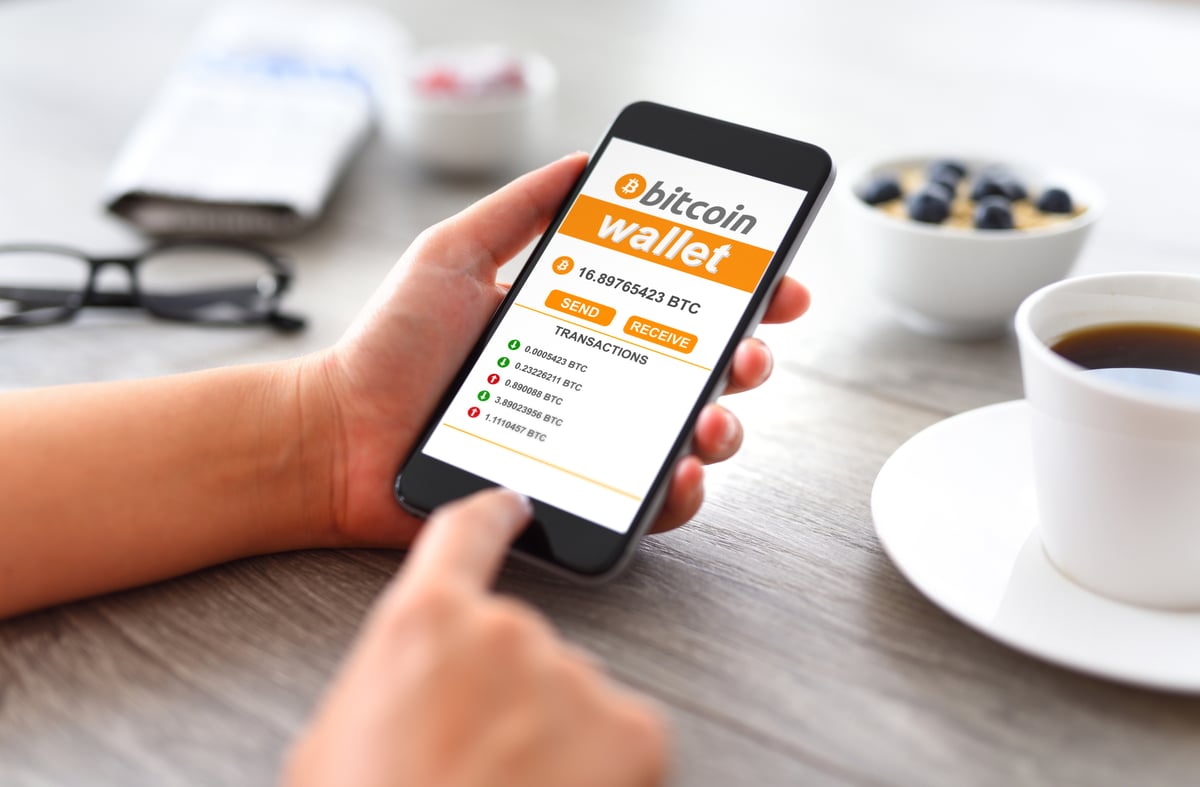
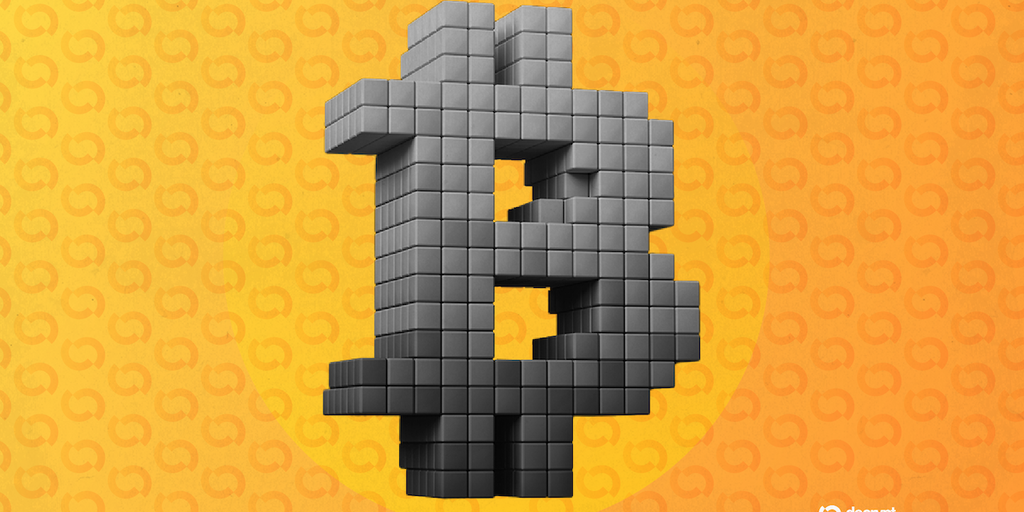
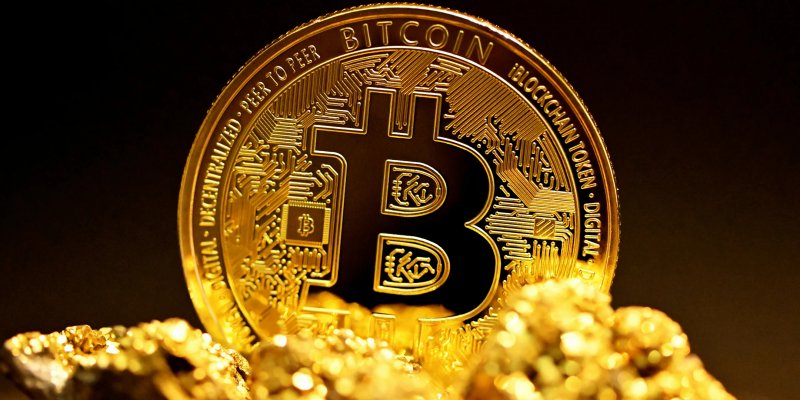
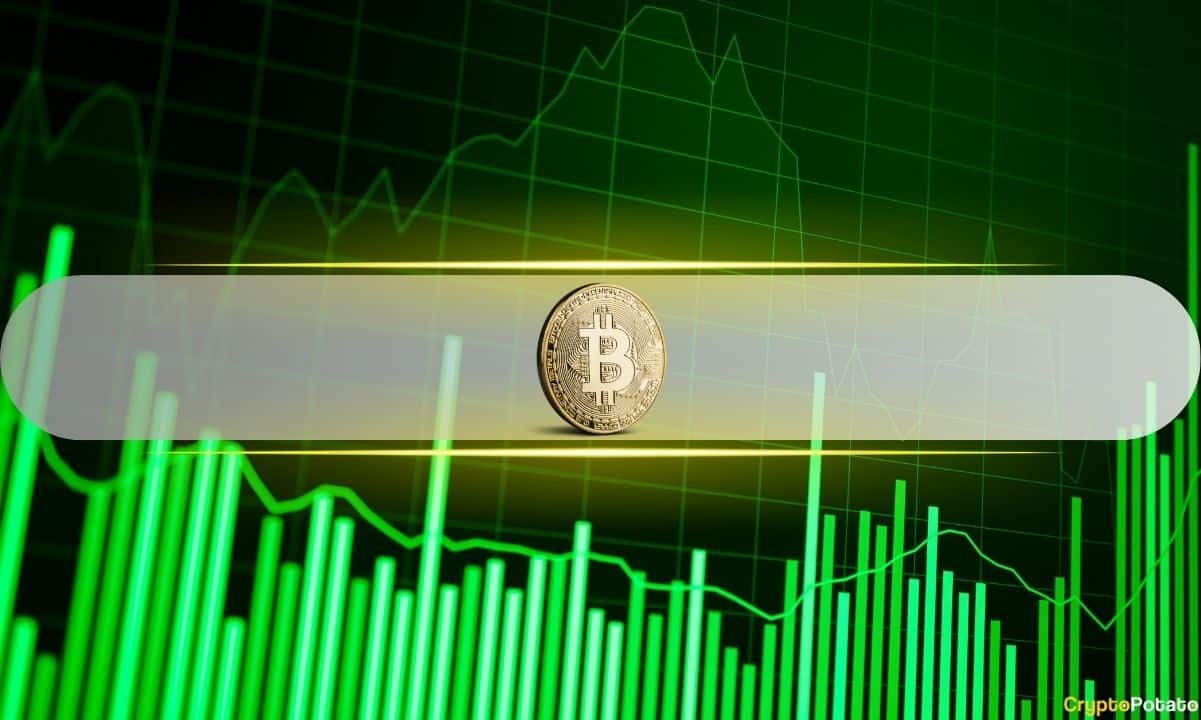
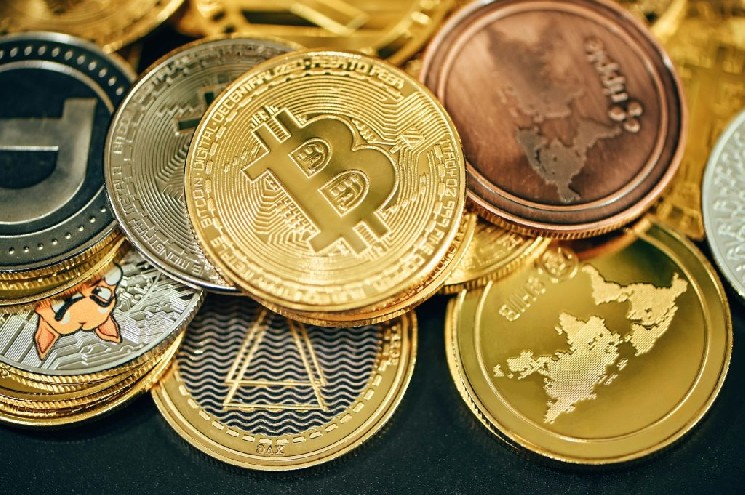
It’s time to shine the spotlight on Bitcoin (BTC 1.73%), the world’s first and most valuable cryptocurrency, with a market cap of $1.5 trillion. Bitcoin is a decentralized monetary network that was built to allow anyone in the world to transfer value to anyone else anywhere in the world without the use of an intermediary. It was a technological breakthrough at the time. And it still is today.
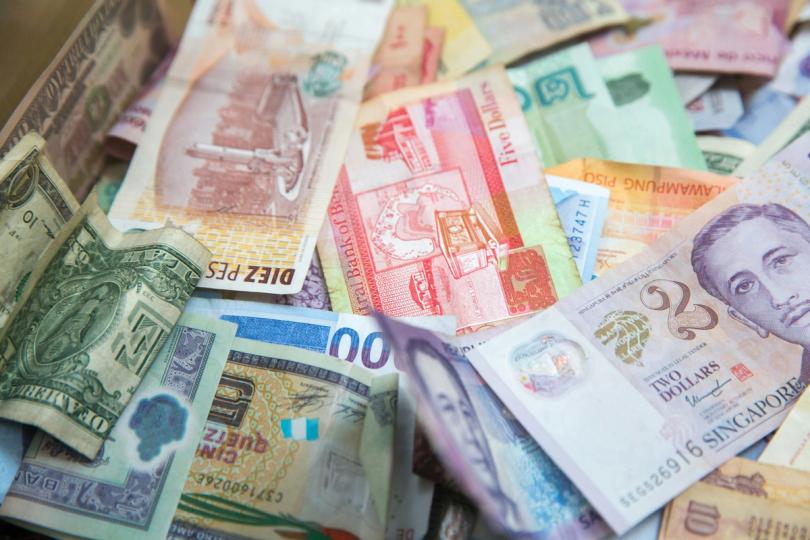
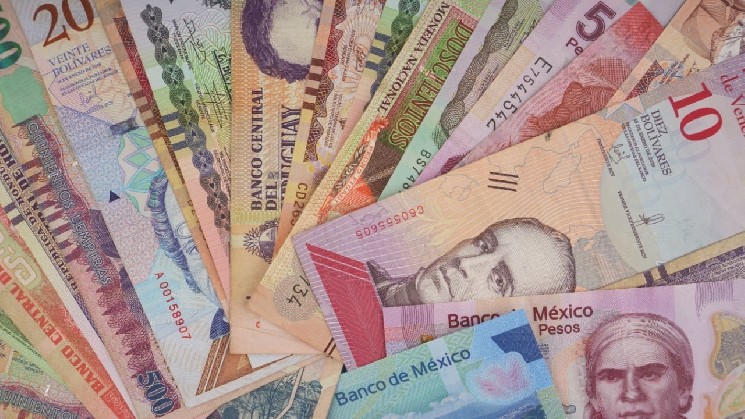
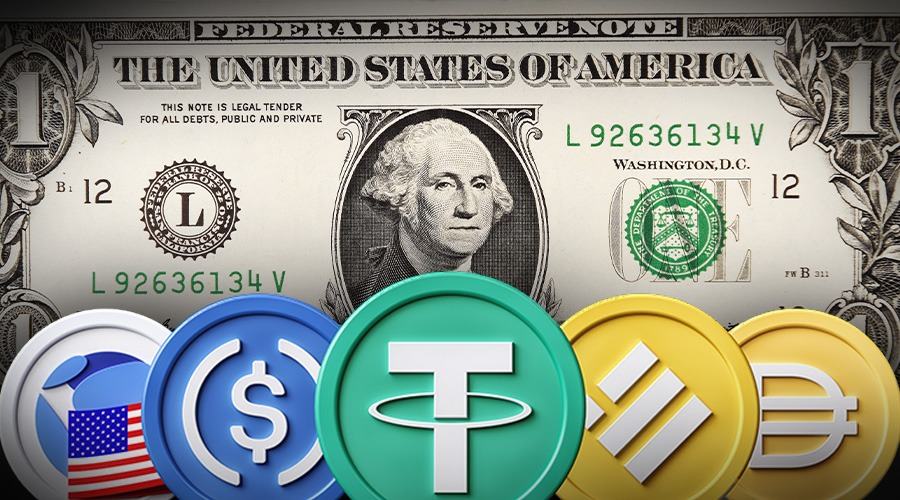
To understand the enormous importance of a completely novel monetary network to emerge, one that’s digital, immutable, and not controlled by anyone, it requires looking at the past. Fiat currencies, like the U.S. dollar, have a troubled history.
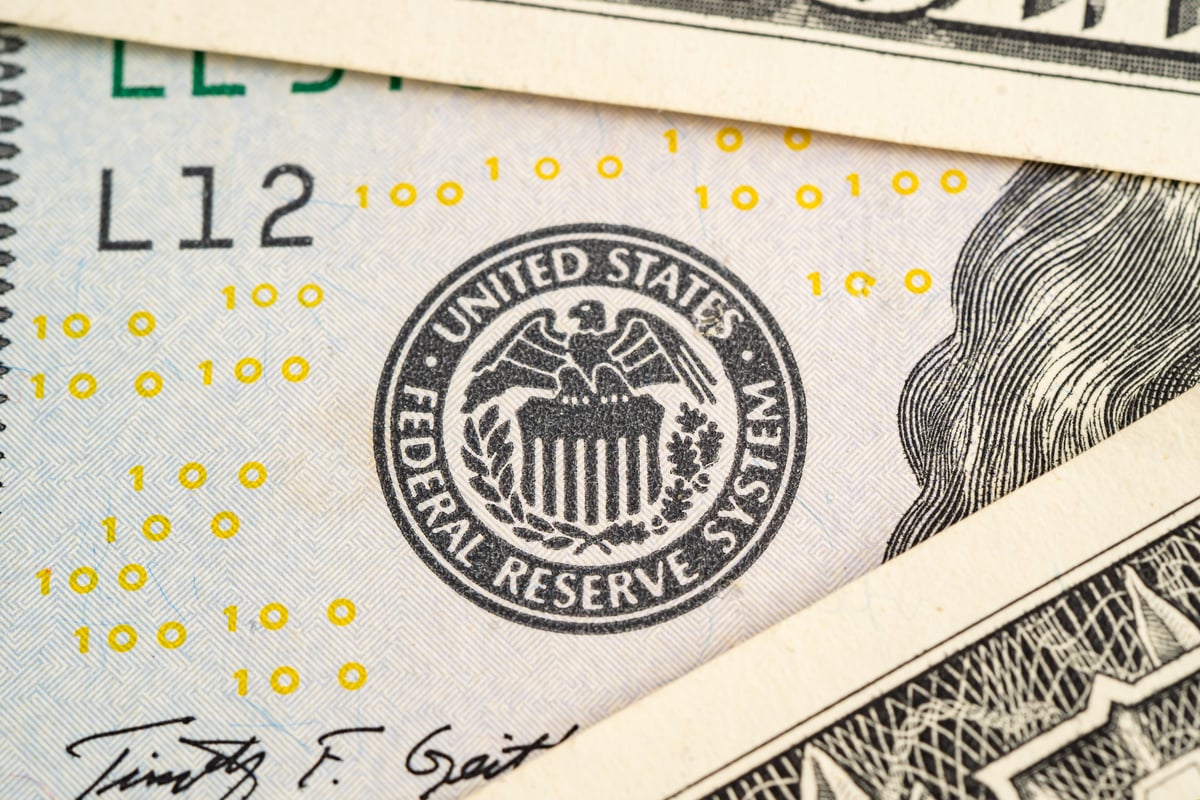
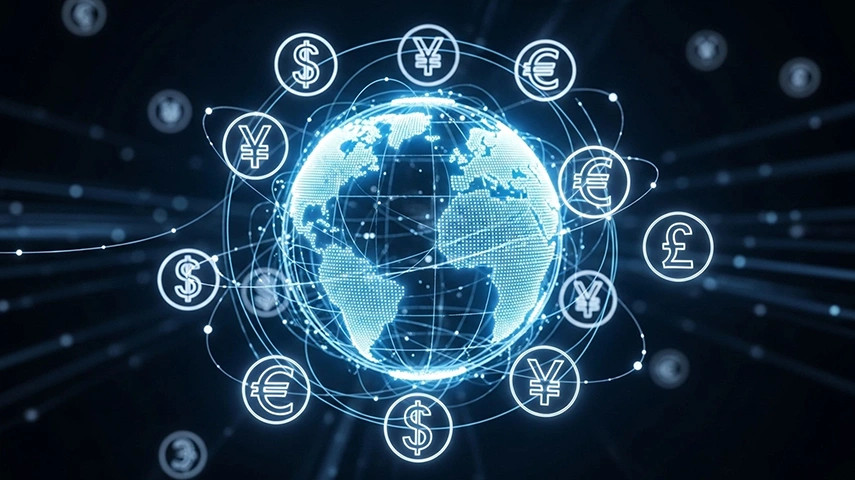
Since President Richard Nixon ended the convertibility of U.S. dollars to gold in 1971, the world economy has operated on government-backed, or fiat, currencies. The U.S. dollar has been the global reserve currency.
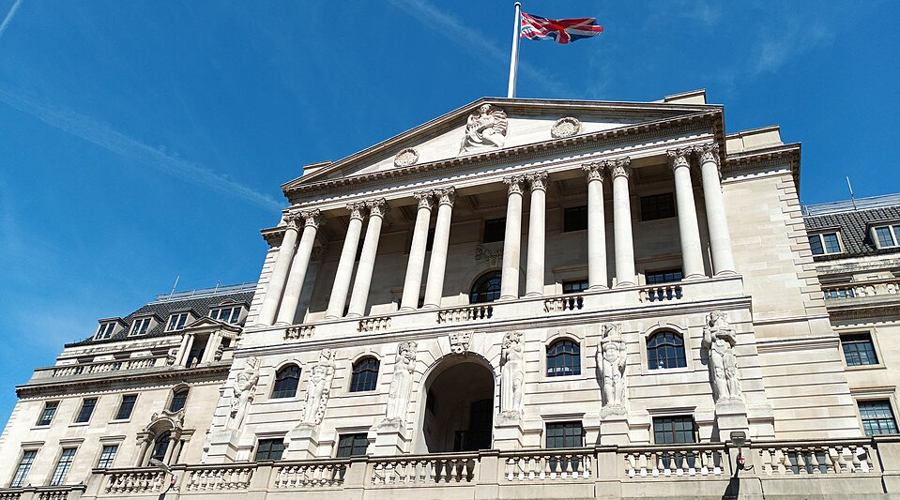
But the track record is impossible to ignore. Fiat currencies often end in collapse. Before the U.S. dollar’s current reign, it was the British Pound sterling. Over time, inflation decreases purchasing power, sometimes rapidly.
Is the writing on the wall for the U.S. dollar? Persistent fiscal deficits in the U.S., an ever-expanding debt burden that’s nearing $40 trillion, loss of public confidence and trust, and political instability are all clear signs that cracks in the system are forming.
While unsustainable things can go on for much longer than people anticipate, perhaps it’s only a matter of time before the U.S. dollar’s dominance comes to an end. And Bitcoin appears well-positioned to be a winner from this development.

Today’s Change
(-1.73%) $-1328.32
Current Price
$75251.00
Key Data Points
Market Cap
$1.5T
Day’s Range
$75022.00 – $76686.00
52wk Range
$60255.56 – $126079.89
Volume
46B
The history lesson naturally leads to Bitcoin
After gaining more knowledge about the history of fiat currencies, investors will figure out the best ways to allocate capital to maintain and grow their purchasing power over the next decade. High-quality stocks, particularly in businesses that possess pricing power, present one idea. Real estate and commodities are also interesting if you have expertise in these areas.
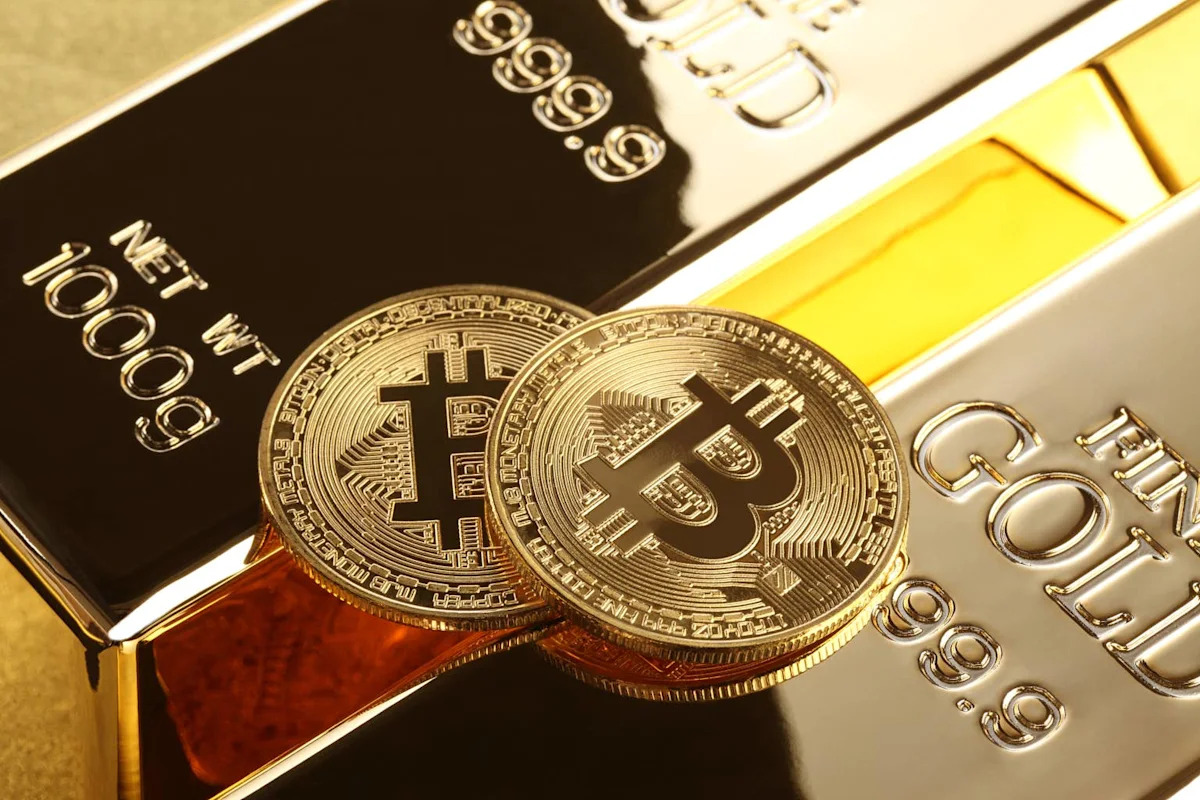
Gold also comes to mind. It might not be a coincidence that the precious metal’s price doubled in the past two years. Those in charge of large pools of capital might be considering some of the variables that I just discussed, leading them to direct money toward an asset that has been viewed as a top store of value for millennia.
I believe, however, that Bitcoin is the best bet if you think there’s even a tiny chance that the U.S. dollar will collapse as its predecessors did.
Bitcoin is superior to gold, in my opinion. It’s purely digital, while also being divisible, allowing people to transact with it. It’s borderless and portable. And it’s finite, with a hard supply cap of 21 million units. It makes sense that a neutral monetary asset would succeed, or at least rise alongside, the U.S. dollar’s run. Individuals, corporations, financial institutions, and governments should gravitate toward the supreme cryptocurrency.
And that supports a much higher price a decade from now, with the upside even bigger on a longer time horizon. With Bitcoin trading 40% off its peak, at a price that’s under $80,000 right now, investors have the opportunity to buy what could end up being the dominant financial instrument in the economy one day.