Key Highlights
- Brazilian cryptocurrency platforms must implement stricter capital and risk protocols by January 2027
- National Central Bank enhances regulatory framework for virtual asset service providers
- Digital asset custodians and exchange platforms subject to enhanced prudential requirements
- Segment 5 financial institutions prohibited from providing cryptocurrency services
- Regulatory framework elevates crypto firms to broker-equivalent supervision standards
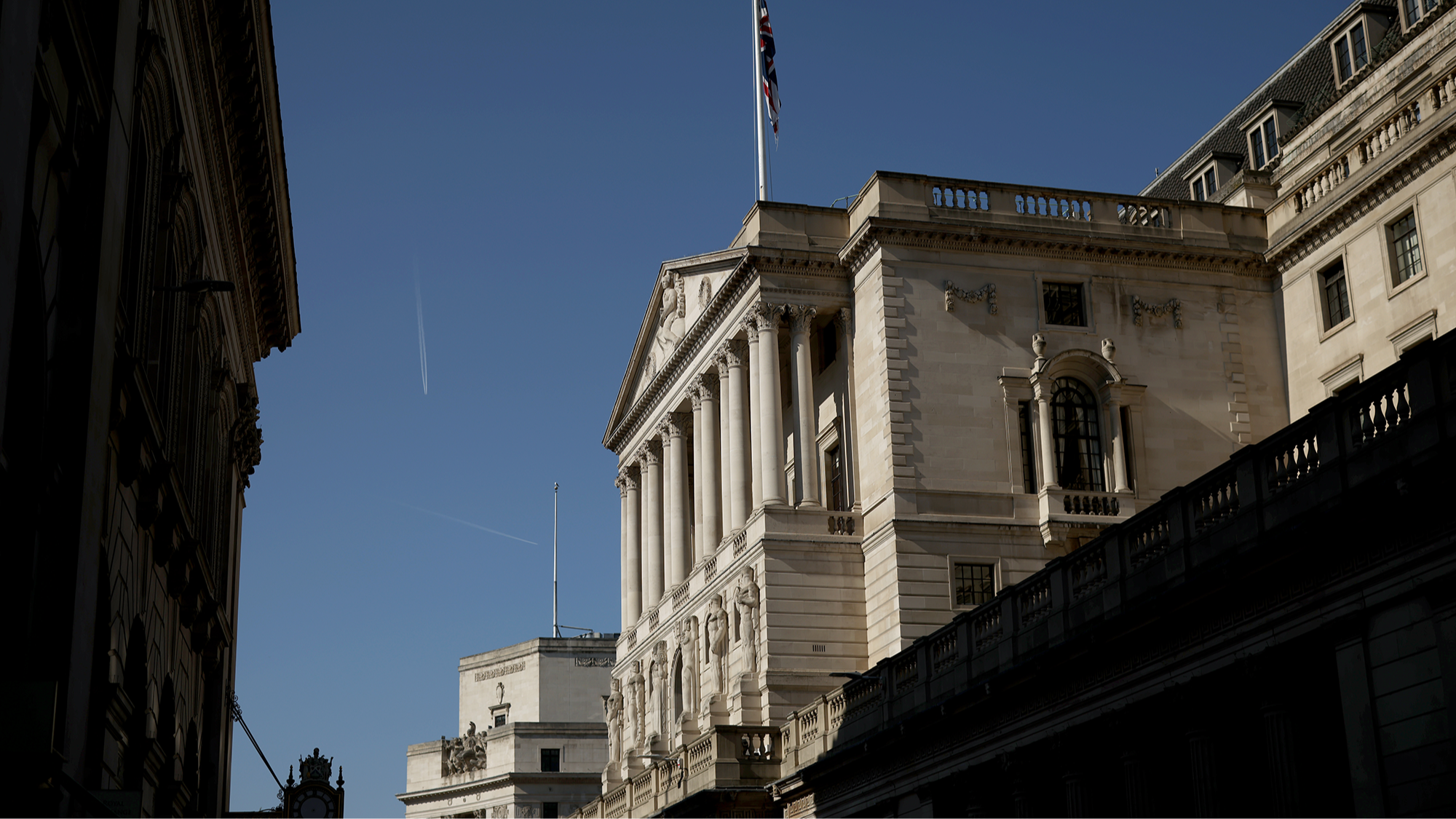
Brazilian cryptocurrency companies will need to comply with enhanced capital adequacy, risk control, and transparency requirements beginning in 2027. On July 1, the nation’s Central Bank finalized these regulatory measures as part of an expanding framework governing digital assets. The new standards apply to entities offering cryptocurrency trading, safekeeping, transaction processing, and associated virtual asset operations.
Enhanced Regulatory Framework for Digital Assets
The comprehensive regulatory structure becomes mandatory on January 1, 2027, following an adjustment window for affected companies. Virtual asset service providers must establish minimum capital buffers to protect against potential losses. Additionally, firms will need to implement formalized risk management frameworks and submit periodic disclosures covering financial health and operational status.
Brazil’s monetary authority stated that these regulations will bolster market integrity and enhance consumer protection. The initiatives represent a critical component of the nation’s evolving legal infrastructure for digital currencies. Furthermore, they align cryptocurrency platforms with regulatory expectations typically reserved for traditional financial institutions.
The regulatory mandates will govern entities designated as SPSAVs within Brazil’s virtual asset classification system. These organizations facilitate operations involving digital currencies, tokenized assets, secure storage, exchange services, and customer asset transfers. Supervisory bodies will now recognize them as entities carrying material financial risk.
Type 3 Institutional Classification for Virtual Asset Platforms
Brazilian authorities will designate virtual asset service providers and their affiliated corporate groups as Type 3 institutions. This classification employs regulatory standards comparable to those governing securities intermediaries and investment distributors. The Central Bank emphasized that equivalent risk profiles necessitate equivalent regulatory oversight.
This institutional designation will compel cryptocurrency businesses to enhance corporate governance structures, capital allocation strategies, and operational oversight mechanisms. Platforms must also develop robust frameworks for covering potential losses and tracking risk exposure. Consequently, smaller market participants may encounter increased compliance expenditures ahead of the 2027 implementation date.
Brazil will additionally categorize all virtual asset service providers within Segment 4 by June 30, 2028. This classification will apply universally across companies and will intensify prudential oversight. The phased implementation timeline, however, provides organizations with adequate preparation time before complete regulatory enforcement.
Evolving Cryptocurrency Regulatory Landscape
Brazil has also prohibited Segment 5 institutions from conducting virtual asset operations under the updated regulatory framework. Segment 5 encompasses smaller financial entities operating under streamlined regulatory protocols. The Central Bank determined that cryptocurrency services demand more rigorous oversight than this classification permits.
These recent measures complement previous regulations established for Brazil’s digital asset sector. During November 2025, the Central Bank implemented operational benchmarks addressing governance structures and measures to prevent financial crimes. The framework also incorporated foreign currency transaction protocols and operational prerequisites for cryptocurrency platforms.
Additional regulations emerged throughout 2026 as Brazilian authorities broadened their digital asset supervision initiatives. The National Monetary Council mandated that platforms adhere to banking confidentiality provisions outlined in Complementary Law 105. The Central Bank also instituted requirements for independent audits as prerequisites for authorization applications and license extensions.