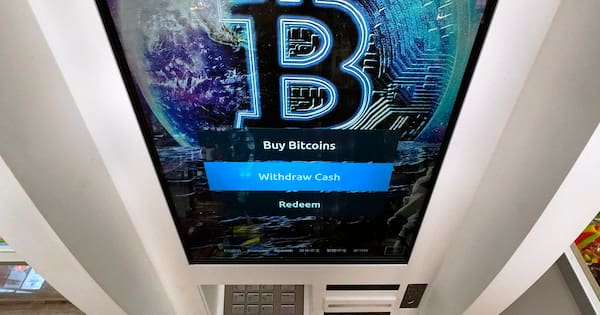
- The US CFTC said it approved the listing and trading of Coinbase’s Bitcoin perpetual futures contracts.
- Coinbase said CFTC approval makes it the first regulated company to offer global crypto options and perpetual futures in the US.
- The CFTC said it would limit excessive leverage, volatility and systemic risk.
Forecast Trend Report by Period


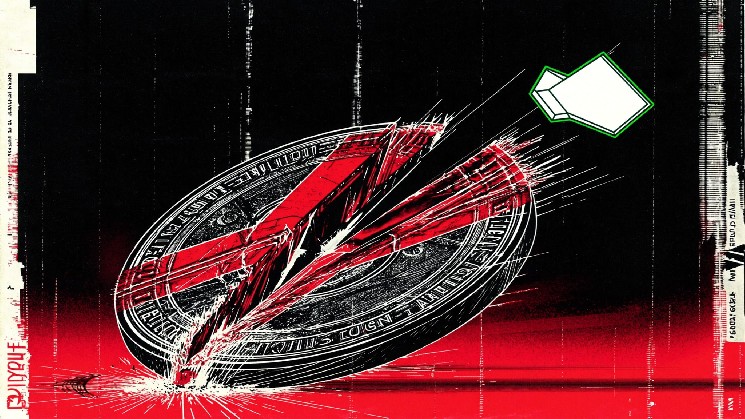
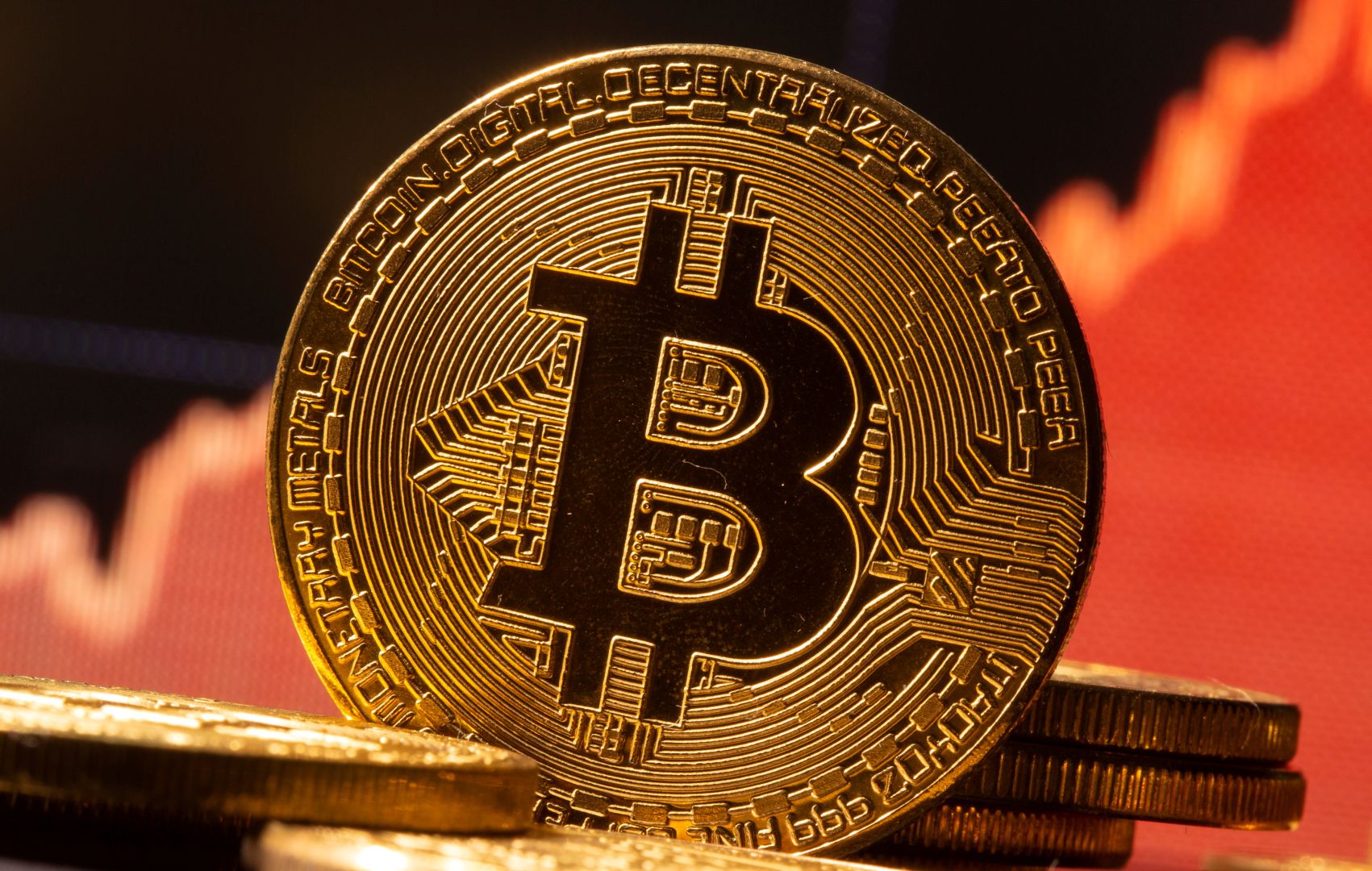
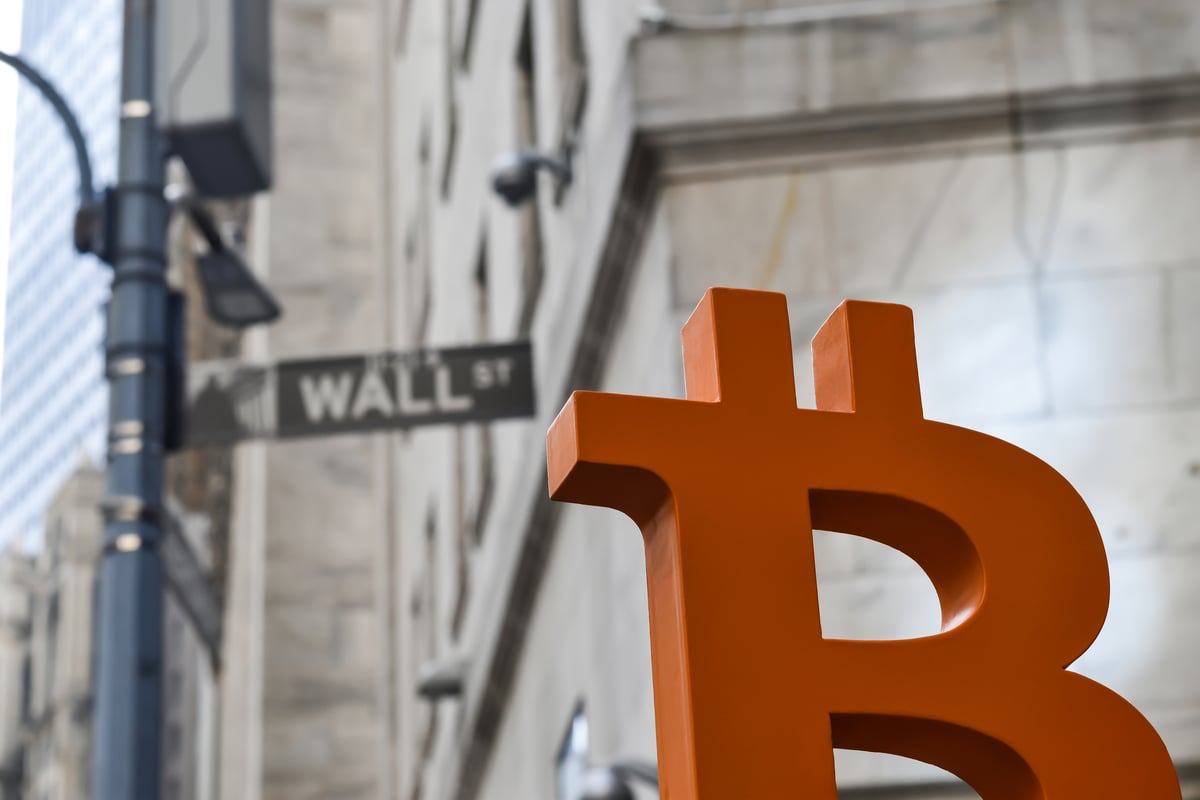
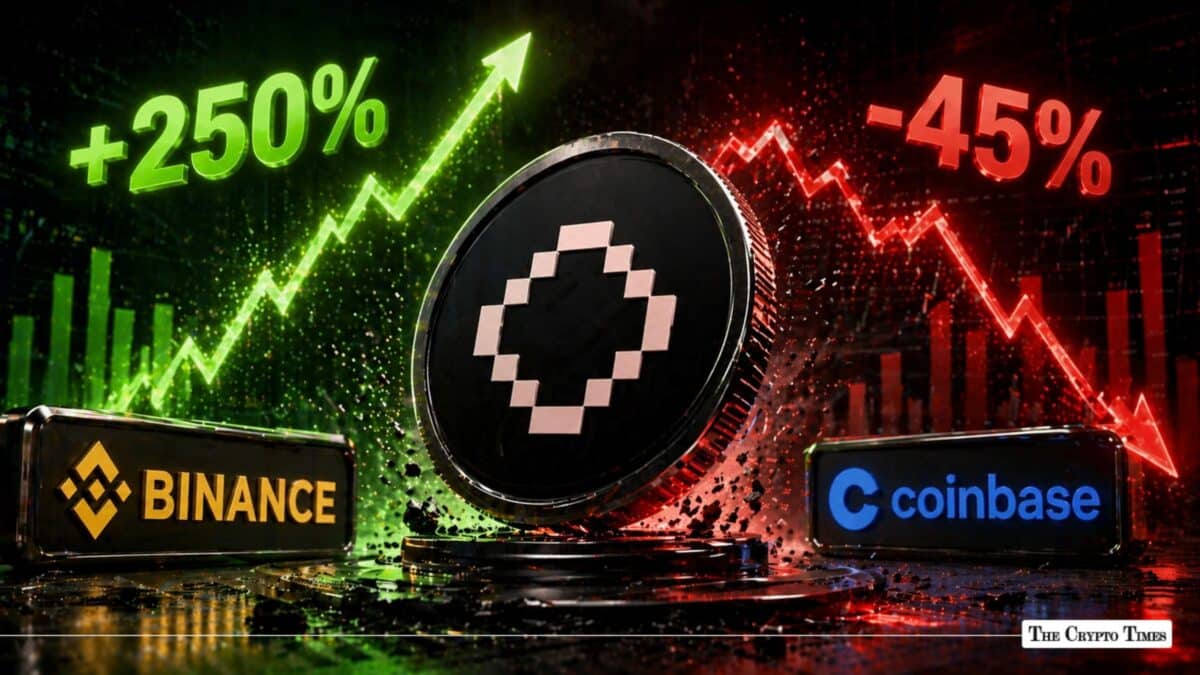
The Commodity Futures Trading Commission has approved Coinbase’s listing and trading of Bitcoin perpetual futures contracts, giving the U.S. crypto exchange a green light to offer the product.
CoinDesk and other outlets reported on May 29 that the CFTC approved the launch that day. Coinbase said the decision makes it the first regulated company to offer global crypto options and perpetual futures in the US. The exchange added that it plans to bring global crypto derivatives to the US market.
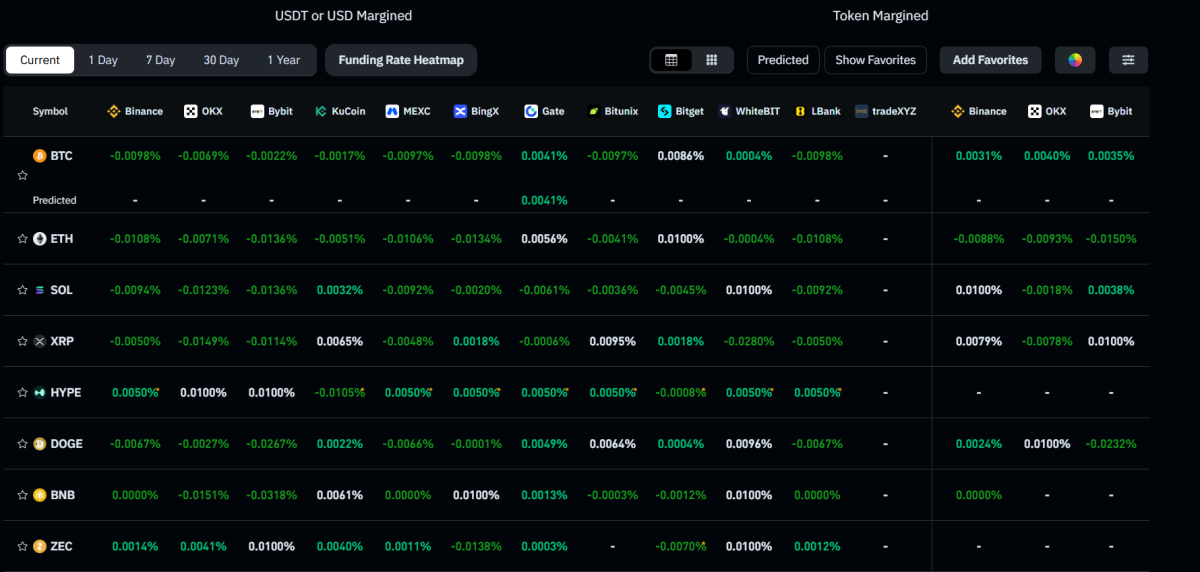
Perpetual futures are derivatives unique to the crypto market. Unlike futures in traditional finance, they do not expire and use funding payments to track underlying assets such as Bitcoin.
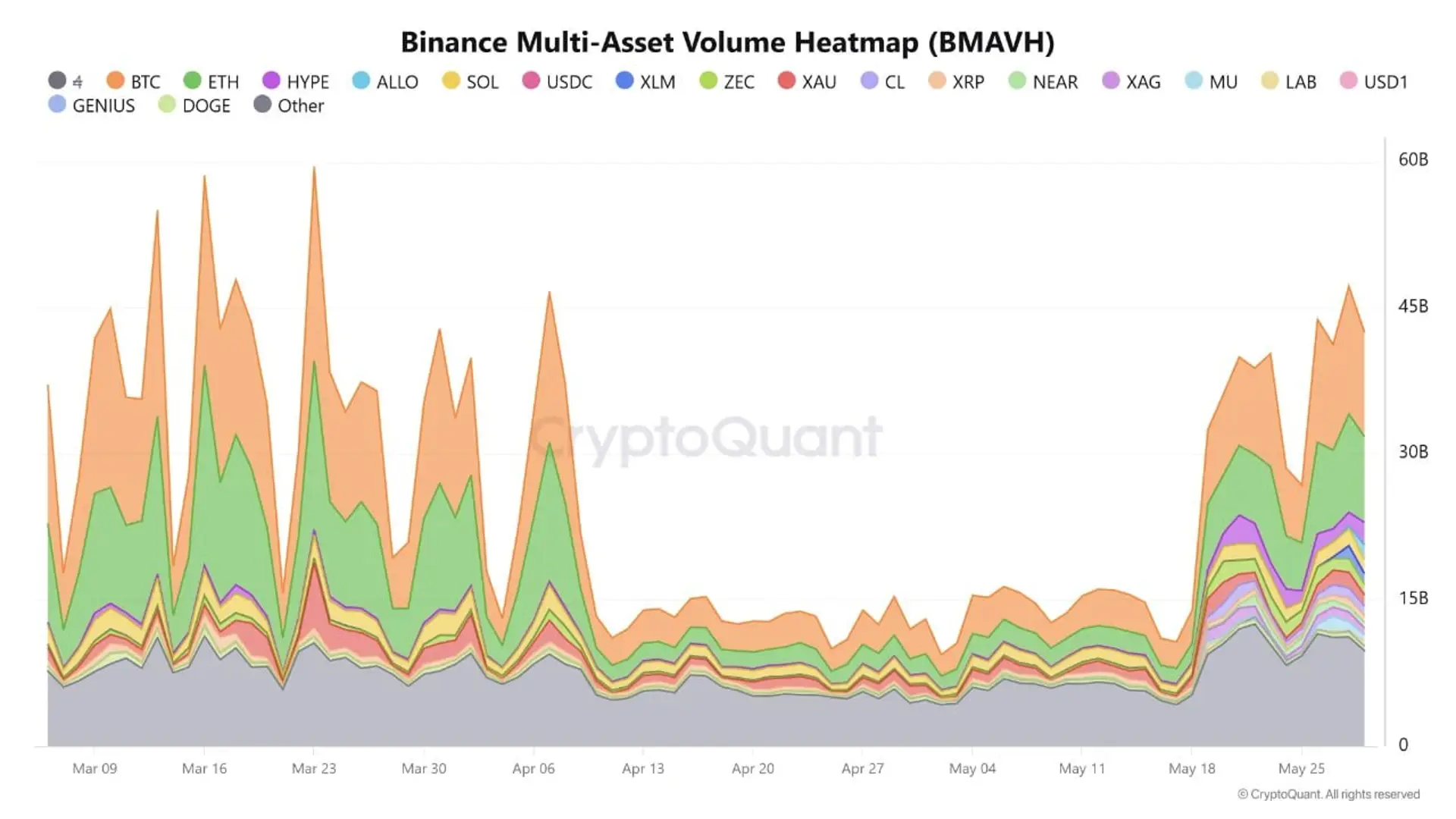
Perpetual futures account for more than 70% of total crypto trading volume. But regulatory uncertainty in the US has kept the market for crypto perpetual futures centered largely on offshore exchanges.
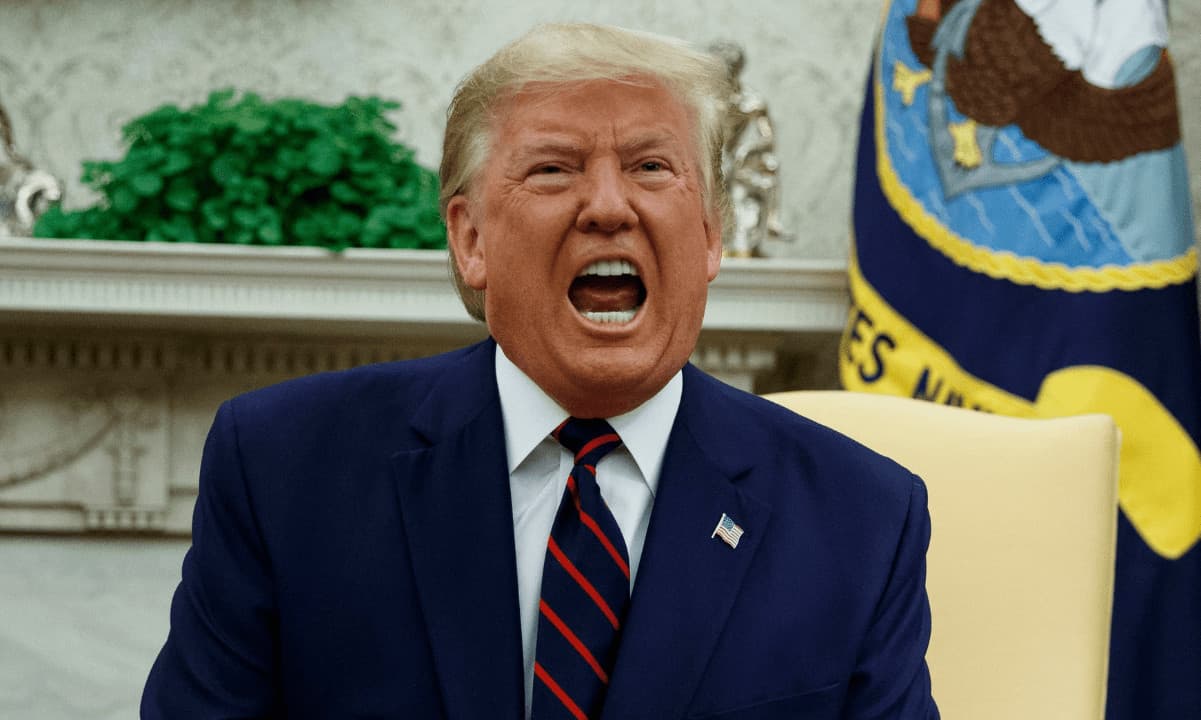
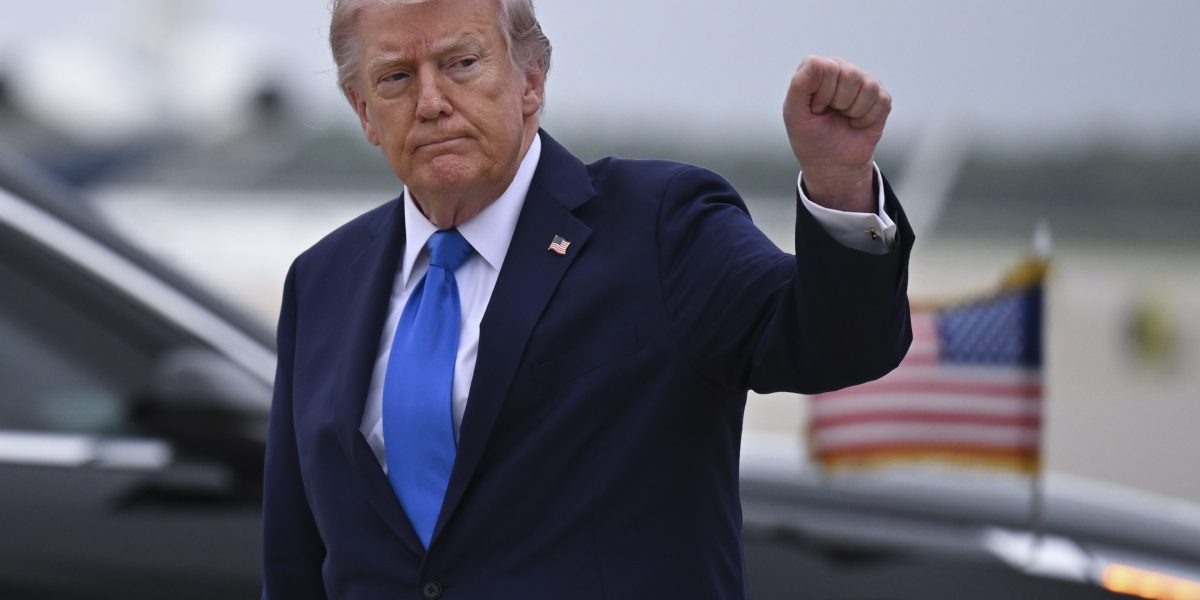
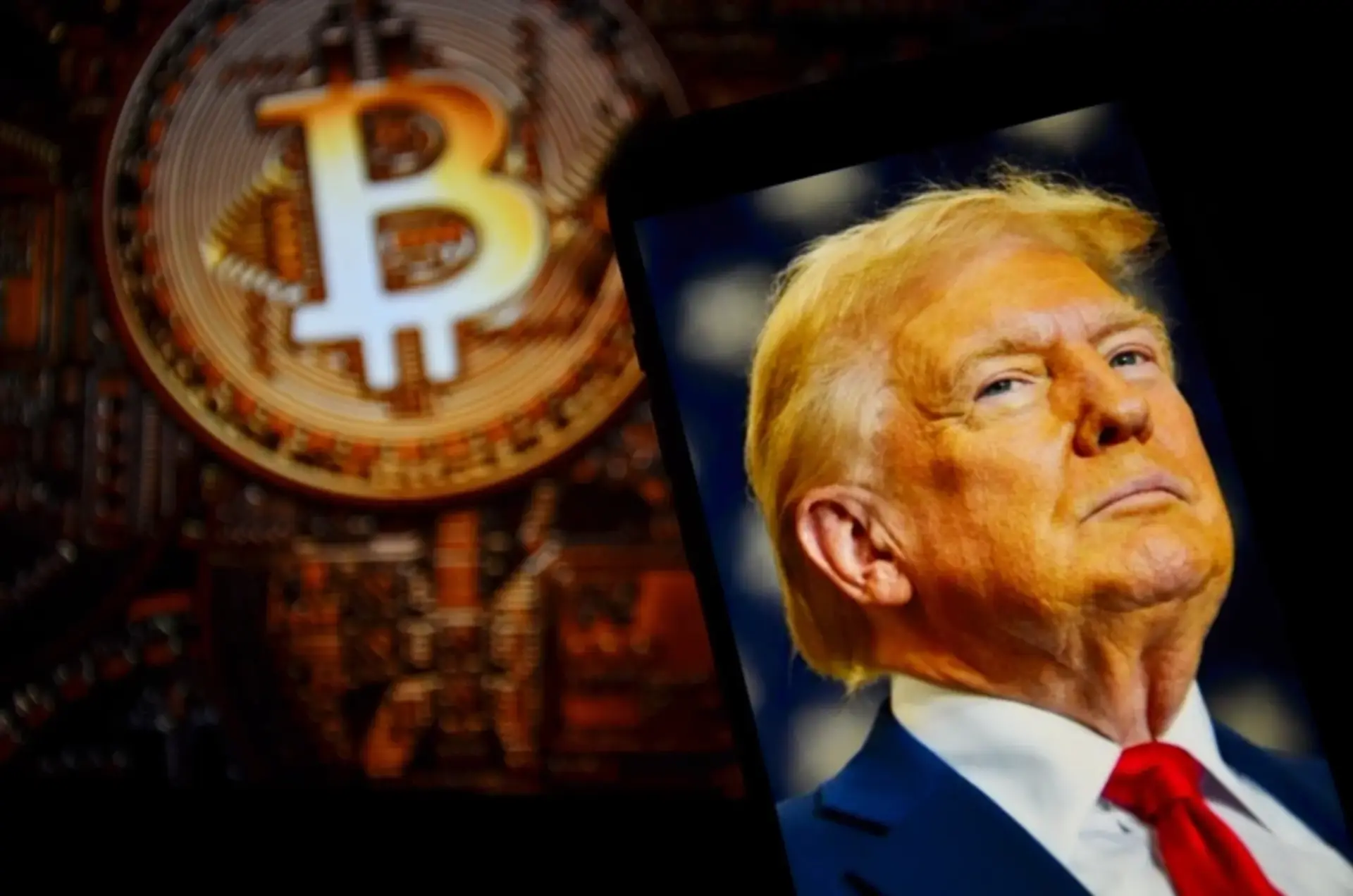
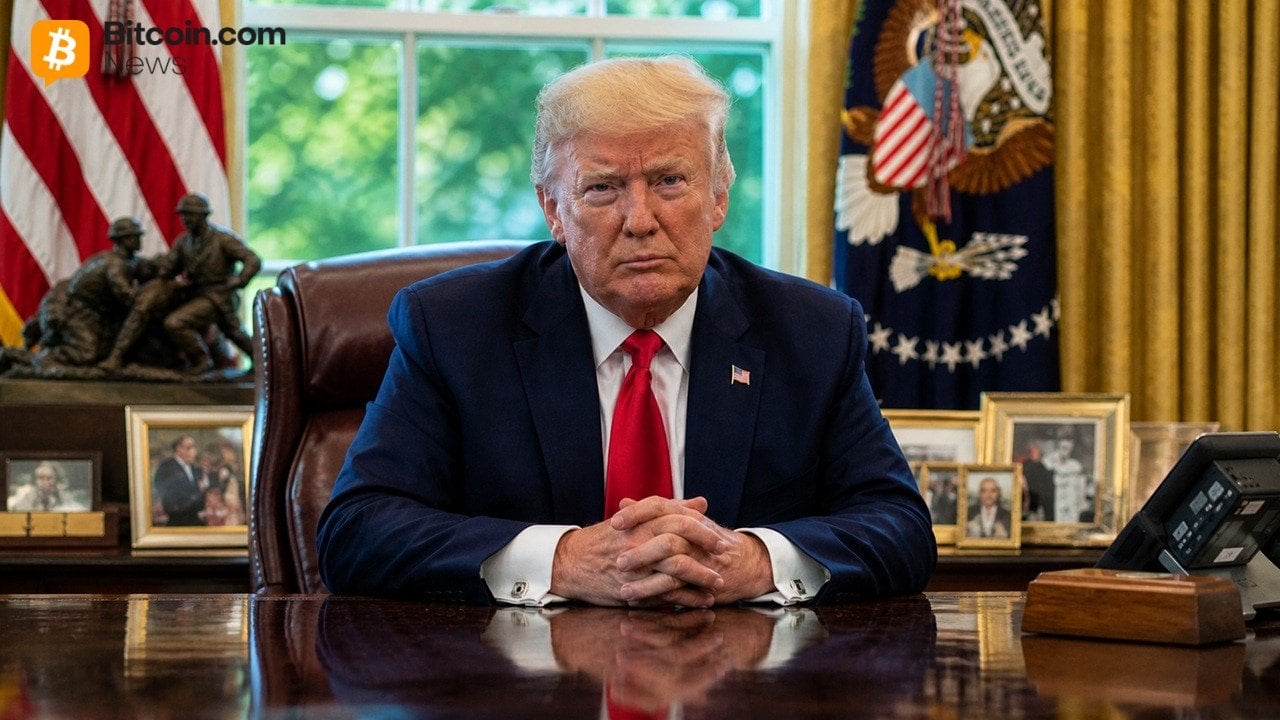
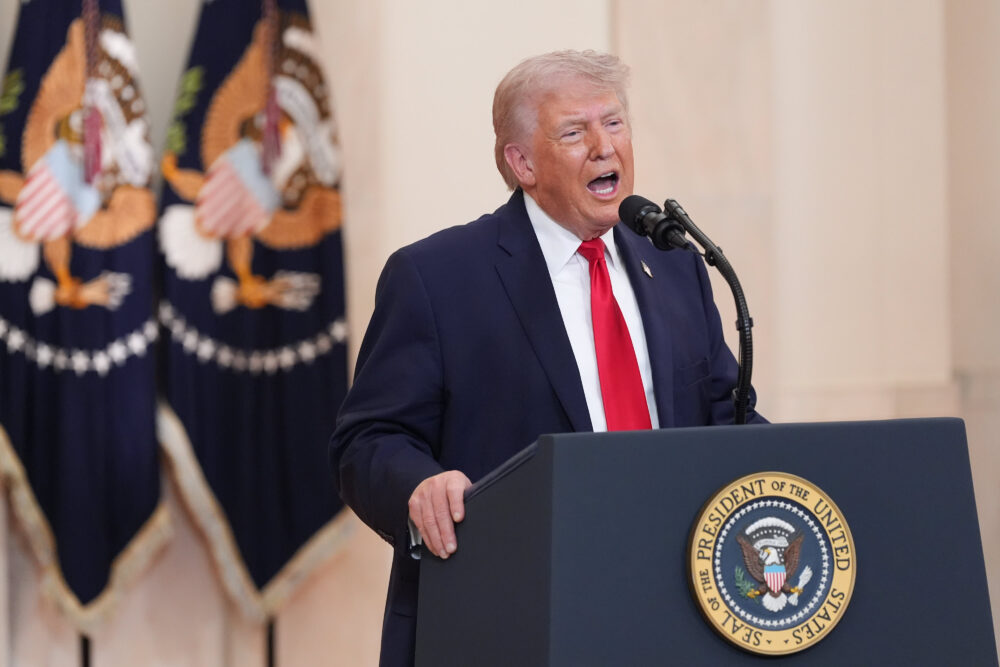
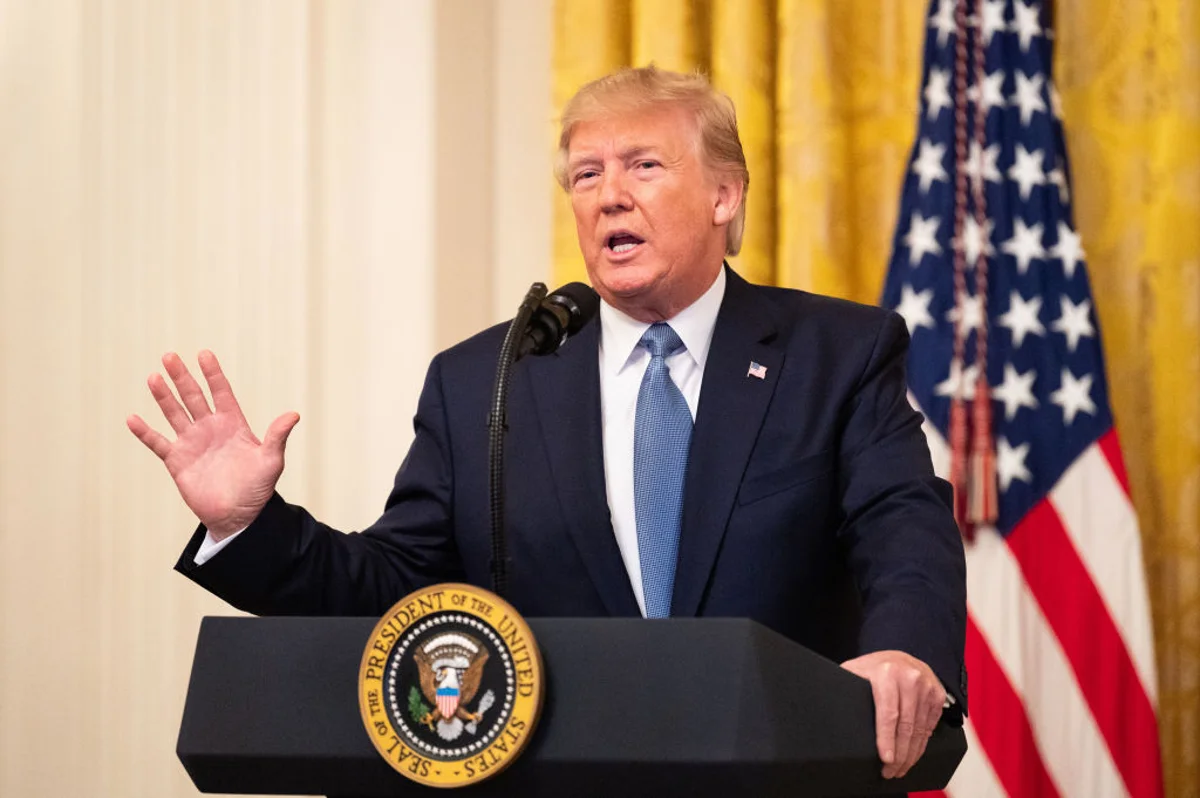
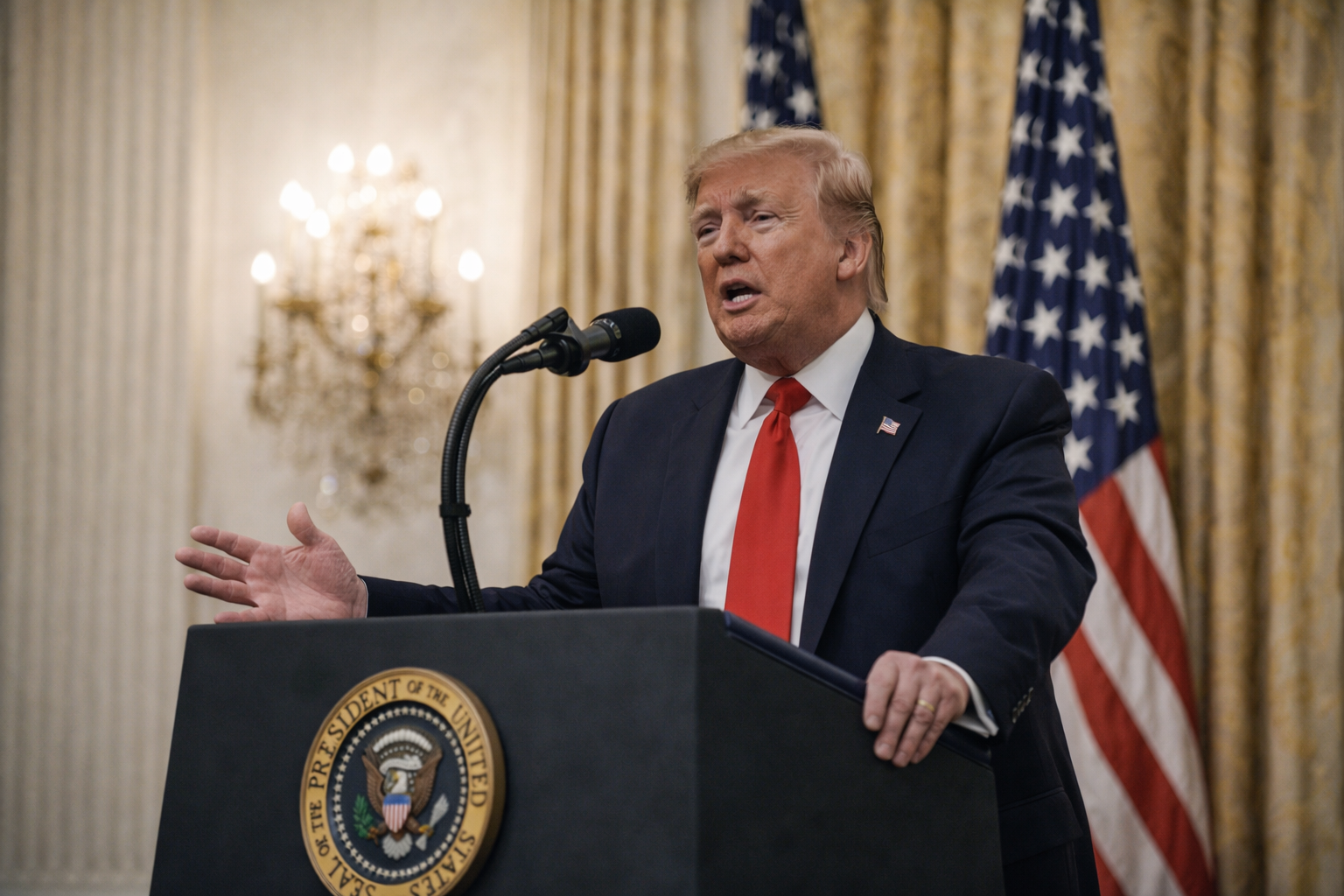
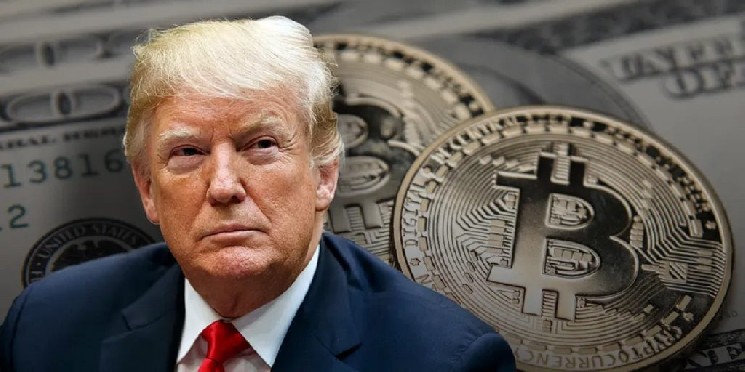
CFTC Commissioner Summer Mersinger wrote in a CoinDesk opinion piece published May 29 that introducing perpetual futures contracts in the US marks important progress toward President Donald Trump’s goal of making the country the global capital of crypto.
The move could mark a major turning point for the US crypto market. By allowing domestic exchanges to offer perpetual futures, the CFTC has also widened growth opportunities for US platforms including Coinbase, Kraken and Gemini.
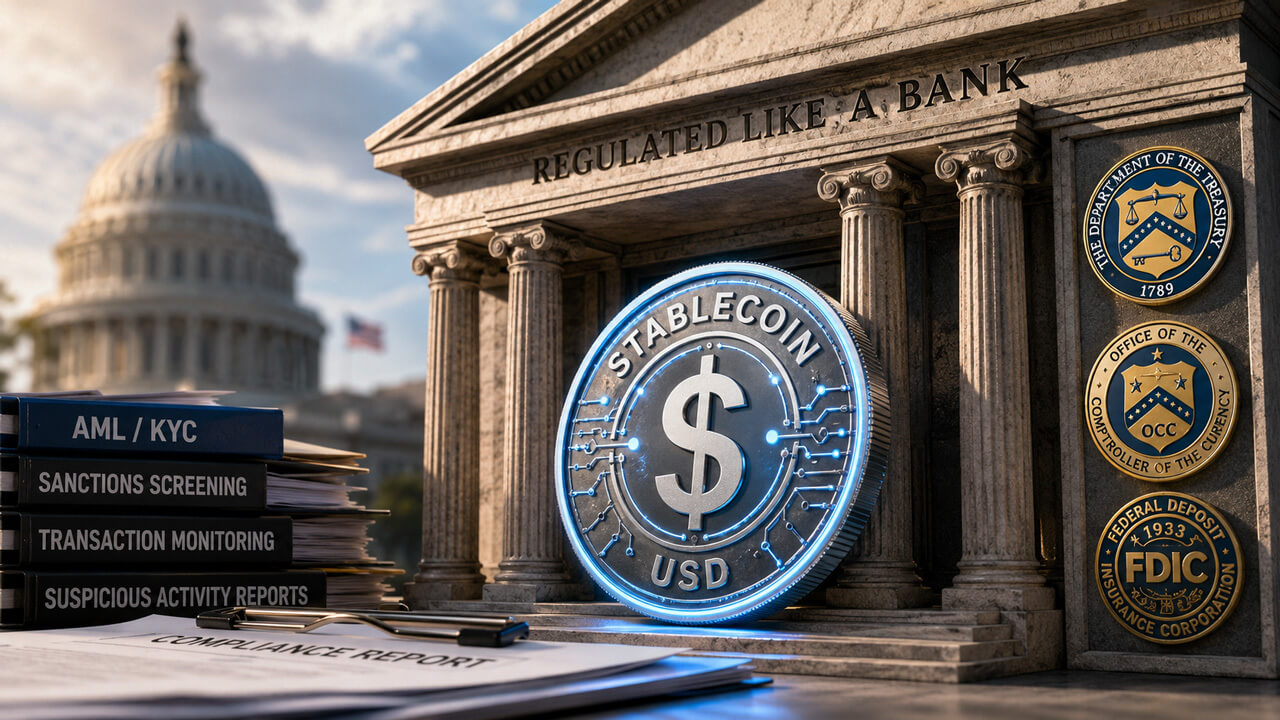
The approval is not formal rulemaking, however. The CFTC and the Securities and Exchange Commission have recently issued guidance for the crypto industry, but those steps could be reversed under a future administration.
Perpetual futures also carry investment risks because they involve leverage. Mersinger said excessive leverage, volatility and systemic risk would be limited.