Opportunities for broad reforms and inclusive growth
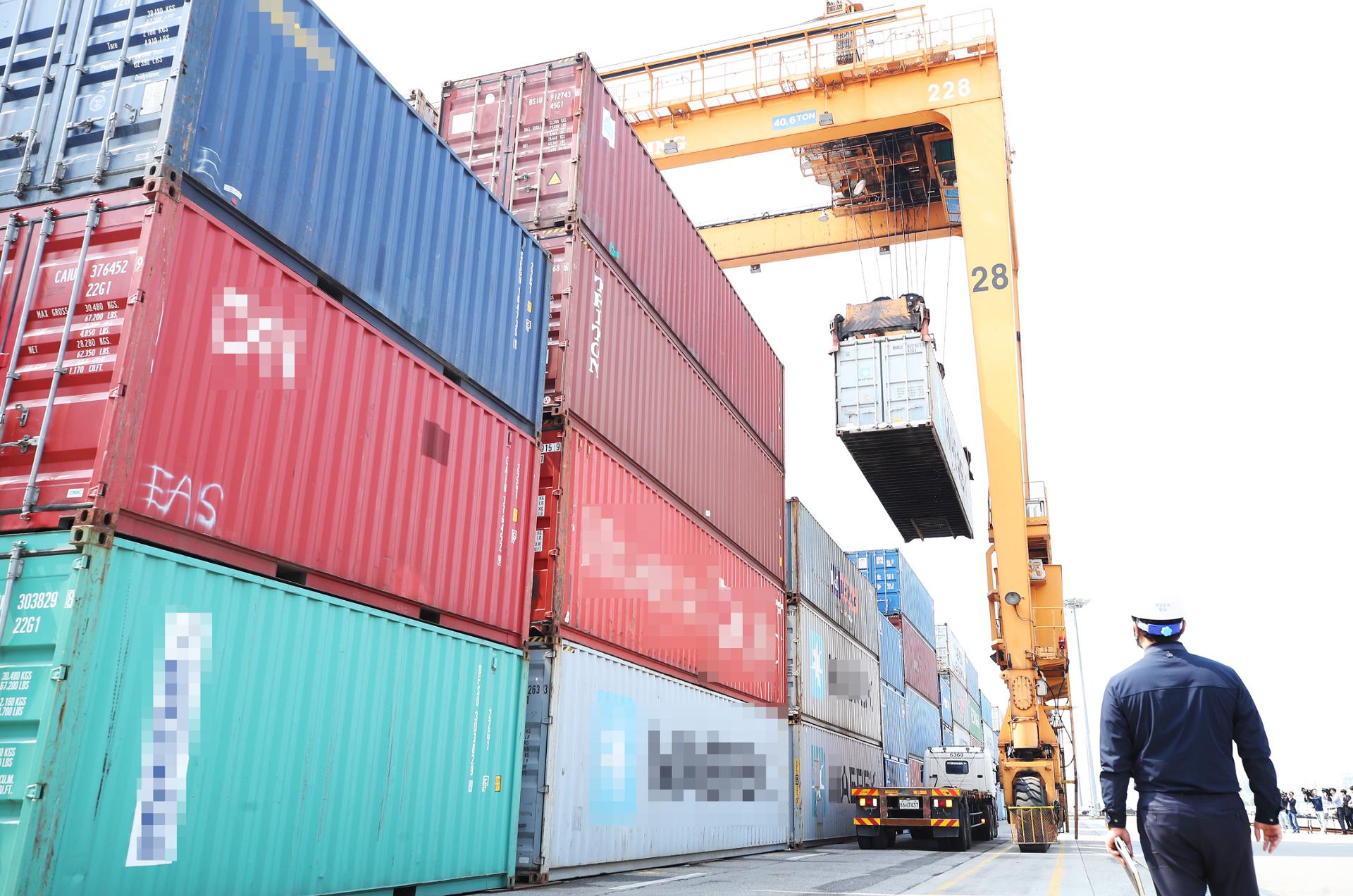
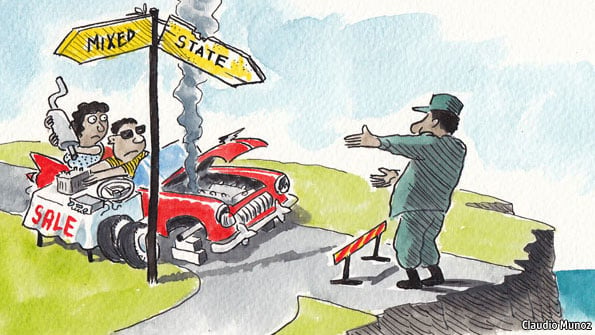
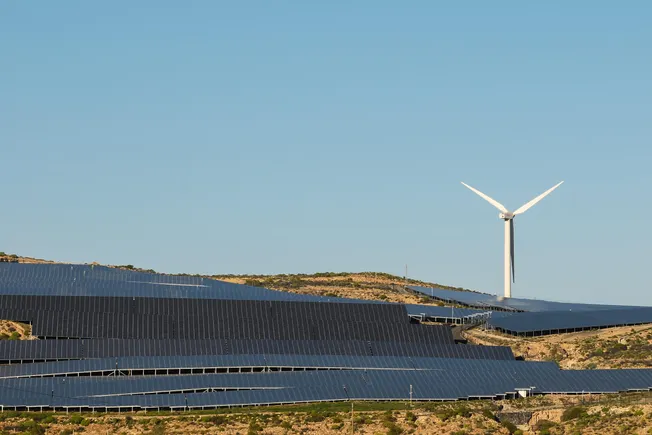
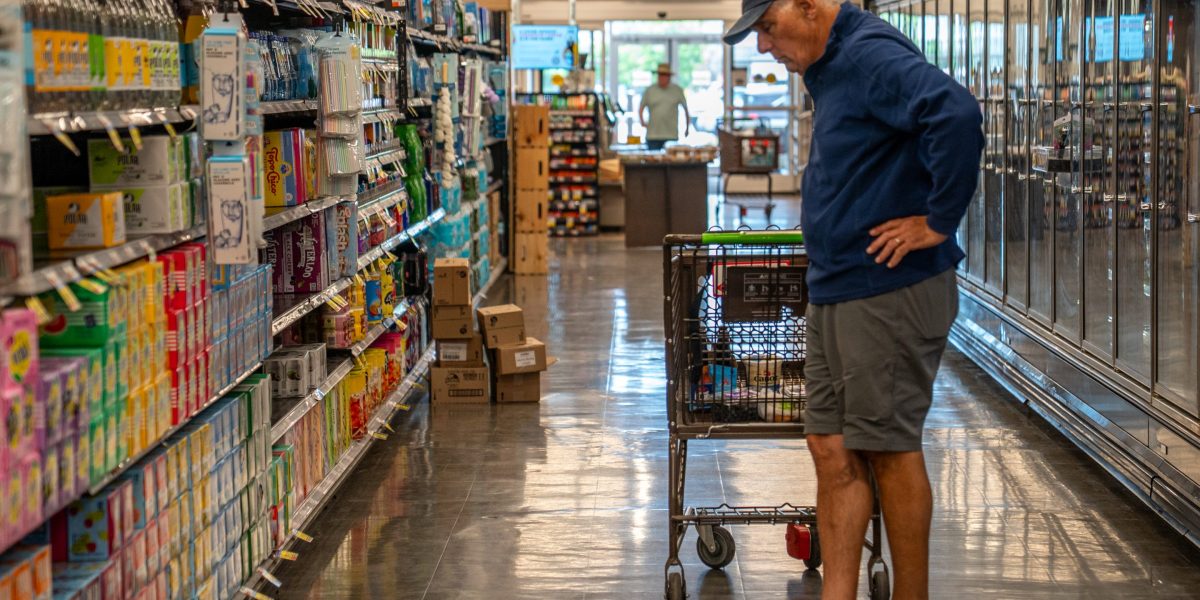
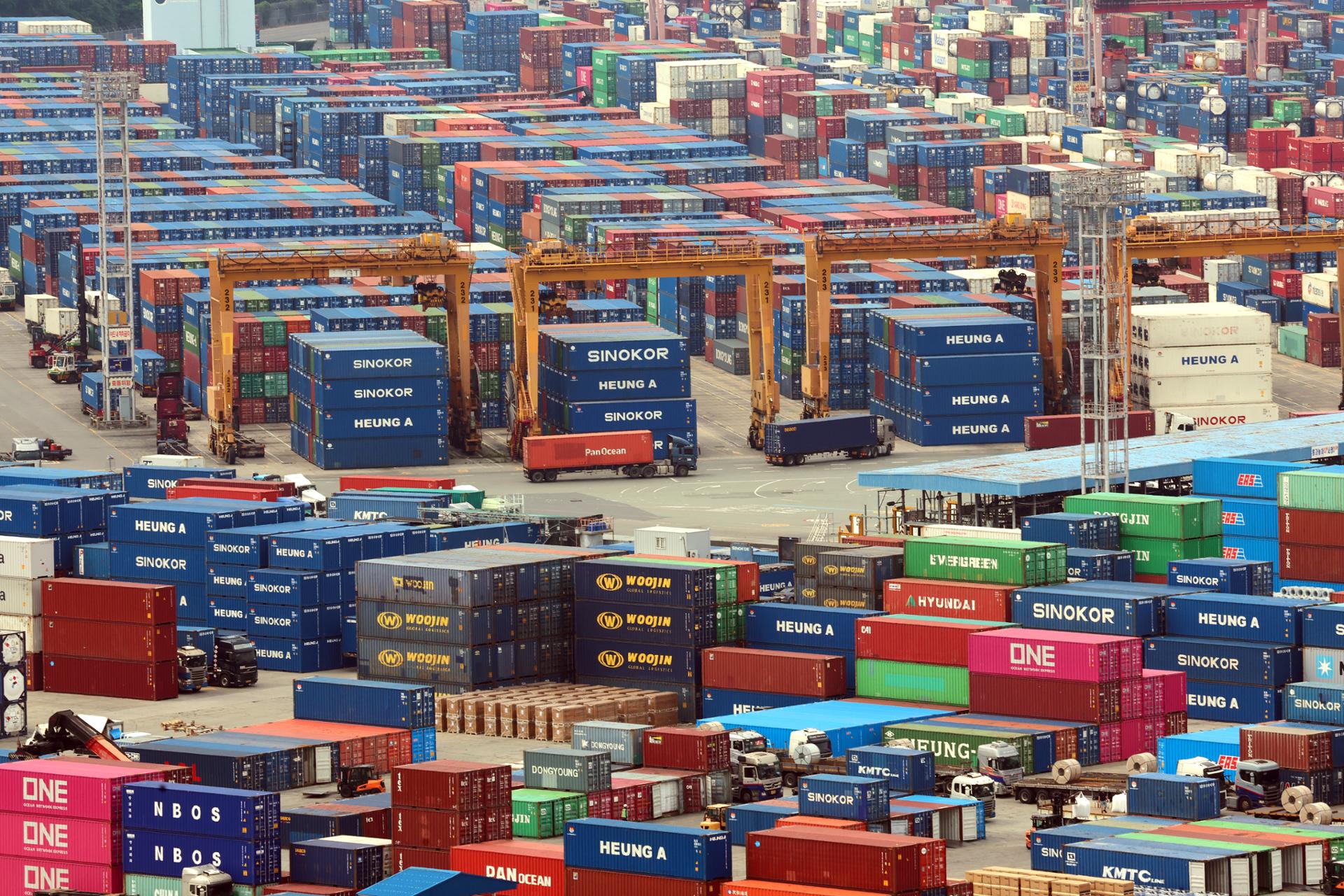
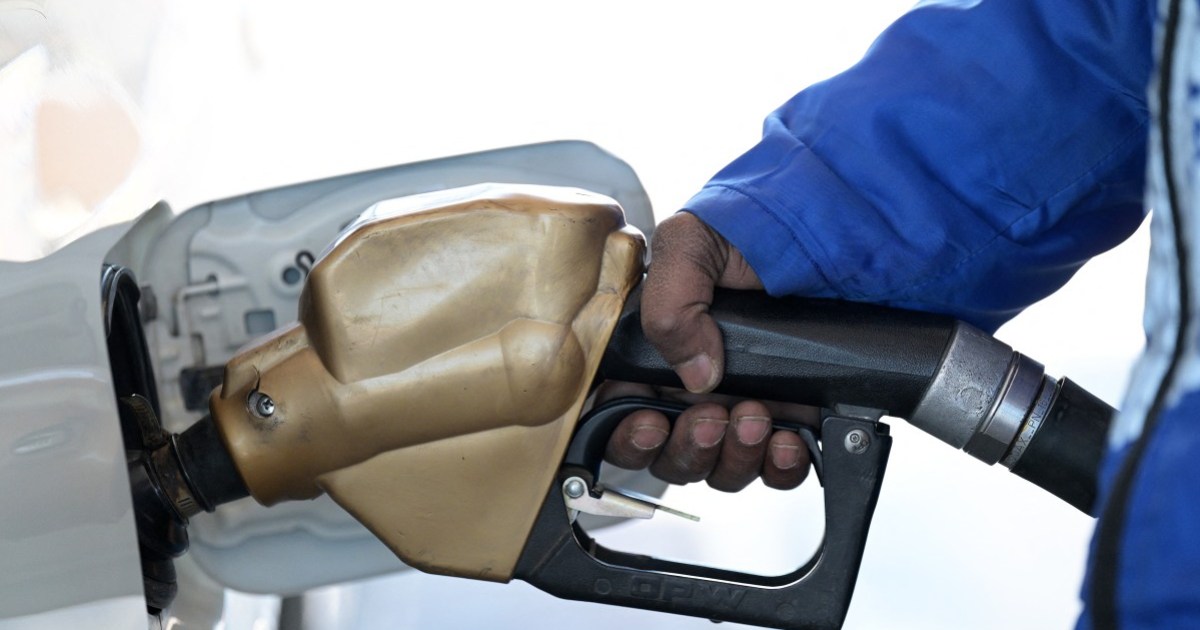
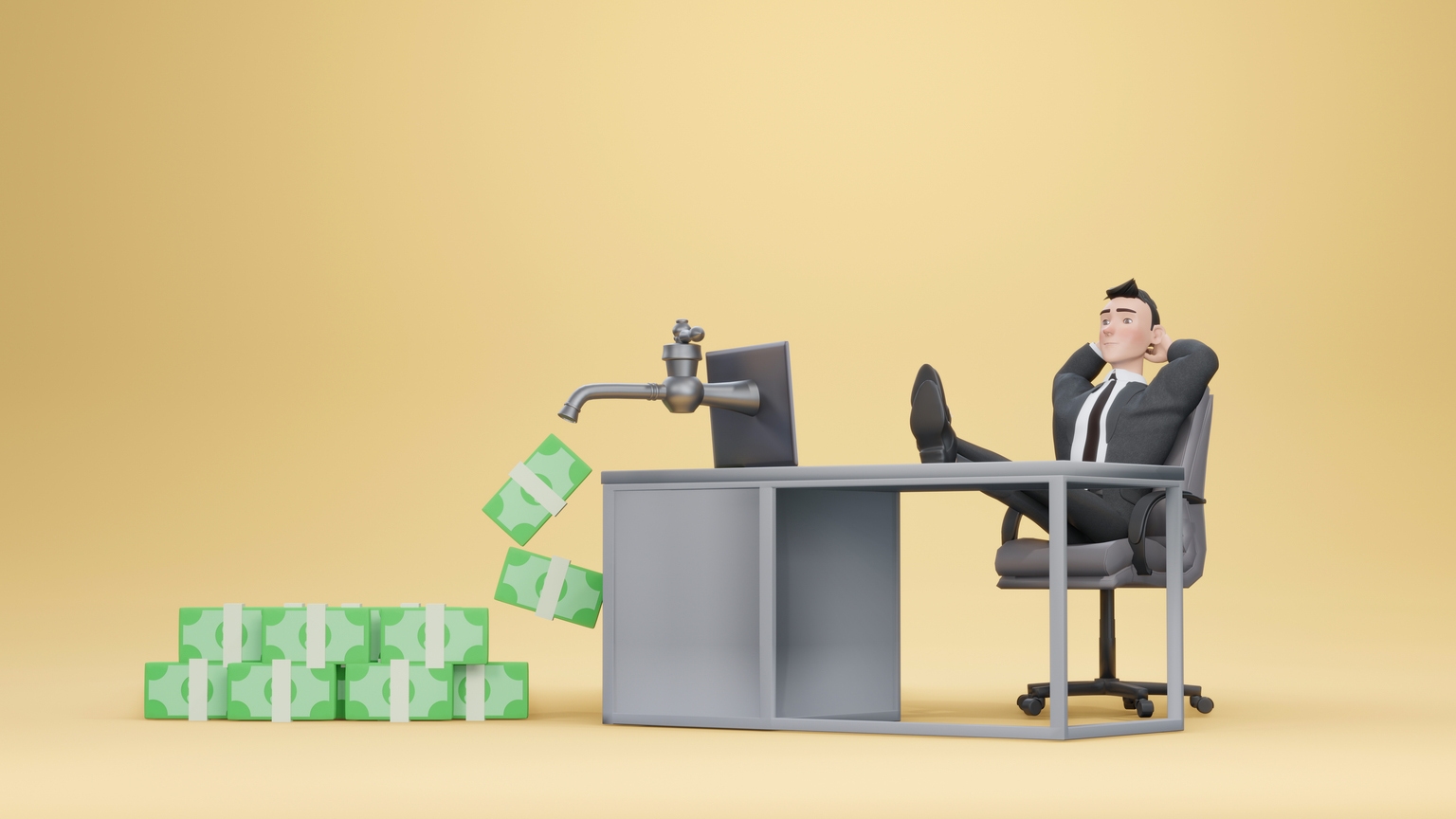
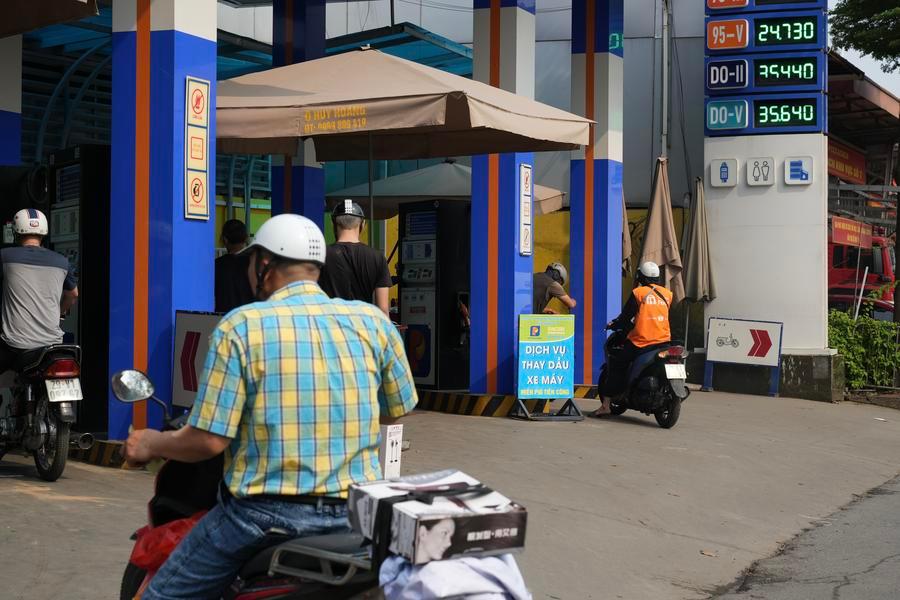
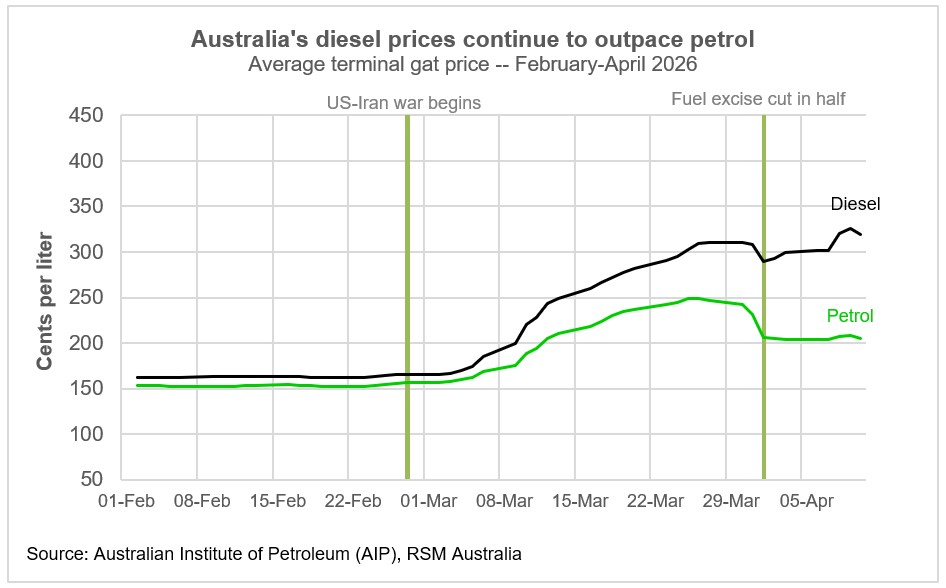
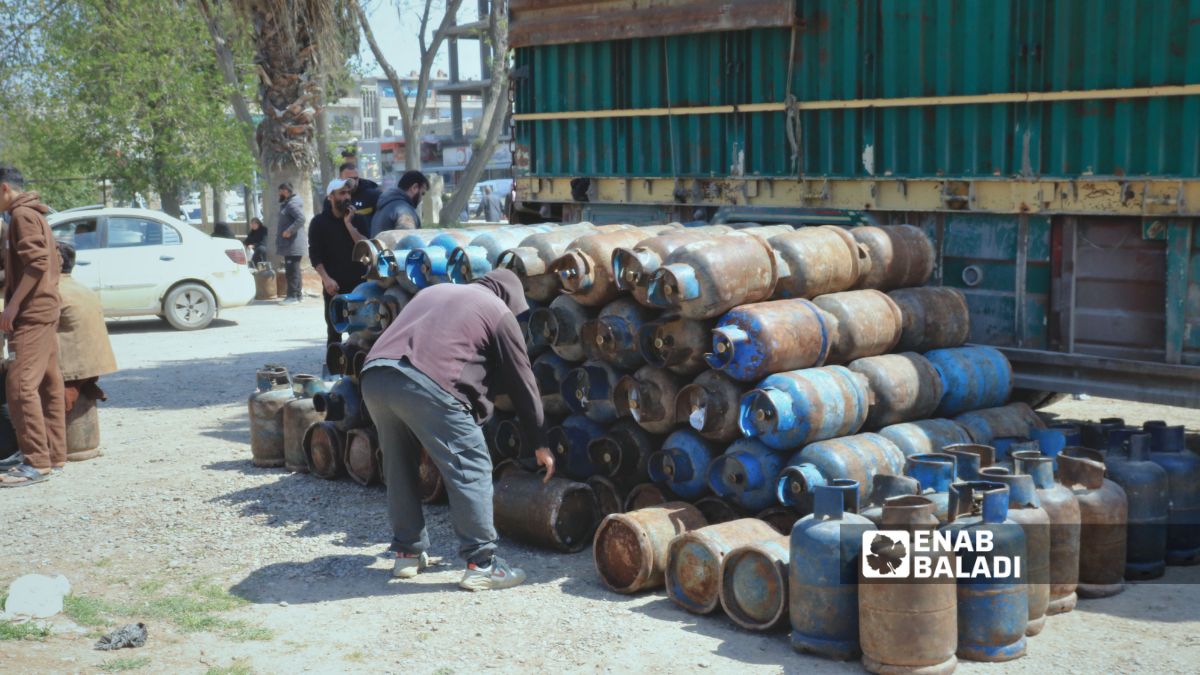
First, countries should use opportunities to improve trade balance and lower energy prices to move away from ad hoc measures such as fuel subsidies and import restrictions.
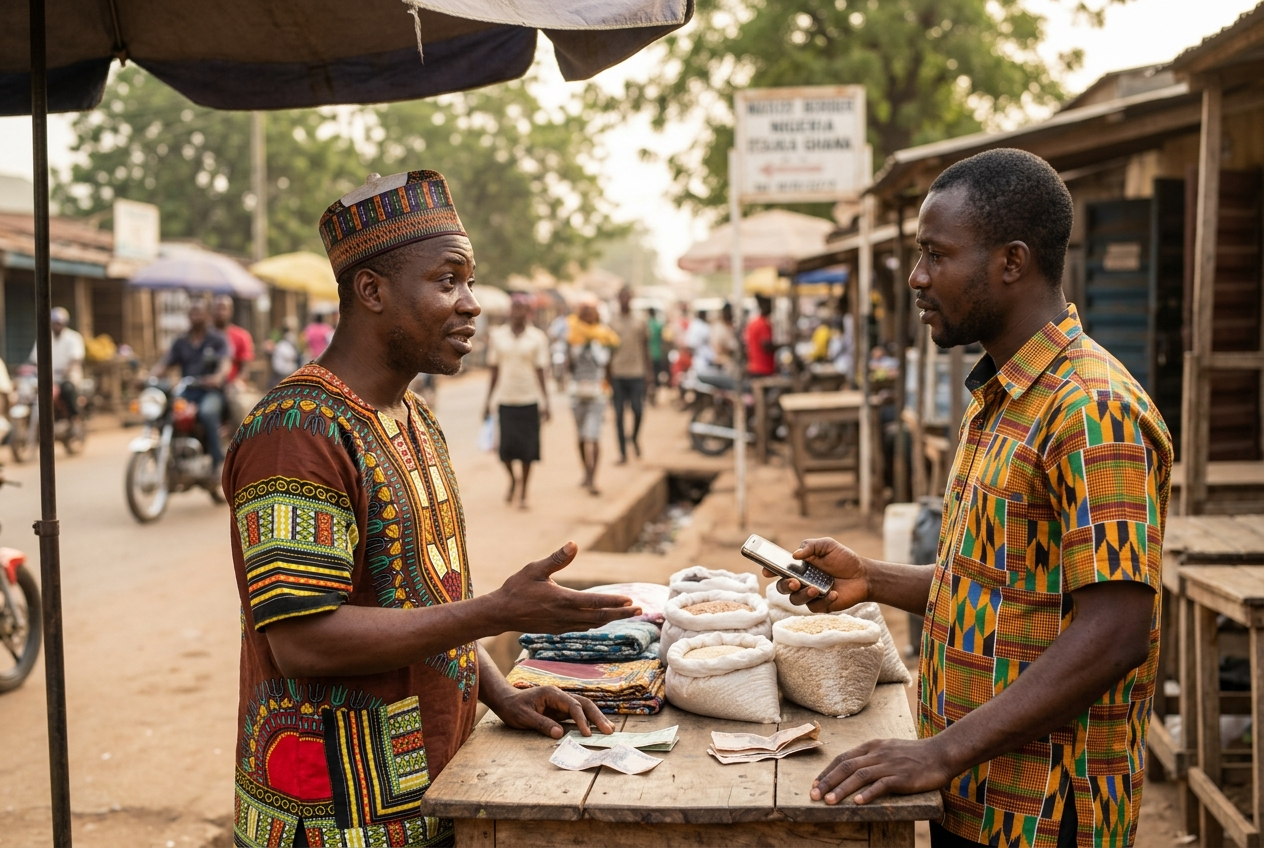
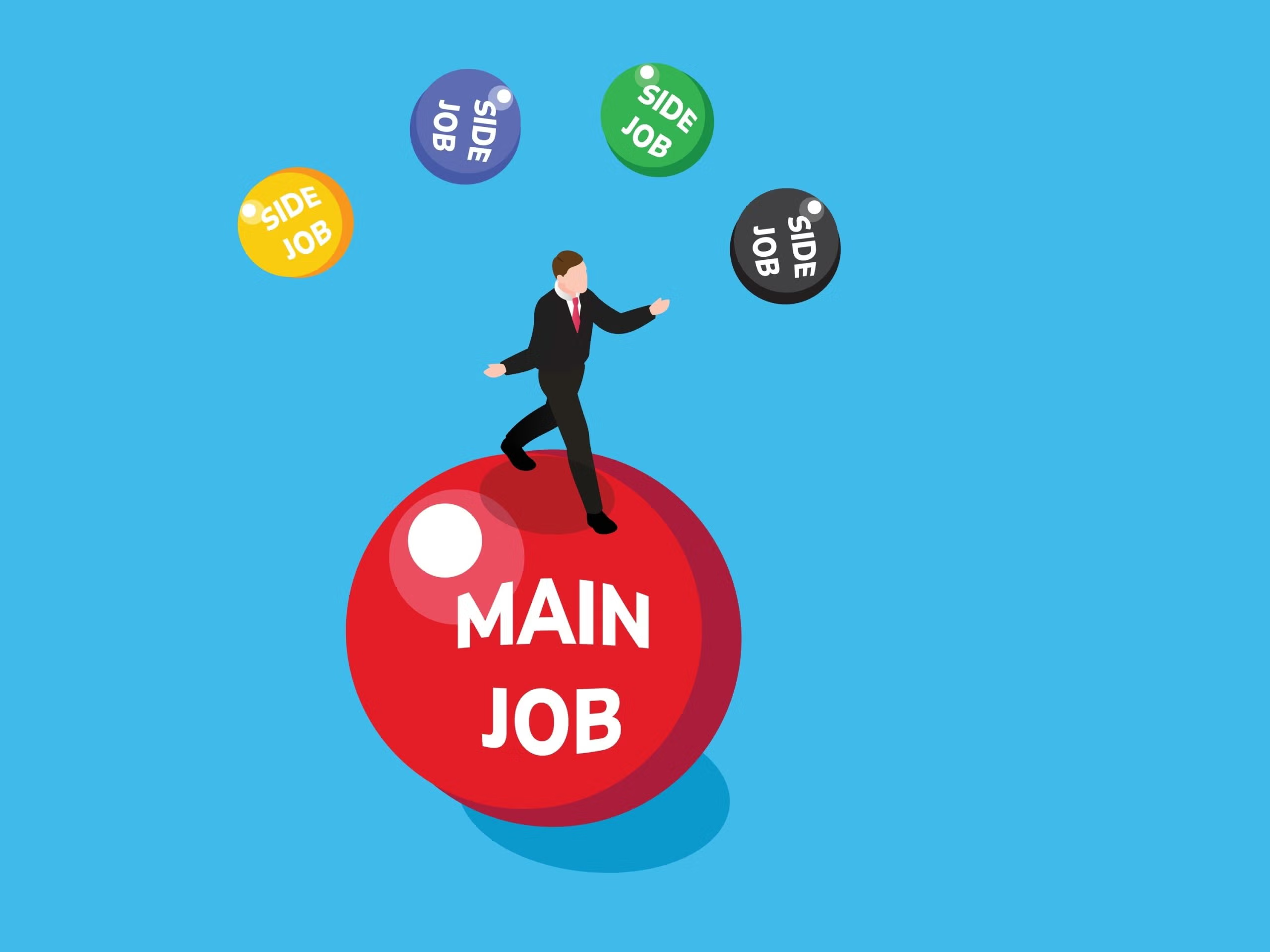
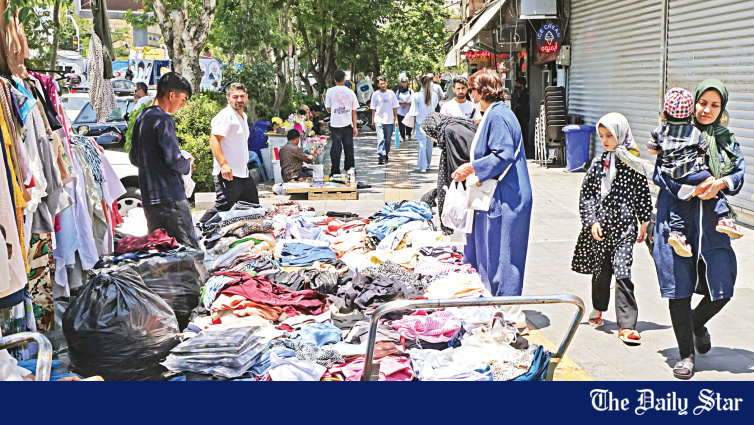
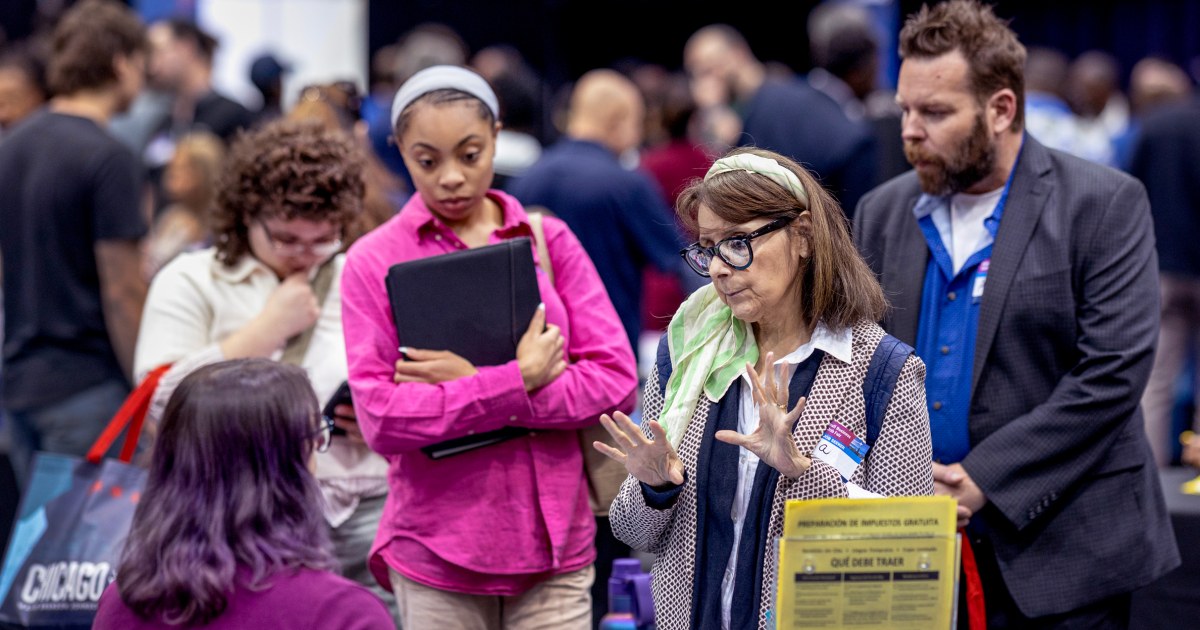
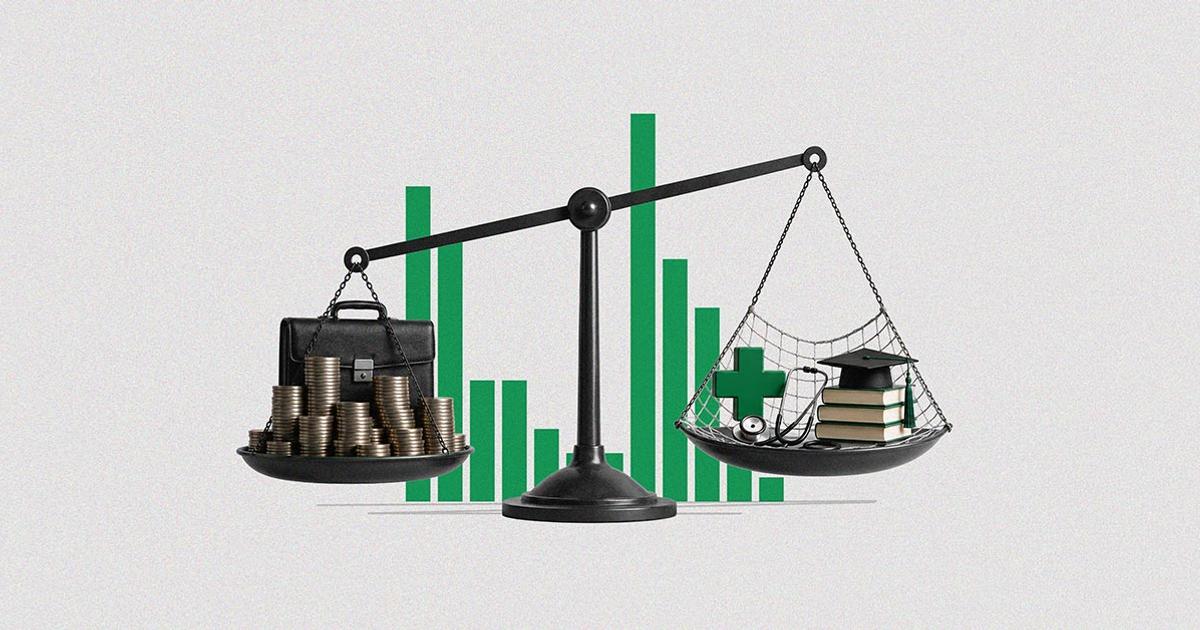
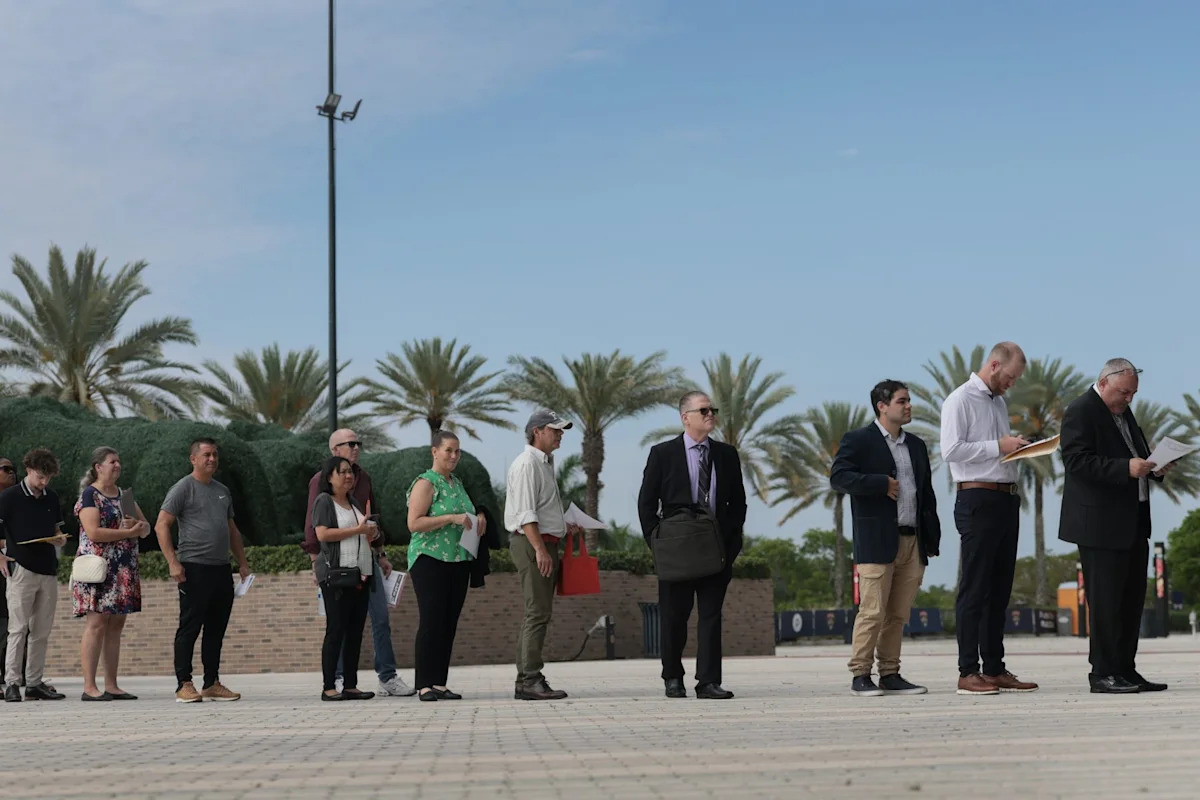
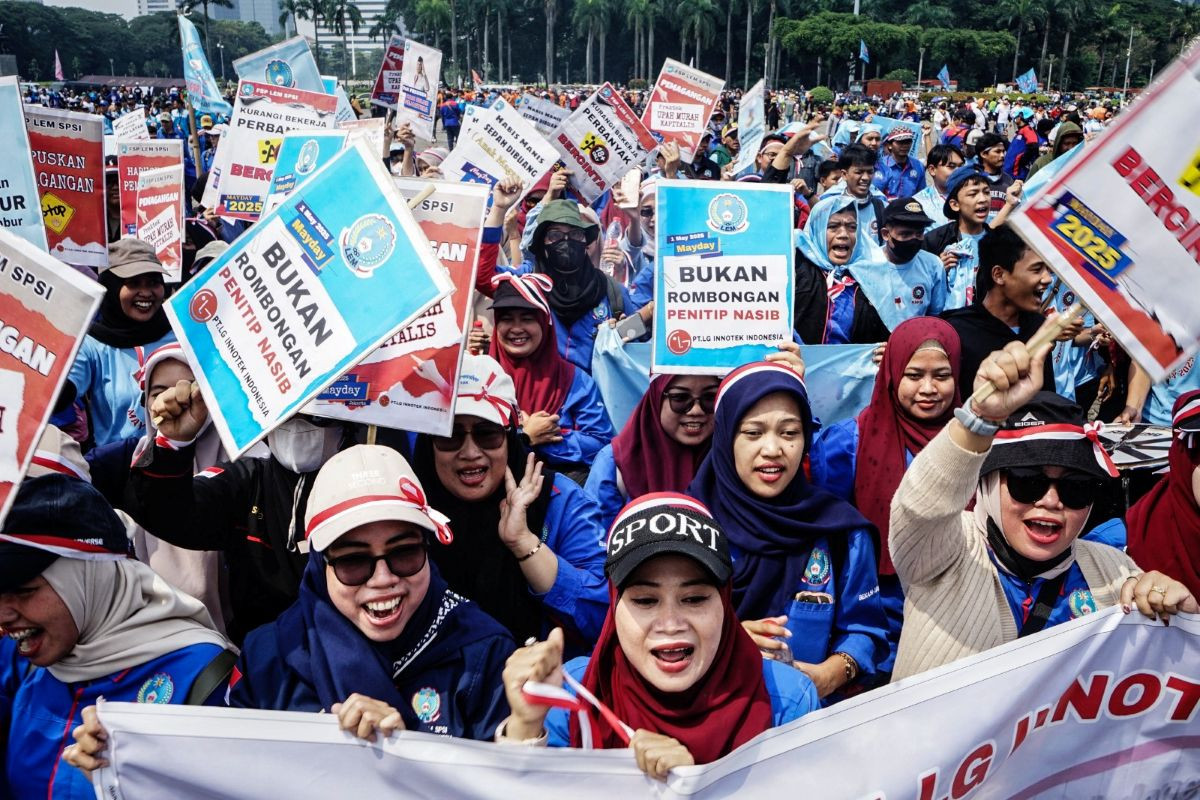
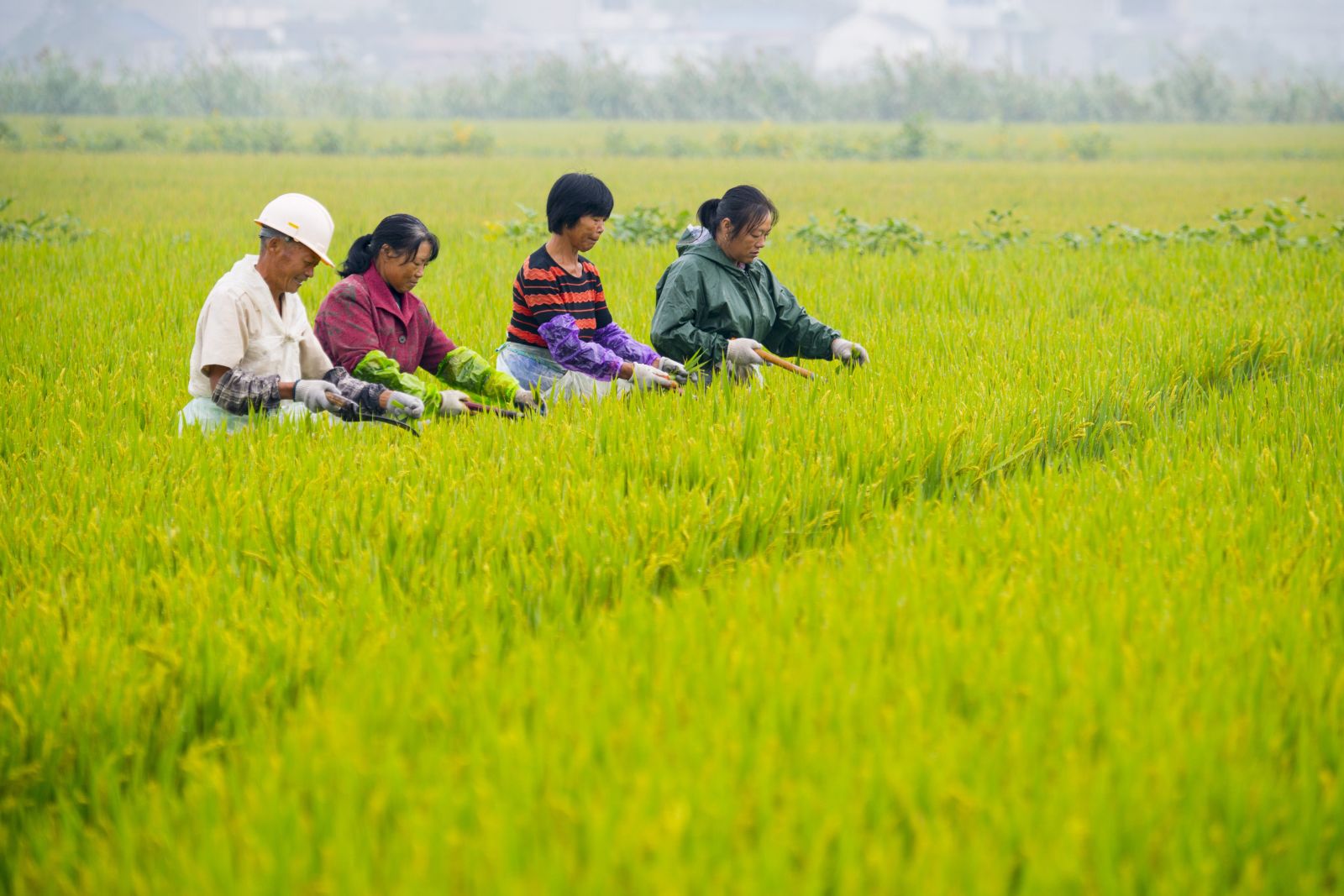
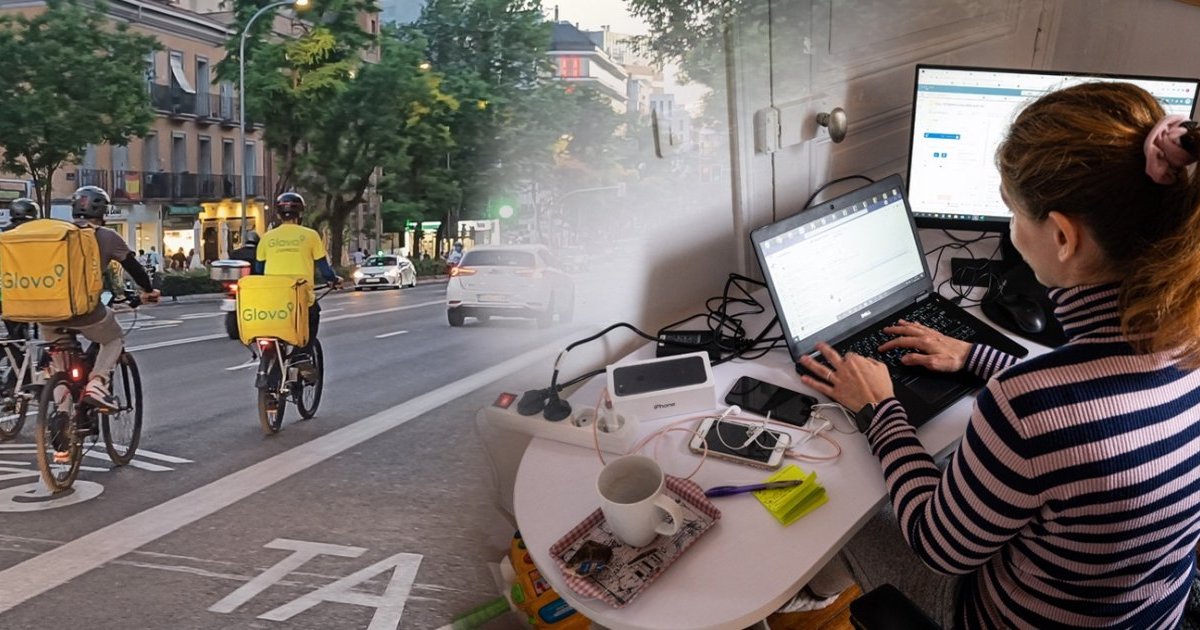
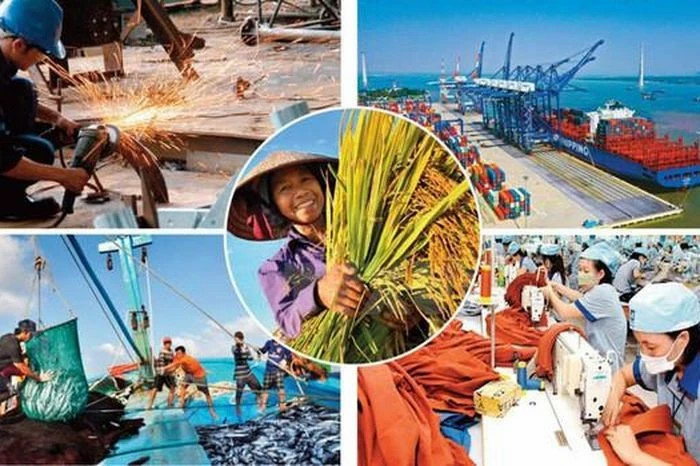
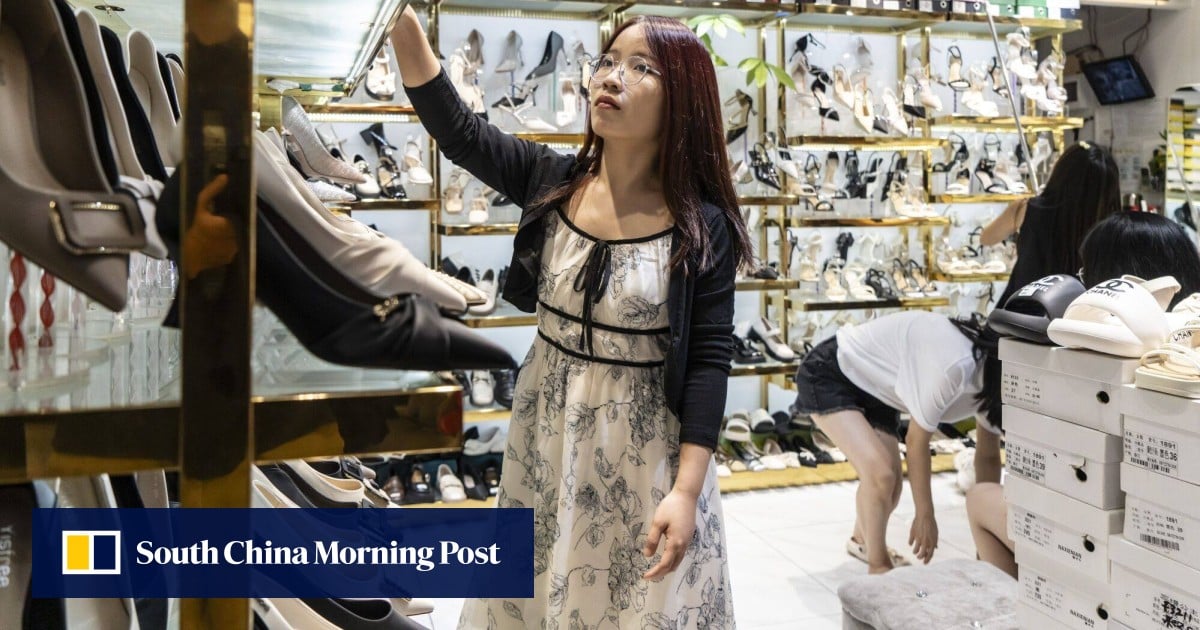
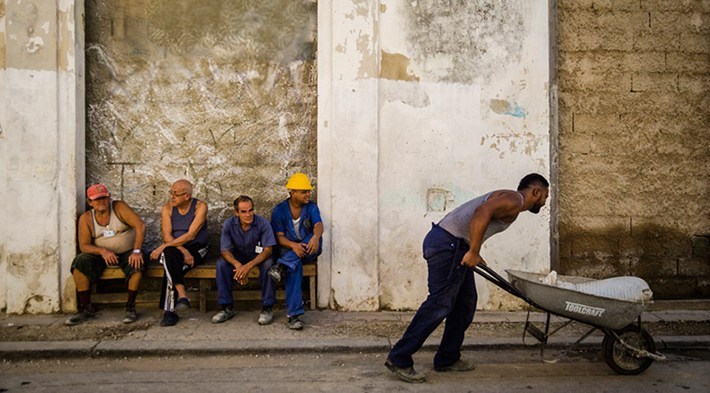
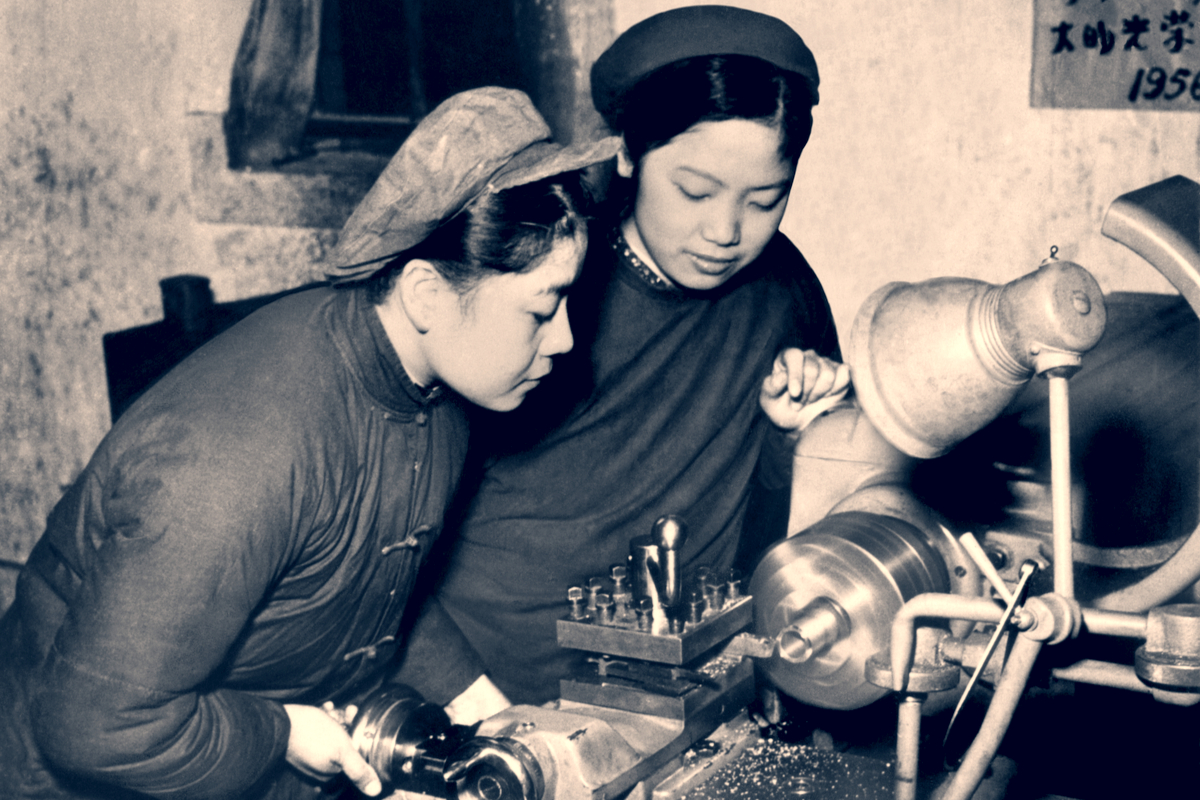
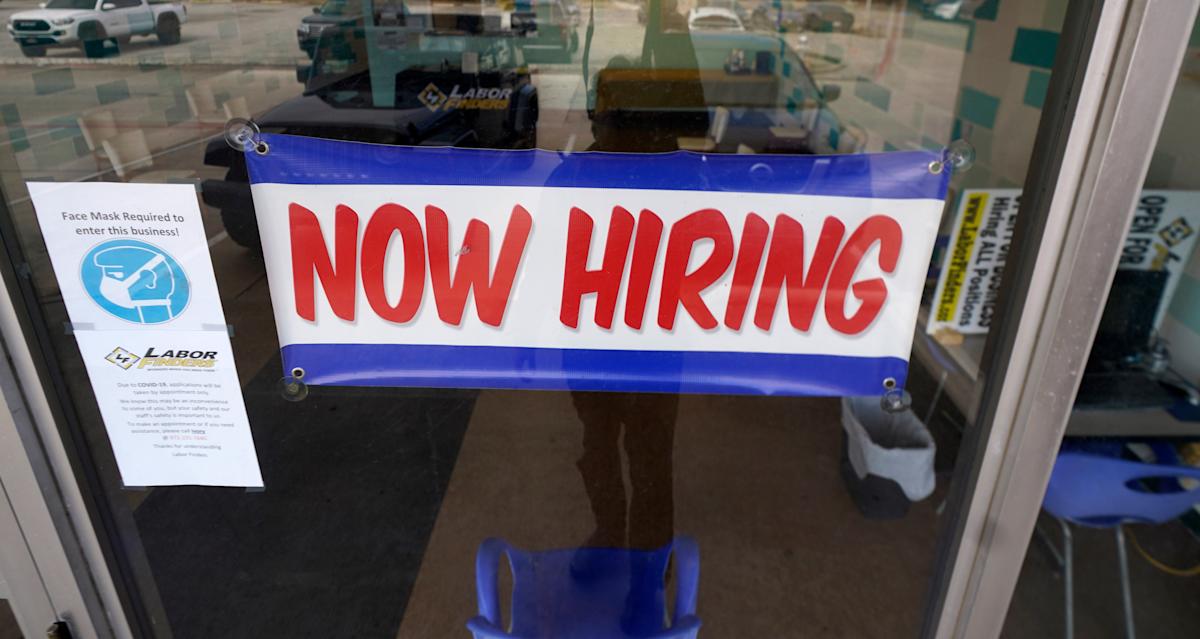
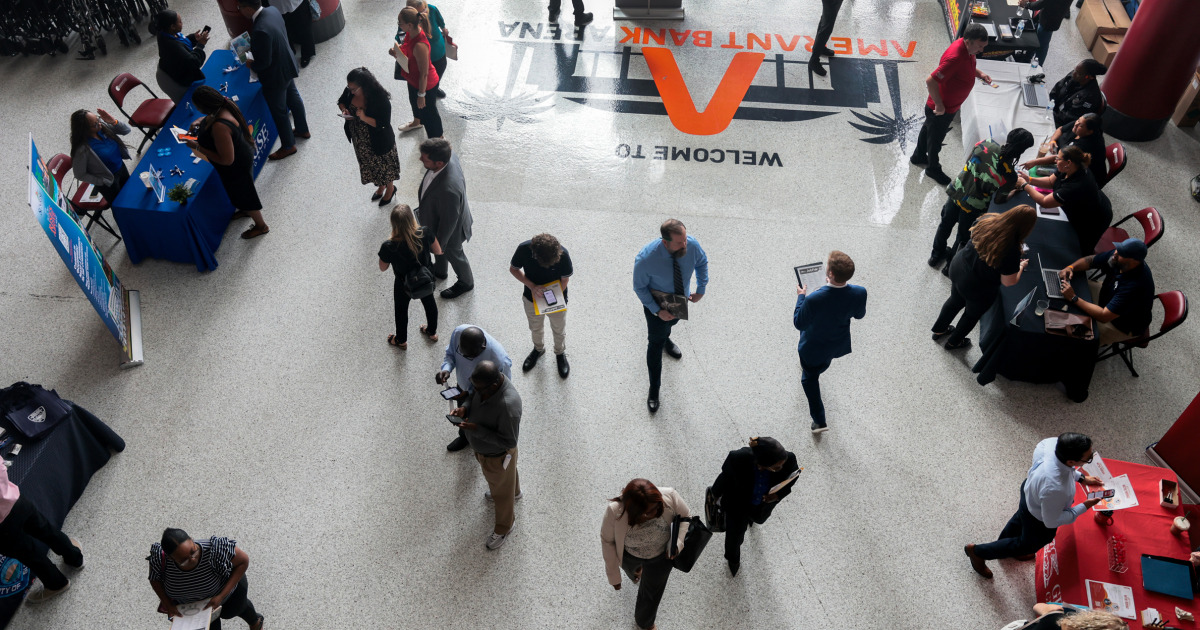
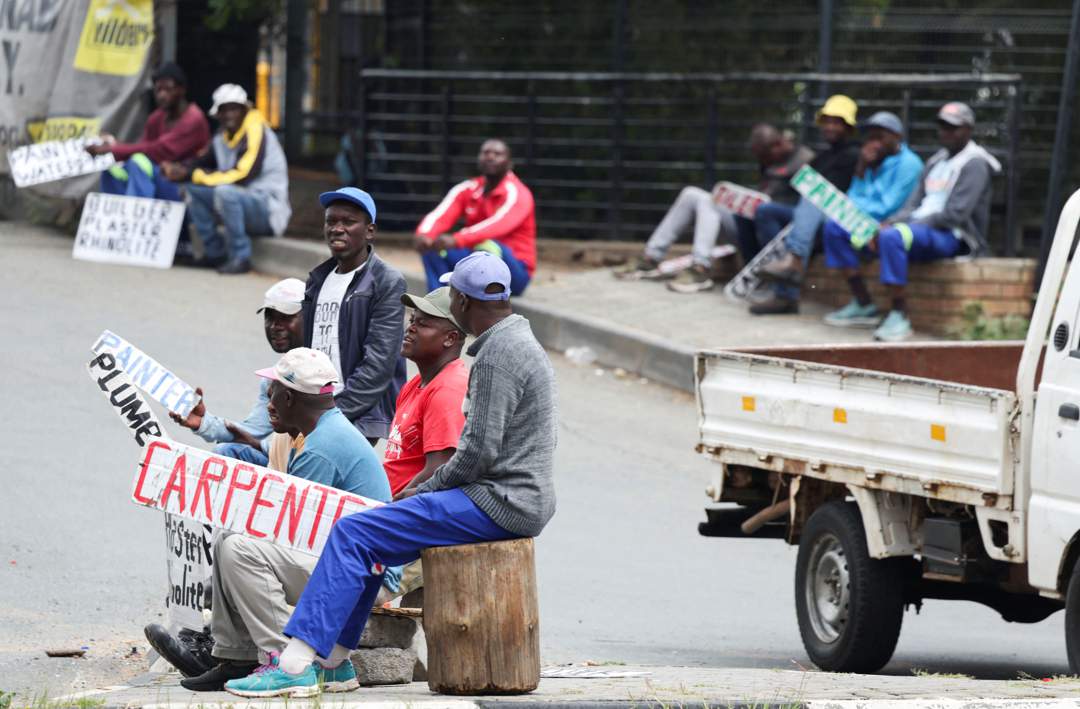
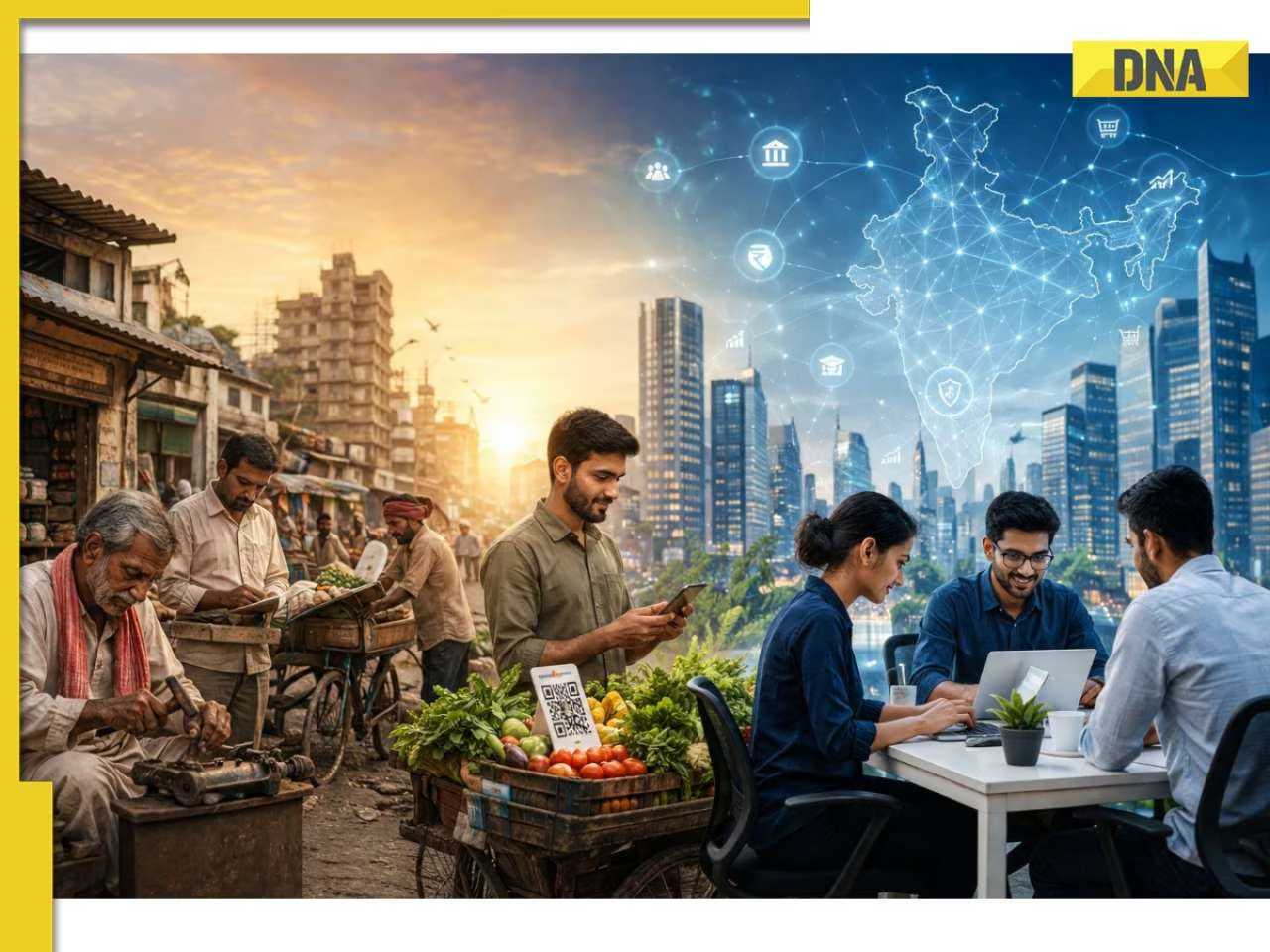
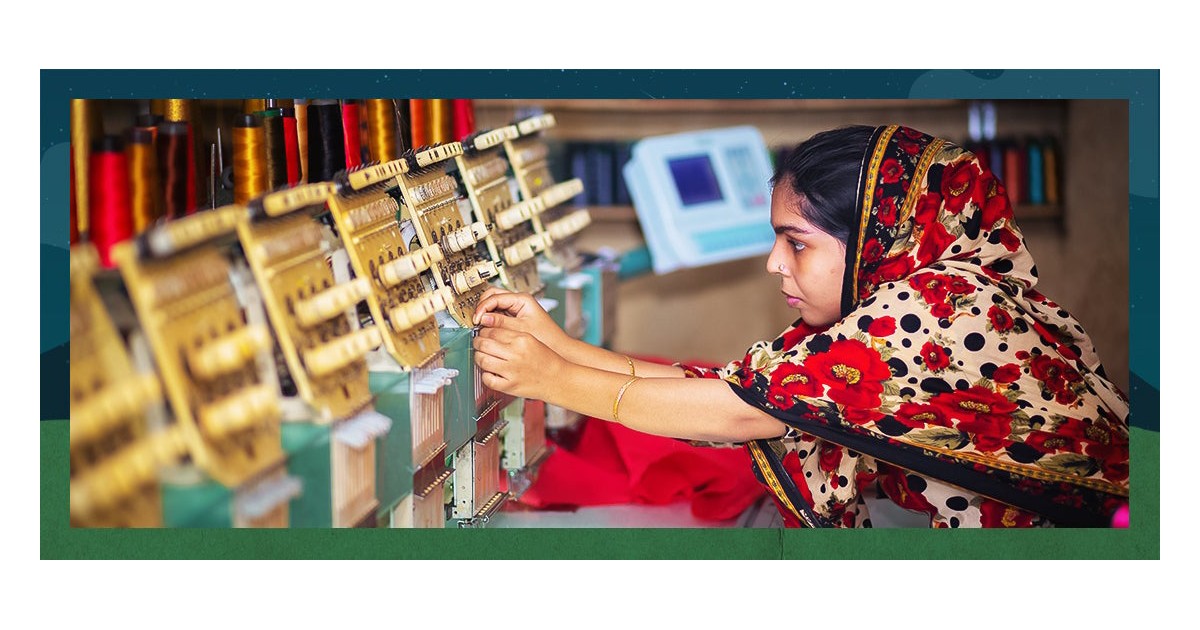
Second, fiscal sustainability must be at the center of broad reform programs, and to achieve this, countries will need to reduce subsidies and increase revenues. One way the latter can be accomplished is to use the present crisis as an opportunity to broaden the tax base by reducing inequality of opportunity—significantly larger in South Asia than in other regions—and giving more people an opportunity to participate in the economy. For example, increase female labor force participation, move workers out of the unproductive informal sectors via reforms in inclusive education policy, match education to earning ability, implement affirmative action for disadvantaged groups, and improve geographical mobility of workers across the region.
Despite the many challenges facing South Asia, the region has one of the highest potential growth. However, to achieve this potential, South Asia needs to eliminate external and inherent obstacles and turn them into opportunities to forge inclusive and productive economies.
This blog is part of a series on the Spring 2023 South Asia Economic Focus – Expanding Opportunities: Toward Inclusive Growth