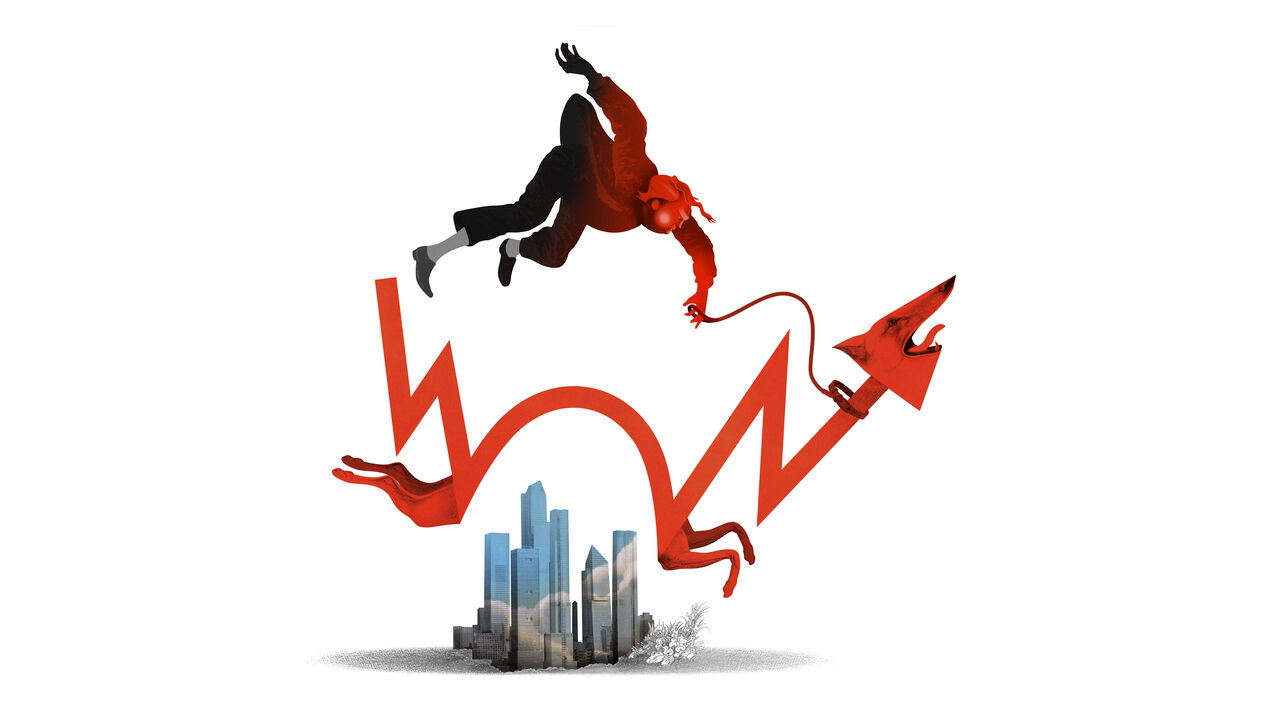
Economic inequality in the United States has risen dramatically over the last 60 years. Indeed, the degree of inequality today is probably greater than at any point in the country’s history. This severe inequality is a severe social malady. So, what should we do about it?
Consider the following analogy. Suppose that, in response to the high rate of fatalities from automobile accidents, the United States had undertaken major investments in hospital trauma centers, improving the medical system’s means of caring for people who had been injured in such accidents. These investments would have included funds for the extensive training of doctors and for emergency room equipment.
In fact, over the last several decades, there has been a dramatic decline in fatalities from automobile accidents. Perhaps some of the decline has come from improved trauma care. However, the really important changes that account for this decline have been seat belts and airbags (and most recently, safety technology built into cars), improved road design and traffic control, and campaigns (and laws) against drunk driving.
In other words, the reduction in car accident deaths has been due to changes that have reduced the number, or at least the severity, of accidents, not from the treatment of people who have been seriously injured in accidents. As a society, we have intervened in causes of car accident deaths rather than just trying to fix up the injured people after the accidents have happened. We might learn from this experience and apply the same approach to severe inequality in the United States.
Fixing the Causes or After-the-Fact Fixes?
Like fixing up people after automobile accidents, higher taxes on the rich are an after-the-fact fix-up to the problem of great economic inequality. And like helping people recover after automobile accidents, higher taxes on the rich are certainly desirable. (A good place to start would be making tax rates on capital gains as high as tax rates on labor income.) But in both cases, these treatments do not address the origins of the problems—the high rate of severe injuries from car accidents and the rising share of income going to the very rich.
And there is an added problem. A policy of focusing on repairing the injured people after the accidents can draw attention away from eliminating or reducing the cause of the damage. Likewise, a policy of focusing on taxing the rich after they have become exorbitantly wealthy can draw attention away from the causes of our great inequality and perhaps imply that there is nothing we can do about those causes.
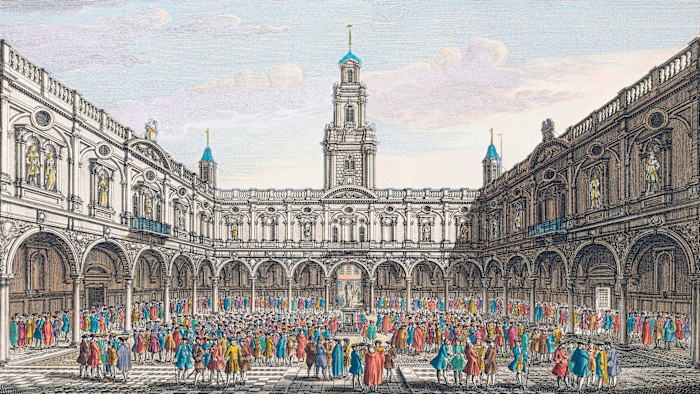
At the same time as we tax the rich, there are things we can do about the causes of great inequality. The severe inequality we face is not simply the result of the way “free markets” operate. Indeed, there is really no such thing as “free markets.” Markets are not simply the “natural” order of things, existing beyond human control. Markets are social creations, constructed by governments and by people with social power. They are not set in stone. Perhaps a few examples will clarify the point.
Constructed Markets
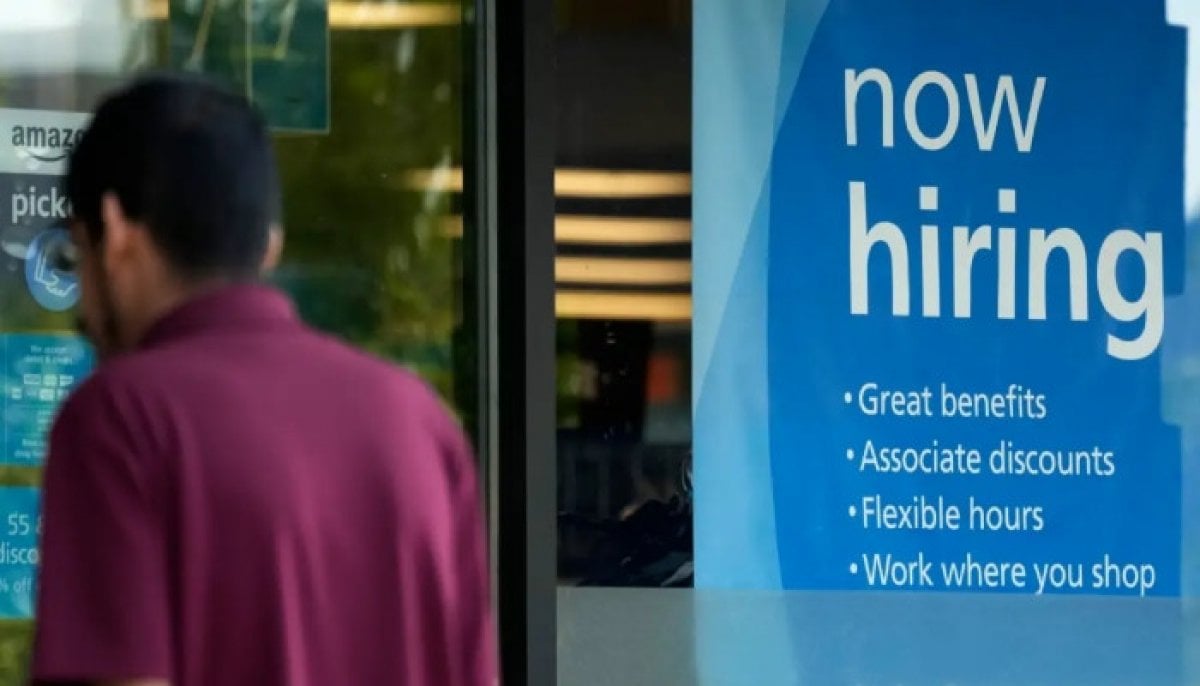
Consider, for starters, the labor market. In 2022, the U.S. Department of the Treasury issued a report stating, “The American labor market is characterized by high levels of employer power…A careful review of credible academic studies places the decrease in wages at roughly 20% relative to the level [they would be] in a fully competitive market.” Among the factors that generate this result are “non-compete agreements,” which prevent employees from taking jobs with other competing firms, and labor laws that tend to favor employers. When the laws themselves don’t favor employers, the administration and lack of enforcement of the laws often serve that function.
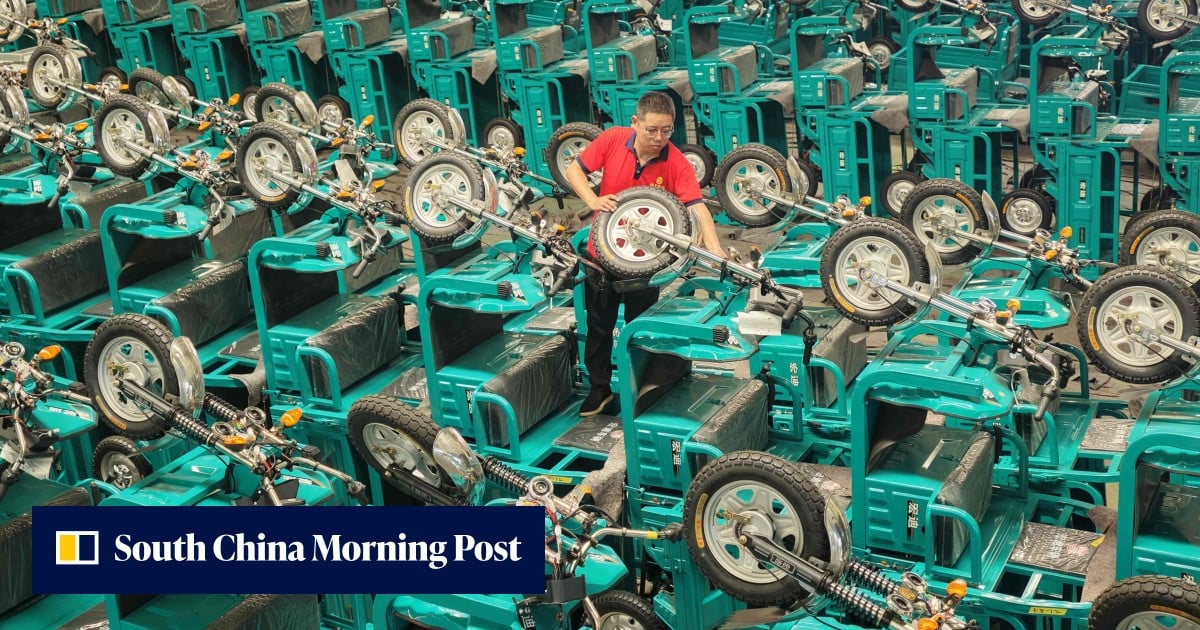
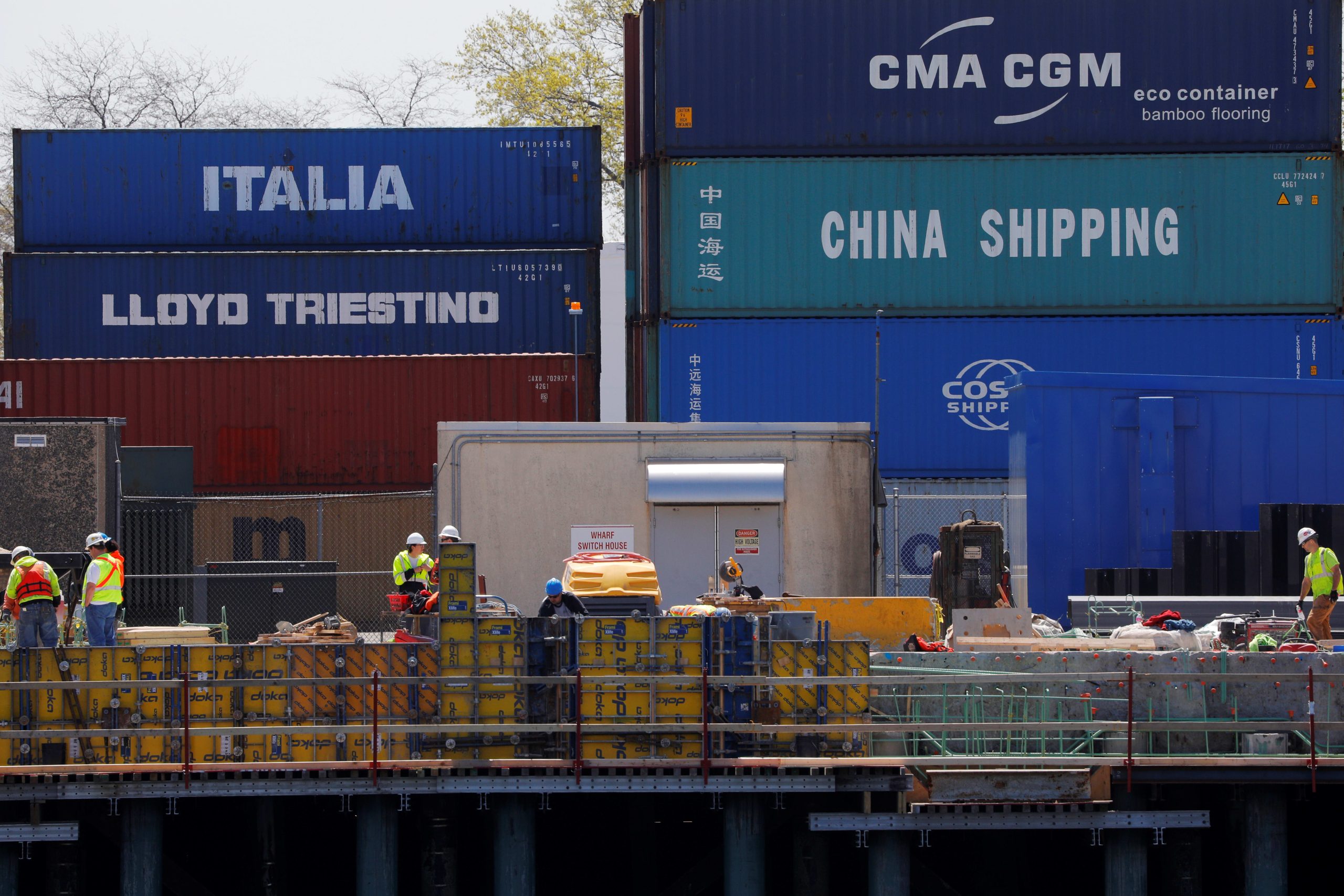
Then there are international markets. For millennia, governments have been involved in commerce around the globe, setting the rules for who could trade in what, protecting ships at sea, building and maintaining seaports and airports and roads, restricting and taxing trade in many commodities, and establishing trade arrangements among countries. In the current era, it has become especially clear that trade agreements tend to favor the interests of powerful businesses, while placing workers in various countries in competition with one another. One of the interesting—and perverse—aspects of U.S. trade agreements in recent decades is that they are often called “free trade agreements”; in fact, they generally extend monopoly powerby including extensions of U.S. patent and copyright laws.
Monopoly power is not confined to international commerce. It has also been increasing within the United States, and has provided a basis for rising corporate profits. There are, of course, laws in place to restrict monopolies; these laws are themselves examples of government involvement in the operation of markets. Yet, in recent decades (with a brief exception during the Biden administration), these laws have not been effectively enforced. Here, one might say, it was not the anti-monopoly laws that constructed the market, but the government’s choice to ignore those laws. And, as is the case internationally, patent and copyright laws support monopoly power within the United States.
There are other important examples of government’s role in shaping markets in ways that impact economic inequality. Long-existing subsidies to fossil fuel firms and operating school systems that continually recreate social inequality are important examples.
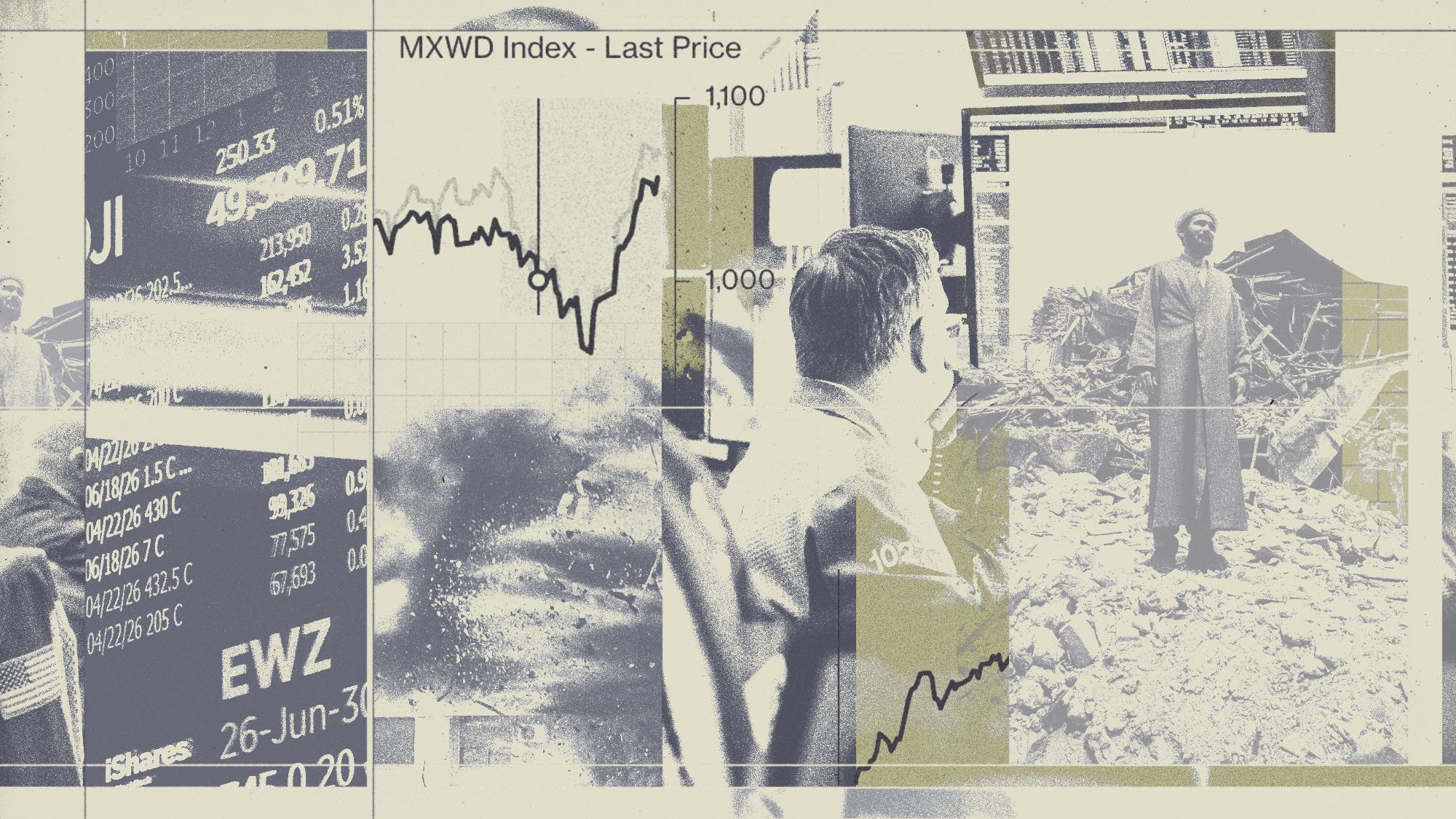
And connecting all the markets for goods and services is the financial system, which, through deregulation, has become detached from its traditional role of allocating funds to enterprises—a useful function in a market economy. According to Oren Cass, the chief economist at the American Compass, which The New York Times describes as “a conservative economic think tank,” the “finance industry is a grift” (i.e., a fraudulent scheme, scam, or con designed to trick people out of their money or property.) Cass points out that the industry has generated “financialization,” which he describes as follows:
…the term for making financial markets and transactions ends unto themselves, disconnected from—and often at the expense of—the societal benefits that support human flourishing and are capitalism’s proper purpose. Chief among those benefits are good jobs that support families, and products and services that improve people’s lives.
Financialization has made American businesses less resilient, less innovative and less competitive. It has been a major cause of slow wage growth and rising inequality. It has fueled the loss of manufacturing jobs across the heartland.
And financialization has been very profitable for a small group of people and thus an important generator of rising inequality!
The lesson of all this—this brief account of how markets are structured in ways that generate extreme inequality in the United States—is that we had better focus some attention on the way markets are constructed and undertake some restructuring.
Something More?
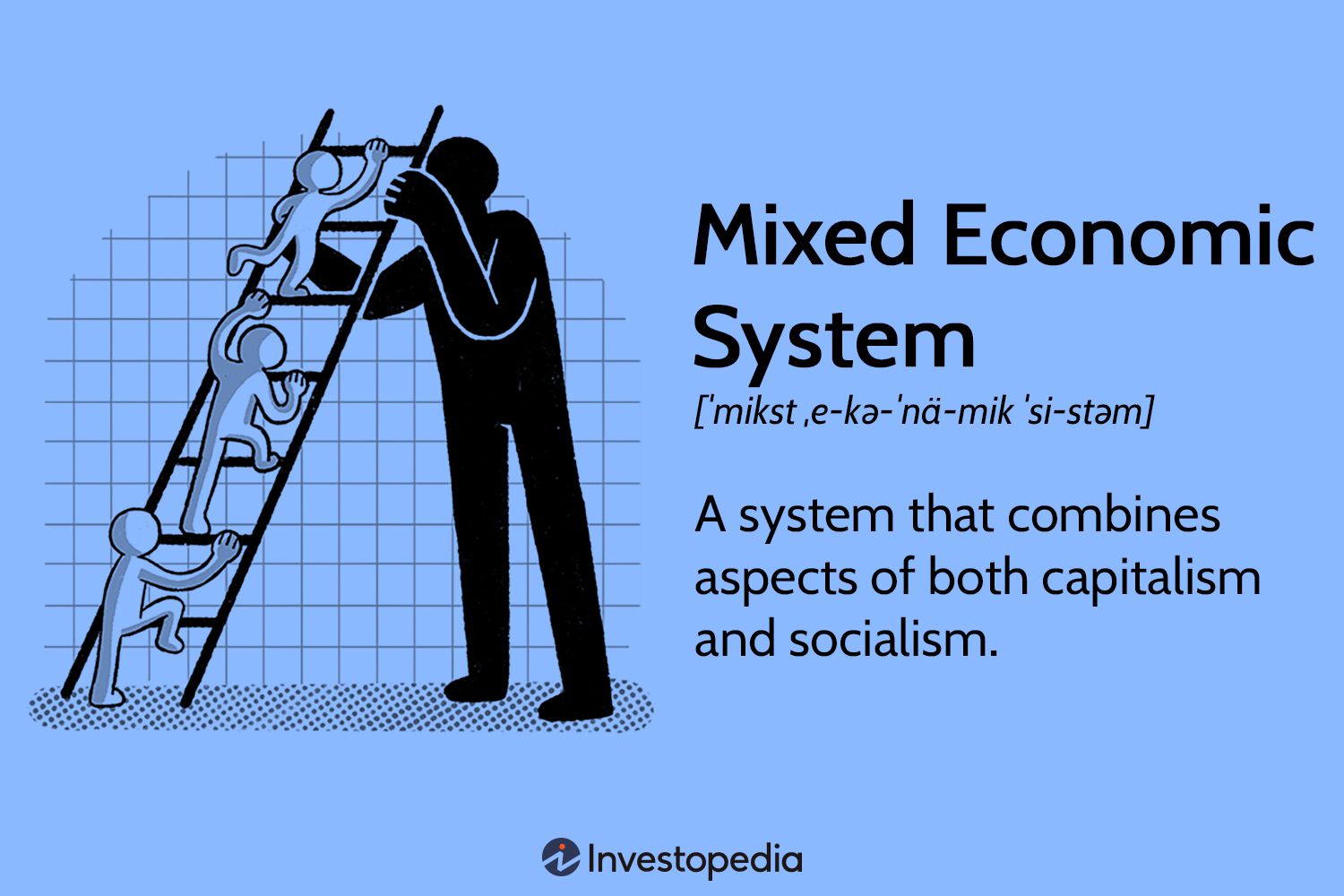
One might argue that reconstructing markets is not enough. It would, of course, be good to make labor markets more worker-friendly, to disrupt monopoly power in many markets, and to organize global trade to undermine its exacerbation of inequality—to say nothing of reining in financialization. Yet, beyond focusing on these broad markets, we could benefit from a systemic approach through a general extension of social control of economic activity and a reduction in the heavy reliance on markets as the foundation of economic relations. Similarly, returning to automobile deaths, we might argue that the real solution lies in a much more extensive public transportation system, rather than simply safer cars and driving conditions.
These would be reasonable arguments and well worth considering. But neither social control of the economy nor widespread effective public transportation will come into being overnight. In the meantime, we need to do what we can to make society, including transportation, work as well as possible. This will not solve all our economic ills, but it would move things in the right direction.
Arthur MacEwan is a professor emeritus of economics at the University of Massachusetts Boston.