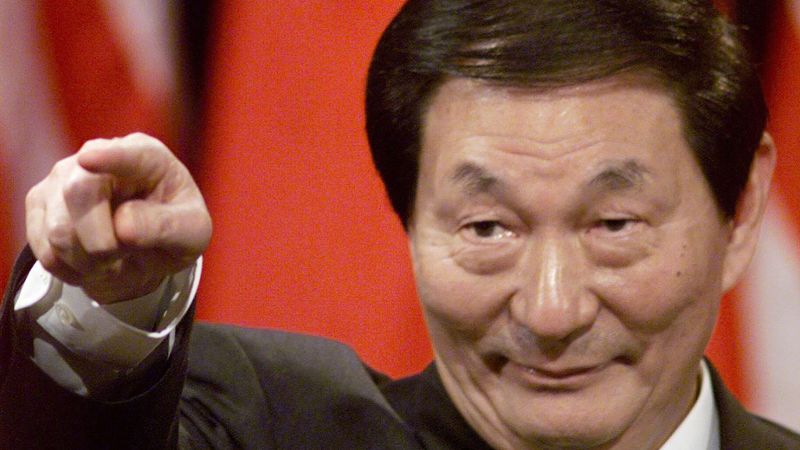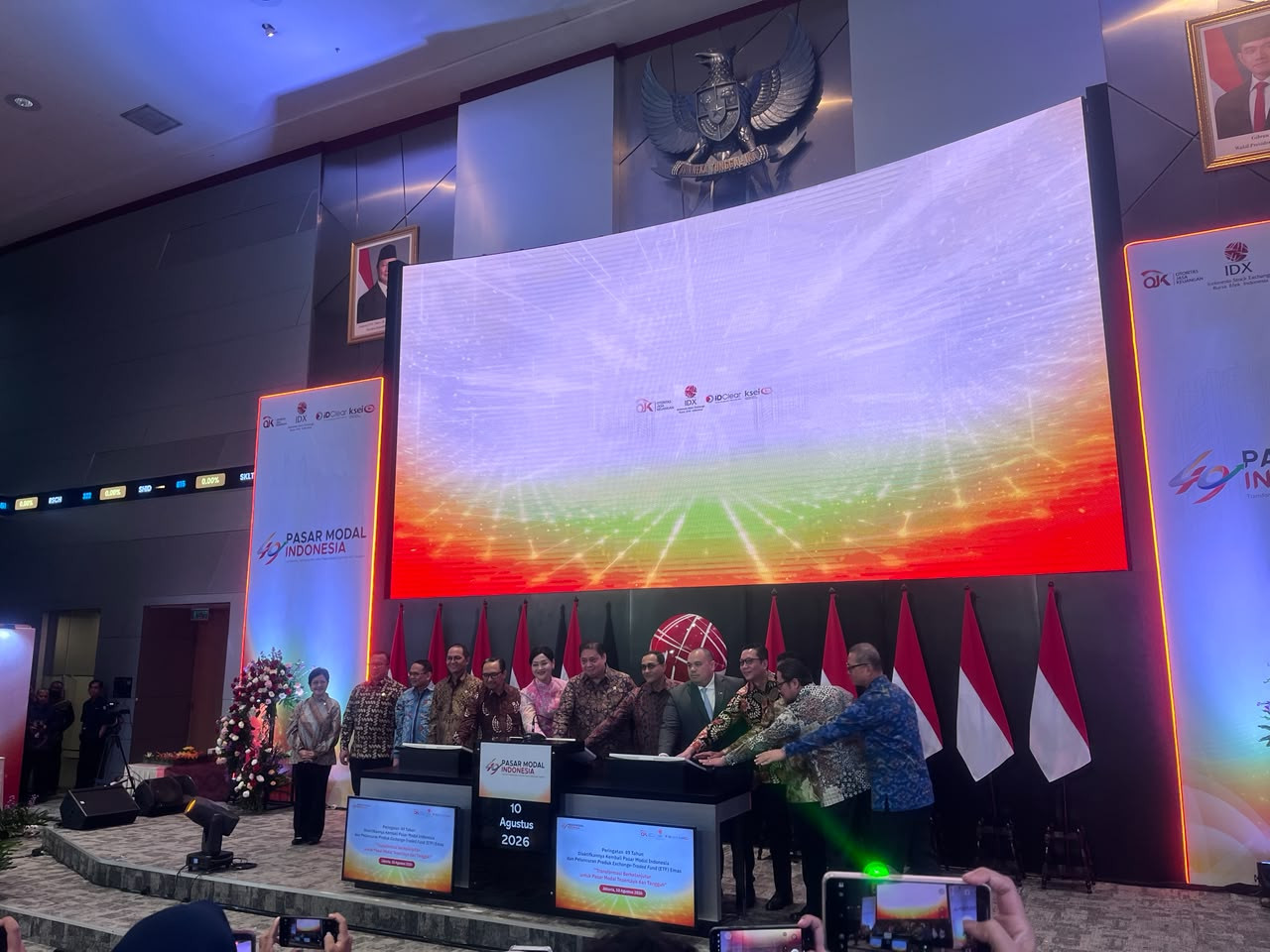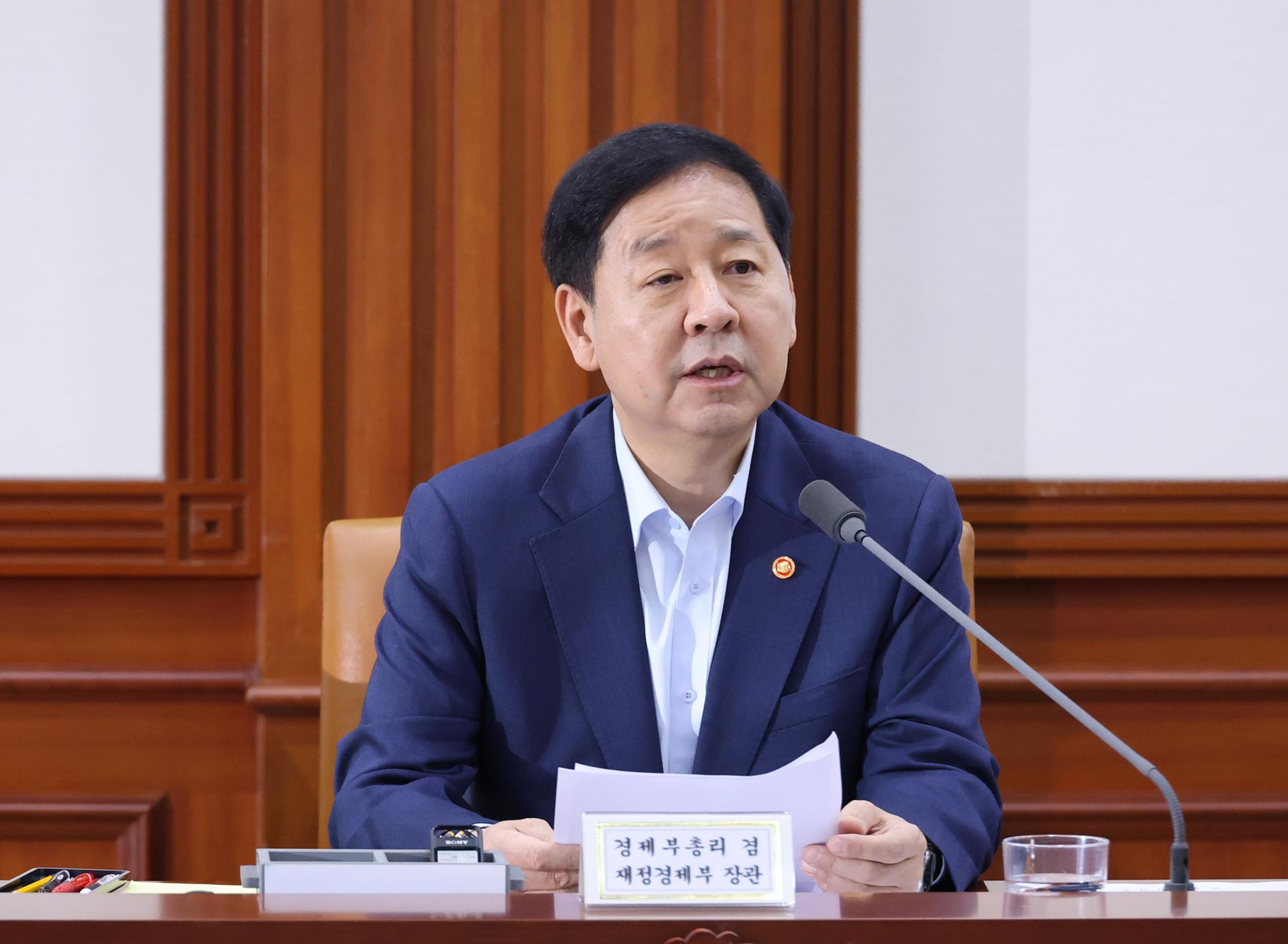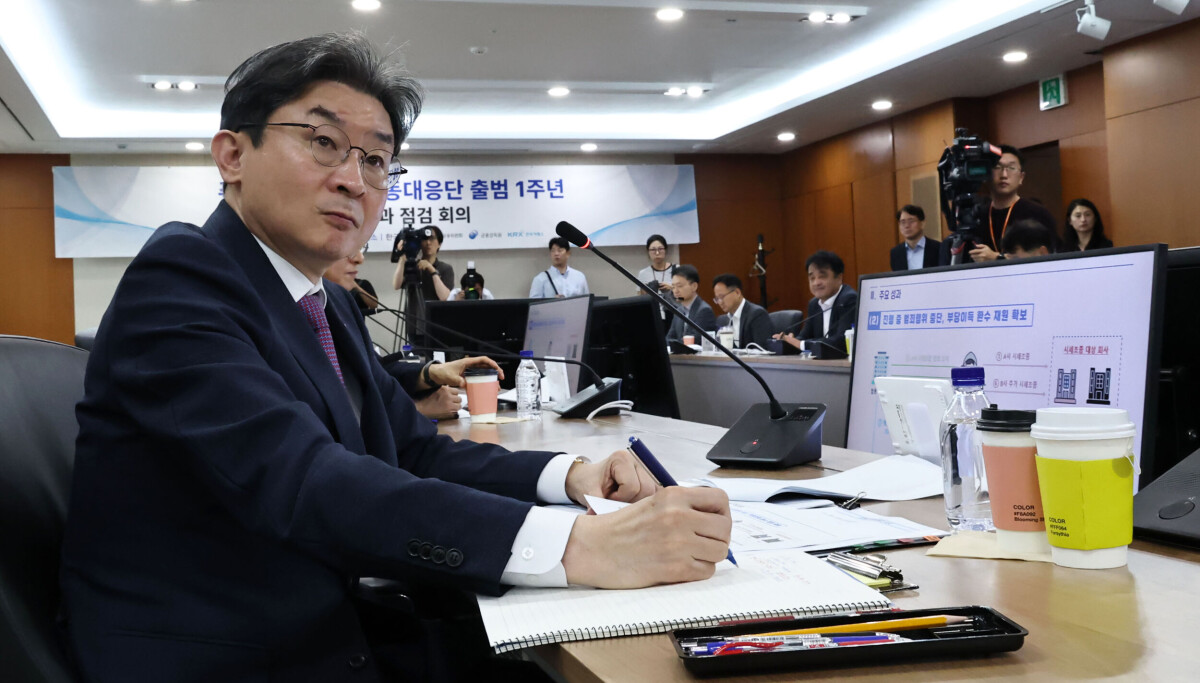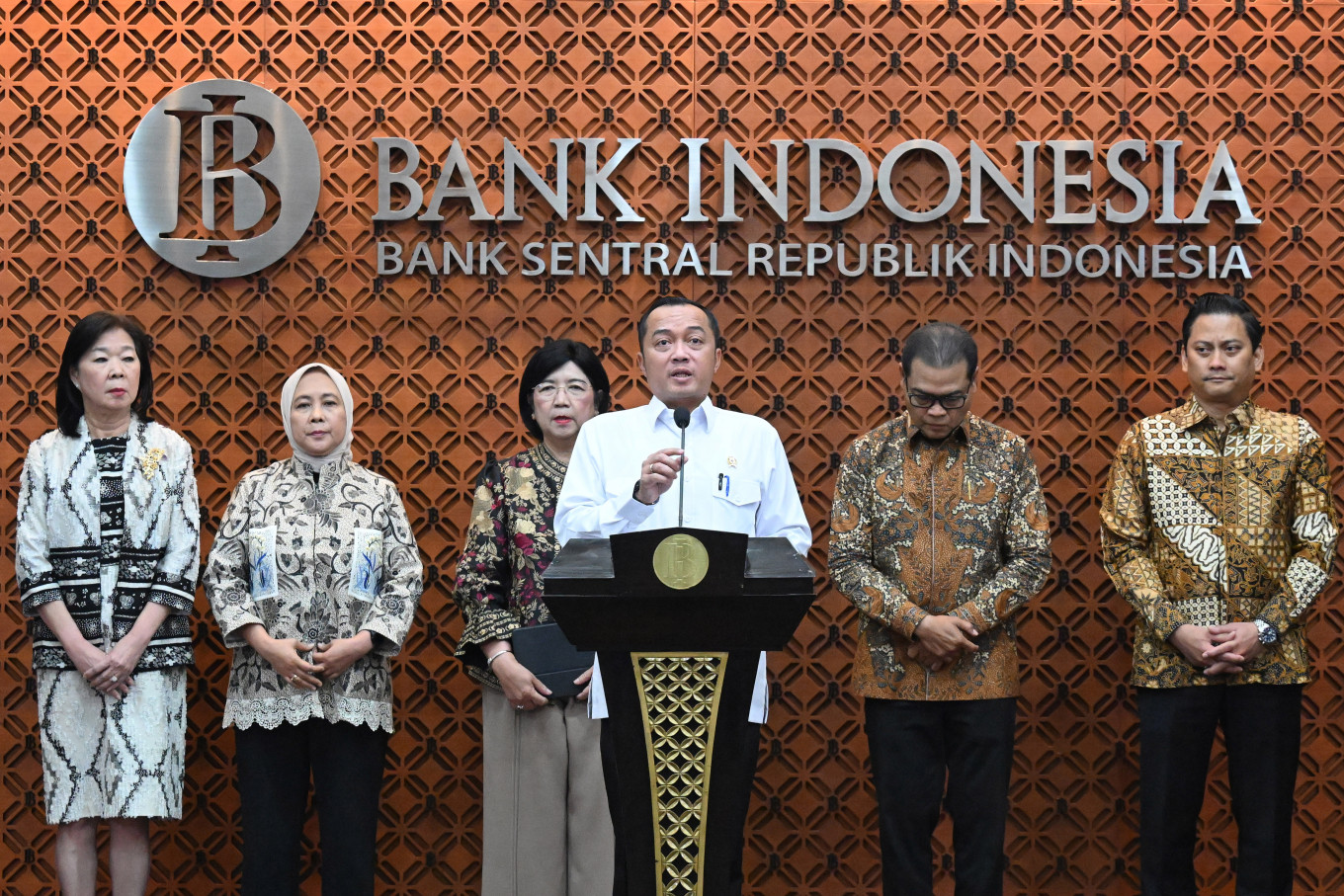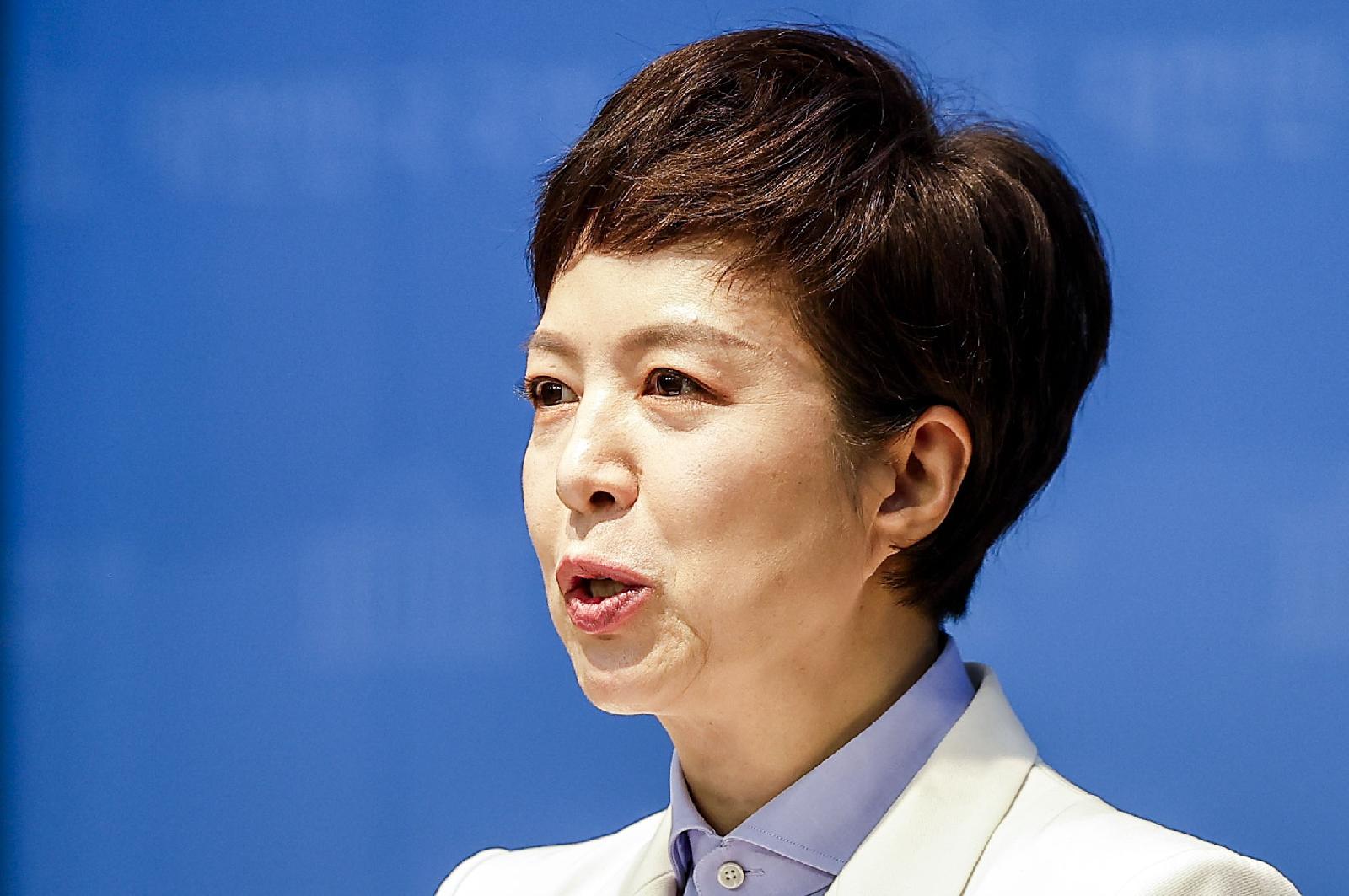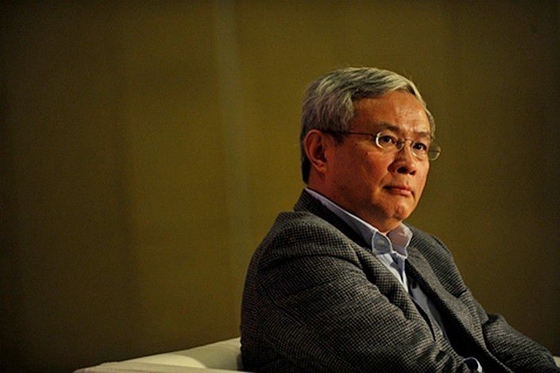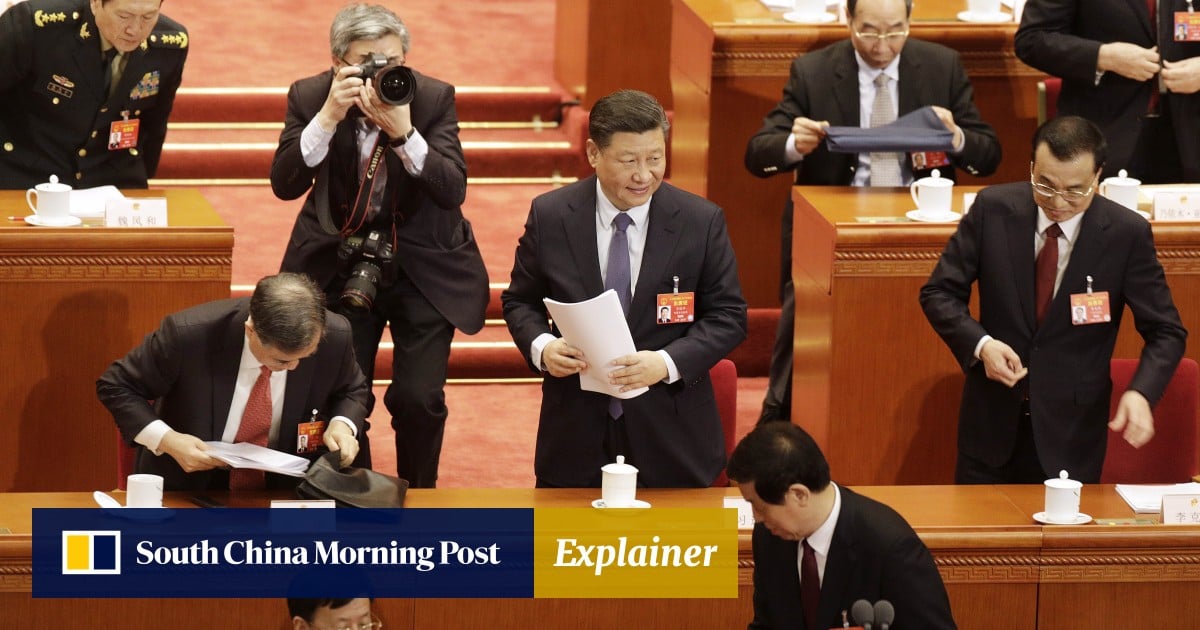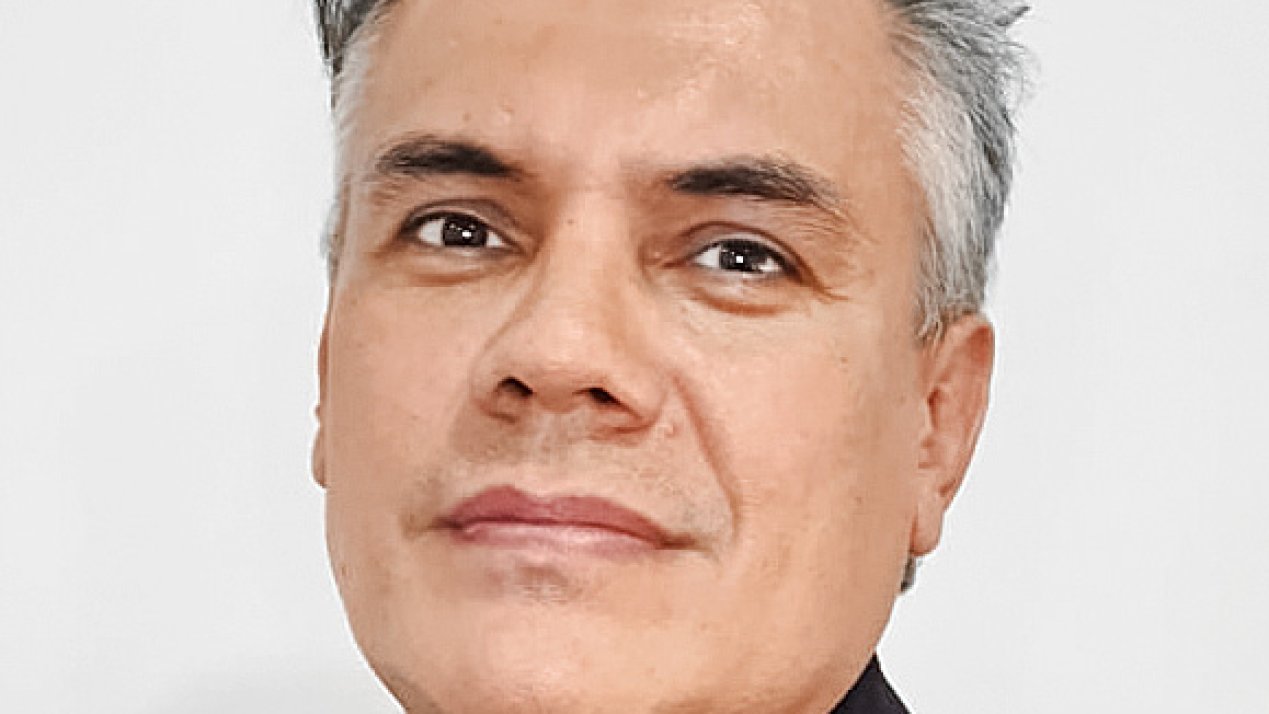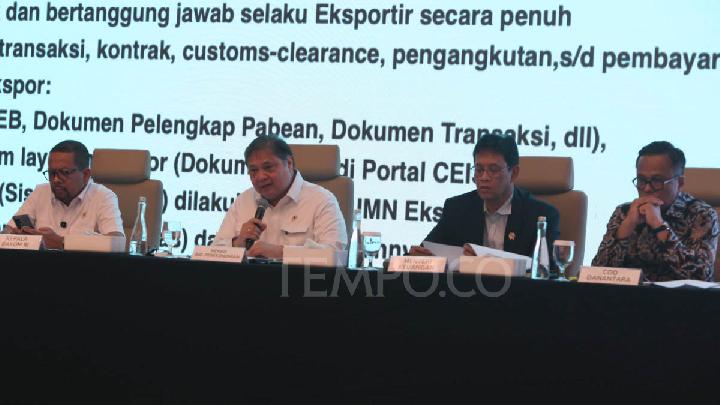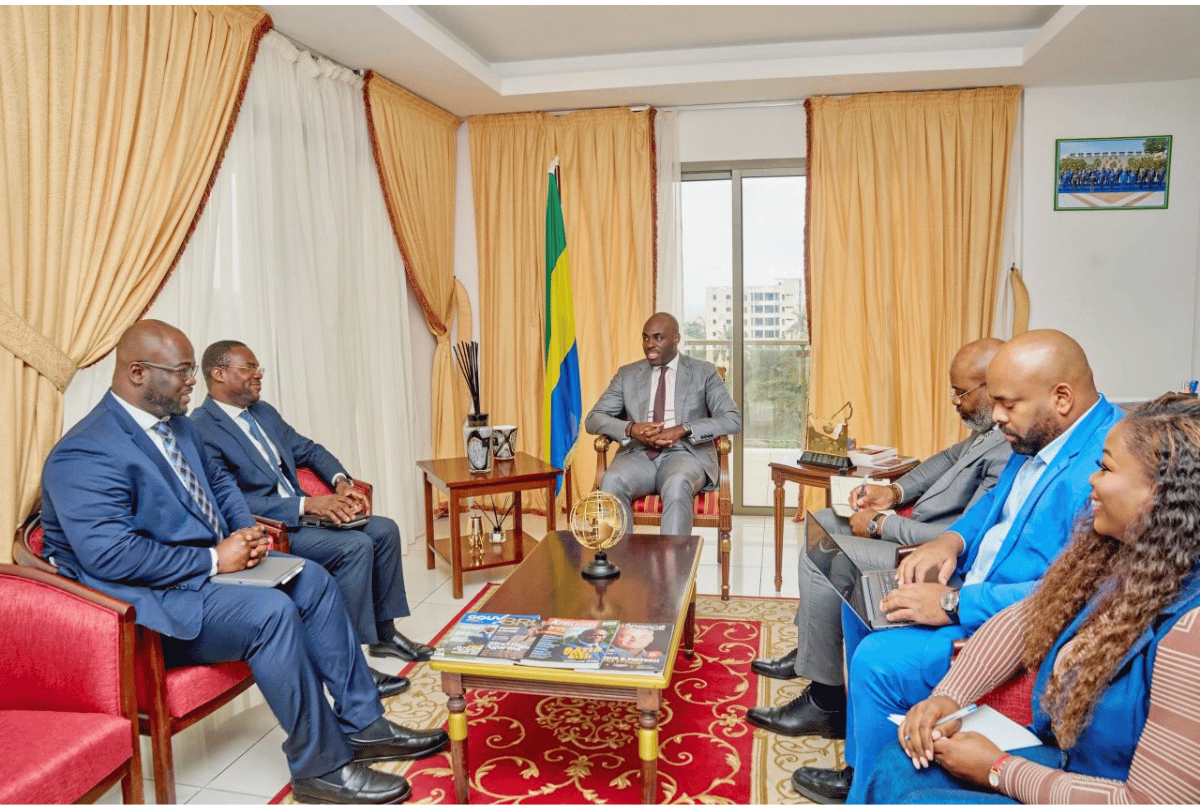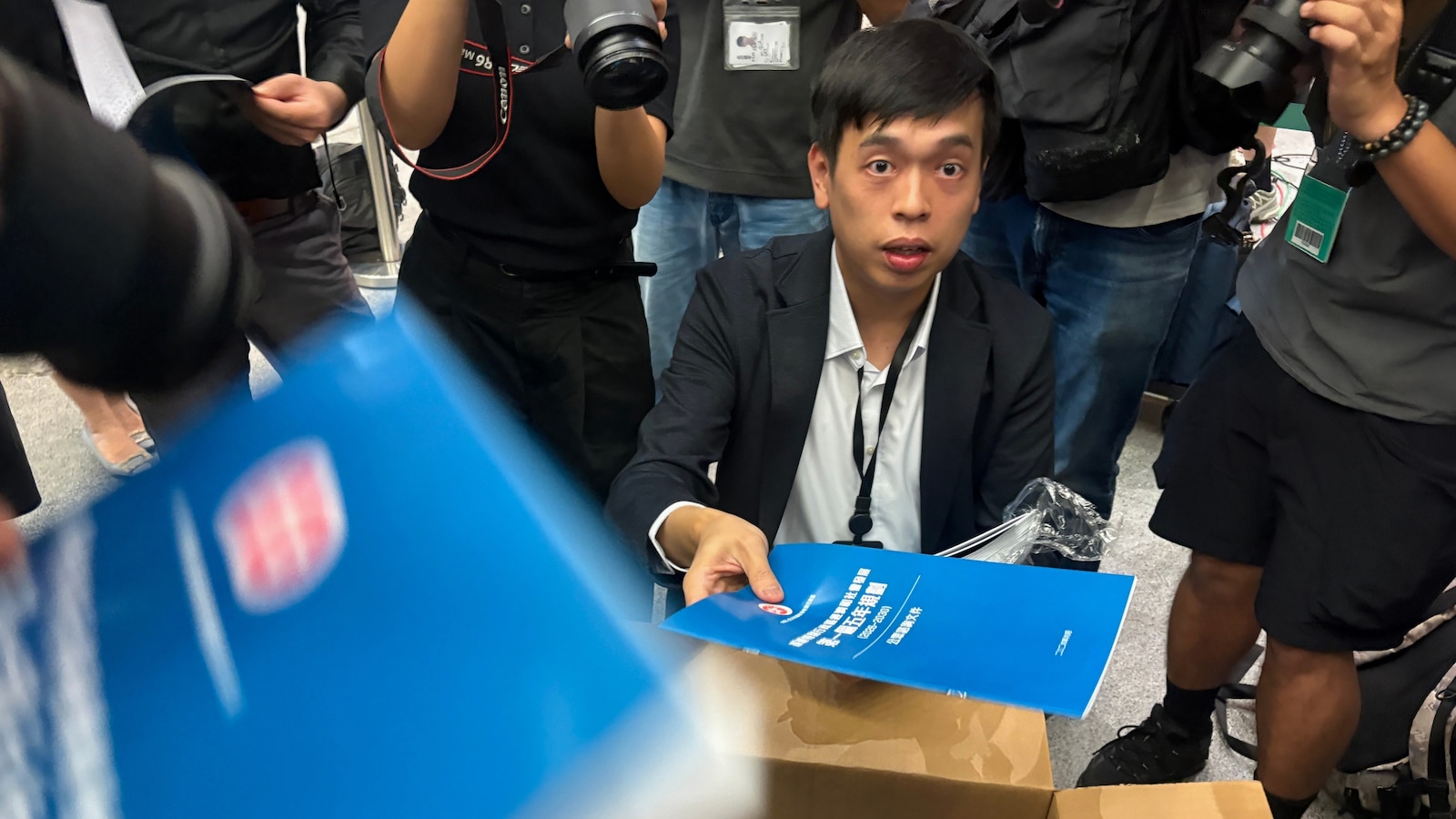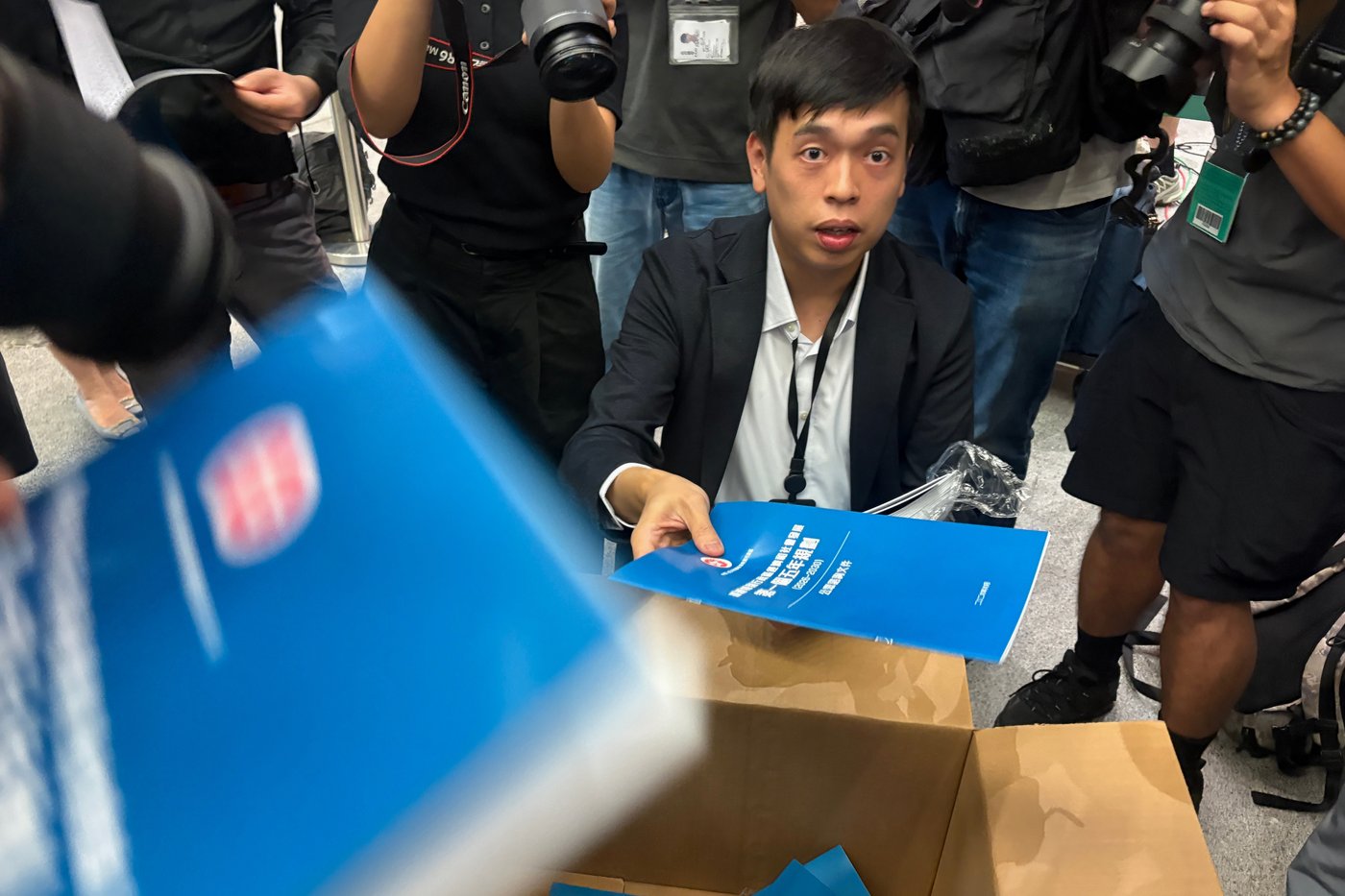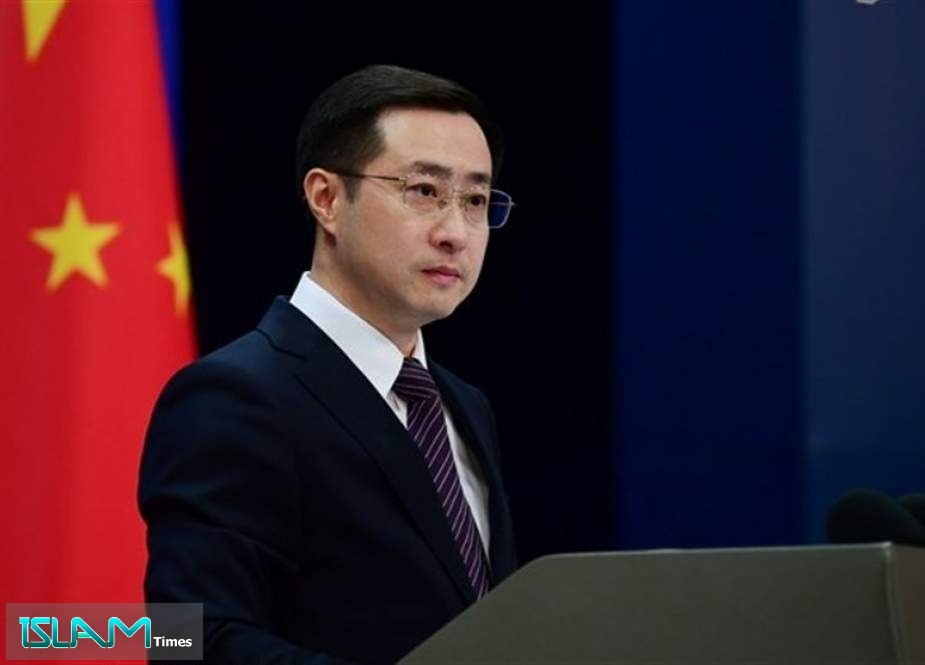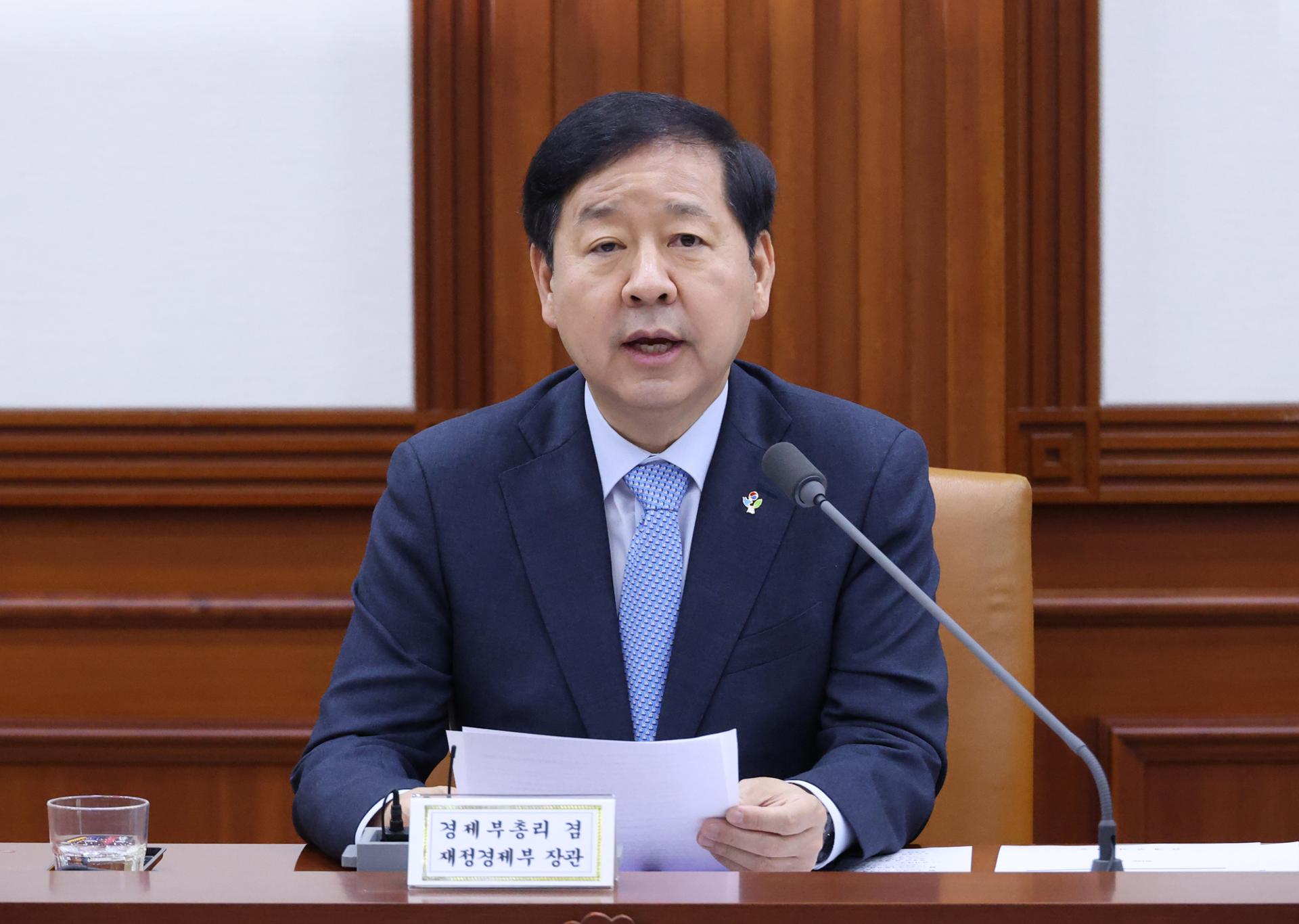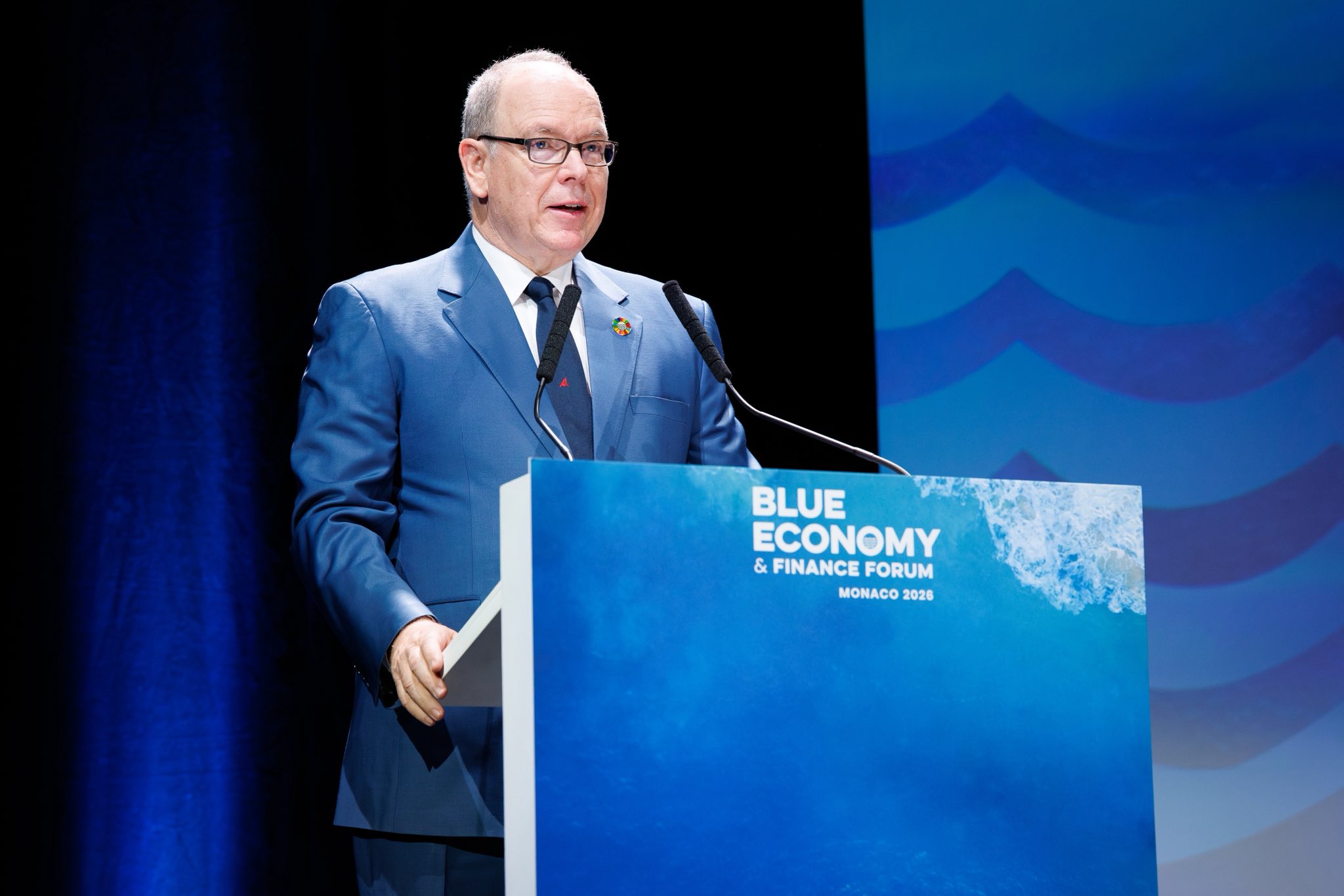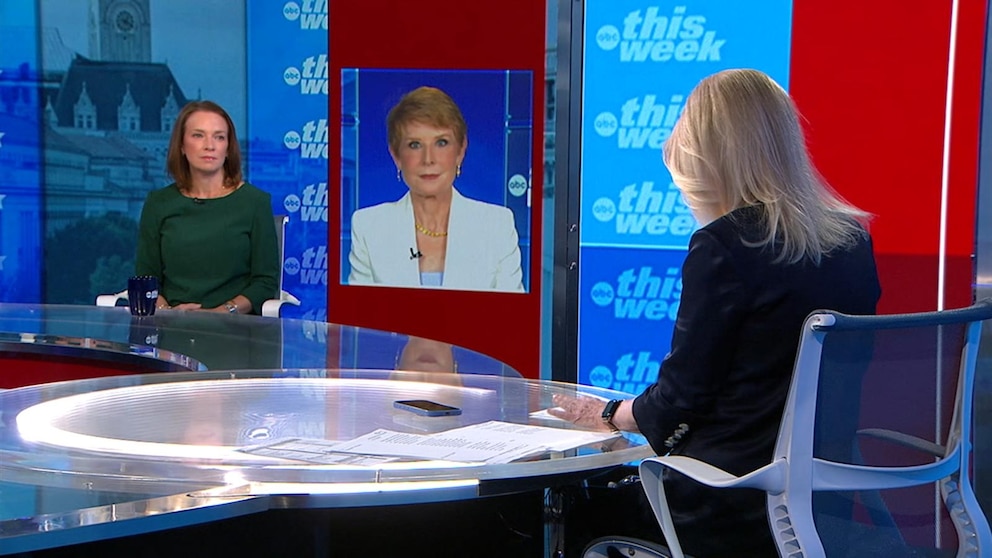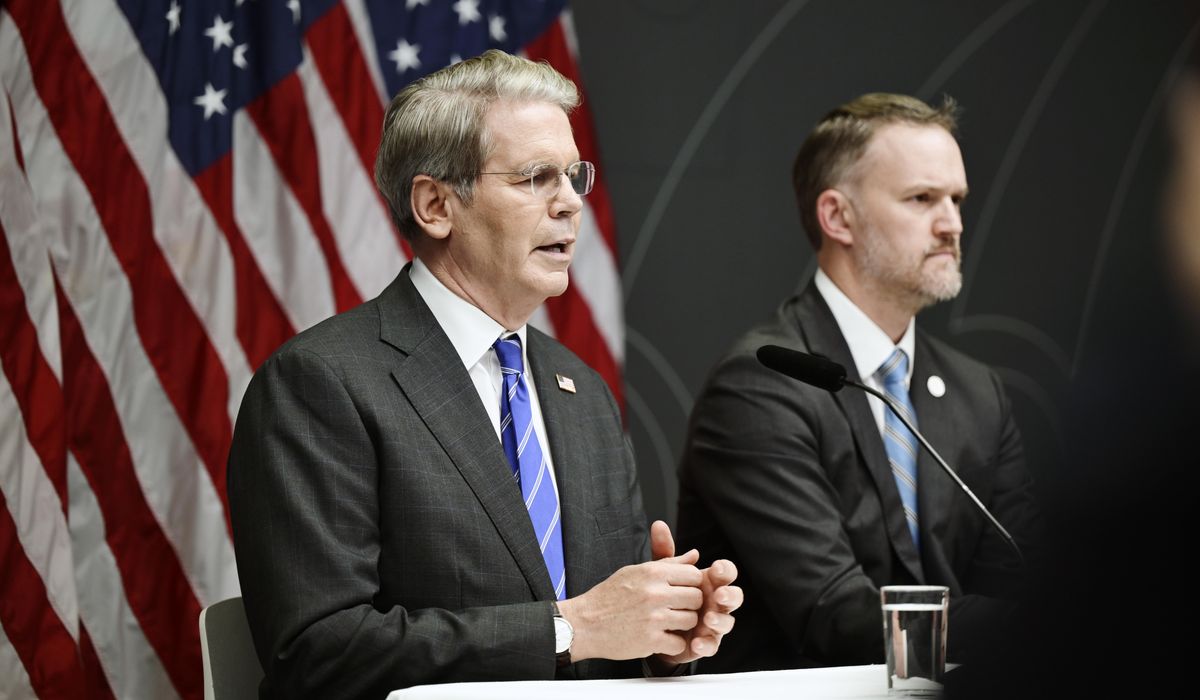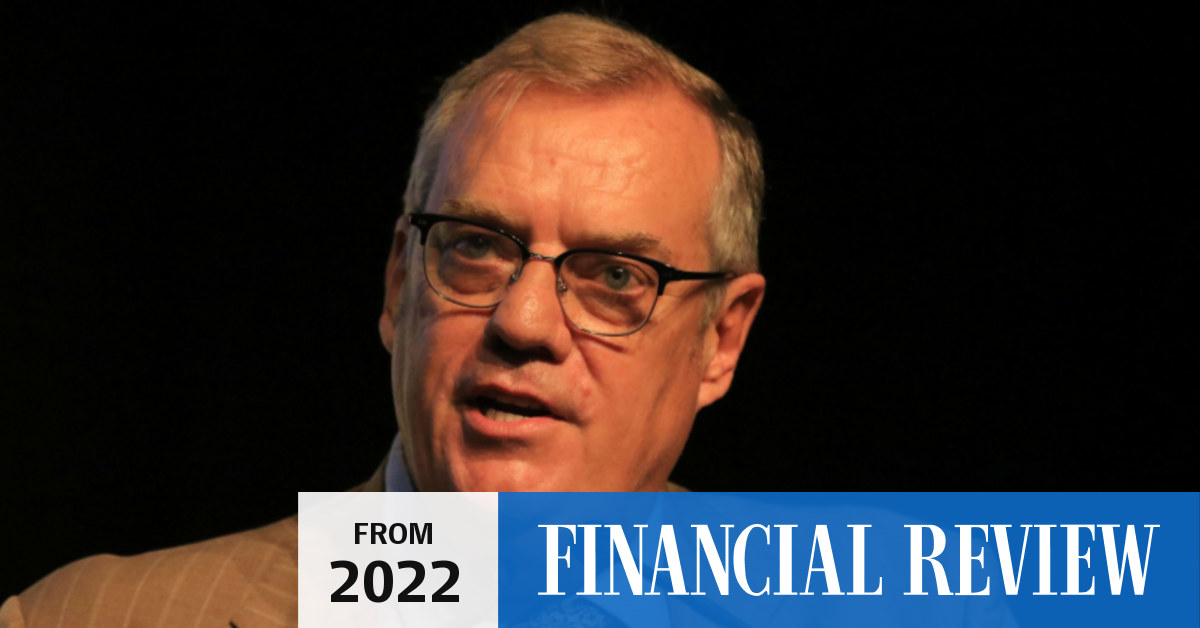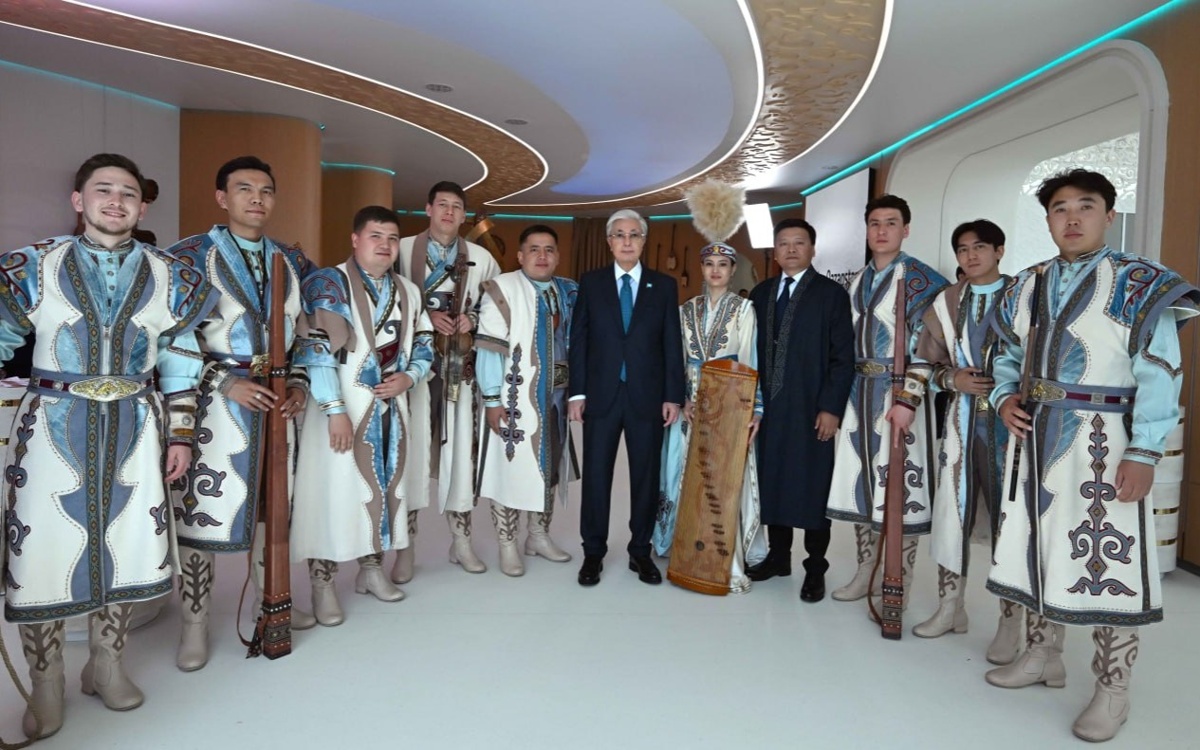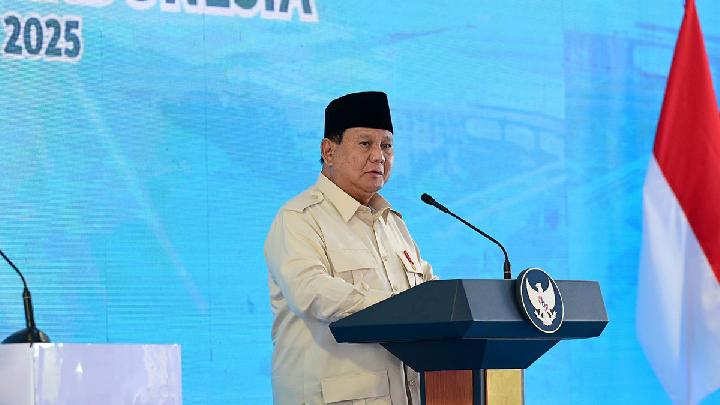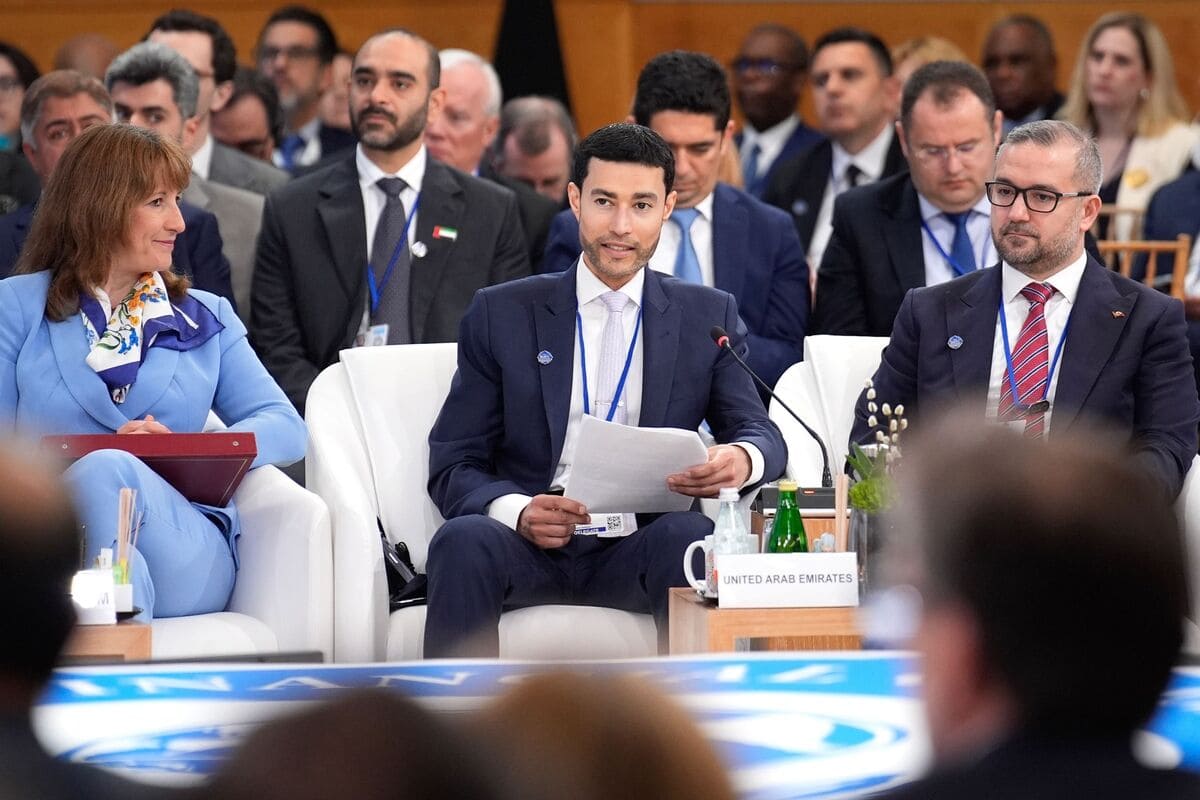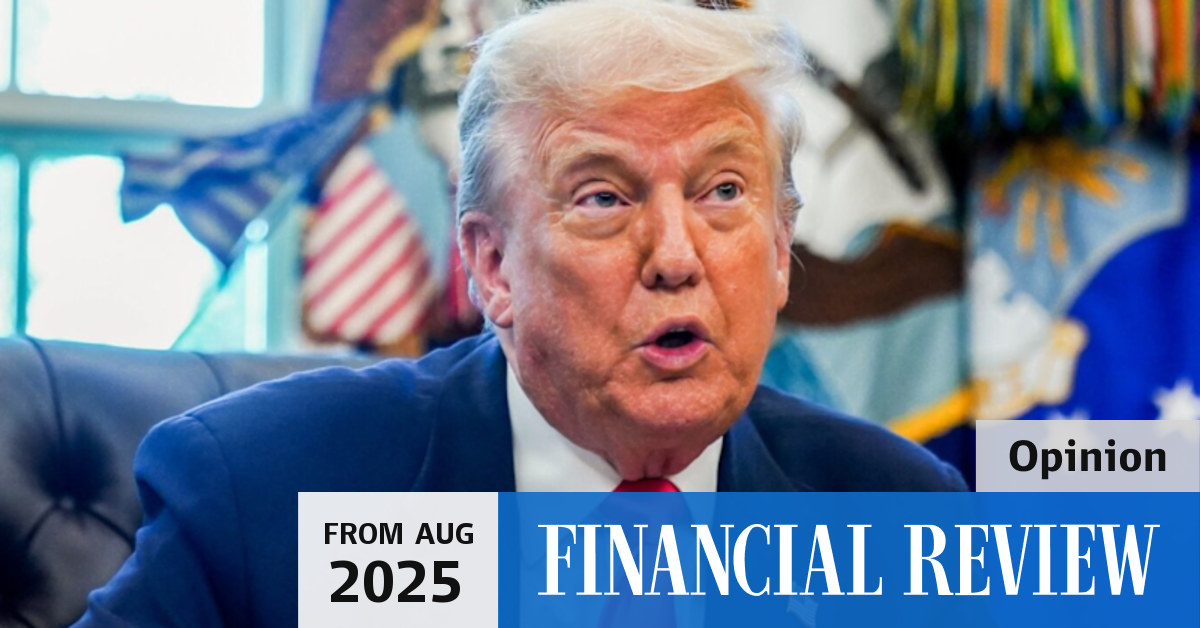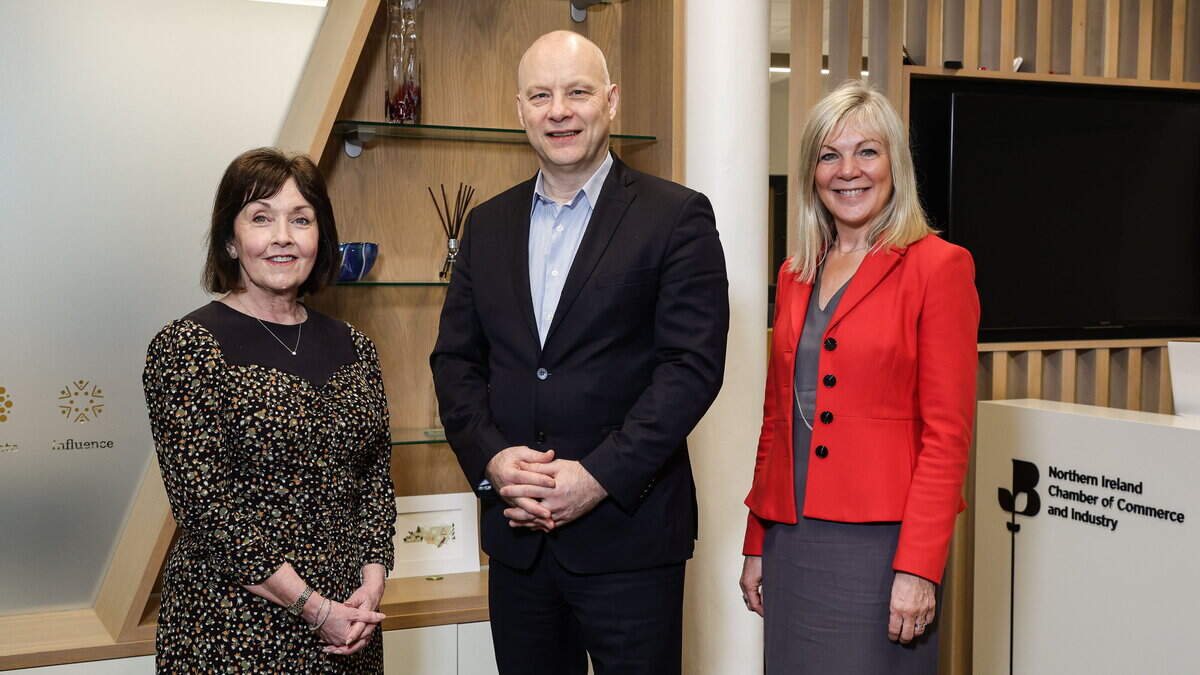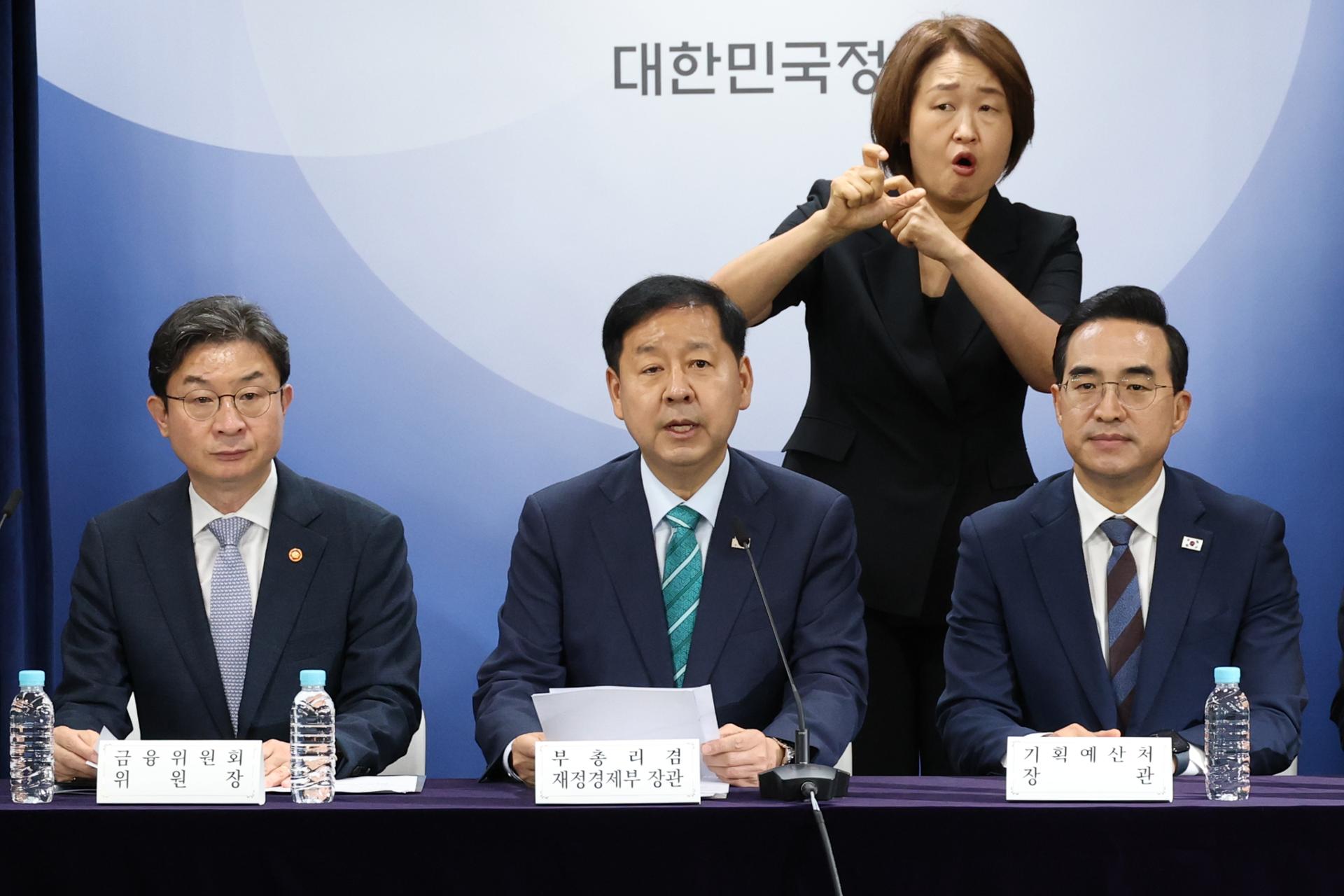
Finance Minister Koo Yun-cheol, center, speaks during a press briefing at Government Complex Seoul, Tuesday, announcing the economic growth strategy for the second half of the year. From left are Financial Services Commission Chairman Lee Eog-weon, Koo and Budget Minister Park Hong-keun. Yonhap
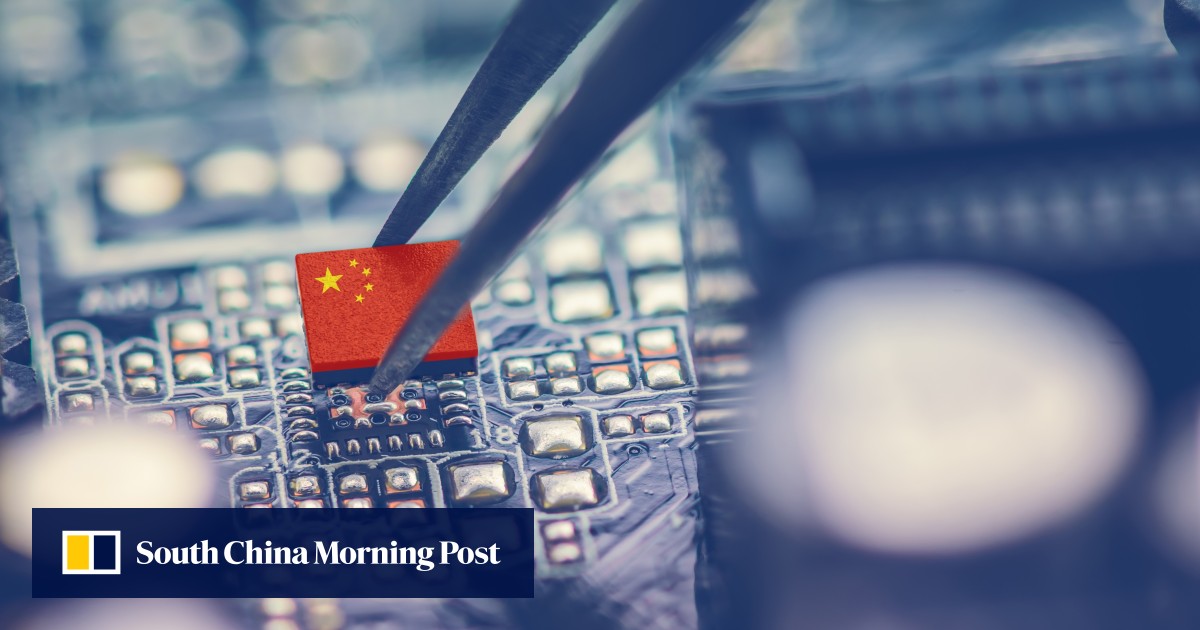
Korea’s per capita gross domestic product (GDP) is on track for its largest increase in five years this year amid the global semiconductor boom, bringing the country close to the $40,000 threshold, government data showed Sunday.
If the average won-dollar exchange rate declines in the second half of the year, Korea’s per capita GDP could surpass $40,000 for the first time this year.
According to data provided by the Ministry of Finance and Economy and the Bank of Korea, the country’s per capita GDP is projected to reach $39,164 this year, up $2,750, or 7.6 percent, from a year earlier, marking the largest annual increase since 2021, when it jumped 11.5 percent.
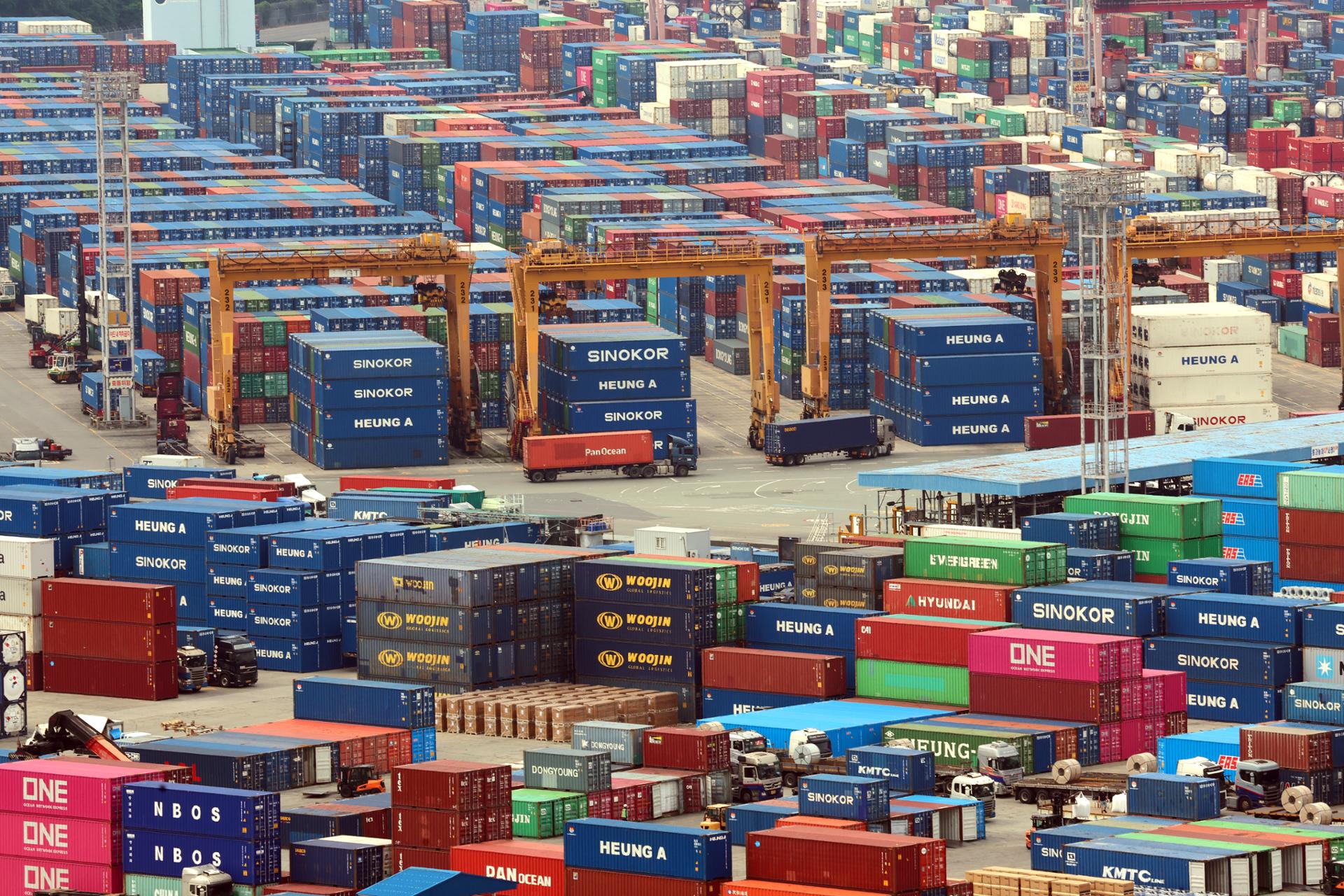
The estimate is based on the government’s announcement last week that nominal GDP is expected to grow 12.3 percent this year, the fastest pace since 1996, driven by a semiconductor-led export surge.
Based on the government’s 2025 nominal GDP estimate of 2,676.7 trillion won ($1.8 trillion), this year’s nominal GDP is projected to rise to 3,005.9 trillion won. Converted into U.S. dollars using the average won-dollar exchange rate of 1,487.19 won through Thursday’s onshore trading close and divided by a projected population of 51.61 million, Korea’s per capita GDP is estimated at $39,164.
Using the same methodology, the country’s per capita GDP is expected to reach $41,024 next year, based on the government’s projected nominal GDP growth of 4.6 percent and assuming the same exchange rate. It would mark the first time Korea’s per capita GDP has crossed the $40,000 threshold, 11 years after it surpassed $30,000 in 2016, when it stood at $30,839.
If the average won-dollar exchange rate for this year falls by about 30 won to below 1,456.1 won, the figure could surpass the $40,000 mark this year.
Korea’s per capita GDP reached $35,359 in 2018 before falling for two consecutive years during the pandemic to $33,652 in 2020.
In 2021, the figure temporarily rebounded to $37,534 amid the postpandemic reopening, massive economic stimulus and a low base effect. However, the gains proved short-lived, with per capita GDP falling back to $34,875 the following year as aggressive interest rate hikes and surging inflation weighed on the economy.
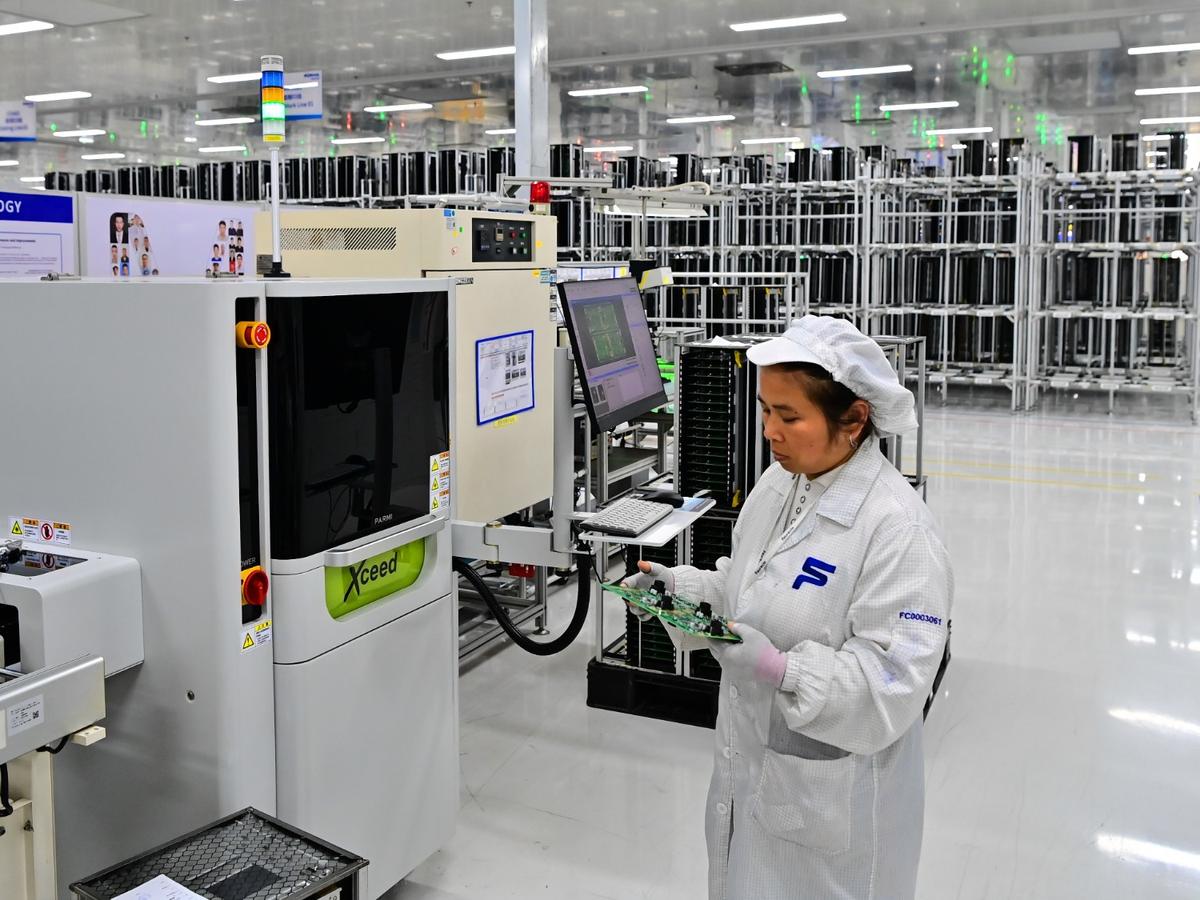
While growth momentum subsequently cooled, the gauge has staged a sharp turnaround this year, propelled by a strong rebound in the semiconductor cycle that has boosted the nation’s exports.
When unveiling its economic growth strategy for the second half of the year on Tuesday, the Lee Jae Myung administration pledged to raise the nation’s potential growth rate, currently estimated at around 1 percent, to 3 percent.
Backed by a booming semiconductor sector, the plan aims to lift Korea’s ranking among global exporters from fifth this year to fourth and raise per capita income from nearly $40,000 to $50,000.
“If we sustain the current momentum and intensify our policy efforts, we are highly likely to achieve our targets of becoming the world’s fourth-largest exporter and reaching $50,000 in per capita income by 2030, within the current administration’s term,” said Kang Ki-ryong, a senior official at the finance ministry.
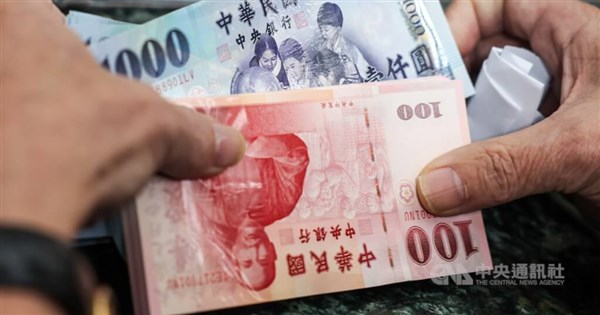
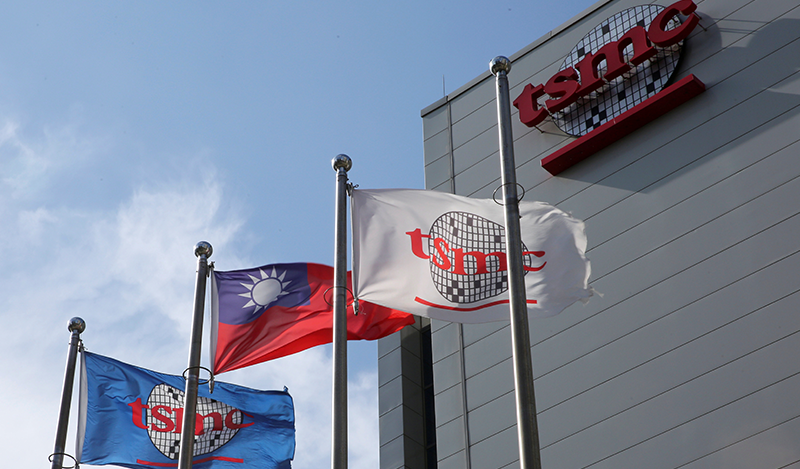
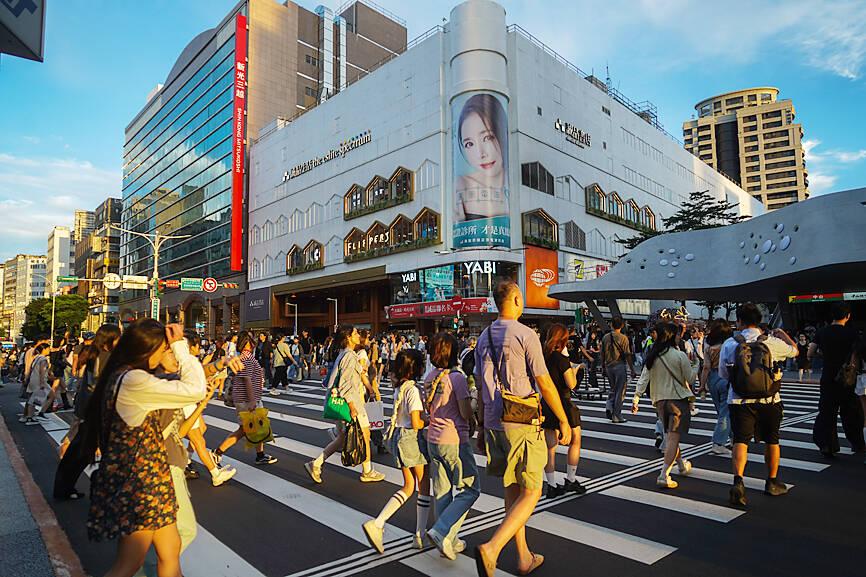
Meanwhile, Taiwan, another major beneficiary of the global semiconductor boom, is projected to see its per capita GDP surpass $45,000 this year, further widening its lead over Korea.