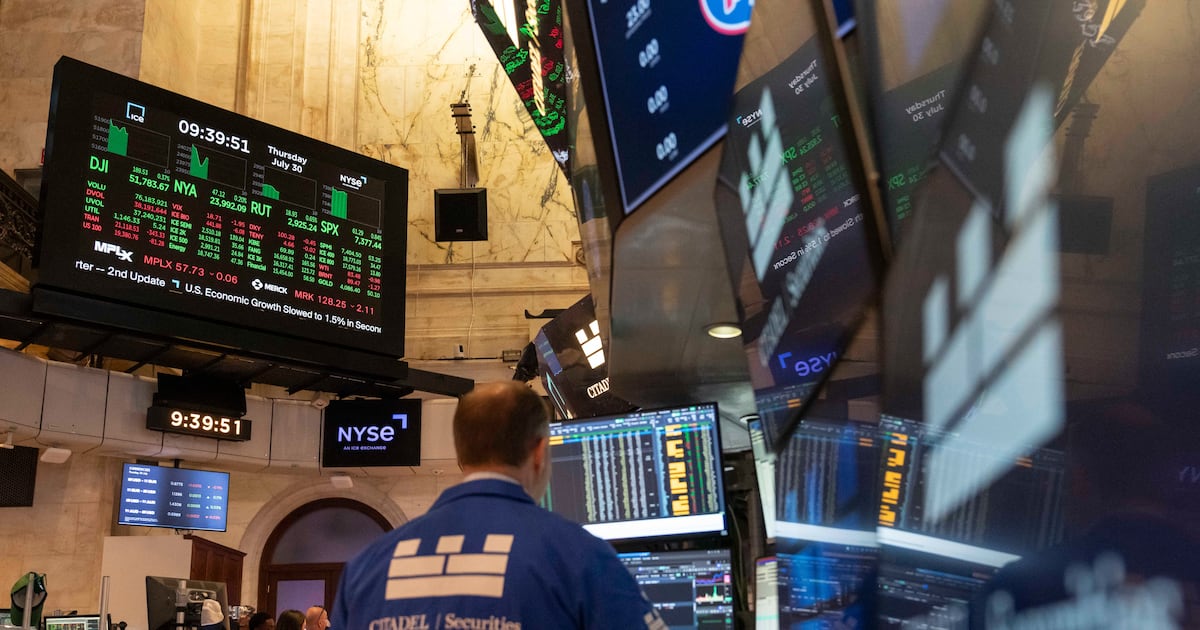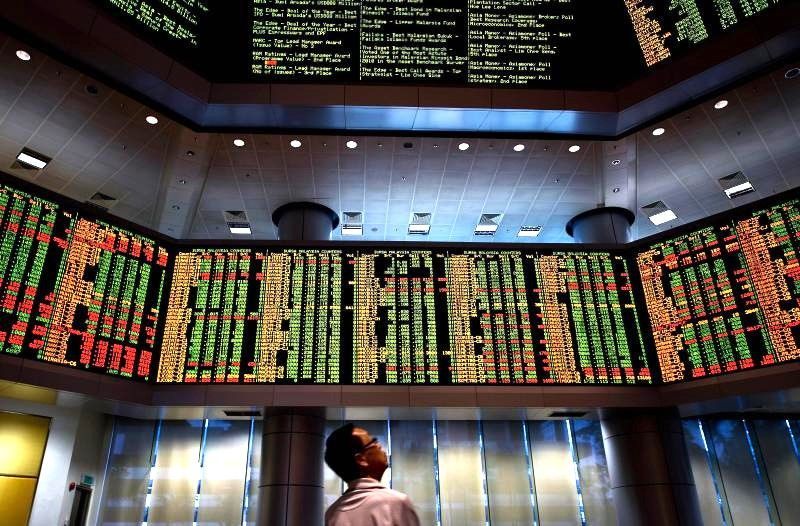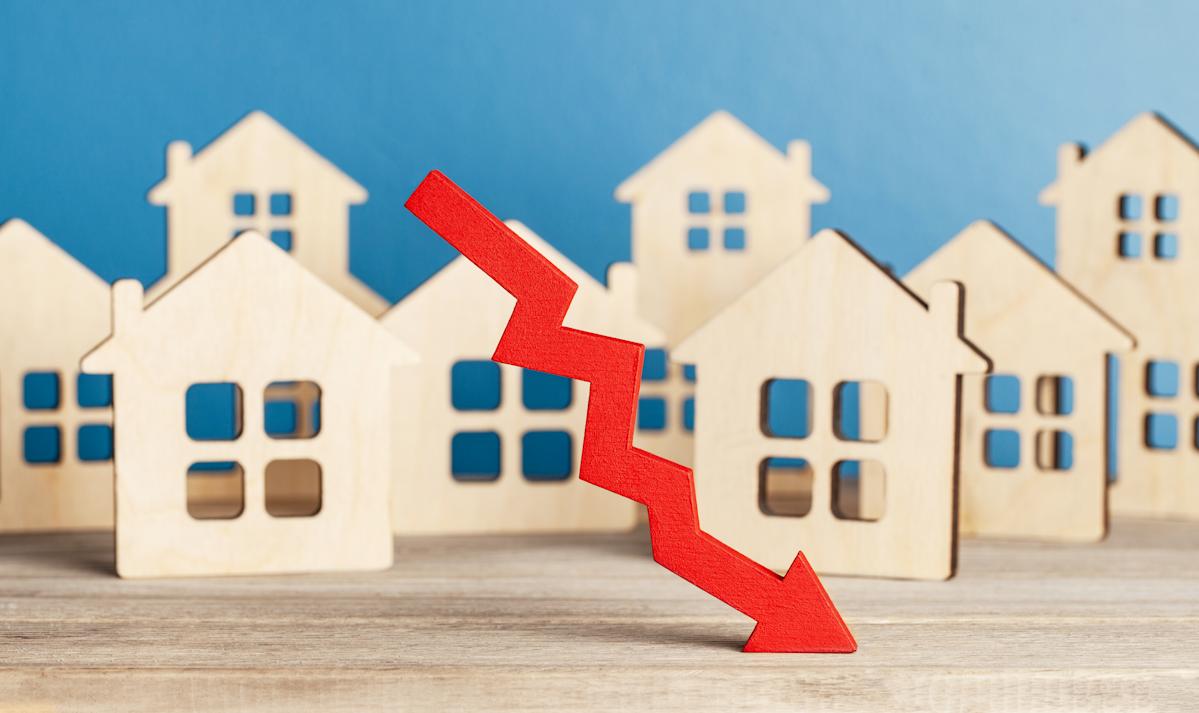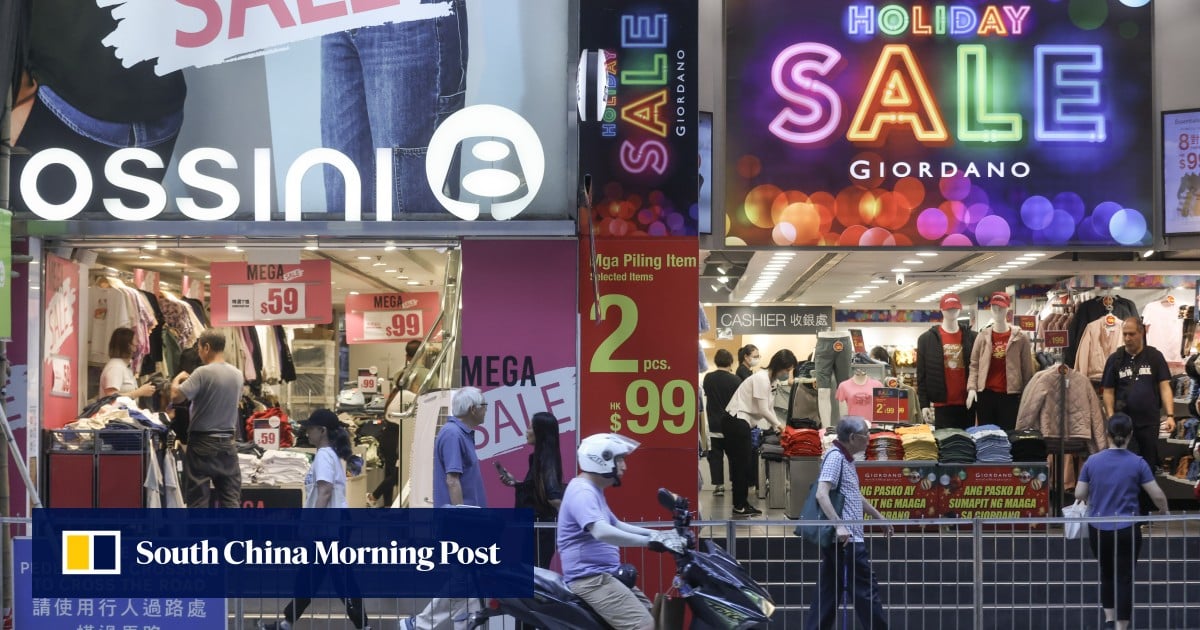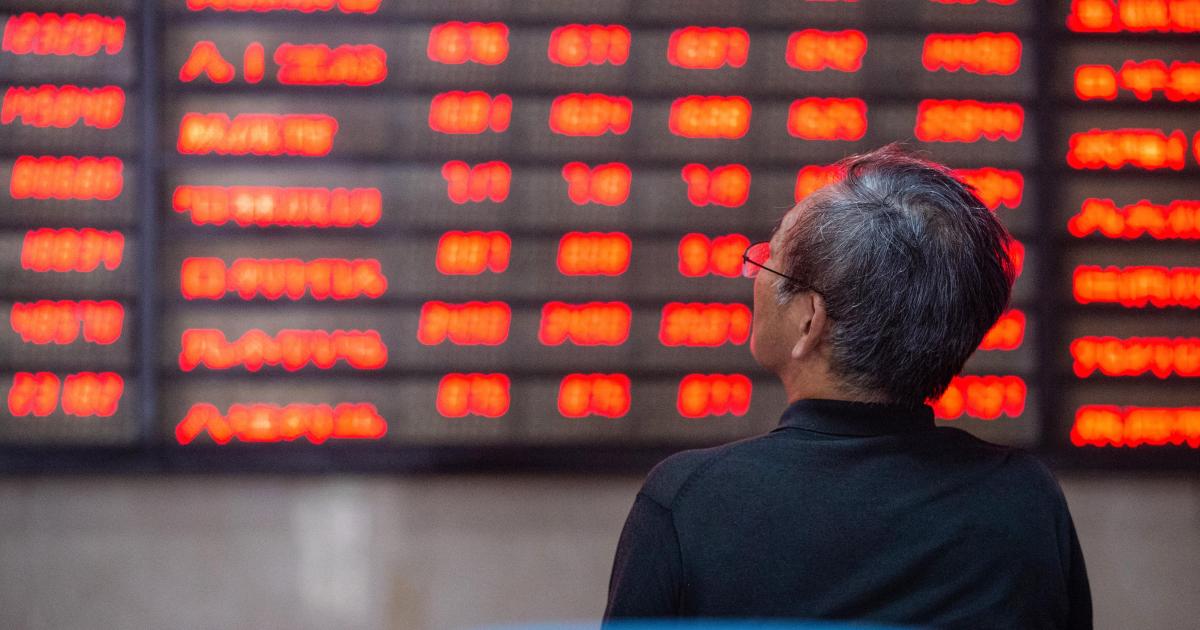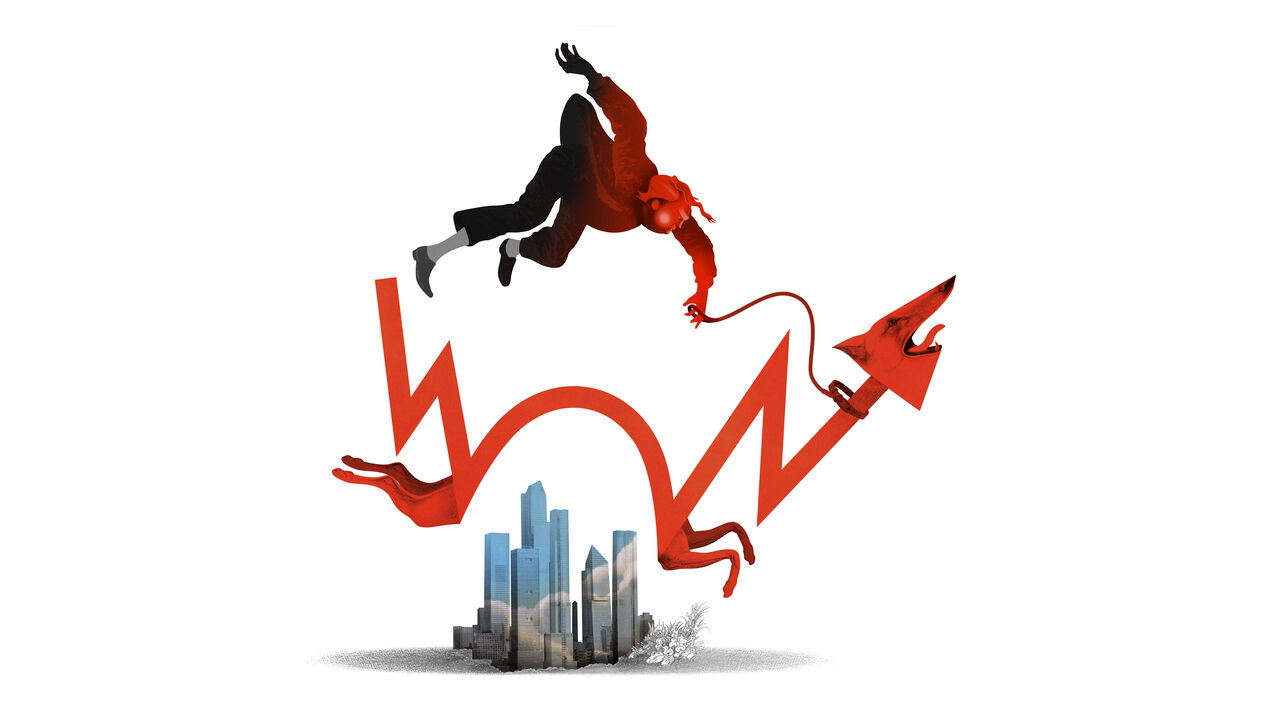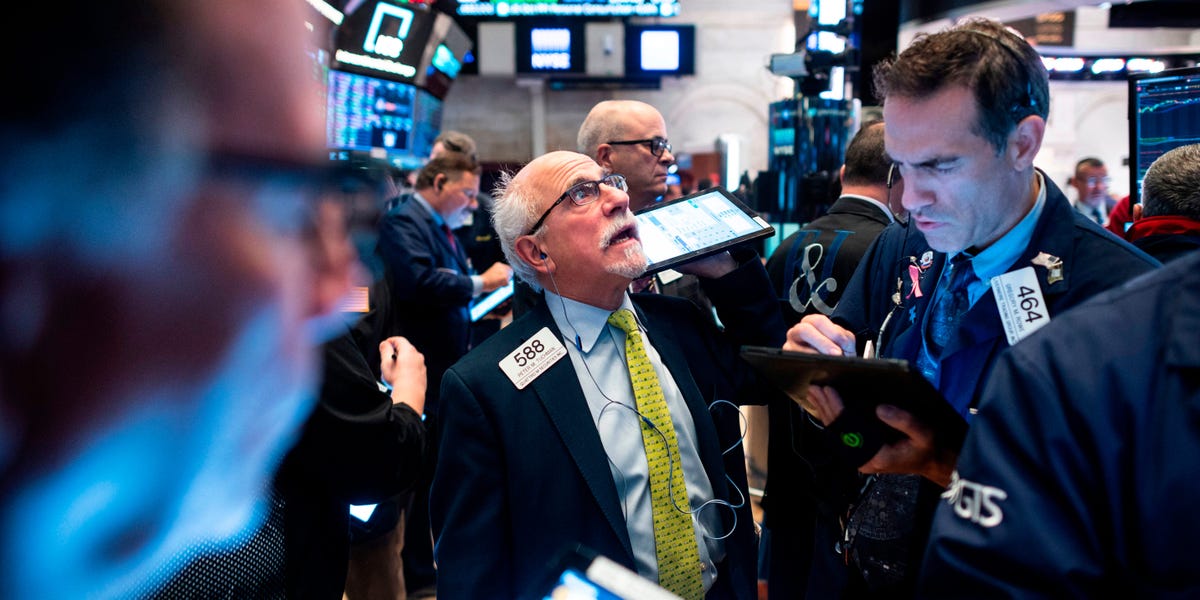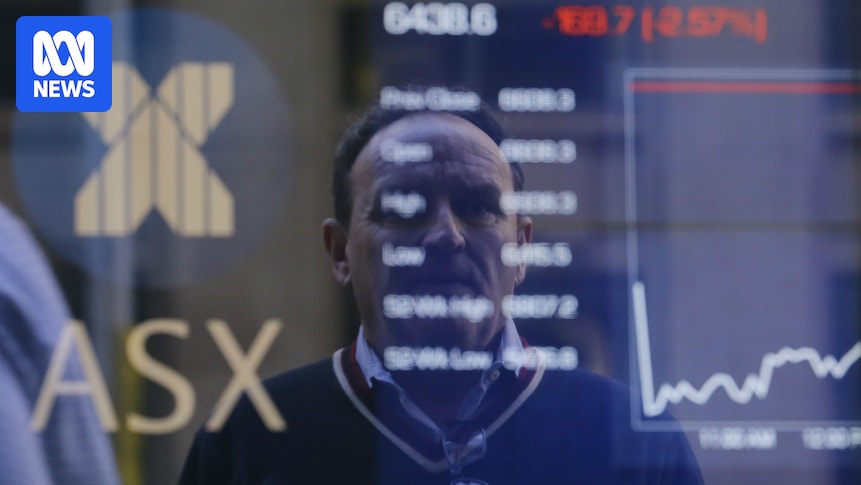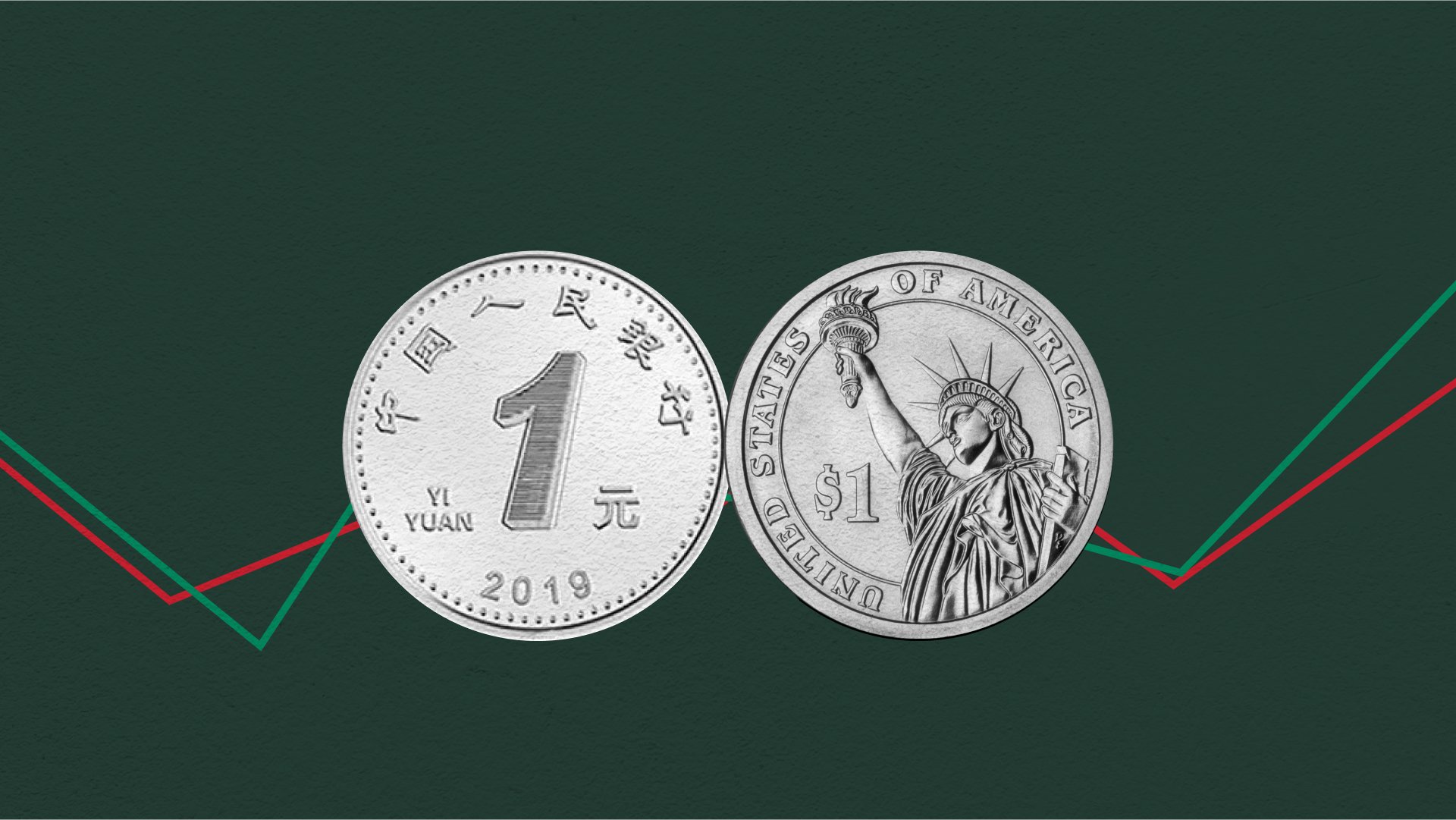
As the coronavirus drags into its seventh month, old economy stocks face a high-stakes reckoning: do their battered share prices signal they are roadkill, unlikely to ever fully revive? Or, will these stocks rebound, becoming the miracle comeback stories of tomorrow?
The answer is hotly debated among professionals looking ahead to where they expect share prices of these Hong Kong-listed stocks to be a year from now.
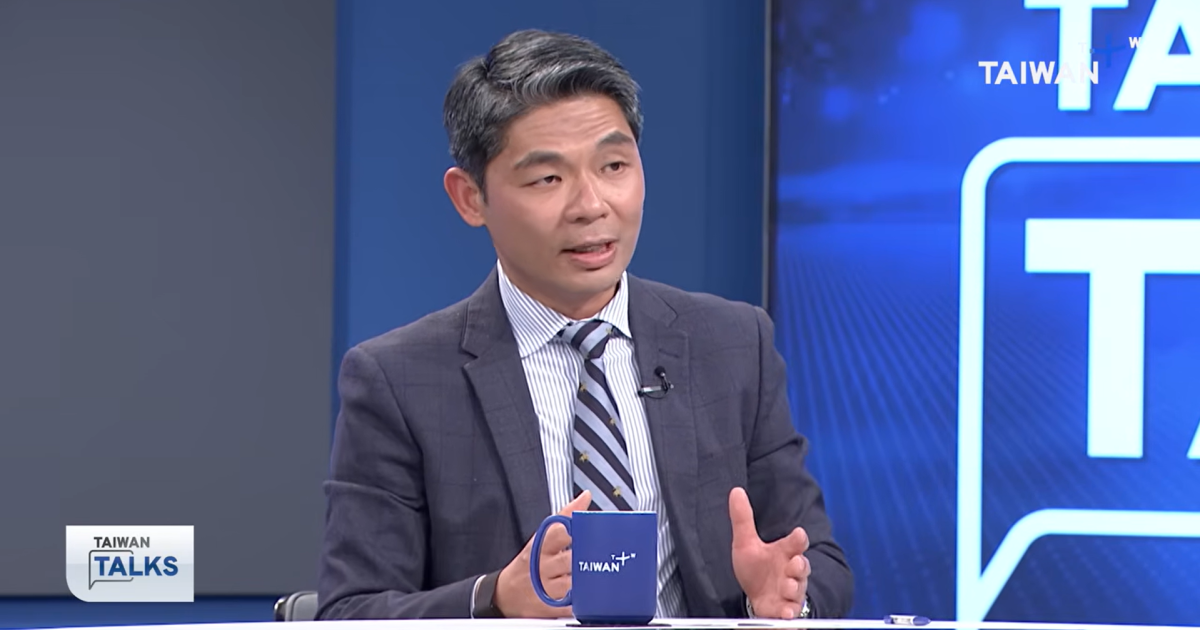
“The virus is the great known ‘unknown’ for the markets,” said Bruce Pang, head of macro and strategy research at China Renaissance Securities Hong Kong. “The unknown features of Covid-19 – such as its incubation period and contagious channels – bring more uncertainty,” making it difficult to predict which beaten-down stock sectors can roar back, he added.
By some long-established yardsticks – such as share price to earnings – many virus roadkill stocks look cheap, at least theoretically making them good buys. Yet detractors urge investors to instead look at the sentiment that has already picked winners from the virus era. They argue that the sentiment strongly supports the notion that important changes in consumer habits will be quite long lasting, perhaps even permanent.