The world is ageing rapidly, and a new business race is emerging around a simple but difficult question: can technology help people spend more of their longer lives in good health?
The global population is entering an unprecedented ageing phase. The United Nations estimates that 0.70 billion people aged 65 or older are living around the world today, a number projected to reach 1.5 billion by 2050. By then, one in six people globally is expected to be over 65, compared with one in 11 in 2019. That demographic shift is beginning to reshape business priorities. Companies are no longer looking only at how to treat diseases associated with old age; they are increasingly exploring technologies and services designed to help people remain healthier, independent and active for longer.
The change can already be seen in the investment flowing into the sector. In June 2026, the World Economic Forum highlighted the economic potential of relatively simple longevity interventions, estimating that measures such as physical-activity programmes, hearing aids and basic home-safety improvements could generate USD 5,800 billion in healthcare savings and USD 645 billion in productivity gains by 2040.
At the other end of the technology spectrum, biotechnology companies are pursuing much more ambitious approaches. In August 2026, Retro Biosciences was reported to be expanding a human trial of its experimental drug RTR-242, which targets cellular recycling processes associated with ageing and neurodegenerative disease. The treatment remains experimental, and its effectiveness has not yet been established.
Together, these developments point to a bigger transformation: longevity is becoming an economic story as much as a medical one.
Ready to lead the Dibutyl Maleate (DBM) Market?
Discover the regional trends and growth factors shaping the industry. We’re here to assist with expert, personalized data.
Call +1 303 800 4326 or Send us a message for a personalized consultation.
The Real Problem: More Years, But Not Always More Healthy Years
Living longer does not automatically mean living healthier.
Global life expectancy has increased substantially over the past few decades, but healthy life expectancy has not always kept pace. The World Health Organization estimates that between 2000 and 2019, global life expectancy increased by 6.4 years, while healthy life expectancy increased by 5.3 years. The difference represents additional years that may be lived with illness or disability.
That gap between lifespan and health span is becoming one of the central ideas behind the longevity economy.
For governments, a healthier older population could mean lower pressure on healthcare systems and greater participation in the workforce. For businesses, it represents a growing demand for products and services that help people prevent disease, monitor their health and maintain independence.
This changes the commercial question. The objective is not simply to add more years to life. It is increasingly about adding more healthy years to those extra years.
The Healthspan Gap Is Creating a New Market
The growing gap between lifespan and healthspan is creating a new opportunity for businesses. As populations age, demand is increasing for products and services that can help people remain healthy, independent and active for longer. The opportunity extends well beyond experimental anti-ageing medicines, reaching into diagnostics, preventive healthcare, wearable technology, home healthcare, senior living, rehabilitation, nutrition and assistive devices.
Recent investment shows how quickly this market is expanding. In July 2026, Primus Senior Living and HDFC Capital announced a ₹2,000 crore (USD 2.09 billion) platform to develop senior-living communities across six major Indian cities. The move reflects growing demand for organised housing and care services as India’s older population continues to increase.
Technology is also becoming an important part of the emerging longevity ecosystem. Age Care Labs raised ₹85 crore (USD 0.089 billion) in July 2026 to expand its elder-care platform, including healthcare services and technology.
These developments point to a broader shift: ageing is creating demand across an entire ecosystem, from prevention and monitoring to treatment, care and independent living. But meeting that demand requires more than building new services. It requires a deeper understanding of what actually happens inside the human body as it ages.
What Happens Inside the Body as We Age?
Ageing is not driven by a single biological process. Researchers are studying a complex combination of changes involving cells, DNA, proteins, metabolism and the body’s ability to repair and maintain tissues. Over time, these changes can contribute to declining physical function and increase the risk of age-related diseases.
This has led scientists to ask a deeper question: rather than trying to stop ageing altogether, can some of the biological processes associated with ageing be measured, slowed or modified?
To investigate this, longevity research is expanding across fields such as genomics, cellular biology, biomarkers, regenerative medicine and precision medicine. Biomarkers are particularly important because they may help researchers measure biological changes and assess whether a potential intervention is producing a meaningful effect.
Much of this work is still taking place in laboratories and early-stage research programmes, where scientists study ageing mechanisms, test potential interventions and examine how cells and tissues respond. Many proposed longevity therapies remain experimental and require further research before their safety and effectiveness can be established.
The growing understanding of these biological processes is therefore opening a new chapter in ageing research one increasingly focused on what can be measured, tested and potentially changed at the cellular level.
From the Laboratory to Everyday Life
The longevity story is no longer confined to biotechnology laboratories. Tested technologies are increasingly giving consumers tools to monitor aspects of their health in everyday life.
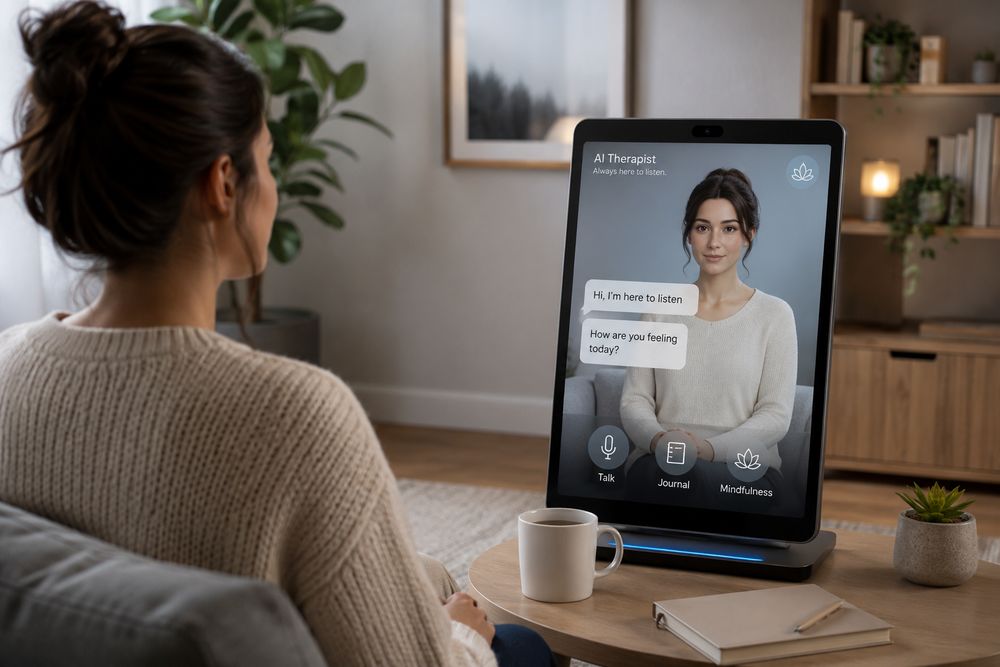
Smartwatches and wearable sensors can track indicators such as heart rate, physical activity and sleep, while newer health platforms are combining wearable data with diagnostics and AI-driven analysis. Companies including Oura, WHOOP, Neko Health, Prenuvo and Ezra are participating in this expanding preventative-health ecosystem.
The underlying idea is changing the traditional healthcare model. Instead of relying entirely on occasional check-ups or waiting for symptoms to appear, continuous monitoring can provide a stream of information that may help identify changes earlier.
But monitoring is not the same as diagnosis, and a health metric is not automatically a predictor of future disease. The long-term value of these technologies will depend on how accurately they measure meaningful health outcomes and whether they lead to better medical decisions.
Still, the direction of travel is clear: longevity is moving from the laboratory into the daily lives of consumers, creating a bridge between biotechnology, healthcare and the rapidly expanding digital-health industry.
Investment horizon for Longevity Economy
The trend towards healthy aging is creating considerable amounts of investments in the fields of healthcare and technology. According to the statistics for the first quarter of 2026, longevity-biotech companies attracted around USD 3.74 billion from 49 financing rounds which demonstrate rising interest in the technologies that address the issue of aging and age-related diseases.
The process of attracting investments is going through a number of channels. There are biotechnology companies that conduct research into biological processes associated with aging while the drug-discovery companies use artificial intelligence to discover potential drug candidates. In June 2026, Gero attracted USD 17 million to develop an AI drug discovery platform that targets aging biology and age-related diseases.
Preventive care and health solutions are another rising industry. There are companies that combine diagnostics, wearables and health data analytics that help to monitor personal health. Investments go beyond the field of biotechnology and drug discovery into the broader economy of eldercare. In India, Primus Senior Living and HDFC Capital launched a senior living platform that will cost around ₹2,000 crore (USD 2.09 billion) while Age Care Labs raised ₹85 crore (USD 0.09 billion) to expand its business of eldercare services and technologies.
Market Size and Statistics
- The global longevity market is estimated at approximately USD 27.9 billion in 2025 and is projected to reach around USD 64.5 billion by 2035, growing at a CAGR of 8.7% during 2026-2035.
- Global 60+ consumer spending: approximately USD 19,000 billion in 2026, projected to reach USD 34,000 billion by 2036.
- The global population aged 60 and above is estimated at approximately 1.2 billion in 2026 and is projected to reach around 2.1 billion by 2050.
The Companies Shaping the Longevity Race
Longevity is emerging in a variety of sectors within the healthcare and technology space, with firms coming at the trend from very diverse angles. Pharmaceuticals are working on medicines for ailments that are directly correlated with age and metabolism. Leading players such as Eli Lilly, Novo Nordisk, Roche and AbbVie operate in therapeutic areas that might impact aging health concerns.
At the same time, a whole new generation of biotech firms is engaged in studying the science of aging itself. Firms such as Altos Labs, Calico, BioAge Labs and Retro Biosciences are working in areas such as cellular aging, tissue functionality and biology of aging-related diseases. All of this is mostly at the experimental stage, with any treatments needing to be extensively tested before reaching the consumer market.
Tech firms are looking at longevity from yet another angle – that of health data and constant monitoring. Companies such as Oura and WHOOP are collecting information on sleep, activities and other health markers via wearable devices, while AI firms are applying their skills to biotech and drug development.
Top 5 Countries Driving the Longevity Economy
- United States
The USA represents one of the key longevity markets since this country has an advanced pharmaceutical, biotechnological and venture capital environment. Companies and investors invest in ageing science, preventative medicine, AI-based drug discovery and diagnostics and health monitoring development. Also, the large healthcare market creates a great commercial opportunity for new longevity treatments and technologies.
- Japan
Japan is known to have one of the world’s oldest populations, thus healthy ageing becomes a critical issue from the economic and social perspectives. In this regard, there appears a great demand in senior healthcare, robotics, assistive technologies, preventive medicine, elderly accommodation and home-care services. Japan provides a good real-life setting for companies producing technologies aimed at making older people more independent.
- China
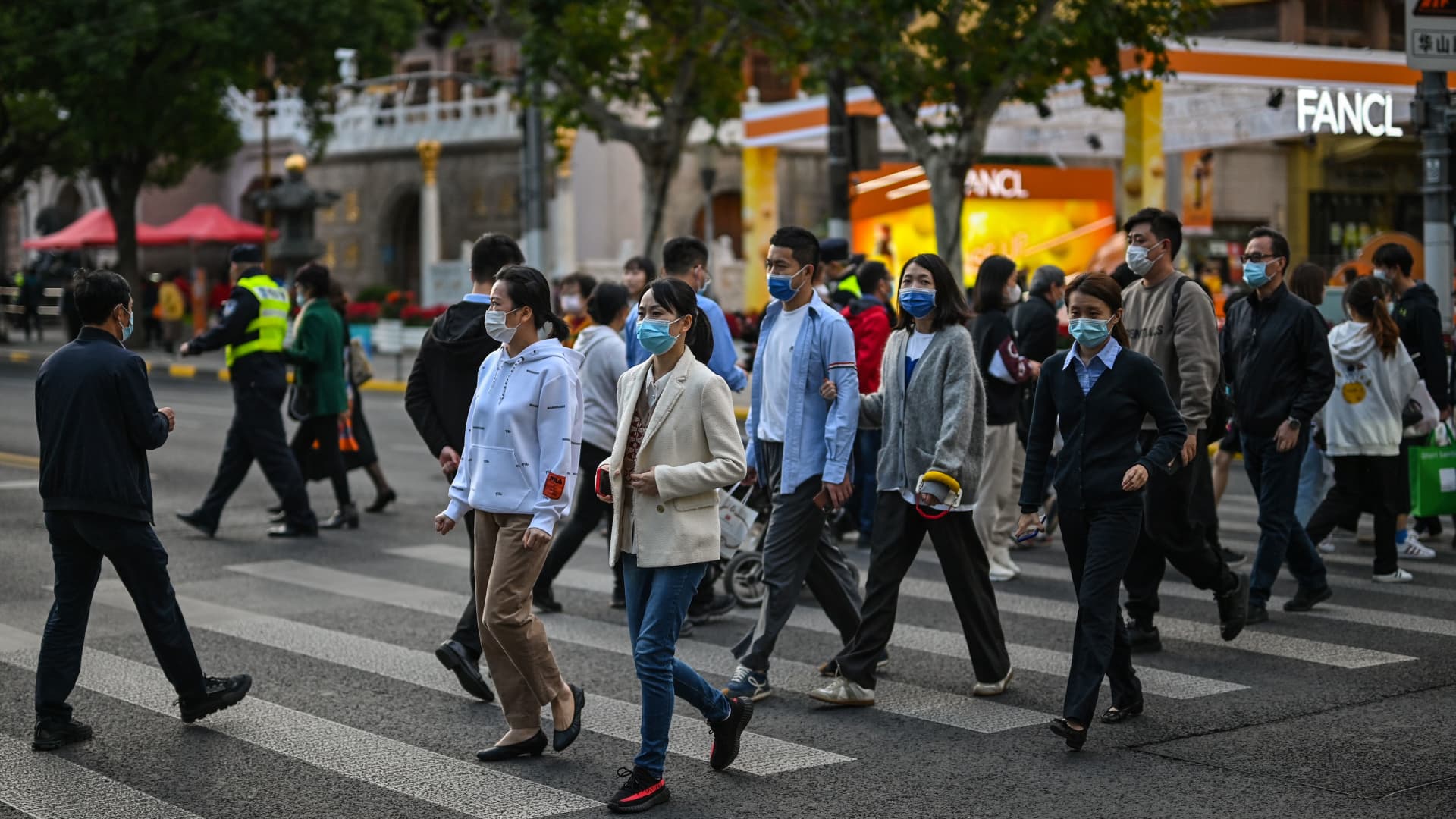
China is experiencing a rapid ageing of its population while at the same time develops the biotech and healthcare industry. There appear new opportunities in the fields of elder care, pharmaceuticals, diagnostics, med-tech and digital health. China also has the large population that provides a longevity company with a great opportunity to create an enormous consumer and healthcare market.
- United Kingdom
There exists a strong life-science, biotechnology and academic research environment in the UK, hence this country plays an important part in longevity science development. The UK ageing population raises the demands in preventative medicine, diagnostics, senior care services and technologies helping reduce pressure on the healthcare system.
- Germany
Germany provides an enormous market of health care combined with an ageing population. Pharmaceutical, medical devices, diagnostics, rehabilitation and elderly care markets offer plenty of opportunities for the companies focusing on technologies helping older people stay mobile and independent and reducing the burden on the health care and social care system.
The Challenges Behind the Longevity Promise
Despite the increasing investments, there are many challenges that need to be addressed. There are many new technologies that still require more research, and the process of proving that they safely and effectively prolong life might take many years of testing. Additionally, the high cost of development and regulatory issues might prevent the commercialization of the new solutions. Another challenge is accessibility, if longevity technologies continue to stay costly, they will be affordable only for wealthy populations. Companies will have to ensure that innovations are backed up by science, affordability, and communication.
The Road Ahead: Making Longer Lives Healthier
As far as longevity industry moves from scientific research to a commercial ecosystem including biotechnology, pharmaceuticals, AI, diagnostics and consumer health products, the real success of the longevity industry depends on its ability to offer healthspan improvement. When investing more in this field, one should realize that the most significant breakthrough might lie in prevention, early detection, and effective treatment.