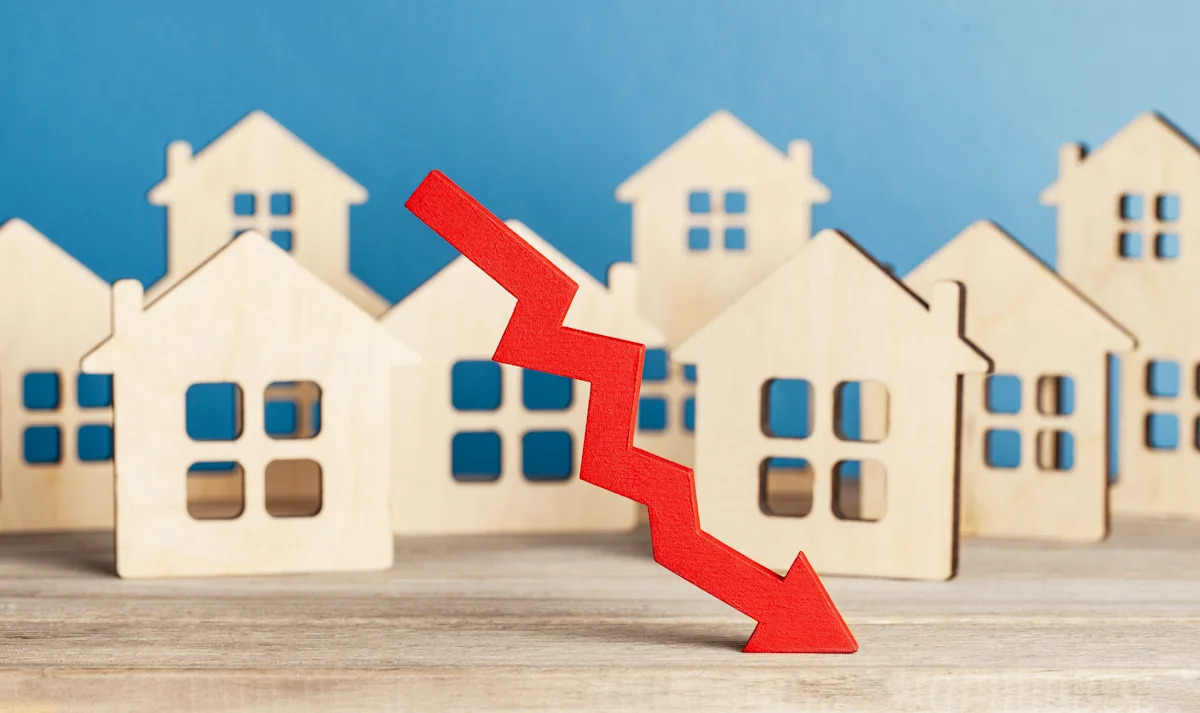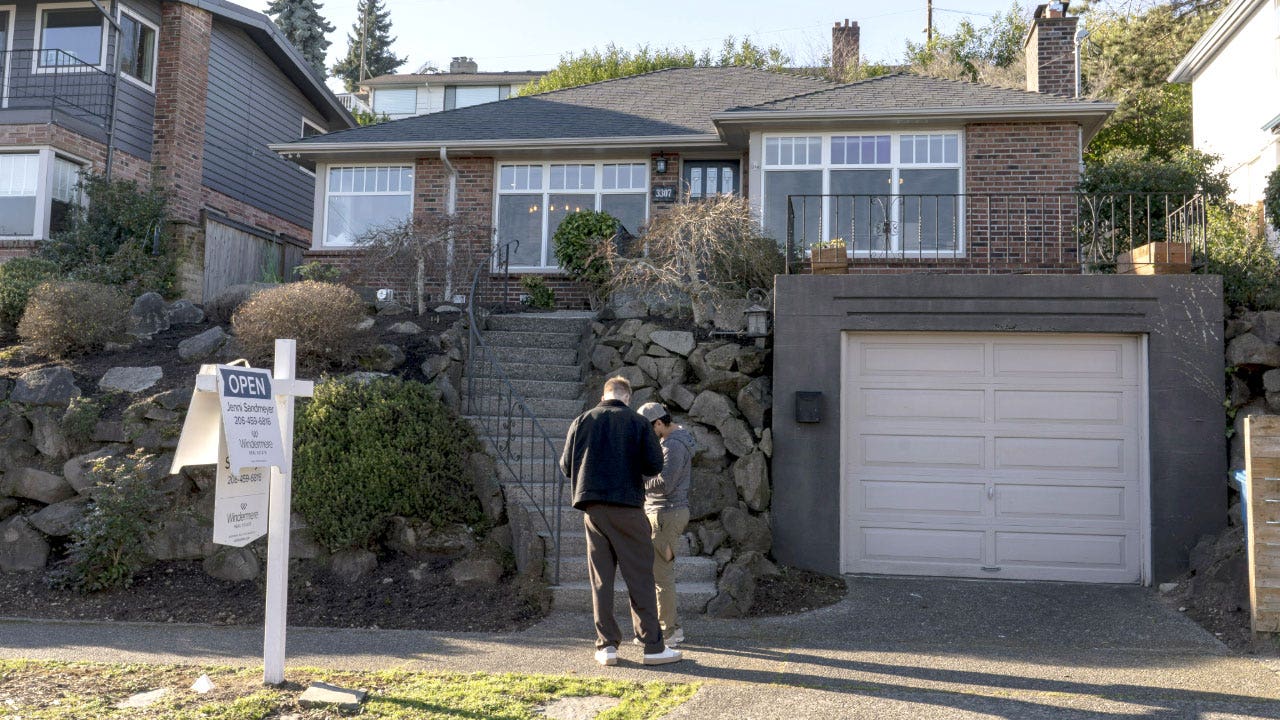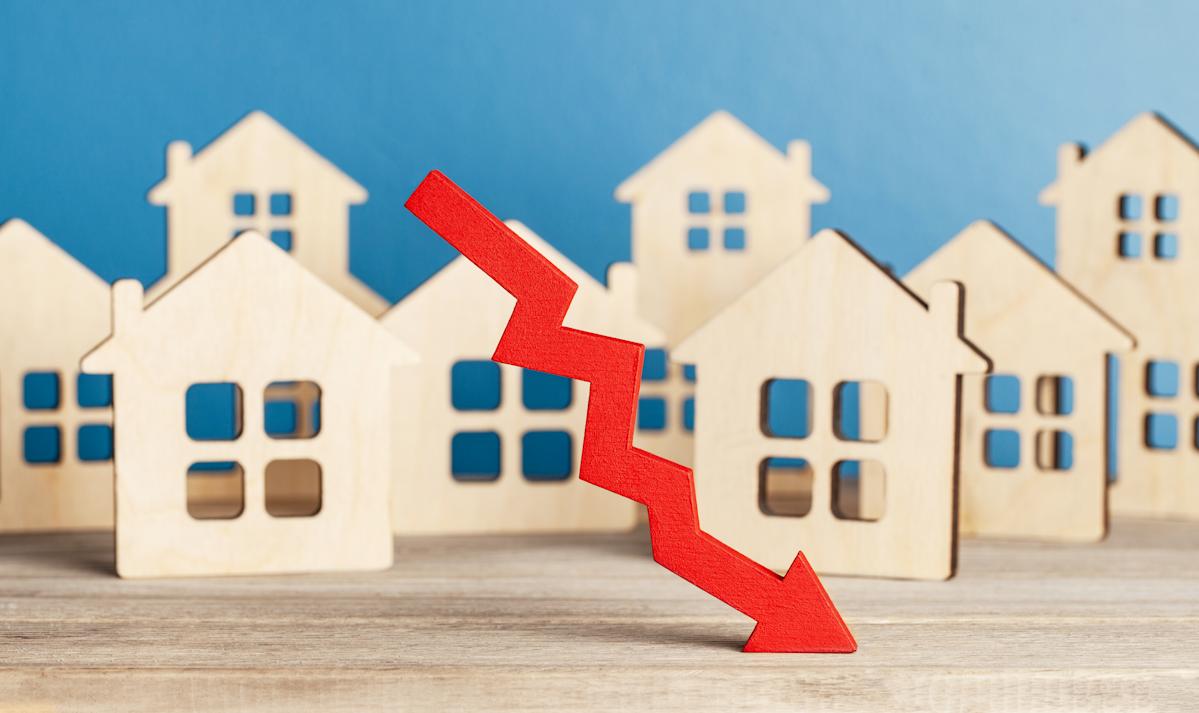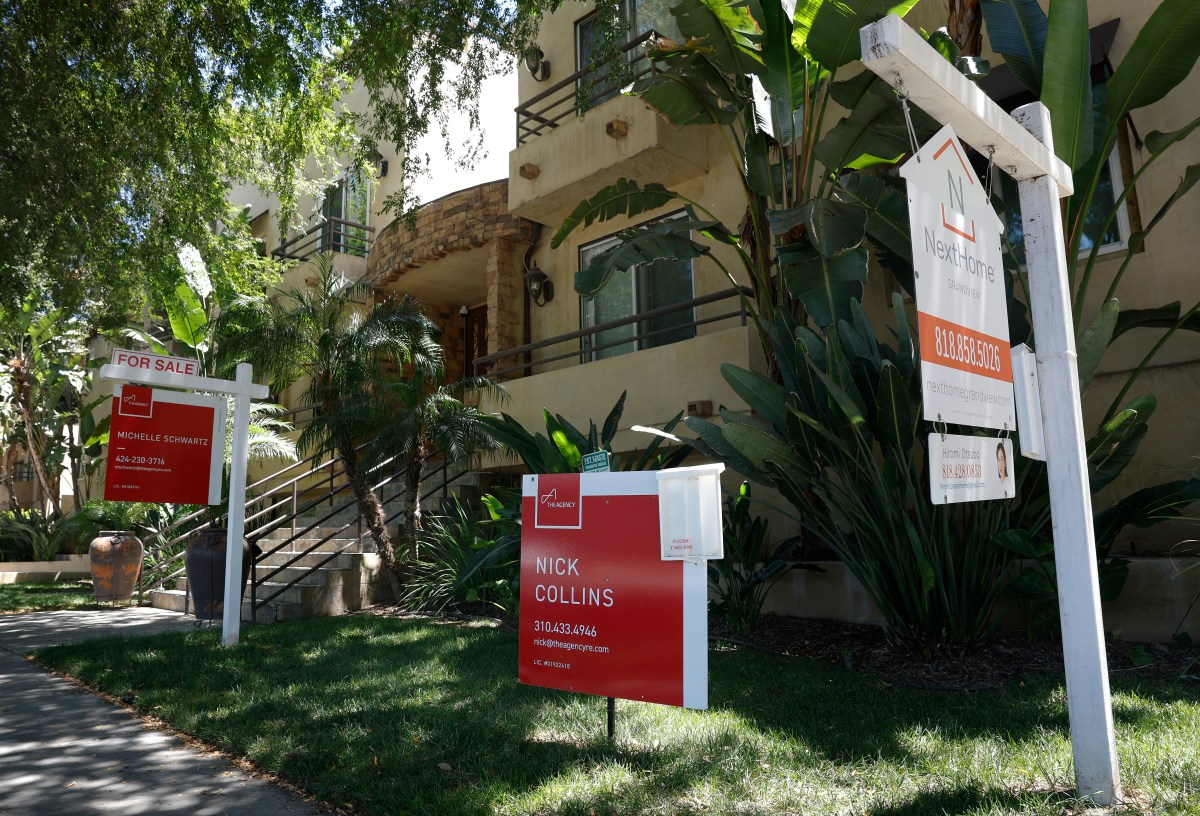
The U.S. housing market showed signs of renewed momentum earlier this year, but Zillow is now warning that 2026 may have already peaked due to the Iran war.
According to Zillow’s latest housing market analysis, strong home sales recorded in July largely reflected buyer activity from June, before the end of the United States’ ceasefire with Iran. Since then, rising mortgage rates, inflation concerns and growing economic uncertainty have clouded the outlook for the remainder of the year.
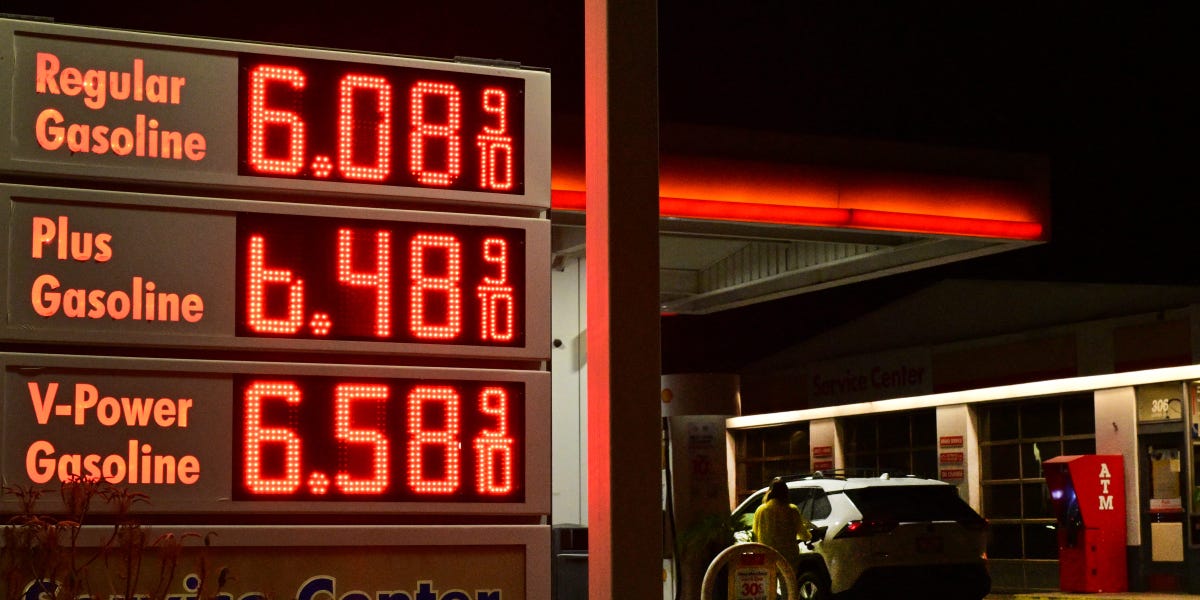
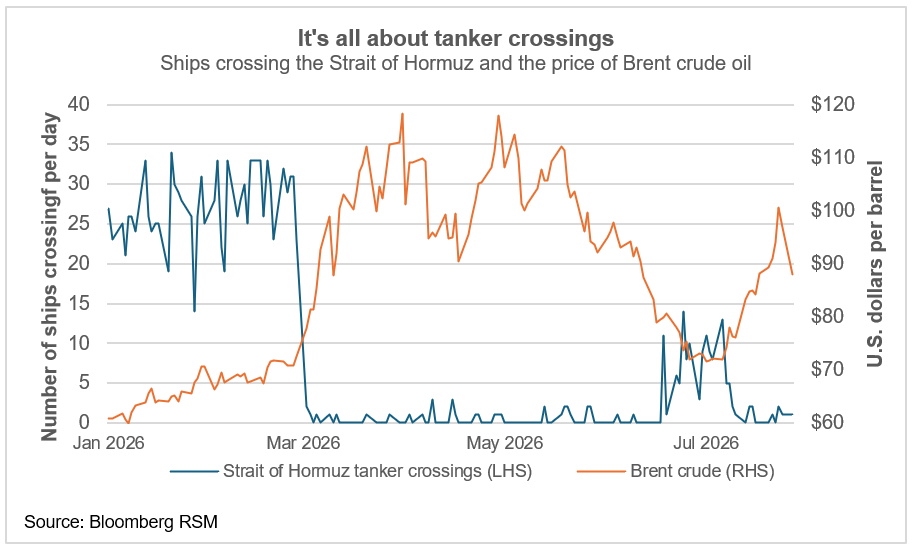
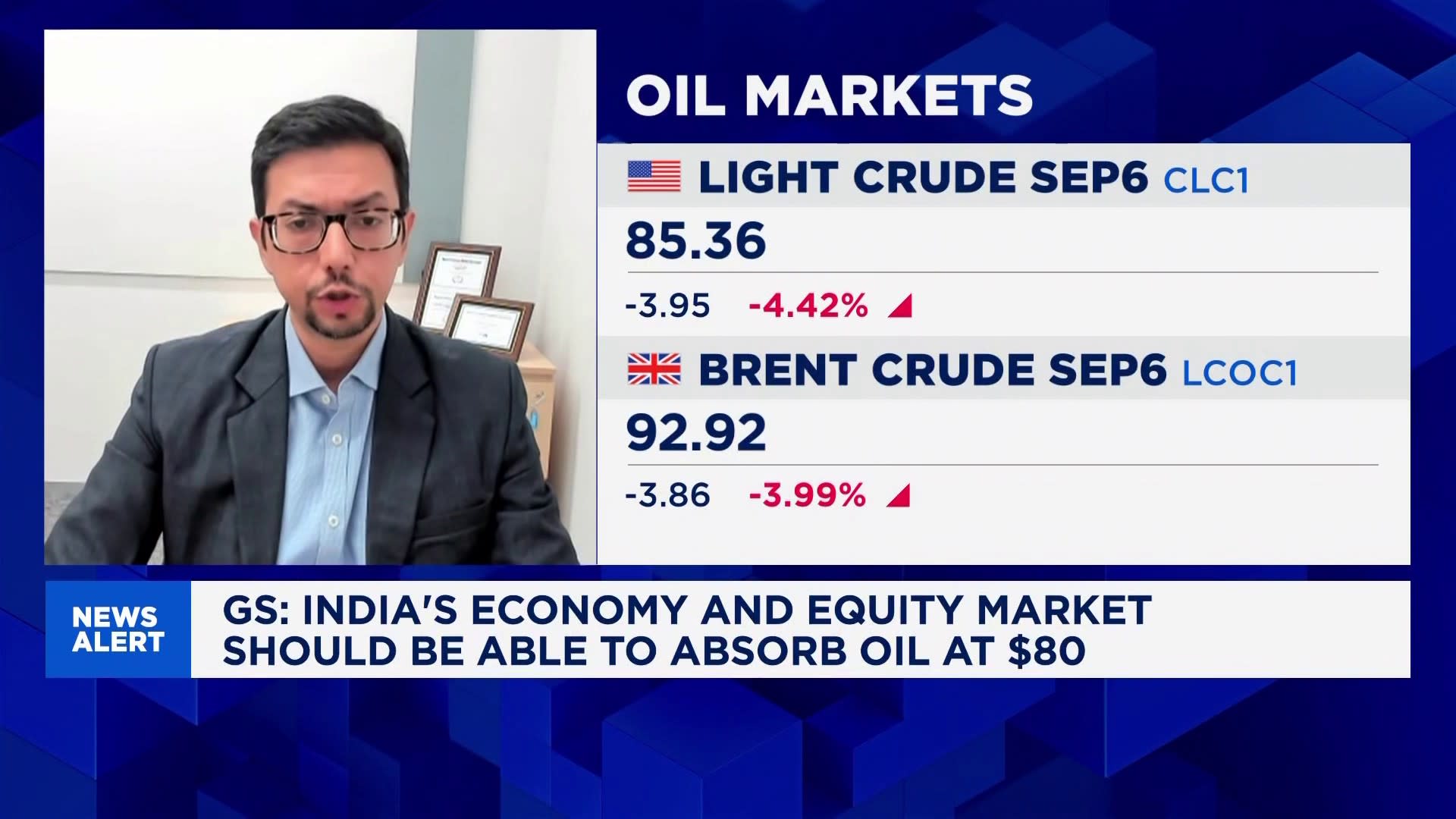
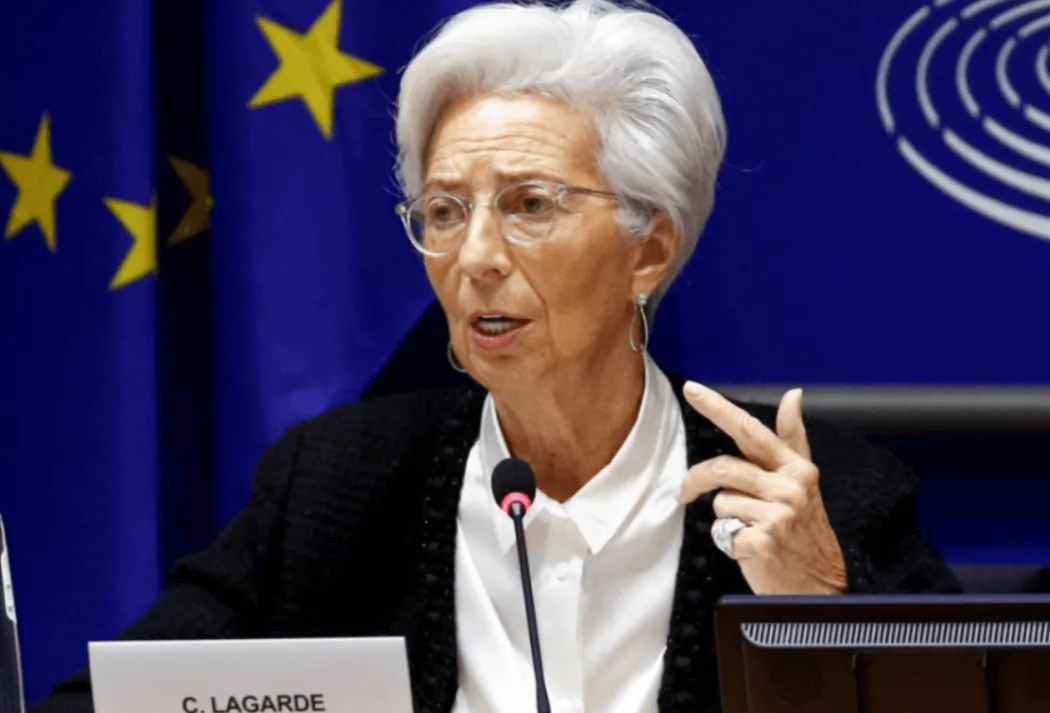
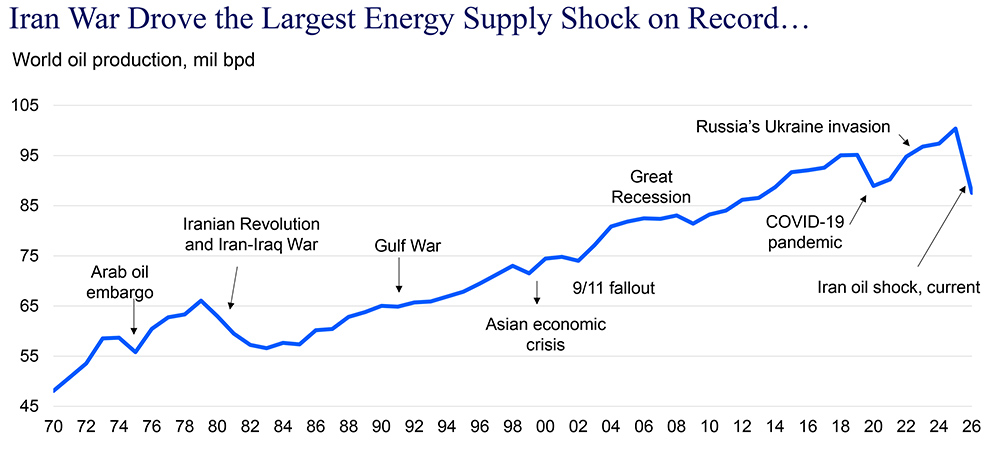
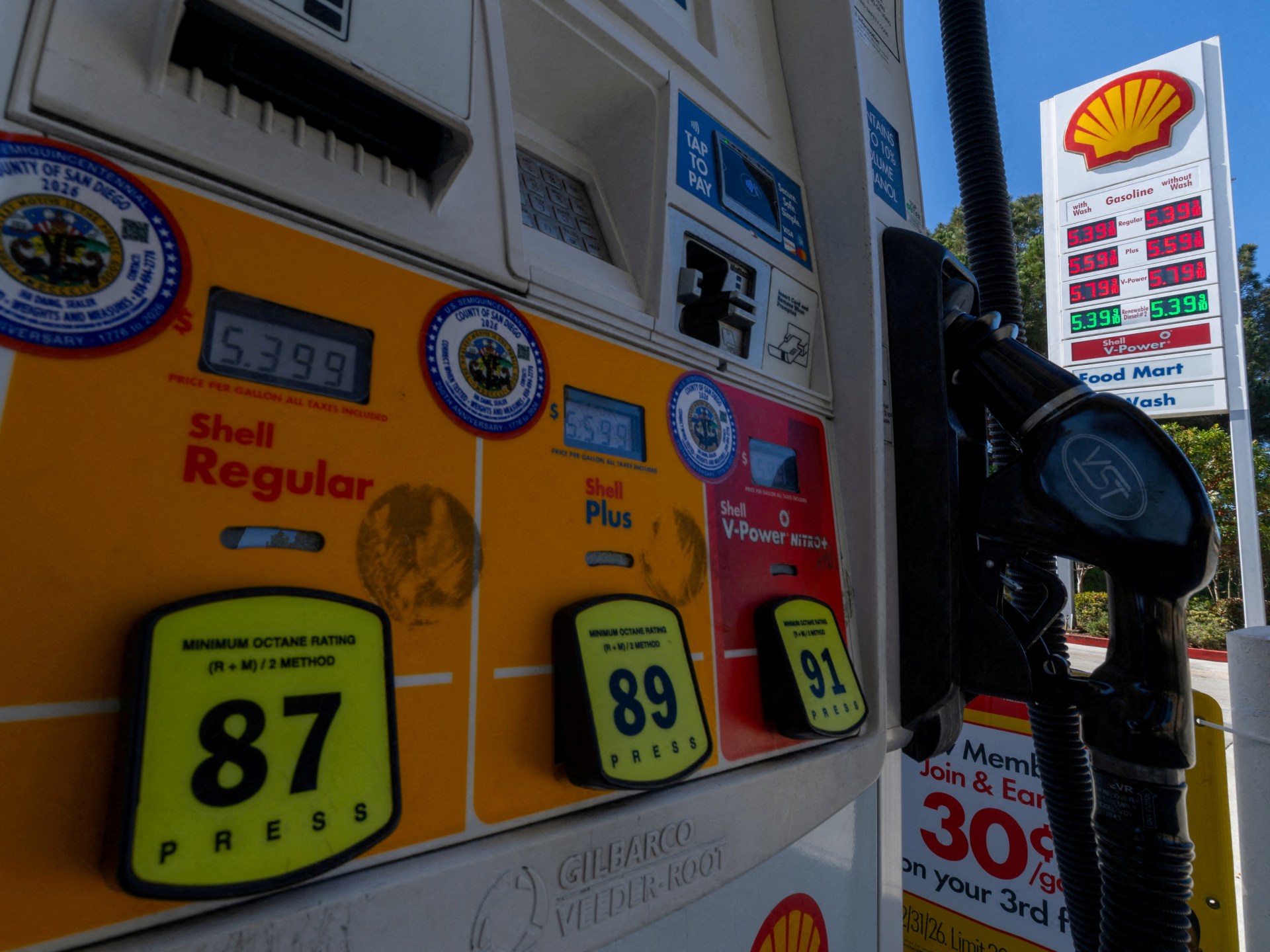
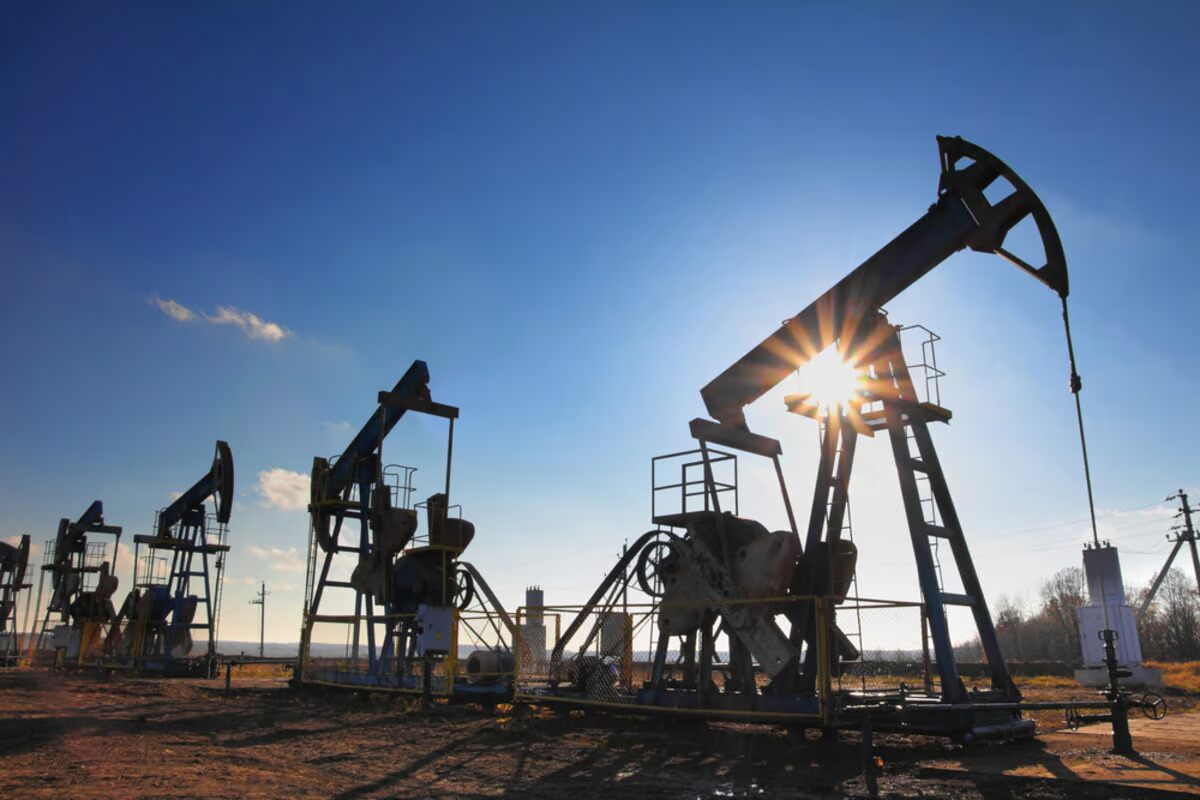
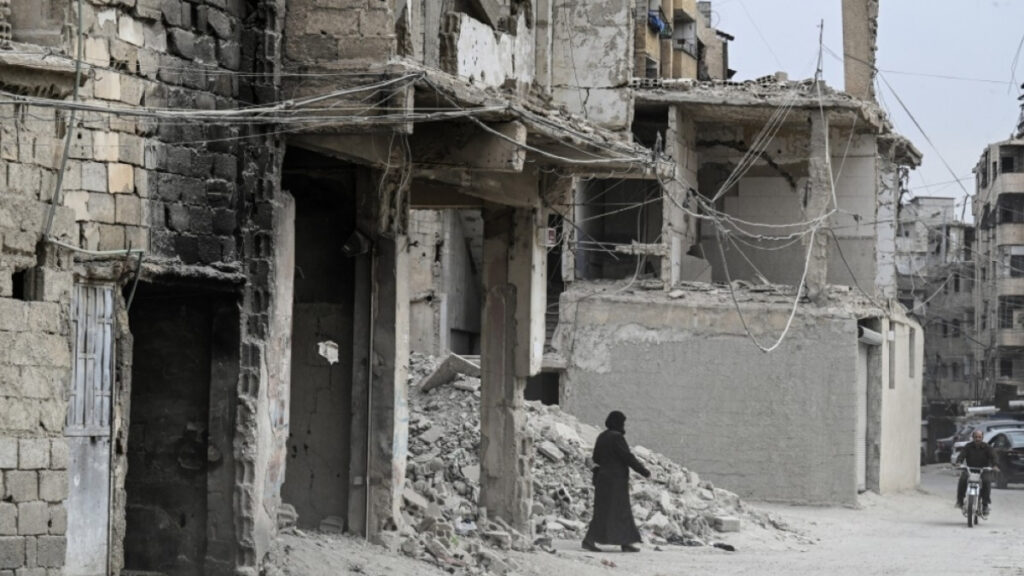
“The war in Iran is absolutely putting a damper on the housing market, as the complications in the Strait of Hormuz keep oil prices elevated,” Joel Berner, a senior economist at Realtor.com, told Newsweek.
“Oil prices tend to bleed into the costs of every physical good in the economy, so expectations about inflation are high. When that happens, a dollar tomorrow is worth less than a dollar today and more future dollars are required to finance the purchase of things like homes right now via higher mortgage rates.”
Why It Matters
Housing affordability remains one of the biggest financial challenges facing Americans. Small increases in mortgage rates can add hundreds of dollars to a monthly payment, putting homeownership out of reach for many buyers.
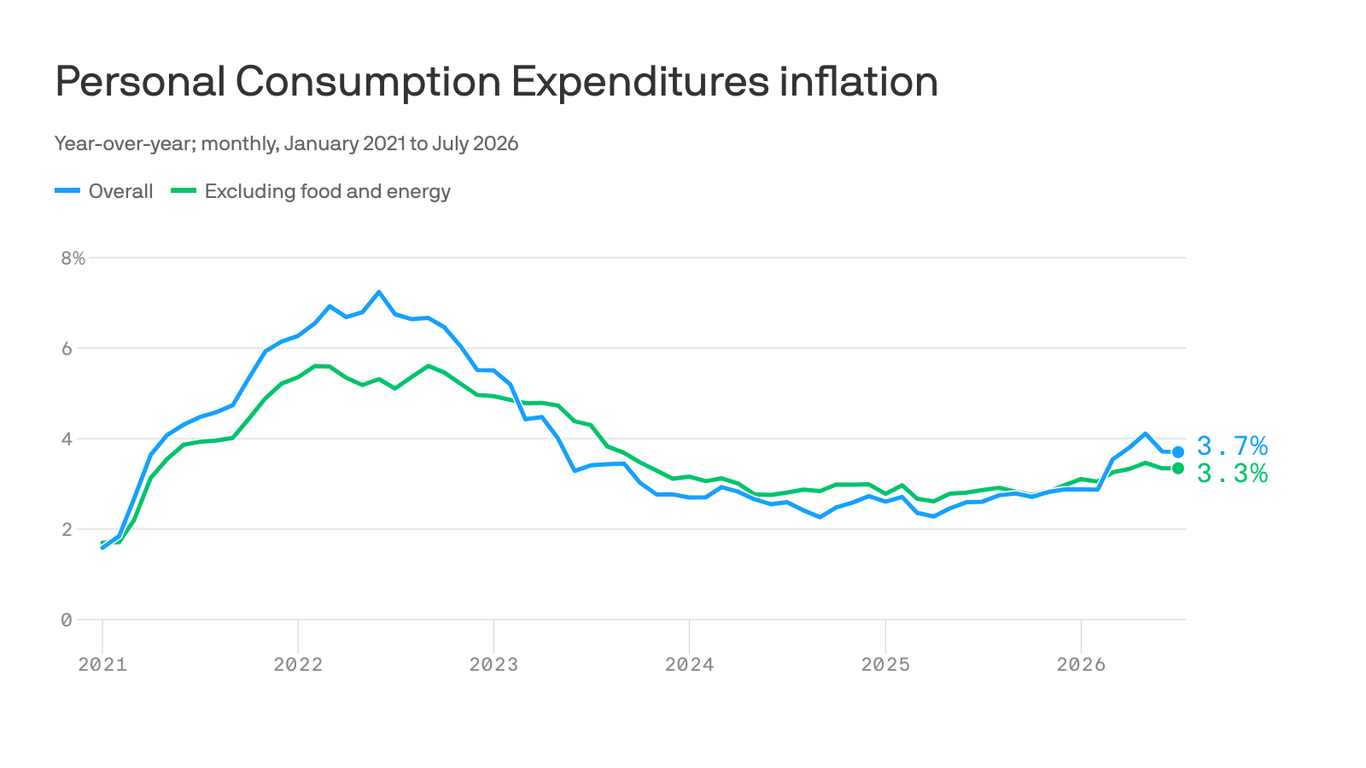
The conflict in Iran has sparked fresh concerns about energy prices and inflation, both of which can influence borrowing costs throughout the economy. And those pressures arrive at a time when many prospective homebuyers are already struggling with elevated home prices and financing costs.

What To Know
Zillow reported that year-over-year home sales rose 7 percent in July, the strongest annual increase seen so far in 2026. However, the company cautioned that those transactions reflected offers made weeks earlier, before tensions escalated with Iran.
All of the more recent data paint a less optimistic picture.
Zillow said there’s now been a slowdown in newly pending home sales, which increased just 0.3 percent from a year earlier in July and fell 7.7 percent from June levels. And because pending sales typically become closed sales a month or two later, the figures likely suggest weaker activity ahead.
“The disruption to oil is being felt in mortgage markets and is slowing home purchases. It’s not a guarantee that the home sales gains 2026 has seen will go by the wayside for the rest of the year, but higher-for-longer mortgage rates certainly press in that direction,” Berner said.
How the Iran War Affects Housing
The connection between a Middle East conflict and the U.S. housing market may not seem obvious at first glance.
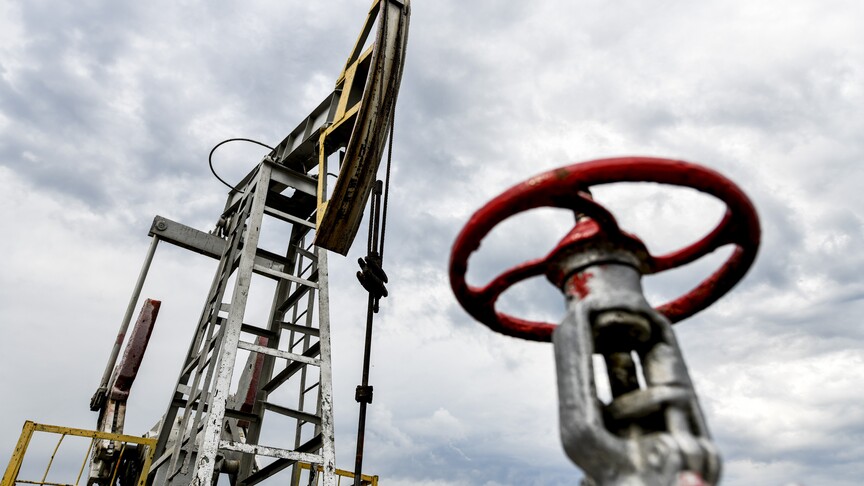
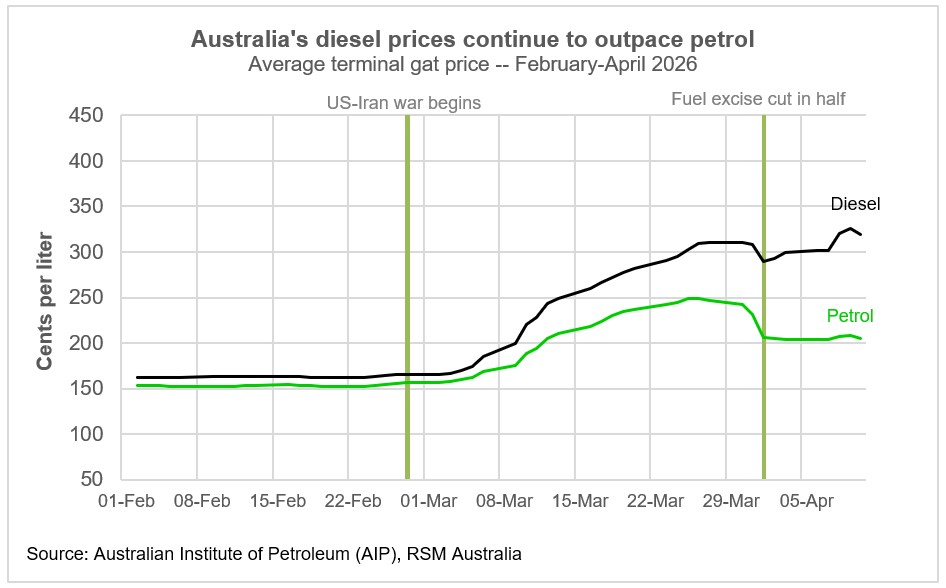
However, energy markets are generally the key link. Disruptions to global oil supplies can push energy prices higher, contributing to inflation. And when inflation expectations rise, Treasury yields often follow, leading mortgage lenders to increase borrowing rates.
“The Iran conflict pushed oil prices up; oil feeds inflation. And the bond market reaction is what’s kept the 30-year fixed near 6.7 percent for months instead of drifting back toward 6 percent,” Michael Ryan, a finance expert and the founder of MichaelRyanMoney.com, told Newsweek.
“Zillow’s own numbers show what that costs a buyer. Earlier this year, when rates briefly touched 6 percent, the typical household had about $30,000 more buying power than the year before. That’s the number sellers should be watching, not the headline mortgage rate.”
Mortgage rates moved sharply higher following the end of the ceasefire. CNBC reported that average 30-year mortgage rates climbed from 5.99 percent just before military strikes began to roughly 6.5 percent afterward.
And higher rates immediately affect affordability. For buyers stretching to qualify for a mortgage, even a half-percentage-point increase can significantly reduce purchasing power.
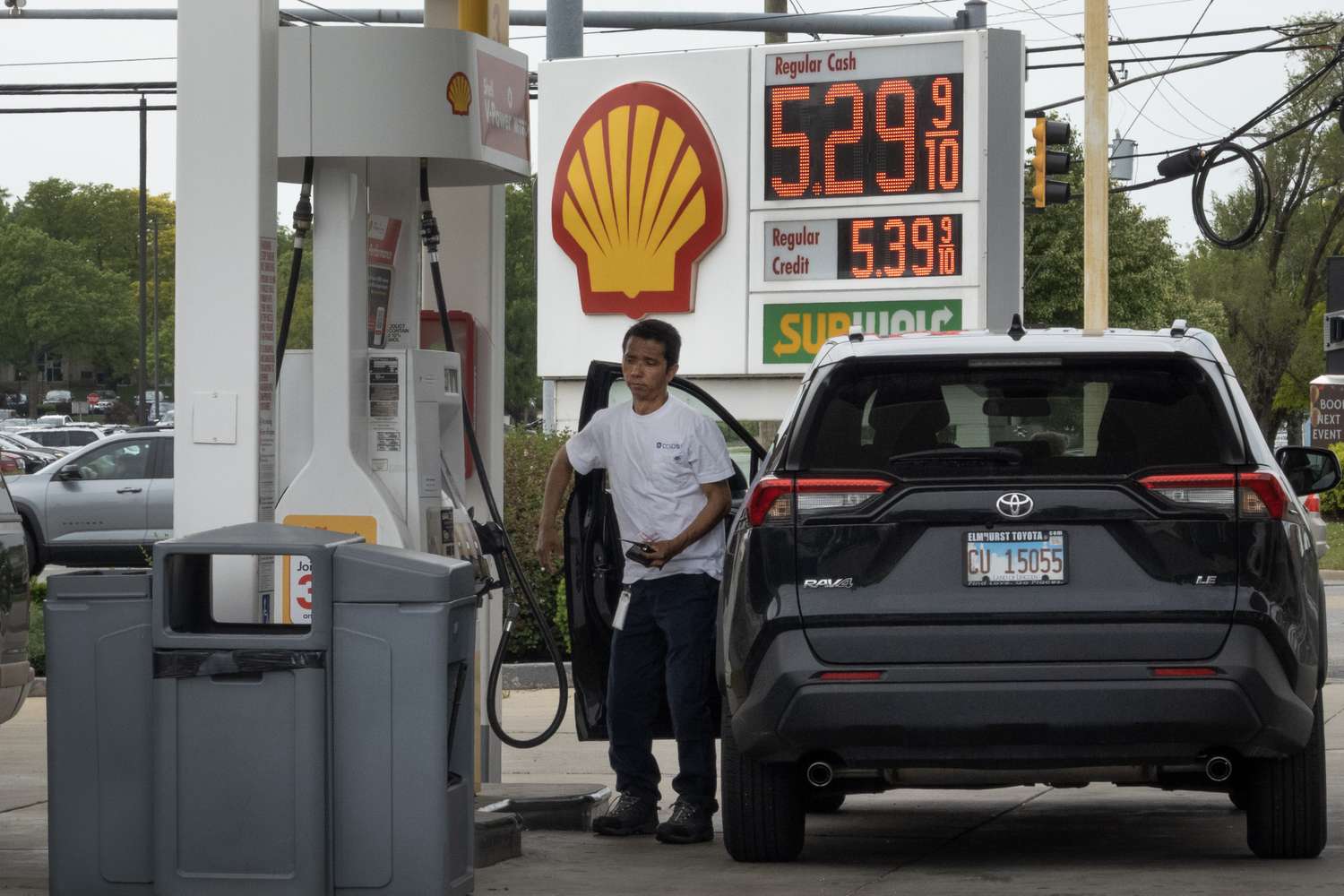
“When we have volatility in gasoline prices, when disrupted shipping routes create instability in trade, when the overall economic sentiment is worry, then we definitely see a slowdown in multiple sectors, housing included,” Drew Powers, the founder of Illinois-based Powers Financial Group, told Newsweek.
“It is very difficult for homebuyers to commit to the biggest retail purchase of their lives when they have no idea how much they will spend at the pump and on groceries or if their job will be around and income will be steady.”
Builders Are Also Feeling the Impact
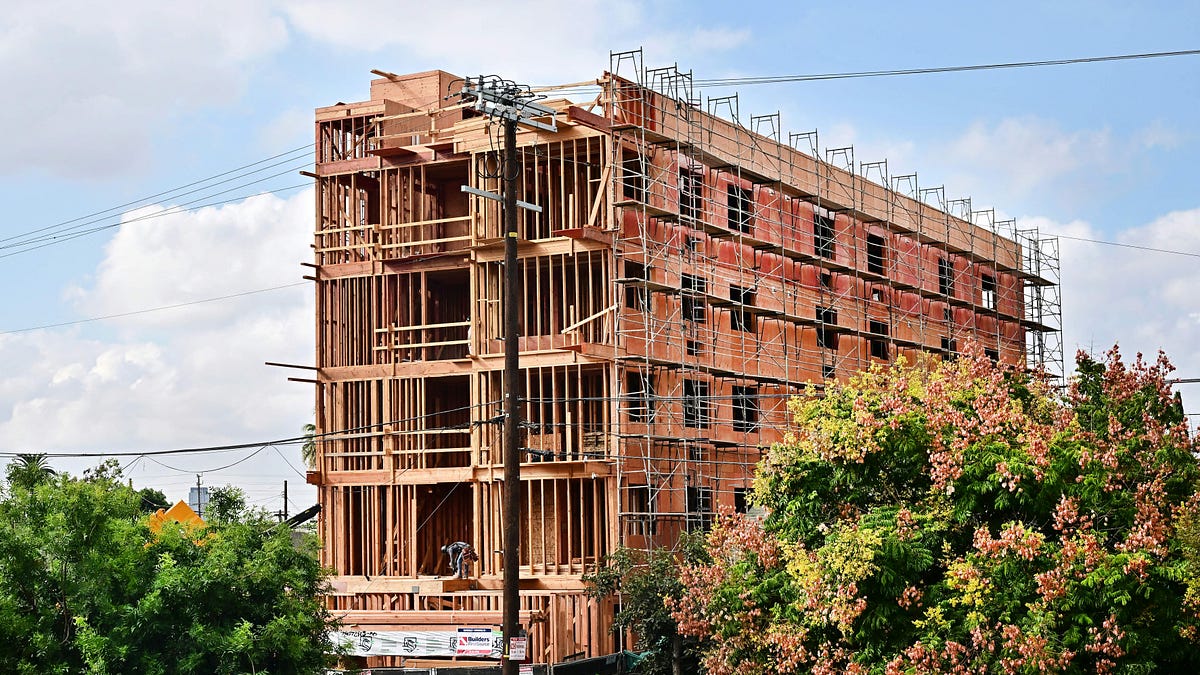
The uncertainty is not only affecting buyers. Homebuilder KB Home said challenges tied to the Iran war affected the company, lowering its full-year forecast earlier this year. The company also said consumer demand weakened as economic uncertainty increased following the start of the conflict.
“Consumers have been faced with a variety of challenges over the past two years, and the conflict in the Middle East that began at the end of February has added another layer of uncertainty,” KB Home Chairman Jeff Mezger said earlier this year during a call with analysts. “Against this backdrop, and taking into consideration that our net orders in the first quarter were below the level we needed to hold our prior full-year delivery guidance, we are lowering our range for the year.”
A slowdown in construction can further complicate the housing market, limiting new supply while demand softens.
“For sellers, price for the buyer pool you have right now, not the one from June,” Ryan said. “The long term risk isn’t the war itself. It’s that mortgage rates and geopolitics are now tied together in a way most housing forecasts don’t model well.”
What Happens Next
Housing data over the next several months will provide a better indication of whether the recent slowdown in pending sales develops into a broader market downturn. August and September sales figures will specifically better reflect buyer behavior after mortgage rates have risen and economic uncertainty increased.
“The early fall offers the best mix of low listing prices and low competition from other buyers, and buyer-friendly deals abound in September and October,” Berner said. “Buyers should not anticipate lower mortgage rates any time soon, so if a home that meets their needs and meets their budget comes onto the market, they should still jump at it.”
Contact Newsweek editors on this story: Samantha Beech and Sam Wilson.