Editor’s note: Investor and tech entrepreneur David
Gardner is the founding partner of Cofounders
Capital in Durham and is a regular contributor to WRAL
TechWire.
A post-war economic powerhouse
In the years following World War II, America became the envy
of the world. Scientists and engineers from war-ravaged nations flocked to the
United States, drawn by its freedoms and opportunities. At the same time,
liberal immigration policies provided a steady flow of labor, fueling both
rapid economic growth and industrial might. The result was a nation that
emerged as both a manufacturing and technological powerhouse—a true superpower.
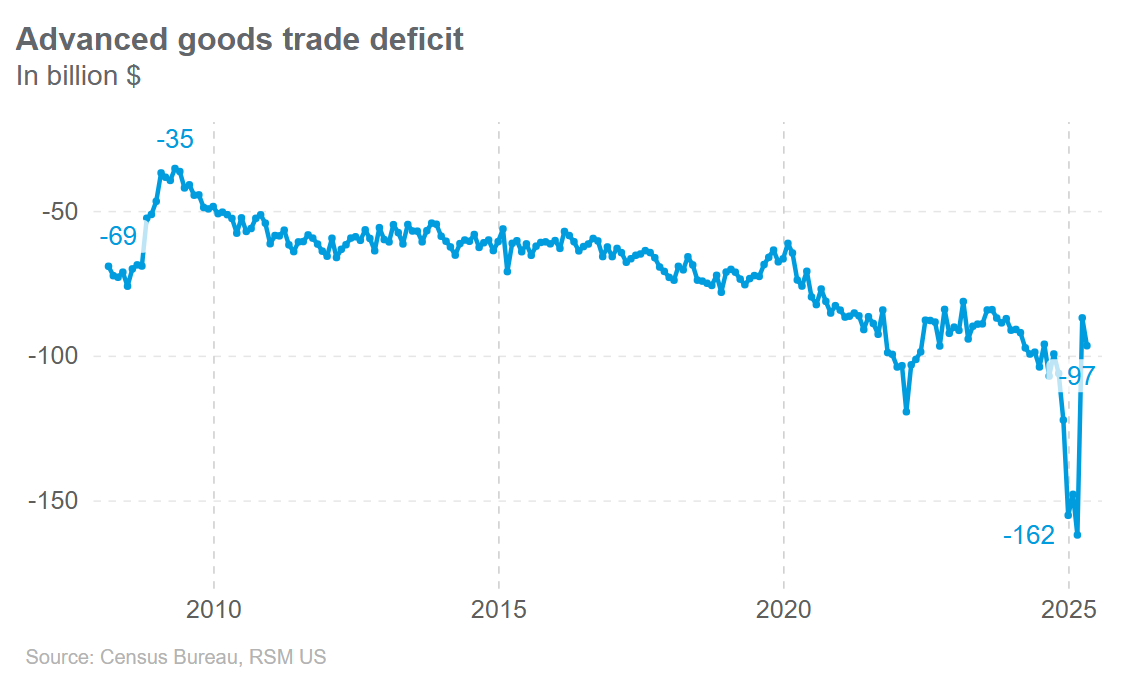
The decline of U.S. manufacturing
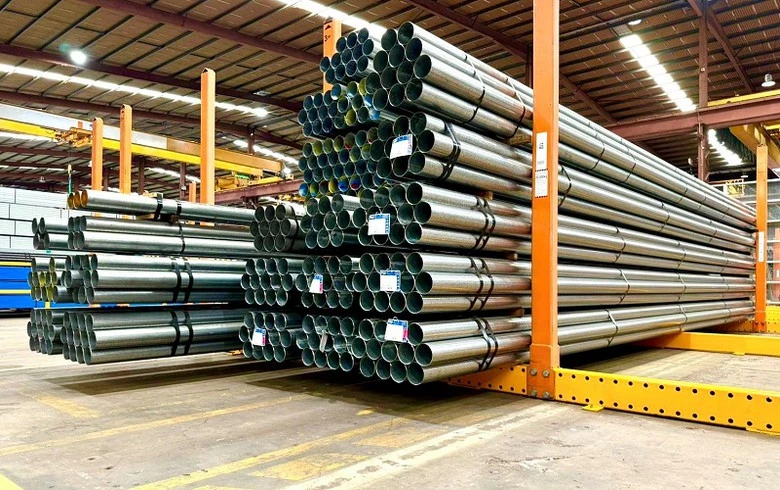
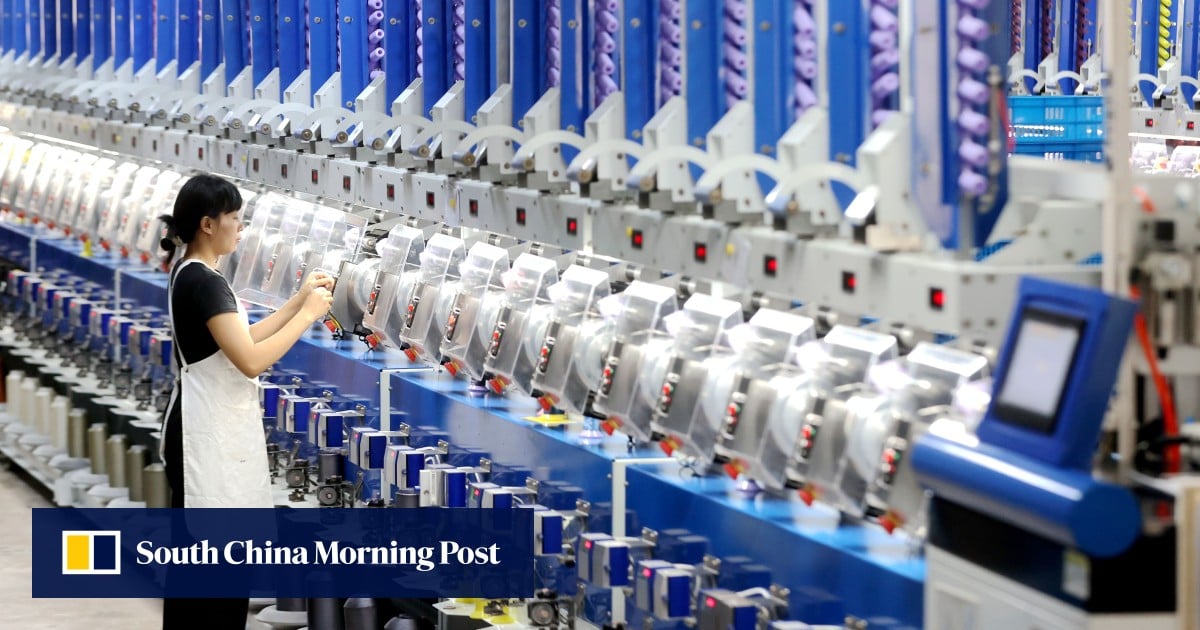
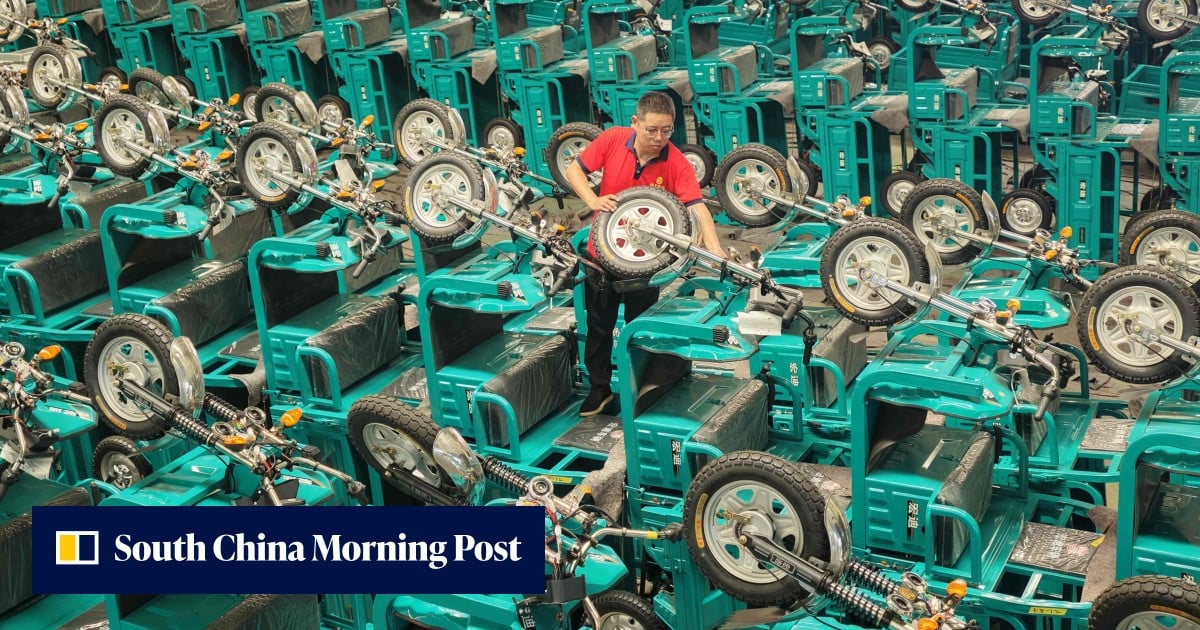
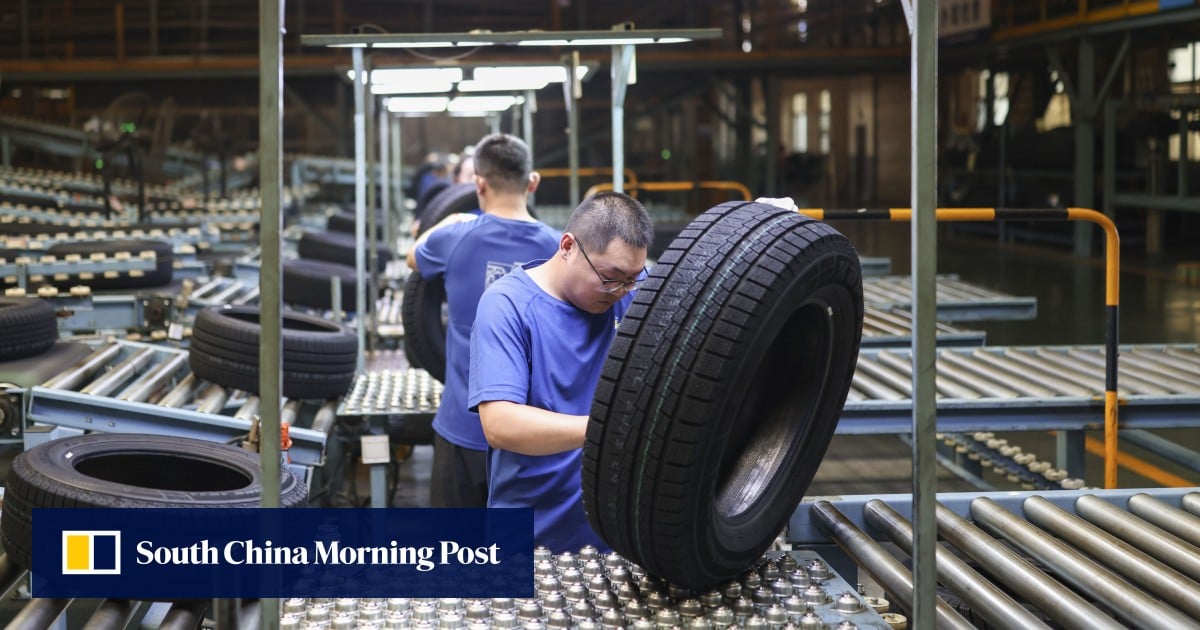
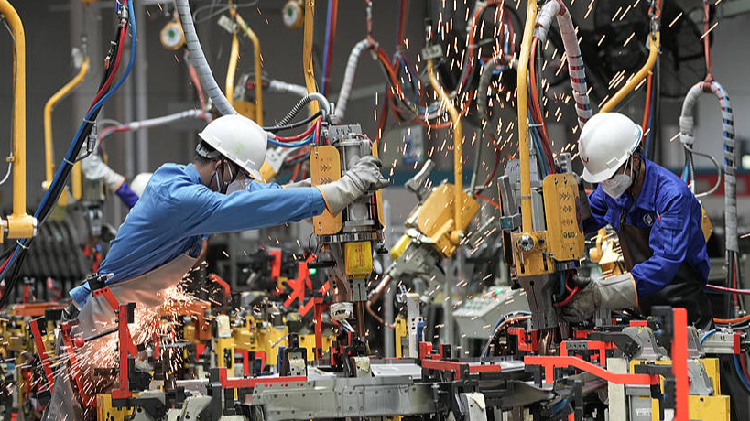
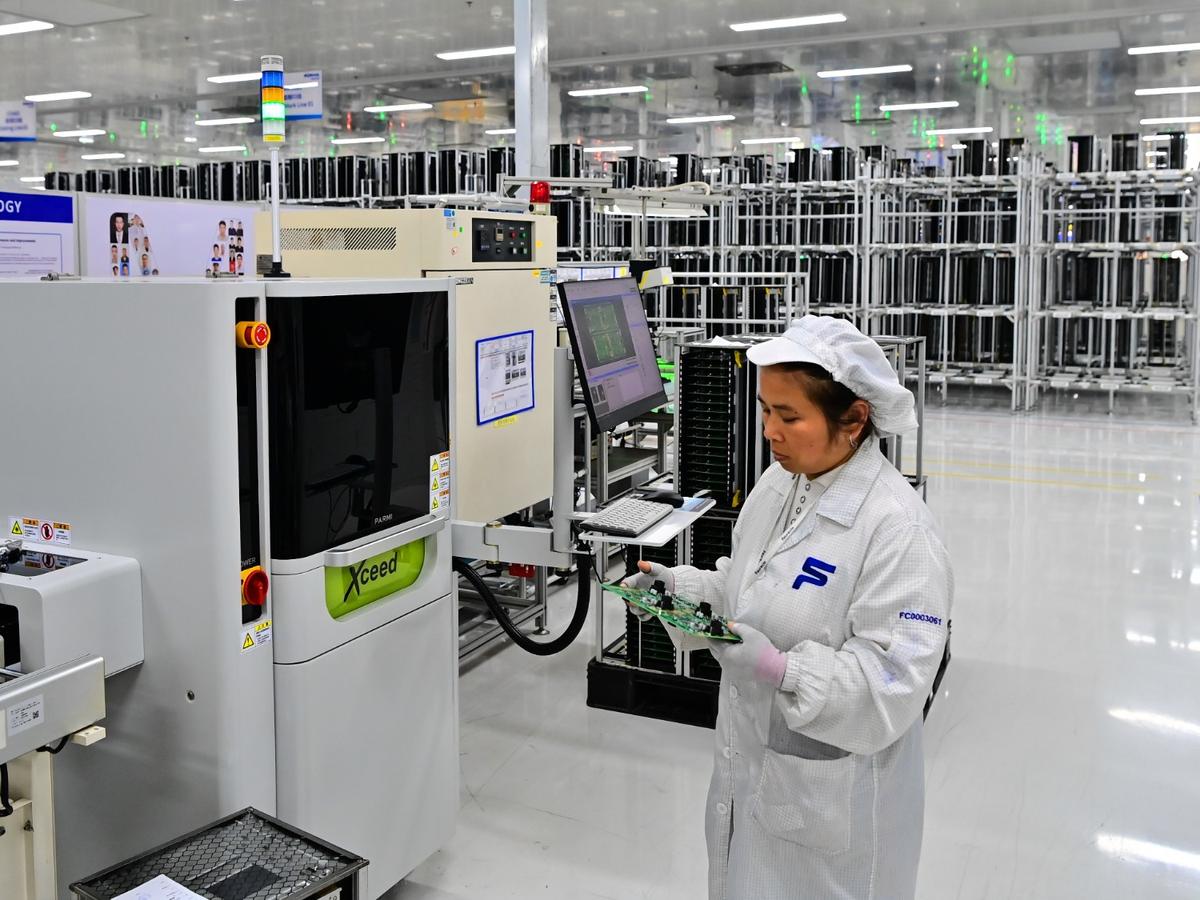
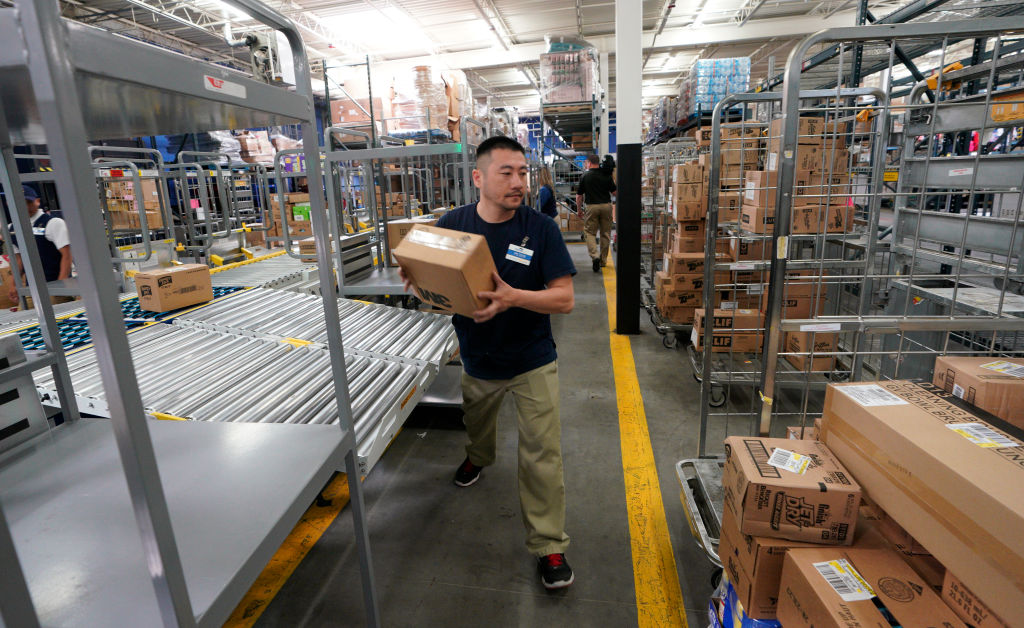
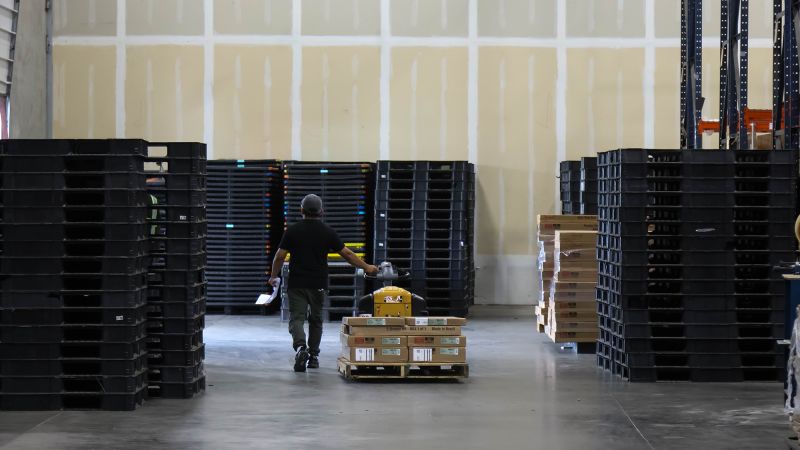
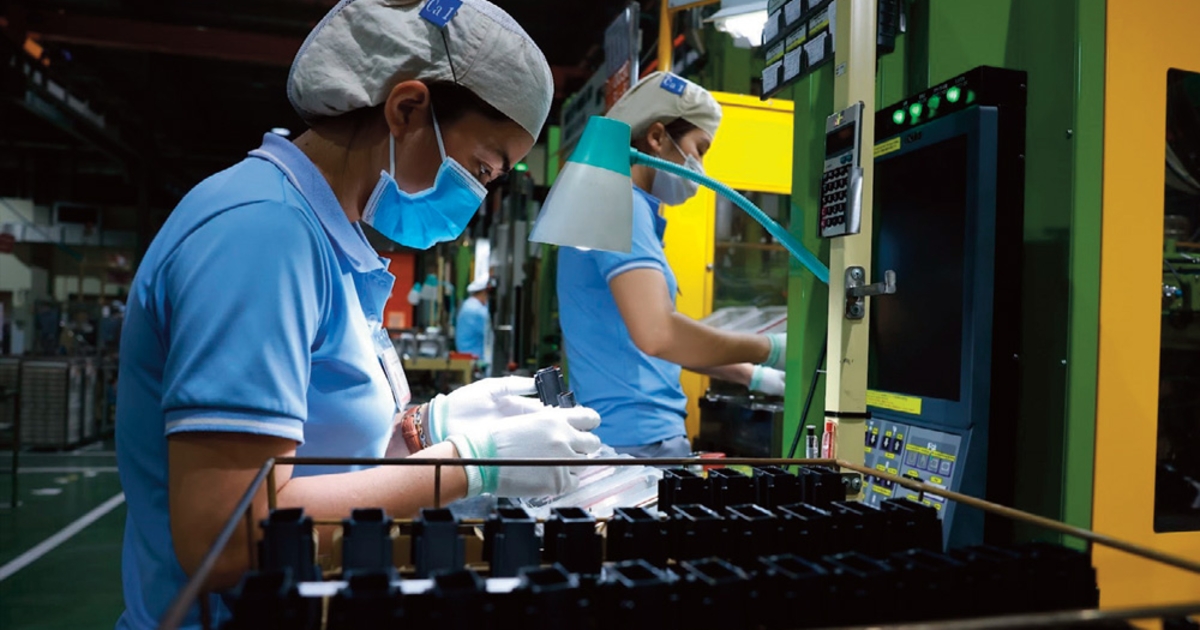
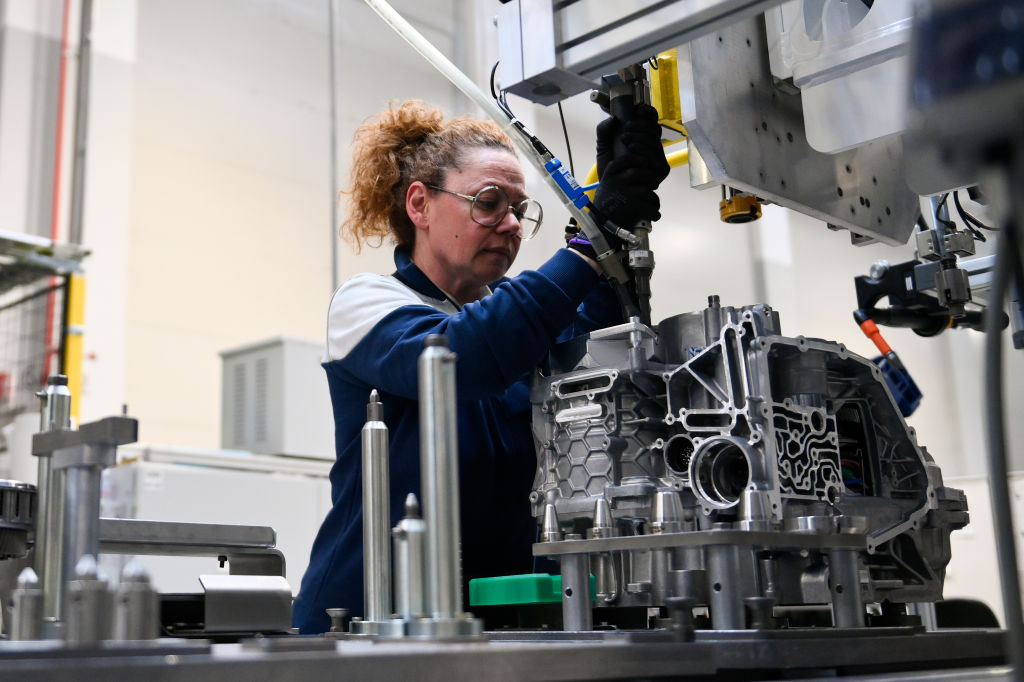
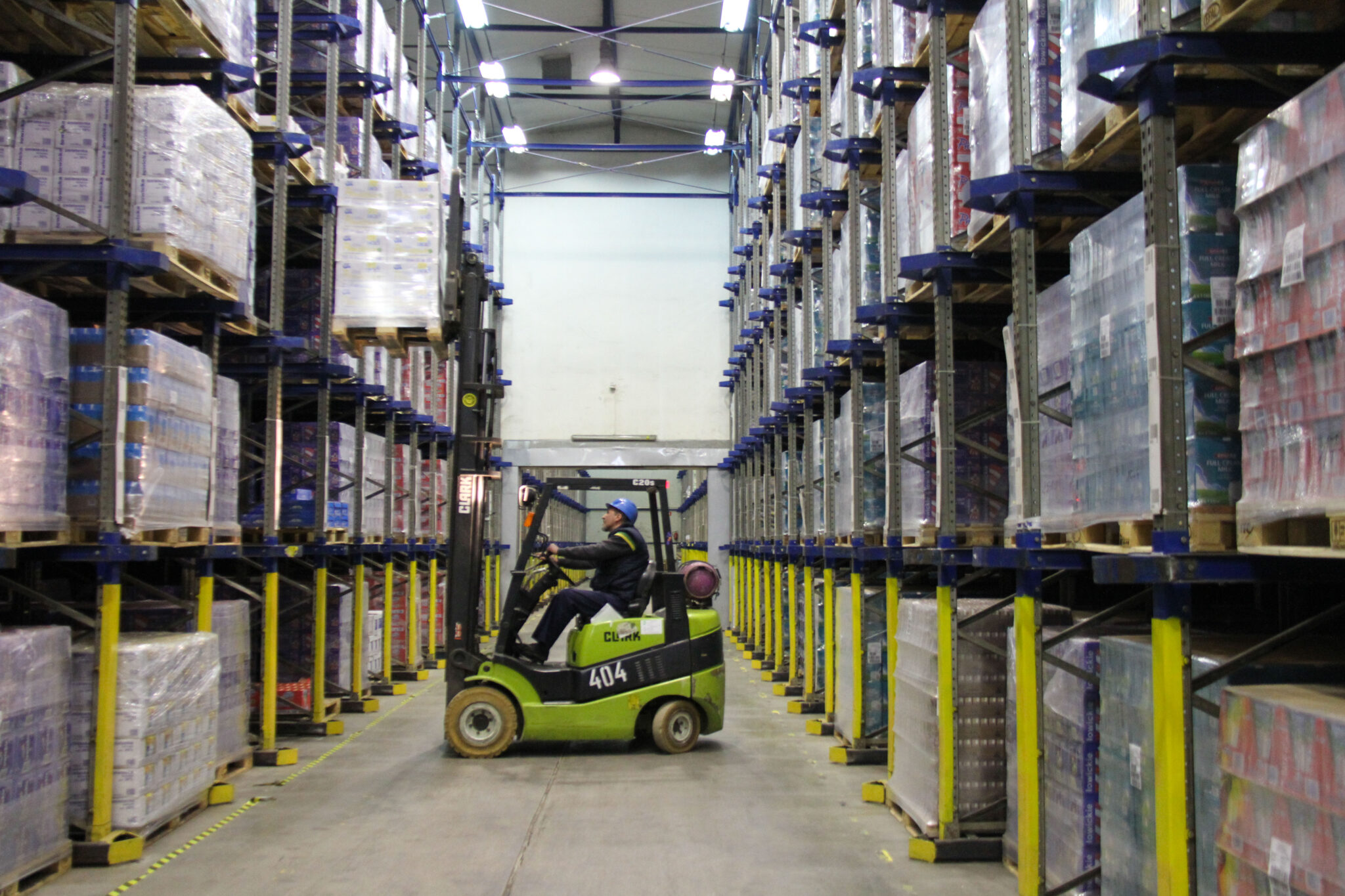
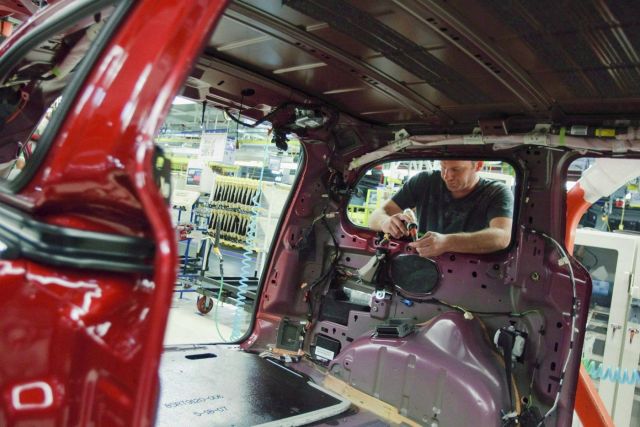
But the very success of American manufacturing contained the
seeds of its decline. By the 1980s, rising living standards made lower-wage
factory jobs less desirable. Policies such as minimum wage laws, child labor
protections, and OSHA safety standards—though essential for worker
well-being—raised production costs. Meanwhile, overseas competitors with lower
living standards and fewer regulations could manufacture goods far more
cheaply.
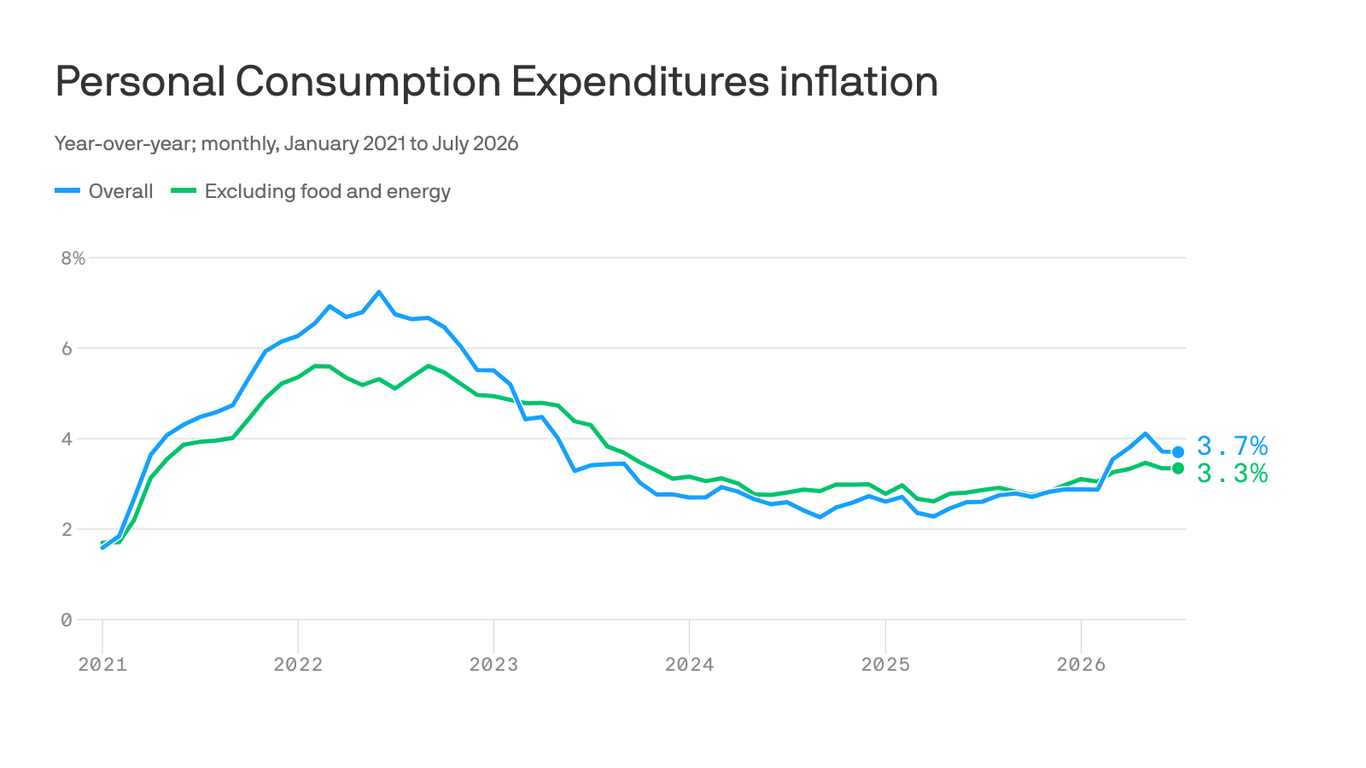
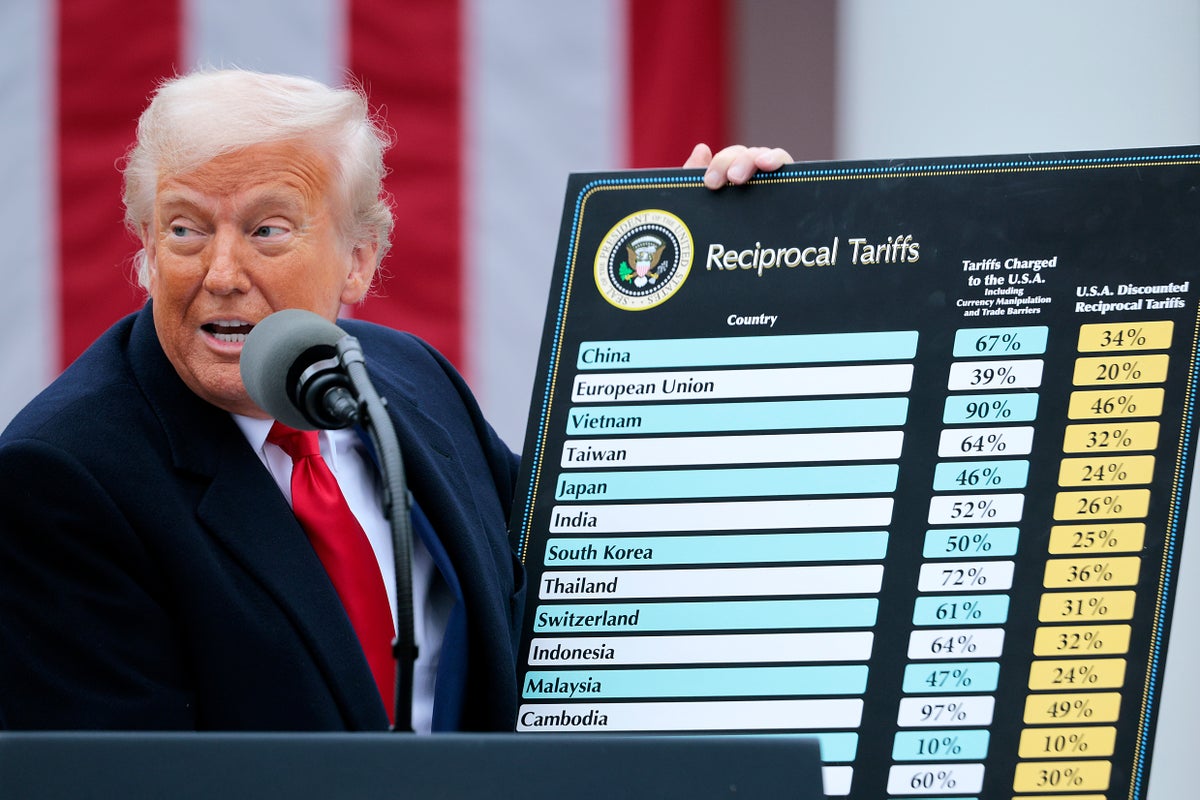
Attempts to reverse this trend through tariffs or subsidies
only led to inflation and higher consumer prices. What good is it to have
ten times the average world income if everything you buy costs ten times
more? In short, America had outgrown its traditional manufacturing roots
and could no longer compete globally on cost alone.
The rise of technology and services
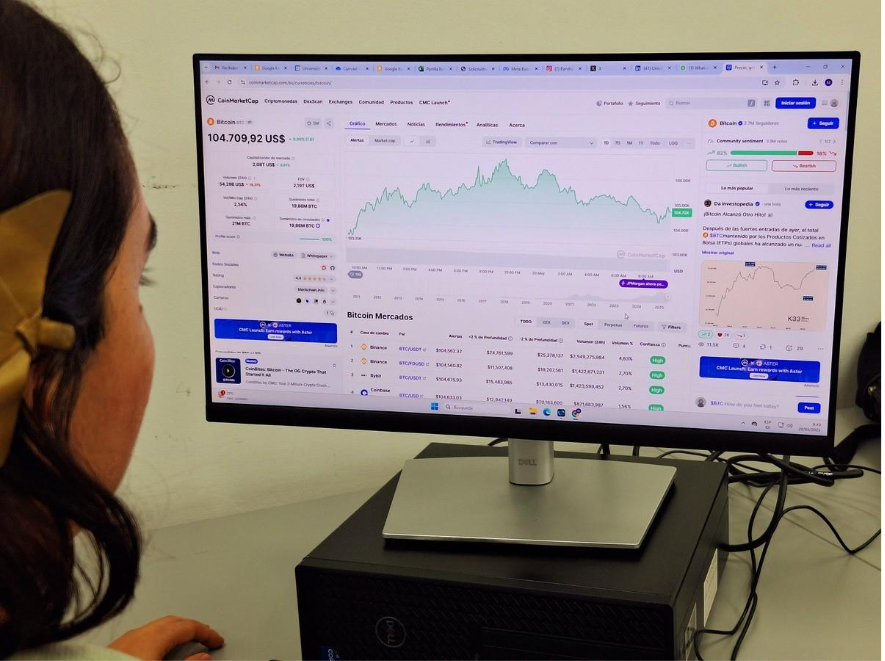
By contrast, the technology sector flourished. Unlike
physical manufacturing, software has almost no marginal costs. Once the code is
written, it can be distributed globally with the push of a button—no supply
chains, warehouses, or fleets of trucks required.
Even companies with hardware components, like Apple, have
chosen to outsource manufacturing abroad so they can focus on research, design,
and the most scalable, profitable aspects of their business. Increasingly,
America’s competitive edge has shifted to software and services.
Inevitable change and economic renewal
For displaced manufacturing workers, the transition has been
painful. Yet the decline of traditional factory jobs was unavoidable. Had
companies resisted change, they would have gone out of business anyway—taking
those jobs with them.
The good news is that the tech sector grew rapidly to fill
the gap, becoming America’s new economic engine. Today, the world’s largest
software companies are based here, employing millions and contributing
significantly to U.S. prosperity.
Beyond coders: The wider impact of tech jobs
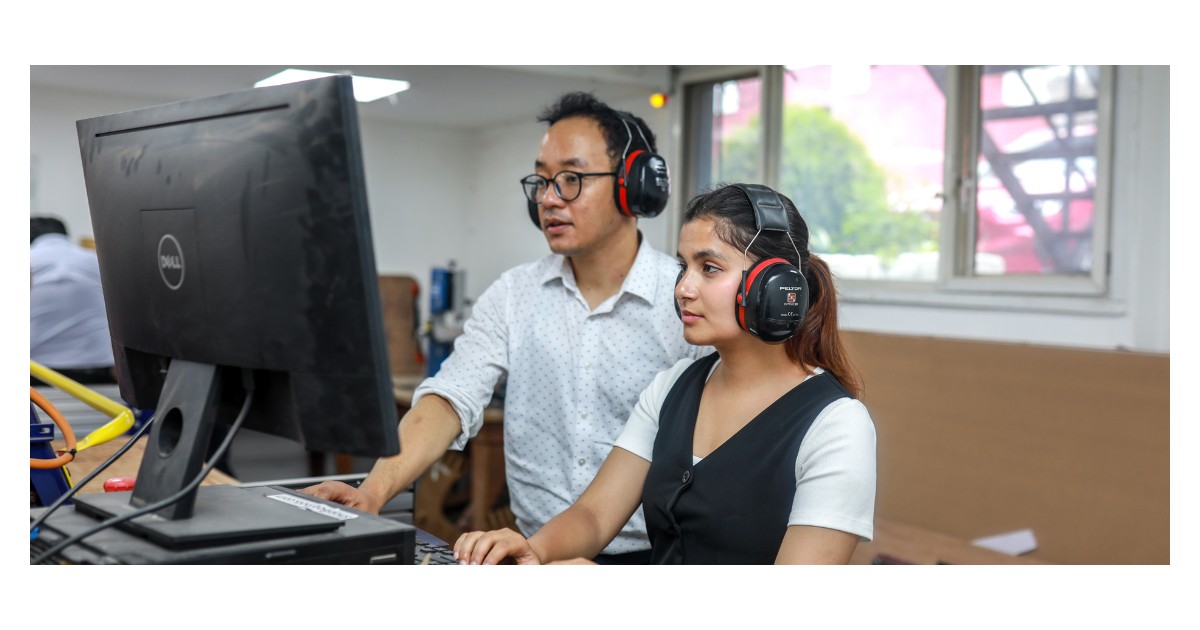
A common misconception is that technology companies benefit
only programmers and engineers. In reality, they employ far more non-technical
workers than technical ones. Sales, marketing, customer support, HR,
accounting, and countless other roles form the backbone of these firms.
As tech companies expand and build new data centers, they
also generate jobs in construction, utilities, and local services. This ripple
effect spreads wealth across entire communities, far beyond Silicon Valley.
Embracing innovation as America’s strength
America’s greatest strength has always been its ability to
adapt and innovate; the hallmarks of entrepreneurship. We should not dwell on
the “golden age” of manufacturing or attempt to artificially resurrect it.
Instead, we must embrace the industries and innovators that continue to drive
growth.
Thanks to our entrepreneurs, engineers, and visionaries, the
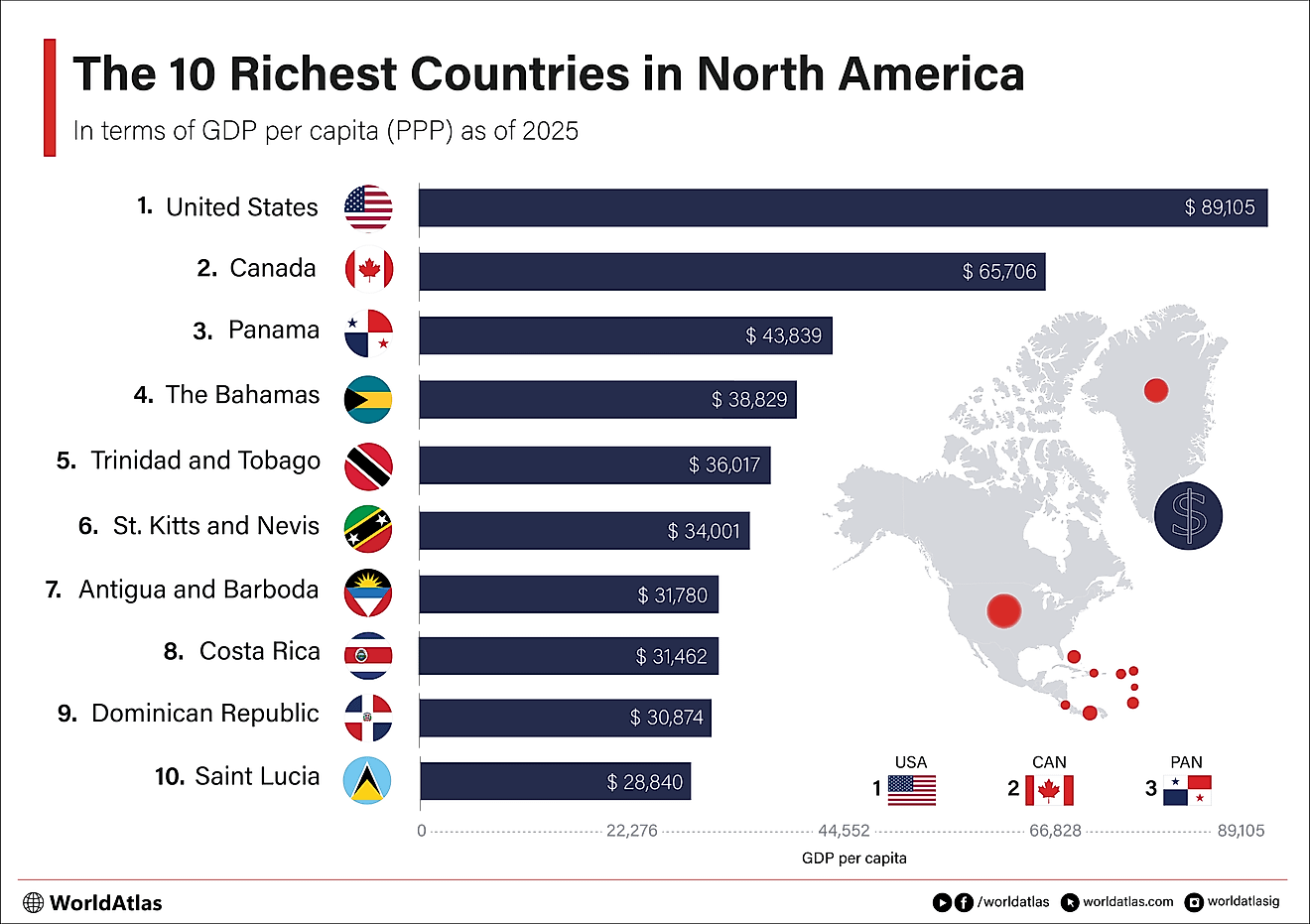
U.S. economy remains resilient, dynamic, and the envy of the world. In short,
“America is great.” Our standard of living is second to none — not because
we clung to the past, but because we leaned into the future.