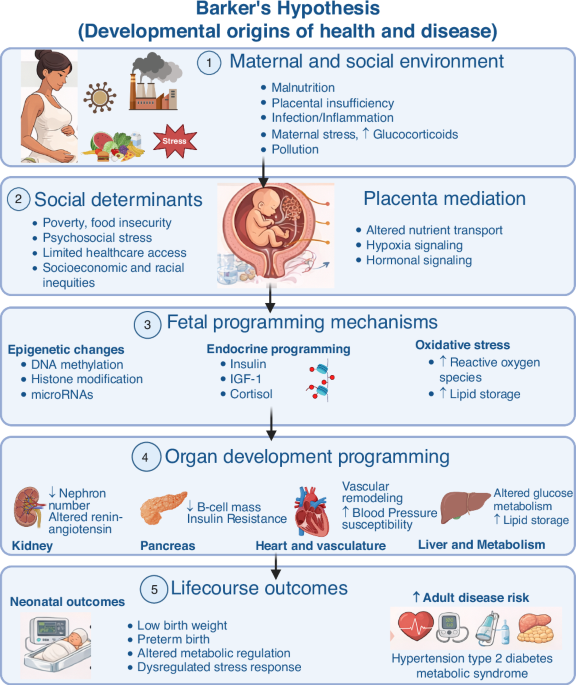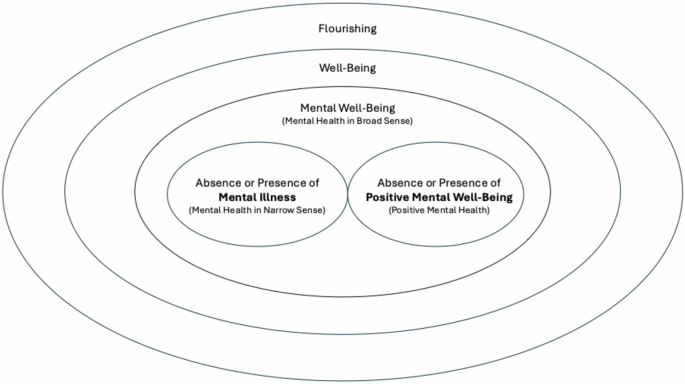
Young children’s developmental well-being spans multiple domains, including physical health, motor skills, social-emotional functioning, self-regulation, and early language and math skills. Development in these domains is shaped by a combination of factors including the child’s individual characteristics, family environment, and broader community and societal contexts. Together, these influences form a dynamic ecology that can either support or hinder healthy development.
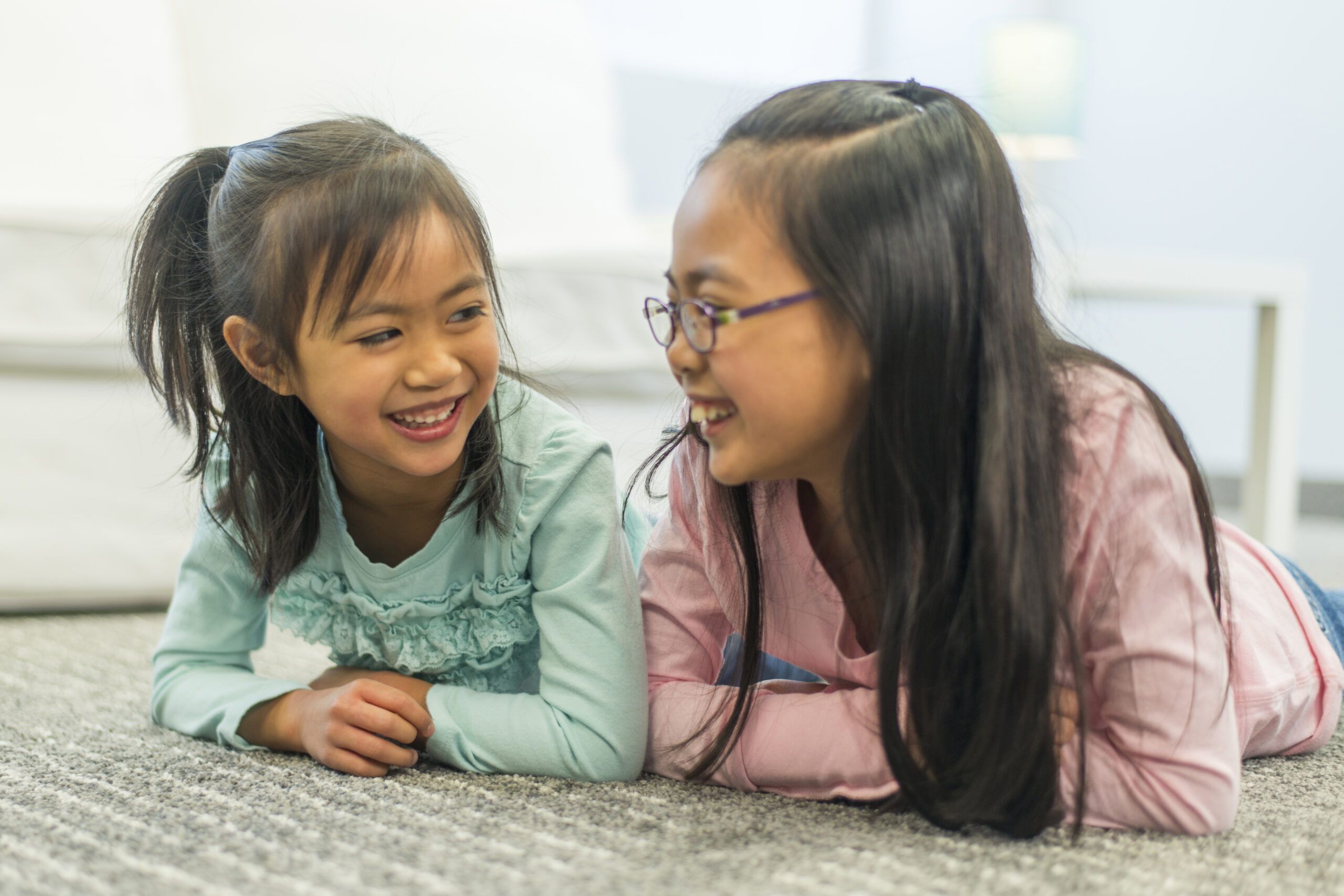
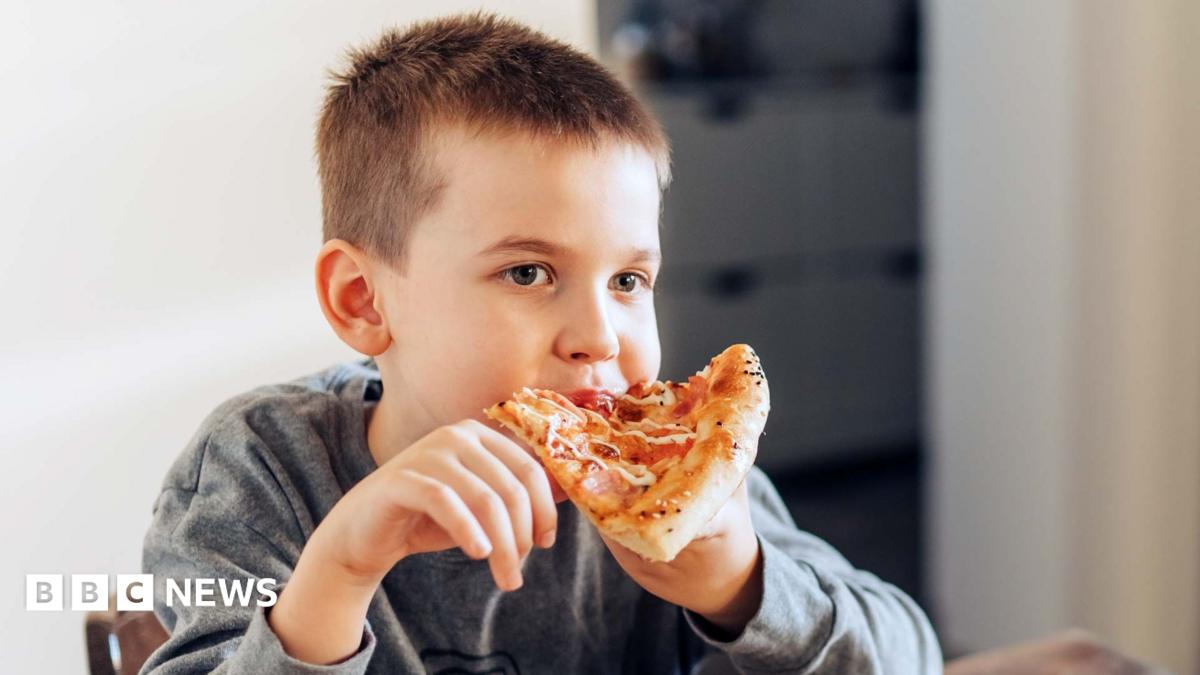
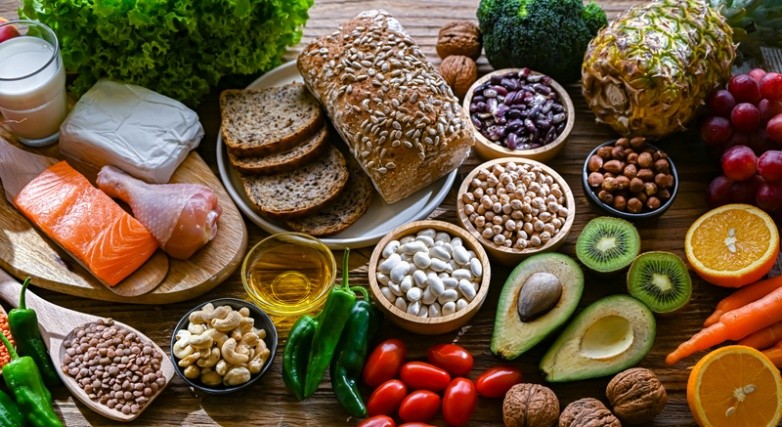
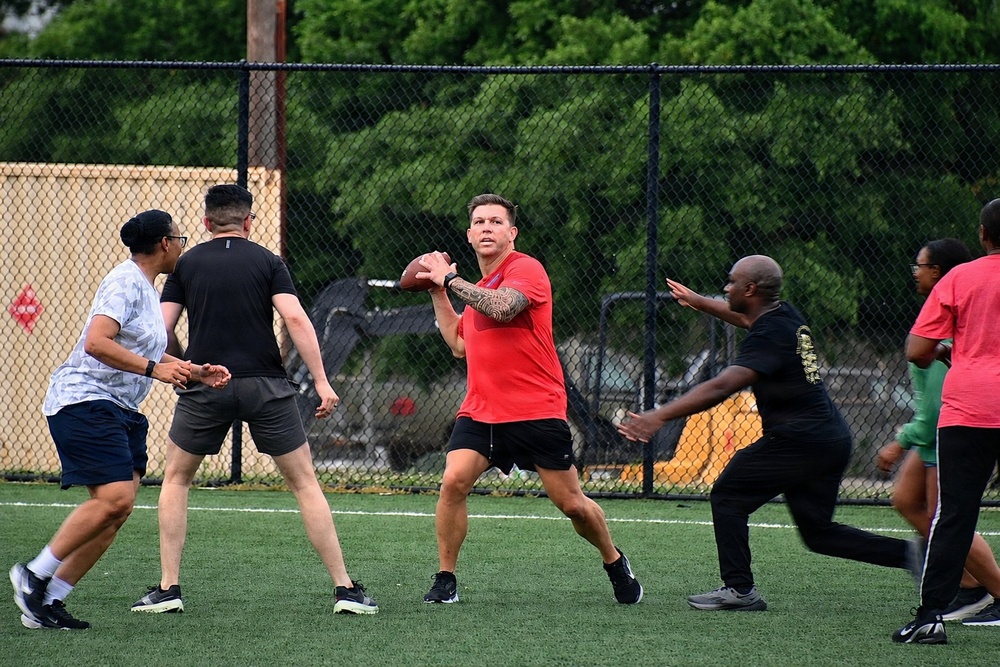
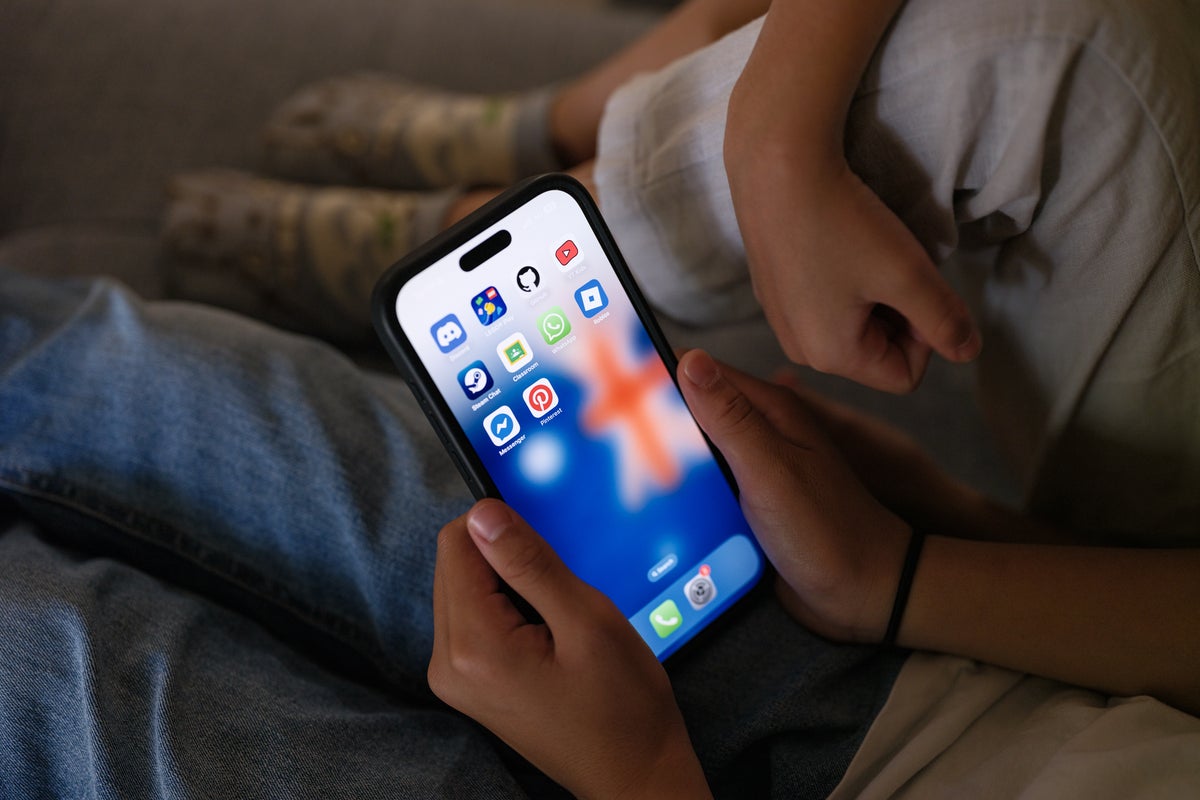
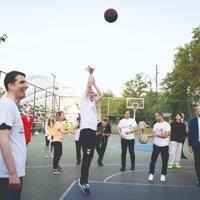
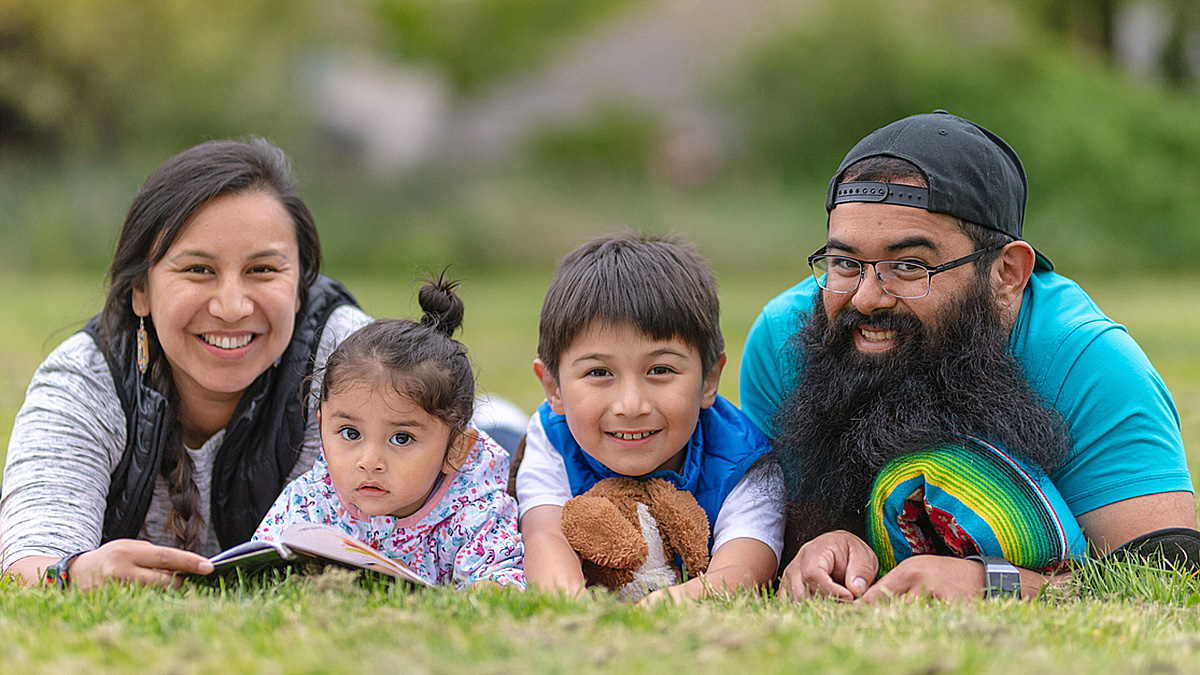
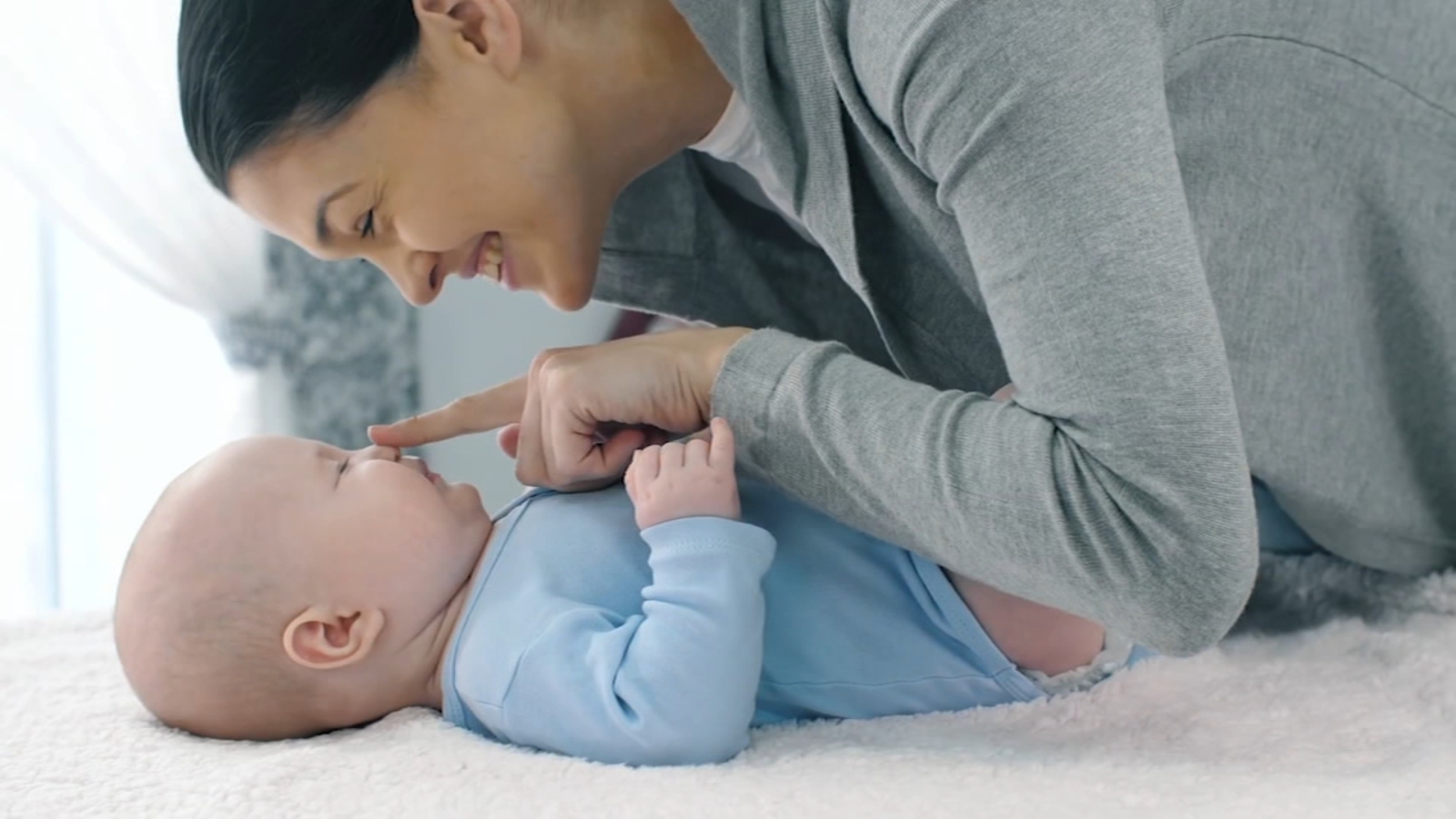
A child’s daily experiences play a central role in shaping their early development. These include family interactions such as reading, storytelling, and singing, as well as health-related behaviors like eating fruits and vegetables and getting enough sleep. Other key daily experiences include outdoor play, preschool enrollment, and limited screen time. Many of these are malleable factors, meaning they can be influenced or changed through family practices, community supports, and public policies and programs to reduce developmental risks and promote positive outcomes.
In 2022, the National Survey of Children’s Health (NSCH) introduced the Healthy and Ready to Learn (HRTL) measure as a national indicator of develomental well-being among young children in the United States. Using this nationally representative data, this analysis examines how children’s everyday experiences relate to being healthy and ready to learn, while accounting for sociodemographic factors and multiple influences. These findings offer a clearer understanding of how malleable, everyday experiences may support healthy development 3-year-olds across the United States.