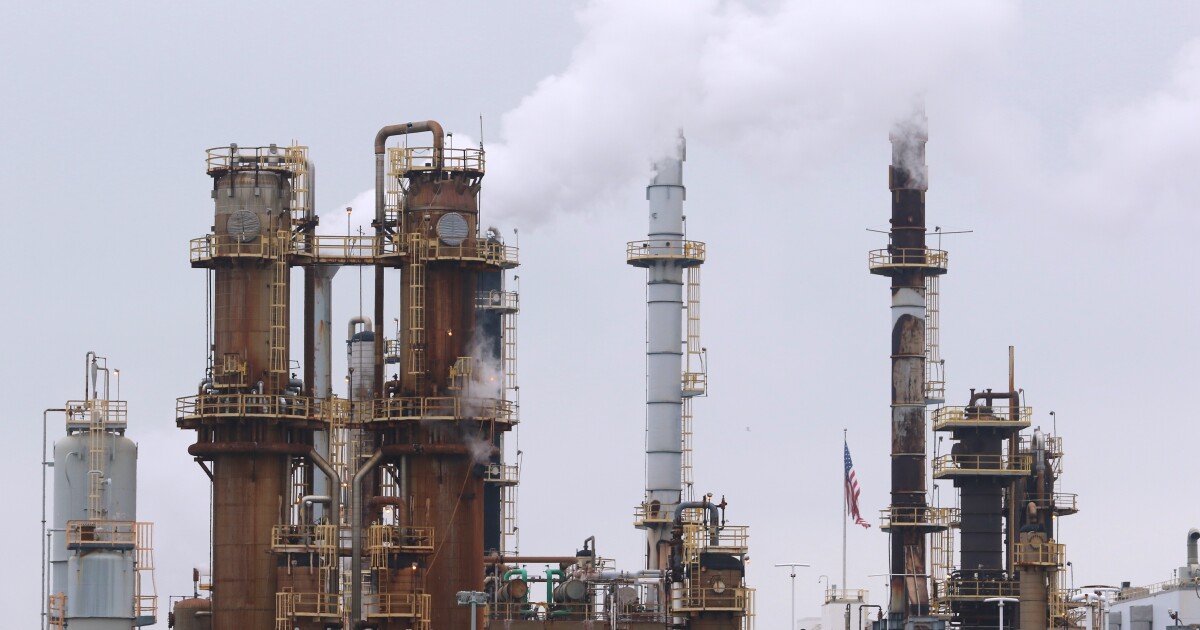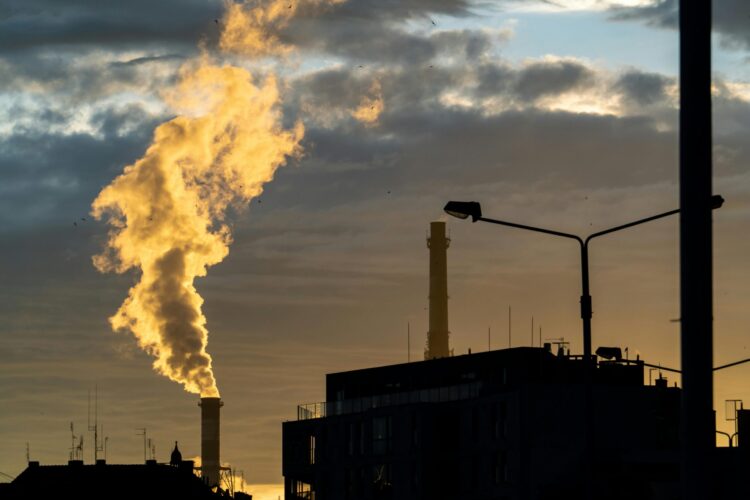
Air quality has become one of the most pressing environmental and public health concerns of the modern era. As cities expand, industrial activities increase, and vehicle emissions continue to rise, millions of people around the world are exposed to air pollution levels that exceed recommended safety standards. While governments and environmental organizations work to address outdoor pollution, consumers and businesses are increasingly focusing on improving indoor air quality through advanced air purification technologies.
Air purifiers have emerged as one of the most effective solutions for creating cleaner and healthier indoor environments. These devices are designed to remove airborne pollutants such as dust, pollen, smoke, allergens, bacteria, and harmful particles, helping improve air quality in homes, offices, healthcare facilities, educational institutions, and commercial spaces. As awareness about the health impacts of air pollution continues to grow, air purifiers are becoming an essential part of modern living rather than a luxury appliance.
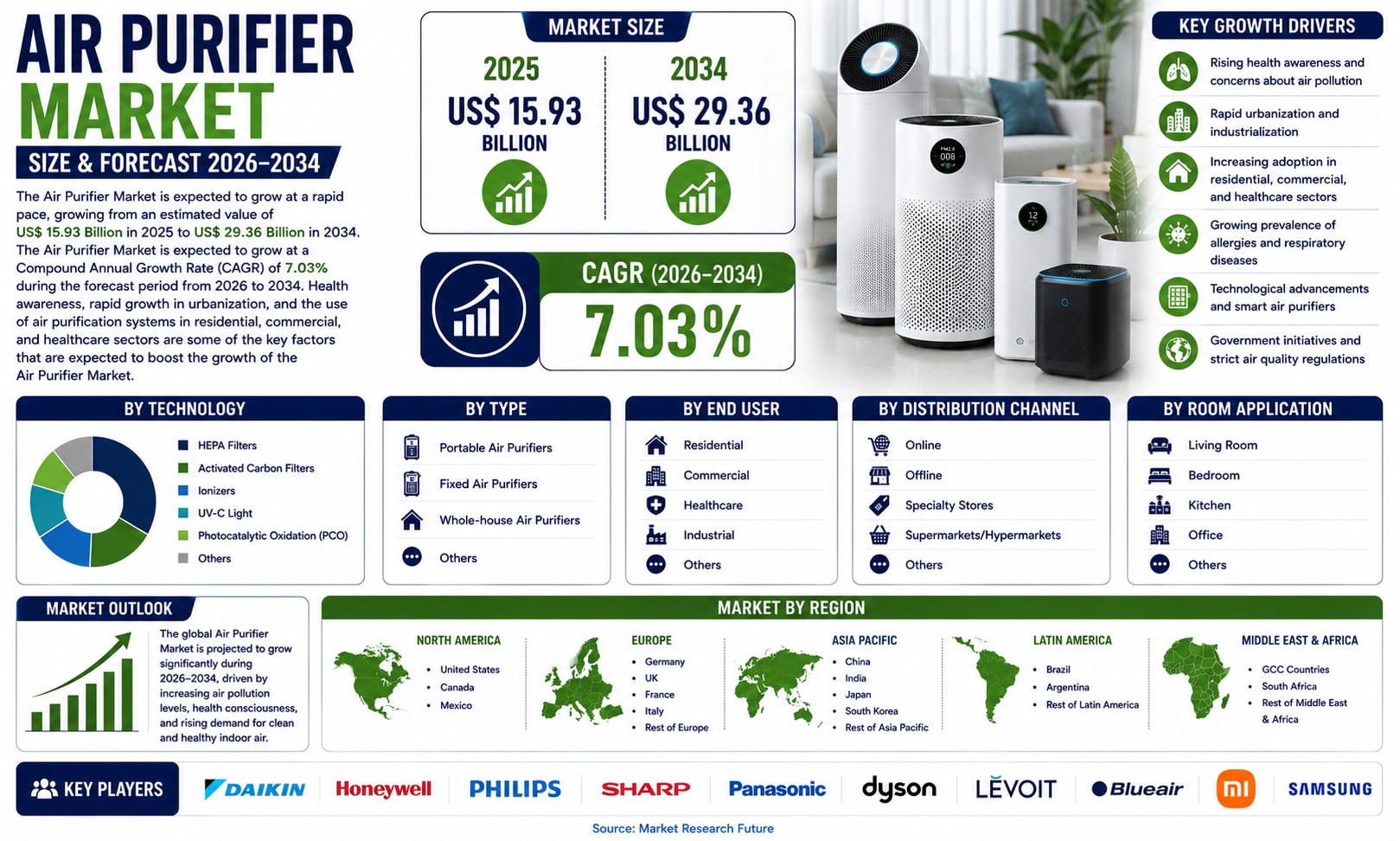
The increasing prevalence of respiratory disorders, heightened attention to health and wellness, and continuous technological innovation are creating strong opportunities for manufacturers worldwide. According to Renub Research, the global Air Purifier Market is projected to grow from US$ 15.93 billion in 2025 to US$ 29.36 billion by 2034, expanding at a compound annual growth rate (CAGR) of 7.03% between 2026 and 2034. This growth highlights the increasing importance of clean indoor air in both residential and commercial environments.
Understanding the Importance of Air Purifiers
An air purifier is a device specifically designed to improve indoor air quality by removing contaminants and harmful particles from the air. These systems work by drawing in surrounding air, passing it through specialized filtration technologies, and releasing purified air back into the environment.
Modern air purifiers can effectively eliminate a wide range of pollutants, including dust particles, pollen, pet dander, mold spores, smoke, bacteria, volatile organic compounds (VOCs), and unpleasant odors. Advanced models often combine multiple filtration technologies to maximize performance and address various air quality concerns simultaneously.
The importance of air purification has increased significantly in recent years due to rising pollution levels and growing awareness of the relationship between air quality and overall health. Consumers are becoming more conscious of the potential health risks associated with prolonged exposure to airborne contaminants, particularly within indoor spaces where people spend a substantial portion of their time.
As a result, air purifiers are increasingly being viewed as essential tools for promoting healthier living and working environments.
Rising Air Pollution Is Fueling Market Growth
One of the most significant factors driving demand for air purifiers is the worsening state of air quality in many parts of the world.
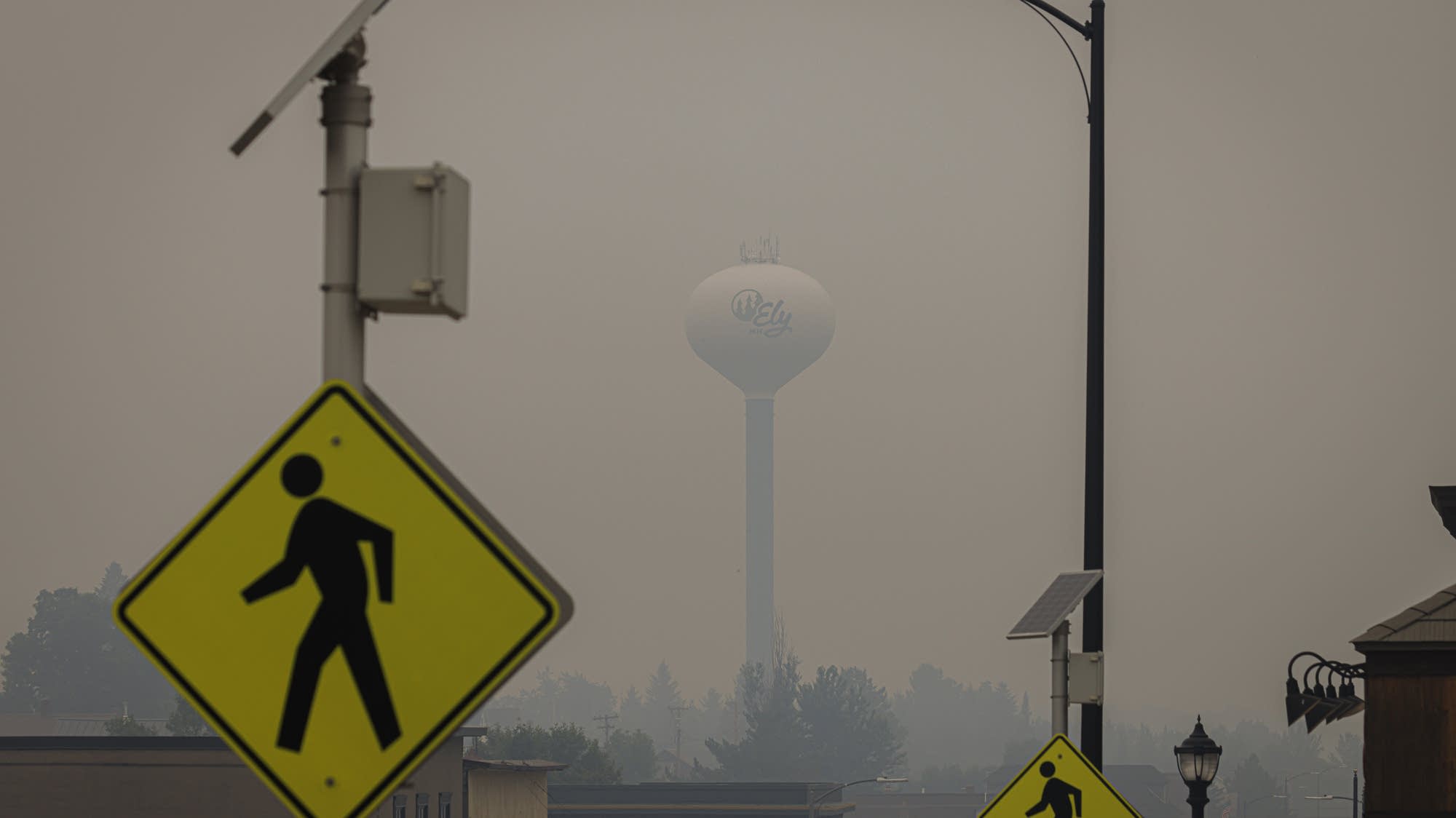
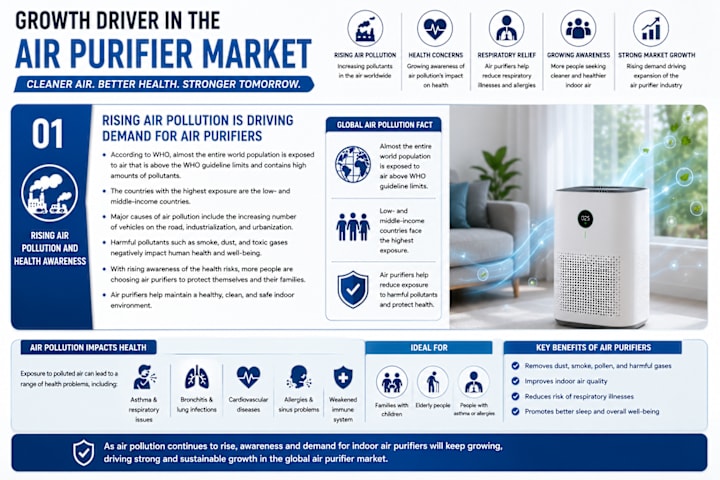
According to global health organizations, nearly the entire world population is exposed to air pollution levels that exceed recommended safety guidelines. Rapid urbanization, industrial expansion, transportation emissions, and construction activities have contributed to increasing concentrations of harmful pollutants in the atmosphere.
Air pollution is associated with numerous health concerns, including respiratory diseases, cardiovascular conditions, allergies, and other long-term health complications. Individuals suffering from asthma, chronic respiratory disorders, and environmental sensitivities are particularly vulnerable to poor air quality.
As awareness of these risks grows, consumers are increasingly investing in air purification systems to create safer indoor environments. The desire to reduce exposure to harmful pollutants is expected to remain a major driver of market expansion throughout the forecast period.
Health Awareness Is Transforming Consumer Behavior
Health and wellness trends are playing a crucial role in shaping demand for air purifiers.
Modern consumers are increasingly focused on preventive healthcare and environmental wellness. Rather than addressing health issues after they occur, many individuals are proactively investing in products that support healthier lifestyles.
Indoor air quality has become a central aspect of this trend. Research linking air pollution to respiratory illnesses and allergic reactions has encouraged consumers to take greater control over the environments in which they live and work.
Families with children, elderly individuals, and people with respiratory conditions are among the most active purchasers of air purification systems. These consumers often prioritize products that can reduce allergens, remove airborne pathogens, and create cleaner indoor spaces.
The heightened emphasis on health protection is expected to continue supporting long-term demand across both residential and commercial sectors.
Residential Adoption Continues to Accelerate
The residential segment remains one of the most important contributors to market growth.
Homeowners are increasingly recognizing the importance of maintaining healthy indoor environments. Urban households, in particular, often face challenges related to outdoor pollution, dust accumulation, pet allergens, and seasonal air quality fluctuations.
Air purifiers provide an accessible solution that helps improve comfort while reducing exposure to harmful airborne particles. Modern consumers appreciate the convenience, portability, and effectiveness of today’s purification systems.
The growth of smart homes is further strengthening residential demand. Many modern air purifiers integrate seamlessly with home automation systems, allowing users to monitor and control air quality through smartphones and connected devices.
As awareness of indoor environmental health continues to rise, residential adoption is expected to remain a major growth driver.
Commercial Applications Are Expanding Rapidly
Beyond residential settings, commercial adoption of air purification systems is increasing significantly.
Businesses across various industries are recognizing the importance of maintaining healthy indoor environments for employees, customers, students, and patients. Offices, hospitals, schools, hotels, shopping centers, and other commercial facilities are investing in air purification solutions to improve air quality and enhance occupant well-being.
Healthcare facilities represent one of the most critical application areas. Hospitals and clinics require advanced air purification systems to maintain sterile environments and reduce the risk of airborne infections. Educational institutions are also adopting these technologies to create healthier learning environments for students and staff.
The growing emphasis on workplace wellness and building health standards is encouraging organizations to incorporate air purification technologies into their facilities.
This trend is expected to generate significant opportunities for manufacturers serving the commercial sector.
Smart Air Purifiers Are Reshaping the Industry
Technological innovation continues to transform the air purifier market.
Today’s advanced air purifiers incorporate features that were unimaginable just a few years ago. Smart connectivity, real-time air quality monitoring, automated operation, and energy-efficient performance have become increasingly common across premium product categories.
Wi-Fi-enabled systems allow users to monitor indoor air quality through mobile applications, receive notifications, and adjust settings remotely. Many models automatically detect changes in air quality and modify operating modes to maintain optimal performance.
Artificial intelligence and sensor technologies are further enhancing functionality by enabling more accurate detection of pollutants and more efficient filtration management.
These innovations are improving user convenience while increasing confidence in air purification systems, contributing to broader market adoption.
HEPA Technology Remains the Industry Standard
Among all filtration technologies, High-Efficiency Particulate Air (HEPA) filters remain the most widely recognized and trusted solution.
HEPA filters are designed to capture extremely small particles, including dust, pollen, mold spores, bacteria, and other airborne contaminants. Their exceptional filtration efficiency has made them a preferred choice for both residential and commercial applications.
HEPA-based systems are particularly valuable for individuals suffering from allergies, asthma, and respiratory sensitivities. Their ability to remove microscopic particles contributes significantly to improved indoor air quality.
Healthcare facilities also rely heavily on HEPA technology because of its effectiveness in maintaining sterile and contaminant-free environments.
As awareness of filtration performance increases, HEPA-based products are expected to remain a dominant segment of the global air purifier market.
Activated Carbon Filters Address Chemical Contaminants
Activated carbon filtration technology has become increasingly important in modern air purification systems.
Unlike HEPA filters, which focus primarily on particulate matter, activated carbon filters are highly effective at removing odors, volatile organic compounds, smoke, and chemical contaminants from the air. These capabilities make them particularly useful in environments where gaseous pollutants are a concern.
Many premium air purifiers combine activated carbon filtration with HEPA technology to provide comprehensive air purification. This integrated approach addresses both particulate and chemical contaminants, offering a more complete solution for indoor air quality management.
As awareness of indoor chemical pollutants continues to grow, demand for activated carbon-based filtration systems is expected to increase.
Portable Air Purifiers Gain Popularity
Portable air purifiers have become one of the fastest-growing product categories within the market.
Consumers appreciate their flexibility, ease of installation, and ability to improve air quality in specific rooms or spaces. Portable units are commonly used in bedrooms, living rooms, offices, classrooms, and other frequently occupied areas.
Advancements in design and technology have made portable systems more efficient, quieter, and visually appealing. Many models now feature compact designs, smart controls, and enhanced filtration capabilities.
The growing popularity of portable solutions reflects consumer demand for practical and adaptable air quality management products.
Regional Markets Present Significant Growth Opportunities
United States
The United States remains one of the largest air purifier markets globally. Growing awareness of respiratory health, seasonal wildfire concerns, and strong adoption of advanced technologies continue to support market growth. Commercial and residential sectors both contribute significantly to demand.
United Kingdom
The United Kingdom is experiencing steady market growth as consumers become increasingly aware of indoor air quality concerns. Urban pollution, allergy management, and workplace wellness initiatives are encouraging adoption across multiple sectors.
India
India represents one of the fastest-growing markets due to severe air pollution challenges in major metropolitan areas. Cities such as Delhi and Mumbai have witnessed increasing demand for air purifiers as consumers seek protection from harmful airborne pollutants.
Saudi Arabia
Saudi Arabia’s market is expanding gradually due to concerns related to dust storms, desert conditions, and indoor air quality. Commercial facilities, residential developments, and healthcare institutions are increasingly investing in air purification solutions.
Challenges Facing the Air Purifier Market
Despite strong growth prospects, several challenges continue to affect market development.
High purchase costs remain a concern for some consumers, particularly when considering advanced models equipped with premium features and sophisticated filtration technologies. Ongoing maintenance expenses, including filter replacement costs, can also influence purchasing decisions.
Consumer awareness remains another challenge in certain regions. While air purifiers have become mainstream products in many developed markets, some consumers in emerging economies remain unfamiliar with the benefits of air purification technology.
Manufacturers are addressing these challenges by introducing more affordable models, expanding educational initiatives, and improving product accessibility through various distribution channels.
Market Forecast: Strong Growth Through 2034
According to Renub Research, the global Air Purifier Market is expected to grow from US$ 15.93 billion in 2025 to US$ 29.36 billion by 2034, reflecting a CAGR of 7.03% between 2026 and 2034. Rising pollution levels, increasing health awareness, expanding commercial adoption, and ongoing technological innovation are expected to remain the primary drivers of market growth.
As consumers place greater emphasis on environmental health and indoor wellness, air purification technologies are likely to become even more integrated into everyday life.
Final Thoughts
The global air purifier market is entering a period of sustained growth driven by powerful environmental, technological, and health-related trends. Increasing concerns about air pollution, respiratory health, and indoor environmental quality are encouraging consumers and organizations to invest in advanced air purification solutions.
With Renub Research forecasting market expansion from US$ 15.93 billion in 2025 to US$ 29.36 billion by 2034, the industry is positioned for significant long-term growth. Advances in filtration technology, smart connectivity, energy efficiency, and product accessibility will continue shaping the future of the market.
As awareness of clean air’s importance continues to grow, air purifiers are expected to become an increasingly essential component of healthy homes, workplaces, healthcare facilities, and public spaces worldwide.