“We found serious shortcomings in key child protection services, from slow responses to reports of suspected maltreatment to failing to meet most minimum contact requirements with children and their families.”
– Auditor General of Canada
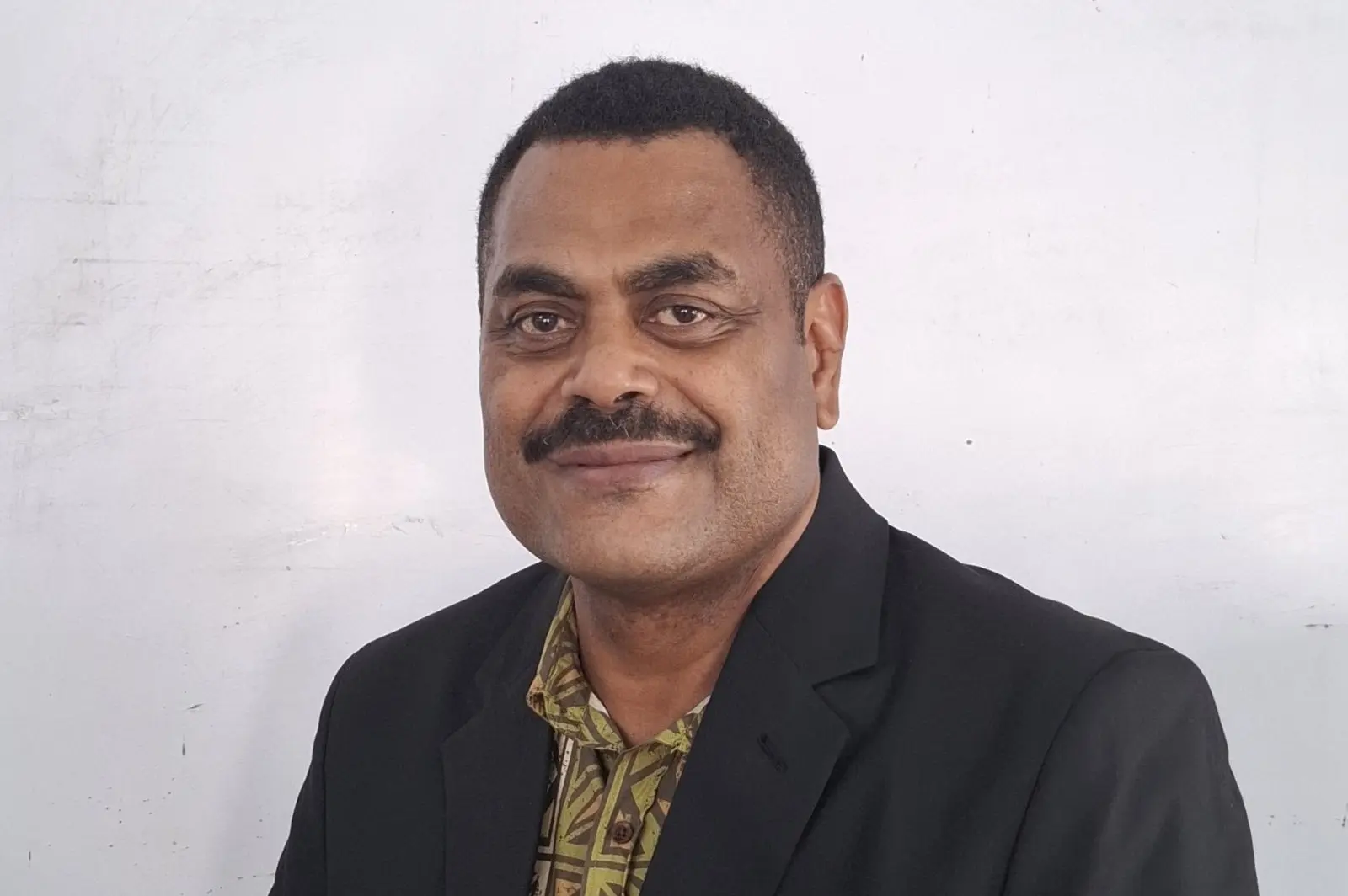
“The GNWT recognizes that Child and Family Services is not yet where it needs to be.”
– Minister of Health and Social Services Lesa Semmler
The GNWT Department of Health and Social Services and the three health and social services authorities “did not provide adequate services to protect and support the well‑being of children and youth and their families in accordance with legislation, policy, and programs,” says the Office of the Auditor General of Canada.
In a front-to-back very bad report for the GNWT — following equally negative audits in 2014 and 2018 — there are few, if any positives for sprawling system, that eats up a sizeable $728.6 million slice of territorial spending, with a combined workforce of over 2,400.
“We found serious shortcomings in key child protection services, from slow responses to reports of suspected maltreatment to failing to meet most minimum contact requirements with children and their families,” stated the report, released on May 28th.
The Auditor General also found that the health and social services authorities did not consistently meet the existing standards to support the delivery of culturally safe services for Indigenous children.
For example, stated the report, most children did not have a cultural support plan that identified opportunities to strengthen and maintain their connection to their cultural background.
This finding is important because almost all children receiving protection services in the territory identified as Indigenous.
Stated the report:
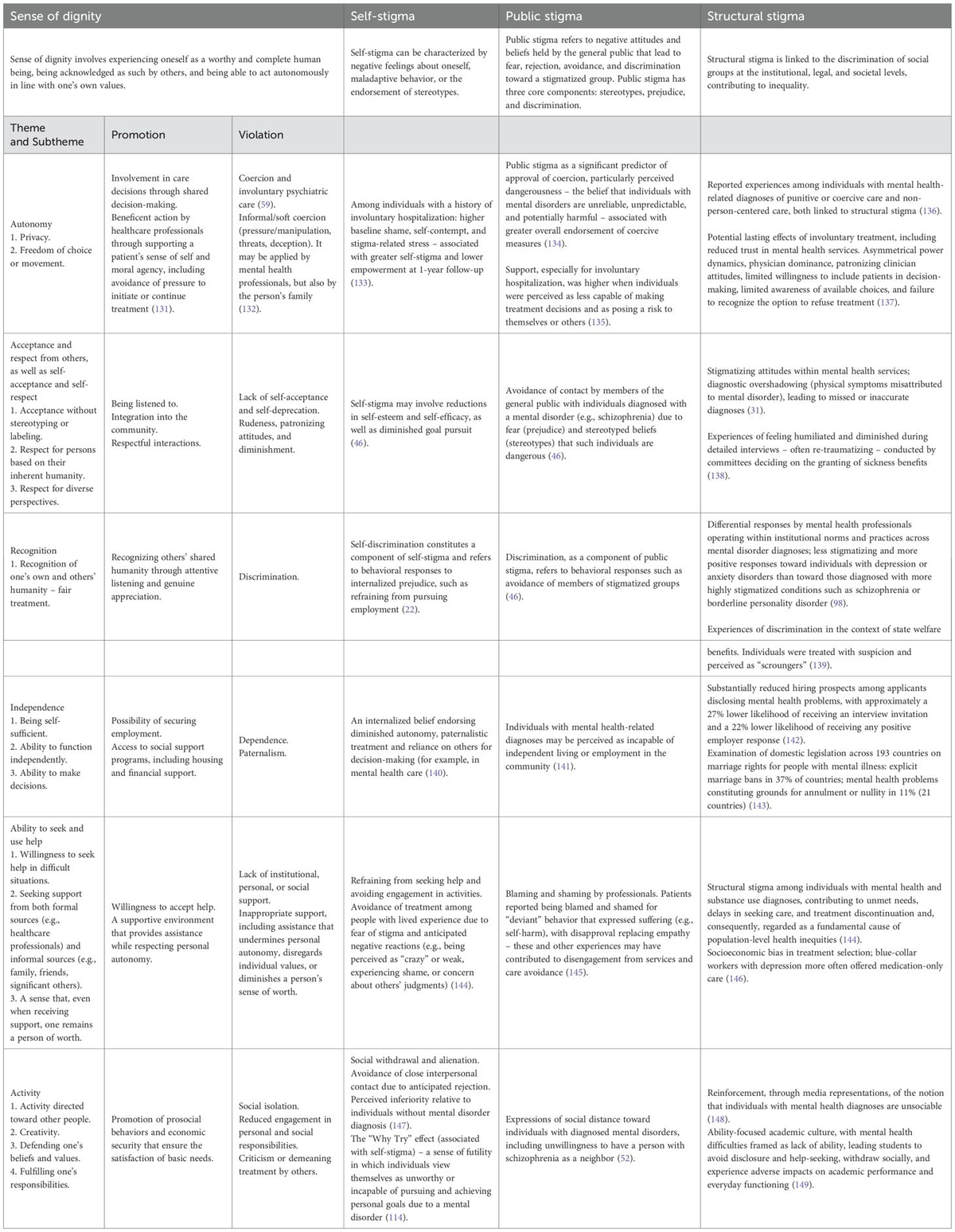
The Department of Health and Social Services and the health and social services authorities have committed to addressing this over-representation through actions, including the promotion of cultural safety. Culturally safe approaches help ensure services are respectful and responsive to Indigenous children and families. Without such approaches, barriers to trust and engagement may arise, and services may be less effective in assessing and responding to the needs of Indigenous children and families.

-

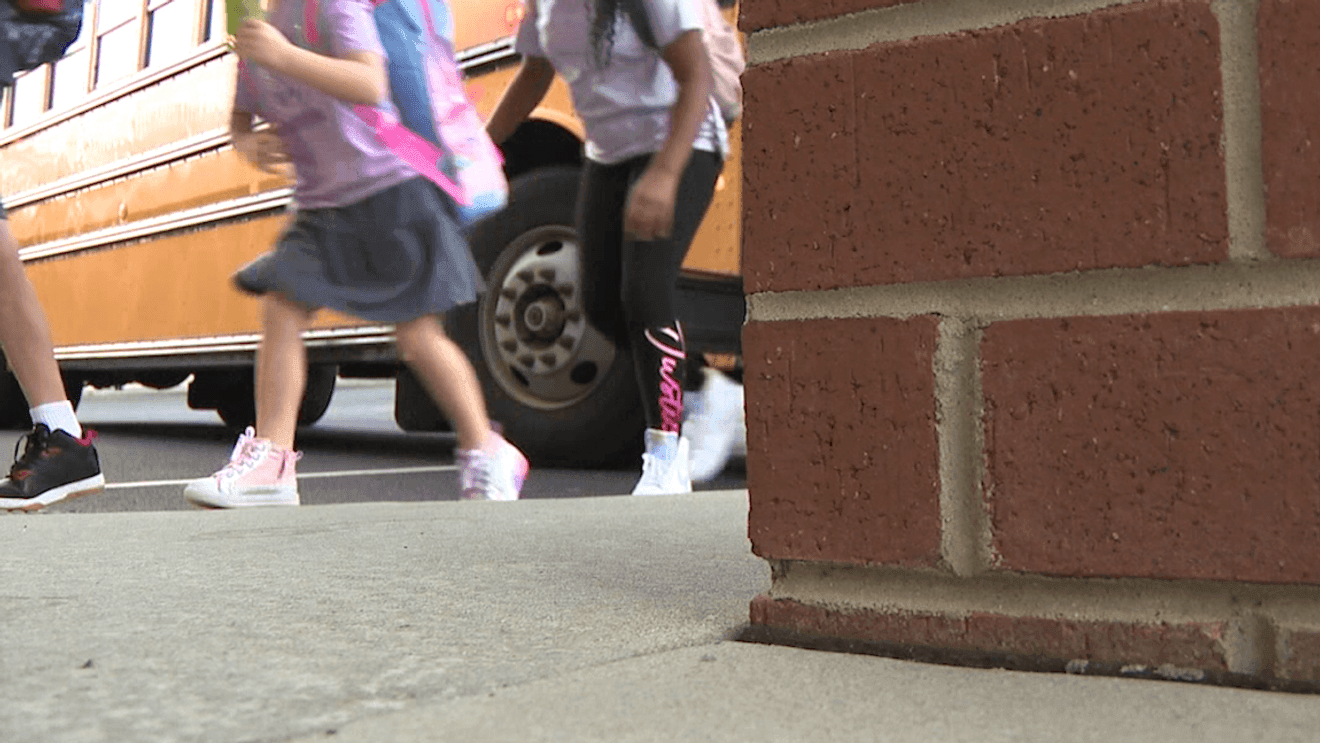
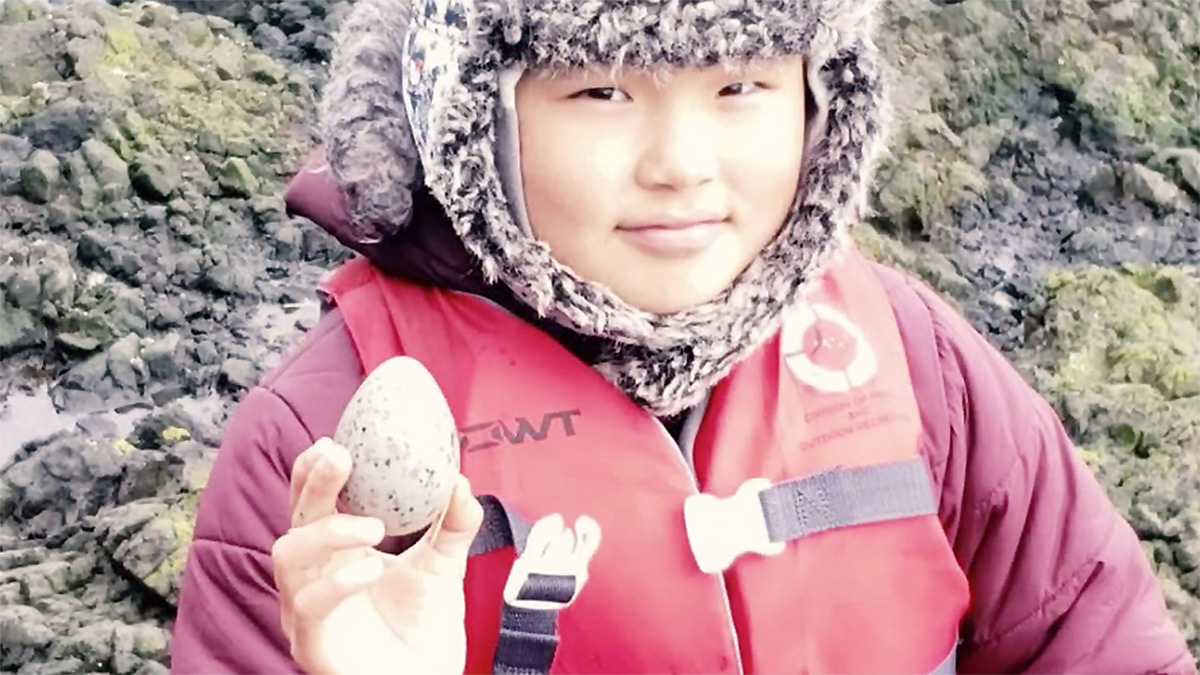
- (Illustration source: Authorities)
Although overall Indigenous employment targets were met by two of the organizations — and very close to being met by the third — only 19% of child and family service front‑line workers (social workers, supervisors, and managers working in child and family services) identified as Indigenous.
When there are allegations that a child is being maltreated, the health and social services authorities are required to assess the situation within 24 hours to determine risks to the child and whether action is needed, such as further investigation.
“The health and social services authorities failed to complete this screening assessment within the required timeline in 33% of the reports we reviewed,” stated the Auditor General.
In addition, when an allegation was flagged as needing further investigation, the health and social services authorities did not complete the investigation within the required 30 days in 71% of the reports examined.
The report also stated the health and social services authorities did not consistently contact them at least once a month, as required.
There were also shortcomings in the screening and oversight of foster homes.
For example, criminal record checks were either not completed or not updated for all adults and caregivers in 12% of the foster homes we examined.
Further shortcomings were discovered in high vacancy rates for for front‑line child and family services workers — ranging from 14% to 34% — across the three health and social services authorities.
Caseloads were also high, and training was delayed.
The Auditor General concluded: “Some of our findings remain unresolved from audits conducted in 2014 and 2018. It is critical that the Northwest Territories’ Department of Health and Social Services and the three health and social services authorities act urgently to strengthen child and family services and support the well‑being of at‑risk children and their families.”
Of the 47 files of children with a plan-of-care agreement and 39 files of children with a custody order sampled, there were 57 children placed outside their home, stated the report.
-

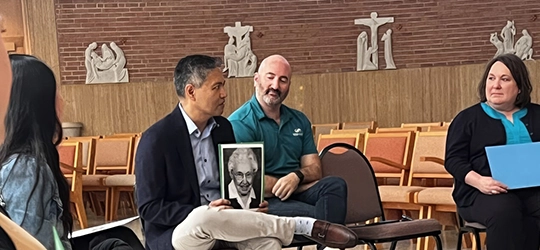
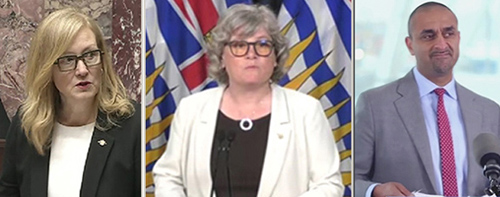
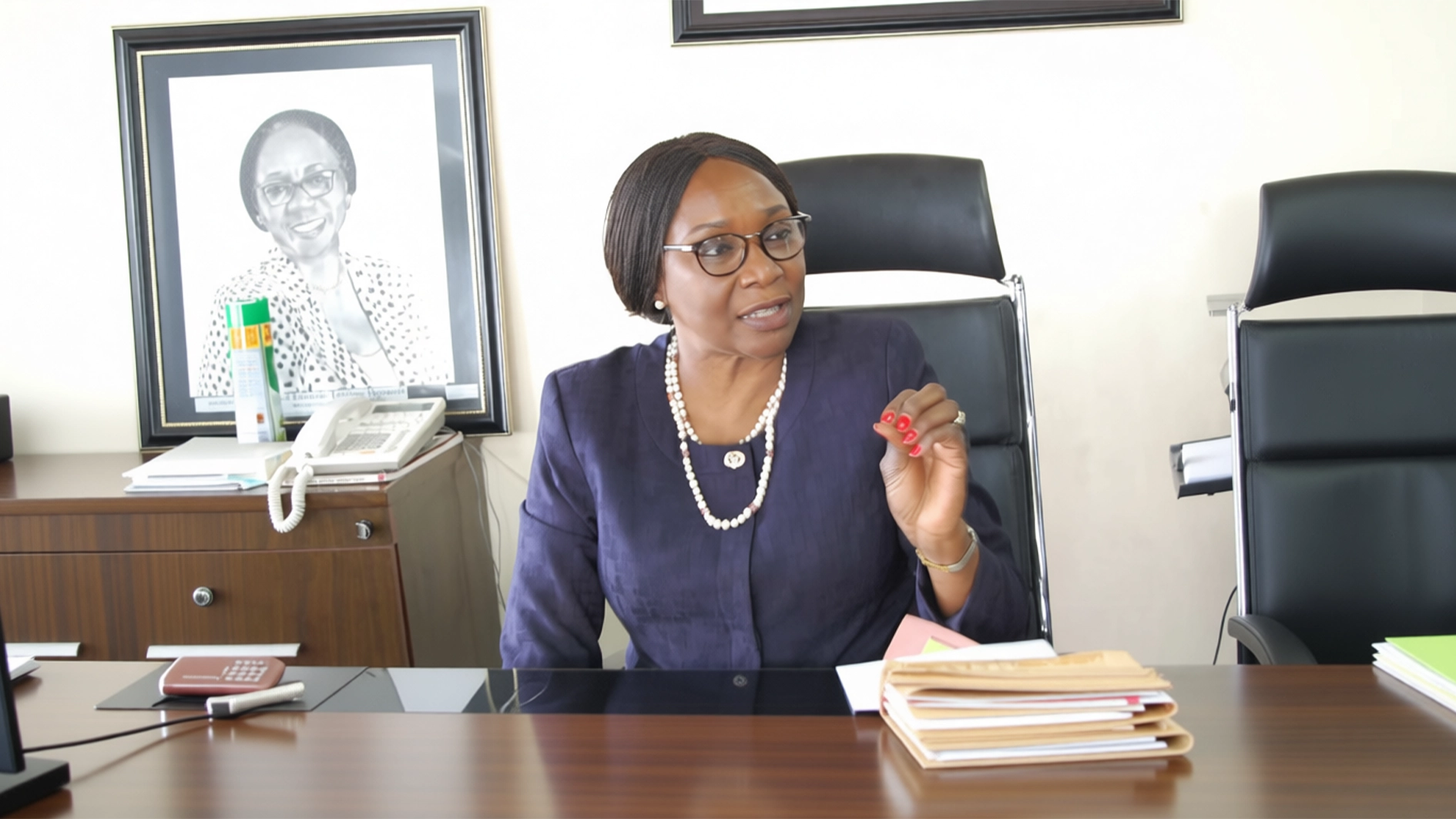
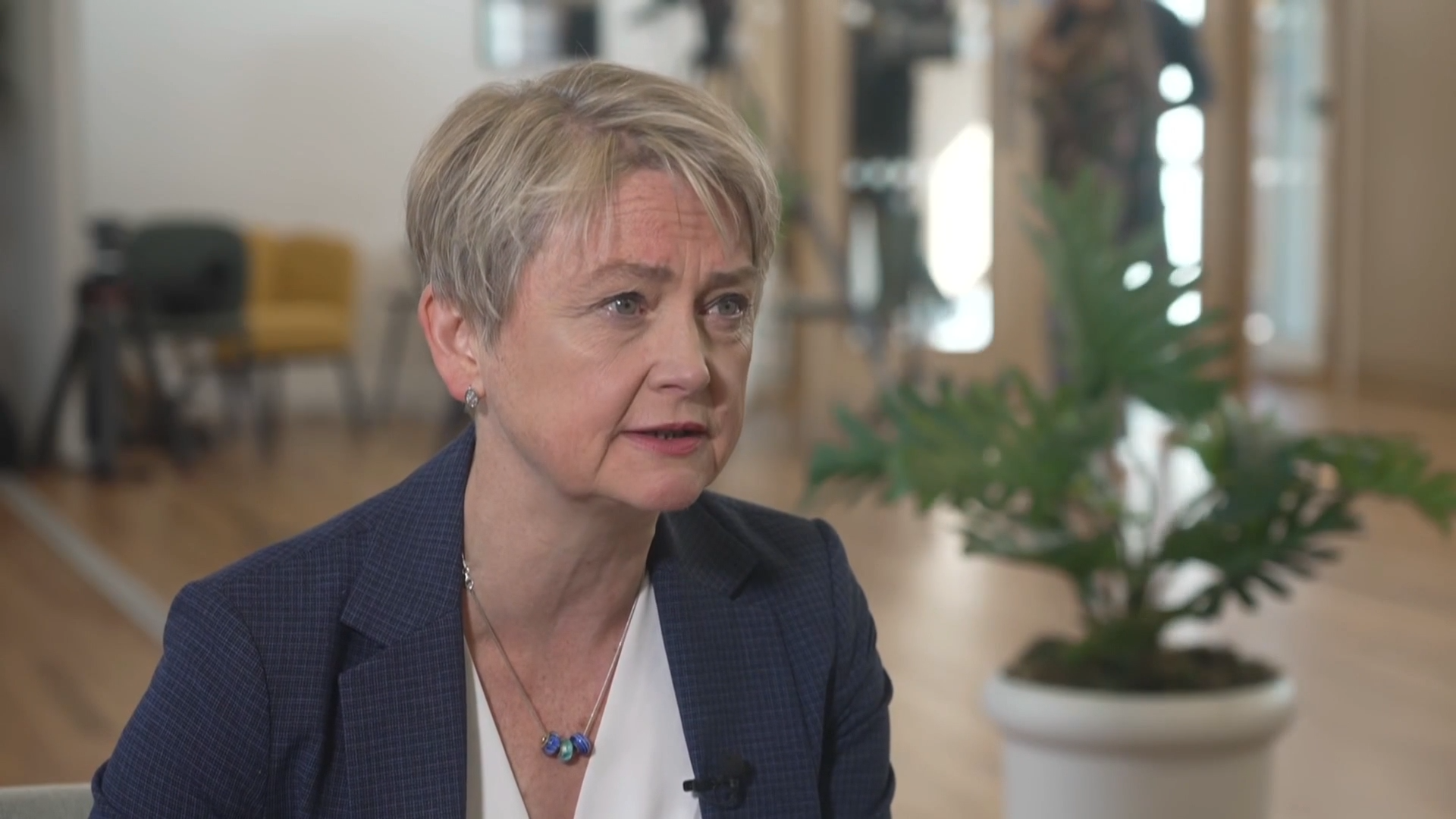
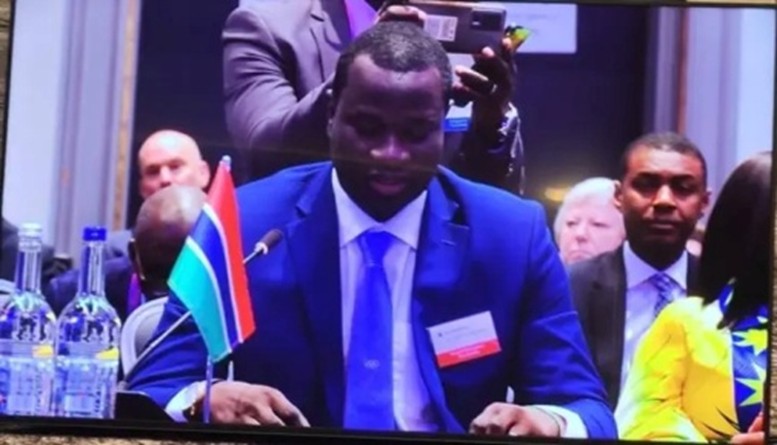
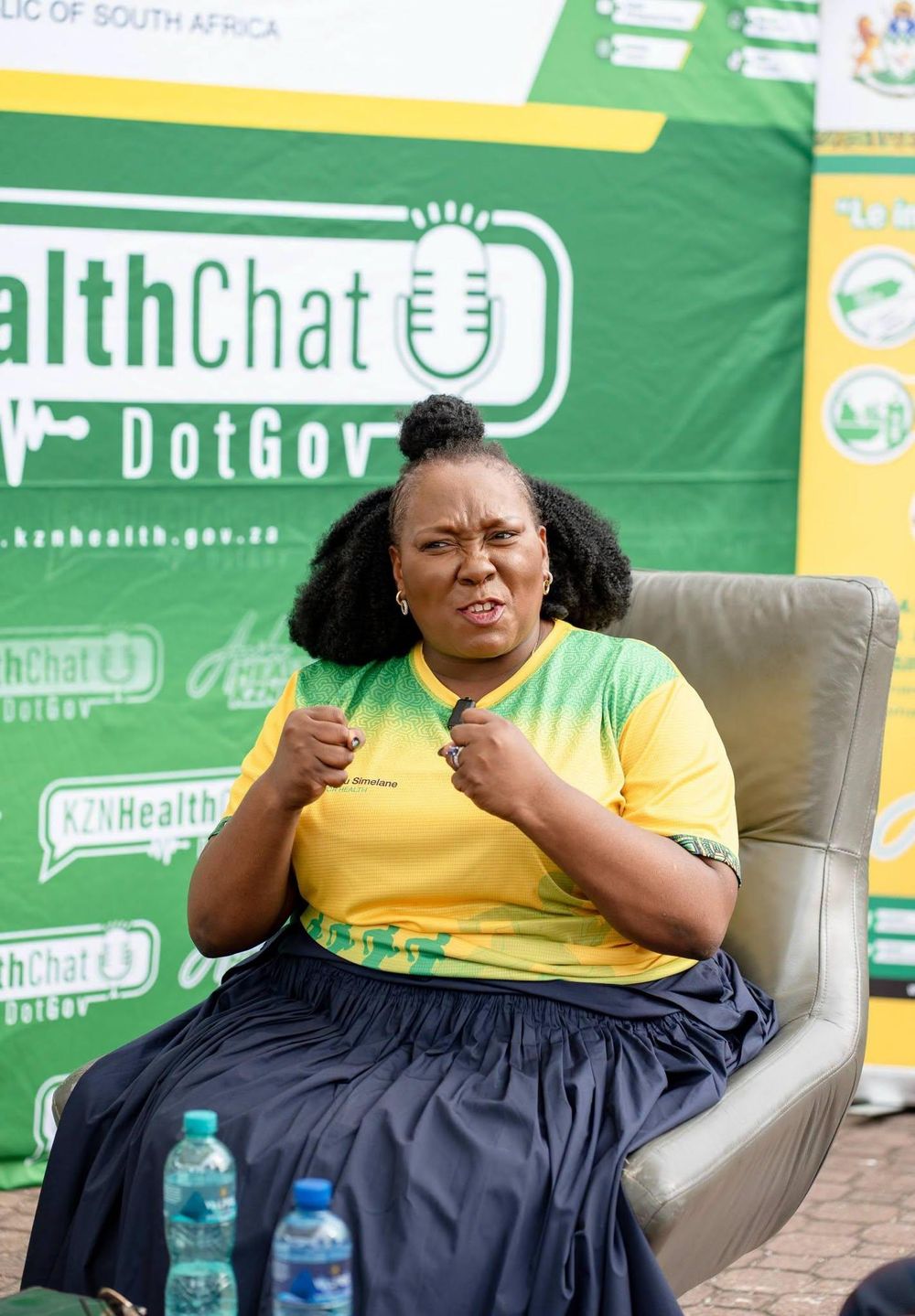
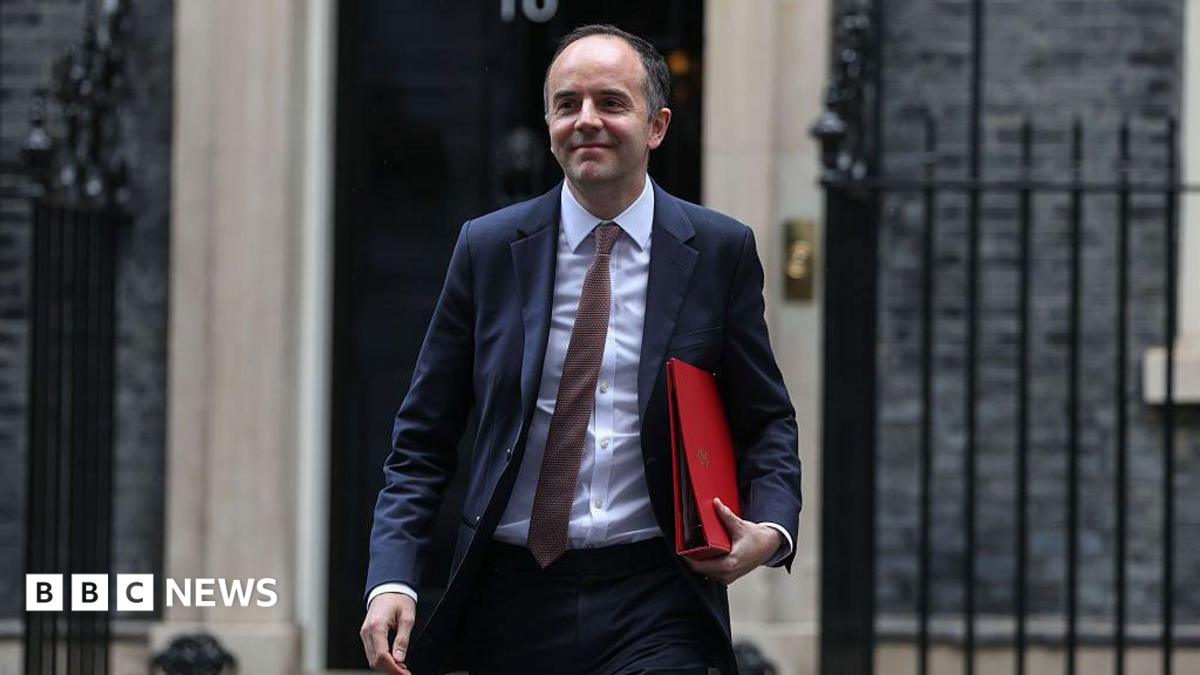
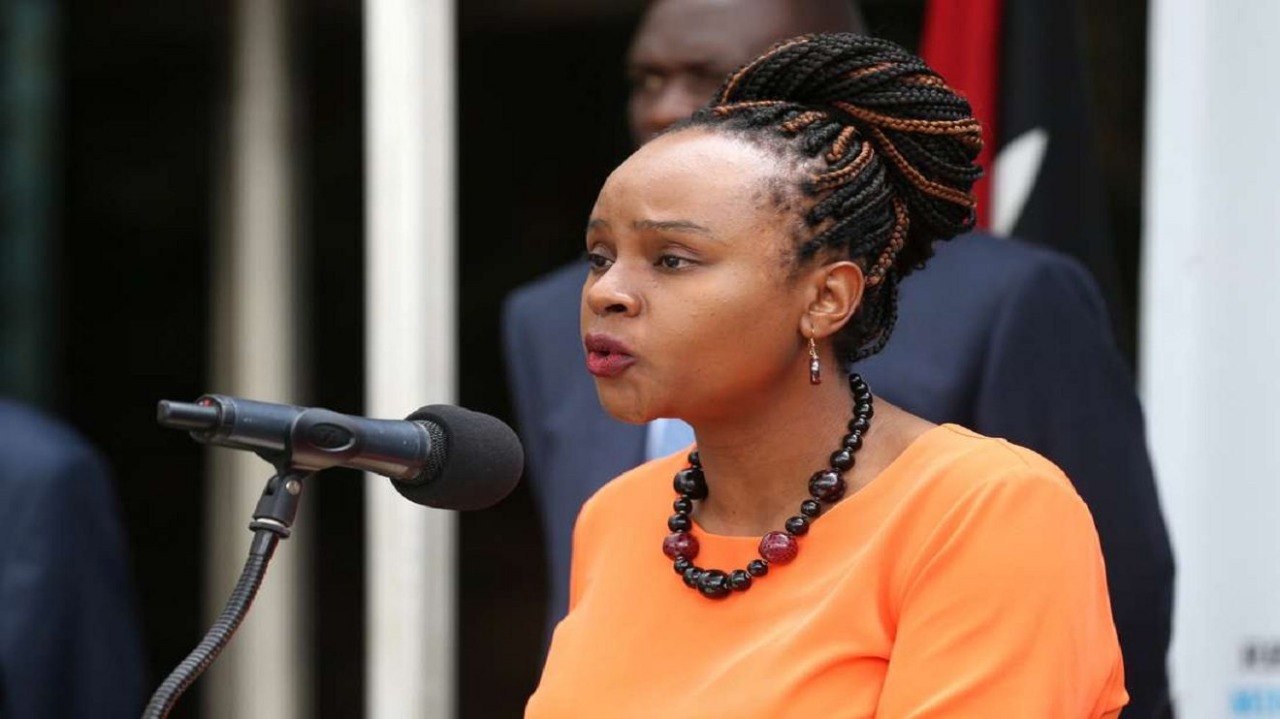
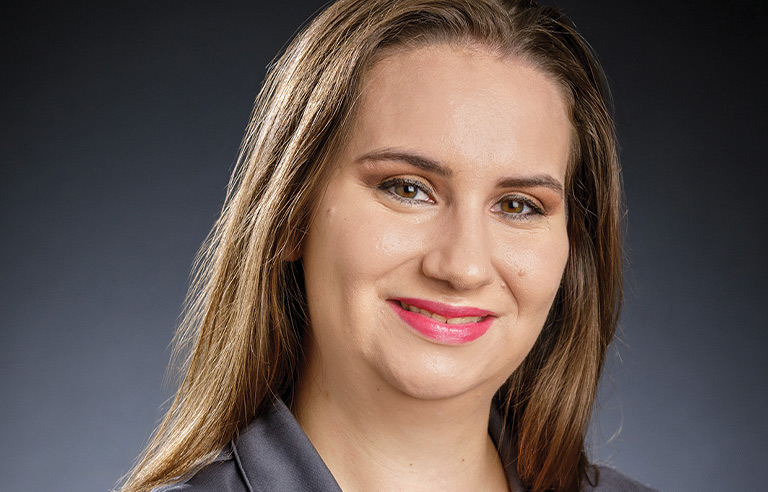
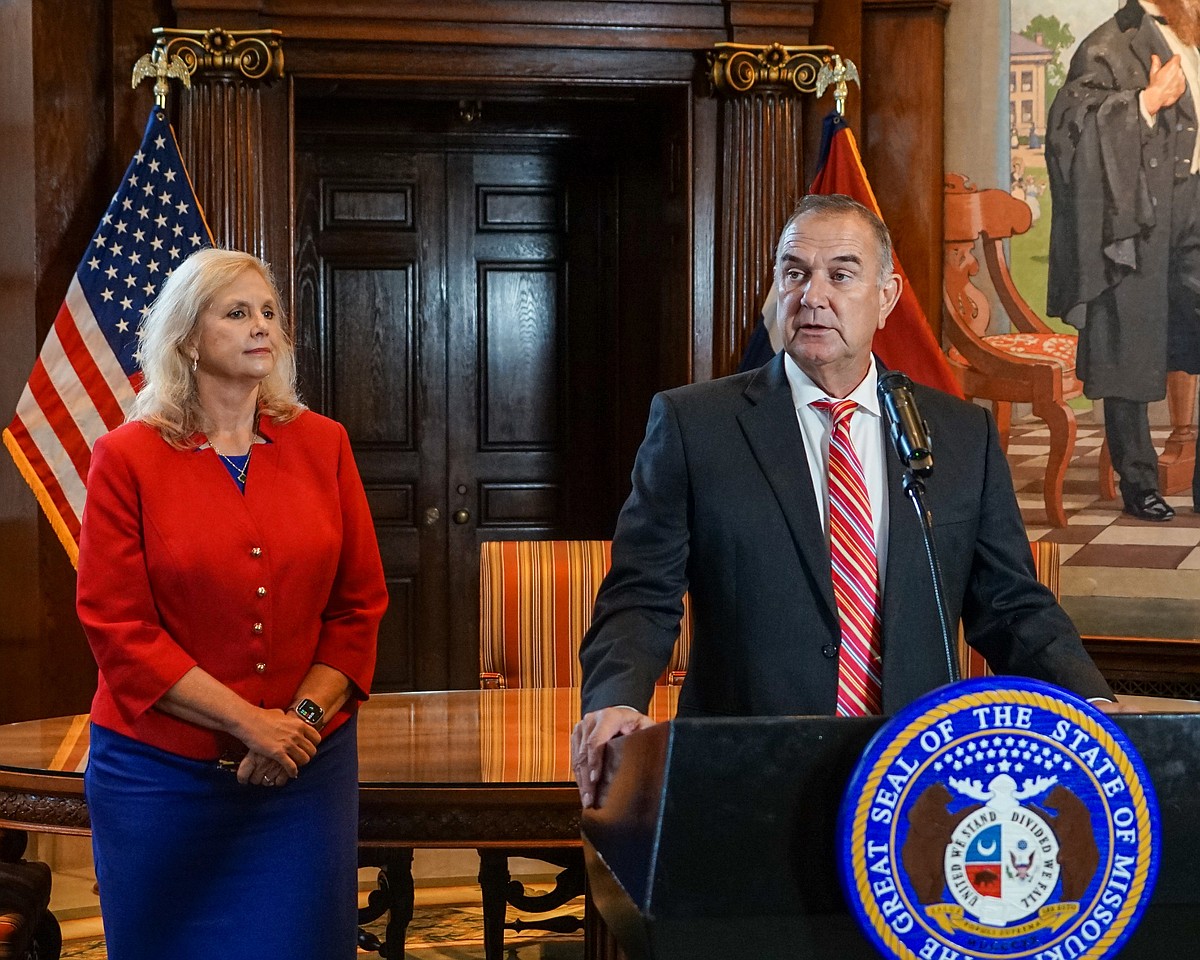
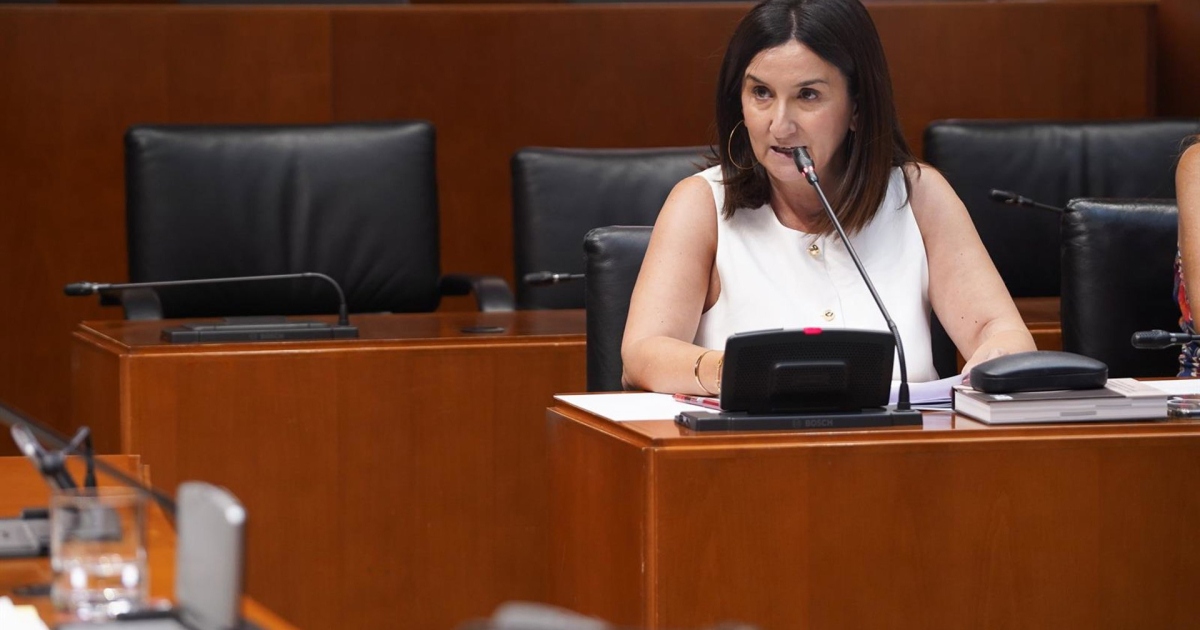
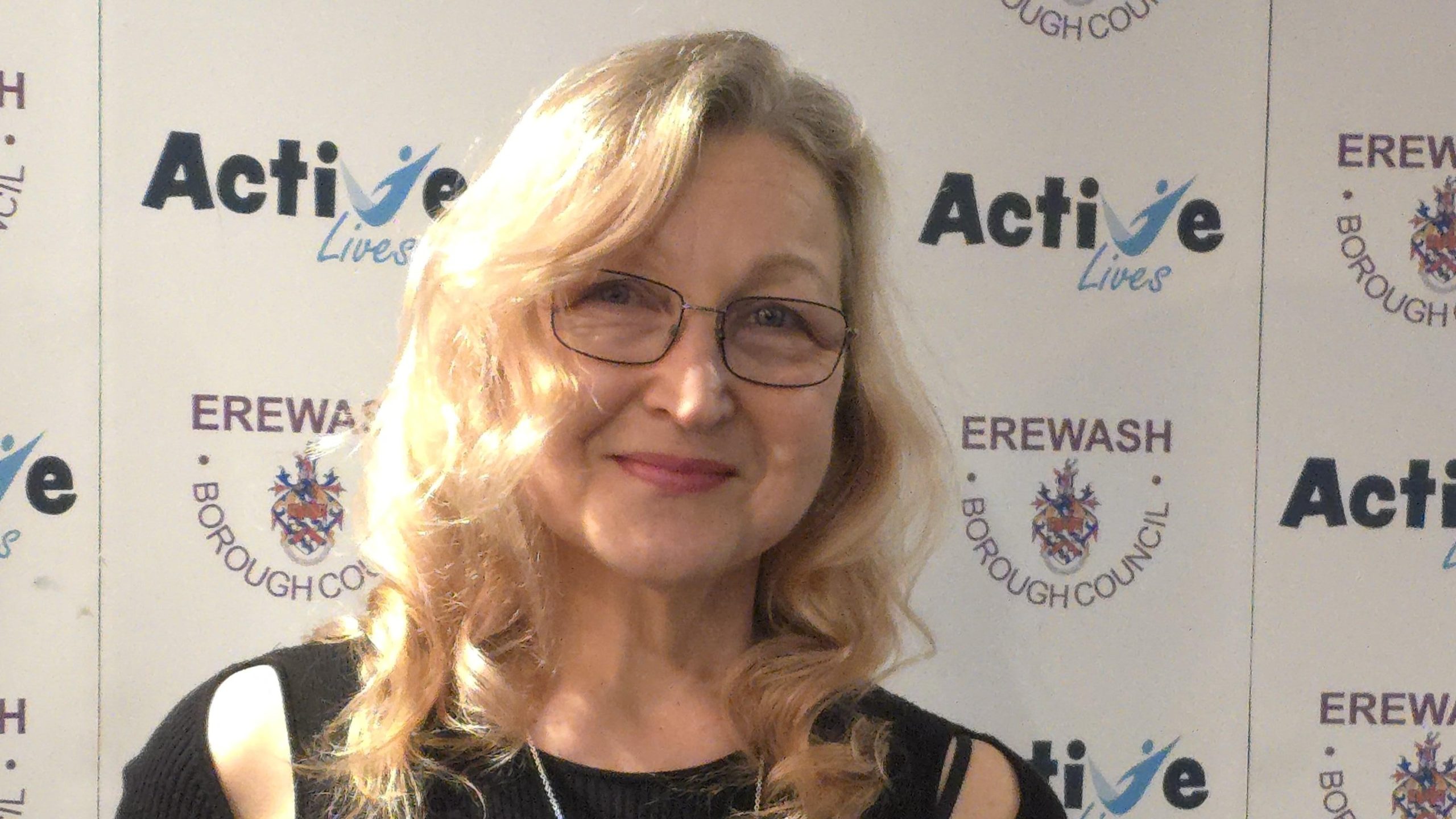
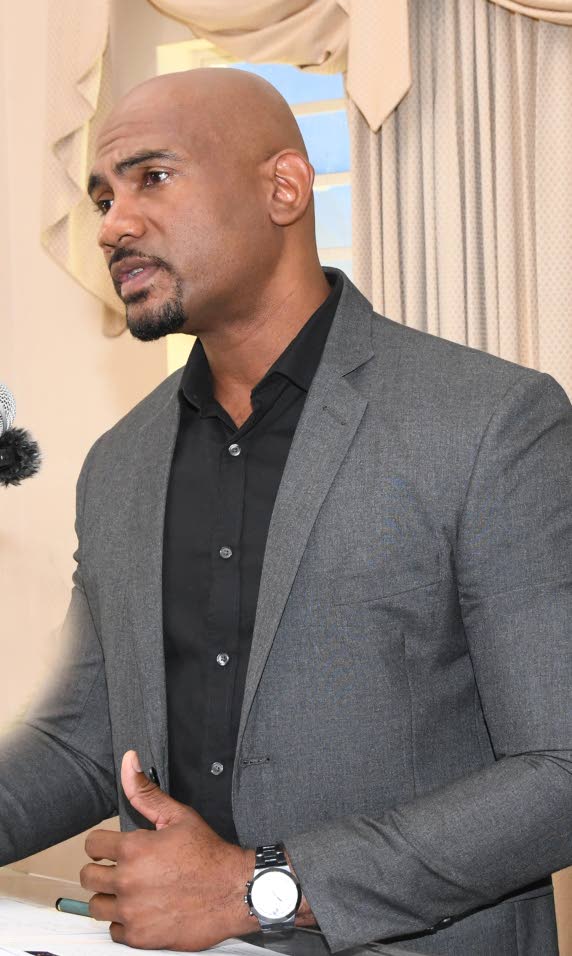
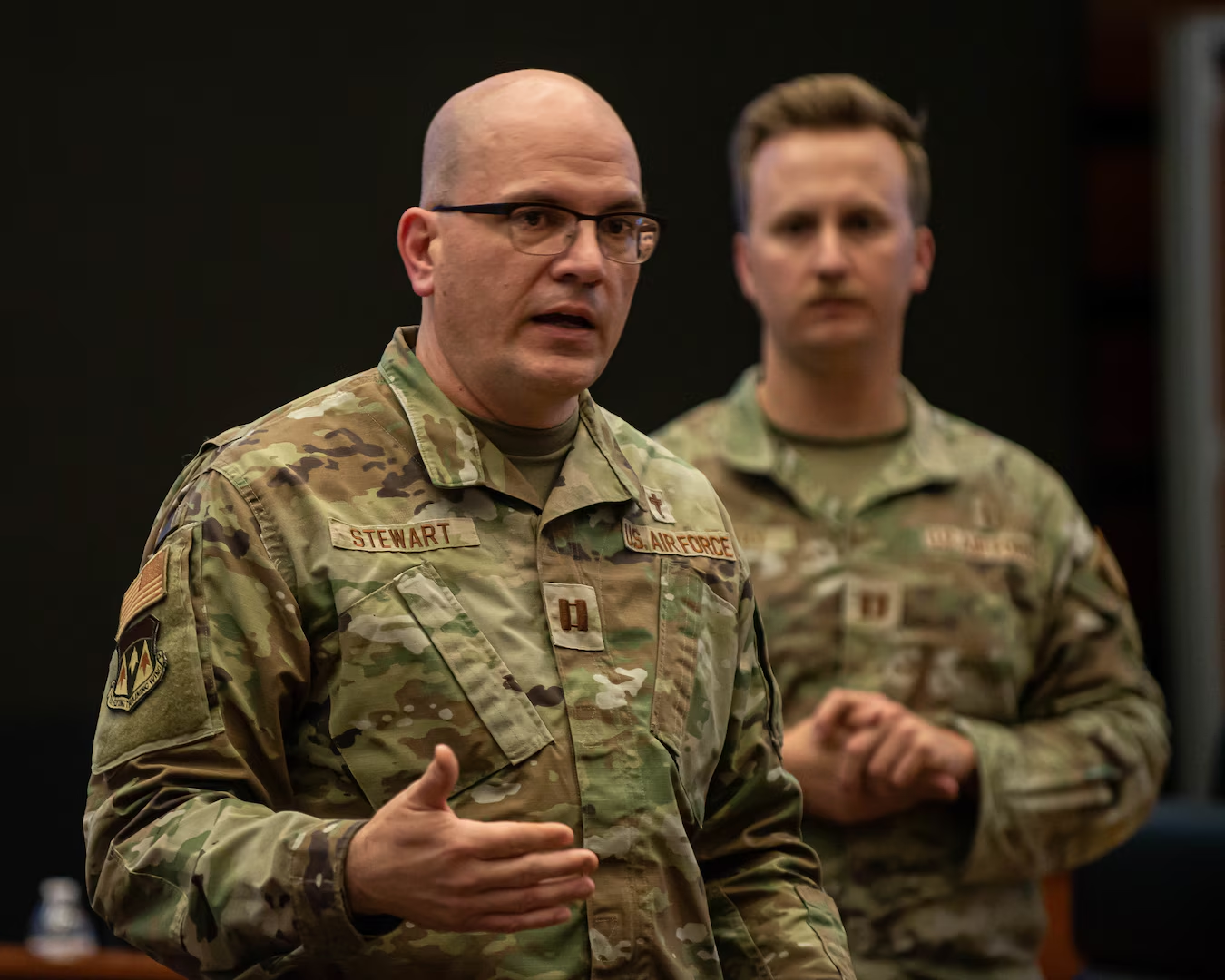
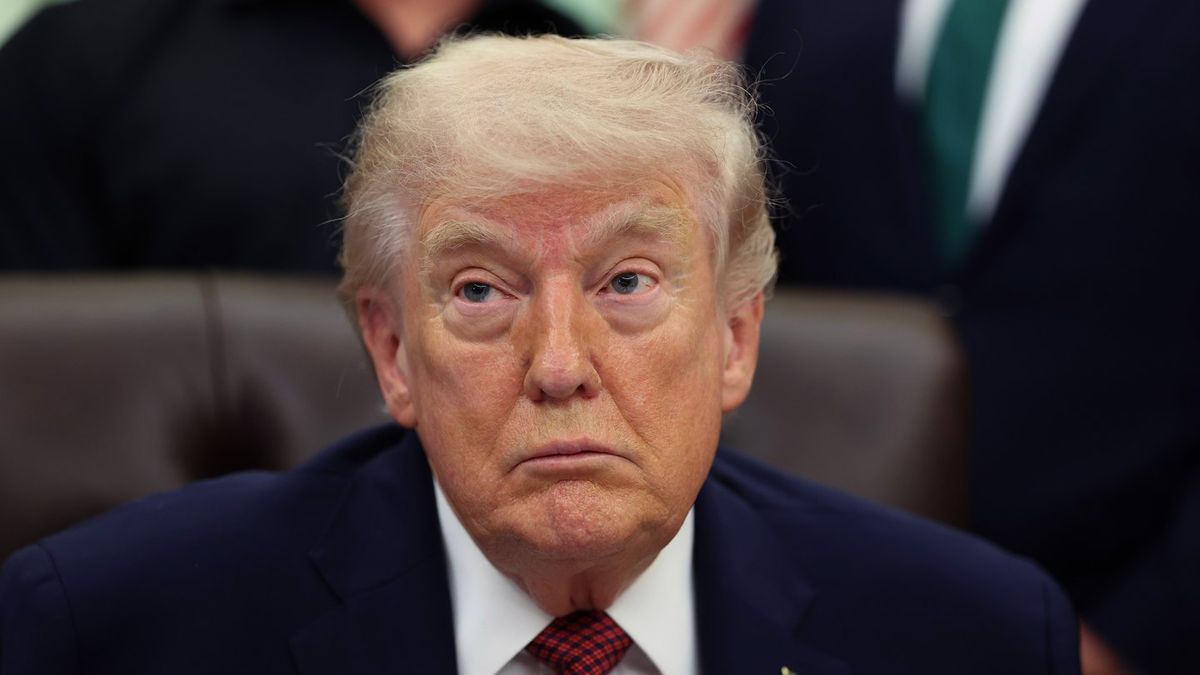
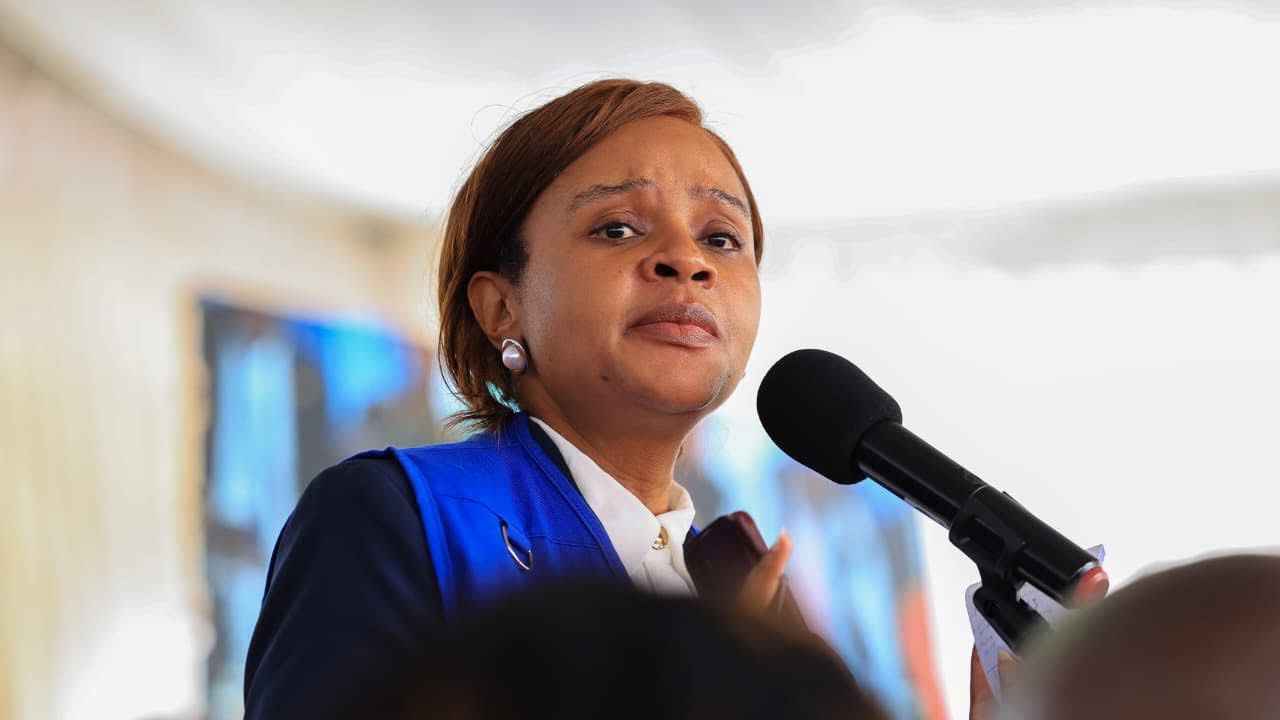
- Health and Social Services Minister Lesa Semmler in the NWT Assembly on February 18th. (Image: Assembly Livestream)
For these 57 children, we found that most significant requirements to support their connection with culture and family had not been met
Officials from the health and social services authorities explained to the Auditor General investigators that efforts were made to maintain children’s connections to family, community, and culture, but the efforts were not consistently documented because of “competing operational pressures, workload, and staffing vacancies.”
The health and social services authorities did not meet their obligations to inform a child’s Indigenous governing body of planned apprehensions and placements out of the home, as required by standards, stated the report.
“This requirement gives an Indigenous governing body, when one is in place, the opportunity to have its views considered before significant steps are taken. The Auditor General found that this was not done in four of the five files where it should have been completed.”
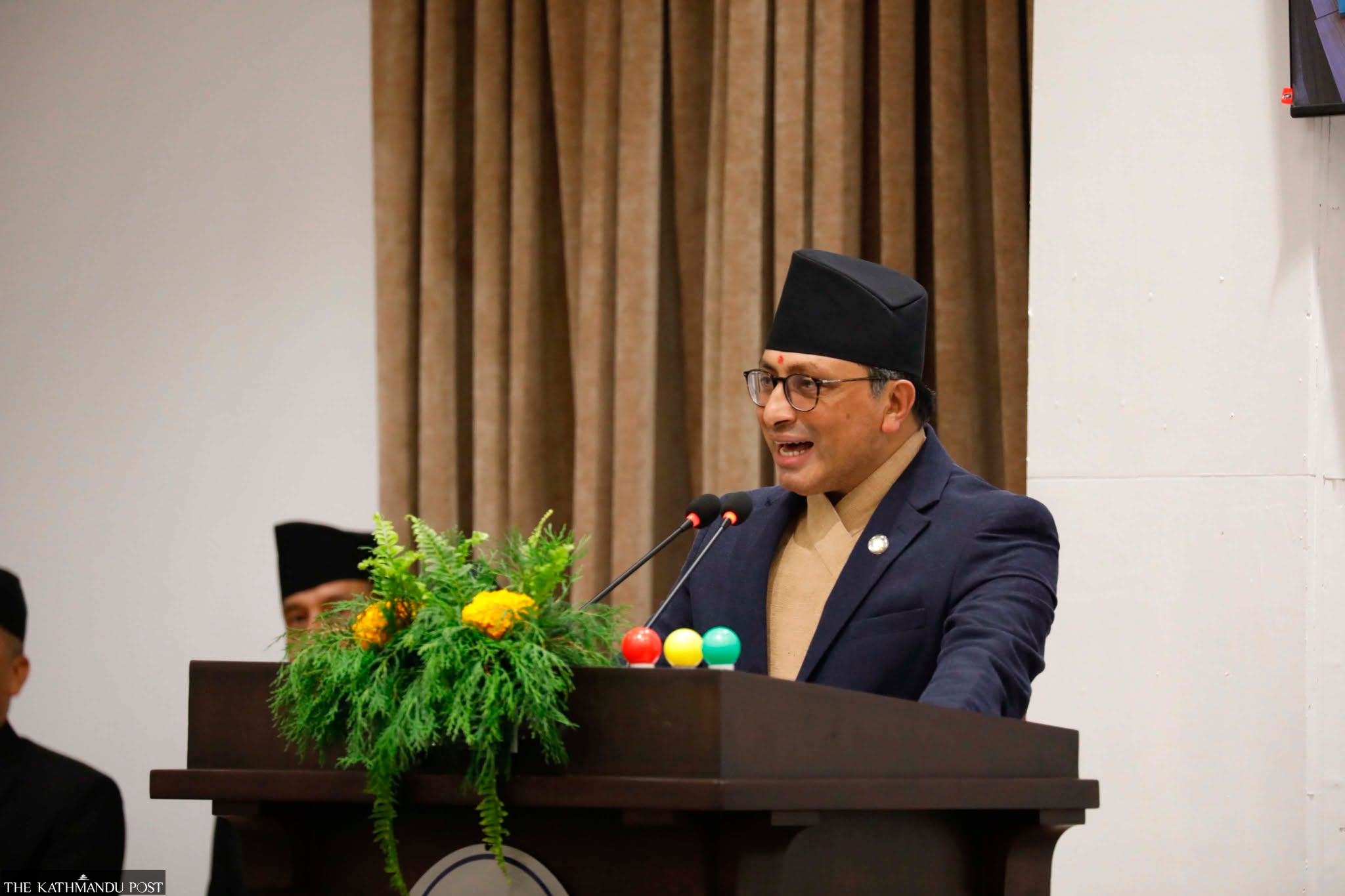
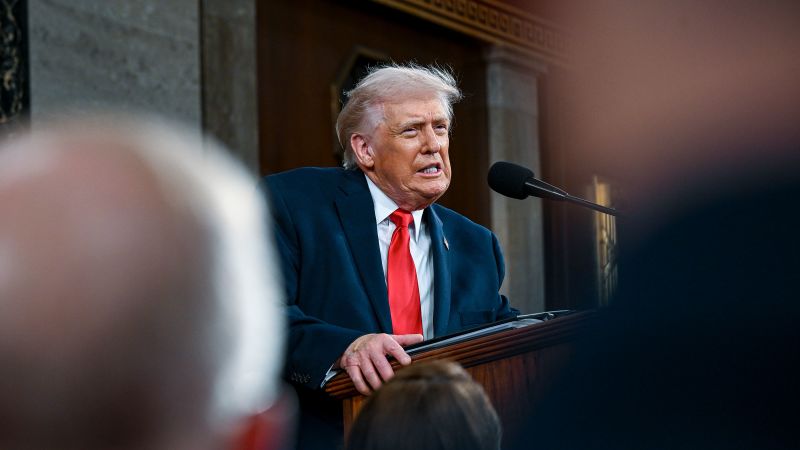
Minister of Health and Social Services Lesa Semmler stated in a release that the GNWT, “fully accepts” the Auditor General’s report and is committed to acting on” the four recommendations.
“It clearly identifies where we need to do better and reinforces the importance of consistent, measurable progress,” she said, adding the CFS system has undergone sustained quality improvement and system transformation,” in recent years.
“Our priority is to ensure the system better supports children, youth, and families now and into the future.”
The audit covered the period from April 1st, 2024, to August 31st, 2025.
The Auditor General made four recommendations related to Child and Family Services:
- Track and analyze compliance with key requirements of the Child and Family Services Act, its standards, and procedures and use this analysis to make improvements, including implementing targeted training for staff to address non‑compliance.
- Implement clear standards or procedures to ensure equitable distribution of financial support to foster care parents across the territory.
- Establish standards and procedures for the care of children living in a group setting and review existing arrangements to ensure compliance.
- Regularly assess the financial and human resources required to deliver services under the Child and Family Services Act, its standards, and procedures. This assessment should include ongoing workload analysis to accurately identify the resources needed to deliver culturally safe child and family services, considering recruitment, retention, and attrition trends.
NWT’s Health and Social Services three authorities:
1. Northwest Territories Health and Social Services Authority (NTHSSA)
This authority manages the delivery of health and social services across the territory, encompassing regional clinics, primary care, public health, and hospital operations (excluding the Tłı̨chǫ and Hay River regions). Core operating budget: $561.7 million.
2. Hay River Health and Social Services Authority (HRHSSA)
Operating independently from the NTHSSA, this authority provides integrated health and social services (including acute care, continuing care, and ambulatory care) for the Town of Hay River and surrounding areas. Core operating budget: $42.67 million.
3. Tłı̨chǫ Community Services Agency (TCSA)
This agency integrates health, social services, and education delivery for the Tłı̨chǫ communities of Behchokǫ̀, Gamèètì, Wekweètì, and Whatì. Core Health & Social Services. Budget: $29.57 million.
Key facts, findings by the Auditor General of Canada on NWT Child and Family Services:
The health and social services authorities received about 1,500 reports of
suspected maltreatment in each of the past 3 years, according to Child and
Family Services annual reports.
- According to the department’s 2024–2025 Annual Report of the Director
of Child and Family Services, 98% of the children receiving child and family
services in the Northwest Territories identified as Indigenous, despite
representing 58% of the overall child population in the territory. - A lack of standards for reimbursing foster care costs led to inconsistencies
across regions and health and social services authorities, creating a potential
for real or perceived unfairness and favouritism. - While the department set a goal of 11 active cases per child protection worker,
on average 75% of all child protection workers had more than 11 active cases.