The DWP has confirmed major PIP health assessment changes, extending review periods to a minimum of three years — and up to five years — for nearly four million claimants

People getting Personal Independence Payments (PIP) will see a key change under new regulations(Image: mrdoomits via Getty Images)
Nearly four million recipients of Personal Independence Payment (PIP) are set to experience a significant change under new rules extending the time between health assessments. The Department for Work and Pensions (DWP) has confirmed that review periods will now be set at a minimum of three years, rising to five years for those who remain eligible.
The changes are expected to deliver savings of roughly £300million, with approximately £230million coming from existing claimants.
Government officials say the reforms will allow healthcare professionals to focus on reducing backlogs while easing pressure on disabled people whose conditions are unlikely to change.
The updated regulations came into force on April 6 and apply to most new claimants aged 25 and over.
Under the new framework, initial reviews will take place no earlier than three years after an award is made, with subsequent reviews occurring at least five years after that, reports Chronicle Live.
Longer review periods have already begun to be applied to a number of new claims.
PIP is the principal disability benefit for working-age adults and is assessed according to how a condition affects daily life, rather than the diagnosis itself.
Since 2016 in England and Wales, almost 60 per cent of award reviews have resulted in no alteration. Disabilities minister Sir Stephen Timms stated: “A major part of this is ensuring that PIP is fit and fair for the future and we are taking an important step to improve the system through new legislation, which will reduce the frequency of reviews for many existing PIP customers.”
He suggested the reforms would boost efficiency by allowing assessors to focus on the inherited backlog while reducing unnecessary anxiety for those making claims.
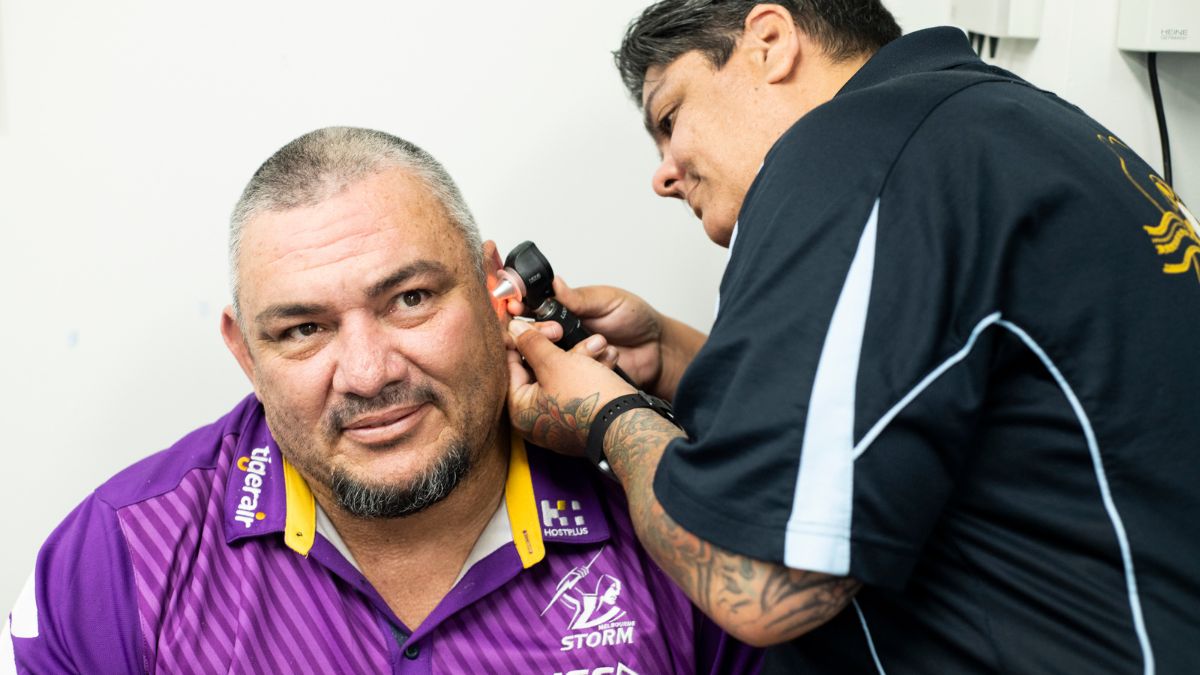
He further confirmed that in-person assessments are being expanded, increasing from six per cent of all assessments in 2024 to 30 per cent.
Landmark new legislation has taken effect that will significantly affect those receiving Personal Independence Payment (PIP), Universal Credit and new style Employment and Support Allowance (ESA). The UK Government’s “Right to Try” legislation, which allows disabled benefit recipients to pursue employment without immediately losing their entitlements, came into force last week.
During a Commons statement last week, Minister for Social Security and Disability Sir Stephen Timms explained how the new rules will function. Responding to two parliamentary questions concerning how disabled individuals can explore work opportunities without automatically triggering a benefits reassessment, he confirmed the scheme allows people to seek employment while retaining their existing support. He stated: “We are determined that disabled people should have the confidence to try work. People claiming universal credit, new style employment support allowance and personal independence payment can take steps towards employment and be confident that doing so will not automatically trigger benefit reassessment.
Labour MP Ben Coleman replied: “I thank the Minister for that positive answer. Could he reassure my disabled constituents under the age of 22, many of whom are in education and low-paid work, that they will not lose their universal credit health payments? This financial support is vital to helping young disabled people, because they face the greatest barriers to work. Does he share my concern that removing it could push them further away from employment and deeper into poverty? Has an assessment been made of the impact on poverty of removing that support?”
Sir Stephen responded: “There is an urgent need to address the big rise in the number of young people not in work, education or training that took place before the last general election. We think that better support might help young people more than extra cash. Alan Milburn’s review on the NEET problem more broadly will report in September; we will wait until then to decide whether to delay access to the universal credit health element until the age of 22. If we did do that, there would need to be exceptions.”