The latest innovations in healthcare, including an AI drug discovery tool, digital GP access, an AI interpreter, a new MRI suite in Birmingham, CQC ratings and menopause accreditation.
Medicines for Malaria Venture and deepmirror launch AI drug discovery platform
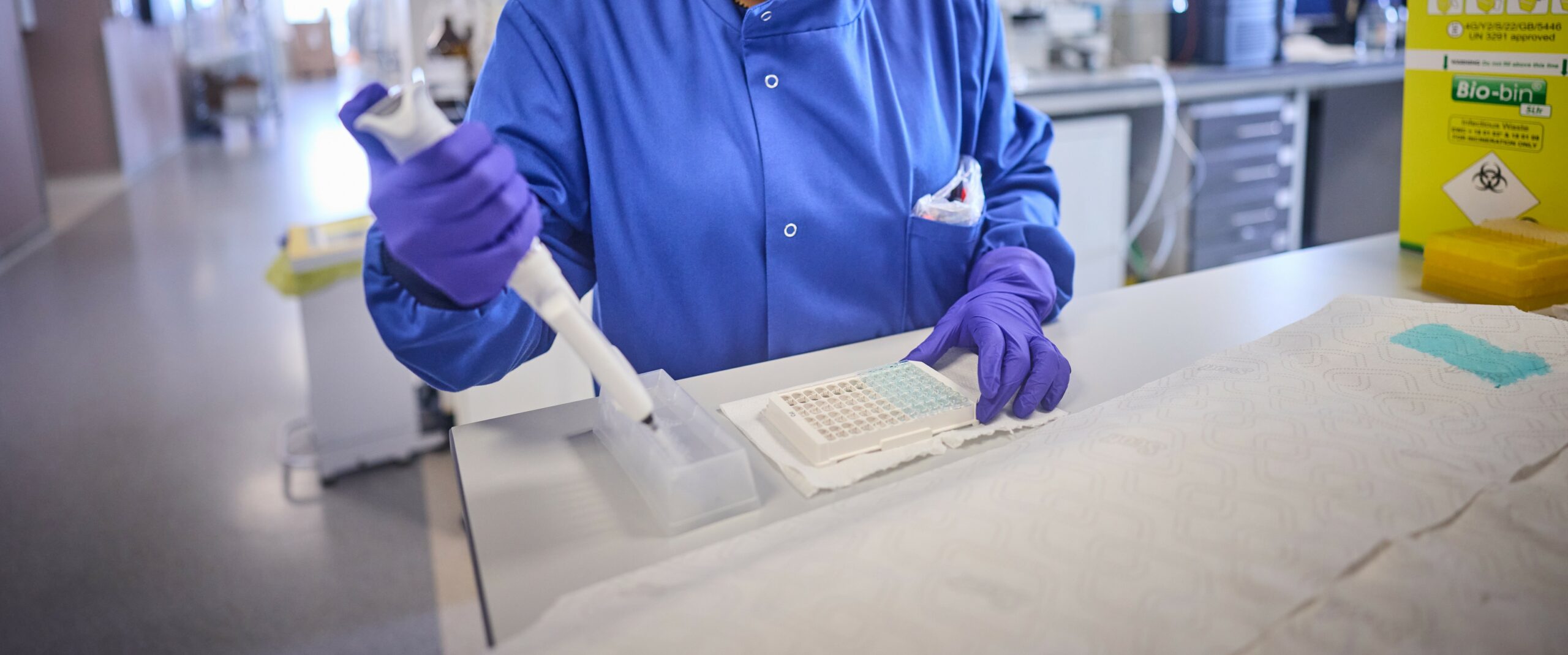
Medicines for Malaria Venture (MMV) and deepmirror have launched Drug Design for Global Health (dd4gh), an open-access AI platform designed to accelerate the discovery of treatments for diseases such as malaria and tuberculosis. Funded in part by the Gates Foundation, the tool is available free of charge to eligible researchers in low- and middle-income countries. By providing advanced predictive and generative AI capabilities, the platform aims to remove the financial barriers that often prevent scientists in resource-limited settings from accessing cutting-edge drug discovery technology.
The dd4gh platform was co-created with researchers in Ghana and Switzerland to ensure it meets the specific needs of scientists tackling high-burden diseases. It employs active learning – a machine learning technique that continuously improves predictions as new data is added – to help researchers identify the most promising chemical compounds. This approach has the potential to reduce the time and costs associated with traditional drug hunting, allowing scientists to focus on the most viable treatment candidates.
“At a time when the global health sector is facing significant constraints, dd4gh demonstrates the power of partnership,” said Martin Fitchet, chief executive officer of MMV. Max Jakobs, co-founder and chief executive of deepmirror, added that the goal is to ensure access to advanced AI does not depend on a laboratory’s resources, enabling scientists everywhere to develop treatments that directly benefit their own communities.
Beta testers have praised the platform’s user-friendly interface and its ability to generate chemically sound compound designs, marking a transformative step for African-led research.

Word360 launches AI interpreter
Birmingham-based technology partner Word360 has announced the launch of Wondaa, a healthcare-specific AI interpreter app designed to support real-time communication between clinicians and patients.
Developed to address the needs of the approximately 1 million people in the UK who struggle with English, Wondaa provides two-way voice translation in over 100 languages. The platform is specifically intended for what it calls “conversations that should happen but don’t”, like routine interactions, such as welcoming patients or managing appointments, which often face delays when waiting for a professional interpreter.
Unlike standard consumer translation tools, Wondaa features clinically developed phrase libraries created in collaboration with healthcare professionals. These phrase packs cover critical scenarios, including maternity and emergency settings, and support structured communication requirements like Martha’s Rule. The app operates within a secure infrastructure built to NHS governance standards and allows staff to escalate directly to a qualified human interpreter for complex, emotional, or high-risk clinical conversations.
“Good communication is fundamental to patient safety, care quality and trust,” said Garry Perry, associate director at Walsall Healthcare NHS Trust, which supported the app’s development.
While AI handles routine exchanges, professional interpreters remain central to the patient pathway.
Kry Livi and HA|Wisdom Wellbeing partner for digital GP access
Digital healthcare leader Kry Livi has partnered with HA|Wisdom Wellbeing, the UK’s largest employee assistance programme (EAP) provider, to integrate virtual GP services into its “Wisdom Super Care” package.
The initiative provides more than 16 million people across the UK and Ireland with the ability to book GP consultations via the Livi app. This service joins HA|Wisdom Wellbeing’s existing suite of mental health, menopause and counselling support currently delivered to more than 90,000 organisations.
The partnership arrives as NHS data reveals that 5 million patients in England wait more than two weeks for a GP appointment, an 18% increase since 2020. Research from the IPPR further indicates that employee sickness costs the UK economy £103 billion a year, with £25 billion of that total driven by presenteeism, where staff work through illness due to a lack of timely medical intervention. By removing the need for separate subscriptions or referrals, the new pathway aims to provide early intervention at scale.
“Five million people waiting over a fortnight to see their GP is not just a health crisis, it is a productivity crisis,” said Jamie Griffin, head of commercial at Kry Livi UK. Bertrand Stern-Gillet, chief executive of HA|Wisdom Wellbeing, added that the move represents a natural evolution of their mission to support the “whole person” by bridging the gap between mental health support and physical primary care.
The service is available immediately to eligible individuals and their dependents across the HA|Wisdom Wellbeing network.
Practice Plus Group opens new MRI suite in Birmingham
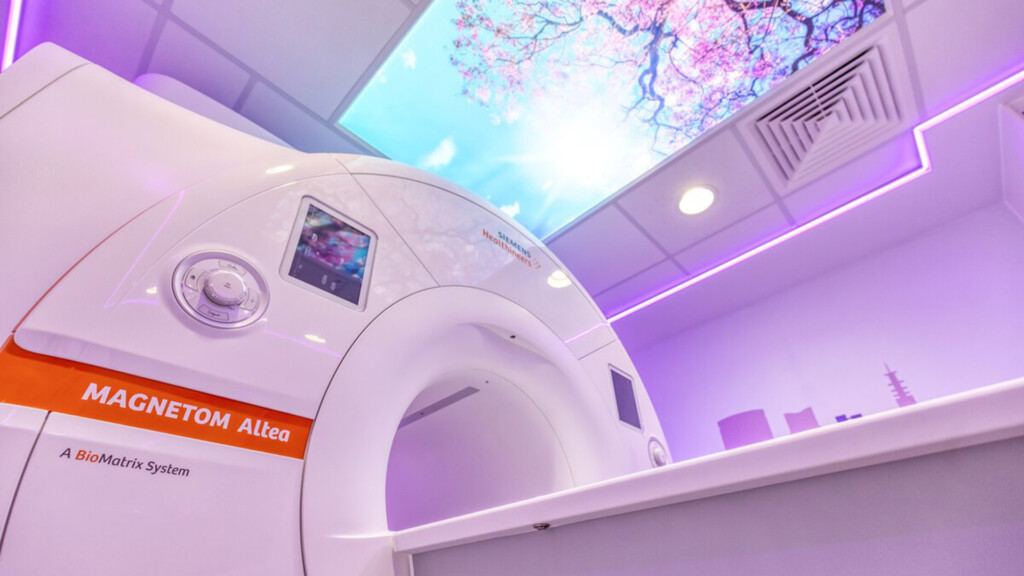
Practice Plus Group has opened a new modular MRI suite at its Birmingham hospital, significantly increasing diagnostic capacity for both NHS and private patients across the West Midlands.
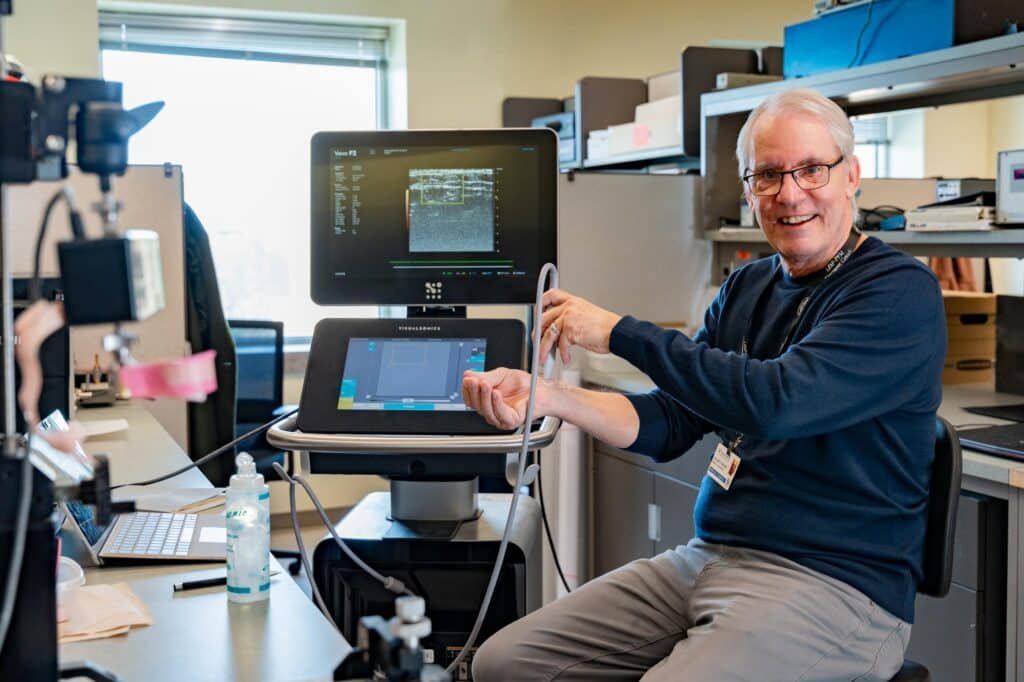
The facility, integrated into the existing hospital in Edgbaston, features a Siemens Magnetom Altea MRI scanner equipped with AI-enabled imaging. The new suite is expected to deliver approximately 60 scans per month, with private patients typically seen within two weeks and results returned within 48 hours.
The facility was delivered in partnership with Imaging Matters and Assura using Modern Methods of Construction (MMC). Built off-site and installed as a continuous extension, the modular approach allowed the project to be completed in a shorter timeframe, ensuring that critical scanning capacity could be brought online sooner to support regional waiting list pressures. The scanner includes a wider bore design and what is called deep resolve AI technology to improve image clarity and provide a more comfortable experience for anxious or claustrophobic patients.
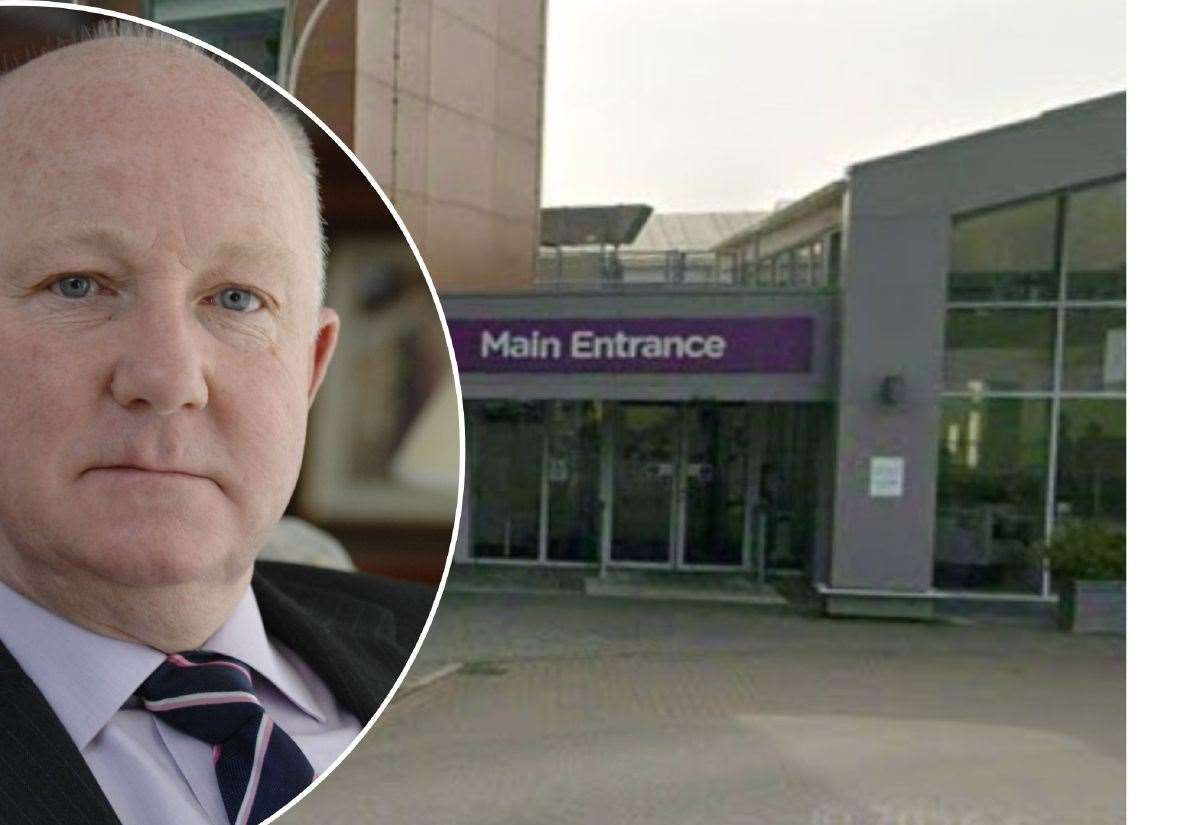
“By expanding access to fast, reliable diagnostics, we can support earlier diagnosis, reduce waiting times, and help all patients move quickly and confidently through to the treatment they need,” said Samantha Doubleday, hospital director at Practice Plus Group Hospital, Birmingham.
Manchester Diagnostic Suite achieves ‘Outstanding’ CQC rating
The Manchester Diagnostic Suite, operated by Nuffield Health, has been awarded the highest possible ‘Outstanding’ rating by the Care Quality Commission (CQC). Located at Citylabs 1.0, the specialist centre provides imaging for approximately 10,000 patients every year, ranging from performance athletes to NHS patients on complex cardiac pathways.
The inspectors highlighted the facility as being exceptionally “well-led” and “effective,” noting that patients consistently reported feeling like “VIPs” from the moment they arrived.
The suite plays a critical role in addressing regional backlogs, with recent data showing that more than 200,000 people in the North West are currently waiting for diagnostic imaging. By working closely with local NHS hospitals, the centre provides essential additional capacity to reduce waiting lists for heart conditions and other vital screenings. The facility also serves as a hub for medical assessments for travel visas and supports elite sports medicine in conjunction with the Manchester Institute of Health and Performance.
“This achievement reflects the compassion, expertise and exceptional care offered to every patient who walks through the doors,” said Manish Motwani, consultant cardiologist at the suite.
The top rating comes as Nuffield Health prepares to enhance the site further with AI-enabled imaging upgrades, part of a broader £200 million national investment in partnership with GE HealthCare.

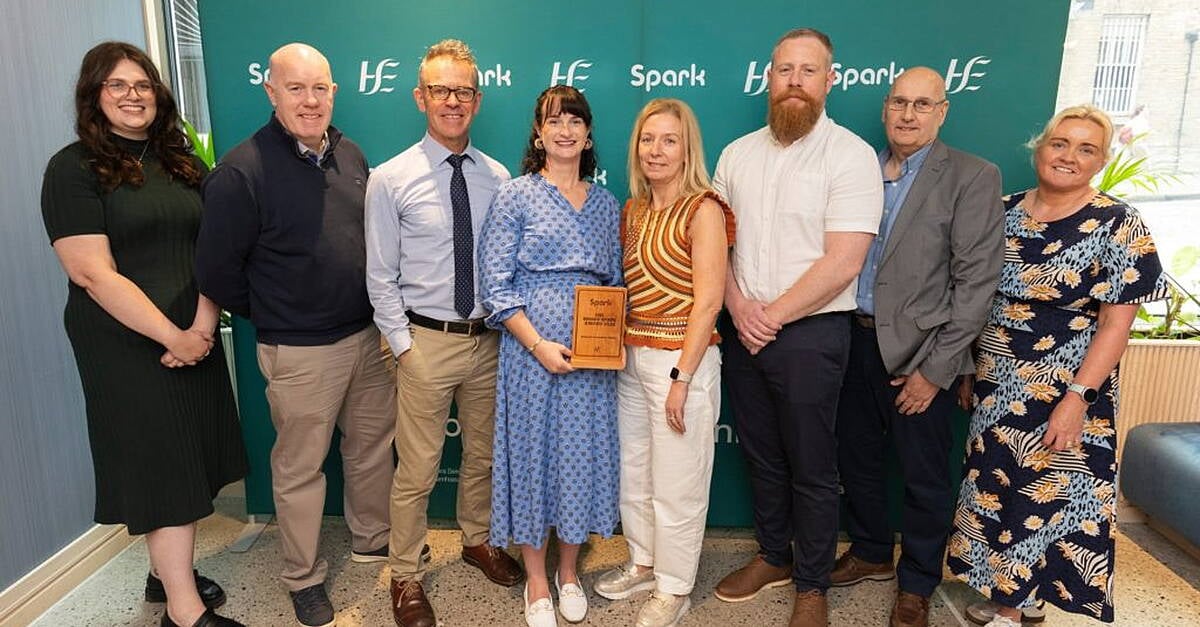
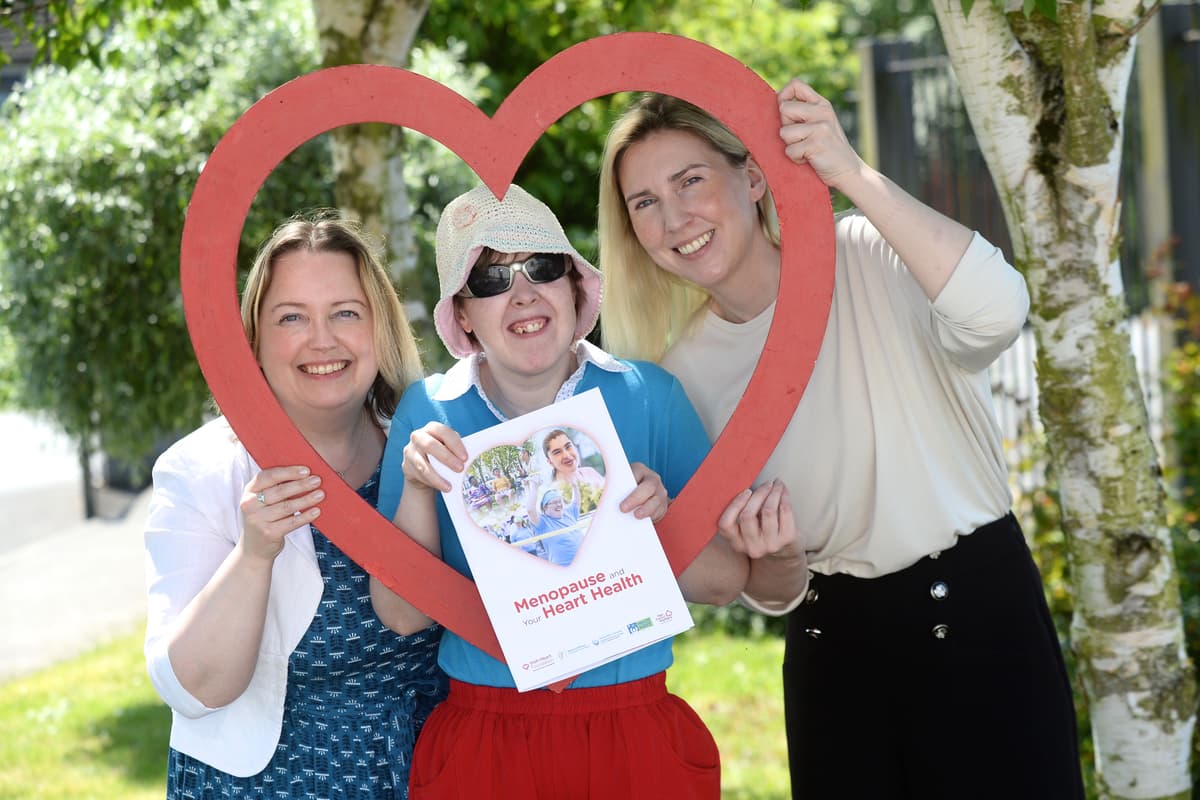
Cera achieves Menopause Friendly Accreditation
Cera, the UK’s largest domiciliary care provider, has become the first organisation in the home care sector to earn the Menopause Friendly Accreditation. In a sector where 81% of the workforce are women, menopause is increasingly recognised as a “silent contributor” to staff turnover. With the adult social care sector currently facing 111,000 vacancies, Cera’s initiative aims to retain skilled frontline carers by fostering an inclusive environment that supports employees through every stage of their lives.
The accreditation, awarded by Henpicked: Menopause in the Workplace, followed an assessment of Cera’s culture, policies, training and working environment. Key initiatives include the appointment of Menopause Champions, mandatory e-learning for all 12,000 staff members, and practical workplace adjustments such as flexible working and uniform adaptations. Currently, more than a quarter of Cera’s workforce falls within the age bracket most commonly associated with menopause, making this a strategic priority for long-term staff retention.
“With growing workforce shortages affecting adult social care, retaining our most skilled and experienced frontline carers is a national priority,” said Annabel Taylor, chief people officer at Cera. By investing in these support structures, Cera hopes to reduce recruitment costs while ensuring experienced carers remain in the community to support an ageing population.