“Gaza Water Authority”: Environmental Situation Is Facing Unprecedented Disaster
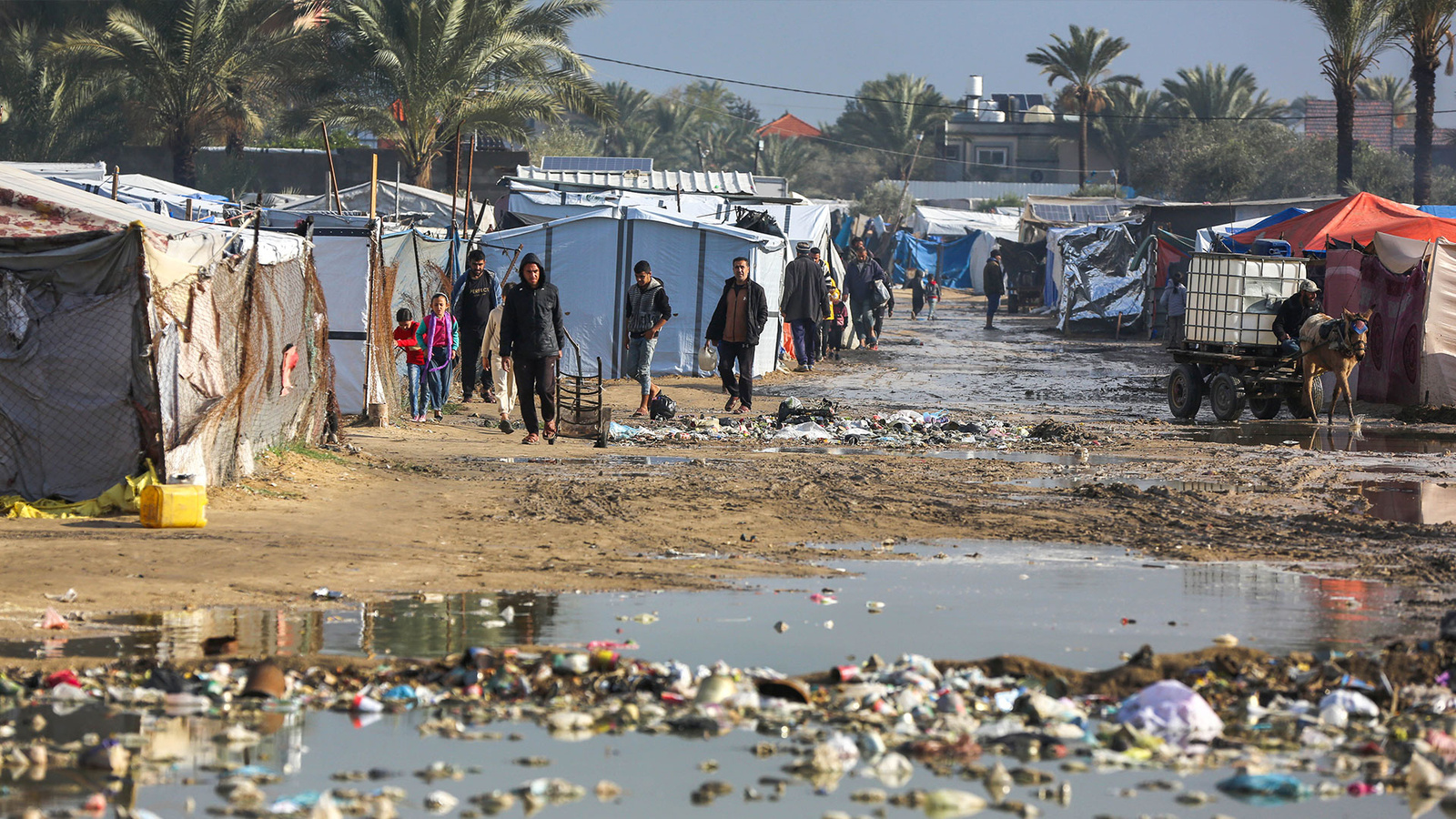
The Palestinian Water Authority in Gaza issued a distress call on Sunday to address what it described as the “triangle of danger”—the spread of rodents, a collapsed sewage system, and a lack of medical care—affirming that the environmental situation is facing an unprecedented disaster.
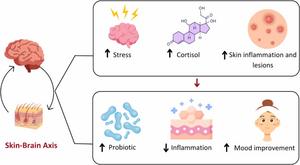
Saadi Ali, the Water Authority’s project director, revealed in press statements that more than 70% of the children examined during visits to camps in Gaza and Khan Yunis—conducted in coordination with UNICEF—suffer from skin ulcers and lesions caused by the severely polluted environment, according to the Palestinian news agency “Sanad.”
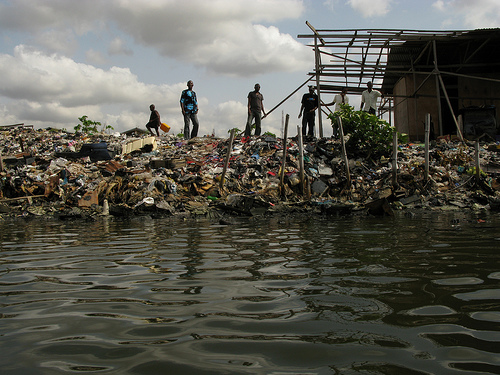
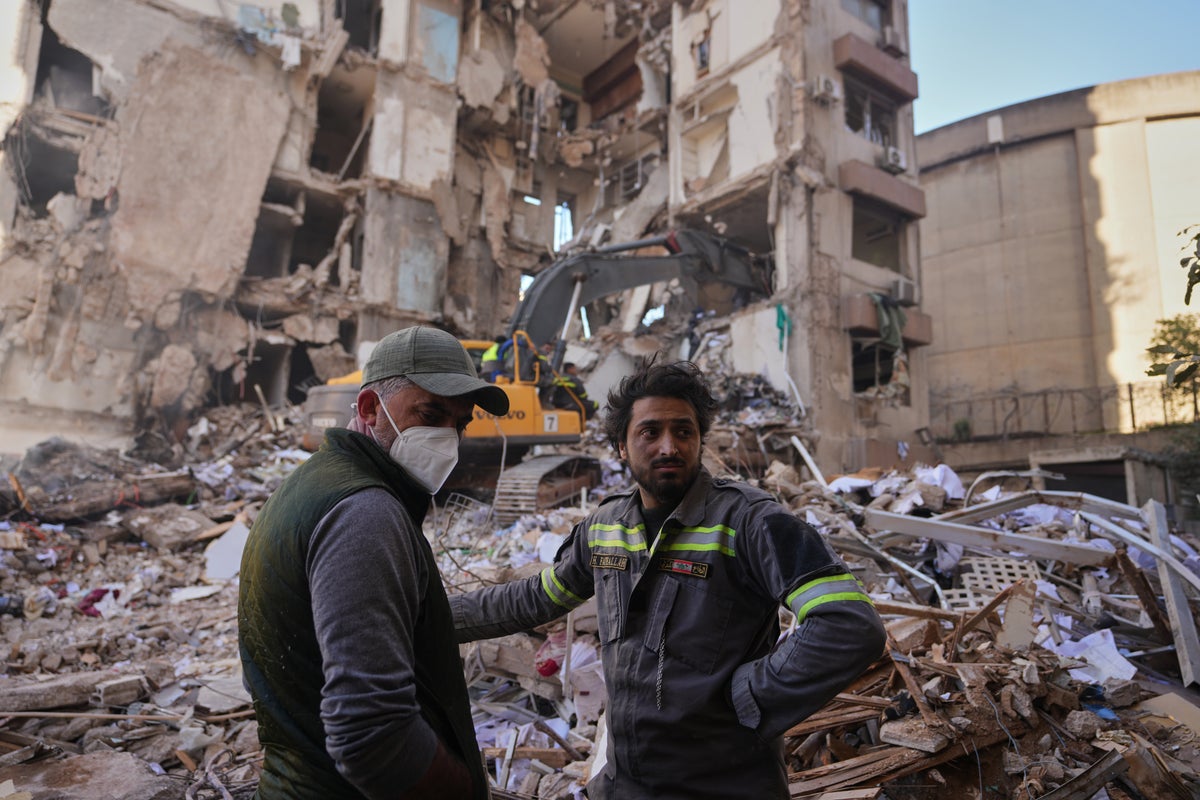
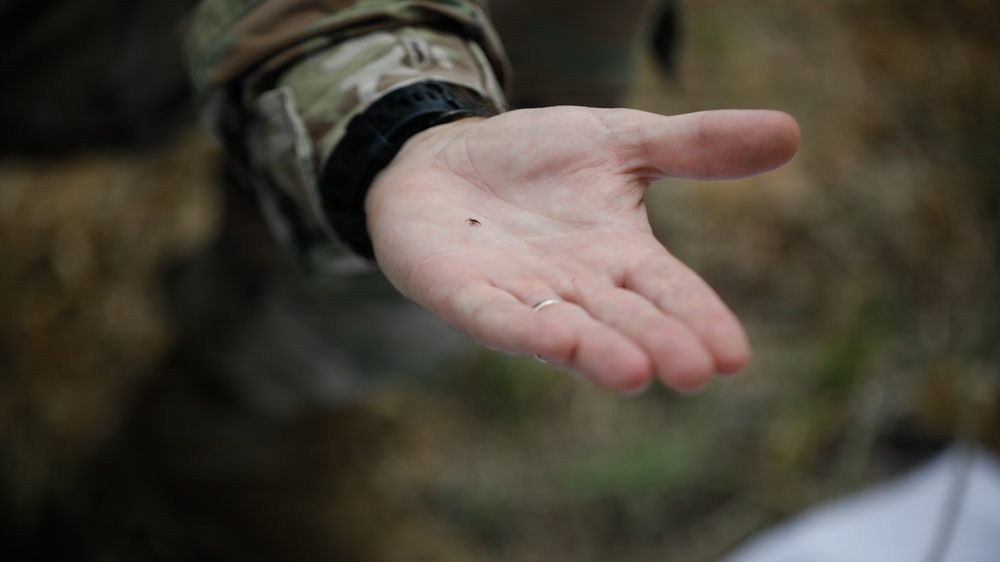
Ali reported that the piles of rubble and debris have led to a terrifying proliferation of rats and mice, which are now appearing in unusually large numbers and attacking children in broad daylight, amid serious fears of an outbreak of deadly historical epidemics such as the plague.
He also noted that the enemy’s ban on bringing in pipes and refinery equipment has prevented a resolution to the crisis, forcing farmers and displaced persons to rely on primitive absorption pits that constantly overflow among the shelter tents.
Regarding the state of the medical system, he warned that clinics are facing a shortage of appropriate medications for skin diseases, alongside a near-complete shutdown of medical laboratories due to the depletion of chemicals and precision equipment needed to diagnose epidemics.
Ali held the international community and humanitarian organizations directly responsible for this deterioration due to their silence regarding the continued closure of the crossings, stressing the need for immediate intervention to salvage what can be salvaged and to bring in logistical and medical supplies for the environmental, health, and water sectors.
Displacement camps in the Gaza Strip are facing a worsening humanitarian crisis with a widespread infestation of rodents inside overcrowded tents, leading to reported cases of direct attacks on children while they sleep, amid deteriorating health and living conditions.
Earlier, UNRWA warned of deteriorating health conditions in the Gaza Strip due to an increase in cases of skin infections resulting from the spread of rats and insects, amid a severe shortage of the medicines needed to curb their spread.
The World Health Organization had previously announced that more than 17,000 cases linked to rodents and external parasites had been recorded among displaced persons in the Gaza Strip since the beginning of this year, amid deteriorating health and humanitarian conditions.
It noted that “the dangerous conditions in Gaza continue to hinder recovery efforts,” pointing to rising infection rates among families at a time when the health sector lacks the supplies and tools needed to respond.
It estimated the damage to the health sector alone at approximately $1.4 billion, explaining that more than 1,800 health facilities have been partially or completely destroyed, ranging from major hospitals such as Al-Shifa Hospital in Gaza City to smaller primary health care centers, clinics, pharmacies, and laboratories.