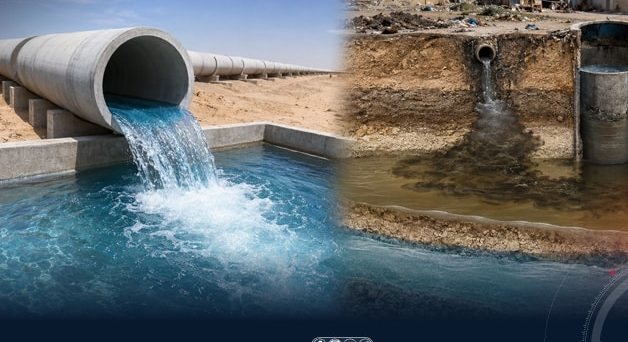
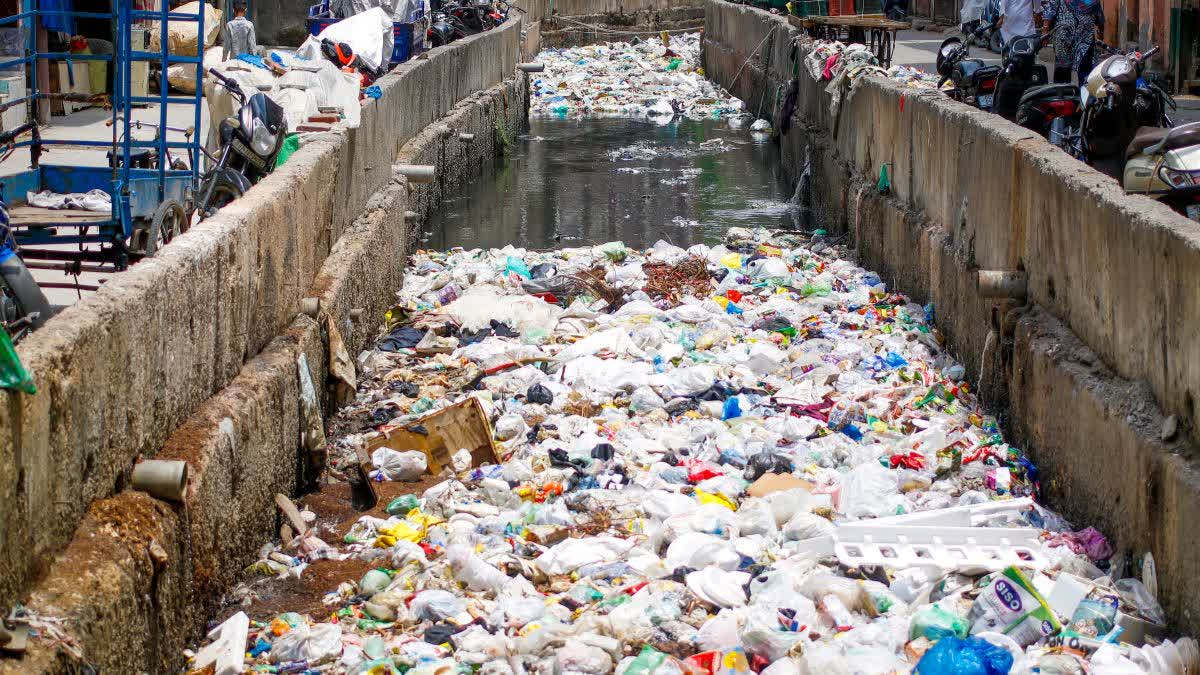
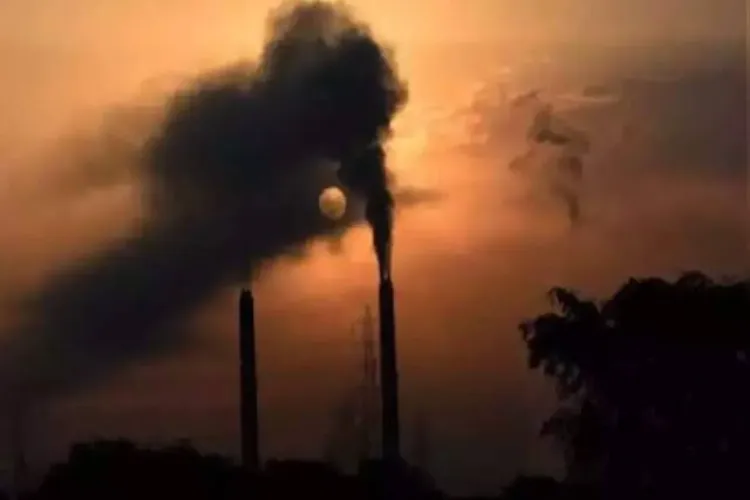
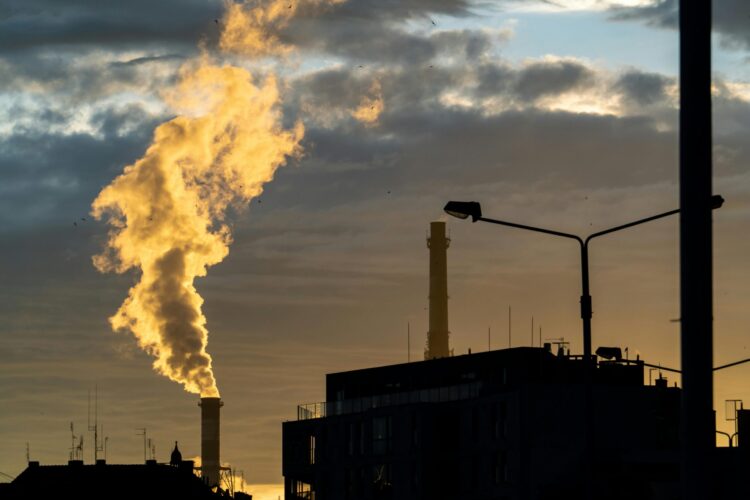
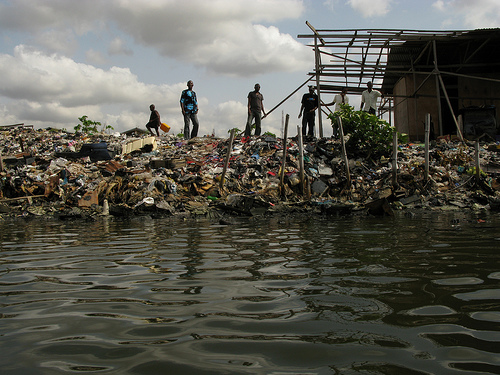
In a major new assessment, the World Health Organization Regional Office for Europe, along with research bodies such as the WHO European Centre for Environment and Health in Bonn and partners like ASPHER and the OECD, has sounded an alarm over the region’s environmental health challenges. The report highlights a stark reality: more than 1.4 million deaths every year in Europe are linked to environmental risks, including polluted air, unsafe water and chemical exposure.
These risks are being intensified by what experts call the “triple crisis” of climate change, biodiversity loss and pollution. Together, they are not only damaging ecosystems but also placing immense pressure on public health systems. The report makes it clear that this is no longer just an environmental issue. It is a full-scale health emergency that requires urgent and coordinated action.
Why Governance Needs a Rethink
One of the report’s strongest messages is that current governance systems are not equipped to deal with these complex challenges. Traditionally, policies related to health, environment, transport and energy have been handled separately. This fragmented approach no longer works in a world where environmental problems are deeply interconnected.
The WHO argues that governments must adopt a more integrated model of governance. This means bringing together different sectors, improving coordination and ensuring that decisions are transparent and inclusive. It also means focusing on fairness and protecting vulnerable groups such as children, the elderly and low-income communities, who are often most affected by environmental risks.
Good governance, according to the report, is not just about making rules. It is about creating systems that involve people, use evidence effectively and ensure accountability at every level.
The Power of Collaboration Across Sectors
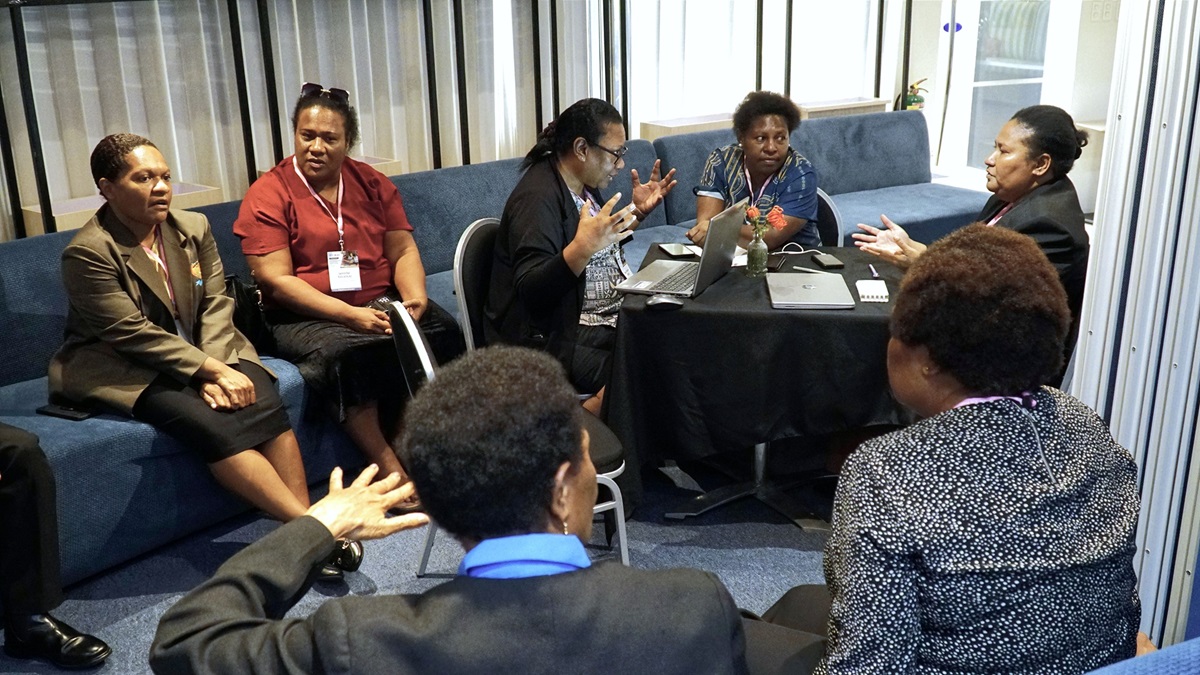
A key solution highlighted in the report is stronger collaboration. Environmental health issues cannot be solved by one ministry or sector alone. They require cooperation between governments, private companies, researchers and communities.
However, collaboration is not always easy. Different sectors often have competing priorities and interests. To overcome this, the report stresses the need for strong leadership that can bring stakeholders together and define shared goals. It also points to the importance of “intermediaries” who can bridge gaps between science and policy, helping turn research into practical solutions.
Equally important is coordination between national, regional and local governments. Policies created at the top must work on the ground. Without this alignment, even the best plans can fail. Countries with strong coordination systems tend to implement environmental health policies more effectively.
Investing in People and Resources
The report also highlights serious gaps in funding and workforce capacity. Despite the large impact of environmental risks on health, only a small portion of health budgets is spent on prevention. This limits the ability of governments to respond effectively.
To address this, the WHO calls for greater investment in both people and resources. Environmental health should be a core part of education and training for doctors, public health professionals and policymakers. Continuous learning is essential, as new challenges such as climate-related diseases continue to emerge.
On the financial side, governments are encouraged to rethink how they allocate resources. Tools such as environmental taxes, carbon pricing and green investments can help reduce harmful activities while funding sustainable solutions. The report also notes that many countries still support industries that damage the environment, and this needs to change.
Bridging the Gap Between Knowledge and Action
While there is no shortage of research on environmental health, the report points out a major problem: much of this knowledge is not being used effectively in policymaking. Bridging this gap is essential for progress.
Stronger links between researchers and policymakers can help ensure that decisions are based on evidence. Platforms that allow experts and governments to share knowledge are also important. At the same time, communication plays a crucial role.
Clear and simple messaging can build public trust and encourage people to adopt healthier behaviours. This is especially important in an age of misinformation, where false information can spread quickly and undermine public confidence. Governments must actively promote accurate information and engage communities in meaningful ways.
The report delivers a clear message. Solving Europe’s environmental health crisis will require a fundamental shift in how governments operate. By improving governance, investing in people, aligning policies and communicating effectively, countries can build healthier and more resilient societies for the future.