Kuala Lumpur, Malaysia, 11 June 2026 – At a time when the world is more interconnected than ever, the World Health Organization (WHO) is disseminating a comprehensive regional analysis of shared health risks across Asia and the Pacific, urging Member States to invest in enhancing workforce capacities regionwide to mitigate these risks and ensure health systems are better prepared to anticipate, tackle and withstand a range of crises and shocks.
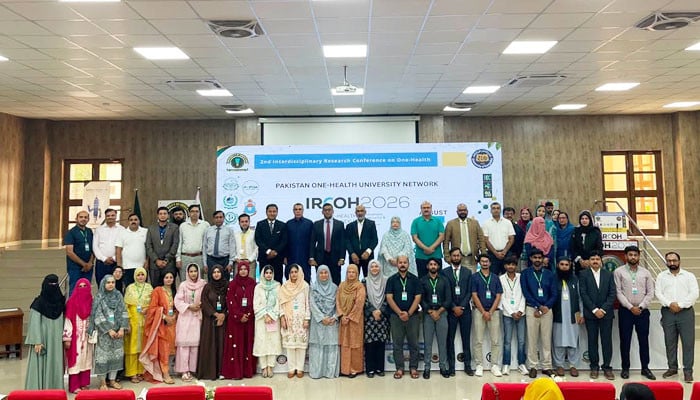
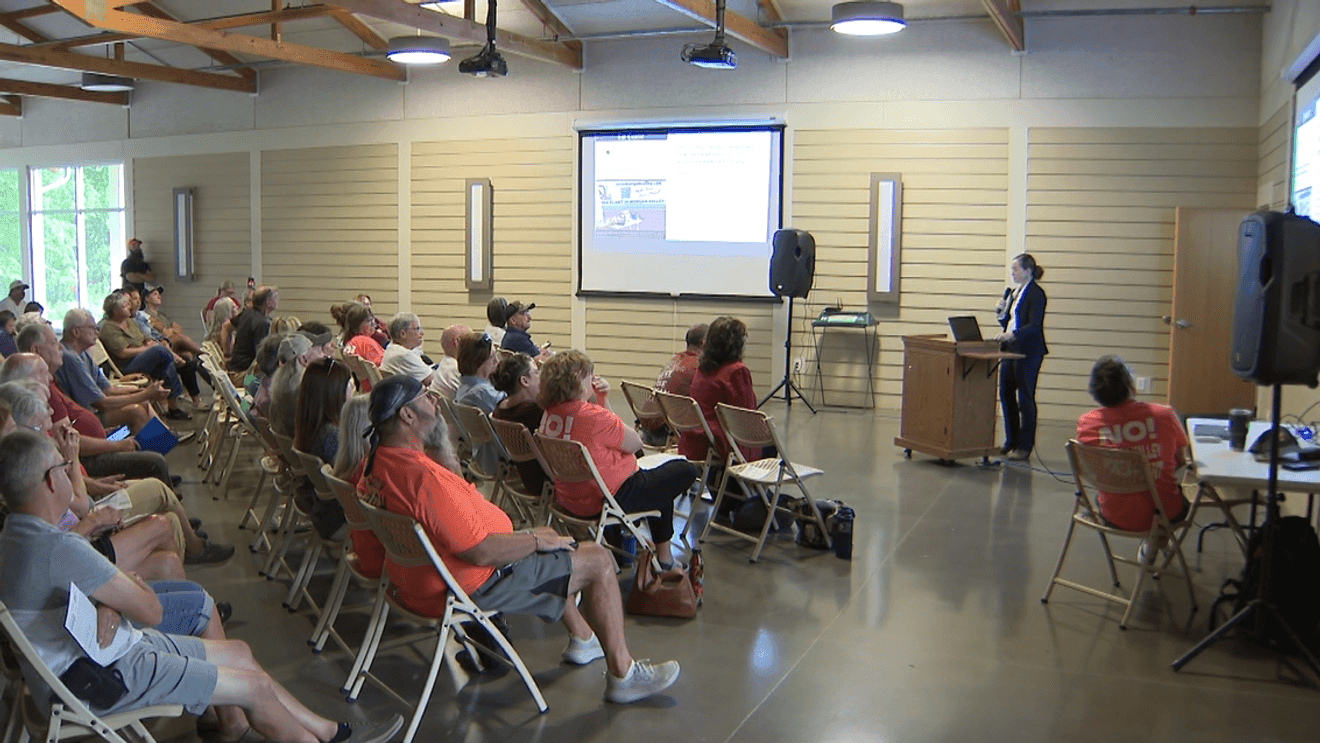
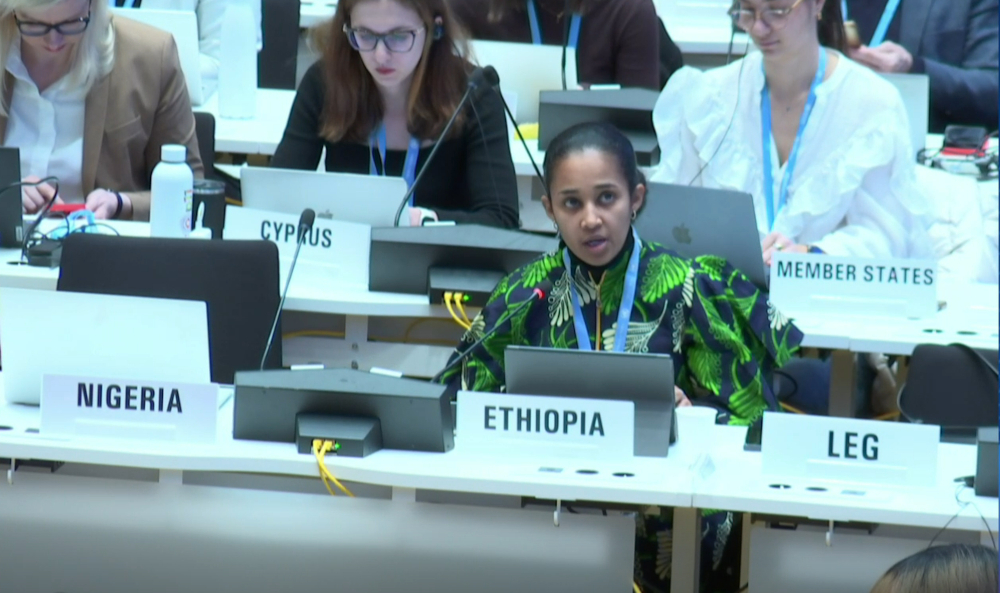
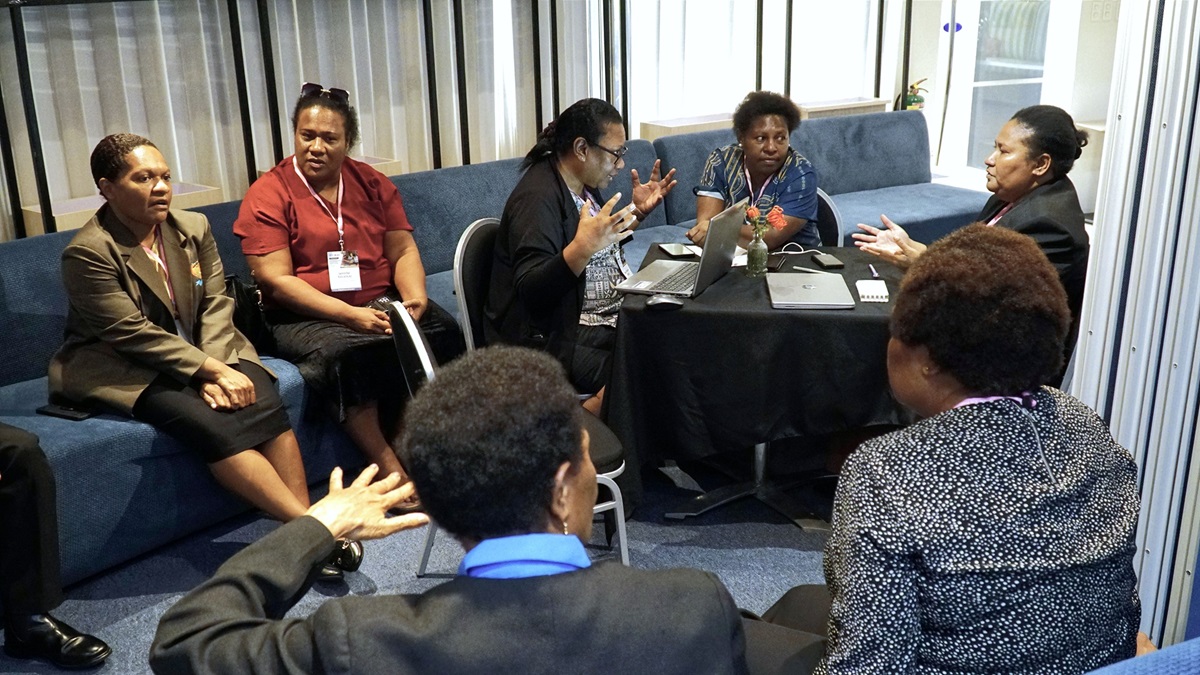
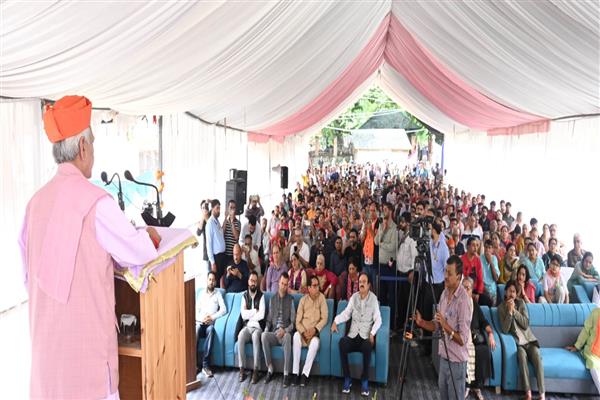
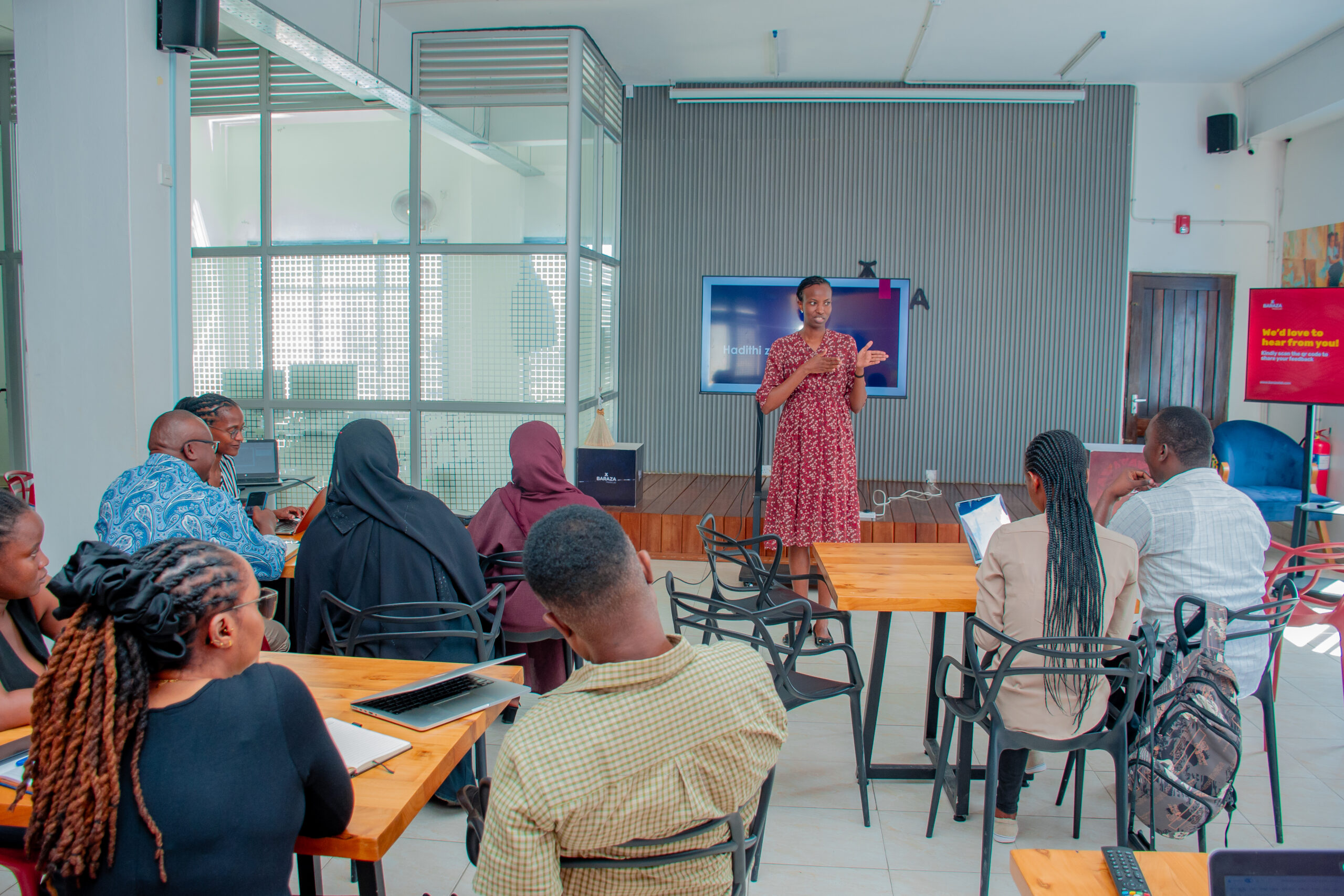
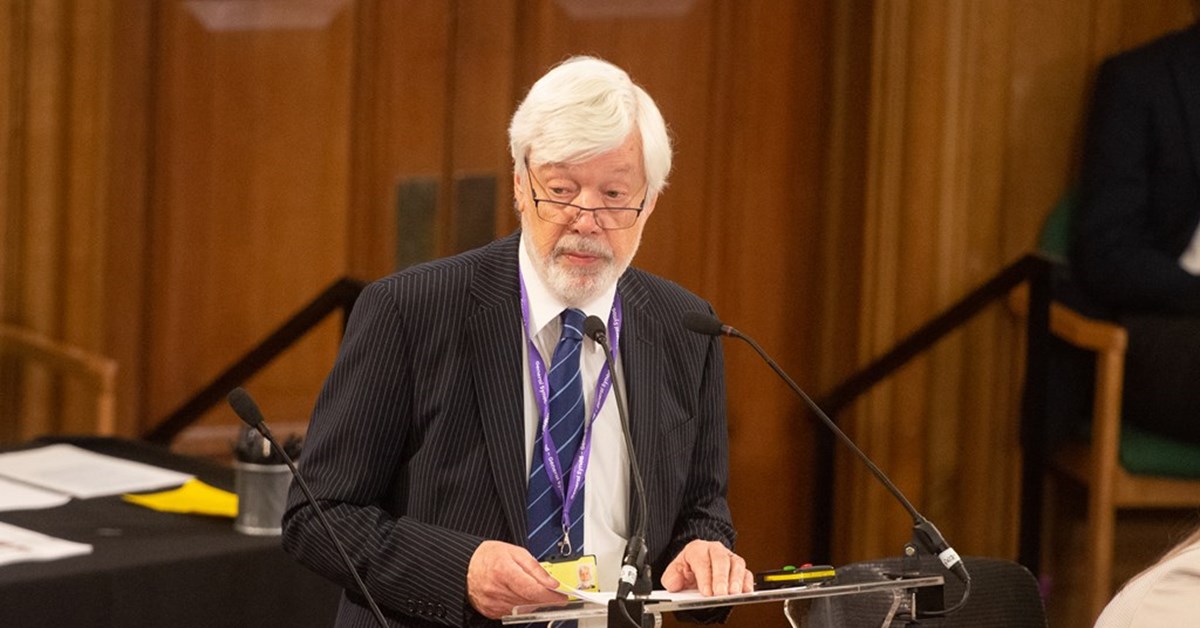
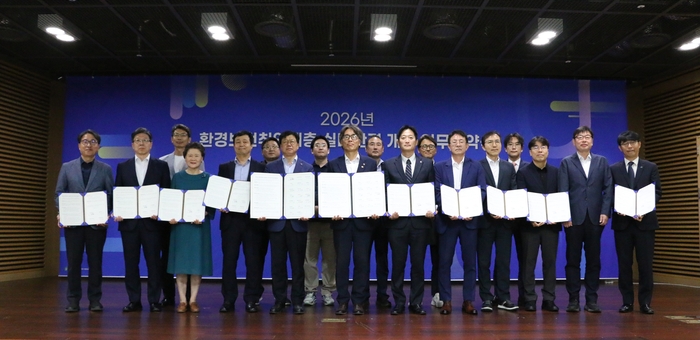
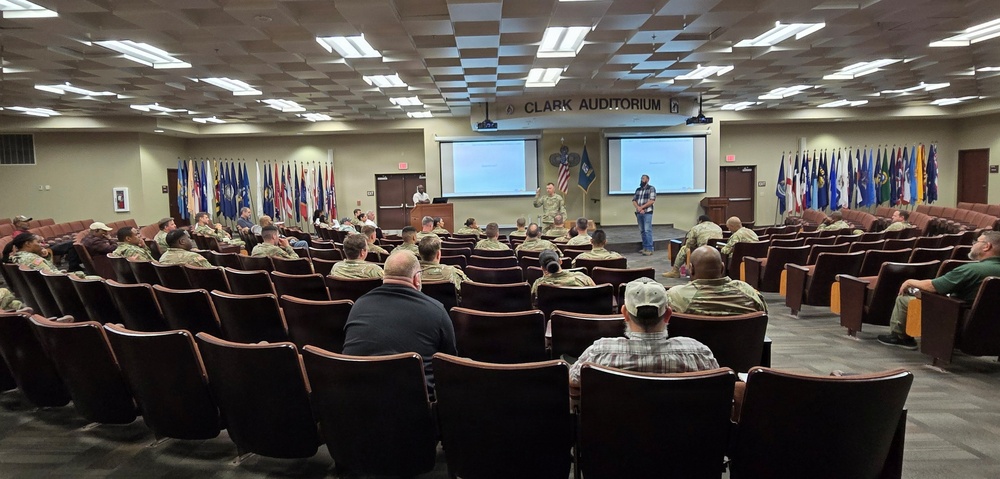
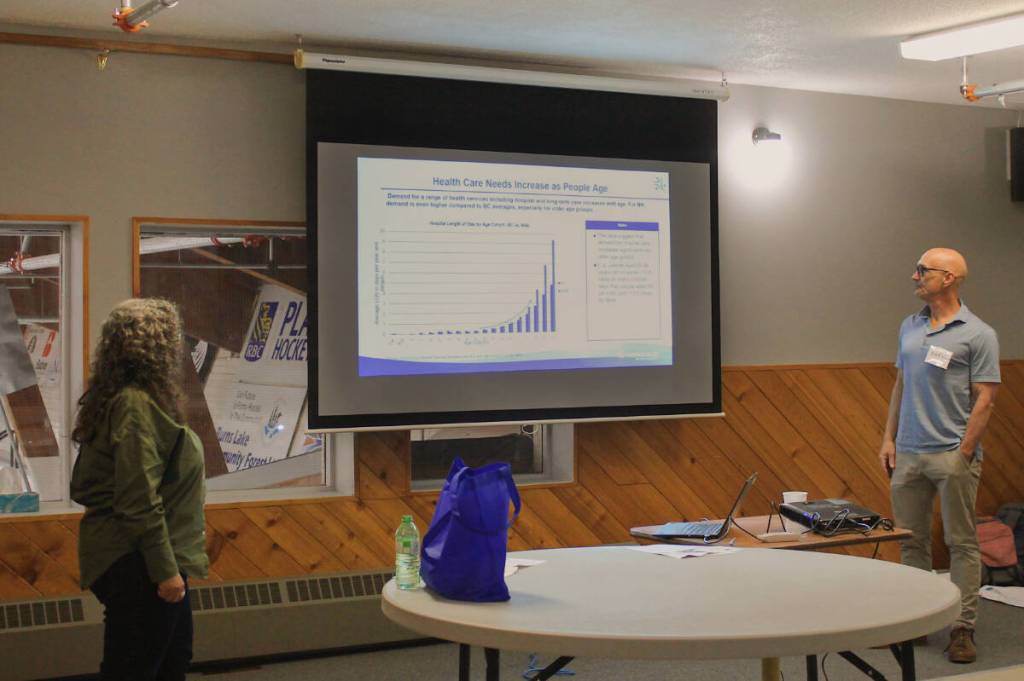
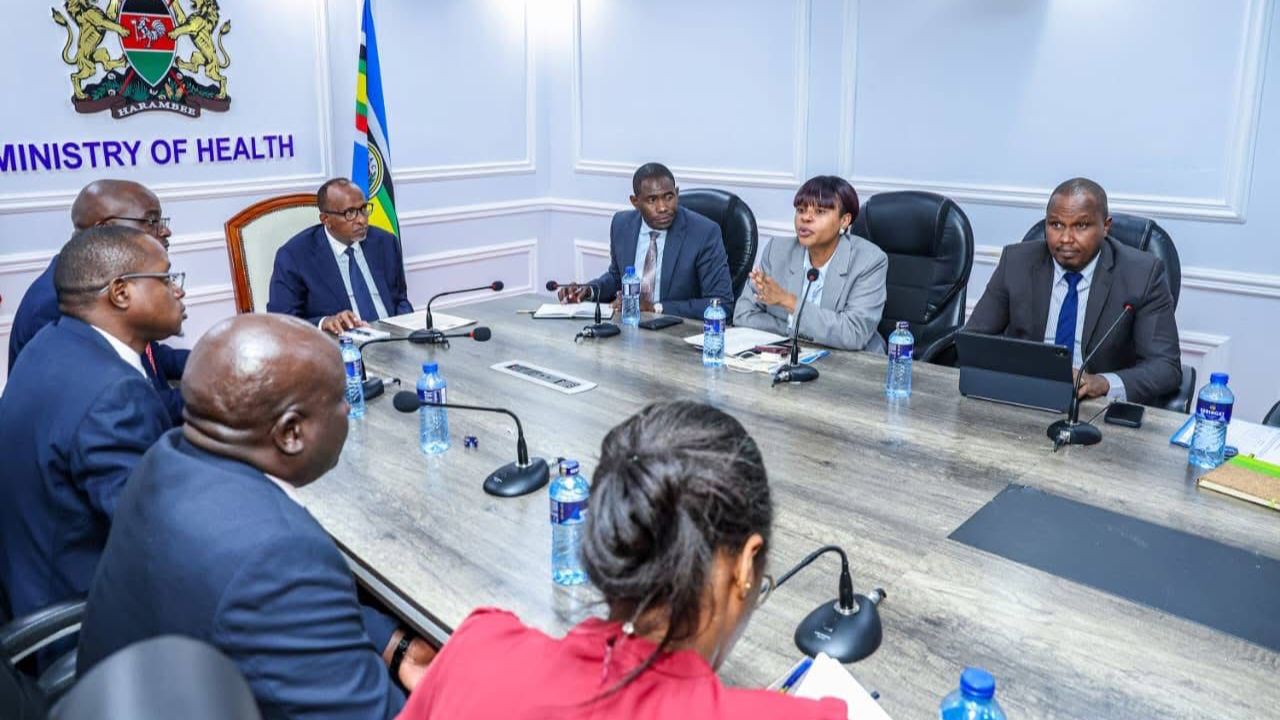
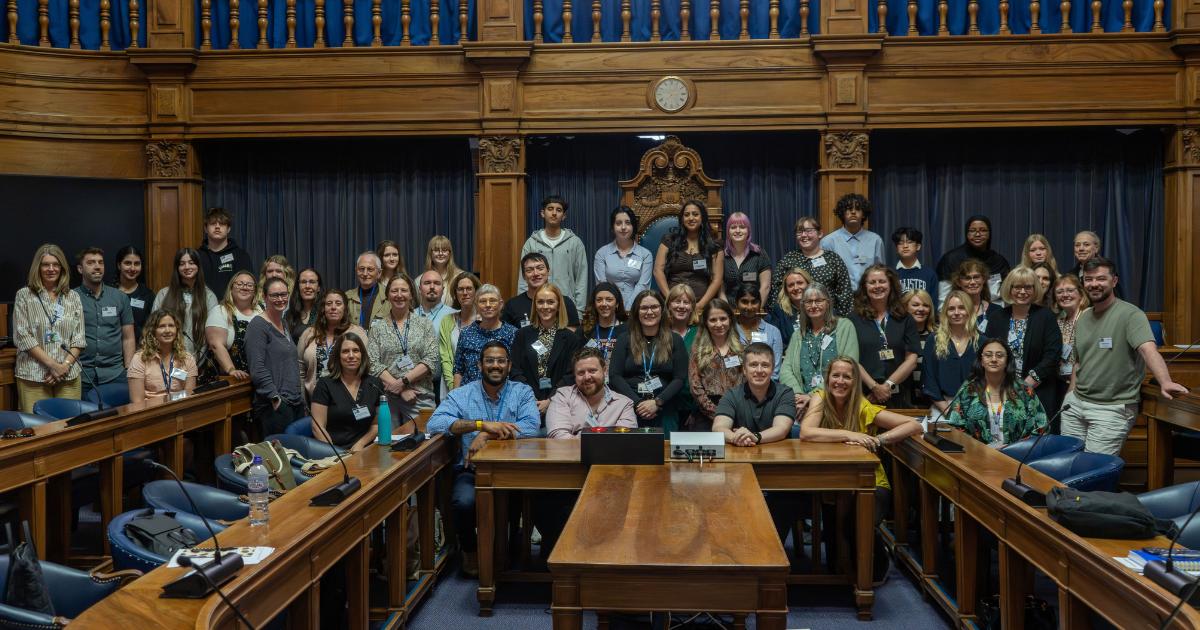
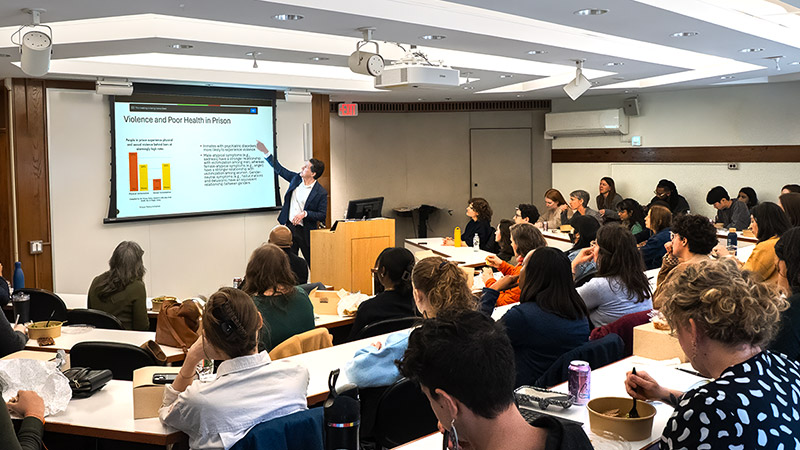
Over 100 delegates from 49 countries and areas in the Asia-Pacific region reviewed results from the regional risk analysis during the WHO-led Asia Pacific Health Security Action Framework (APSHAF) Stakeholders Meeting in Malaysia.
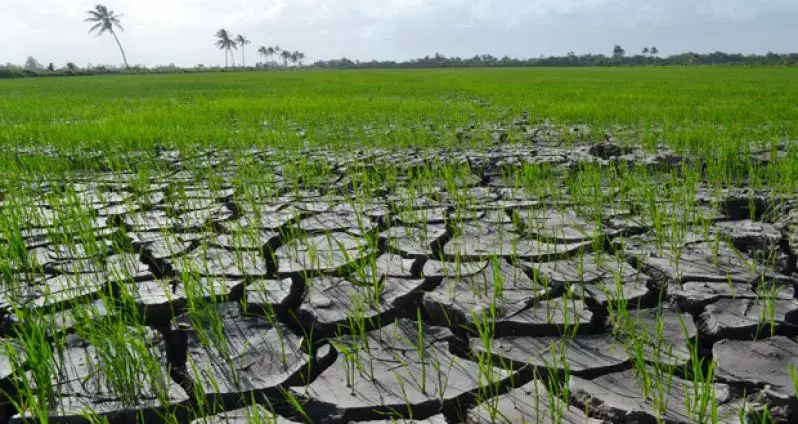
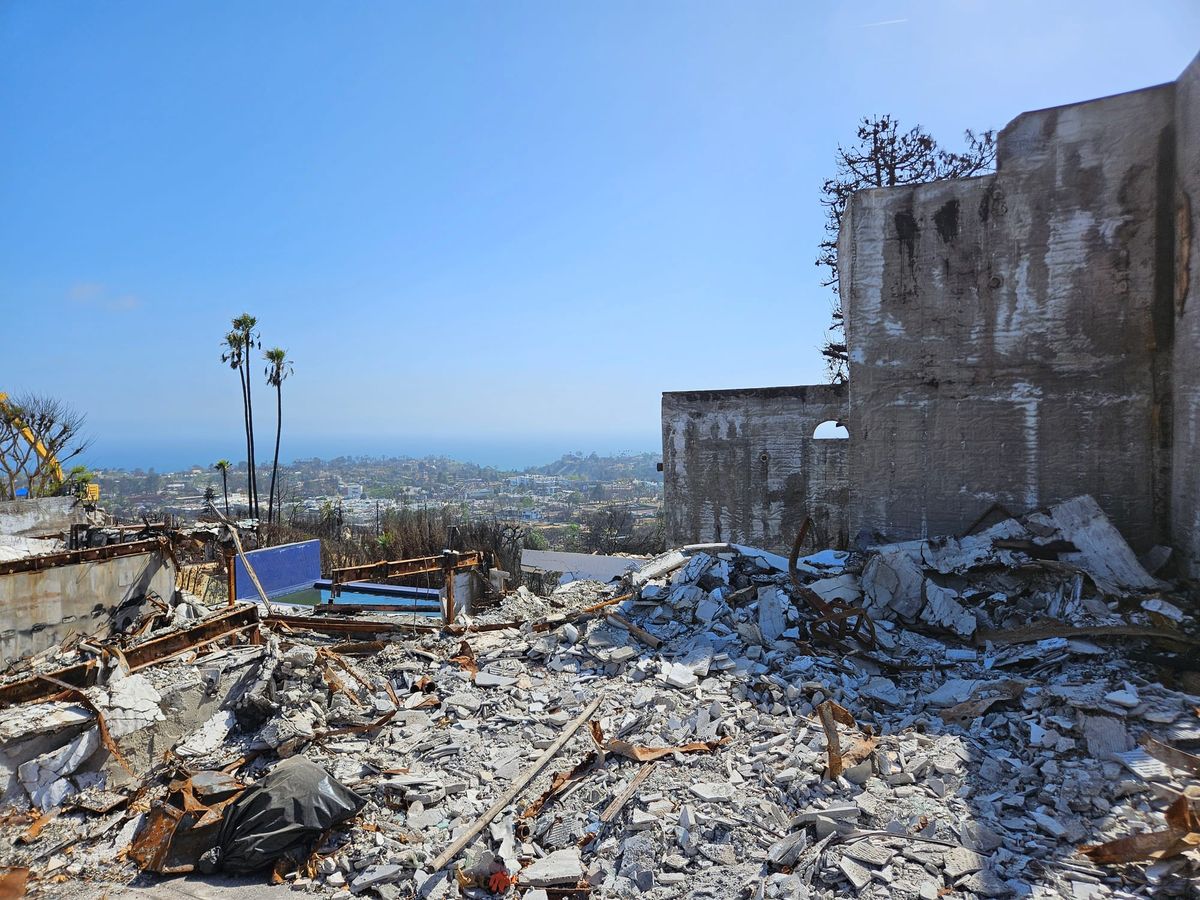
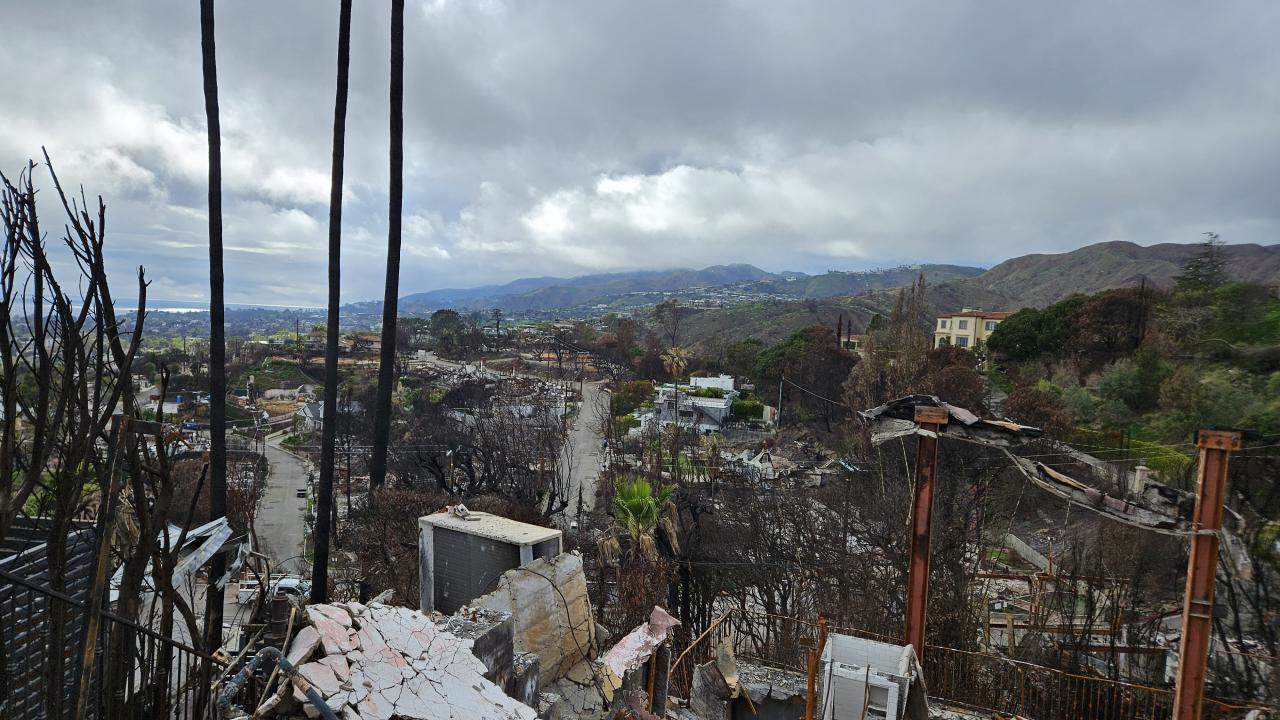
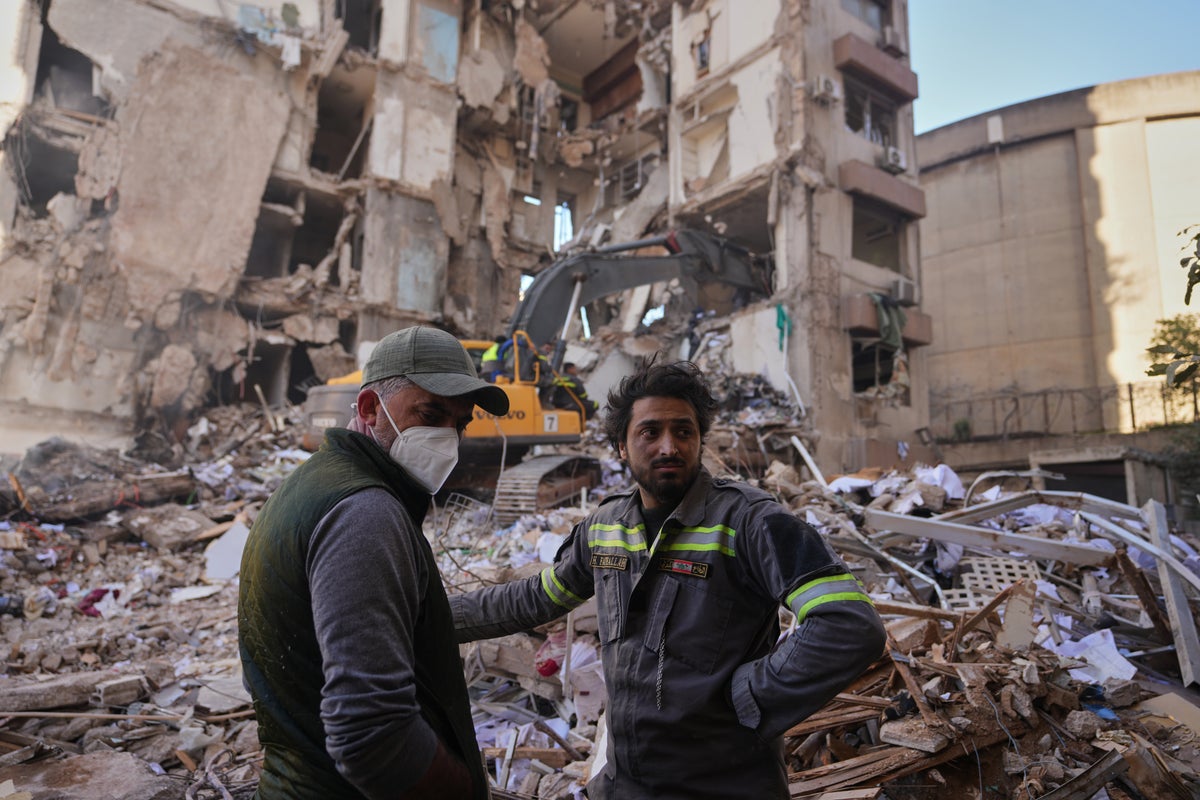
Synthesizing insights from 21 strategic risk assessments and more than 800 multisectoral experts, the regional analysis highlighted an urgent imperative: countries must proactively invest in emergency workforce preparedness to navigate a landscape where climate hazards, disease outbreaks and geophysical events increasingly overlap. These complex converging crises create devastating, compounding impacts on health systems and communities – reiterating the need for investing in a fit-for-purpose regional health workforce and multisectoral action.
Key findings: an evolving risk landscape
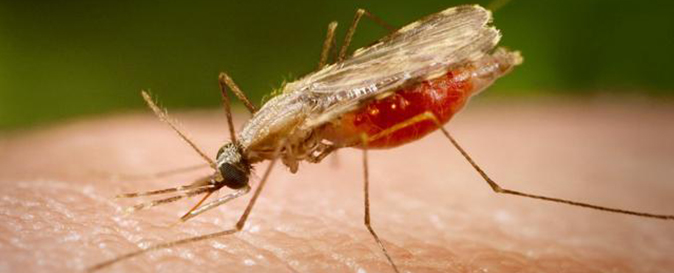
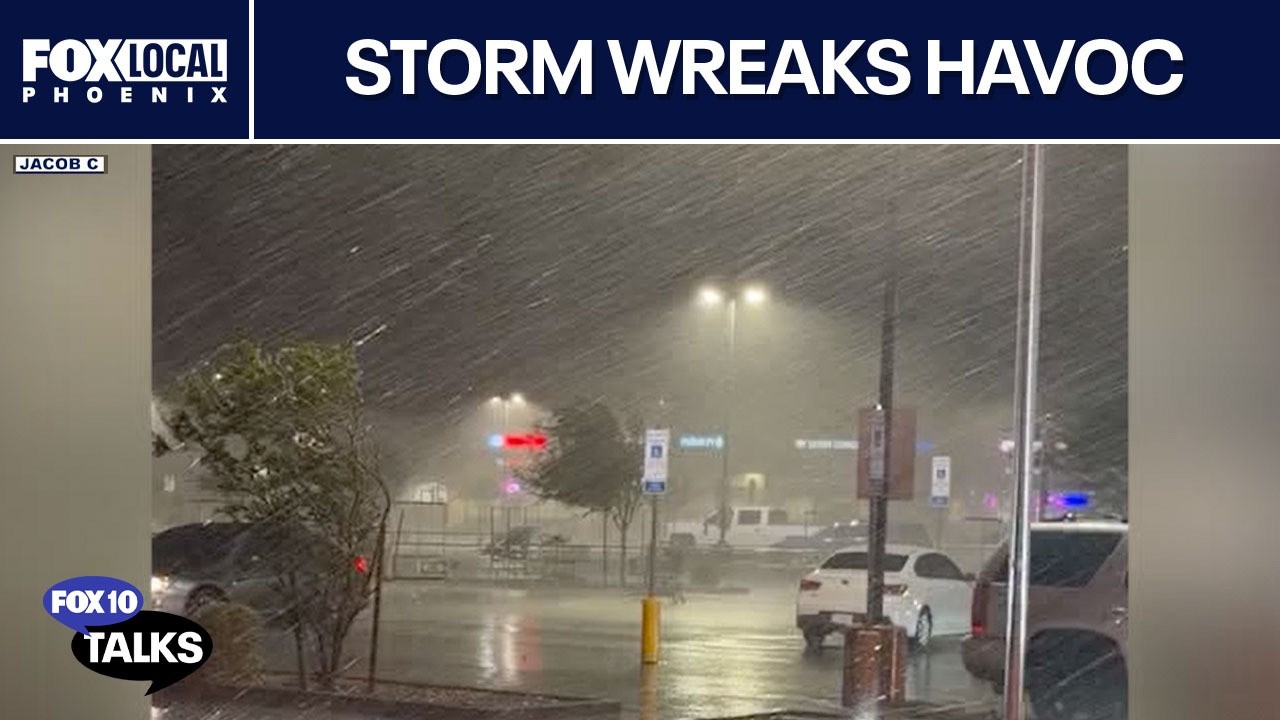
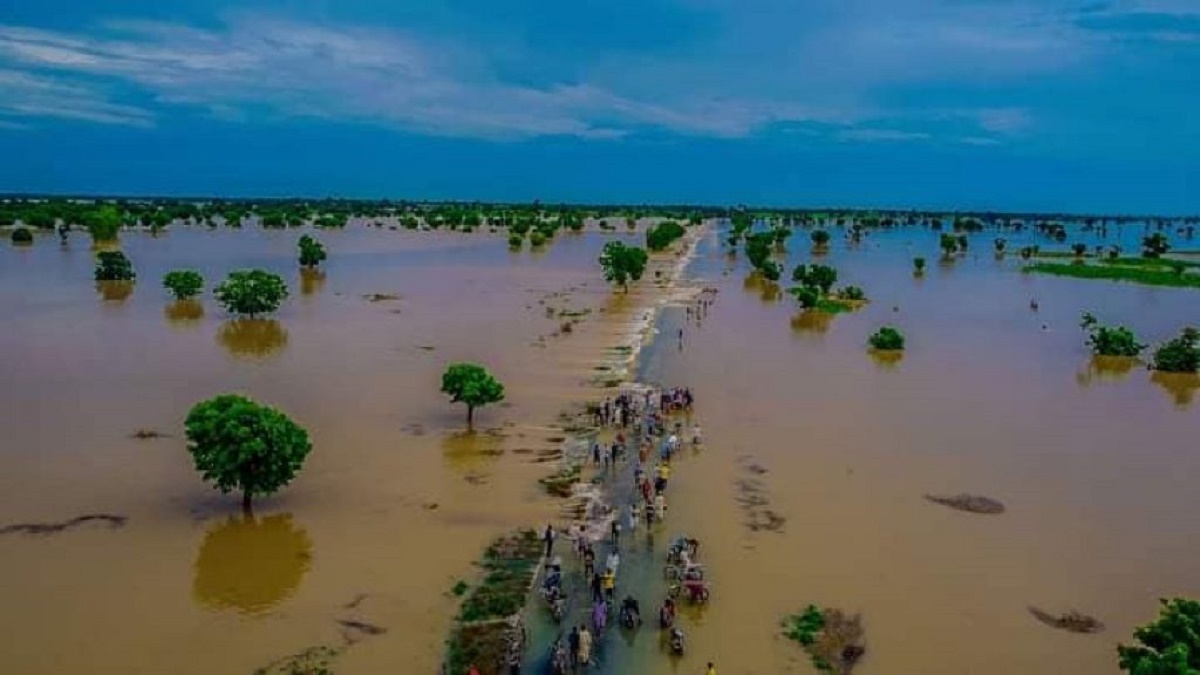
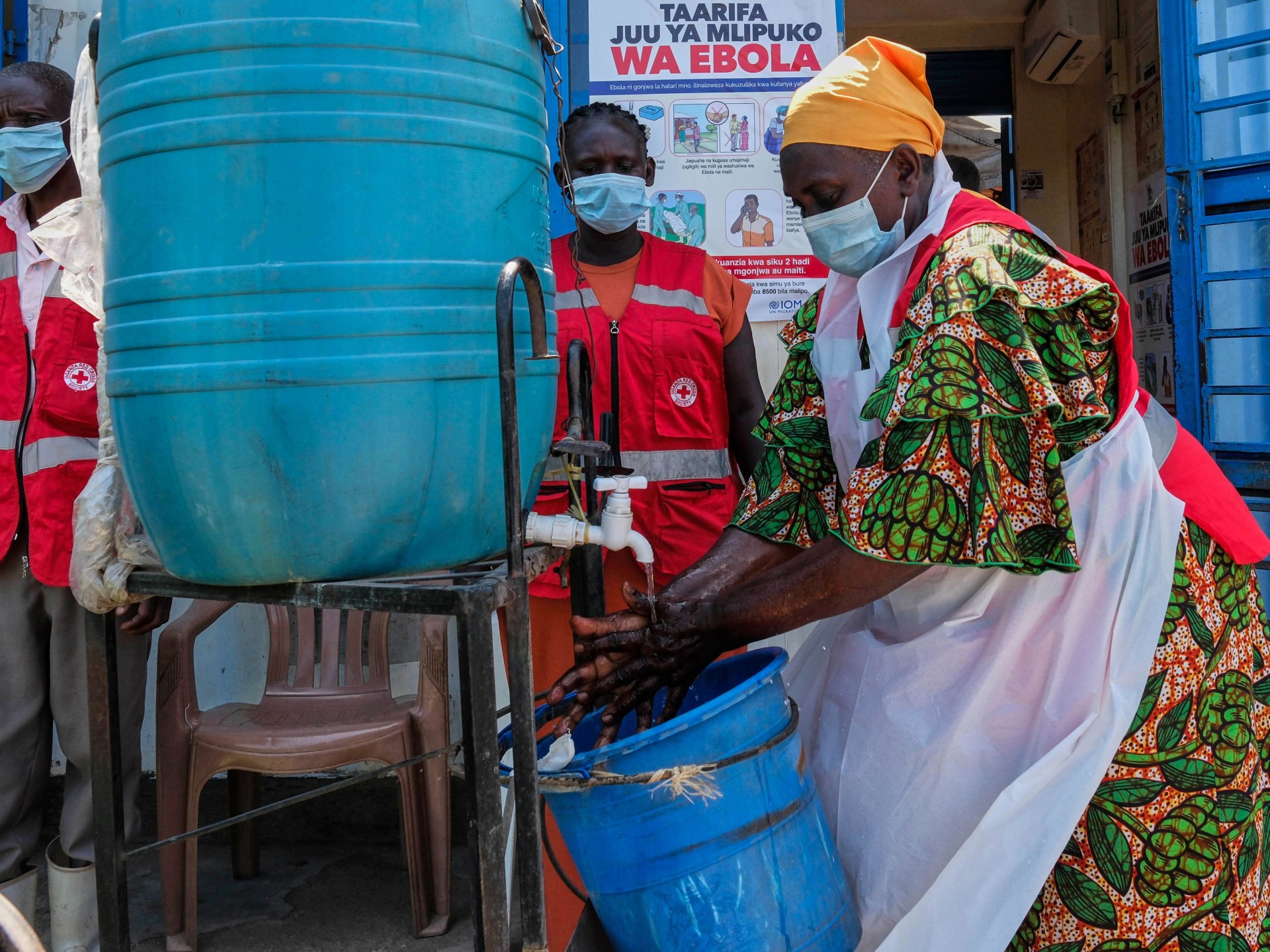
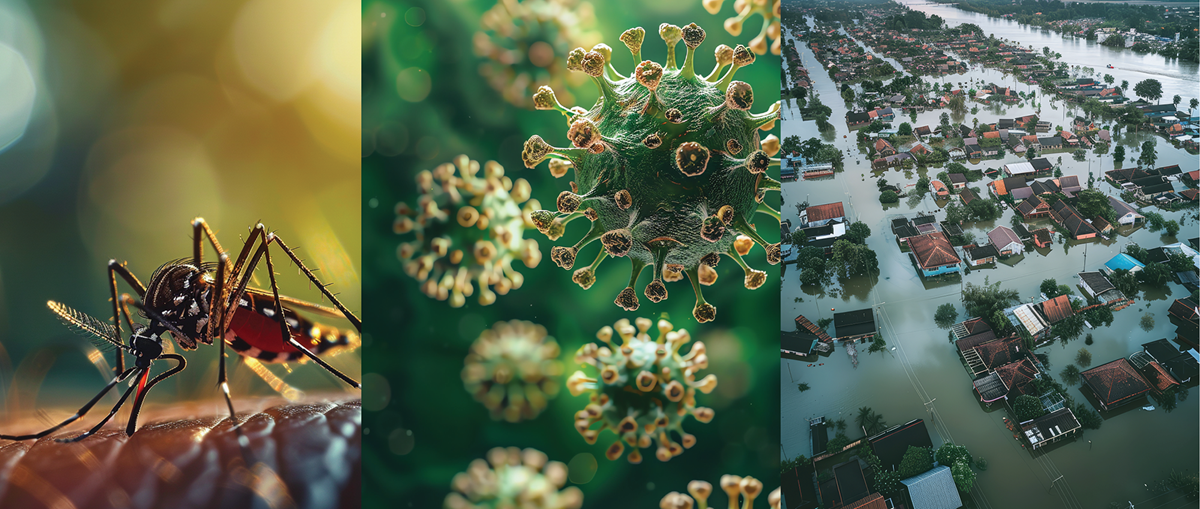
More than half of the participating countries ranked flooding, cyclones, dengue and pandemic-potential respiratory pathogens as being of high or very high risk, while antimicrobial resistance, landslides and gastroenteritis remain widespread concerns as well.
“Given that 51% – over half – of these assessed hazards are deeply interconnected, isolated health interventions are no longer sufficient,” said Dr Saia Ma’u Piukala, WHO Regional Director for the Western Pacific. “Extreme weather events like cyclones and floods directly trigger subsequent disease outbreaks, while environmental degradation – driven by sea-level rise, coastal erosion and saltwater intrusion – fuels health risks across the Pacific. Mitigating these cascading risks requires unified, cross-sectoral action linking environmental, agricultural and public health policies to build true regional resilience.”
Priority recommendations for action
To address critical vulnerabilities, WHO calls on Member States in the Asia-Pacific region to urgently prioritize the following strategic actions:
- Bridge workforce capacity gaps. Embed and standardize emergency preparedness within academia to promote regional workforce interoperability.
- Foster multisectoral coordination. Address ad-hoc taskforce responses and fragmented surge support through formalized contingency plans and standard operating procedures that are frequently updated and tested.
- Secure sustainable financing for emergencies. Overcome systemic barriers to access dedicated funding for both immediate anticipatory actions and long-term emergency preparedness initiatives.
- Enable emergency-ready primary health care. Embed emergency management into public health workforce readiness planning.
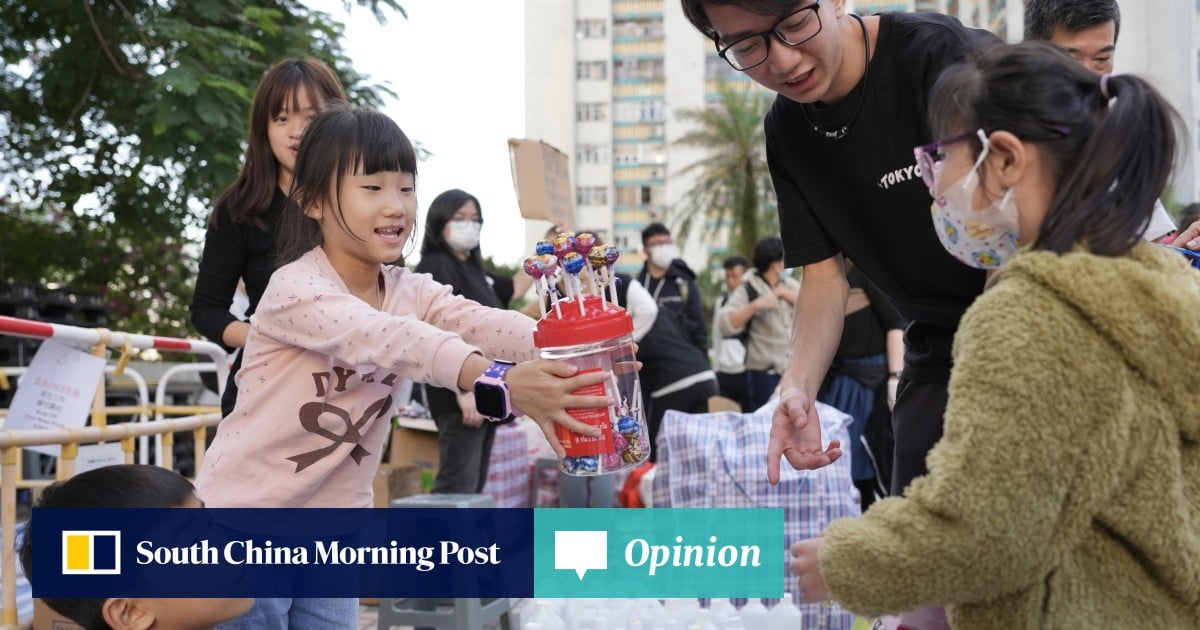
- Ensure that emergency planning is inclusive. Establish clear pathways for inclusive emergency planning that actively involves communities most at risk and other vulnerable groups.
- Optimize communication. Update risk communication and community engagement strategies, aligning them with seasonal risk calendars.
Elevating workforce readiness to meet regional health risks
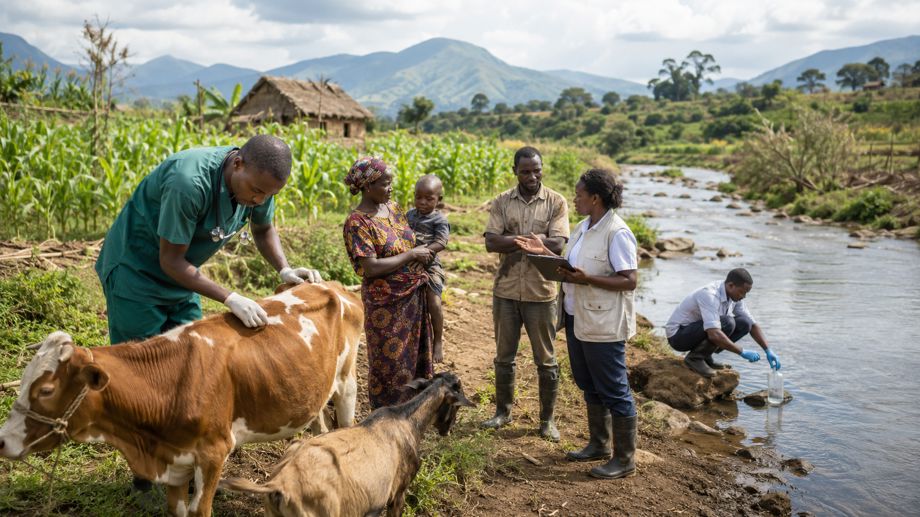
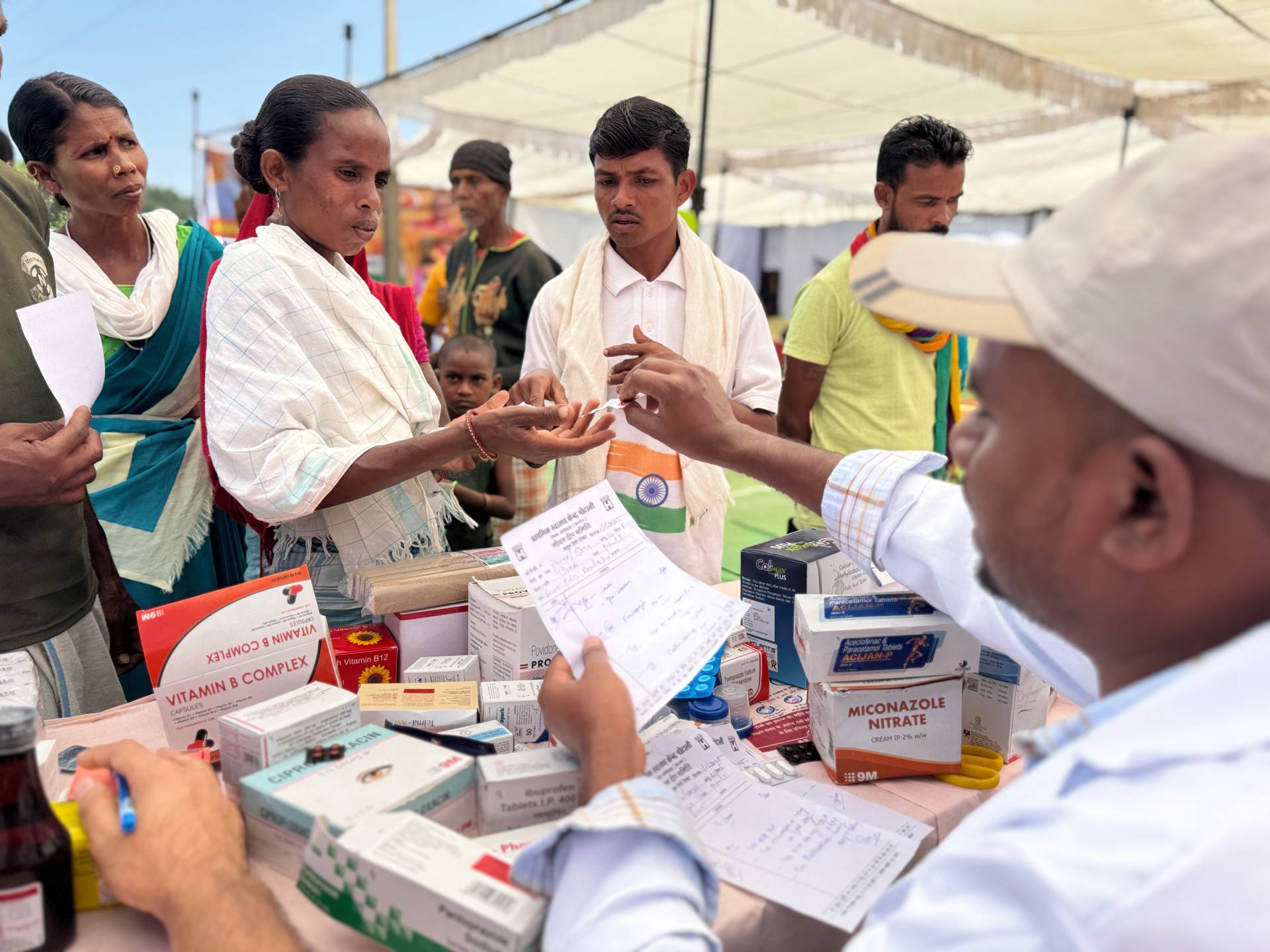
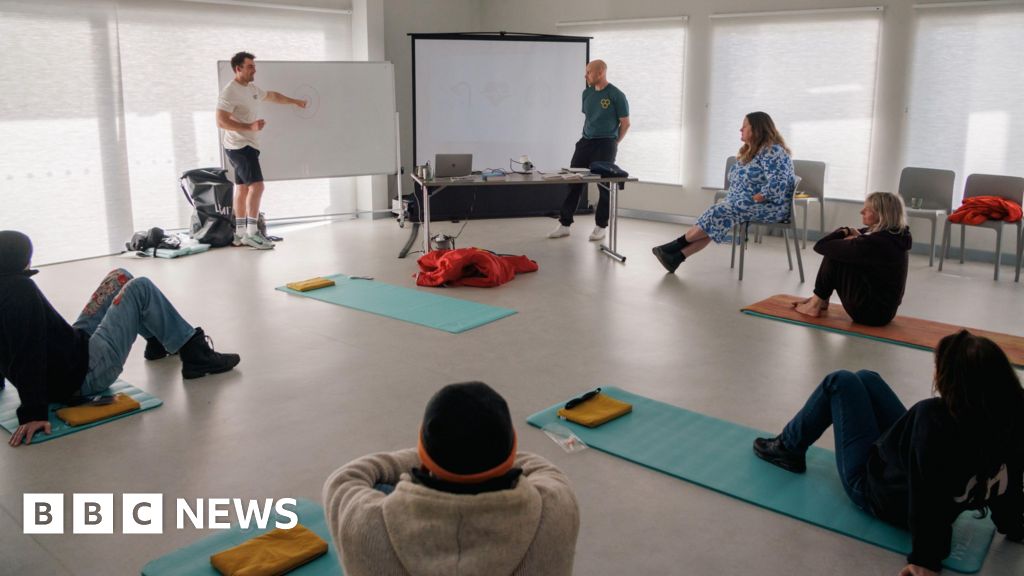
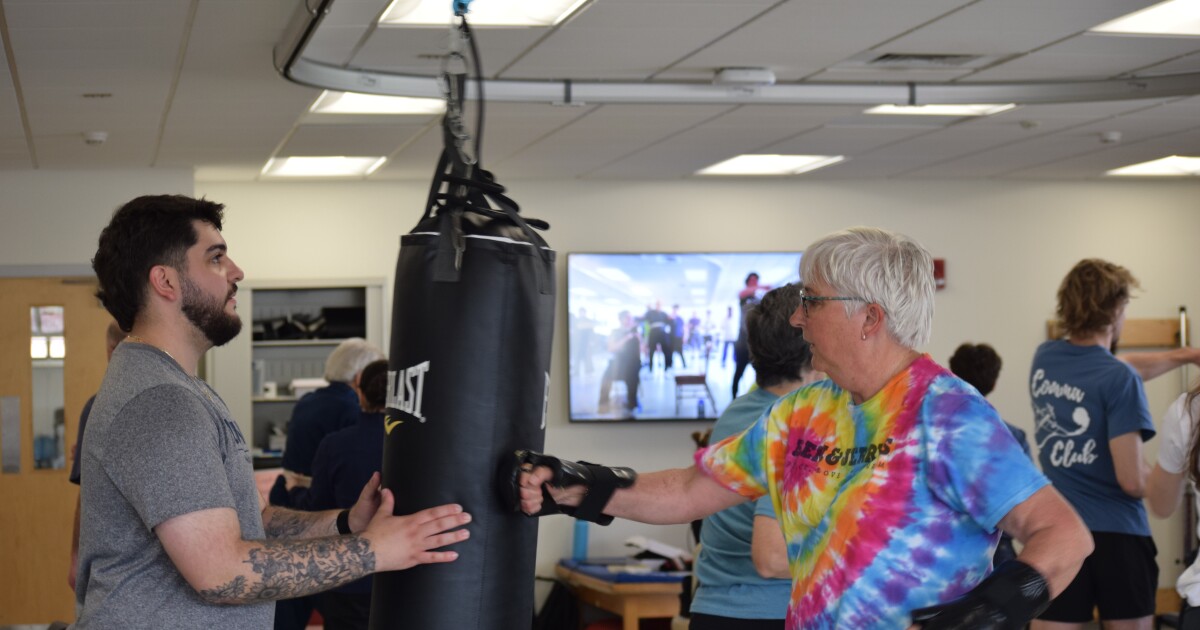
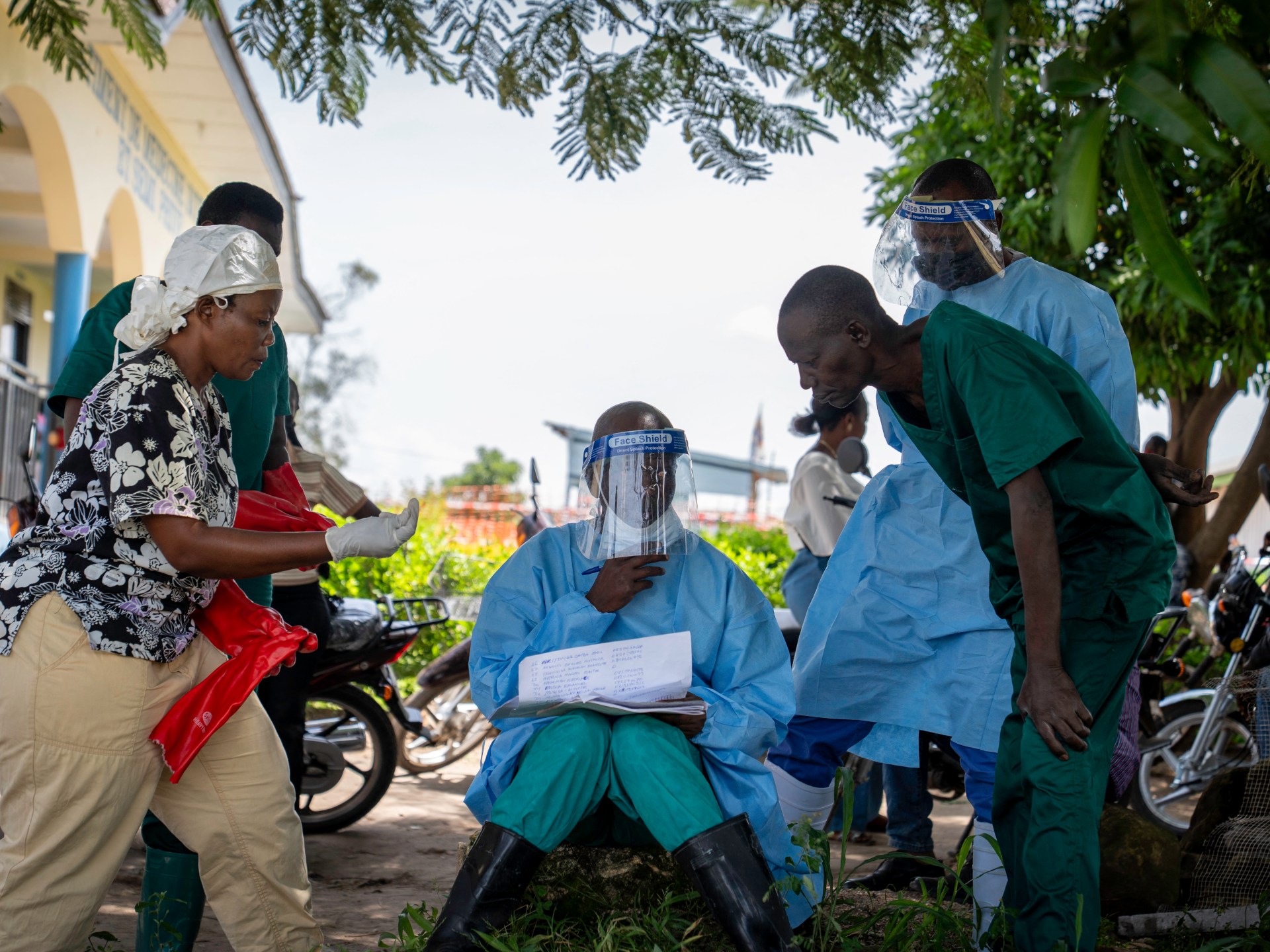
While the gaps identified are significant, the Asia-Pacific region possesses solid foundational pillars, including dedicated clinicians, laboratory staff, rapid response teams, emergency medical teams and extensive community networks. However, to adequately address the compounding nature of modern crises, the various components of the emergency workforce must collaborate cohesively. True resilience depends entirely on transforming this currently fragmented workforce into a highly trained, interconnected and rapidly deployable asset.
To achieve this, WHO is actively advancing regional workforce capacities through the Global Health Emergency Corps initiative. This initiative – supported by the Gates Foundation and Institute of Philanthropy – seeks to build a seamless network of emergency workforce across borders and sectors, ensuring that when a crisis strikes, a standardized, well-coordinated and trained workforce is immediately ready to respond.
“Scaling up emergency workforce readiness is no longer optional,” said Dr Gina Samaan, Regional Emergency Director for WHO in the Western Pacific. “It is the definitive factor that will determine how effectively the Asia-Pacific region safeguards health and protects lives in an increasingly unpredictable future.”