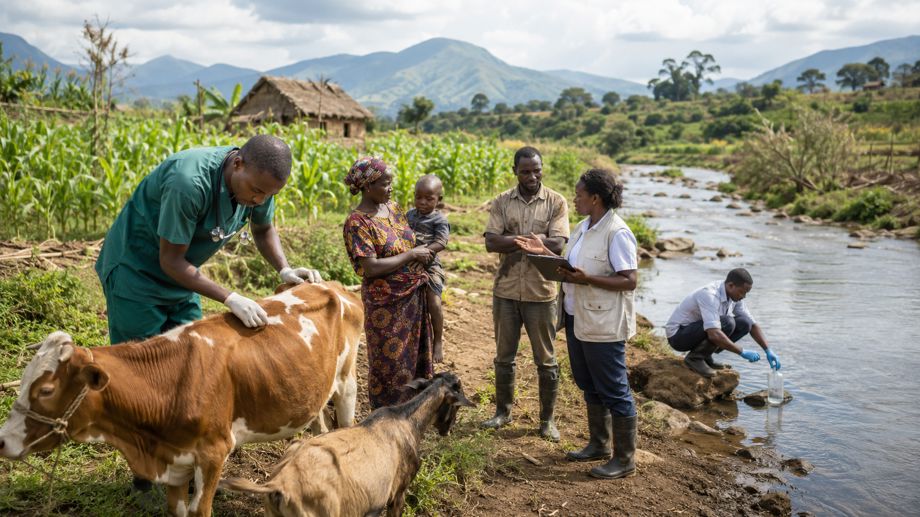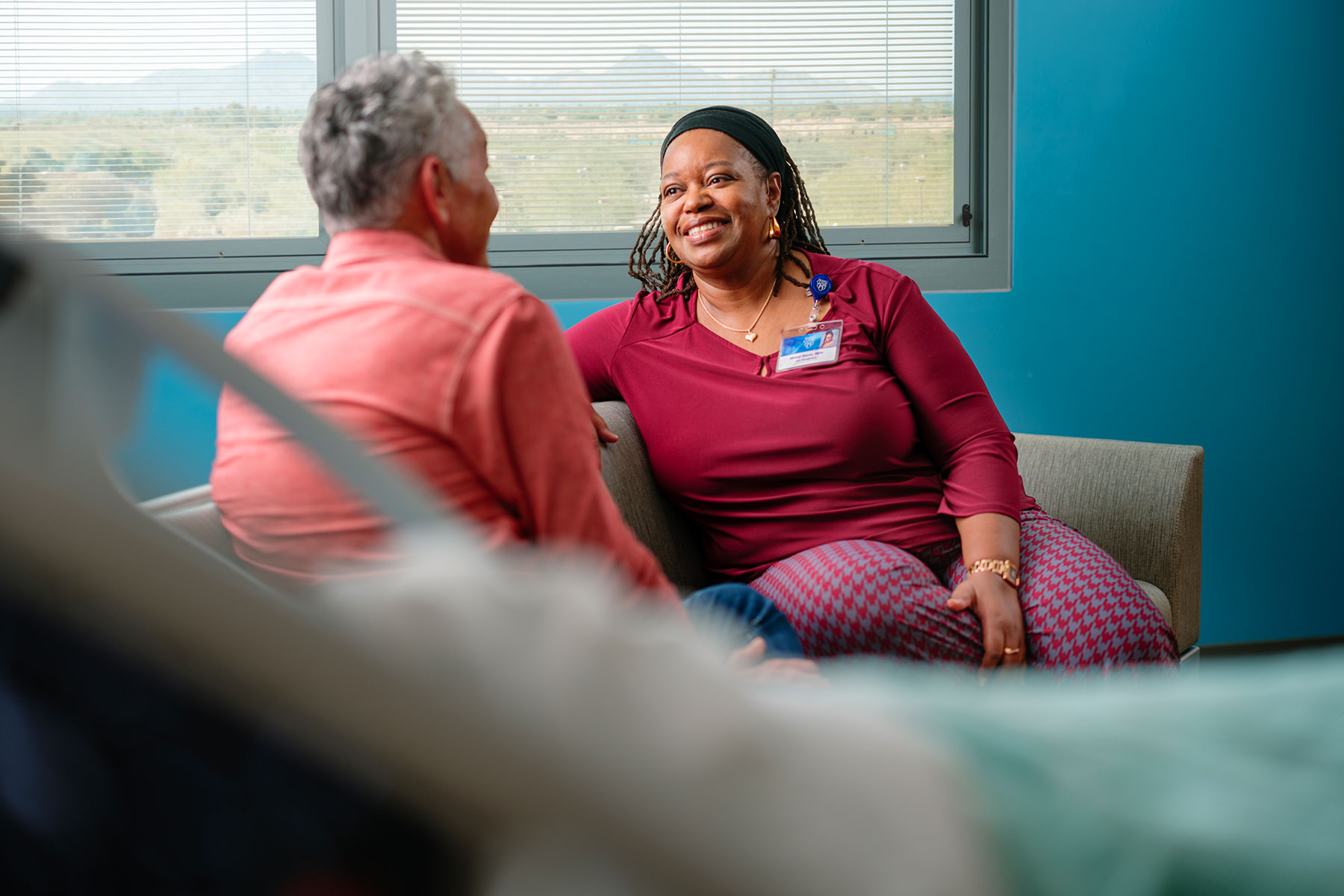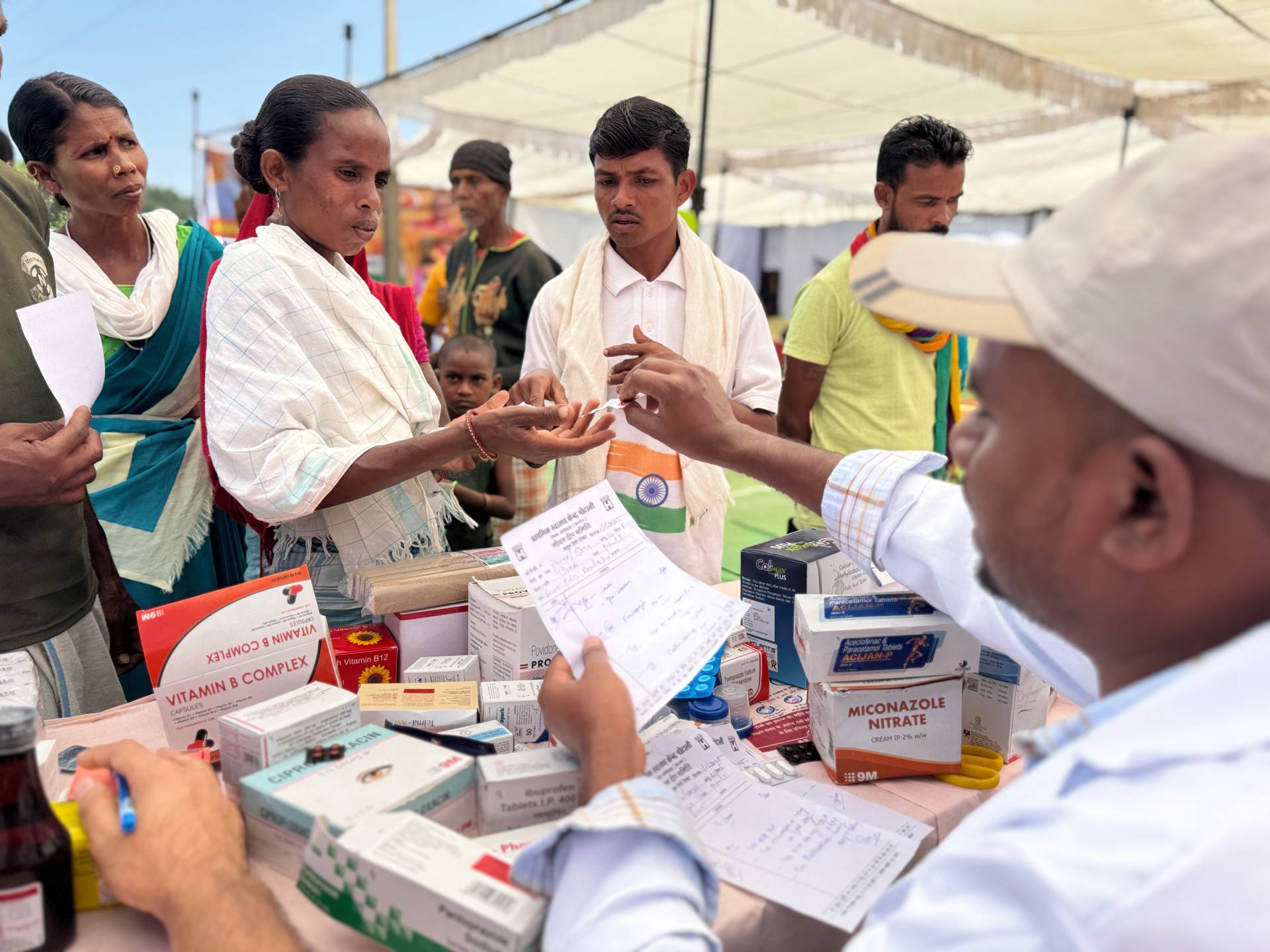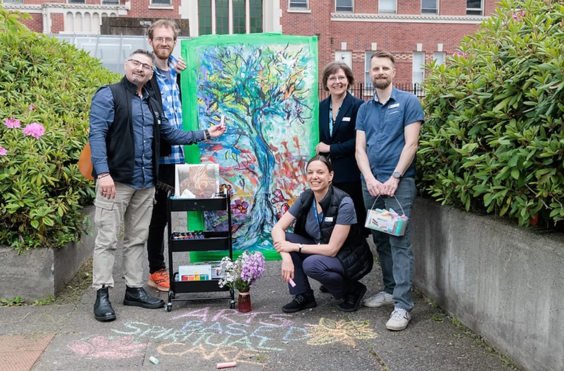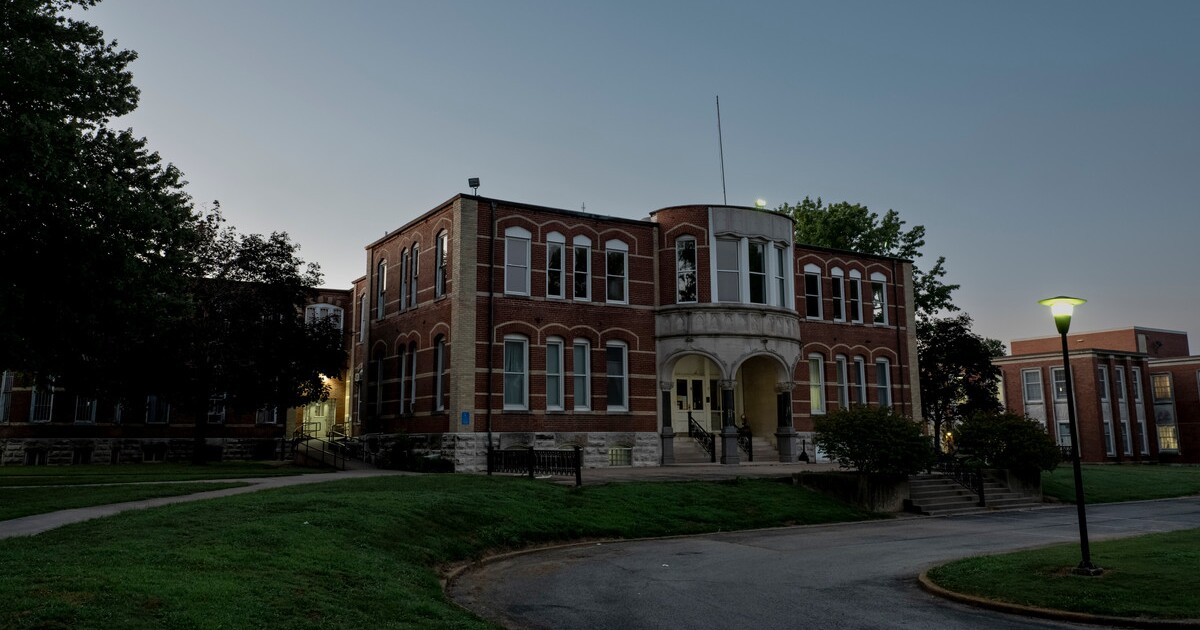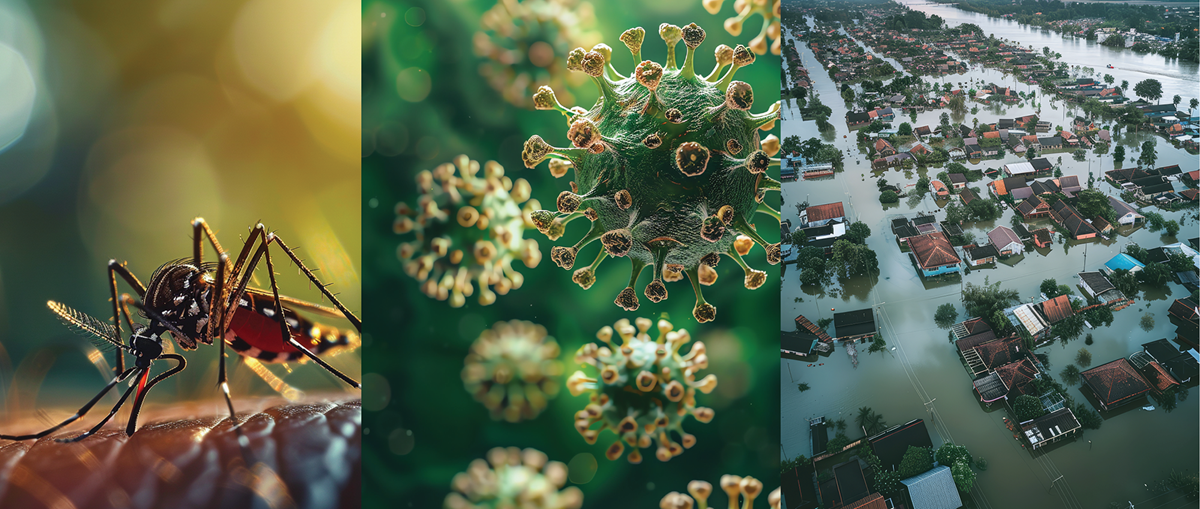
A degree in population health is more than just a pathway into healthcare- it serves as a gateway to improving the well-being of entire communities. At The University of New Mexico College of Population Health (COPH), students are trained to think beyond individual patients and instead focus on the broader systems that shape health outcomes, including environmental factors, public policy and social determinants of health.
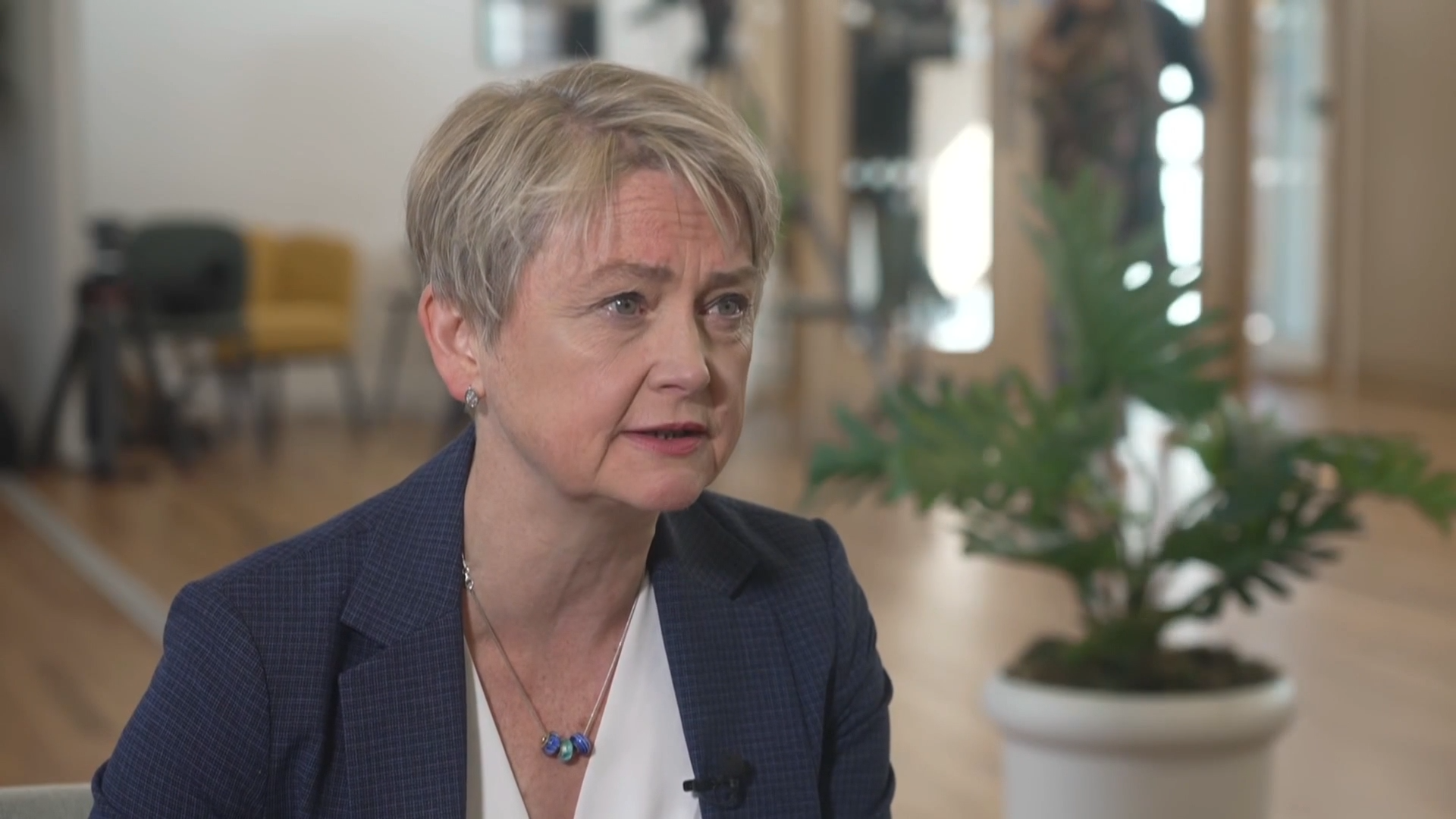
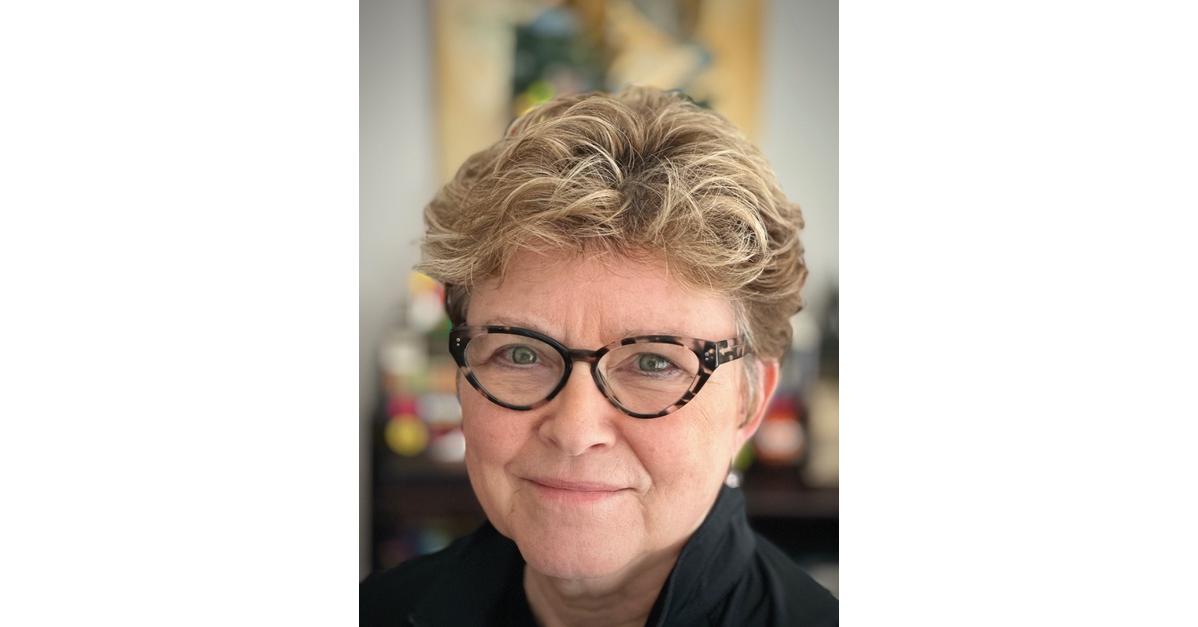
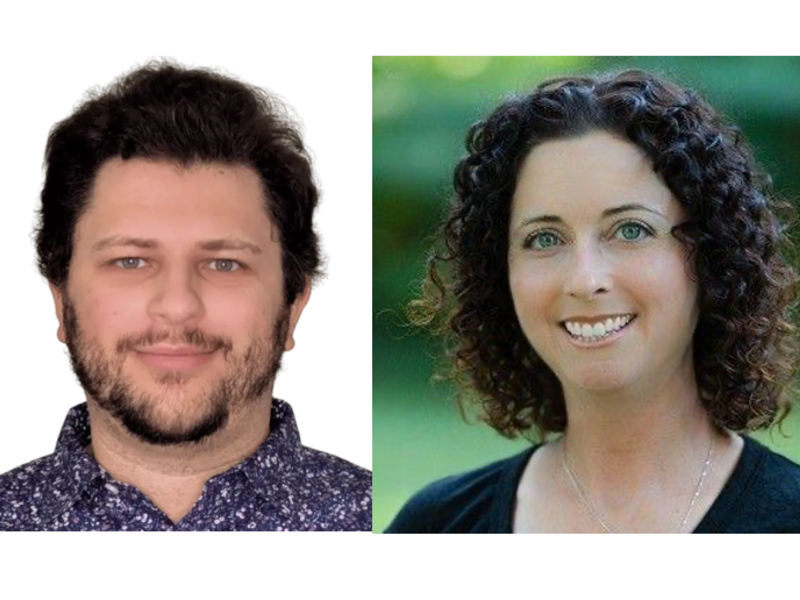
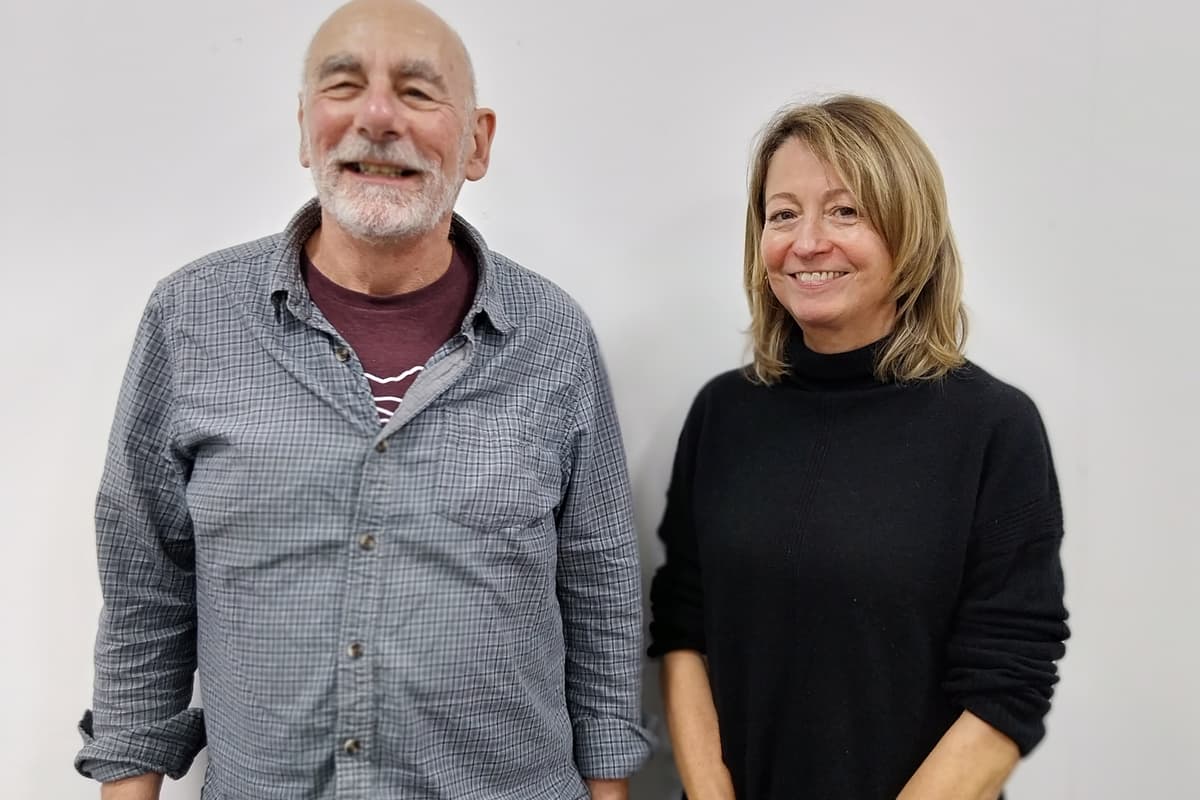
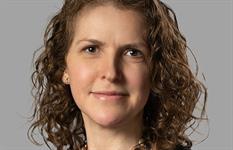
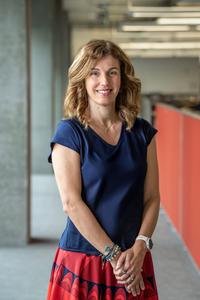
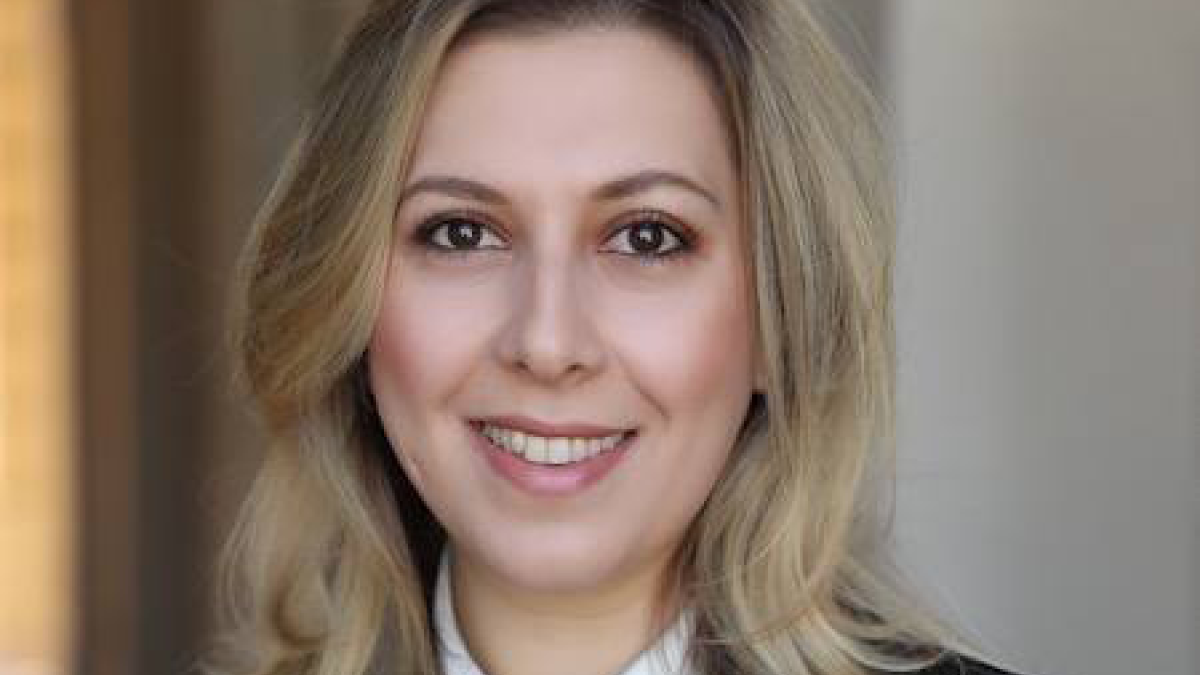
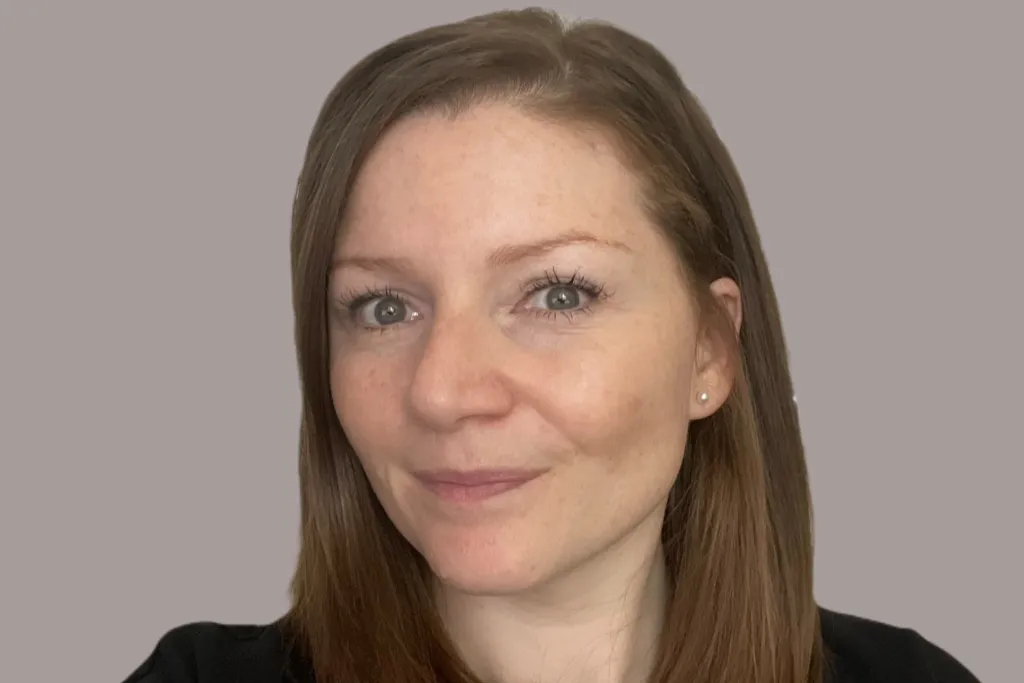
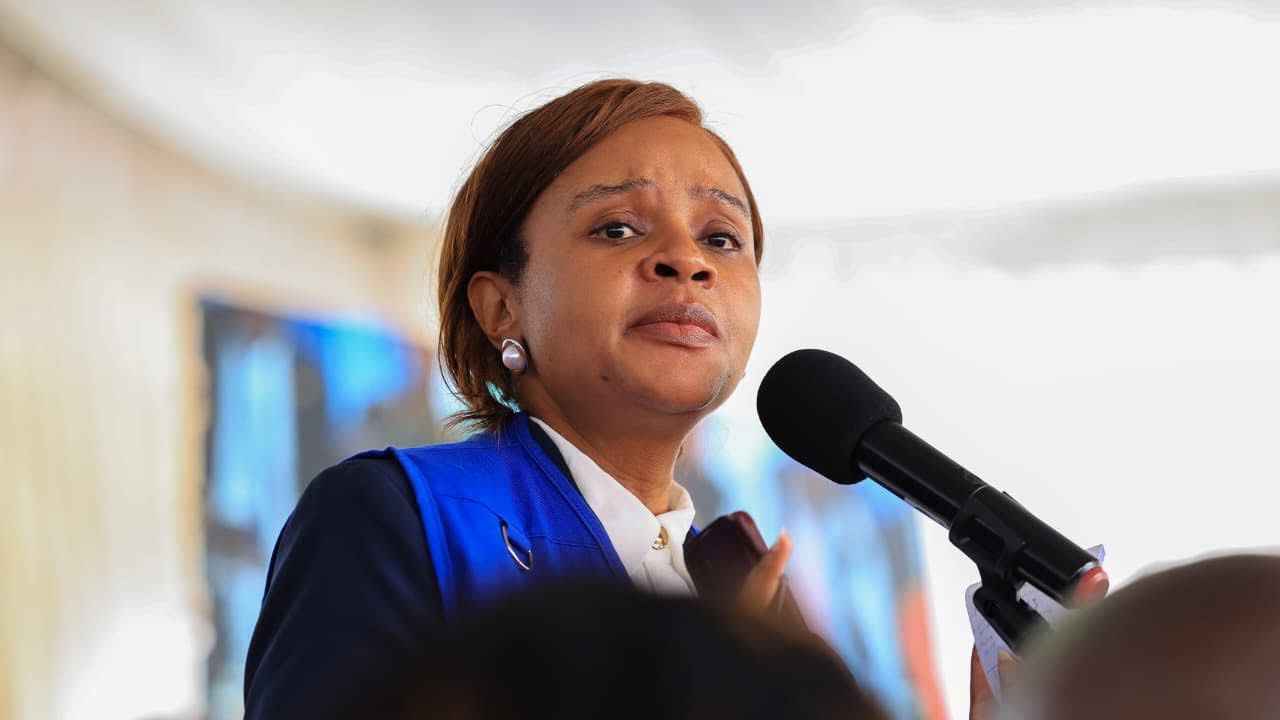
Laura B. Nellums, PhD MSc, assistant dean of Education and professor of Global Health at COPH, has made a meaningful impact in the field and hopes to inspire the same commitment in her students.
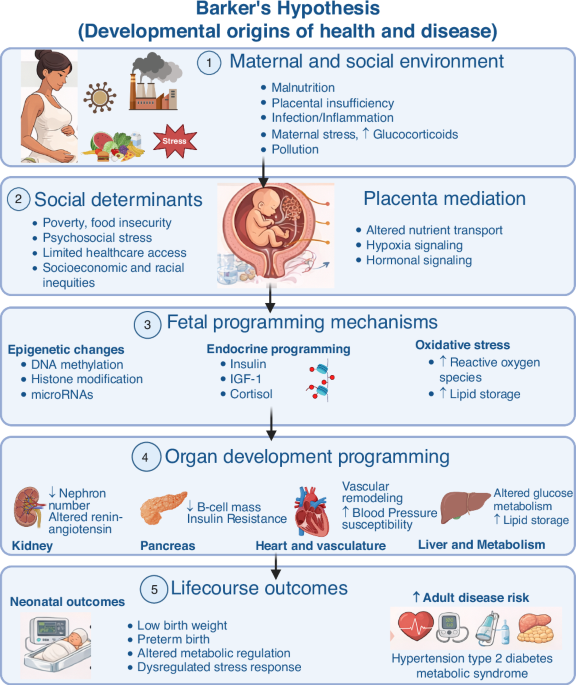
“Globally, there are a lot of examples of health inequities that exist and are driven by social determinants that aren’t defined by individual structures, and being in population health gives you a tool set to better address and ease those impacts,” she said.
A career-focused approach prepares graduates to make those meaningful impacts through both professional roles and hands-on experiential learning opportunities. Population health students develop a strong foundation in leadership, research methodologies and data analysis, allowing them to pursue a wide range of careers and address complex public health challenges.
For those interested in contributing to make an equitable society, it’s important to create initiatives that will help improve health outcomes, even without directly working in a clinical setting.
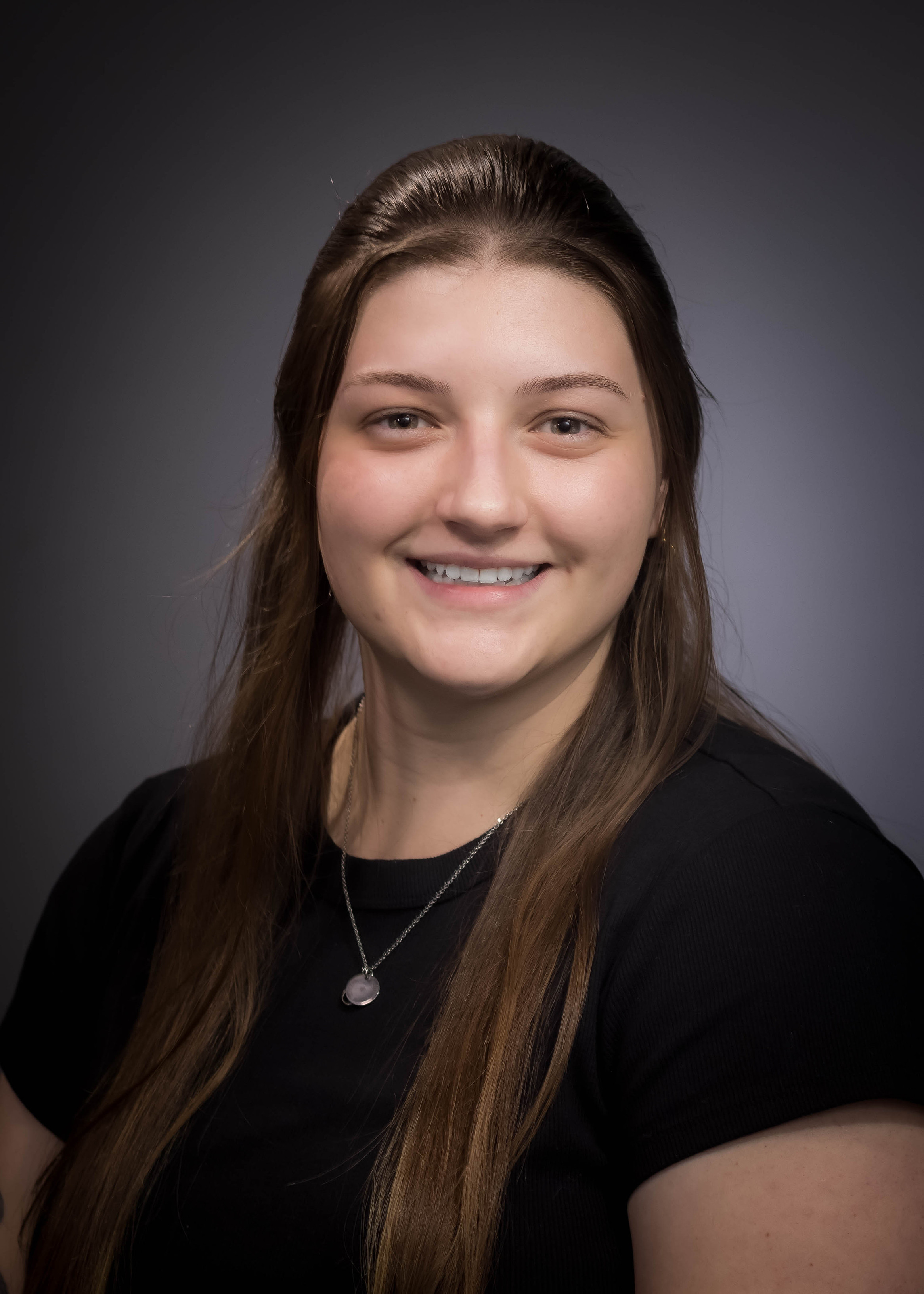
– Sarah Blake, Administrative Coordinator, UNM College of Population Health
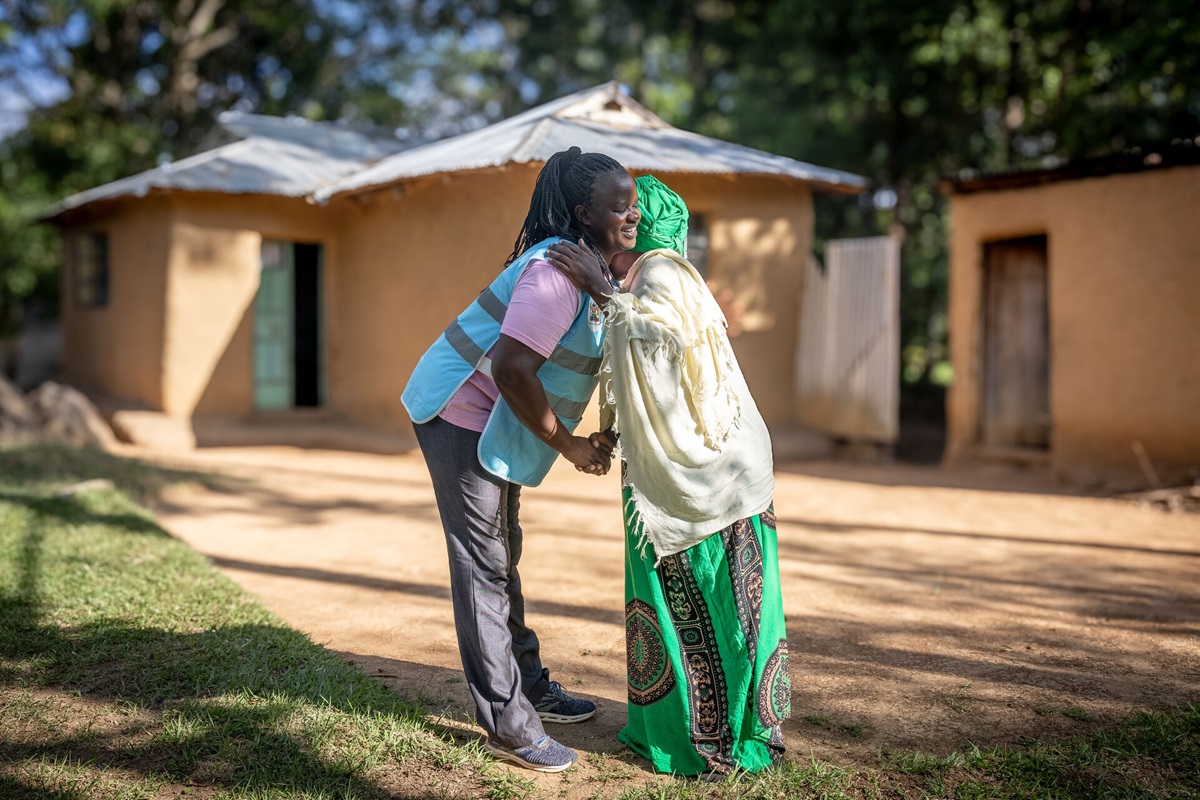
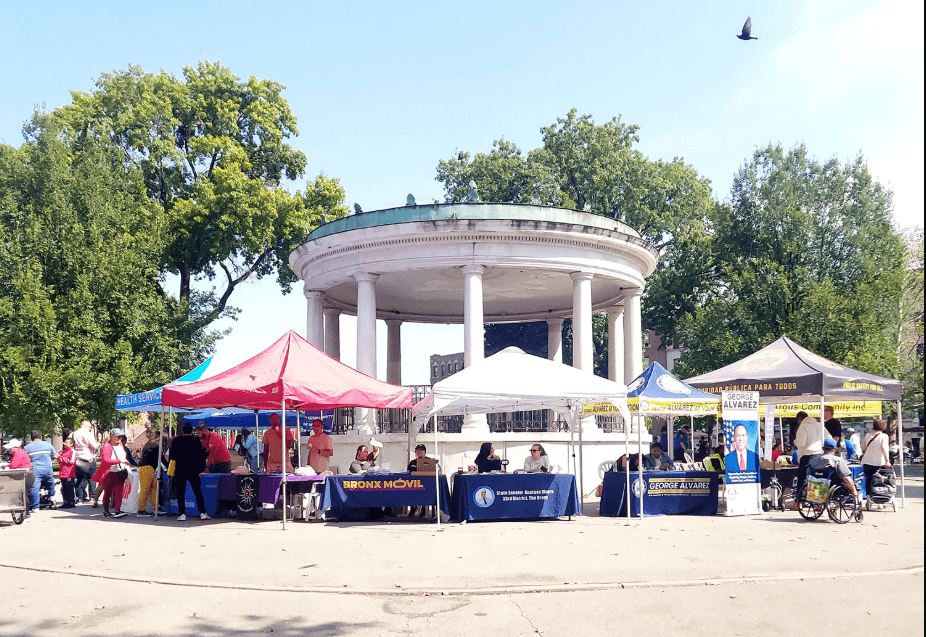
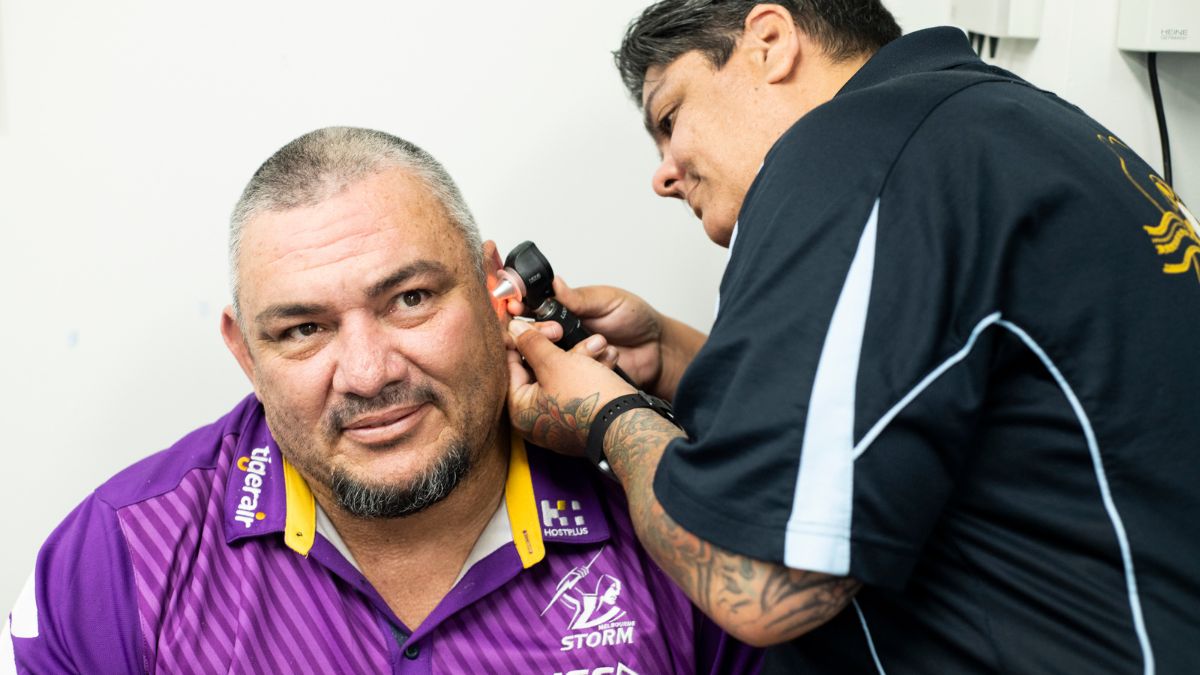
Many enter public health roles such as epidemiology, health education or community outreach coordination. Others pursue healthcare administration or work to improve care delivery systems within hospitals and clinics. Additionally, some graduates focus on public policy, collaborating with government or nonprofit organizations to design programs that reduce health disparities and improve access to care.
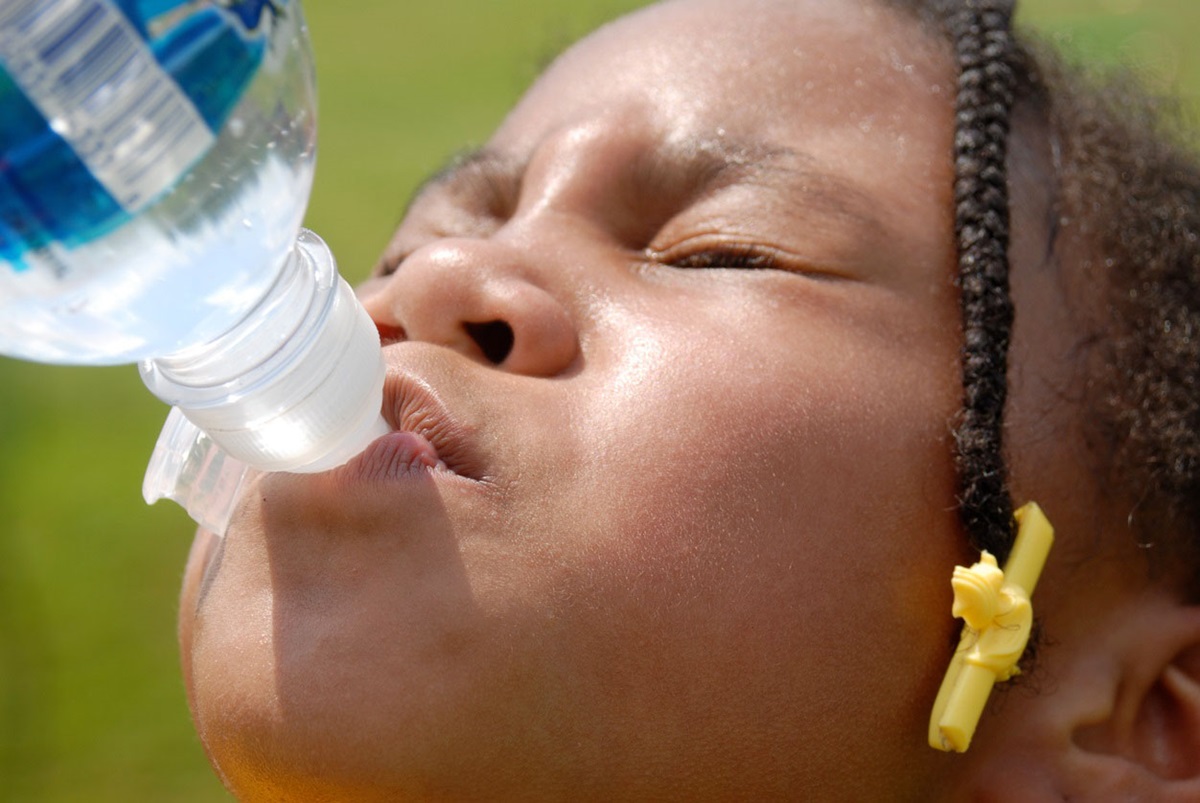
What makes this field unique is its emphasis on prevention and systems-level change, as laid out on the COPH Careers website. . Rather than focusing solely on treating illness, population health professionals work to prevent disease before it begins, addressing issues like food insecurity, environmental risk and health inequities. This is especially important in diverse communities across New Mexico, where cultural, economic and geographic factors significantly influence health outcomes.
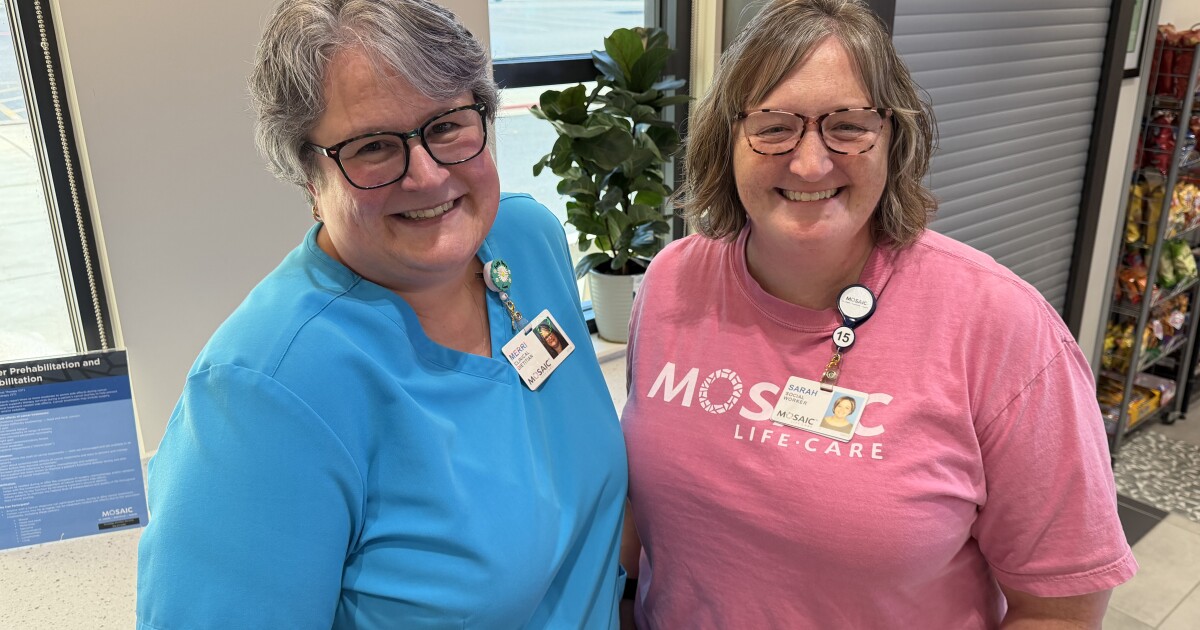
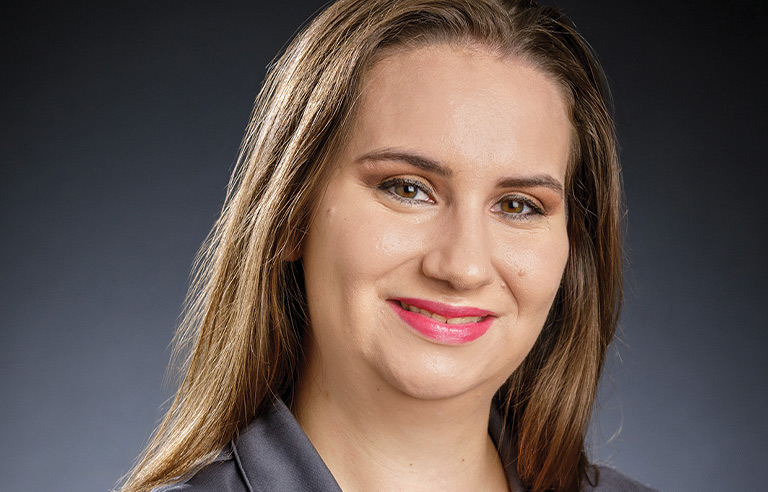
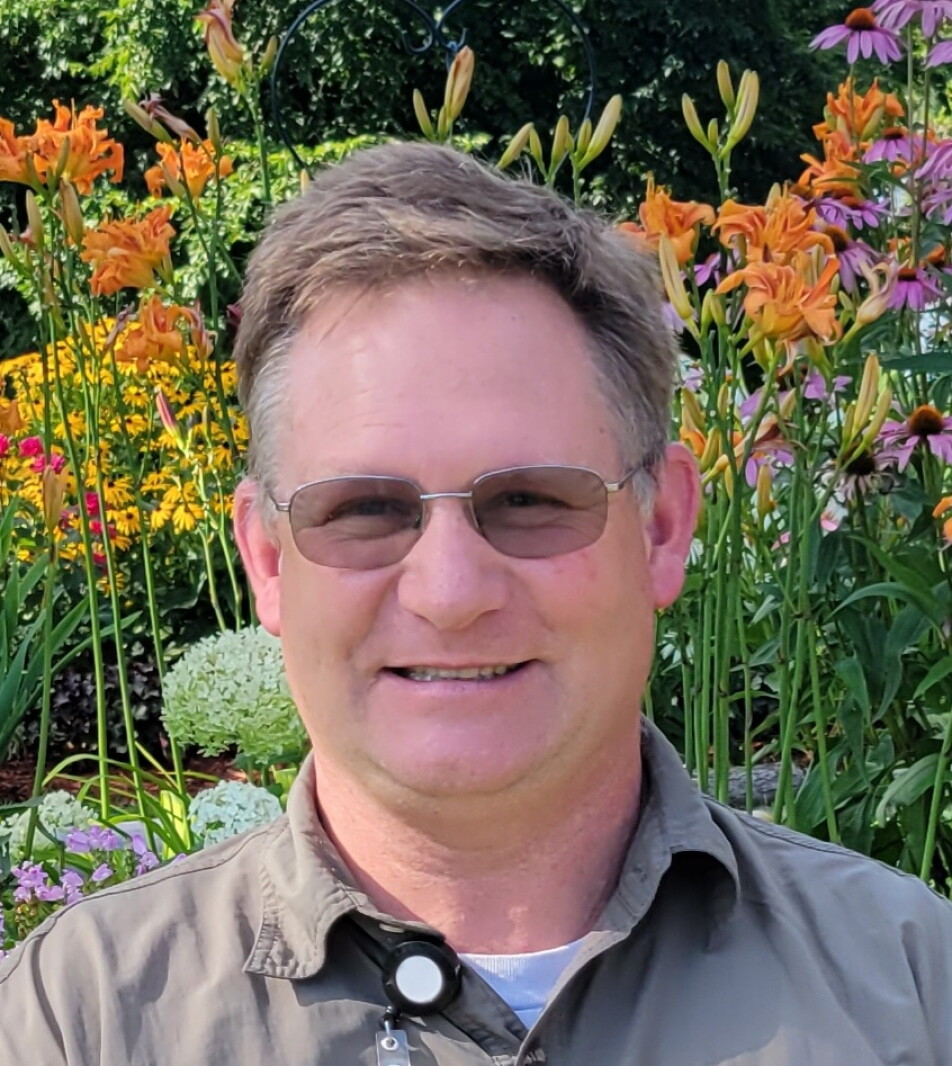
Sarah Blake, the administrative coordinator at COPH, said she was always interested in pursuing a career in healthcare. When she discovered population health, she recognized it as the right path for her professional goals. Blake now hopes to inspire future students to follow their passions and pursue similar meaningful work.
“For those interested in contributing to make an equitable society, it’s important to create initiatives that will help improve health outcomes, even without directly working in a clinical setting,” Blake said.
The flexibility of a population health degree allows students to tailor their path toward research and community-based work, as well as clinical care. Students may work with local nonprofits, public health departments or healthcare systems. These internships often focus on areas such as disease prevention, health education, and community outreach. They also help students build professional networks, which often lead to job opportunities after graduation.
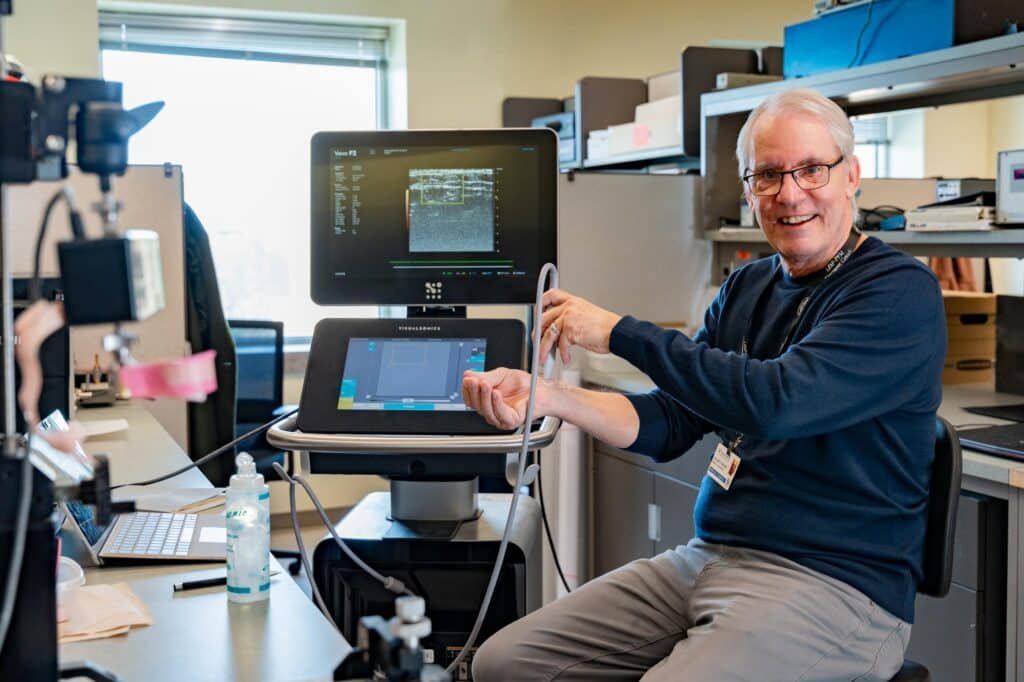
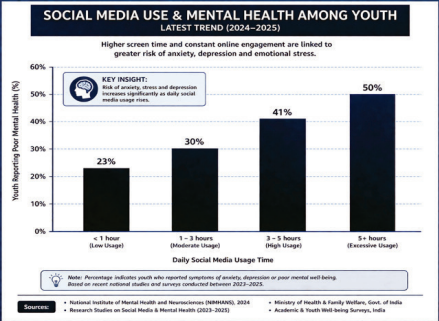
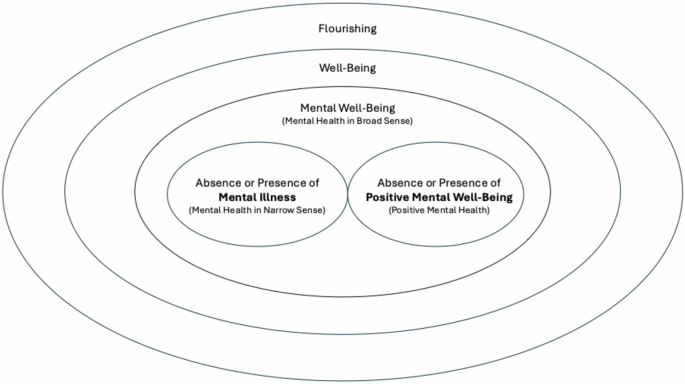
Research opportunities are another important form of experiential learning. COPH engages students in projects focused on issues like mental health, chronic disease prevention, environmental health and Indigenous health.
Nellums has followed an exceptionally inspiring career path, demonstrating that diverse academic experiences can lead to a clearer sense of purpose.
“I had an interdisciplinary background, and I knew I was interested in health inequities globally,” she said. “During my undergrad, I studied Spanish and international relations. Having these aspects allowed me to understand health worldwide. After that, I knew I wanted to go into public health work.”
Ultimately, a degree in population health from COPH prepares students to become effective change-makers. Whether working in healthcare systems, nonprofit organizations or policy development, graduates are equipped to address some of the most pressing health challenges of our time. Through impactful internships and a strong academic foundation, students are empowered to create healthier, more equitable communities.
To read more about learning and career opportunities in the UNM College of Population Health, click here.