Spiritual practice appears to have a protective effect against engaging in harmful or hazardous use of alcohol, tobacco, cannabis, and illicit drugs, according to a new meta-analysis.1 The analysis is the first of its kind to synthesize and comprehensively estimate associations between harmful or hazardous substance use and spirituality, defined as “any practice where an individual finds ultimate meaning, purpose, and connection to something greater than themselves.”1
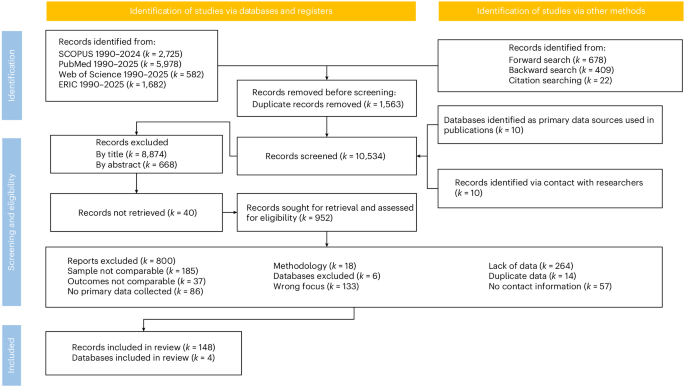
Researchers analyzed 55 studies, with more than half a million individuals, in which validated measures of spirituality and longitudinal associations between spirituality and alcohol and other drug (AOD) misuse were measured. Studies were eligible if they were prospective cohort studies with sample sizes of at least 1000 or randomized clinical trials (RCTs) with sample sizes of at least 100 participants.1
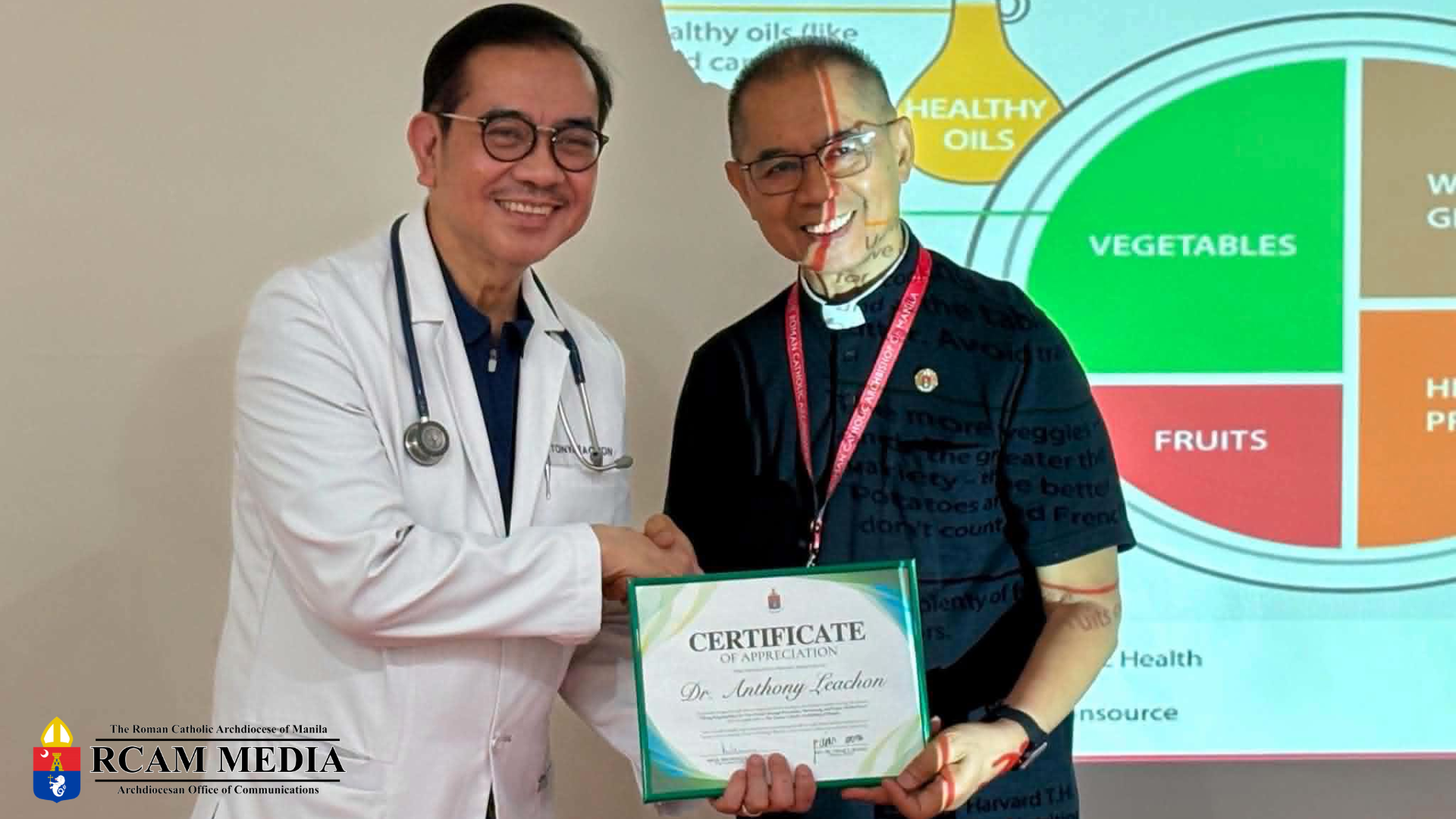
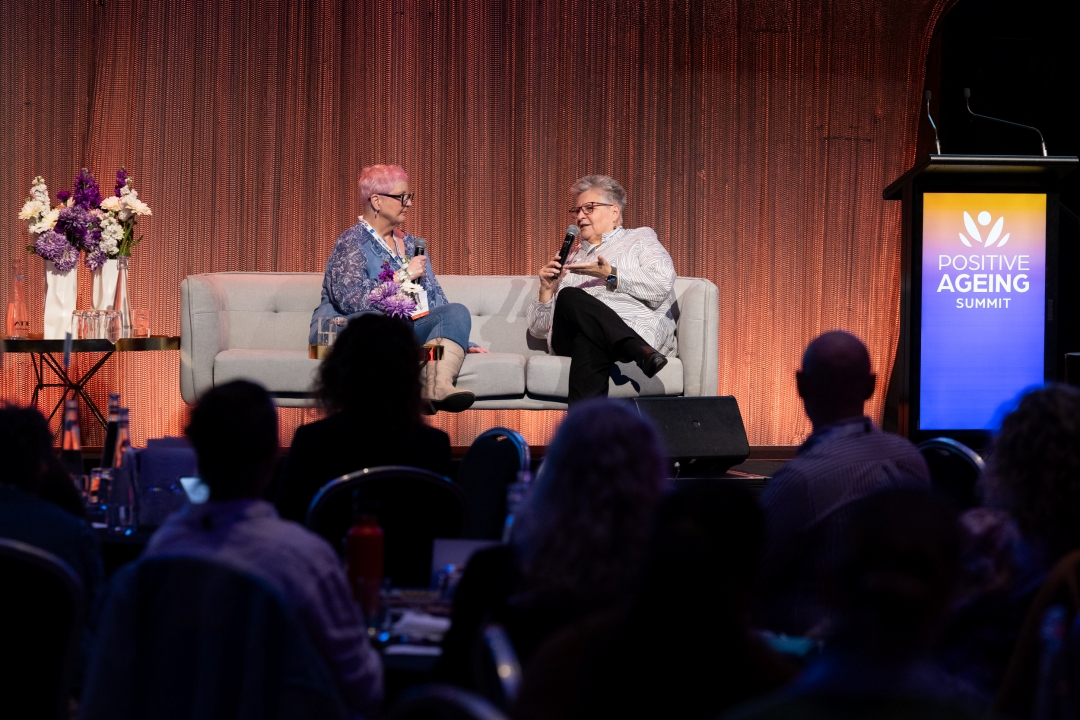
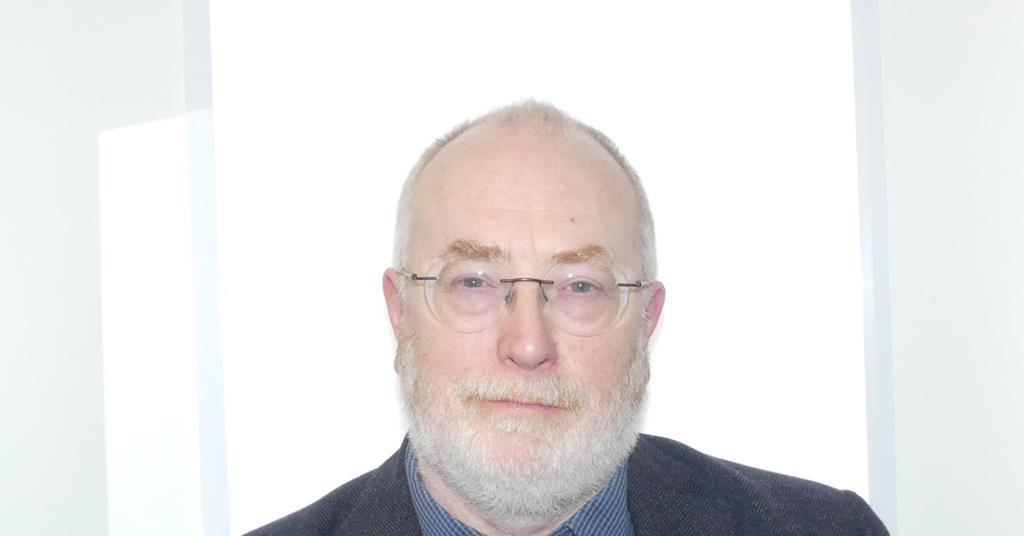
“These findings not only add to the growing body of research studying the link between health and spirituality but also have broad implications for future strategies to address substance misuse, one of the biggest public health challenges of our time,” lead author Howard Koh, MD, MPH, Harvey V. Fineberg Professor of the Practice of Public Health Leadership, Harvard T.H. Chan School of Public Health, Boston, Massachusetts.
Faith, Meaning, and Recovery in AOD Use
Dr Koh and his colleagues noted that 48.5 million US individuals, or 16.7% of the US population, experience harmful or hazardous AOD use, which is also the leading major societal burden related to hospitalizations, economic costs, and deaths. Only about one-quarter of people with AOD receive treatment, and effective prevention often fails to reach those who are at risk.1
In the analysis,, Dr Koh recounted, was a continuation of research in JAMA entitled “Spirituality in Serious Illness and Health,”2 which found that spirituality was strongly linked to improved health outcomes, such as lower overall mortality, better mental health, and lower suicide rates. As a result, considerations have been made about spirituality being used as an alternative to lower risk for AOD use and support chances for recovery.
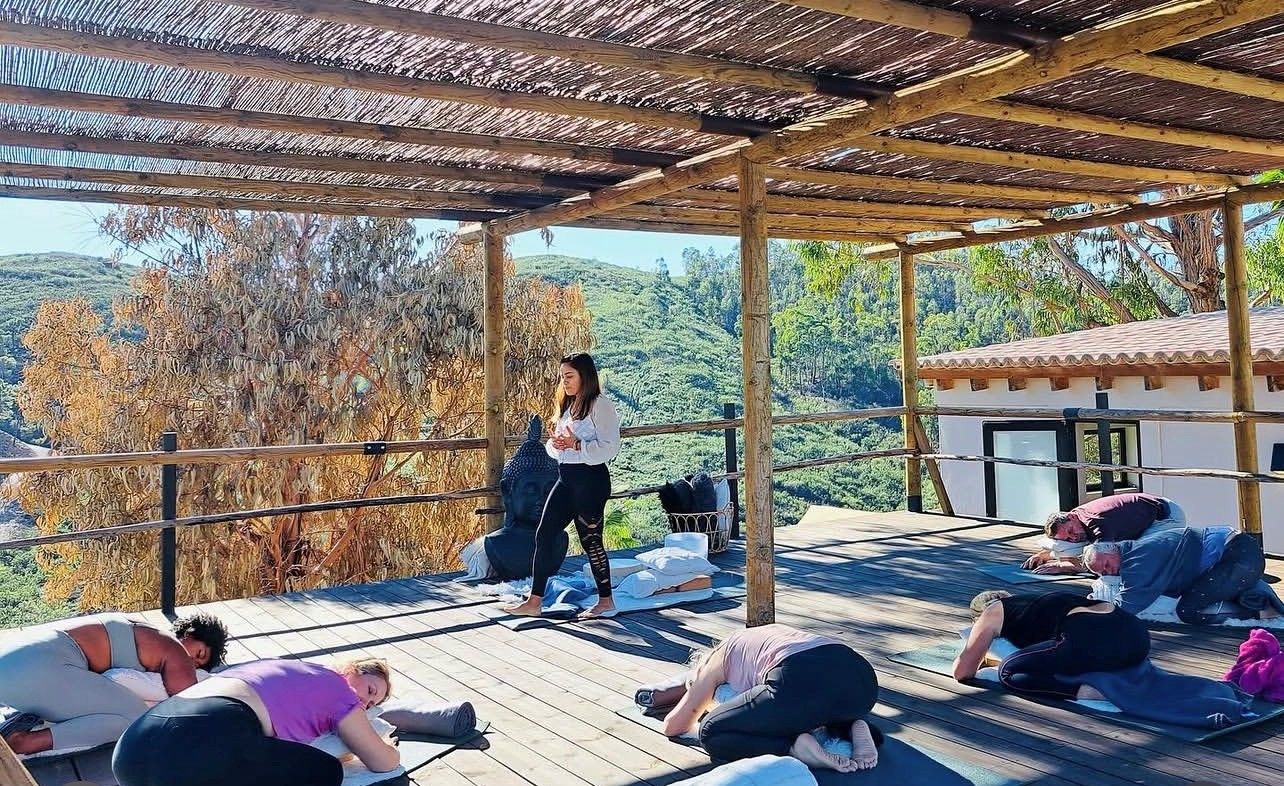
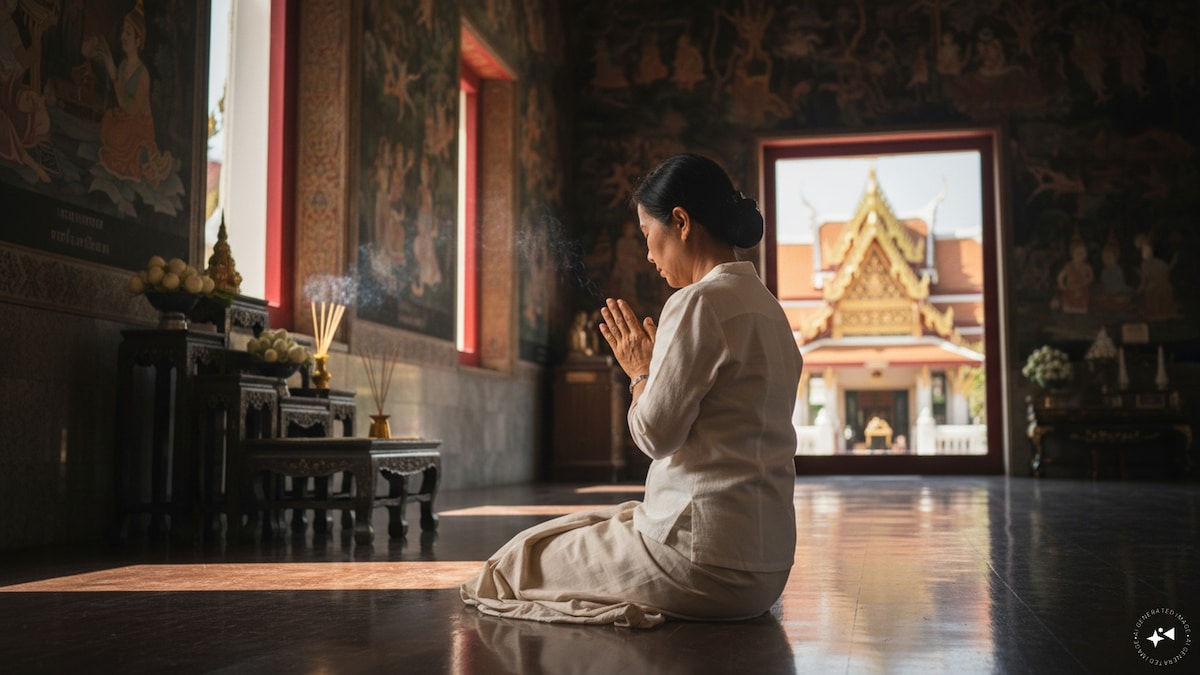
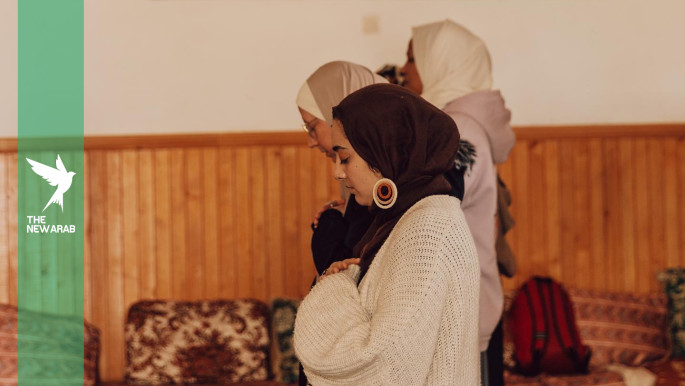
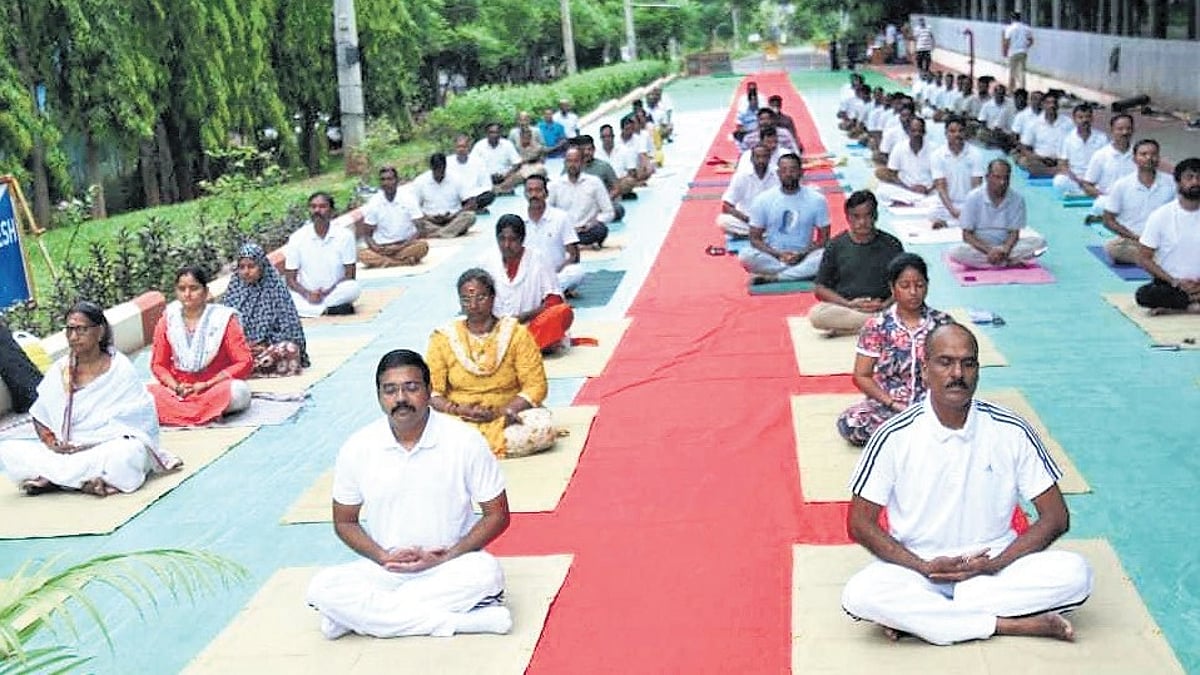
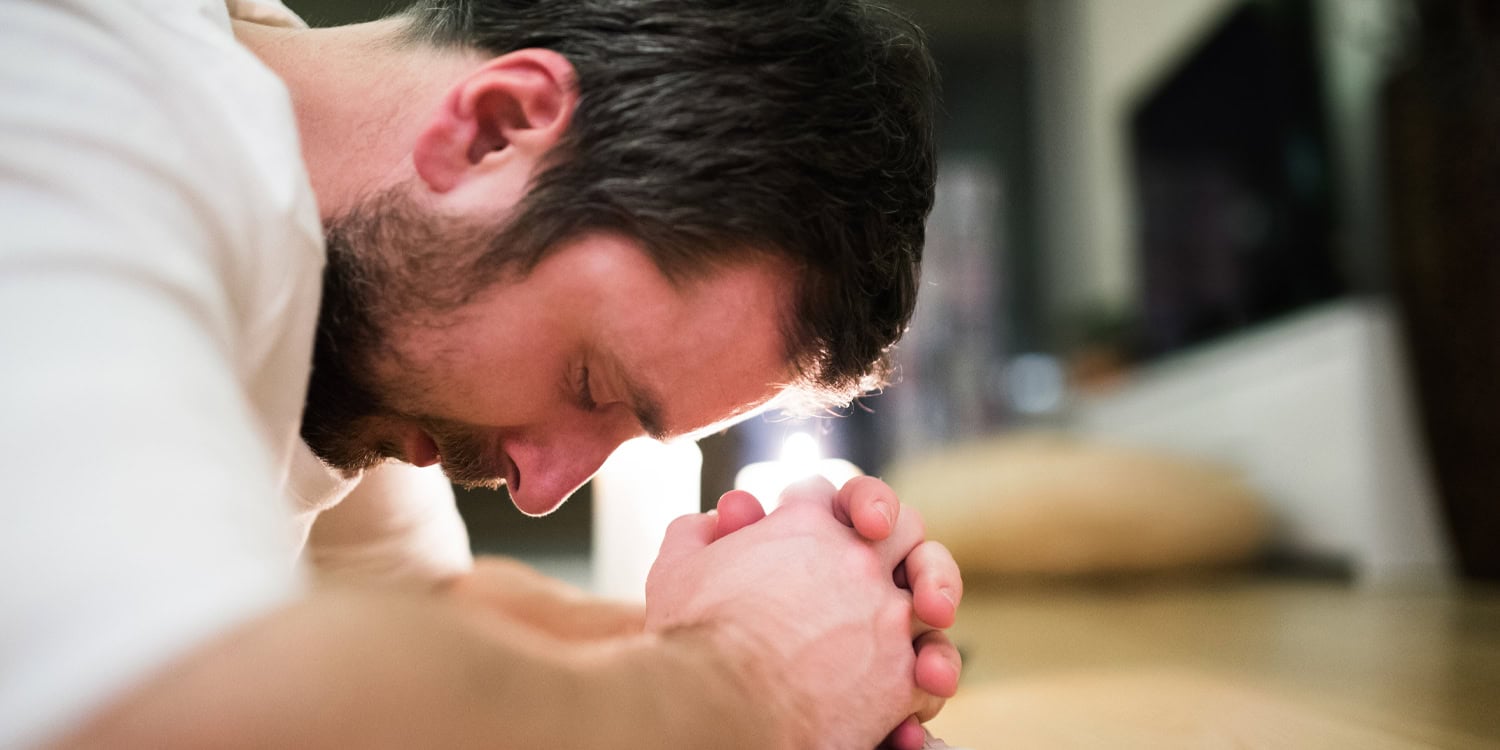
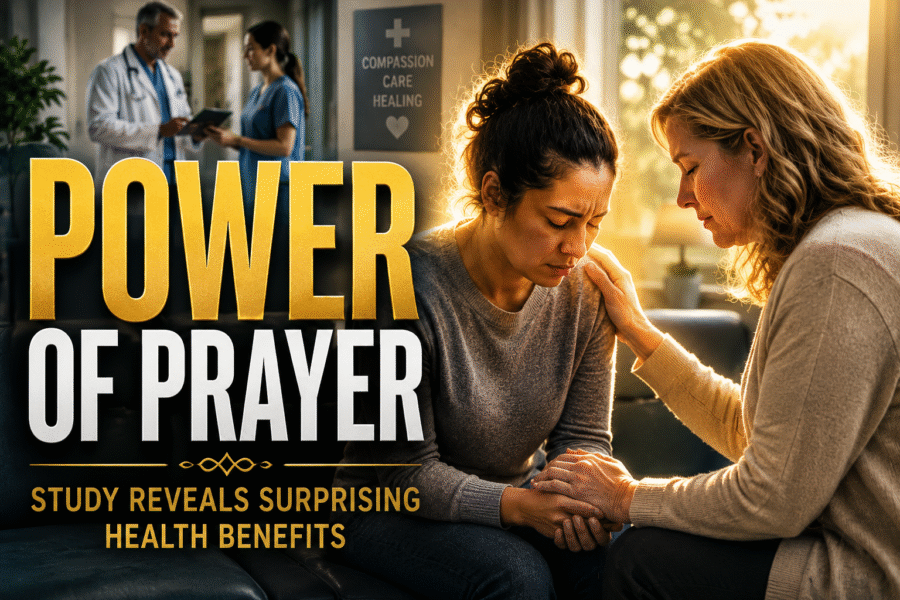
For many individuals and families, using spirituality as a resource — whether that be attending religious services, meditating, praying, or seeking other forms of spiritual comfort — may be an avenue to enhance their health.
Some researchers have defined spirituality as a dynamic dimension that relates to the way an individual and community experience, express and/or seek meaning, purpose and transcendence, as well as the way they connect to the moment, to self, and to other people and things.3 Using this definition, researchers found that spirituality demonstrated beneficial associations for an array of outcomes including all-cause mortality and specific conditions, such as substance use/misuse.2 Other research has reached similar conclusions.4,5 However, no meta-analysis has specifically discussed the longitudinal associations between spirituality and hazardous or harmful AOD use prevention or recovery.
Dr Koh and his colleagues identified more than 20,000 papers published between 2000 and 2022, with a total of 540,712 participants.1
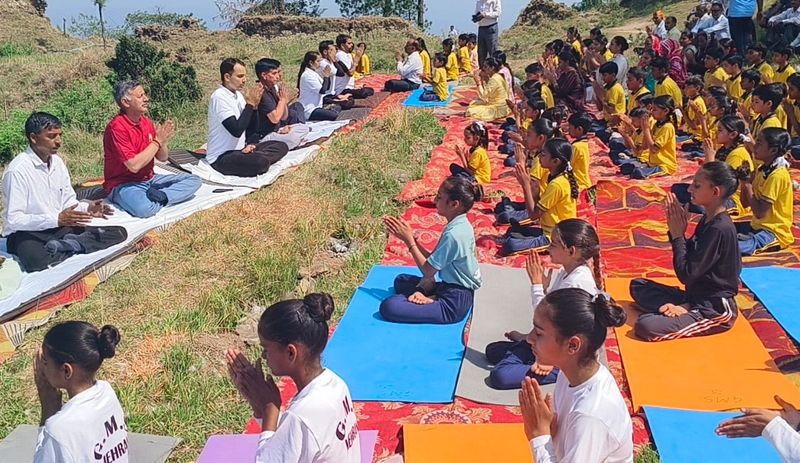
Spiritual approaches encompassed a wide range of practices rather than a single defined intervention, and exposures were divided into several overlapping domains, including organizational or communal spirituality. This included, most prominently, religious service attendance and participation in faith communities, as the most frequently studied spiritual activity.1
Studies also assessed private spiritual practices, such as prayer and meditation, as well as intrinsic religiosity or spiritual orientation, including the importance of religion, belief in a higher power, and the extent faith guides daily life. Some included studies captured spiritual coping and meaning-making, such as seeking spiritual comfort, using spirituality in decision-making, or drawing on faith during stress. Additionally, several studies used composite or multidimensional indices of religiosity, often combining attendance, prayer, and belief into a single construct, and incorporating elements of religious upbringing or norms.1
Individual and Public Health Implications
The researchers1 found a consistent 13% reduction in risk that extended across all of the substances, including alcohol, tobacco, cannabis, and illicit drugs (risk ratio [RR], 0.87; 95% CI, 0.84-0.91). For participants who engaged in spiritual or religious communities, which researchers defined as at least 1 weekly religious service attendance, the reduction was even larger, reaching 18% (RR, 0.82; 95% CI, 0.75-0.89). Nearly all 134 effects extracted from the studies demonstrated protective rather than detrimental results, with multiple sensitivity analyses confirming the robustness of evidence.
“Protective effects [of spirituality] related to both drug use prevention — delayed initiation for young people — and enhanced recovery,” Dr Koh commented. “For many individuals and families, using spirituality as a resource — whether that be attending religious services, meditating, praying, or seeking other forms of spiritual comfort — may be an avenue to enhance their health.”
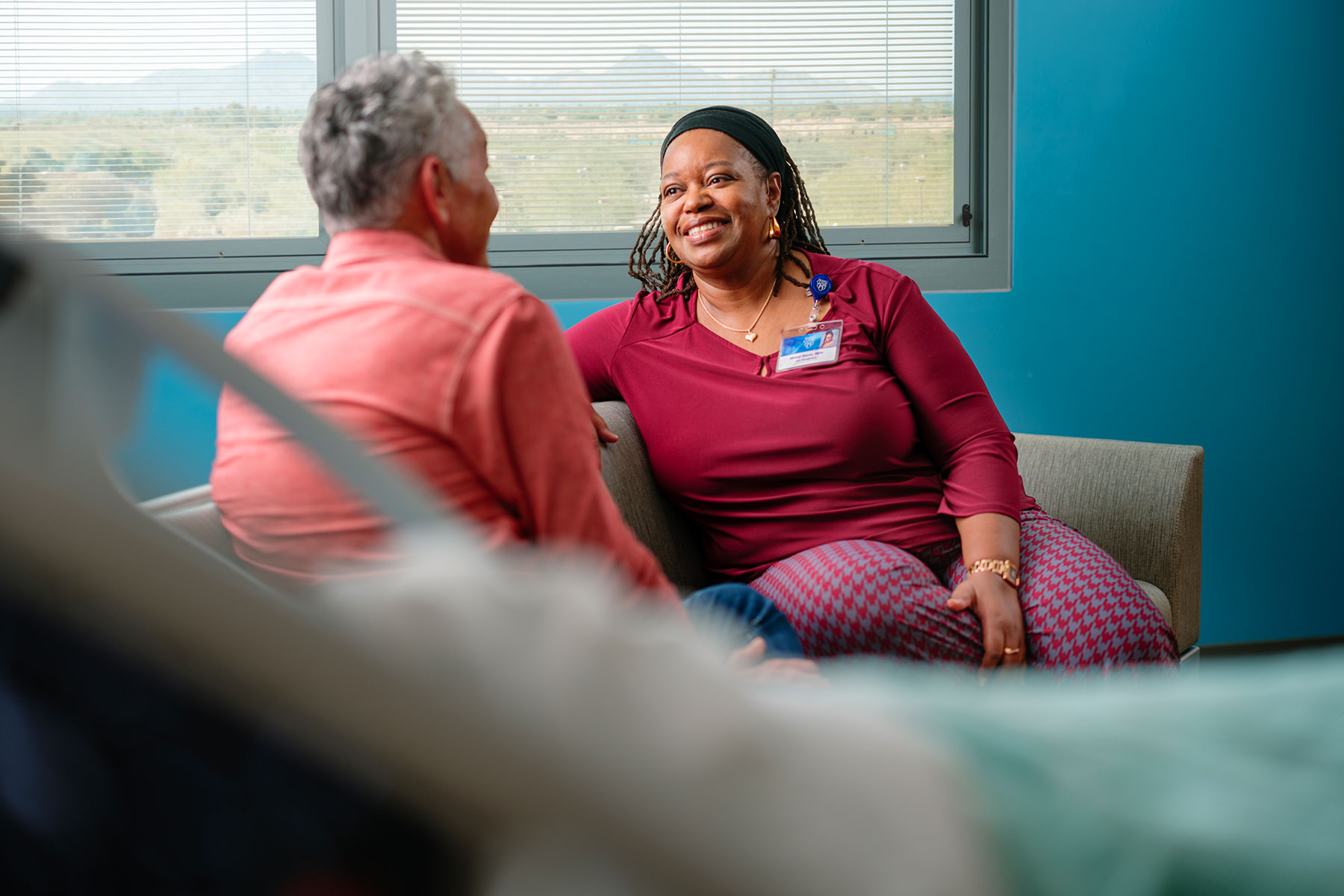
The findings also have substantial implications for clinicians and communities, Dr Koh added. For example, in the clinic, physicians, and other healthcare professionals can consider asking their patients, is religion or spirituality important to you when considering illness and health in other areas? They can also ask, do you have, or would you like to have, someone to talk to about spiritual matters? Referring patients who respond affirmatively to these questions to a hospital chaplain or other spiritual care expert can provide further support and guidance and represent a meaningful step toward true person-centered care.
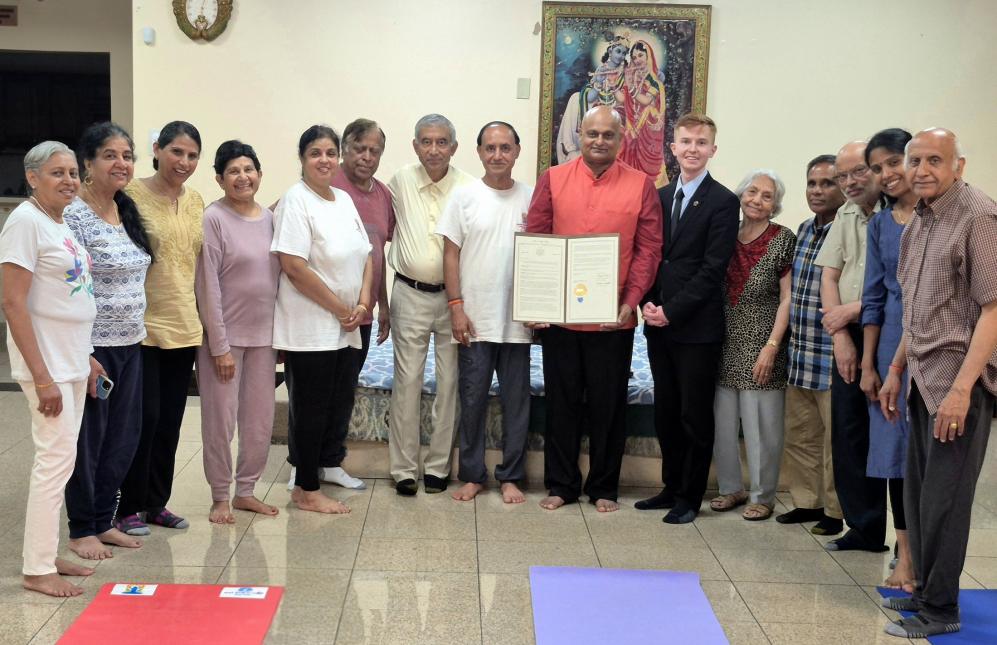
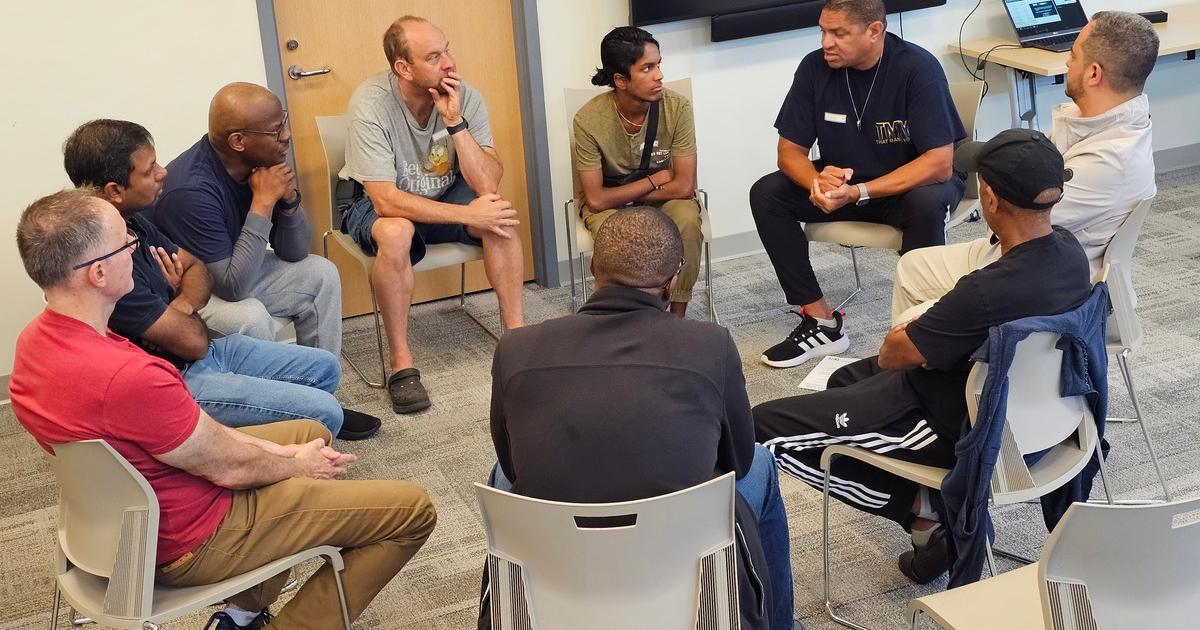
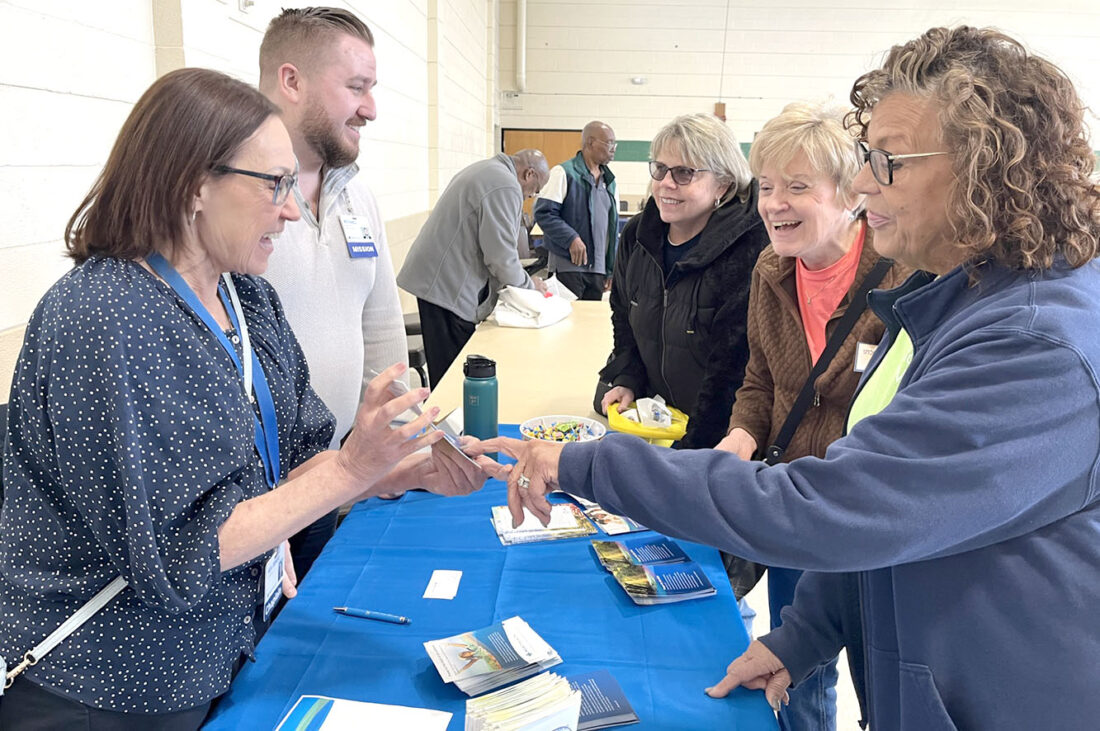
On a community level, health groups and faith groups can consider more partnerships to align outreach, education and counseling services, Dr Koh further stated, noting that 12-step mutual support programs, such as Alcoholics Anonymous (AA)6, have long emphasized spiritual themes, such as restoring meaning and purpose to one’s life and connecting to something bigger than oneself.
“Health is not just about the body but also about the soul,” Dr Koh said. “Reimagining the future of public health can include more explicit consideration of spirituality as a way to help more people reach their full potential for complete wellbeing.”
“Lynchpin of Sustained Recovery”
John Fromson, MD, professor of clinical psychiatry at Harvard Medical School, Boston, Massachusetts, a member of the American Psychiatric Association (APA)’s Council on Addiction Psychiatry, founder and director of the Massachusetts Physicians Help Services (PHS), and a Class A trustee of the General Service Board of AA, lauded the study and its use of Puchalski’s definition of spirituality.
Dr Fromson stated that “spirituality is whatever someone makes of it, such as a ‘Higher Power.’ Community can also have a spiritual effect on people, which Dr Koh and his colleagues allude to, sharing the same core values.”
He pointed to the importance of “spiritual awakening,” as it is referred to in the 12 steps of Alcoholics Anonymous.6 Dr Fromson described it as a “lynchpin of sustained recovery.” Spiritual awakening can sometimes lead to a transformation through realization of the effect of drug use on themselves, their families, or their work environments, and how much they have hurt others. This realization can be the impetus for changing those behaviors.
Dr Fromson emphasized that a person “doesn’t have to ‘hit rock bottom’ and incur terrible losses — such as a partner, family, job, or home — to have a spiritual awakening and make a profound change.” Being in nature, connecting spiritually, and interacting with a supportive community can perhaps prevent the terrible losses from happening and can bolster the individual’s decision to make the necessary changes.
The Role of Clinicians
Katrina DeBonis, MD, HS clinical associate professor and vice chair of education, department of psychiatry and biobehavioral sciences, UCLS David Geffen School of Medicine, Los Angeles, agreed that although some clinicians may view conversations with their patients about the potential benefits of spirituality and religion as outside their scope of practice, the results of this study1 would challenge that stance, perhaps convincing clinicians and public health experts to consider spirituality as a resource that offers health benefits, Dr DeBonis stated. “Given the devastating consequences of substance use disorders (SUDs), any factor that reduces risk by 13% [to] 18% deserves further study to understand.”1
Dr DeBonis cautioned clinicians not to view the study1 as guidance that they should prescribe religious attendance to prevent and treat SUDs. Rather, they should recognize the protective benefits that spirituality and community engagement can provide for patients concerning SUDs and collaboratively work with patients to access this potential resource in a way that is aligned with the individual patient’s values and beliefs.
For some patients, this might look like asking about their spiritual beliefs and ways to feel more connected to them. For others, it might involve brainstorming practices, such as a volunteering commitment, community gardening, or meditation.
Dr DeBonis added that the study1 “provides evidence in support of position statements and consensus statements urging for spirituality and religion to be included in clinical care, and that healthcare professionals recognize and consider the benefits of spiritual community as part of efforts to improve wellbeing.”
Editor’s Note: This article was written for clarity and accuracy.
Author’s Note: The study was supported by the Templeton Religion Trust and the Lee Family Fund.