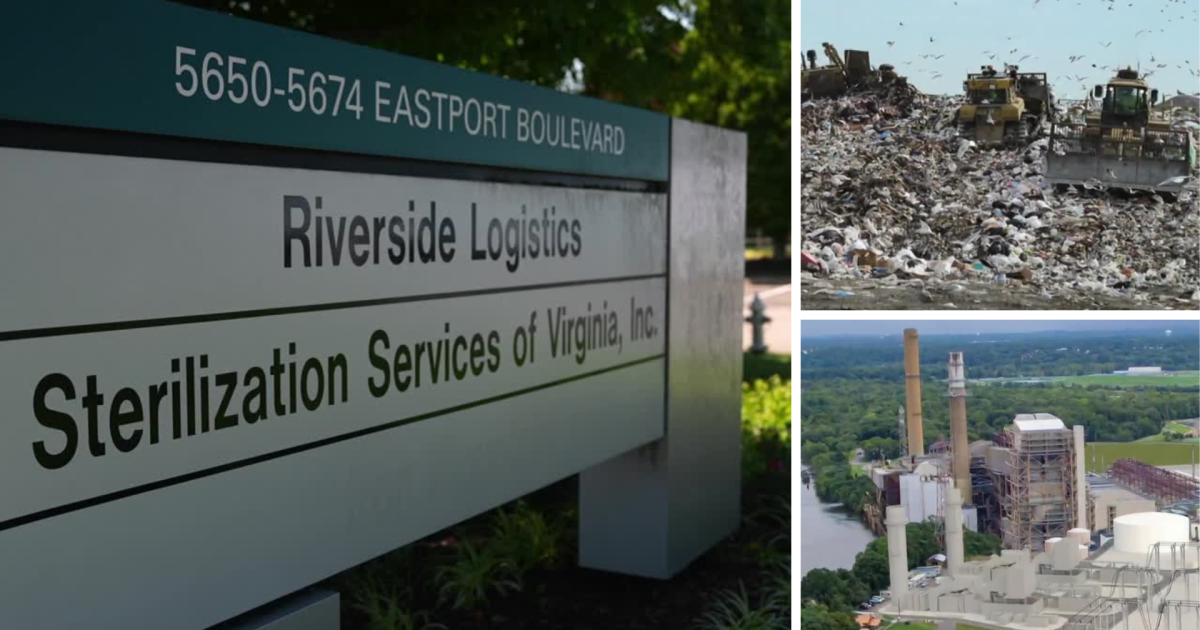

Nigeria is blessed with abundant natural resources, vast agricultural land and a growing population that has the potential to drive economic development. However, one of the major challenges threatening the nation’s environmental sustainability is the growing problem of waste generation and poor waste management practices.
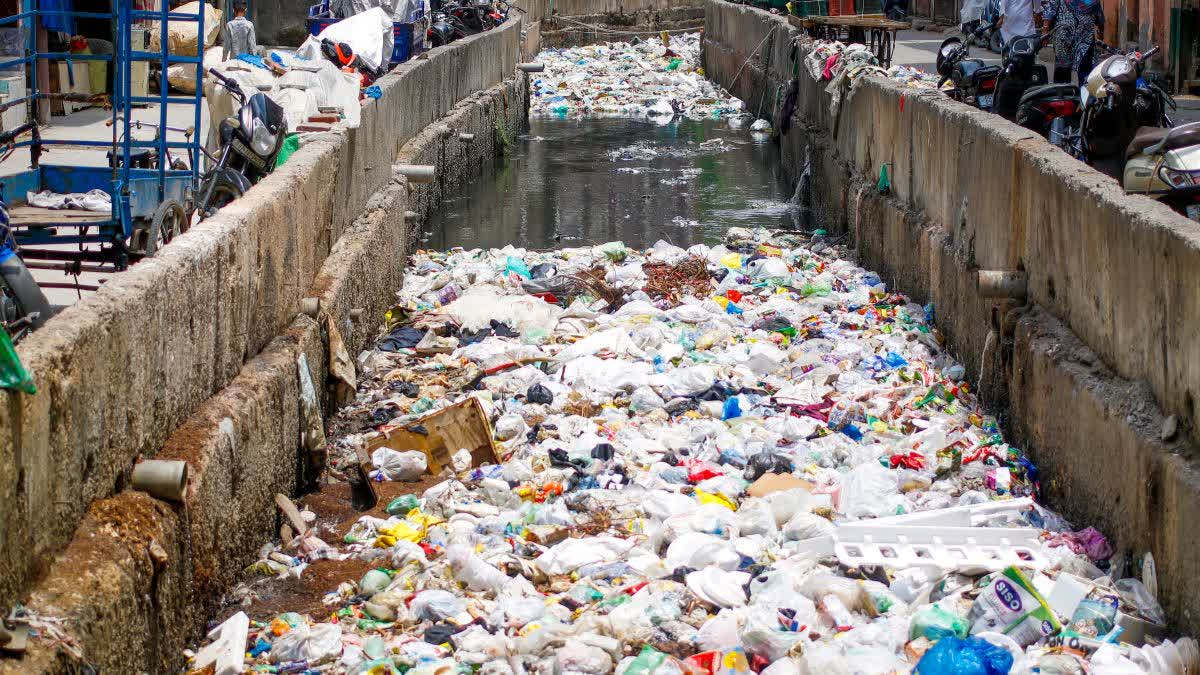
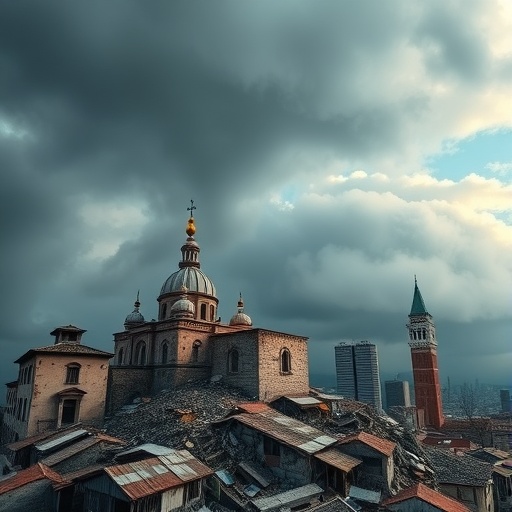
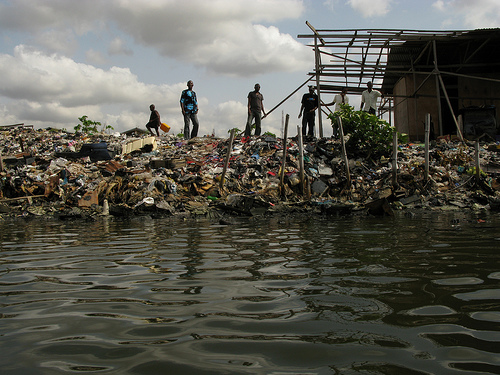
Across many cities and rural communities in Nigeria, heaps of refuse can be seen along roadsides, drainage channels, markets and residential areas. The indiscriminate disposal of waste has become a common sight, creating serious environmental, health and socio-economic concerns. As urbanisation and population growth continue to increase, the volume of waste generated daily is also rising, placing enormous pressure on the environment.
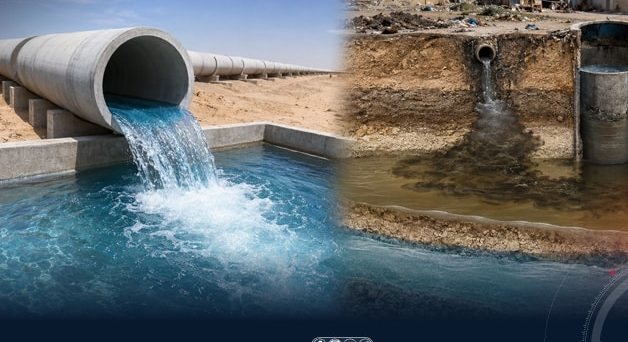
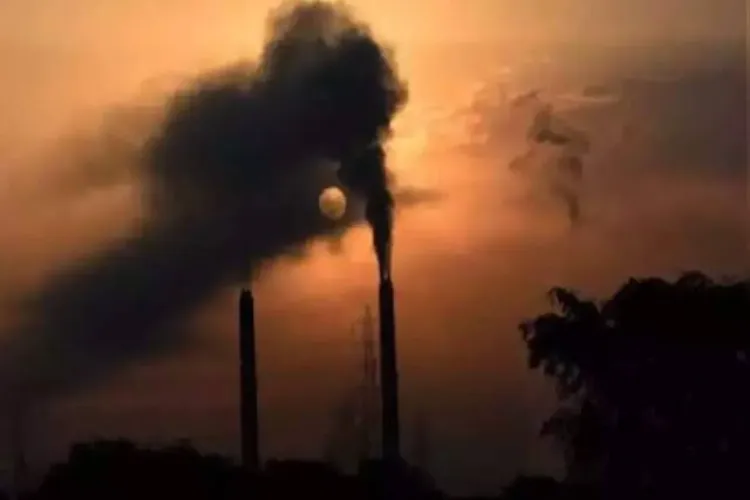
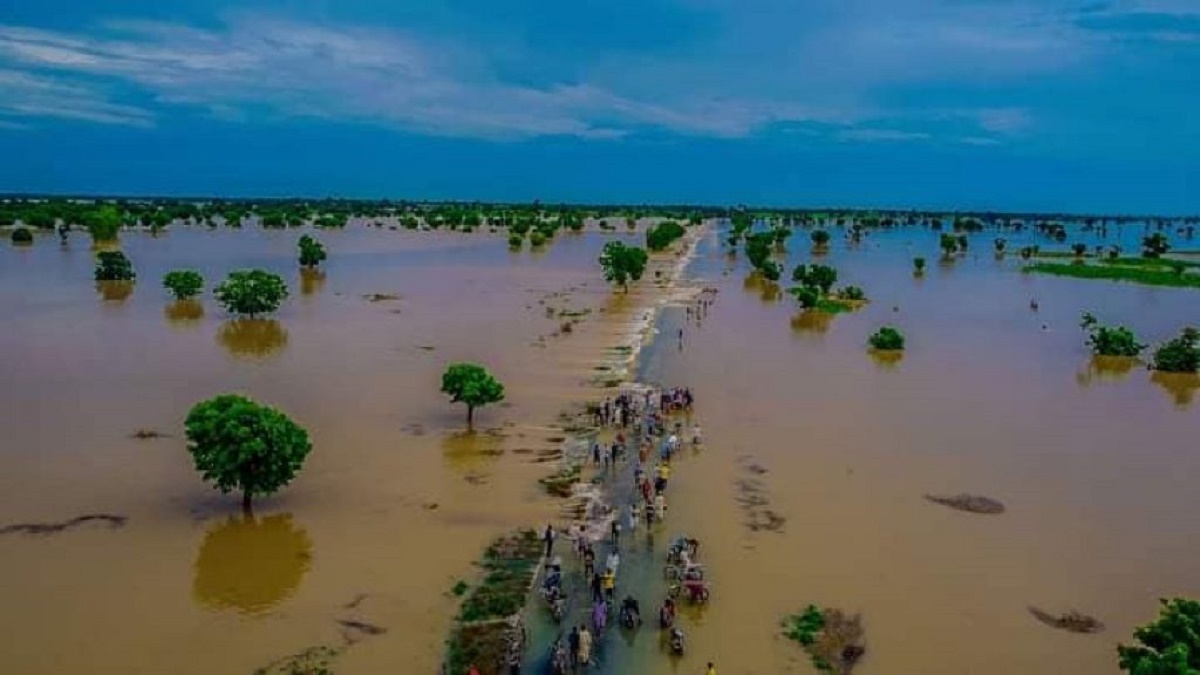
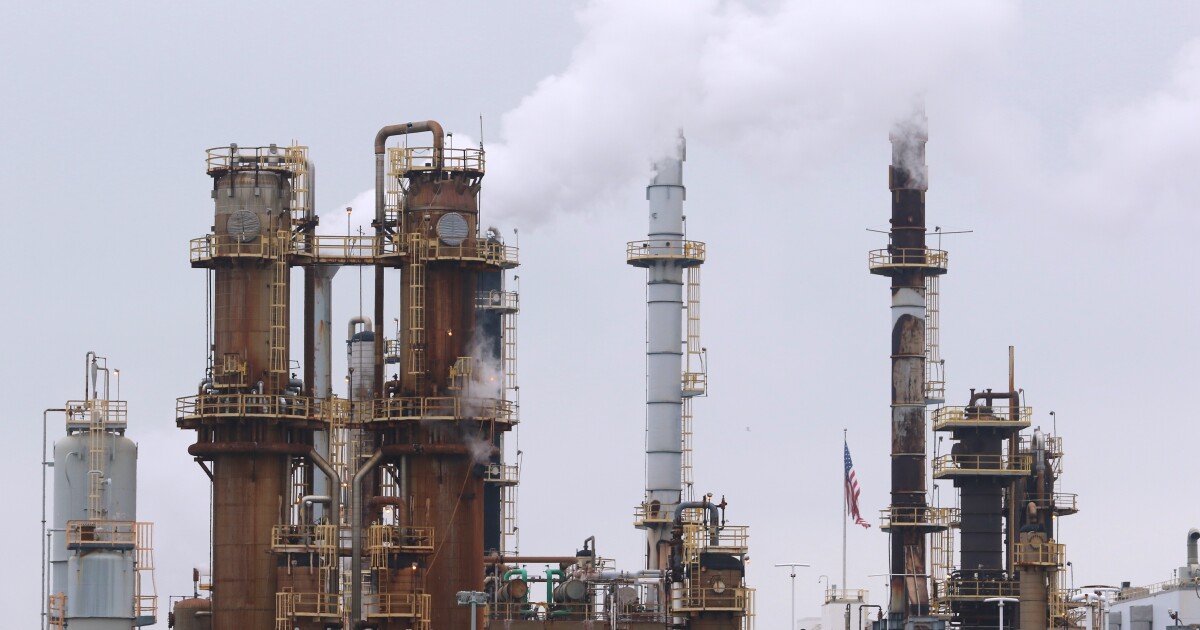
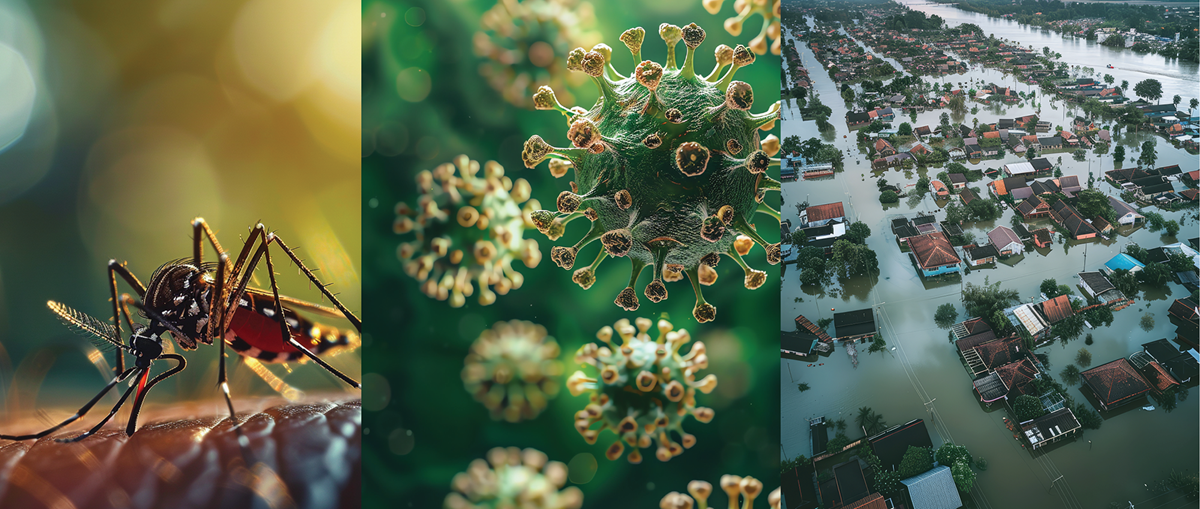
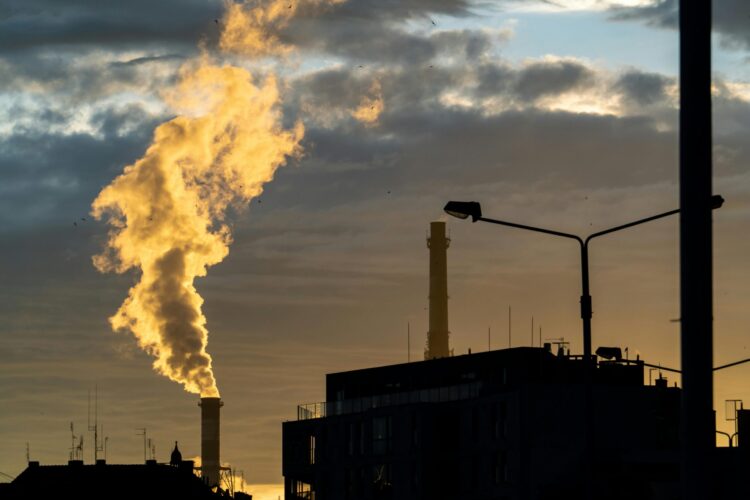
Poor waste management contributes significantly to environmental degradation. When waste is dumped in open spaces or waterways, it pollutes the land and water resources. Plastic materials, which take hundreds of years to decompose, clog drainage systems and contribute to flooding during the rainy season. The burning of refuse releases harmful gases into the atmosphere, increasing air pollution and contributing to climate change.
The health implications are equally alarming. Accumulated waste serves as a breeding ground for disease-carrying insects and rodents, leading to outbreaks of malaria, cholera, typhoid fever and other communicable diseases. Communities living near dumpsites are particularly vulnerable to respiratory and other health complications arising from environmental pollution. As such government resources that could be invested in education, healthcare and infrastructure are often diverted to address environmental emergencies and disease outbreaks caused by improper waste disposal.
A major challenge facing waste management in Nigeria is the attitude of both the elite and the poor toward environmental sanitation. While many affluent individuals adopt an “out of sight, out of mind” approach to waste problems, poorer population often accept unsanitary condition as unavoidable. This lack of collective concern and civic engagement reduces pressure on waste management authorities to act effectively. Consequently, poor waste management persists, with its adverse effects falling disproportionately on low-income communities that lack the resources to protect themselves from environmental pollution and related health hazards. Addressing these attitudinal and social barriers is essential for achieving sustainable waste management and environmental protection in Nigeria.
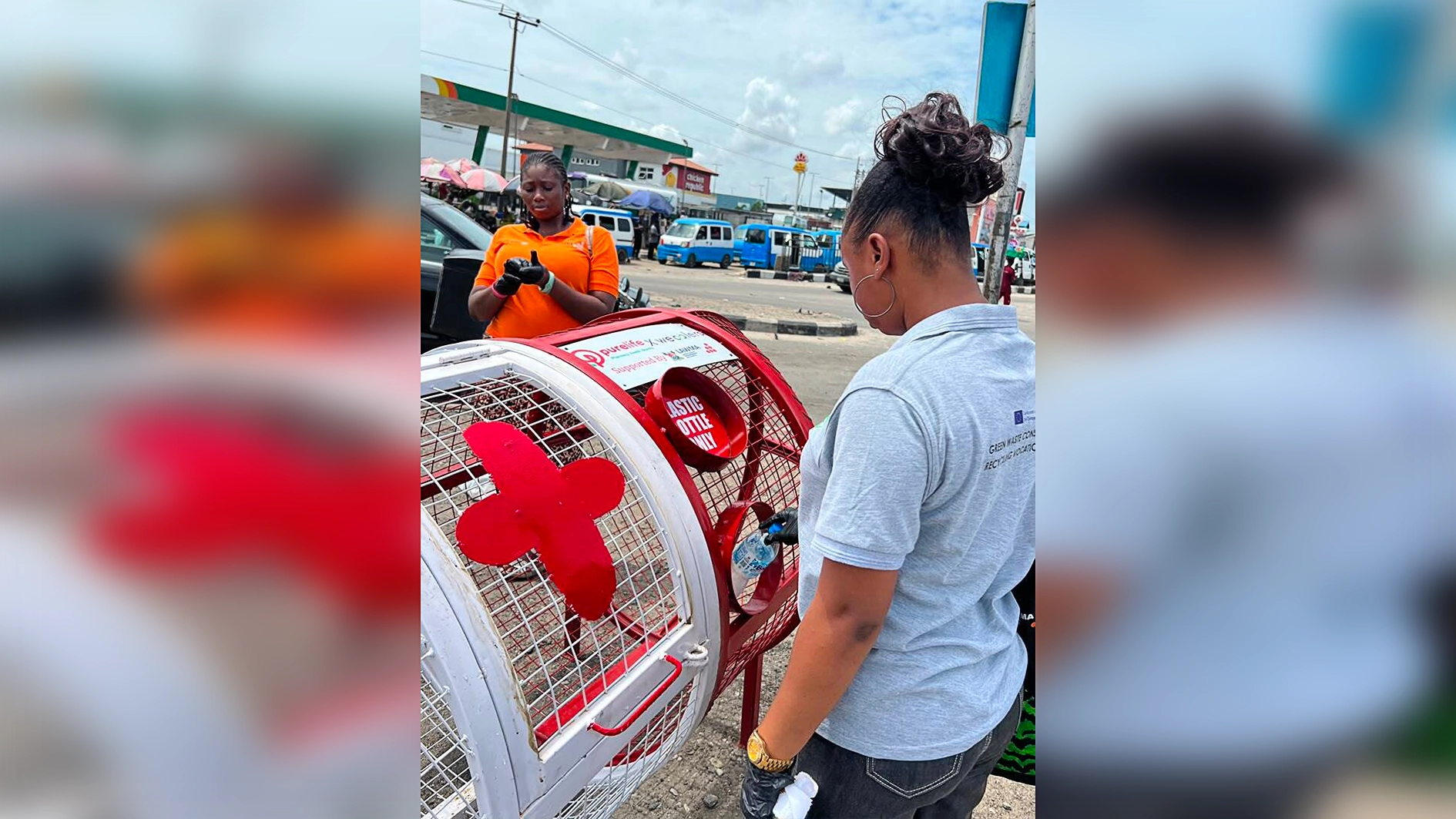
Despite these challenges, waste these days could also be seen as a valuable resource. Proper recycling and waste-to-wealth initiatives can create employment opportunities, generate income and promote sustainable development. Materials such as plastics, paper, glass and metals can be recycled and reused, reducing pressure on natural resources and minimising environmental pollution.
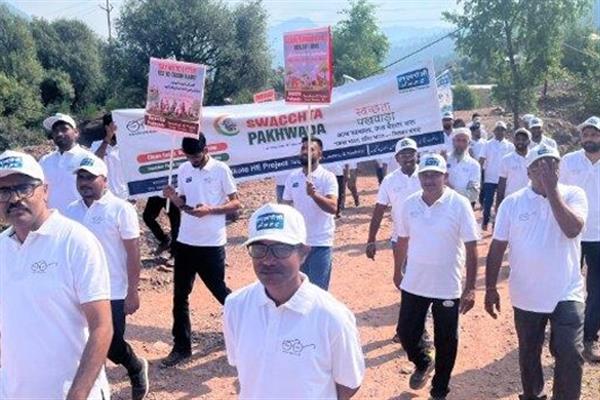
To address the waste management crisis, several measures are necessary: The government at all levels must strengthen environmental policies and ensure strict enforcement of sanitation regulations. Adequate waste collection and disposal infrastructure should be provided across the country and Public awareness campaigns should educate citizens on the importance of proper waste disposal and environmental conservation.
In addition, Schools, religious institutions, community organizations and the media also have vital roles to play in promoting environmental responsibility. Environmental education should be enhanced in school curricula to instill good waste management habits from an early age. Citizens must understand that maintaining a clean environment is a shared responsibility rather than the sole duty of government. Private sector participation should be encouraged through investments in recycling plants, waste collection services and innovative waste management technologies. Such partnerships can help transform waste into valuable products while creating jobs for thousands of Nigerians more especially at this period of employment crisis.
In conclusion, the challenge of waste management in Nigeria requires urgent and collective action. A cleaner environment is essential for public health, economic growth and sustainable national development. By adopting responsible waste disposal practices, supporting recycling initiatives and enforcing environmental regulations, Nigeria can protect its environment and secure a healthier future for generations to come. The responsibility belongs to all of us and the time to act is now.
Prof. Mohammed Umar Sanda writes from
Federal University Dutsin-ma via
[email protected]; 08035892454