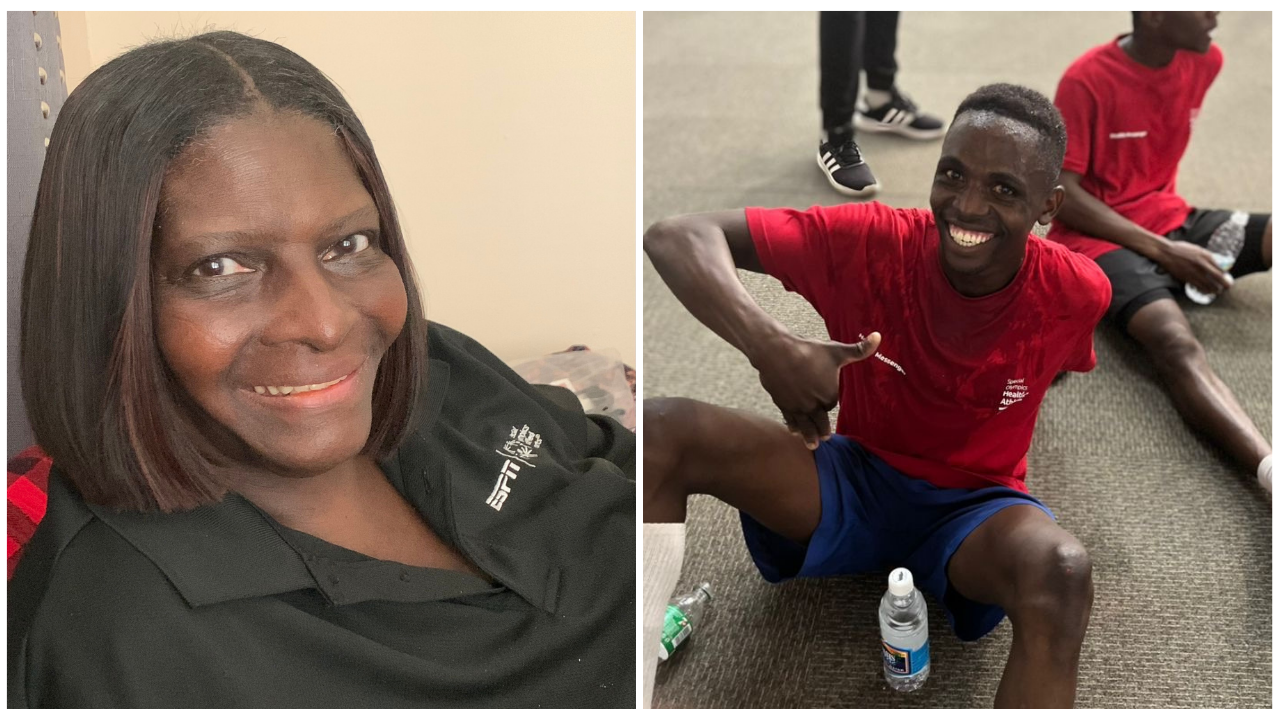
Photo courtesy of Special Olympics
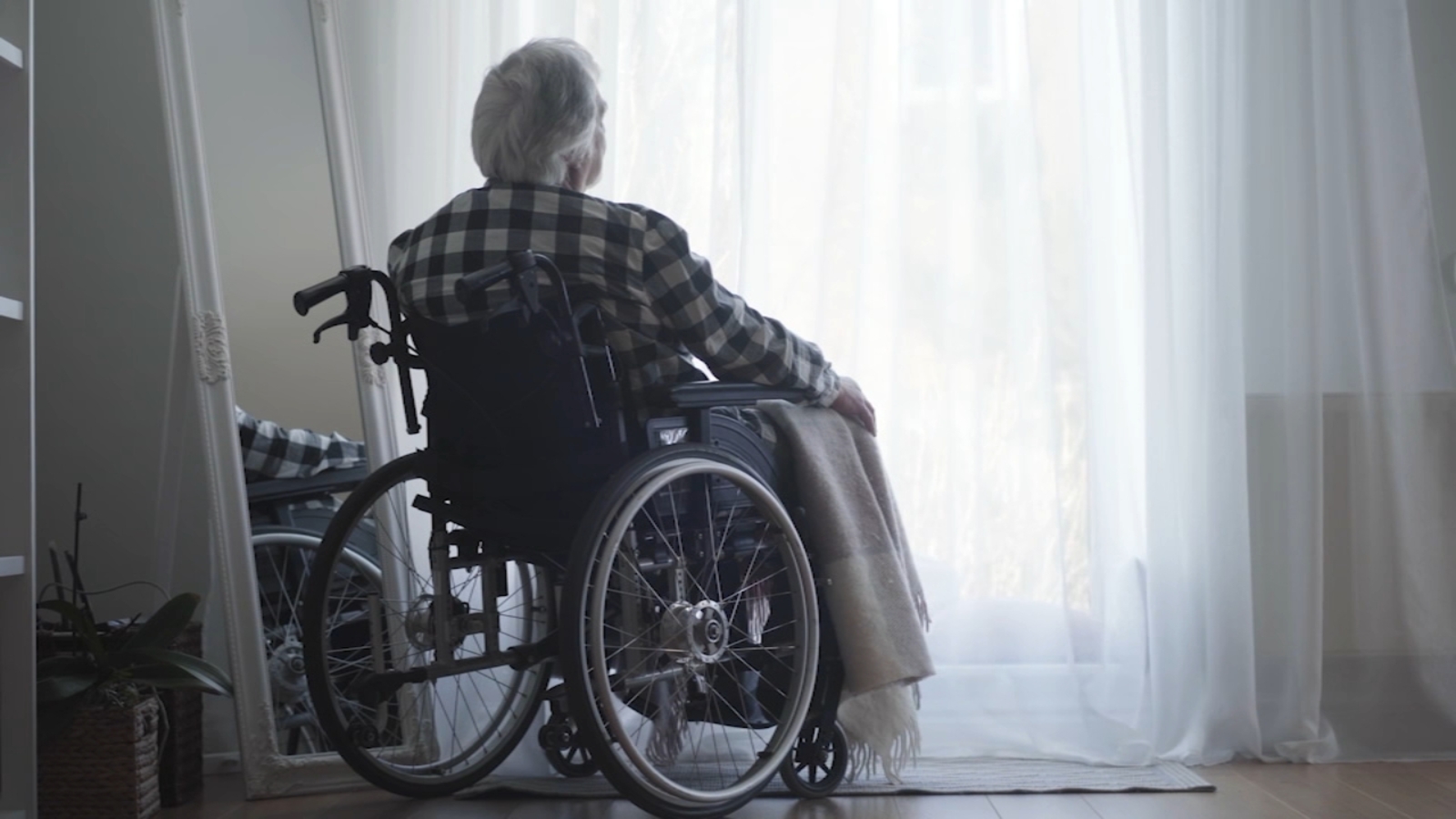
Adults with intellectual and developmental disabilities experience mental health challenges at far higher rates than the general population, yet they remain among the least likely to receive care.
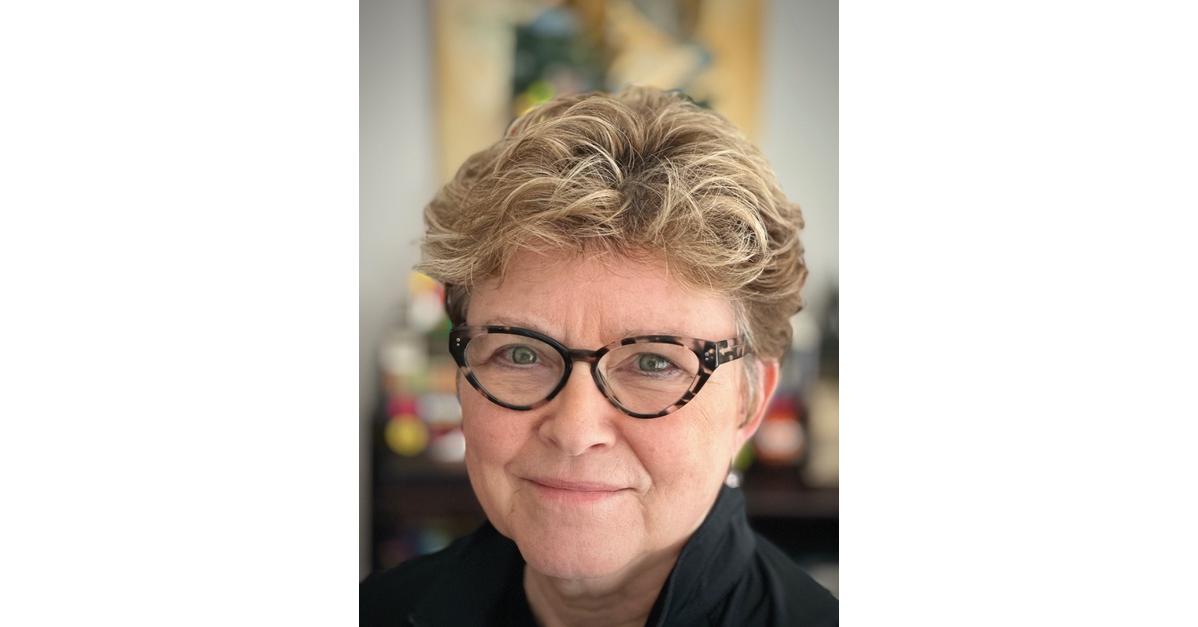
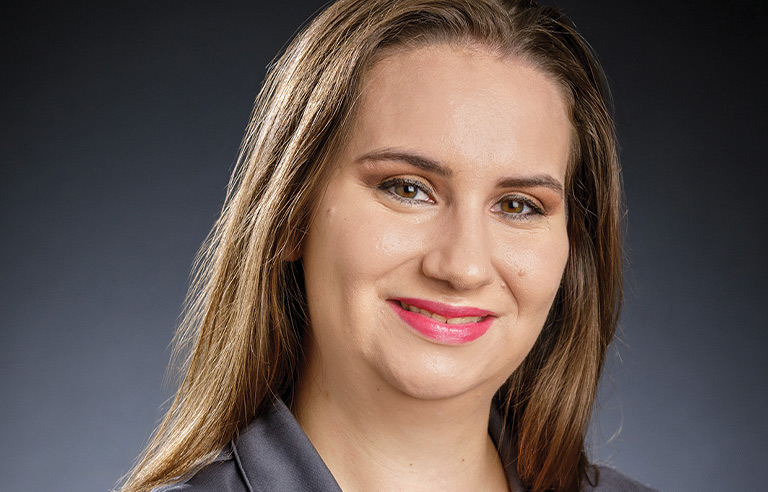
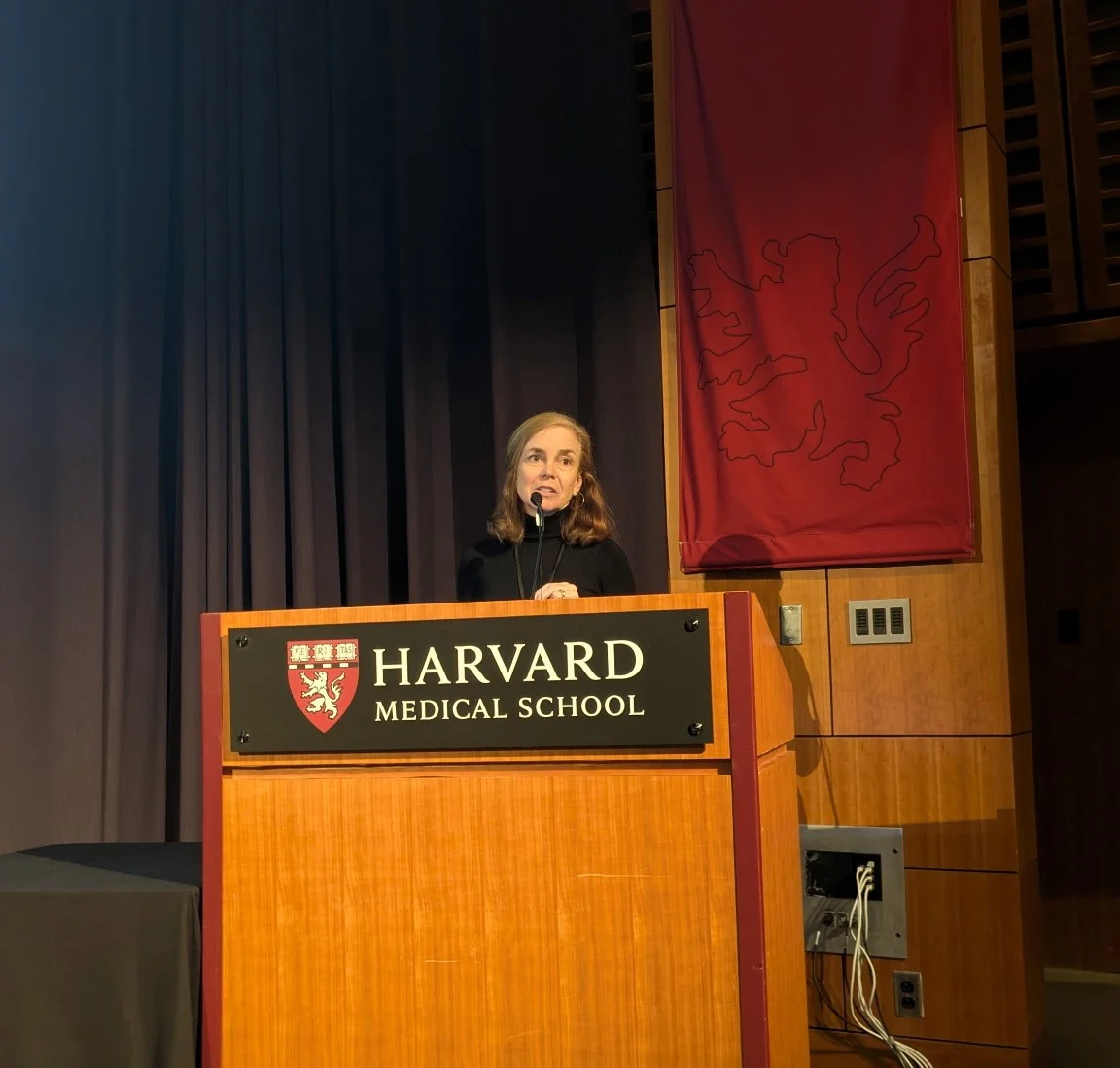
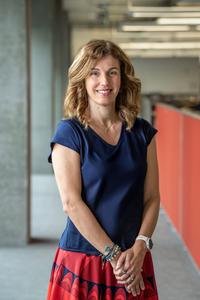
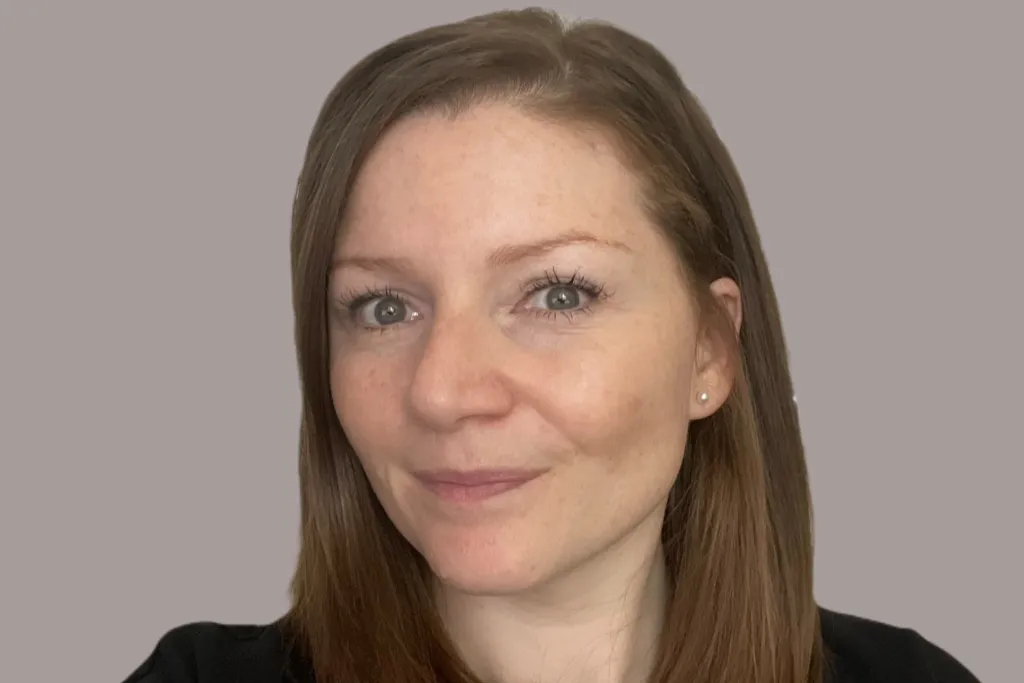
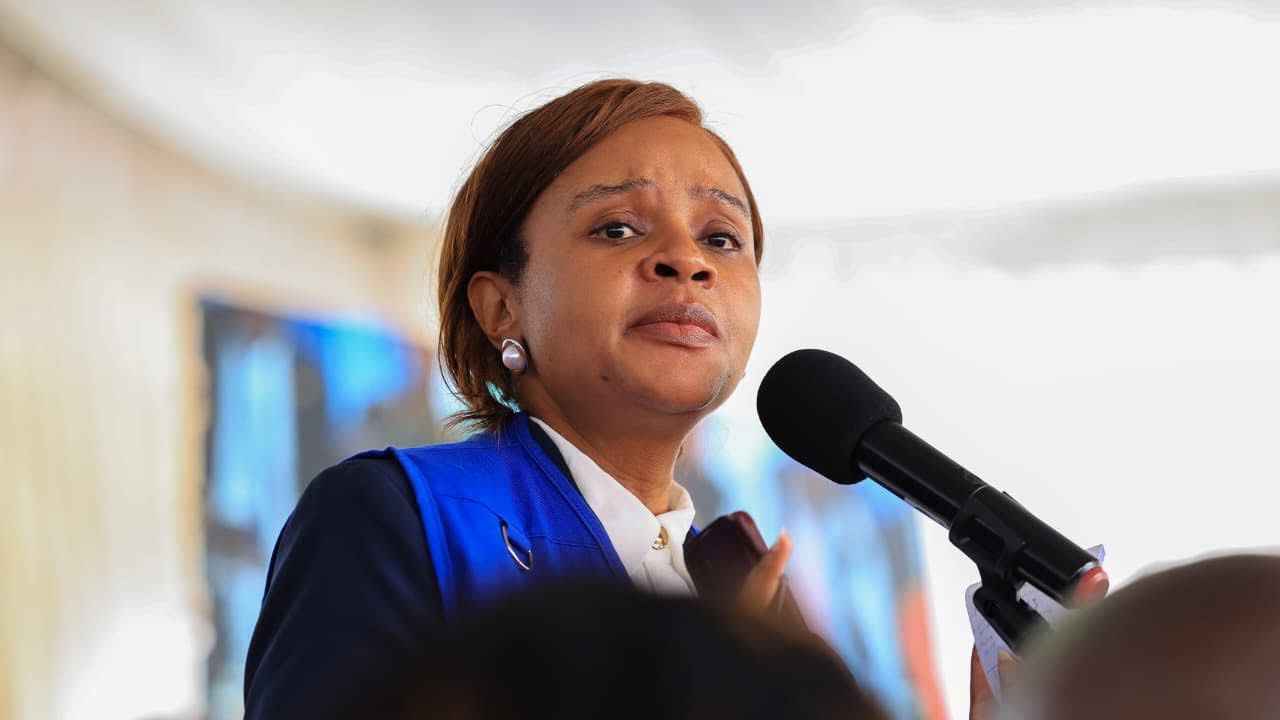
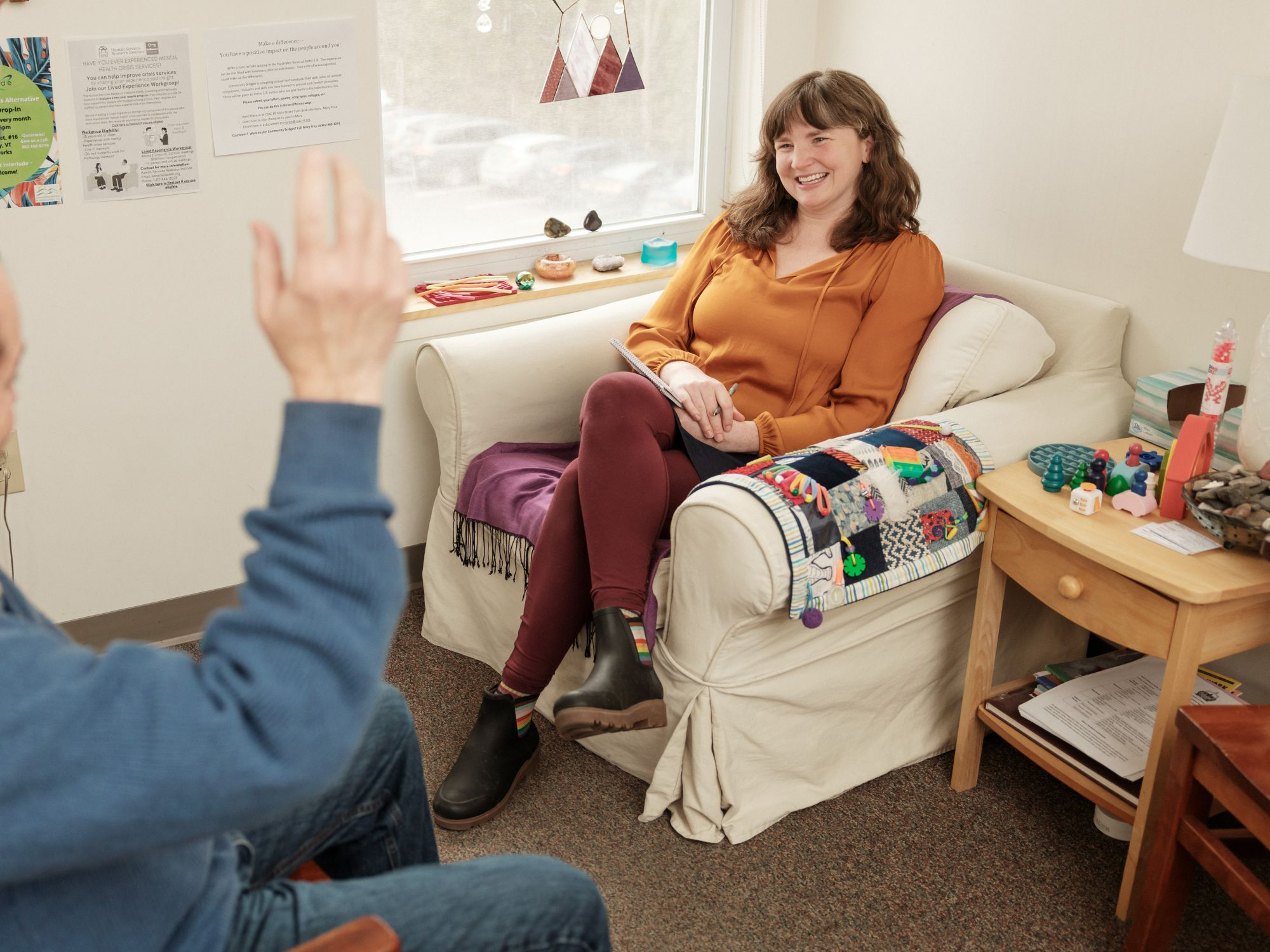
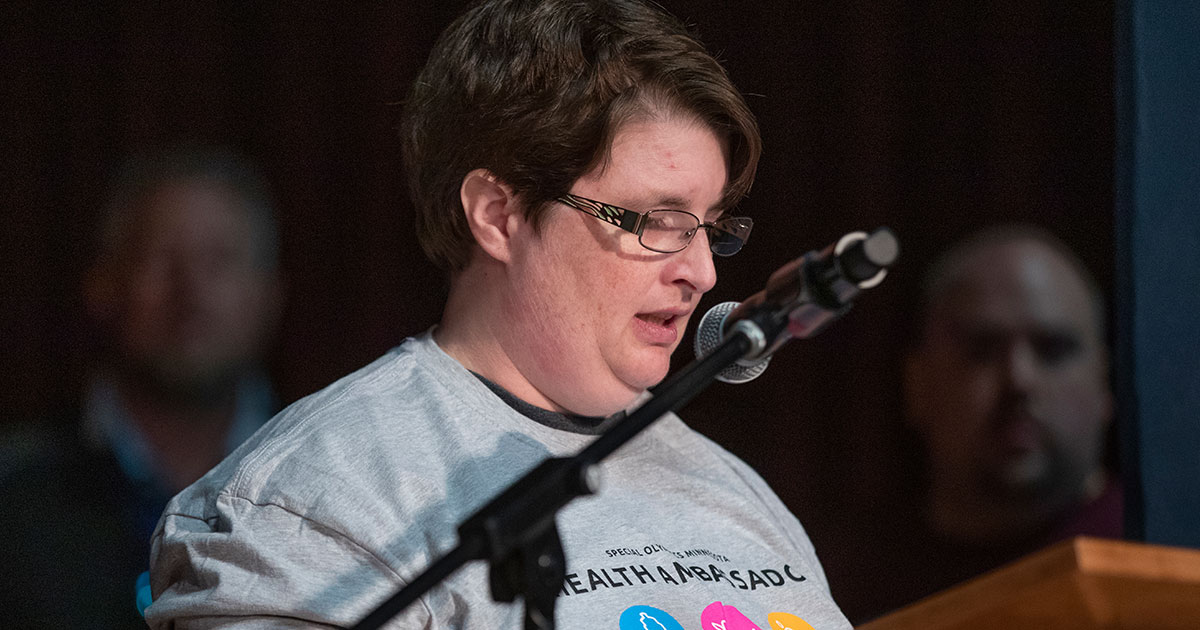
In 2009, Special Olympics Minnesota athlete Kayte Barton was struggling with her mental health and asked for help. However, as a person with autism, Barton quickly learned that seeking care did not guarantee her mental health needs would be fully understood.
“When I was struggling, I reached out for support,” Barton shared. “Too often, my disability was seen before my mental health. I wasn’t fully heard, and my needs were missed. That experience is painful, and it causes many people to stop asking for help altogether.”
Barton’s story reflects an unfortunate reality for adults with intellectual and developmental disabilities (IDD) across the United States. Mental health challenges are more common, yet far less likely to be addressed.
A striking gap in care
A recent study by Special Olympics underscores the severity of this gap. The study found that 51% of adults with IDD experience daily anxiety, compared to just 8% of the general population. Similarly, 26% report daily depression, compared to only 1.5% of adults without IDD.
Despite significantly higher rates of mental health challenges, access to care remains out of reach for many. The same study found that adults with IDD are over five times more likely to report being unable to access needed therapy because of cost.
Even when individuals with IDD are able to access care, barriers remain. Many mental health providers lack training to care for people with IDD, and stigma can result in mental health concerns being dismissed or misattributed to a person’s disability.
Strong Minds: a disability-informed solution
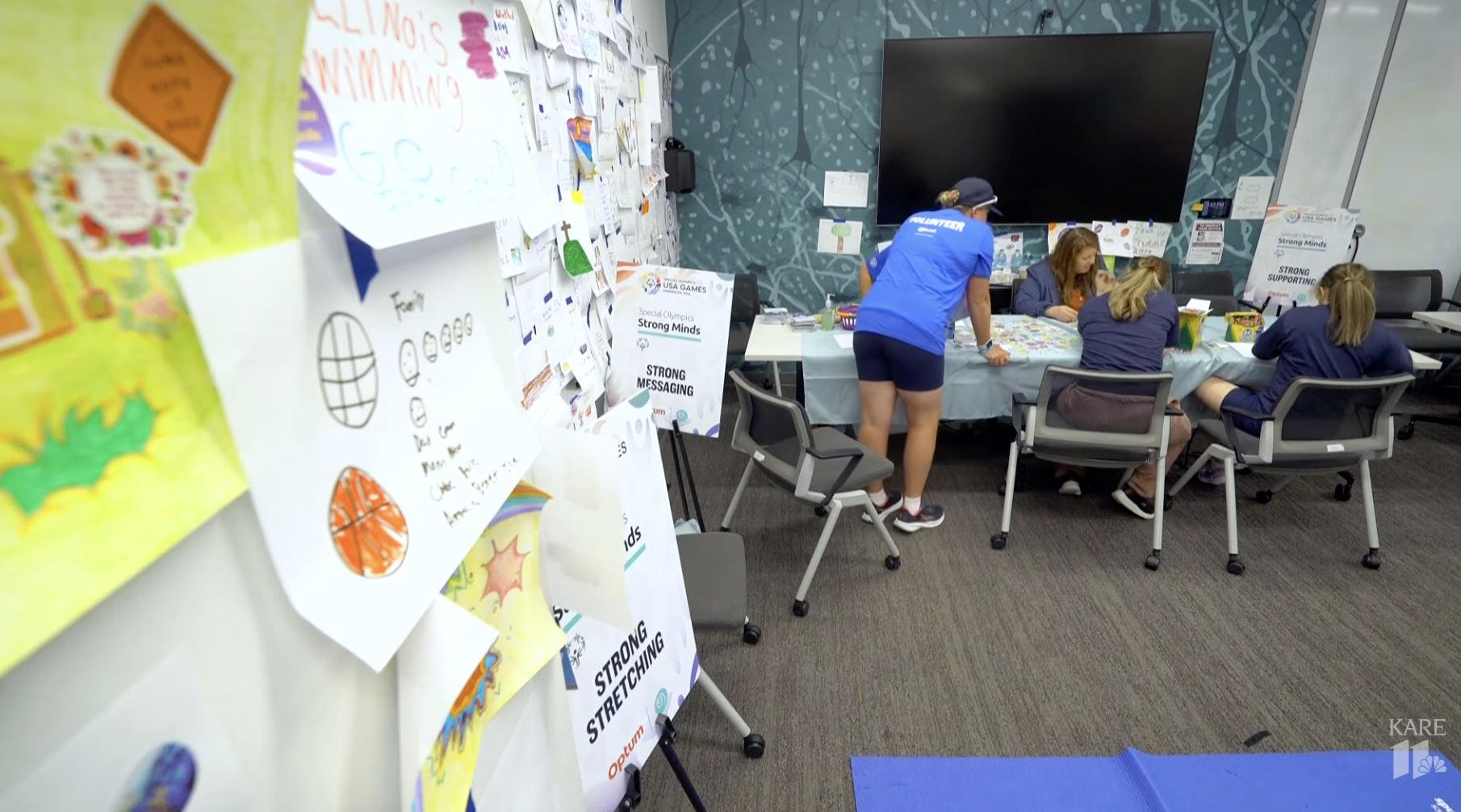
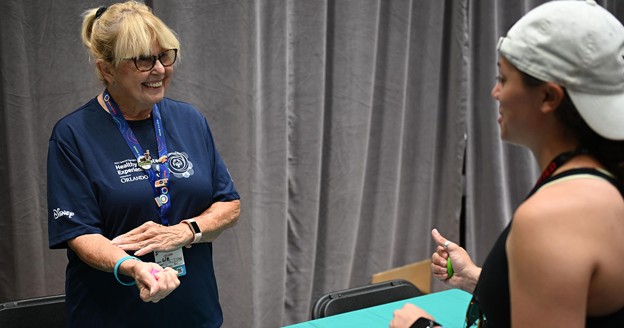
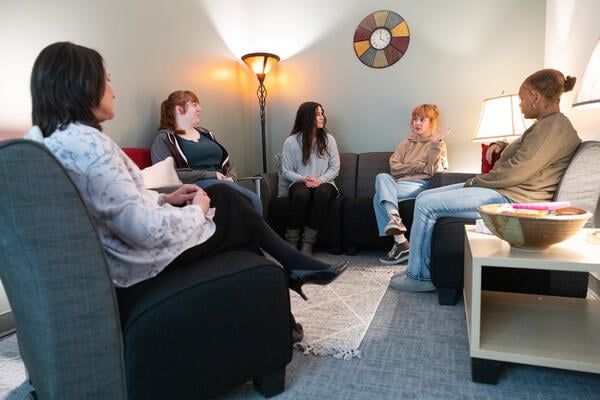
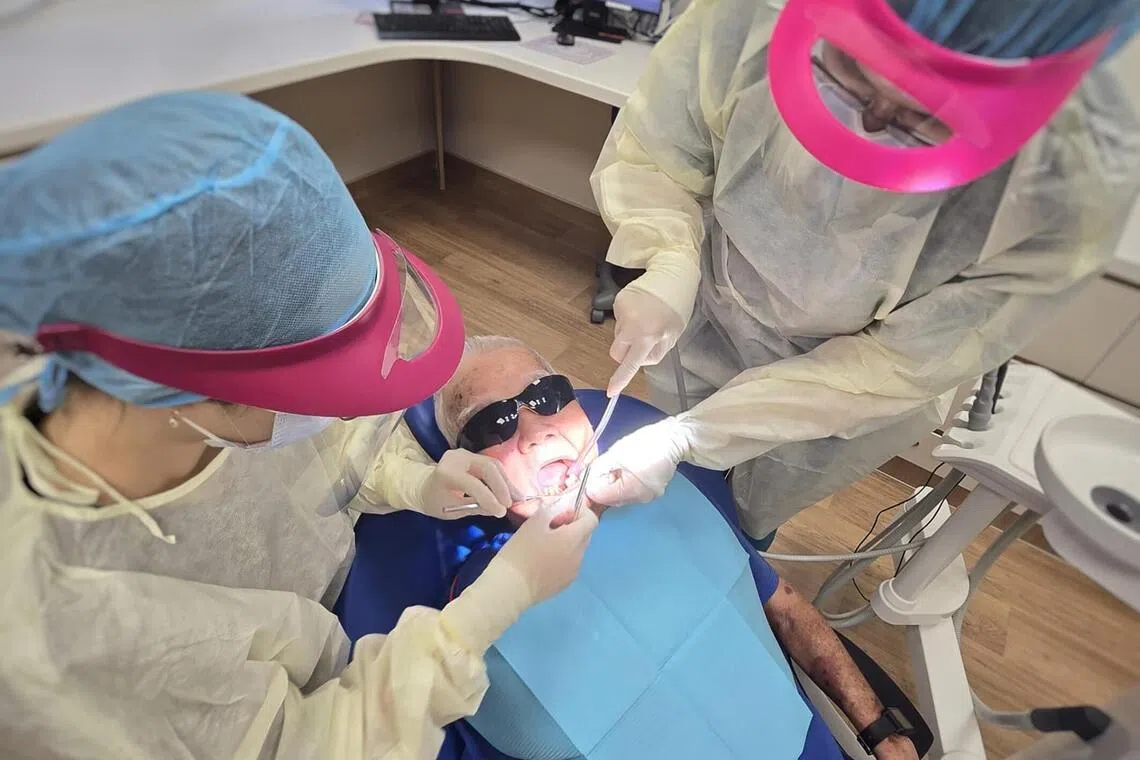
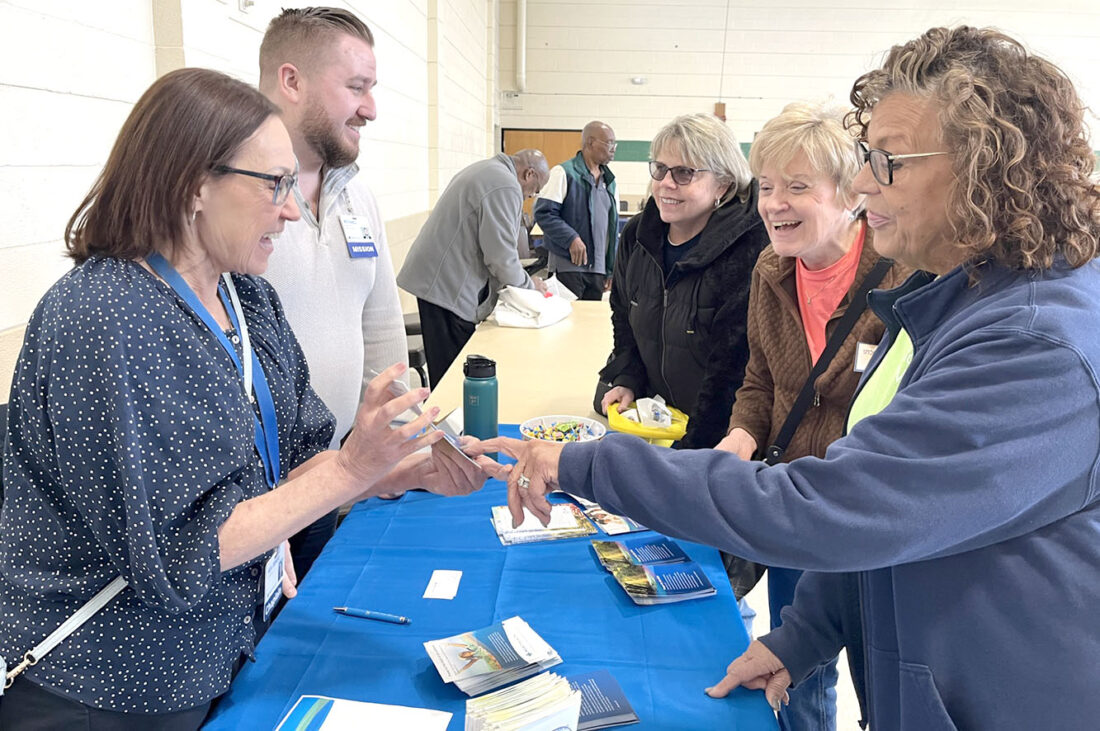
For Barton, these barriers became a catalyst for action. Drawing on her lived experience, Barton played an instrumental role in the development of Special Olympics Strong Minds, the mental health screening discipline of Special Olympics Healthy Athletes® . Strong Minds was designed to address the very gaps Barton encountered by offering accessible, respectful, and disability-informed mental health screenings in a trusted environment, free of cost.
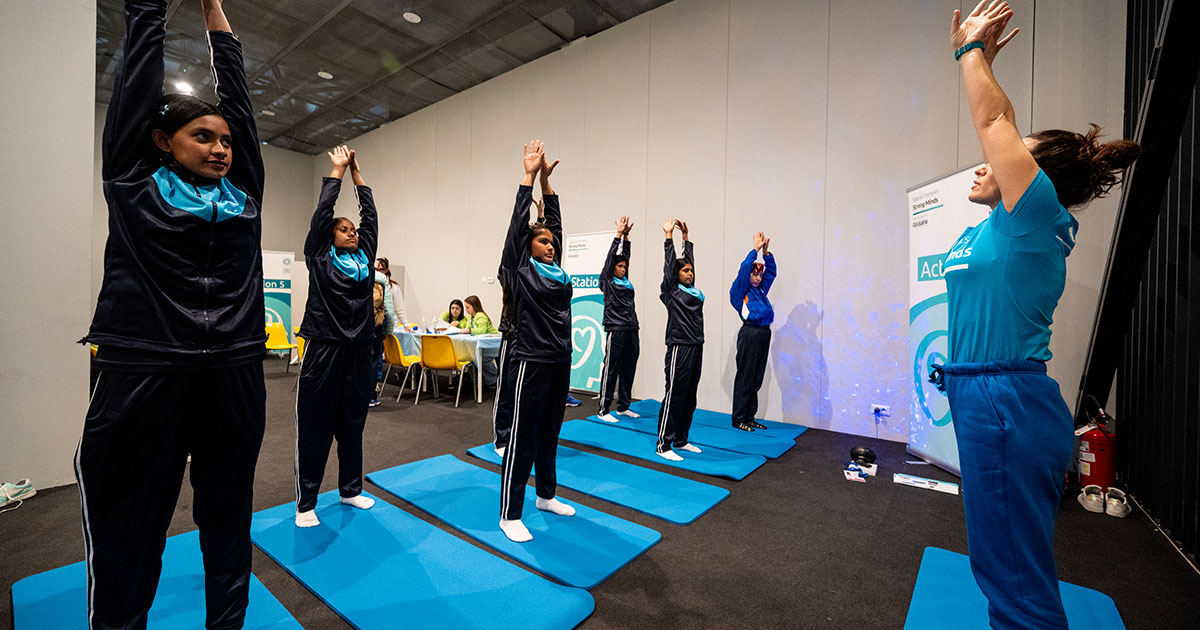
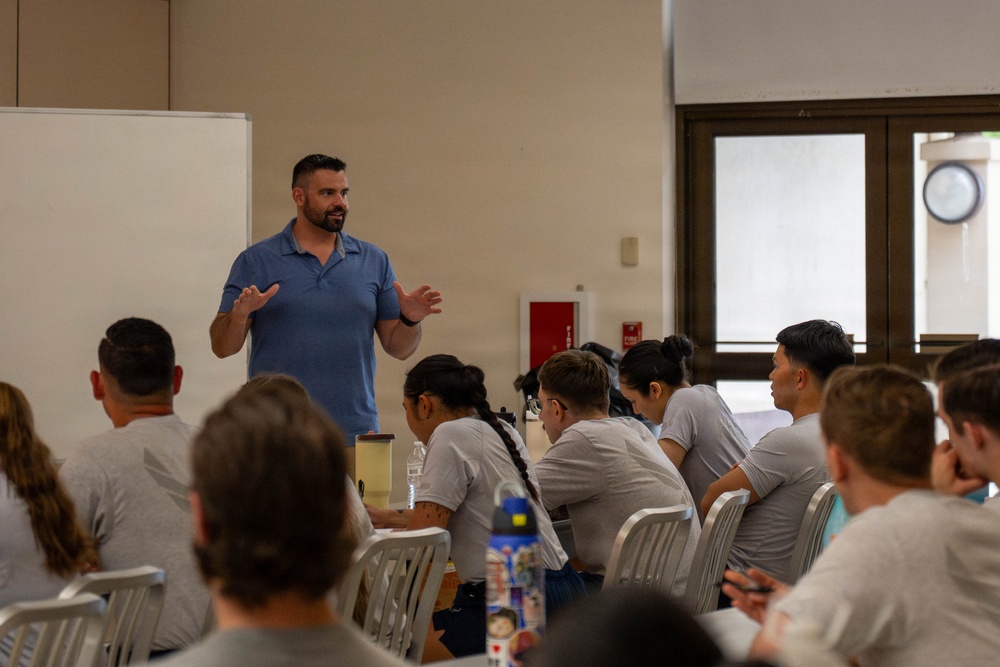
Strong Minds screenings use evidence-based measures designed specifically for individuals with IDD to identify athletes who may be at risk for mental health concerns. Strong Minds volunteers are trained to work with individuals with IDD, helping to navigate communication differences and other common barriers to care. Screening results inform referrals that connect athletes with community-based, inclusive mental health professionals who are equipped to care for people with IDD. Strong Minds also offers athletes the opportunity to participate in activities focused on building coping skills that foster resilience and emotional well-being.
The power of sport
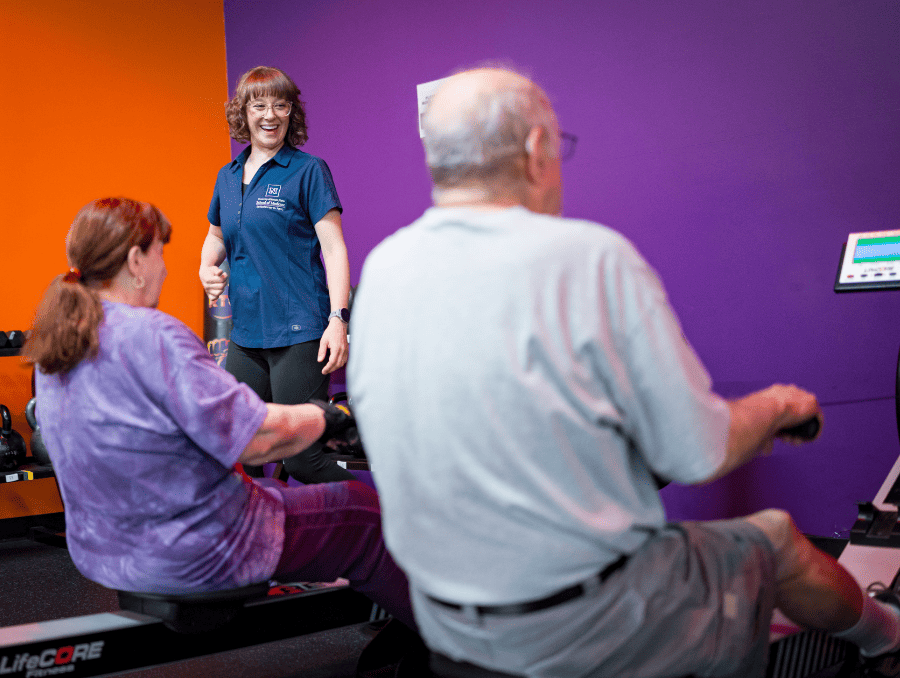
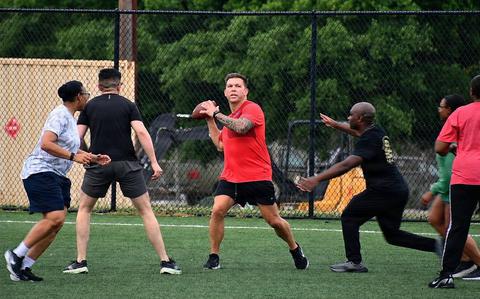
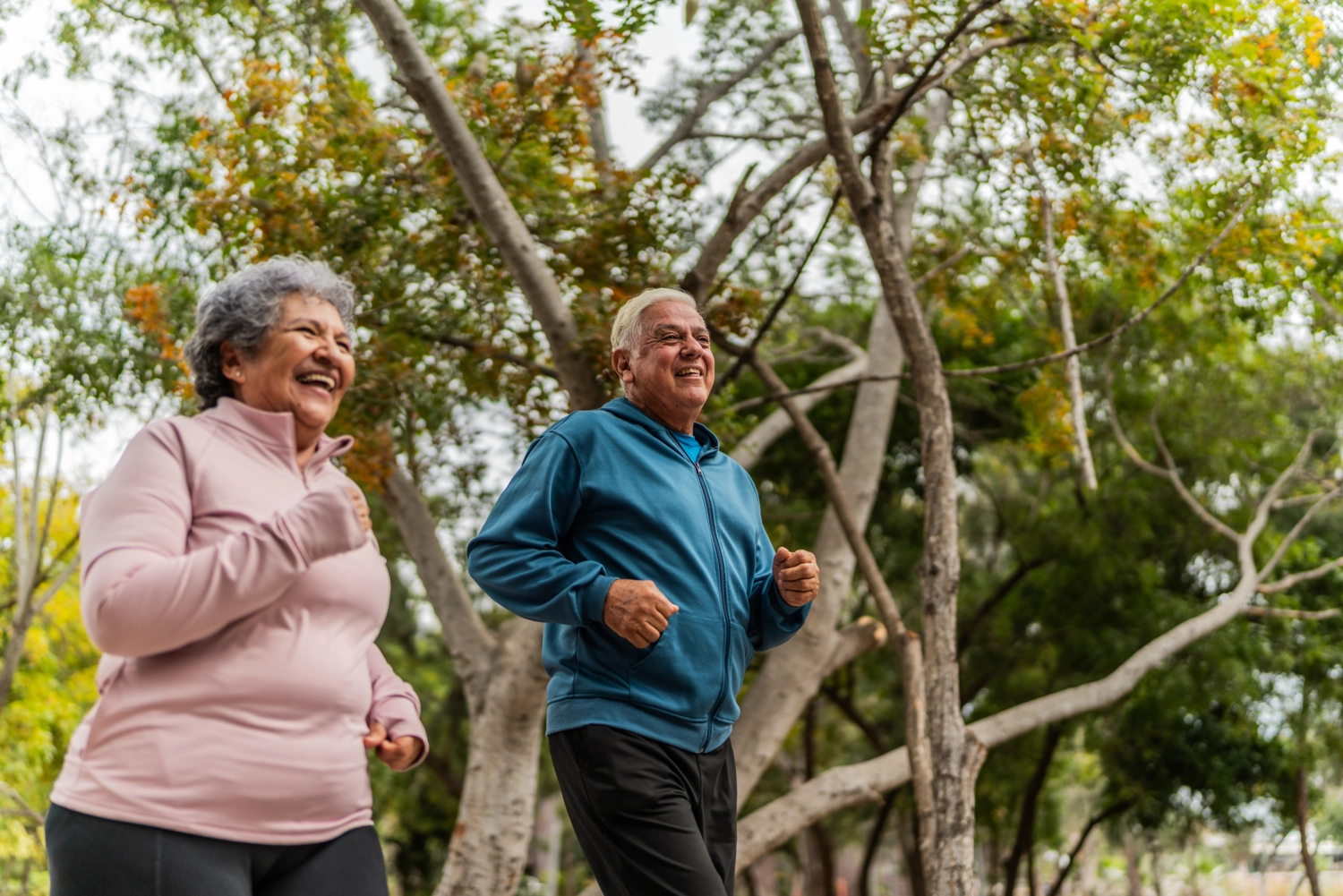
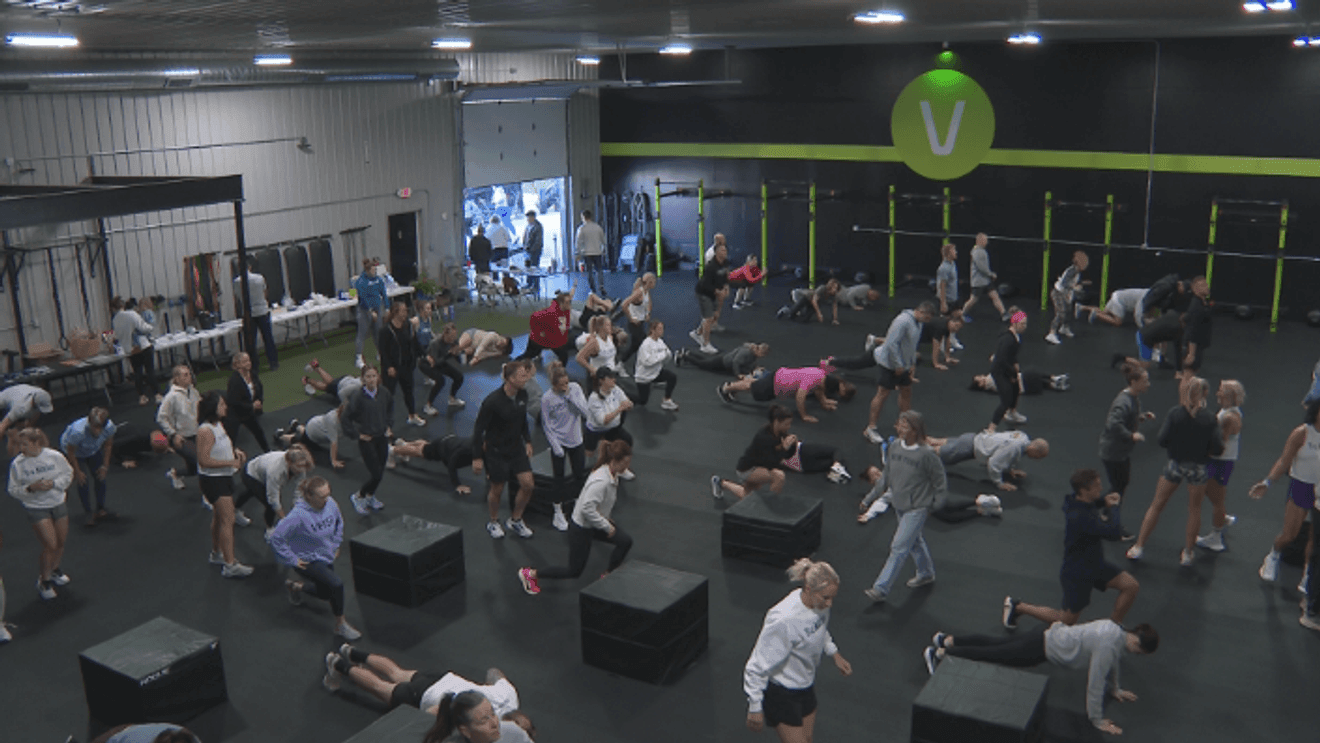
These skills are further strengthened through participation in sport itself. A 2023 study found that young adults with IDD who participate in Special Olympics are 49% less likely to be diagnosed with depression than their peers who do not participate. The combination of physical activity, social connection, purpose, and belonging that Special Olympics provides plays a critical role in supporting strong mental health.
Barton’s journey is a powerful reminder, for healthcare providers and for all of us, that the mental health needs of people with IDD must be recognized, respected, and addressed with the same urgency and care afforded to everyone else.