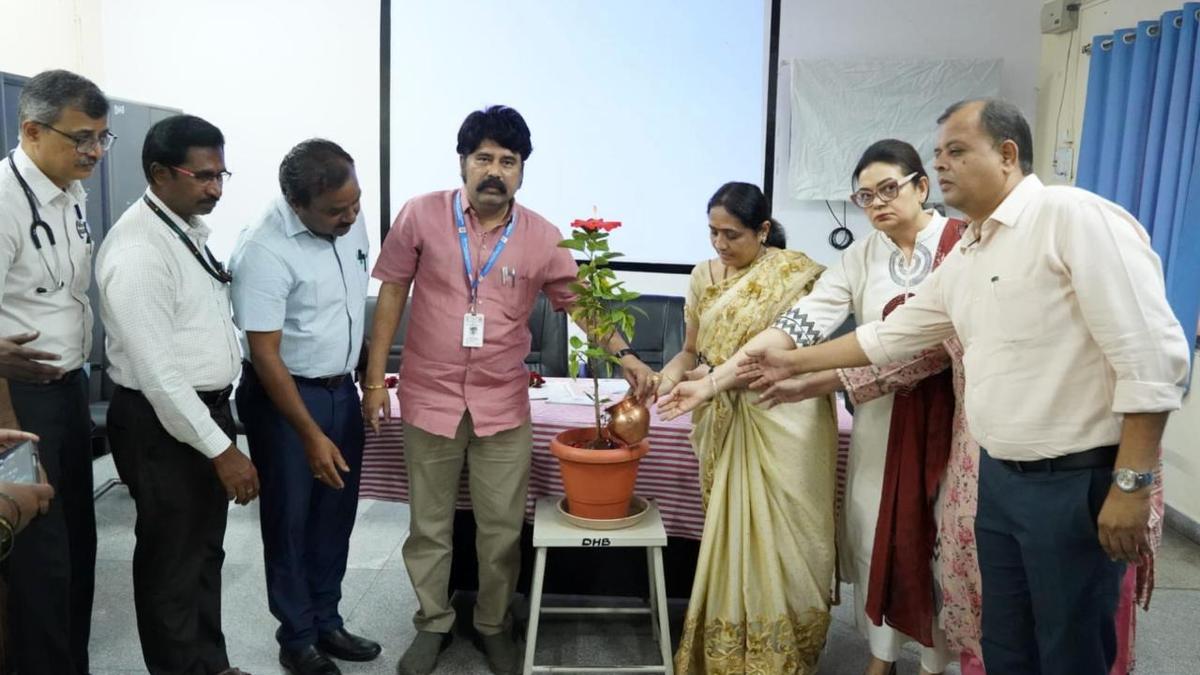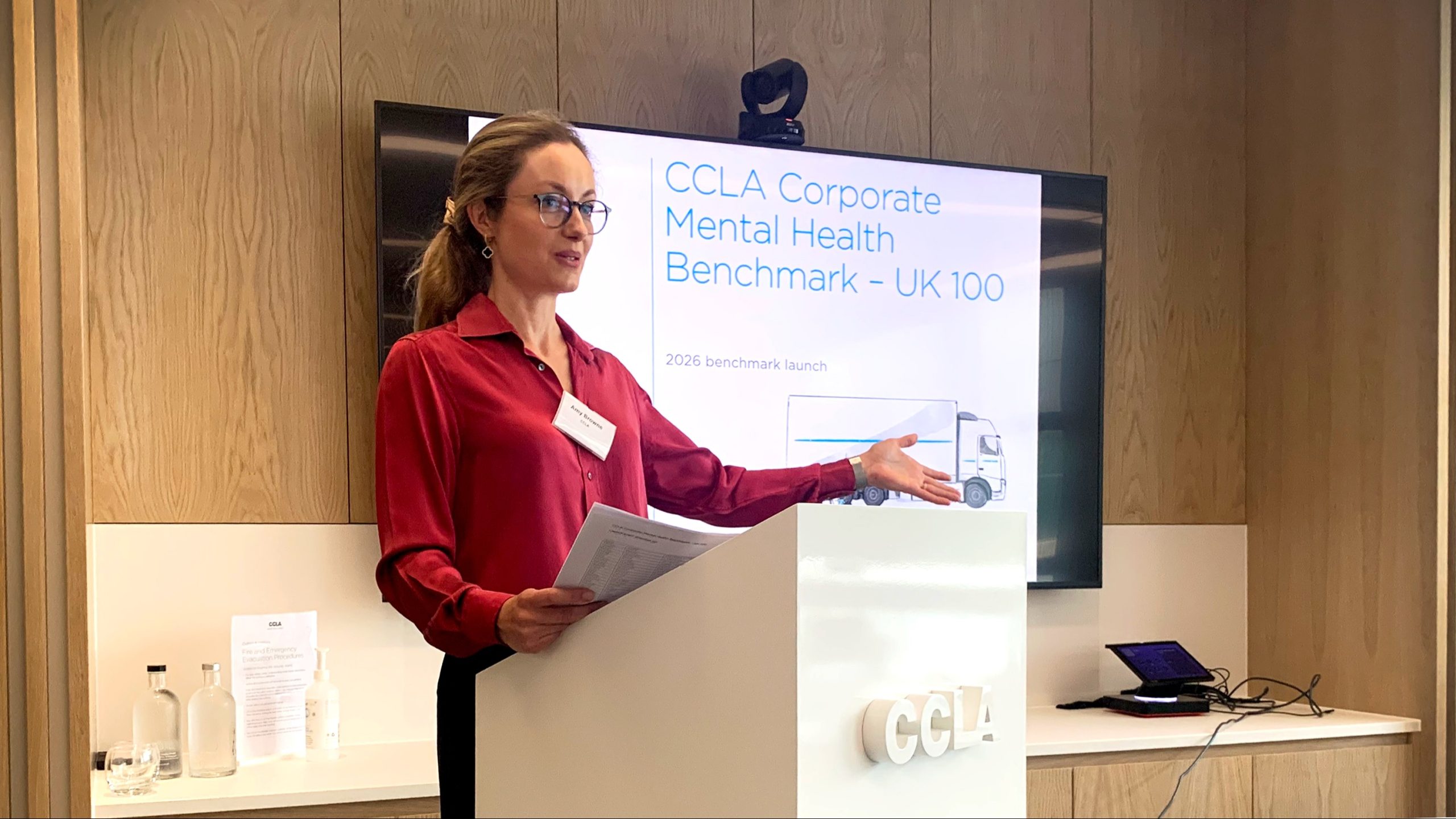
When Professor Thokozani Majozi, the deputy-vice-chancellor for Research and Internationalisation at the University of Cape Town (UCT), opened the 2026 World Universities Network (WUN) Mental Health Symposium, he told delegates that the field of mental health is vast. Professor Majozi likened it to a journey that people need to travel that spans suffering to support; exclusion to access; and silence to voice.
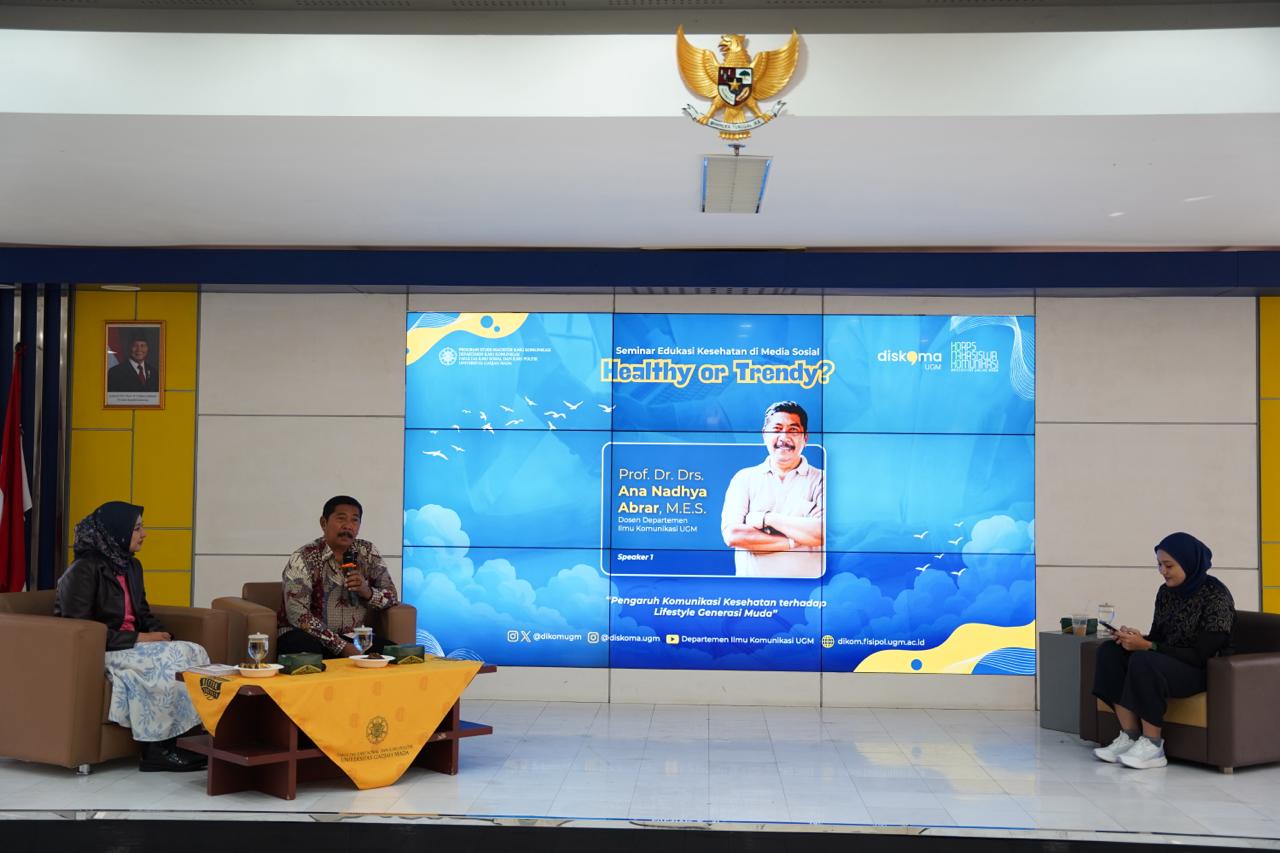
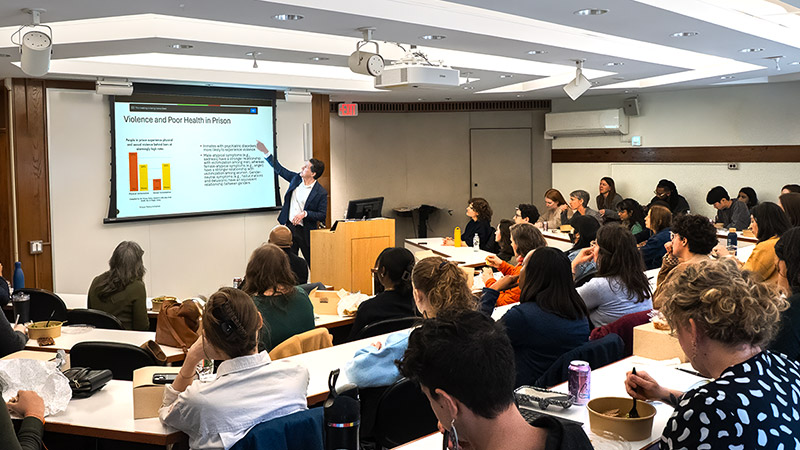
The WUN Mental Health Symposium took place at the UCT Graduate School of Business (UCT GSB) from 23 to 24 June under the theme: “Digital mental health and inequalities”. Organised by UCT, the symposium was held in partnership with WUN, the African Research Universities Alliance (ARUA), and the ASEAN University Network. The two-day event brought together delegates from across the world with the aim to explore digital mental health during panel discussions, presentations and student-focused sessions.
Alarming picture
Majozi kicked off his welcome address by painting a grim picture of mental health to ground delegates “in the reality that motivated this gathering”. According to the World Health Organization (WHO), he said, one in eight people globally live with a mental health condition, and depression is the leading cause of disability worldwide. In sub-Saharan Africa, 90% of people living with a mental health condition don’t receive care.
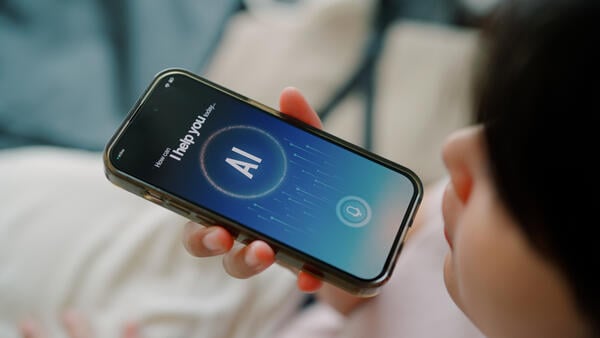
And as all this unfolds, Majozi noted, the world is also actively living through a digital mental health revolution, where artificial intelligence (AI) is being used to diagnose depression; mobile platforms are delivering talk therapy to people who have never been seen; and devices are tracking mood patterns in real time.
“It is arriving fastest where it is needed least and slowest where the need is most urgent.”
“The possibilities are genuinely exciting. And yet, this revolution is arriving unevenly. It is arriving fastest where it is needed least and slowest where the need is most urgent,” he said. “That contradiction between global digital possibility and structural inequality is the tension that this symposium is designed to interrogate.”
Not an abstract thing
Digital mental health and inequalities are not abstract concepts, Majozi said.
He told the audience that digital mental health speaks to decisions made right now – by technology companies, by health ministries, university leadership structures, as well as researchers present in the room. And through their work, he added, researchers will determine who gets access to mental health support in the next decade and who does not.
“An algorithm trained predominantly on data from high-income Western contexts may misread distress in other cultural settings. A digital platform that assumes smartphone ownership and reliable data connectivity will, by design, exclude large portions of the global population,” Majozi said.
“These are not hypothetical risks. They are documented realities that our research community has a responsibility to name, study and … address.”
Coming closer to home
As an academic, Majozi said he felt obligated to highlight and acknowledge that universities are not neutral spaces. Instead, they are demanding, often pressurised environments that shape the mental health of every person within the community.
The research on this aspect speaks for itself. He said a landmark study published in Nature (a leading science journal) that focused on technology found that PhD students are six times more likely to experience depression and anxiety compared to the general population. Majozi said the same PhD student works for years in intellectual isolation with uncertain findings and an uncertain future. But what kind of struggles do others in the academy face?
“We who lead and work in these institutions bear real responsibility for the conditions we create.”
Majozi highlighted the junior lecturer who is evaluated on publication output and who receives little recognition for teaching, mentoring or community engagement; and the undergraduate student – new to the university system – who sits in a lecture theatre with hundreds of other students and who is too anxious to ask a question, too ashamed to admit their struggles and too uncertain about where to turn. He also took a moment to recognise the academic from a marginalised community who is required to navigate the intellectual rigor of their discipline, as well as live through the persistent “exhausting experience” of not quite belonging at an institution whose culture was not designed with them in mind.
“I say this not to condemn the university, or any university for that matter. I say it because we cannot credibly convene a global symposium on mental health and inequality without reckoning with the mental health inequalities that exist within our [contexts],” he said. “We who lead and work in these institutions bear real responsibility for the conditions we create.”
Bridging the access divide
To set the scene for the symposium, Professor Johannes John-Langba delivered the morning’s keynote address, titled: “Digital mental health service provision in low- and middle-income countries (LMICs): Opportunities, challenges and ethical considerations”.
Professor John-Langba is a professor of social work at the University of KwaZulu-Natal and used his presentation to explore the concept of digital mental health. Echoing Majozi, he told the audience that mental healthcare in LMICs is practically non-existent.
“Digital mental health services have emerged as a promising tool for evidence-based mental healthcare and treatments, with evidence of bridging the access divide in resource-constrained settings,” he said.
Digital mental health interventions (DMHI)
DMHIs are rooted in the digital health evolution. According to the WHO, digital health was introduced as an umbrella term that encompasses e-health (which includes digital mental health), as well as emerging areas such as the use of advanced computing sciences in big data, geonomics and AI. Simply put, John-Langba said digital mental health uses information and communication technology to support health and health-related fields. Some of the interventions include mobile mental health applications; guided, self-help programmes; online therapy; online support groups; and telehealth therapy.
But with little awareness of these interventions, as well as mental health conditions in general, John-Langba said LMICs need education – to improve users’ understanding of DMHIs and their benefits. It requires the buy-in from clinicians and other service providers, including civil society, to broaden that perspective and facilitate a smooth integration. The benefits are extensive. Past research shows that adopting DMHIs reduces the demand for in-person clinic attention, improves users’ treatment adherence, and reduces symptoms of mental health disorders. But challenges exist, especially for LMICs. These, John-Langba explained, include underdeveloped technological infrastructure and a lack of digital literacy, which prevent users from engaging fully with the concept.
“Addressing the digital divide and related barriers will be a critical challenge in ensuring equitable access to universal and affordable mental healthcare,” he said.
Priority areas
To achieve equitable access to DMHIs, John-Langba suggested focusing on five key priority areas:
- Ensure machine-learning models are built, trained and audited locally, using indigenous languages, cultural idioms of distress, and local conceptualisations of healing.
- Guard against profit-driven, subscription-based Western DMHI tools and move towards open-source, publicly funded digital health resources that are tailored to local socioeconomic realities.
- Ensure DMHIs are designed to support – not replace – local, community-led and traditional peer-support networks.
- Allow communities to regulate how psychological and biometric data is collected, stored and used – protecting it from corporate extraction.
- Ensure service users have ownership and control over their own digital infrastructure, data and technological futures.
“The continued growth of digital mental health research in LMICs warrants an urgent call for rigorous evaluation of effectiveness and cost-effectiveness. And the involvement of frontline healthcare workers in co-creating and designing digital mental health interventions is crucial for uptake and scale in LMICs,” John-Langba said.