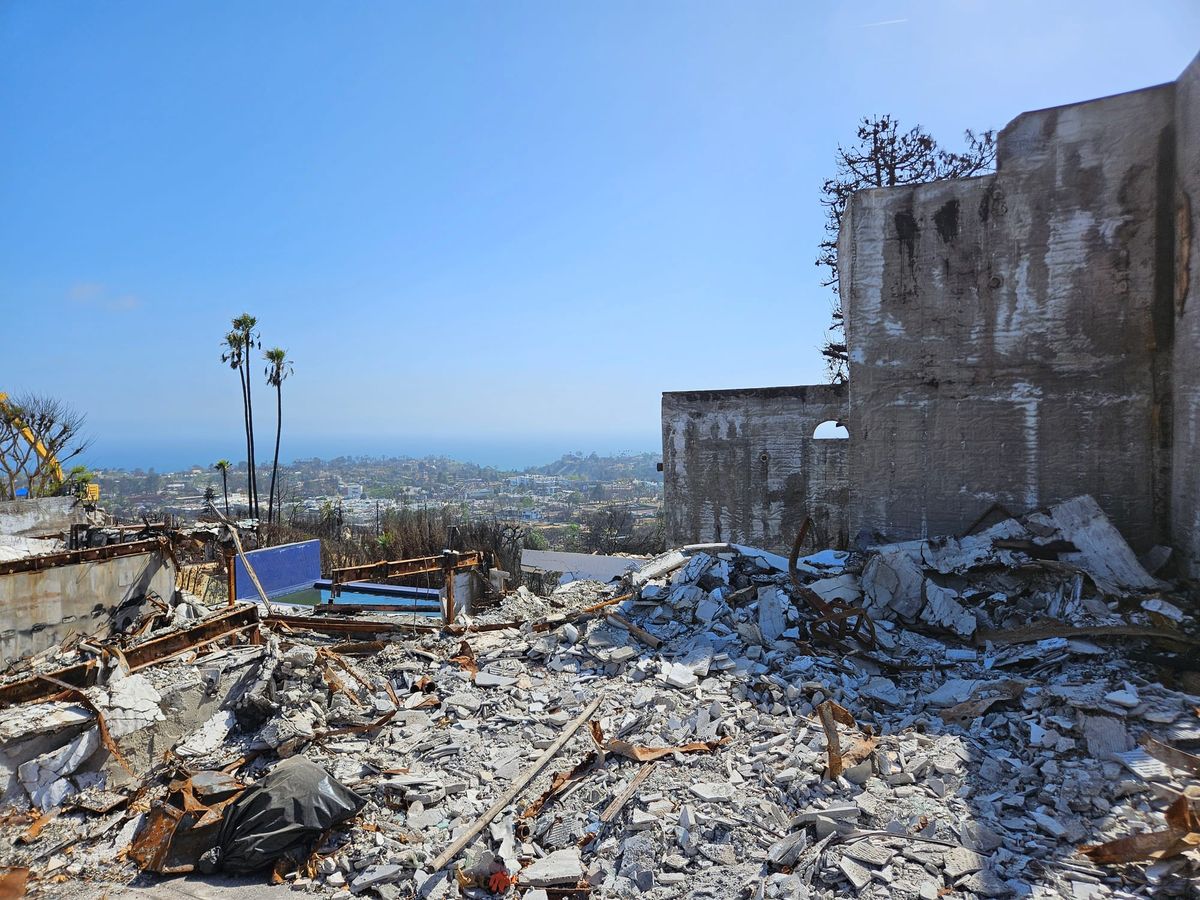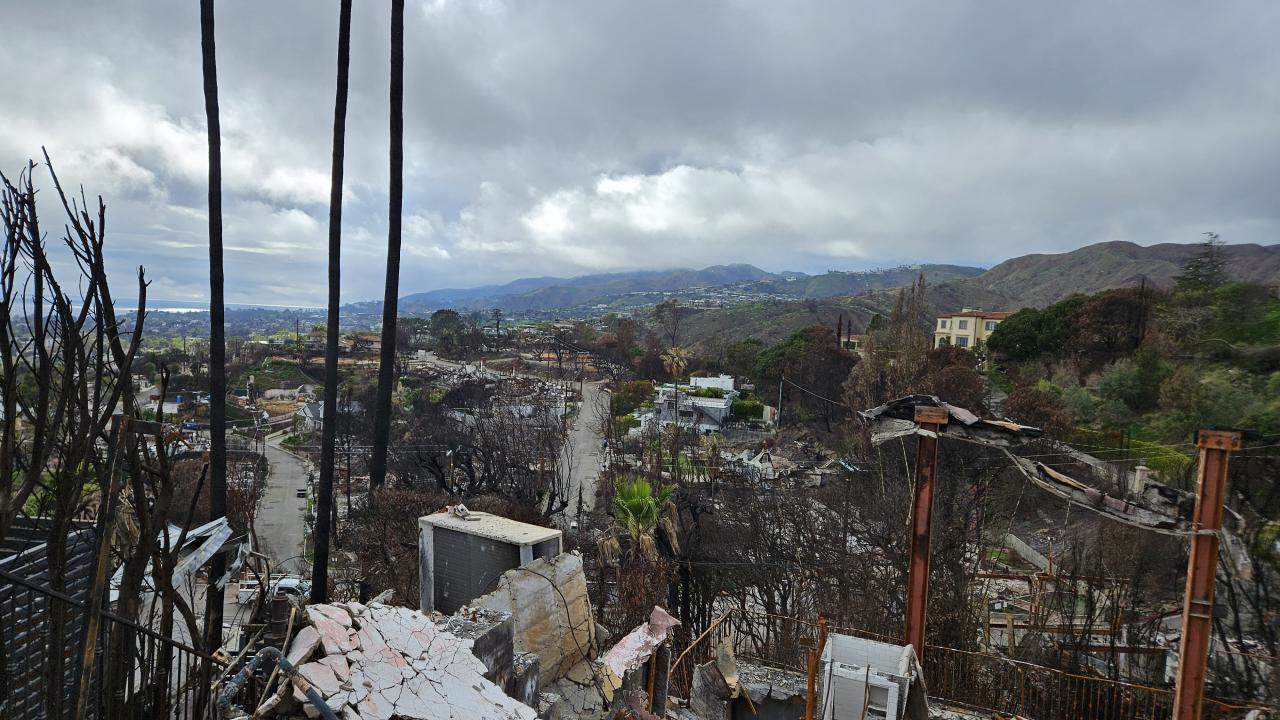
A carcinogen with potentially serious impacts on human health was found in neighborhoods in the months after the 2025 Los Angeles County wildfires and may have spread to communities as far as six to nine miles downwind from the fire zones, according to newly published work by University of California researchers.
“Hexavalent chromium, or chromium-6, is a toxic metal and carcinogen that can impact the lungs and is associated with asthma, bronchitis, and lung cancer,” said study co-author Michael Jerrett, professor in the Department of Environmental Health Sciences at the UCLA Fielding School and the Jonathan Fielding Chair in Climate Change and Public Health.
“It shows that well after the wildfires were extinguished, nanoparticles, which are so small they can enter the circulatory system very quickly, were in the air around the burn zones,” Jerrett said. “These probably traveled far enough to give 3.3 million people doses that were hundreds of times the levels that are normally seen in the air in Los Angeles.”
The peer-reviewed research – “Airborne hexavalent chromium nanoparticles detected around cleanup zones for the 2025 Los Angeles wildfires” – was published in the journal Nature Communications Earth & Environment. The study, which is still subject to final revisions, was published to give early access to its findings to other researchers and the public, said lead author Michael Kleeman, professor with the UC Davis College of Engineering and the Air Quality Research Center.
“These results are below the official limits set by federal agencies for worker health, but above screening levels for indoor air,” Kleeman said. “Results were shared early to inform the affected communities. Caution and health surveillance is warranted for nearby residents given that nanoparticles can easily cross cell membranes and circulate throughout the body. Discovering these airborne, chromium-bearing nanoparticles in the wildfire debris cleanup zones is a unique finding that implicates the fires as a source of toxic nanoparticle metals.”
Specifically, the researchers found the airborne chromium was predominantly in the carcinogenic +6 oxidation state two months after the fire, with average concentrations of 13.7 ± 6.2 nanograms per cubic meter (ng m-3), which is below the National Institute for Occupational Safety and Health workplace exposure limit of 200 ng m-3 but above the U.S. Environmental Protection Agency’s screening levels for indoor air (0.1 ng m-3 for cancer; 3 ng m-3 for non-cancer effects). The nanoparticles are less than 1/1000th the width of a human hair.
“The source of the elevated chromium-6 nanoparticles observed two months after the fire remains an important question that warrants further investigation, given its known carcinogenicity,” said UCLA Fielding’s Yifang Zhu, professor in the Department of Environmental Health Sciences and a study co-author. “Encouragingly, chromium-6 concentrations declined over time, through reduction to the less toxic chromium-3 form, and returned to background levels approximately eight months after the fire. This highlights the importance of continued monitoring to track how environmental risks change during the recovery process.”
Additional calculations using models for wind-carried contaminants suggest that chromium containing nanoparticles may have traveled six to nine miles downwind from the cleanup zone, entering communities well away from the neighborhoods where the fires hit the hardest. In Los Angeles, for example, that includes communities as far from the Palisades fire as the southern San Fernando Valley to the north and Beverly Hills and West Hollywood to the east.
“Monitoring near wildfire cleanup zones is warranted to ensure that concentrations decay to background levels over time,” Jerrett said. “Residents living adjacent to wildfire cleanup zones should take steps to reduce their exposure by using indoor air filters and limiting outdoor exercise in the fire zones until conditions return to safe levels.”
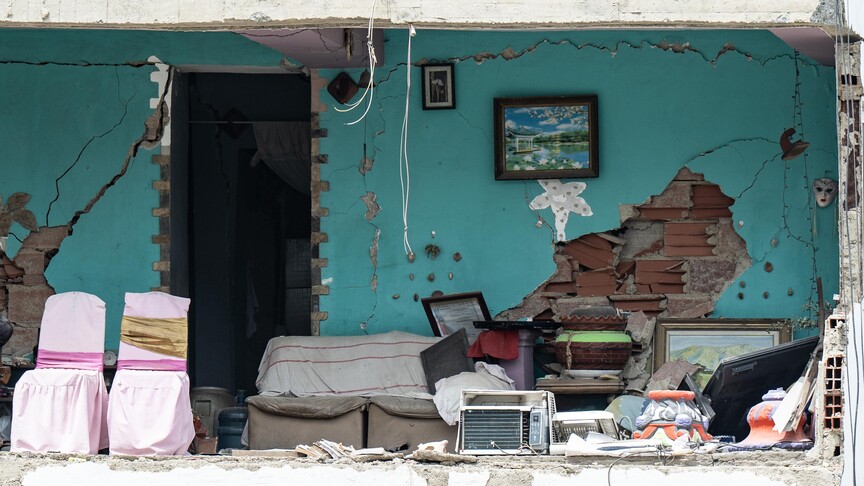
The January 2025 blazes in Los Angeles County, in both the Pacific Palisades-Malibu area in western Los Angeles and the Altadena-Pasadena communities in the foothills of the San Gabriel Mountains, claimed at least 31 lives and damaged or destroyed more than 18,000 structures, according to the County.
“This research is significant given the increasing number of blazes, including the especially devastating Los Angeles County wildfires, that begin in open space and cross into urban areas,” said co-author Christopher D. Cappa, with the UC Davis Department of Civil and Environmental Engineering. “Unfortunately, given continued expansion of wildland-urban interface areas worldwide alongside increasing wildfire risk, we are likely to see more and more of these sorts of fires – and to deal with their impacts – in the future.”