Hospices need a trauma-informed spiritual care model to improve veterans’ end-of-life outcomes.
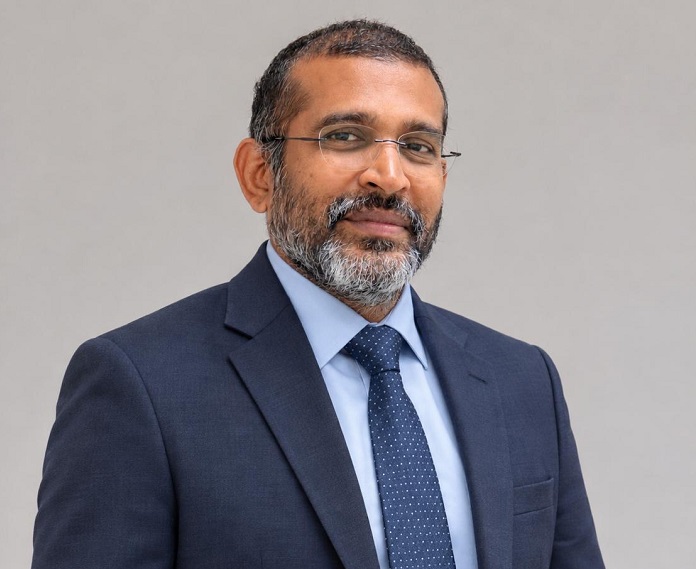
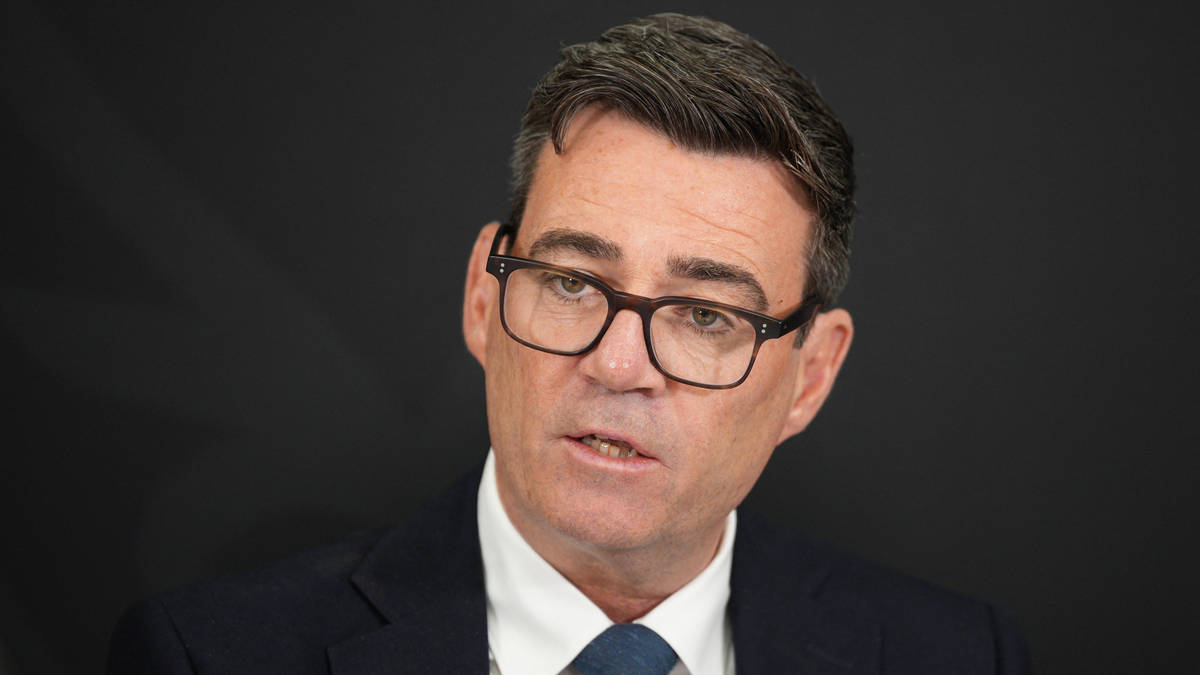
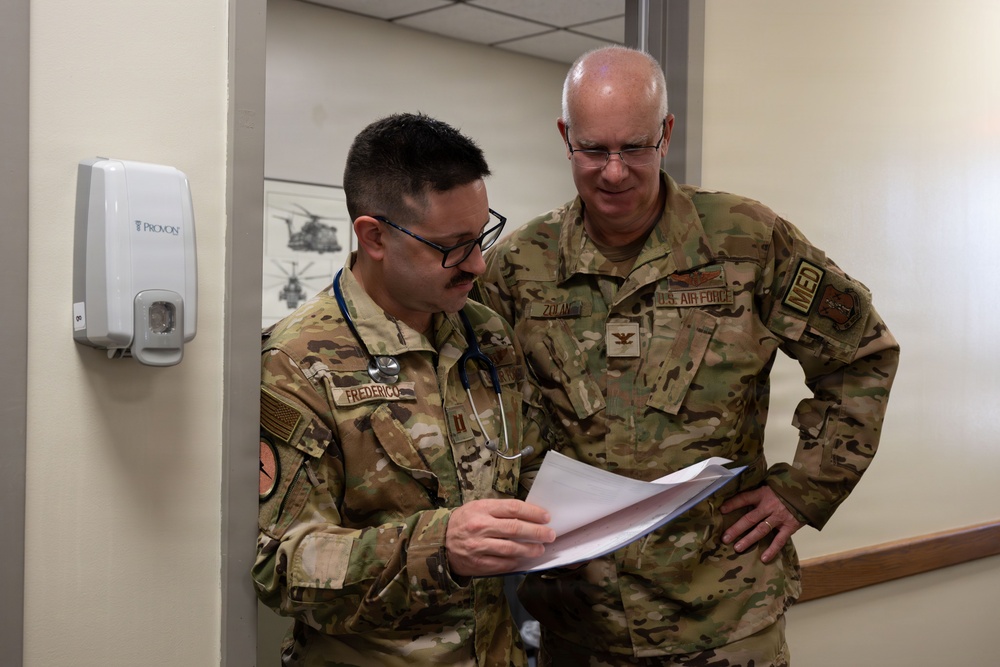
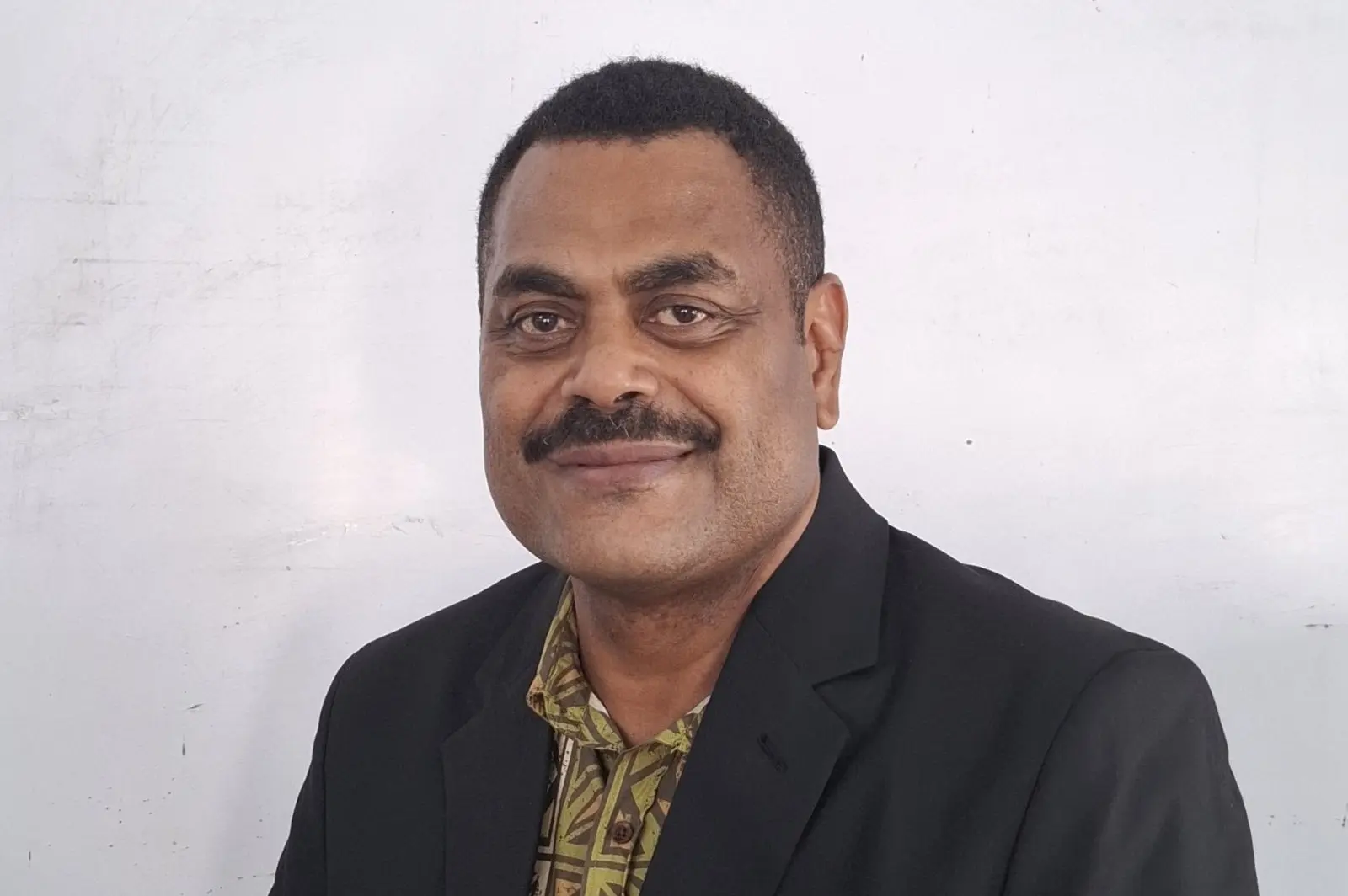
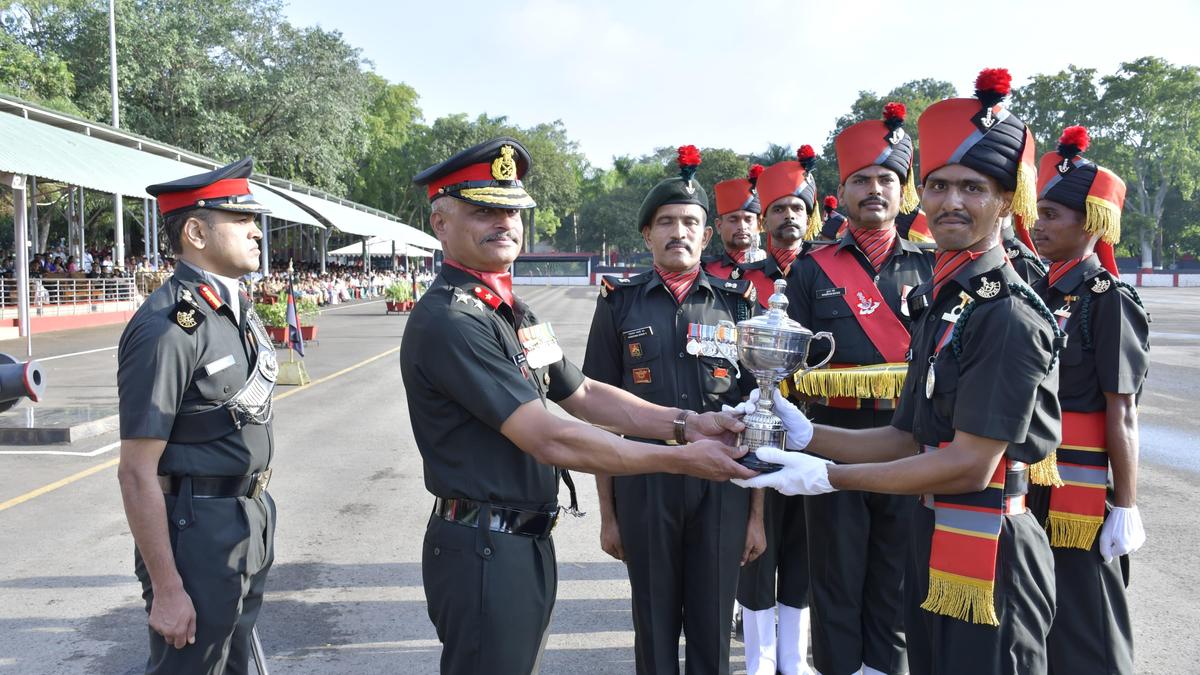
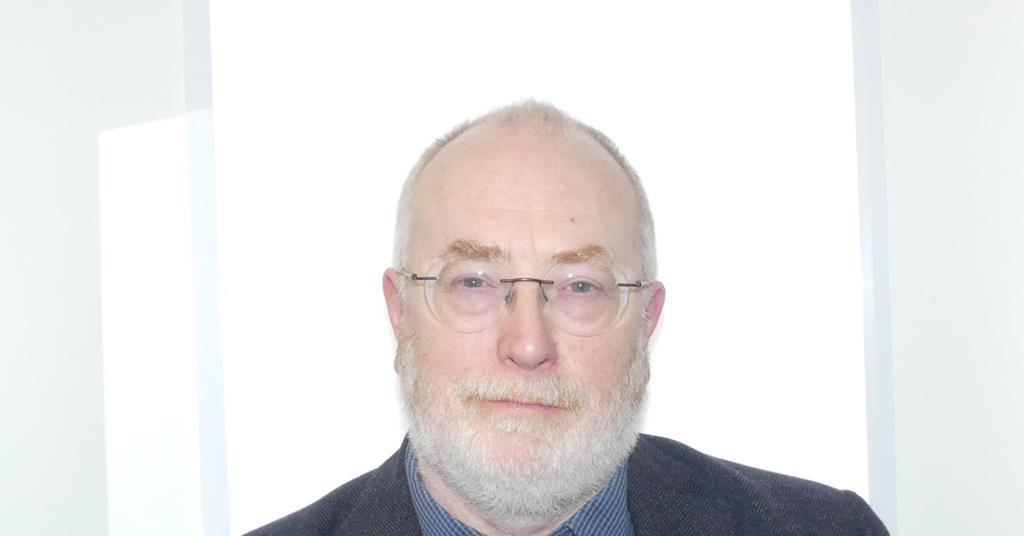
This is according to Darrell Robinson, clinical director of SpirituWell, which provides virtual spiritual care and telehealth chaplain staffing support. Robinson is also the department director of spiritual health at Emory Healthcare, part of the Emory University Hospital system. He is a veteran with 20 years of military service, including for the U.S. Army Chaplain Corps.
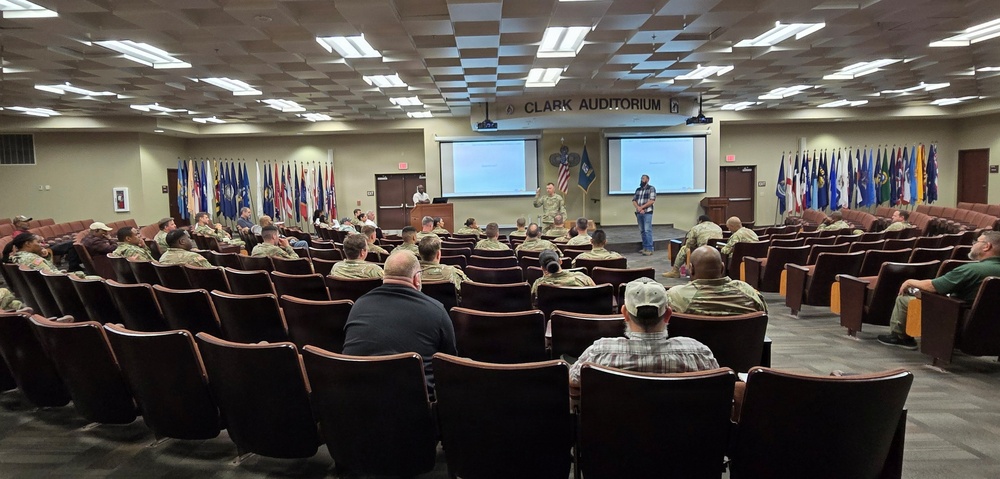
Investing in chaplains who are trained in trauma-informed care and military culture is an important part of better serving veteran patient populations, according to Robinson. This training is significant when it comes to the ability to recognize the impacts of spiritual distress.
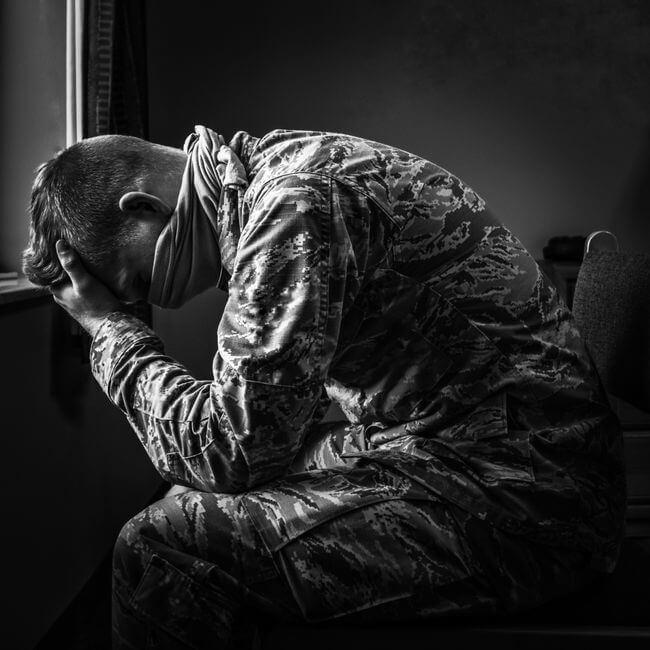
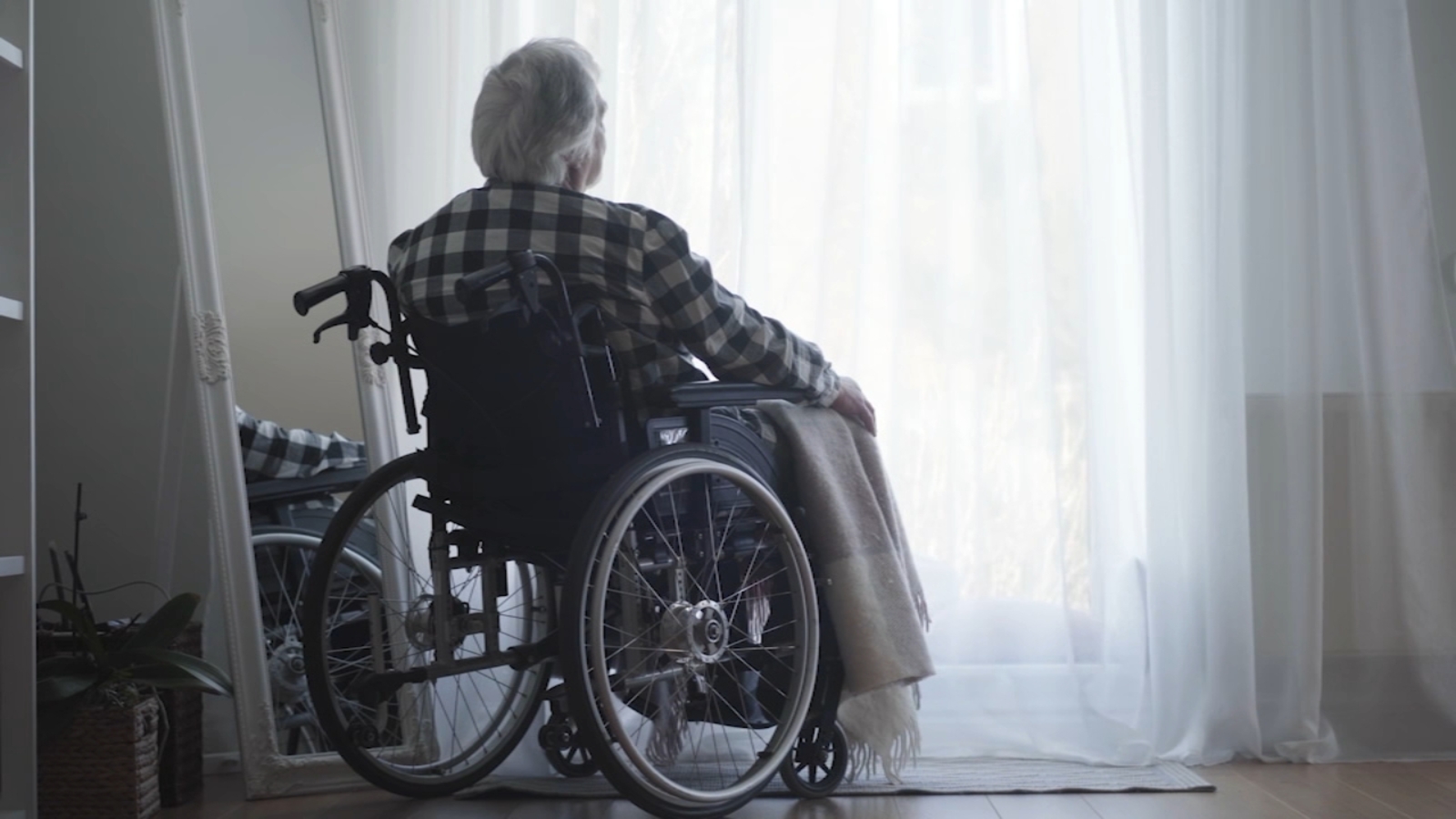
“When veterans return home, the assumption is often that the hardest part is behind them,” Robinson told Hospice News in an email. “But for many, that’s where a different kind of struggle begins. Reintegration is not just logistical — it’s deeply human. What goes unaddressed in those early years doesn’t disappear — it follows them. It often resurfaces later in life, especially at the end. Not every hospice team is adequately trained to recognize or respond to those layers.”
Veterans have a wide range of spiritual needs at the end of life, according to a study published in the American Journal of Hospice and Palliative Medicine. Veterans participating in the study indicated a desire for health care providers to better understand the traumatic events they may have experienced in combat. Study participants also stated that they could benefit from more spiritual care discussions that are related to their military service.
Veteran patients often experience moral distress and suffering at the end of life related to events that occurred during their military service, according to a study published in the journal Palliative & Supportive Care. Chaplains participating in the study reported that some veterans are hesitant to discuss their experiences, and using both spiritual and religious approaches was key to improving patient communication and engagement.
Veterans nearing the end of life can often experience unaddressed trauma and distress, said John Kirn Wenderlein III, author and hospice chaplain. Wenderlein’s father was a U.S. Navy veteran, and he has provided spiritual care to several veteran hospice patients.
Veterans may not be recognized, respected or appreciated for their service when they return home, Wenderlein indicated. Some individuals have faced discrimination or other kinds of “horrible treatment,” which can bring compounding impacts over a person’s lifetime and affect their end-of-life journeys.
Hospices need a trauma- and culturally-informed spiritual care approach to understand and improve support for dying veterans, he said.
“In the last season of veterans’ lives, we need to switch the direction when it comes to the spiritual side of care,” Wenderlein told Hospice News. “Veterans are very unique with what they go through. We need to understand the differences between their guilt, shame and moral injury at some of the things they had to do in service. We need to hire diversely spiritual people as chaplains who understand the plight of a veteran and address their legitimate concerns. It’s taking them back to those moments of time when they felt honor and respect.”
Veterans often receive fragmented health care, an issue challenging continuous support at the end of life, particularly when it comes to spiritual care, Robinson said. As a result, veterans carry a lifetime of silence and have very little opportunity to address their spiritual needs. Hospices need to build strong relationships with health systems in the U.S. Department of Veterans Affairs (VA), community veteran programs and other organizations
While end-of-life spiritual care delivery has improved in the past few decades, gaps of unmet need persist among veterans, according to Robinson.
“When we talk about end-of-life care for veterans, clinically, we’ve made meaningful strides,” Robinson said. “Hospice teams are more aware, more compassionate, more interdisciplinary than ever before. But spiritually and existentially, there is still work to do. Because at the end of life, veterans are not just facing death — they are revisiting their life narrative … that includes navigating moral injury, survivor’s guilt, unresolved grief and identity loss. One of the major gaps in hospice care is that spiritual support is still too often under-resourced, under-integrated, or misunderstood.”