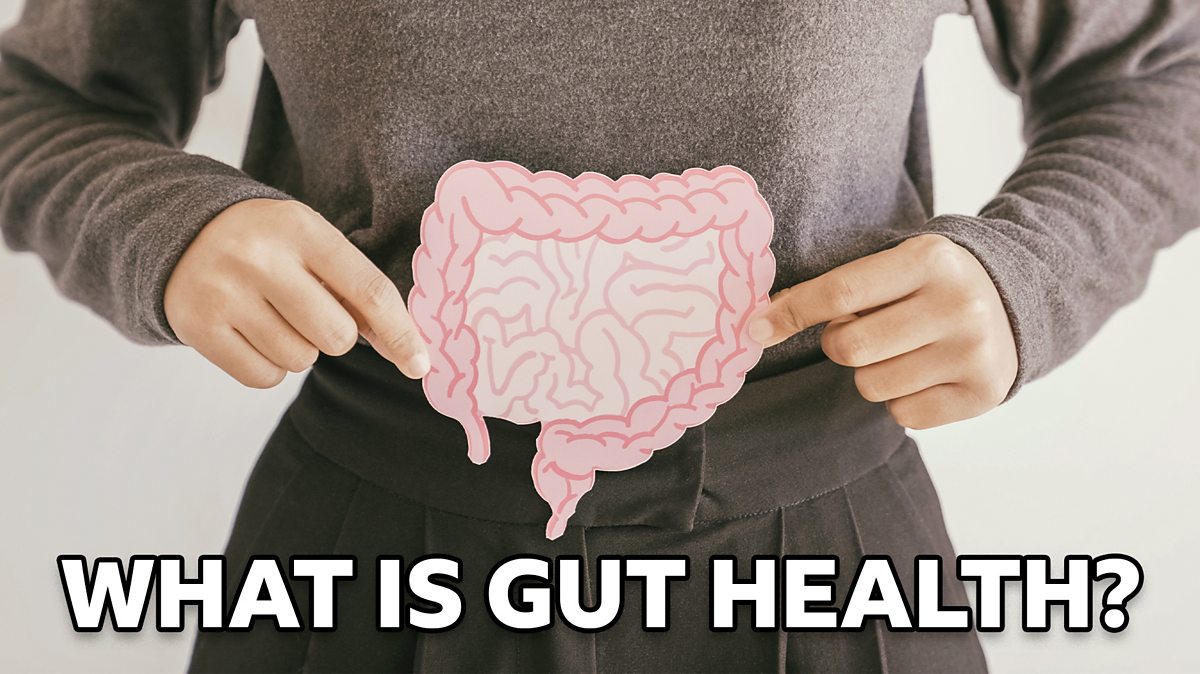
In the media, we often hear professionals and experts discussing gut health and its importance. But what actually is gut health?
Well, the gut refers to the gastrointestinal system which includes your stomach, colon and intestines. The central component is the gastrointestinal tract – a long, muscular tube which runs from the mouth to the anus.
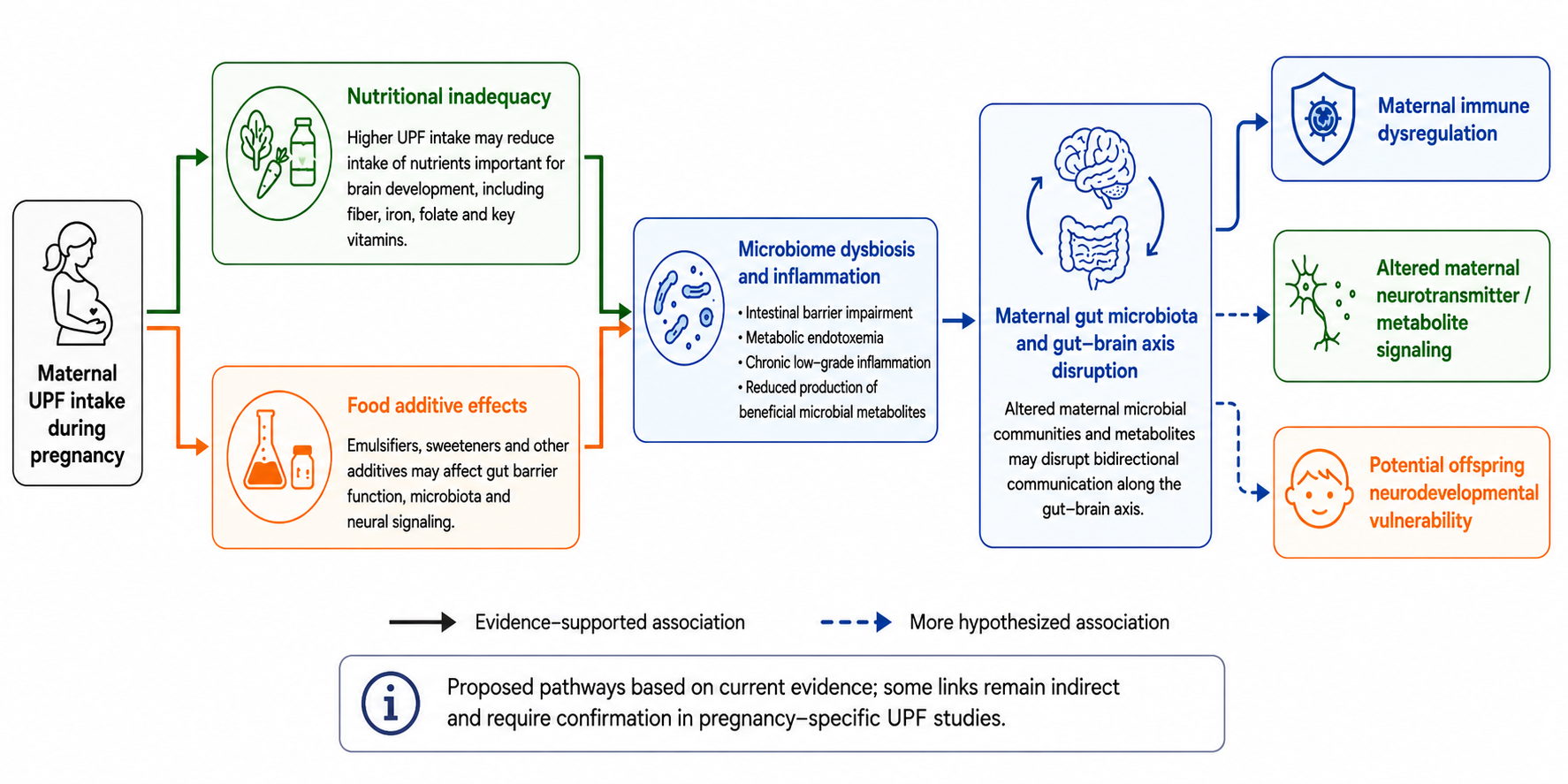
The primary role of the gastrointestinal system is to digest and absorb nutrients from food and to expel waste. Your gut also contains a microbiome, which is an ecosystem full of microorganisms.
There has been much research in this area, and medical professionals and researchers may differ on their exact definition of gut health. But Dr Hussain Al-Zubaidi, GP and lifestyle doctor, previously told BBC Bitesize that gut health usually refers to “the balance and function of microorganisms that live in the digestive tract.”
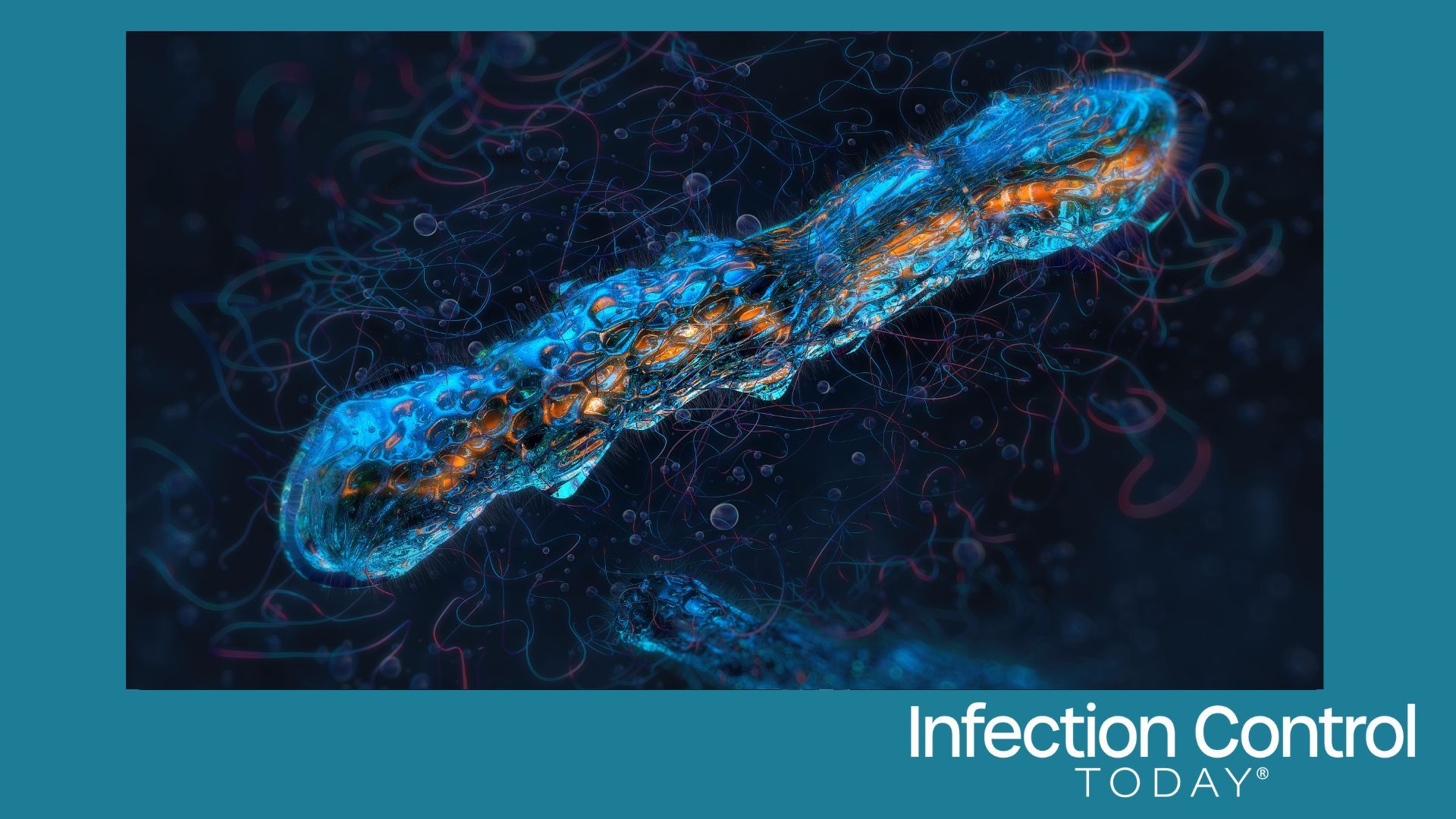
In the digestive tract, there are millions of microorganisms including bacteria, fungi and viruses. These are often associated with illness or disease – but many are beneficial and play a key role in keeping you healthy.
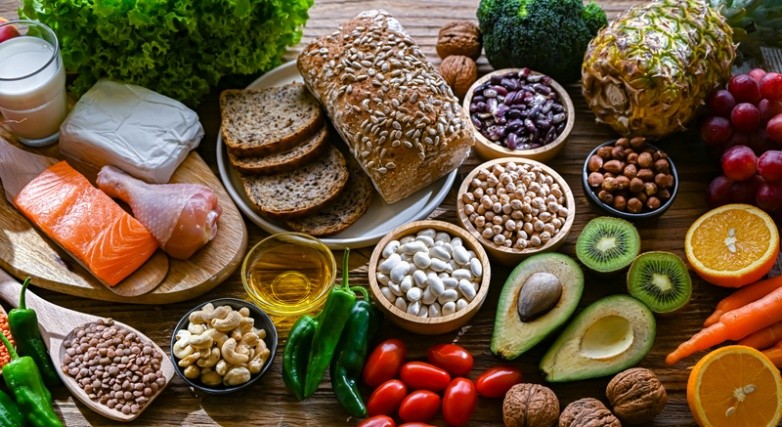
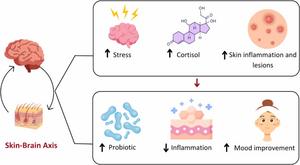
When discussing gut health, you may also hear the terms prebiotics and probiotics. Dr Hussain previously explained: “Prebiotics are plant fibre that our gut bugs feed on, supporting their growth and spread.
“Probiotics are the gut bugs themselves! The (mainly!) good bacteria that can be found in a number of food sources that we can add to our existing pool of bugs in our gut.”