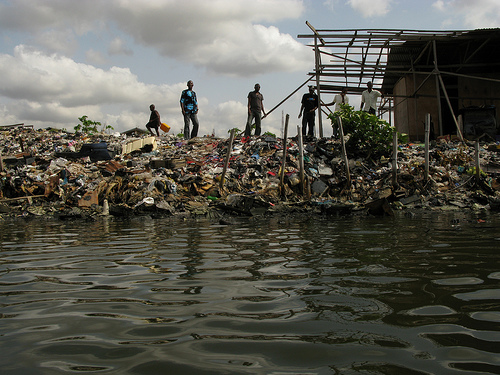
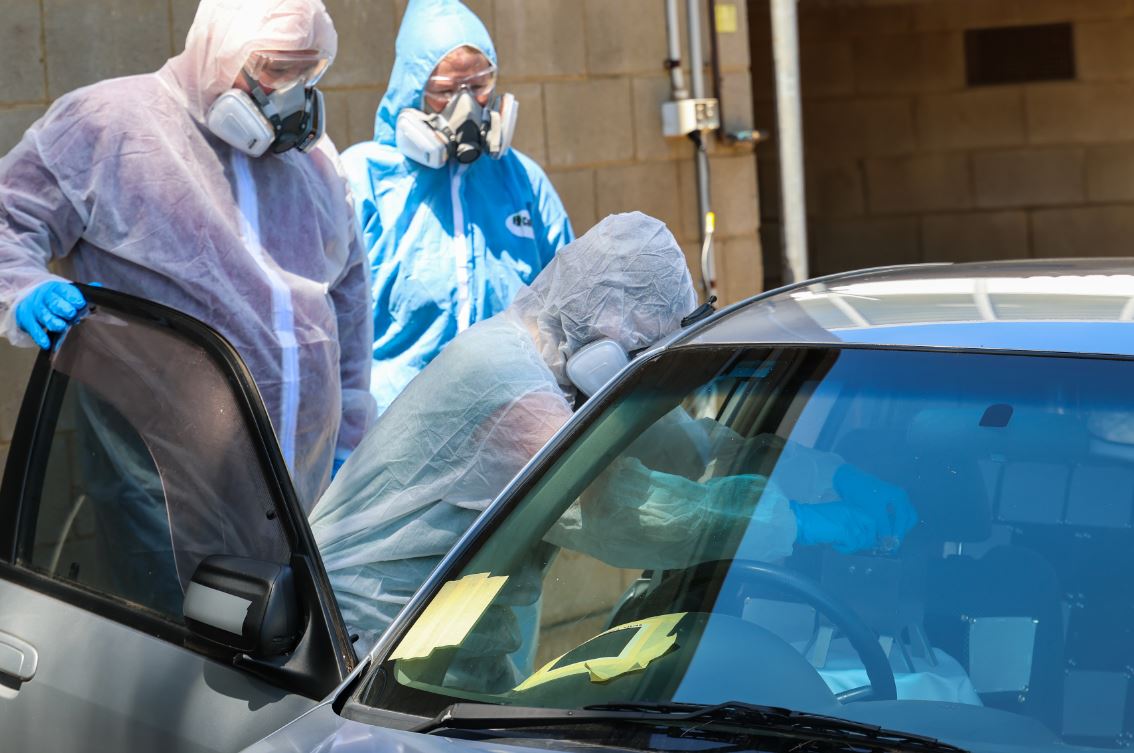
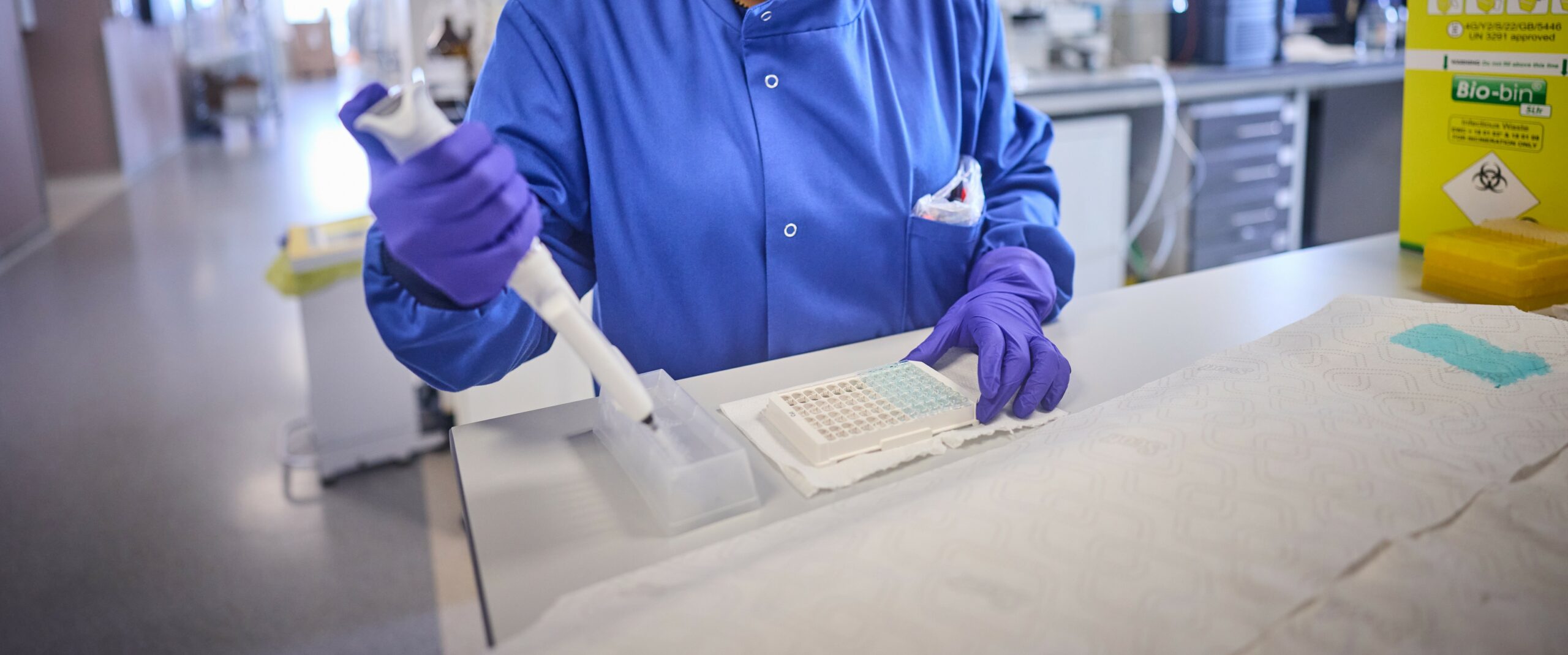
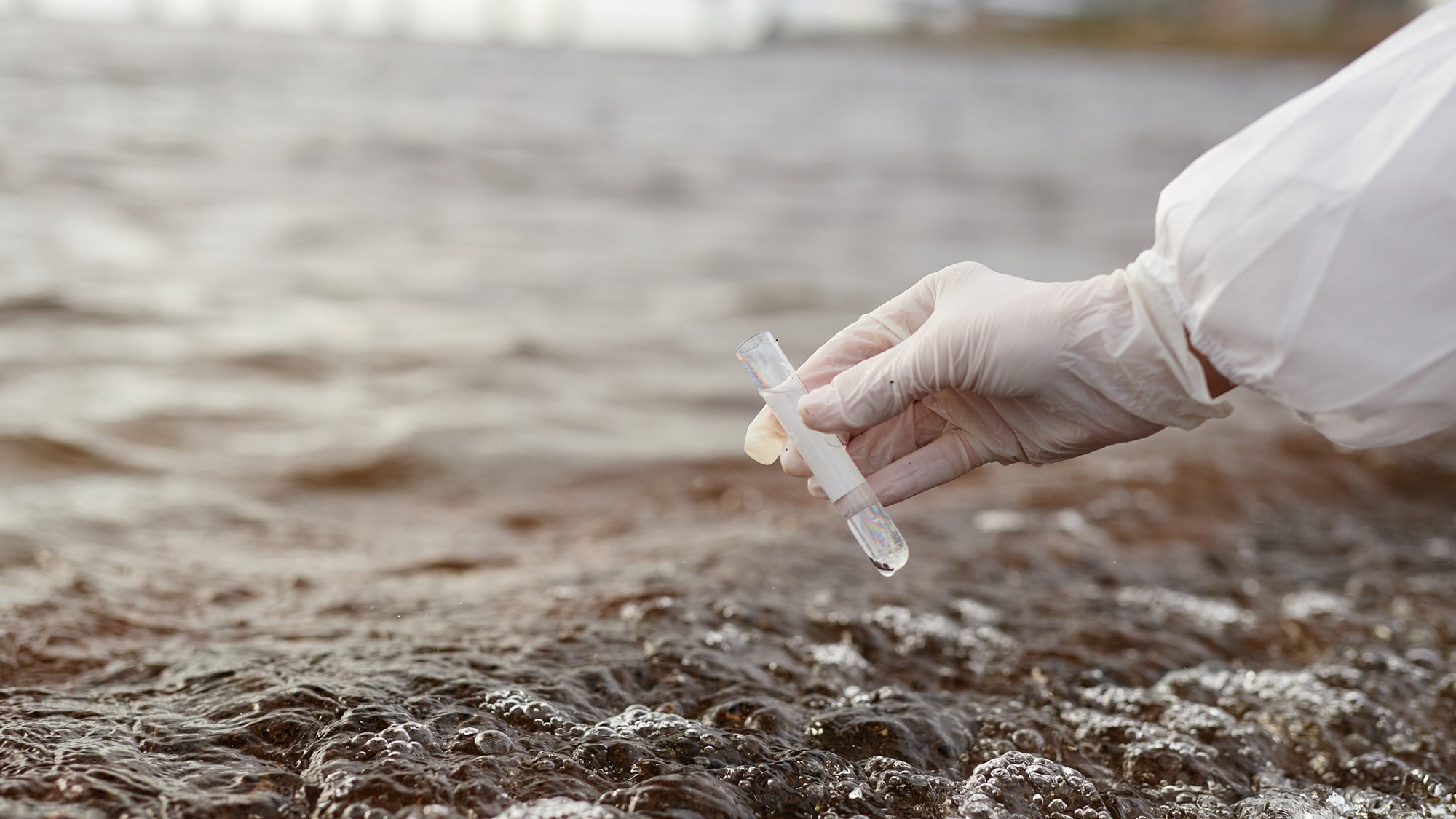
From ammonia dumped on the roadside in Brooklyn to a Bridgeport chemical explosion that one official said “rocked the city,” Connecticut officials have logged thousands of environmental spills in recent years. A fraction of those spills have led to enforcement, according to state regulators.
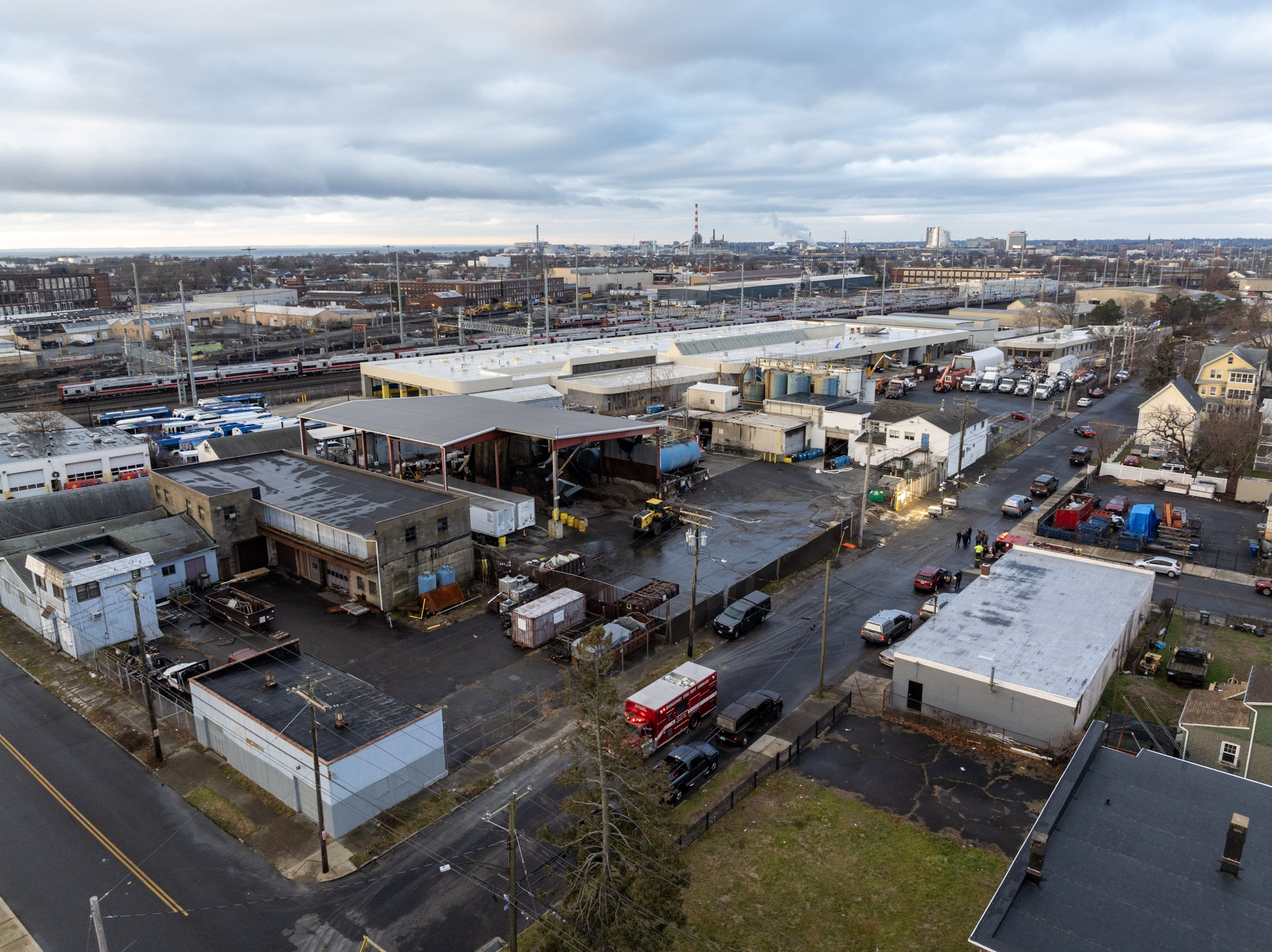

A drone view of the aftermath of the explosion at the Tradebe Environmental Services facility in Bridgeport Friday afternoon. The driver of a truck delivering 4,000 gallons of “low-grade oxidizer” opened a valve, likely sparking several explosions at Tradebe Environmental Services, a Bridgeport official says.

Since 2022, more than 14,500 spills have been reported to the state Department of Energy and Environmental Protection, which responds to incidents, assesses damage and oversees cleanup. A total of 67 of those spills resulted in enforcement, with some fines topping $250,000, according to DEEP.
Article continues below this ad
The agency’s 14-member Emergency Response Unit handles about 4,000 to 5,000 spills a year, most involving petroleum, officials said. Of the 14,533 incidents reported since 2022, about 61% involved petroleum, followed by chemical materials (16%), sewage (9.5%), dielectric fluid (9.4%), hazardous waste (1.2%) and other or unknown substances (about 3%).
Ken LeClerc, DEEP’s emergency response coordinator, said investigators consider several factors when deciding whether to pursue enforcement after a spill, including whether it was caused by “intentional actions, or actions contrary to state or federal regulations,” as well as failures to properly report it.
Article continues below this ad
“We very rarely take enforcement action on accidental (spills) unless there’s an extenuating circumstance,” LeClerc said.
For example, if a homeowner’s heating oil tank fails and starts leaking, DEEP typically won’t issue penalties as long as the spill is cleaned up in a timely manner, he said. Failure to do so, he added, “will generate automatic enforcement action.”
There are two types of spills that tend to cause the most severe environmental harm, according to LeClerc. The first involves contaminants that seep into the soil and threaten drinking water supplies.
Article continues below this ad
“Once it gets into the groundwater, there is not an easy way to get it out,” he said.
The second occurs when substances such as food products or latex paint get into rivers and streams. Because they don’t contain oxygen, these products can mix into the water column and “choke out the aquatics in that area,” causing die-offs, LeClerc said.
By comparison, even large oil spills can be “much easier” to clean up, he said, because oil floats on the water’s surface, allowing crews to contain and remove it more effectively.
Article continues below this ad
Spill reports since 2022 run the gamut. Some led to injuries and steep fines, while others left investigators scratching their heads.
Bridgeport explosion and fire
In late December 2023, a chemical explosion and fire at Tradebe Environmental Services in Bridgeport sent three people to the hospital and ultimately resulted in a $375,000 fine – the largest enforcement penalty tied to a spill since 2022.
Article continues below this ad
The blast, next to a residential area in Bridgeport’s East End, was triggered when a driver opened a valve while delivering about 4,000 gallons of “low-grade oxidizer,” officials said at the time. The explosion set off several smaller blasts and “rocked the city,” said Mayor Joe Ganim, who subsequently called for tighter regulations on industrial facilities near homes.
According to an inspection report from the federal Occupational Safety and Health Administration, Tradebe workers were told to move hazardous materials between two storage tanks to make room for a delivery. However, the company didn’t first check whether the materials being combined were compatible, the report states.
An explosion followed, injuring two employees and a truck driver delivering the oxidizer, according to the OSHA report. Investigators said a faulty gauge and leaks in the system might have contributed to the blast.
OSHA fined Tradebe about $104,000 for committing a total of 11 violations, five of which were deemed “serious,” the report shows. The agency found that Tradebe failed to protect workers from fire and explosion hazards, and didn’t have proper safety plans, emergency response training or fire safety instruction in place, according to the report.
Article continues below this ad
“Safety is our top priority and we work closely with relevant regulatory authorities,” a Tradebe spokesperson said in a statement to CT Insider.
Norfolk tanker crash
A 2022 tanker crash in Norfolk that spilled thousands of gallons of gasoline and forced evacuations of homes resulted in a $350,000 fine.
The crash happened early on the morning of Nov. 5, when a tanker truck traveling on Route 44 hit a utility pole and fire hydrant before rolling over and sliding several hundred feet, breaching the tank and spilling its full cargo of 8,200 gallons of gasoline, according to state officials. The fuel contaminated nearby yards and flowed through the town’s stormwater system into surface and groundwater, they said.
Article continues below this ad
The concentration of toxic, potentially explosive chemicals led authorities to immediately evacuate residents from about a half-dozen nearby homes, and the town’s first selectman declared a local state of emergency.
In March 2025, the state announced it had reached a $350,000 settlement with the tank’s operator, Soundview Transportation, the trucking arm of Guilford-based East River Energy. The penalty also covered two smaller spills in 2023.
State Attorney General William Tong dubbed the Norfolk incident the largest gasoline spill in state history, with cleanup costs expected to run into the millions of dollars. Soundview was deemed fully responsible for the remediation.
The company also recently agreed to pay $585,000 to the town of Norfolk to cover cleanup-related costs. Former First Selectman Matt Riiska, who filed the claim against Soundview, previously had estimated the town’s expenses at about $750,000.
Article continues below this ad
“While most damage has been mitigated, Verdantas, an environmental consulting firm, continues to monitor pollution levels, and tests soil and groundwater in the aftermath of the gasoline spill,” the town said in a community newsletter on April 23.
East River Energy didn’t respond to a request for comment on the two settlements.
New Haven Terminal spill
In March 2023, about 2,000 gallons of petroleum escaped a bulk storage tank at the New Haven Terminal but was captured inside a containment system before reaching the harbor, records show. Buckeye Partners, the Houston-based company that operates the fuel storage facility where the leak occurred, was fined $54,000, according to DEEP.
Article continues below this ad
LeClerc said the leak was caused by a pump failure inside the facility.
In an emailed statement, Buckeye Partners said it “responded quickly in accordance with our established procedures and worked closely with the appropriate regulatory agencies, including the Connecticut Department of Energy and Environmental Protection, to resolve it. We remain committed to protecting the communities and environment in which we operate.
“As part of our focus on continuous operational improvement, we proactively review procedures, systems and technologies to further enhance our asset integrity and safety performance,” the company added. “Maintaining compliance with all environmental safety regulations continues to be among our highest priorities.”
LeClerc noted terminal operators must follow “very specific rules” by law and these types of spills at the terminal are not uncommon.
Article continues below this ad
“Most of the spills in the terminal do result in a penalty,” he said.
Fuel depot fire
A fire at a fuel terminal off Frontage Road in East Haven in February 2024 led to a $22,500 fine, according to DEEP.
An agency spokesperson said the terminal’s operator “had removed their fire-suppression system, had no hydrants, and as a result of their inability to control the fire, (heating) oil was released into the environment due to this negligence.”
Article continues below this ad
Nobody was injured in the fire, which broke out at New Haven Terminal’s fuel depot at 121 Frontage Road, according to East Haven Fire Chief Matt Marcarelli. He said a fuel leak occurred during the transfer from one tank to another.
The fire took about 45 minutes to bring under control, Marcarelli said. Because of problems with the fire-protection system, crews from New Haven, Branford and Guilford were called in for mutual aid. DEEP and the state police Fire and Explosion Investigation Unit also responded.
New Haven Terminal didn’t immediately respond to messages seeking comment.
PFAS in sprinkler system
A small leak from a sprinkler system inside a warehouse at 524 South Cherry St. in September 2024 released foam containing chemicals known as per- and polyfluoroalkyl substances, or PFAS, according to incident reports. The spill was contained within a bucket and didn’t affect any drains or waterways, the report shows. The incident still resulted in a $12,000 fine.
Article continues below this ad
BYK, a manufacturer of additives and measuring instruments that operates a warehouse at the address, didn’t respond to a request for comment.
PFAS – often called “forever chemicals” because they break down slowly – have long been used in firefighting foams because of their effectiveness at extinguishing fires. They’re also commonly found in everyday household products, especially those made of plastic.
But the chemicals can contaminate the environment, experts say, and have been increasingly detected in drinking water and fish. They’ve also been linked to kidney and testicular cancers, liver damage, reproductive disorders and other human health issues.
Connecticut banned firefighting foams containing PFAS in 2021 through a phased approach, giving municipalities and businesses time to remove them from use.
Article continues below this ad
“It was supposed to have been out of use for several years now,” LeClerc said. “If we get a PFAS incident, at least now there’s enforcement action taken on it.”
‘Stupidity spills’
Investigators also respond to their share of unusual – and sometimes baffling – incidents.
Recently in Thompson, authorities caught a man squatting in an abandoned restaurant who had been using sulfuric and nitric acid to break down electronics to extract precious metals while leaving the hazardous waste behind, LeClerc said. The man had outstanding arrest warrants, he noted.
Article continues below this ad
“We get a lot of strange things like that,” LeClerc said.
In another recent incident, a landlord trying to get rid of roaches set off an entire case of total release foggers, or “bug bombs” – despite instructions to use just one – in an apartment building with tenants above and below.
“There’s a lot of stupidity spills that we go to,” LeClerc said.
It wasn’t immediately clear whether either of those incidents resulted in fines.
Article continues below this ad
Other bizarre incidents also were documented in the spills report.
In October 2023, someone illegally dumped 30 2-gallon jugs of bleach at the end of a road in Brooklyn. Responders cleaned the spill but couldn’t identify the person responsible and no enforcement action was taken.
A few months earlier, an antique mirror stored at a Norwalk self-storage facility was found to be leaking mercury, a highly toxic substance that poses serious health risks. DEEP’s Emergency Response Unit advised the owner to hire a contractor and monitored the cleanup, conducting tests before, during and after to confirm the mercury had been removed. No enforcement action was taken.
Article continues below this ad
Staff writers Lisa Backus and Christine Dempsey contributed reporting to this story.