LONGi Green Energy reports weaker margins and lower earnings as global solar panel oversupply pressures prices and profitability.
LONGi Green Energy Technology Co., Ltd., known as LONGi Green Energy, has reported weaker profitability and margin pressure in its latest financial results, reflecting broader challenges in the global solar manufacturing sector. The company, one of the world’s largest producers of monocrystalline silicon wafers and modules, cited intense competition, falling module prices and oversupply as key factors weighing on earnings, according to its most recent quarterly filing and investor presentation.
LONGi Green Energy’s latest results show that revenue growth has slowed compared with earlier periods, while gross and operating margins have compressed. The company attributes this to a sharp decline in average selling prices for solar modules and wafers, driven by rapid capacity expansion across China and other manufacturing hubs. LONGi notes that global module demand remains solid, but supply has grown even faster, leading to price erosion and tighter margins across the value chain.
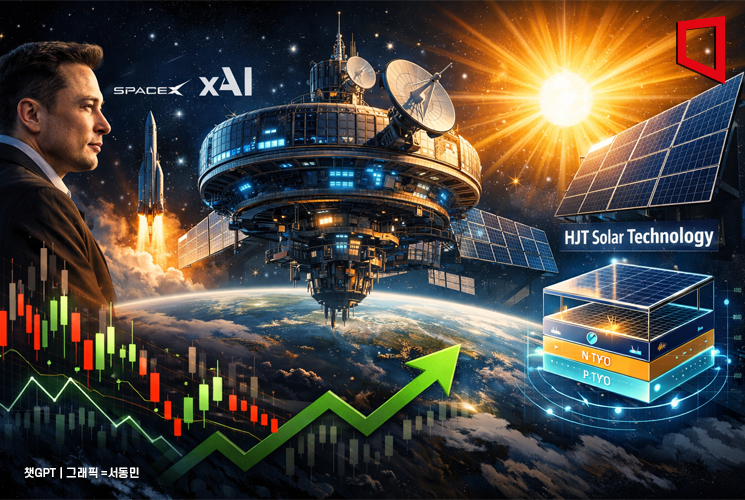
LONGi Green Energy continues to emphasize its cost leadership and vertical integration as competitive advantages. The company operates across polysilicon, ingots, wafers, cells and modules, allowing it to capture value at multiple stages. LONGi also highlights ongoing investments in high?efficiency cell technologies, including PERC, TOPCon and HJT, as ways to differentiate its products and maintain market share despite pricing pressure.
LONGi Green Energy’s stock has been volatile in recent months, reflecting investor concerns about oversupply, trade barriers and policy shifts in key markets. The shares trade on the Shanghai Stock Exchange under the ticker 601012, with American investors able to access the company via ADRs or global equity funds. LONGi’s valuation has come under pressure as analysts reassess earnings power in a lower?price environment, even as the long?term outlook for solar deployment remains positive.
LONGi Green Energy’s management has signaled a cautious approach to capacity expansion, indicating that future growth will focus more on efficiency gains and technology upgrades than on sheer volume. The company also points to international diversification, including projects and partnerships in Europe, the Americas and parts of Asia, as a way to reduce dependence on any single market and mitigate policy or trade?related risks.
LONGi Green Energy’s latest results and guidance highlight the tension between strong underlying demand for renewable energy and the cyclical nature of solar manufacturing. While governments worldwide continue to support decarbonization and grid?scale solar deployment, manufacturers face periodic overcapacity cycles that compress margins and test balance sheets. LONGi’s ability to navigate this environment will depend on its cost structure, technology roadmap and access to capital.
LONGi Green Energy’s position as a leading global solar manufacturer makes it a bellwether for the broader photovoltaic sector. For US investors, the stock offers exposure to the long?term growth of solar power, but also to the cyclical risks of manufacturing overcapacity, trade policy and commodity?like pricing dynamics. Investors considering LONGi Green Energy should weigh these factors against their risk tolerance and time horizon.
As of: 09.05.2026
By the editorial team – specialized in equity coverage.
At a glance
- Name: LONGi Green Energy Technology Co., Ltd.
- Sector/industry: Renewable energy / solar manufacturing
- Headquarters/country: Xi’an, China
- Core markets: China, Europe, Americas, Asia–Pacific
- Key revenue drivers: Monocrystalline wafers, solar modules, cell technologies
- Home exchange/listing venue: Shanghai Stock Exchange (ticker: 601012)
- Trading currency: CNY (RMB)
LONGi Green Energy: core business model
LONGi Green Energy operates as a vertically integrated solar manufacturer, controlling multiple stages of the photovoltaic value chain. The company produces polysilicon, ingots, wafers, cells and modules, which allows it to capture value at each step and respond more flexibly to market conditions. LONGi’s core business model centers on high?volume, low?cost production of monocrystalline silicon products, which are widely used in utility?scale and distributed solar projects.
LONGi Green Energy’s strategy emphasizes economies of scale, technological leadership and global reach. The company has invested heavily in large?scale wafer and module factories, often located in regions with favorable energy and labor costs. LONGi also focuses on continuous process improvements and automation to reduce manufacturing costs and improve yield. This cost?driven approach has helped LONGi become one of the world’s largest suppliers of monocrystalline wafers and modules.
LONGi Green Energy’s business model is closely tied to the global solar installation cycle. When demand for solar projects rises, LONGi benefits from higher volumes and relatively stable pricing. However, when supply growth outpaces demand, as has occurred in recent years, the company faces pressure on prices and margins. LONGi’s ability to maintain profitability in such periods depends on its cost advantage, product mix and geographic diversification.
Main revenue and product drivers for LONGi Green Energy
LONGi Green Energy’s main revenue drivers are monocrystalline silicon wafers and solar modules. Wafers form the base material for solar cells and modules, and LONGi has positioned itself as a leading global supplier of high?efficiency monocrystalline wafers. The company’s wafer business benefits from strong demand from other module manufacturers that rely on external wafer suppliers, as well as from LONGi’s own downstream cell and module operations.
LONGi Green Energy’s module business is another key revenue driver, particularly as the company has expanded its presence in international markets. LONGi offers a range of module products tailored to utility?scale, commercial and residential applications, with an emphasis on high efficiency and reliability. The company’s modules are used in large solar farms, rooftop installations and distributed energy projects, giving LONGi exposure to multiple segments of the solar market.
Technology and product differentiation are increasingly important revenue drivers for LONGi Green Energy. The company invests in advanced cell technologies such as PERC, TOPCon and HJT, which offer higher conversion efficiencies than conventional designs. LONGi also focuses on bifacial modules and other innovations that can increase energy yield per installed watt. These technology?driven products often command premium pricing and help LONGi maintain margins in a competitive environment.
Industry trends and competitive position
The global solar manufacturing industry is characterized by rapid capacity expansion, technological change and intense price competition. LONGi Green Energy operates in a highly concentrated but still fragmented landscape, where a handful of large Chinese manufacturers dominate wafer and module supply. LONGi’s scale, vertical integration and technology focus have helped it maintain a leading position, but the company faces ongoing pressure from rivals that are also expanding capacity and improving efficiency.
LONGi Green Energy’s competitive position is shaped by several factors, including cost structure, technology roadmap, brand reputation and access to international markets. The company’s large?scale manufacturing footprint and long?term contracts with polysilicon suppliers support its cost leadership. LONGi’s investments in high?efficiency cell technologies and module designs help differentiate its products from lower?end competitors. At the same time, trade policies, tariffs and local content requirements in key markets can affect LONGi’s ability to compete on price and market share.
Why LONGi Green Energy matters for US investors
LONGi Green Energy matters for US investors because it is a major supplier of solar components used in projects around the world, including in North America. US developers and utilities often source modules and related equipment from global manufacturers, and LONGi’s products are part of that supply chain. For US?based investors, LONGi offers exposure to the long?term growth of solar power without direct ownership of project assets.
LONGi Green Energy’s performance also provides insight into broader trends in the solar sector, such as pricing dynamics, technology adoption and policy impacts. US investors who follow renewable energy themes may use LONGi as a proxy for the health of the global solar manufacturing industry. However, investing in LONGi involves exposure to China?specific risks, including regulatory changes, currency fluctuations and geopolitical considerations.
What type of investor might consider LONGi Green Energy – and who should be cautious?
LONGi Green Energy may appeal to investors seeking exposure to the global solar manufacturing sector and the long?term growth of renewable energy. The company’s scale, vertical integration and technology focus can support competitive positioning over time, even in cyclical downturns. Investors with a higher risk tolerance and a multi?year horizon may view LONGi as a way to participate in the transition to clean energy while accepting the volatility typical of manufacturing?oriented stocks.
Investors who are sensitive to short?term volatility, policy risk or China?specific factors may want to approach LONGi Green Energy with caution. The stock’s performance can be influenced by trade disputes, changes in Chinese industrial policy and shifts in global solar demand. Investors should also consider diversification and the role of LONGi within a broader portfolio, rather than treating it as a standalone bet on solar growth.
Conclusion
LONGi Green Energy remains a leading global solar manufacturer with a vertically integrated business model and a strong presence in monocrystalline wafers and modules. The company’s latest results reflect the challenges of oversupply and price pressure in the photovoltaic sector, even as long?term demand for solar power continues to grow. LONGi’s ability to maintain profitability will depend on its cost leadership, technology roadmap and international diversification.
For US investors, LONGi Green Energy offers exposure to the global solar manufacturing cycle and the broader energy transition. The stock can be a way to participate in renewable energy growth, but it also carries risks related to cyclicality, trade policy and China?specific factors. Investors should carefully assess these dynamics and consider how LONGi fits within their overall portfolio strategy.
LONGi Green Energy’s performance will be closely watched as a barometer of the solar industry’s health, particularly in periods of rapid capacity expansion and price adjustment. While the company’s fundamentals remain tied to the long?term outlook for solar deployment, near?term volatility is likely to persist as manufacturers navigate overcapacity and shifting policy environments.
Disclaimer: This article does not constitute investment advice. Stocks are volatile financial instruments.