
Getrude Chigerwe, [email protected]
THE future of the digital economy depends on how nations intentionally prepare the next generation.
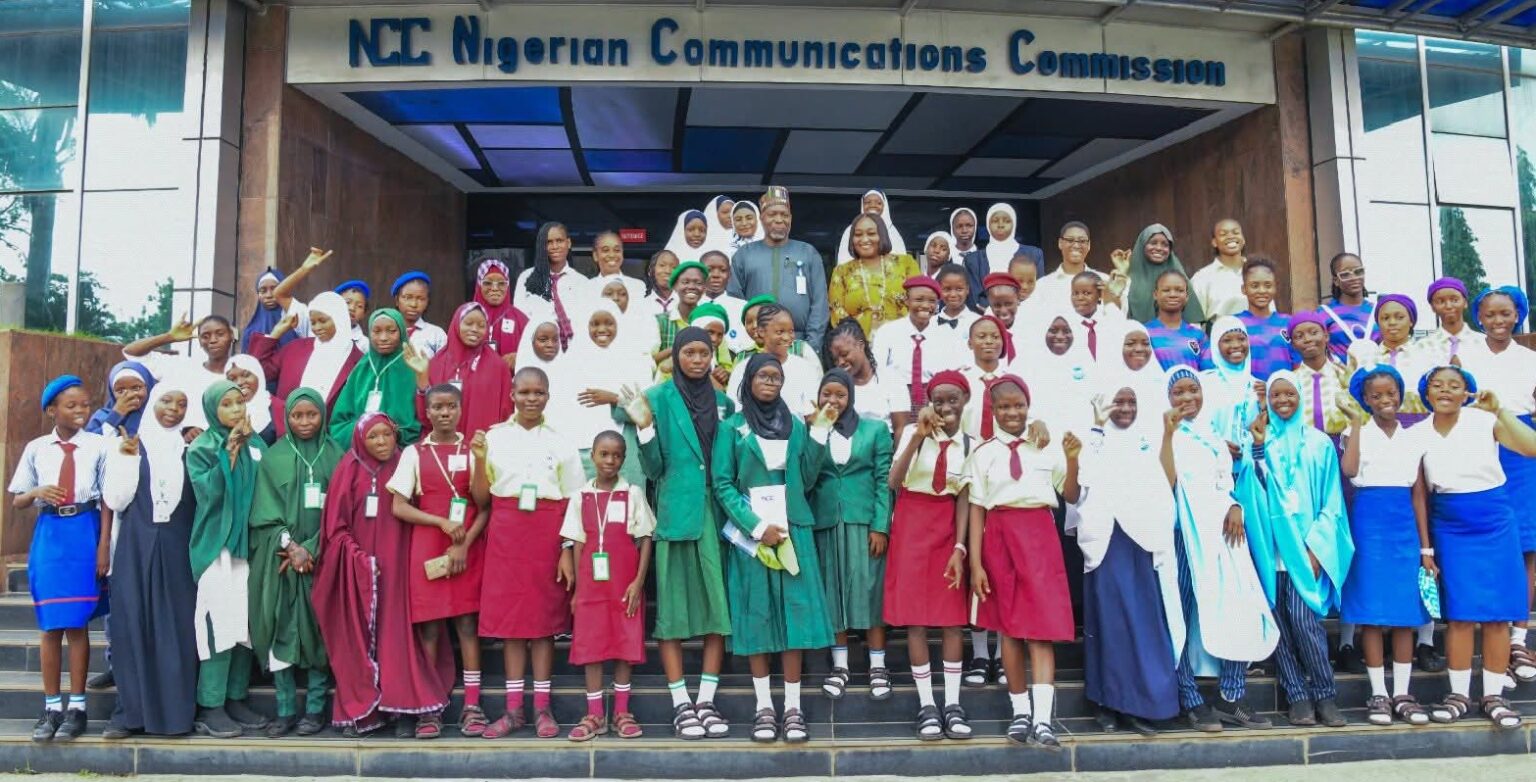
This year’s International Day for Girls in Information and Communication Technology theme, “AI for Development: Girls shaping the digital future”, is a call to action for Governments, educators and industry to ensure girls are not only included in digital transformation but are capacitated to lead it.
In Zimbabwe, where technology is reshaping industries and livelihoods, investing in girls in ICT is a strategic development priority.
According to the World Economic Forum, only 19 percent of female learners in Zimbabwe graduate from Science, Technology, Engineering and Mathematics (Stem) fields, compared to 39 percent of males.
At the tertiary level, women account for less than 30 percent of Stem graduates, highlighting a persistent participation gap. The imbalance starts early and extends into digital access and use.
According to Unicef, in low-income countries, up to 90 percent of adolescent girls are offline, making digital exclusion one of the most urgent development challenges of our time.
There is still a gap in participation, leadership and influence in how technology is designed and used. Zimbabwe has already taken important policy steps.
Through frameworks such as the National Gender Policy and the National Development Strategy 2 (NDS2) 2026–2030, Zimbabwe has renewed its commitment to inclusive growth by strengthening human capital development, advancing innovation and digitalisation and prioritising gender equality and youth empowerment as cross-cutting drivers of national progress.
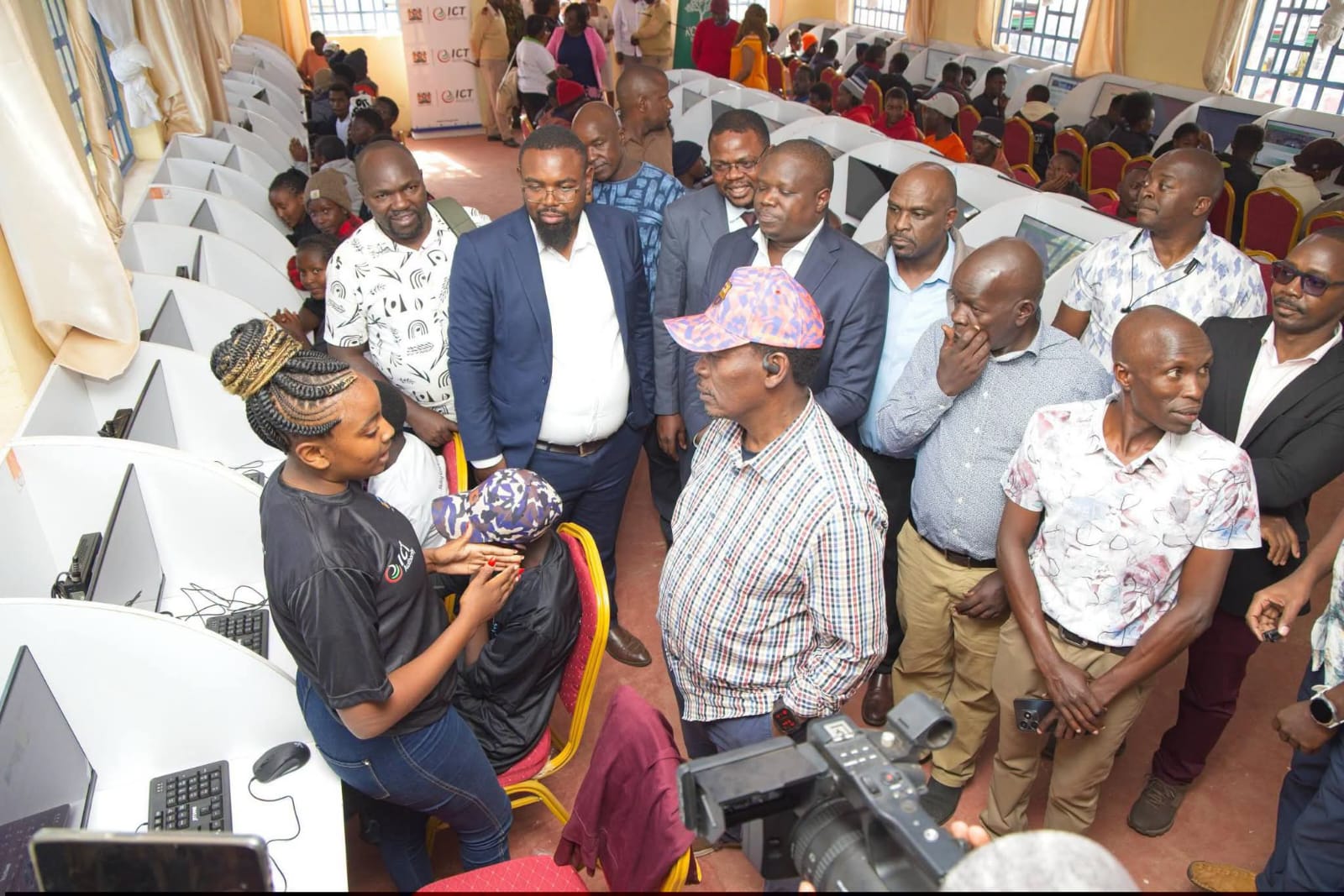
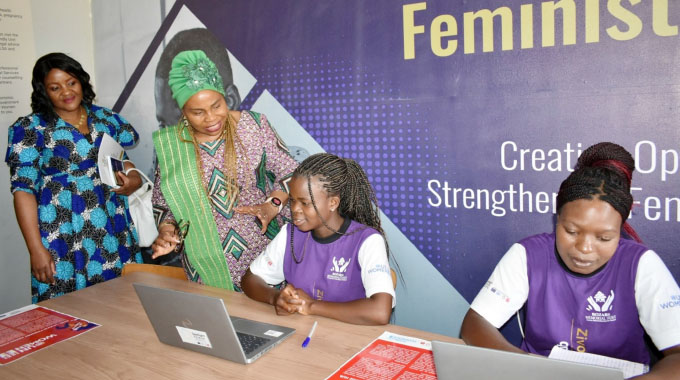
Initiatives such as Project Ignite by OmniContact and partners, girls in information communication technology (ICT) scholarships, SheTech programmes and community ICT centres by the Government and Feminist Knowledge Hubs by UN Women under the EU-funded Spotlight Initiative are also creating entry points for girls to engage with technology.
In this context, the National Artificial Intelligence Strategy (2026–2030) signals a bold shift towards harnessing emerging technologies for inclusive economic growth and innovation.
By prioritising digital skills development, research and the application of AI across key sectors, the strategy helps lay a stronger foundation for future talent pipelines. However, its success will depend on how intentionally it brings girls into this ecosystem.
It also presents a timely opportunity to ensure that girls are not only exposed to technology but are equipped to become developers, innovators and leaders shaping the nation’s AI-driven future.
Echoing this urgency, Information Communication Technology, Postal and Courier Services Minister Tatenda Mavetera, emphasised the need to put women at the forefront of the Fourth Industrial Revolution and to recognise that the gender gap in the digital landscape was never inevitable.
Speaking at the 2026 Women in ICT Conference hosted by the Computer Society of Zimbabwe, she said: “The Fourth Industrial Revolution will not wait for us to catch up, so we need to ensure that our women and girls are not just passengers on this journey, but the ones building the engine.”
Development partners have also strengthened the foundations for digital learning in schools.
Unicef, working with the Government and partners, has supported the roll-out of the Zimbabwe Learning Passport, alongside practical investments that make e-learning possible in disadvantaged and hard-to-reach schools. Among them are school solarisation, offline servers that host learning passport content, where connectivity is limited and the provision of ICT devices and teacher support to integrate digital tools into everyday teaching.
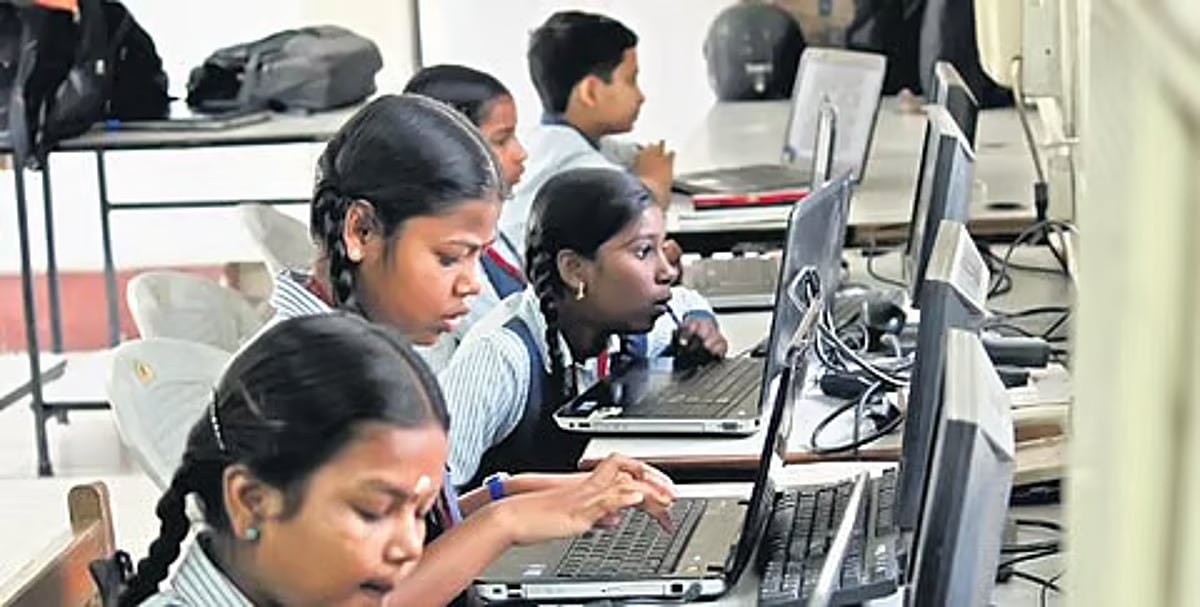
The Ministry of Information Communication Technology, Postal and Courier Services is also working with entities such as Postal and Telecommunications Regulatory Authority of Zimbabwe (Potraz) and other implementing agencies, has expanded access to technology by establishing and equipping computer laboratories in schools and promoting digital literacy so that learners can move from basic access to meaningful, future-ready skills. Civil society leaders are also helping to keep girls engaged in Stem beyond the classroom.
“The Stem Lady”, Sicelo Dube, through initiatives linked to Elevate Trust and the StemFem Network, has helped create mentorship and peer-support spaces for girls and young women, promote hands-on science and innovation through clubs and challenges and advocate for better-resourced Stem learning.
This kind of leadership strengthens the pipeline by building confidence, widening exposure to Stem careers, and connecting promising learners to further training and opportunities.
Encouragingly, real-life examples show what is possible when girls are given the right support. Programmes that combine digital skills training with mentorship are producing tangible outcomes.
Evidence from programme-based interventions shows promising results. In one initiative supported by SOS Children’s Villages, up to 28 percent of young female participants secured employment before completing their training, underscoring the potential of digital skills to unlock economic opportunities.
To close the gap, Zimbabwe must move from isolated interventions to a strong, sustainable pipeline. That means introducing girls to ICT early, investing in teachers and infrastructure and building mentorship pathways that help girls see themselves not only as users of technology, but as creators and leaders.
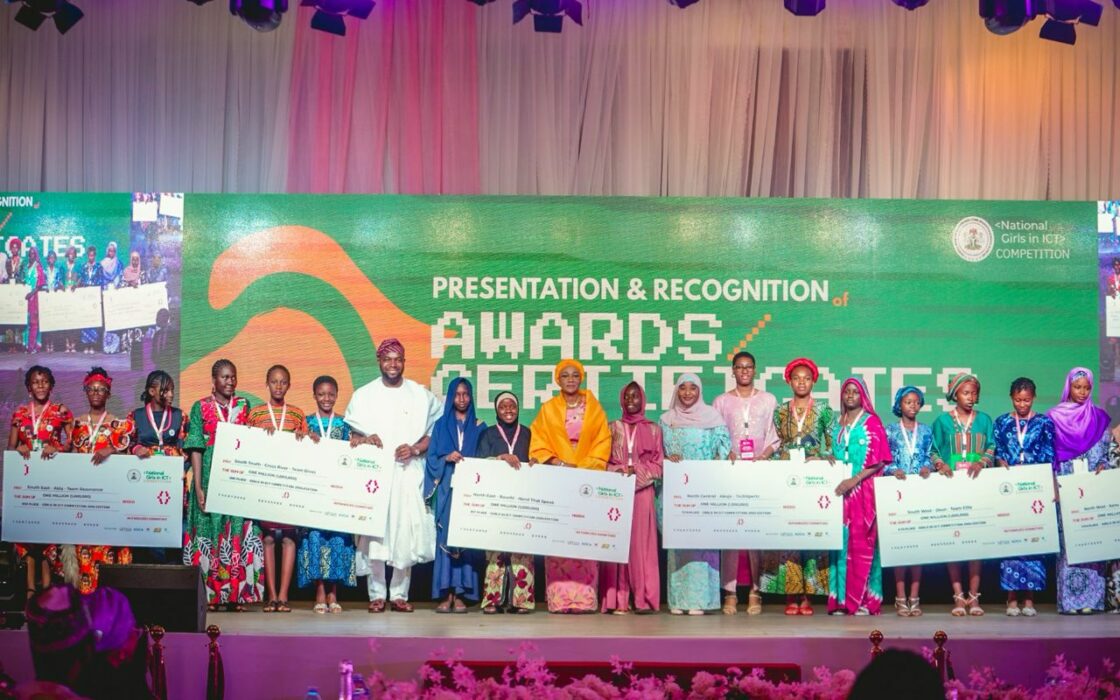
With Zimbabwe having marked the International Day of Girls in ICT, the focus must shift from awareness to action, from access to opportunity, and from participation to influence.
When girls are empowered to shape technology, they do not just take part in the future, they help define it.