Published on
May 31, 2026

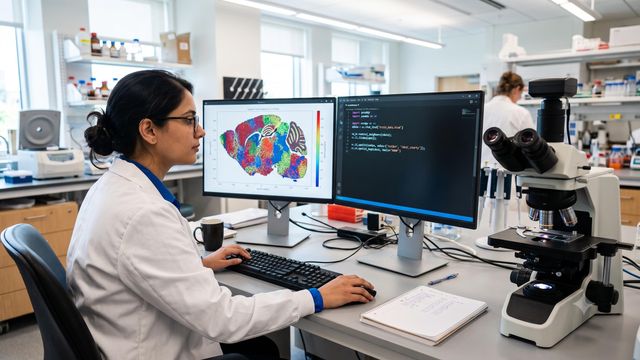
Image generated with Ai
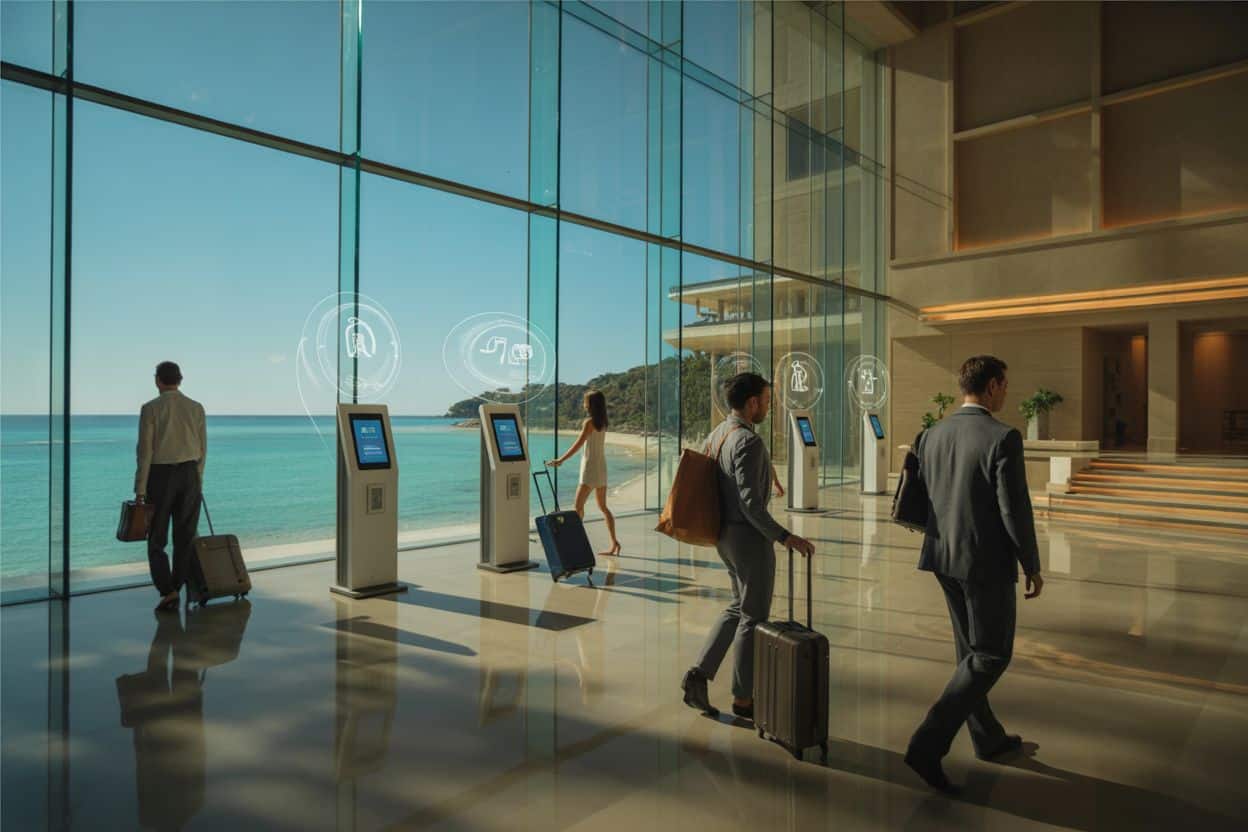
The hospitality industry is entering a new phase of digital transformation as hotels increasingly invest in integrated technology solutions designed to simplify operations and enhance guest experiences. With travelers expecting faster services, personalized communication, and seamless booking journeys, accommodation providers are adopting advanced systems that connect multiple hotel functions through a single platform.
Industry experts believe the future of hospitality lies in reducing technological complexity while creating smoother experiences for both guests and hotel teams. Modern travelers now expect convenience throughout every stage of their journey, from searching for accommodation and making reservations to check-in, in-stay services, and departure.
As tourism continues to recover and expand globally, hotels are focusing on technologies that improve efficiency while delivering the personalized experiences that today’s travelers increasingly value.
Growing Demand for Frictionless Travel Experiences
Traveler expectations have changed significantly in recent years. Guests now seek faster interactions, instant communication, mobile access, and flexible service options during their stays. As a result, hotels are looking for solutions that can centralize guest information and simplify daily operations.
Advertisement
Advertisement
Integrated hospitality platforms are helping properties manage reservations, pricing, guest communications, payments, and operational workflows from a single environment. This approach reduces the need for multiple disconnected systems and enables staff to respond more quickly to guest requests.
For travelers, these improvements often translate into smoother booking experiences, faster check-ins, more accurate room availability, and better communication before and during their stay. Such enhancements are becoming increasingly important as competition among destinations and accommodation providers continues to grow.
Advertisement
Advertisement
Artificial Intelligence Reshaping the Hospitality Sector
Artificial intelligence is emerging as one of the most influential technologies in the tourism and hospitality industry. Hotels are exploring ways to use AI to automate routine tasks, improve service delivery, and personalize guest experiences.
Modern AI tools can help accommodation providers respond to inquiries, recommend services, manage room inventory, and analyze demand patterns more efficiently. This allows hotel teams to spend more time focusing on guest satisfaction rather than repetitive administrative tasks.
Advertisement
Advertisement
For travelers, AI-driven services can provide faster responses to questions, more personalized recommendations, and improved convenience throughout their stay. Whether assisting with room preferences, local attraction suggestions, or service requests, intelligent systems are helping create more responsive hospitality environments.
The growing use of AI reflects broader changes across the travel sector, where technology is increasingly supporting both operational efficiency and customer experience improvements.
Better Connectivity Benefits Hotels and Travelers
Distribution remains one of the most important aspects of modern tourism. Travelers use a wide range of online channels to research, compare, and book accommodation. Hotels therefore require efficient tools that allow them to manage availability, pricing, and content across multiple booking platforms simultaneously.
Integrated distribution technology helps ensure that travelers receive accurate information regardless of where they choose to book. This improves transparency while reducing the risk of pricing inconsistencies and availability issues.
Advertisement
Advertisement
For hotels, centralized management systems can simplify operations and help maintain consistent information across travel websites, booking platforms, and direct reservation channels. The result is a more reliable booking experience that benefits both businesses and travelers.
As global tourism becomes increasingly digital, effective distribution management continues to play a critical role in attracting visitors and maximizing occupancy levels.
Technology Supporting a More Personalized Hospitality Experience
One of the biggest trends shaping modern tourism is personalization. Travelers increasingly expect accommodation providers to understand their preferences and deliver experiences tailored to their individual needs.
Advanced hospitality technologies allow hotels to better understand guest behavior, preferences, and travel patterns. This information can be used to customize communications, offer relevant services, and create more memorable stays.
From personalized room upgrades and dining recommendations to customized travel information and local experiences, technology is helping hotels strengthen relationships with guests while enhancing overall satisfaction.
These developments are particularly important as travelers increasingly seek unique and meaningful experiences rather than simply booking accommodation.
Advertisement
Advertisement
Digital Innovation Continues to Shape Tourism Growth
The hospitality industry’s investment in integrated technology and artificial intelligence reflects a broader shift toward smarter tourism infrastructure worldwide. Hotels are recognizing that seamless digital experiences can improve operational performance while meeting the evolving expectations of modern travelers.
As destinations compete to attract visitors, accommodation providers that successfully combine technology with high-quality service are likely to gain a significant advantage. Improved communication, streamlined operations, personalized experiences, and efficient booking systems are becoming key factors influencing traveler decisions.
With digital innovation continuing to transform the tourism sector, hotels around the world are positioning themselves to deliver faster, more connected, and more enjoyable experiences for guests. These advancements are expected to play an increasingly important role in shaping the future of global travel and hospitality.
Advertisement
Advertisement