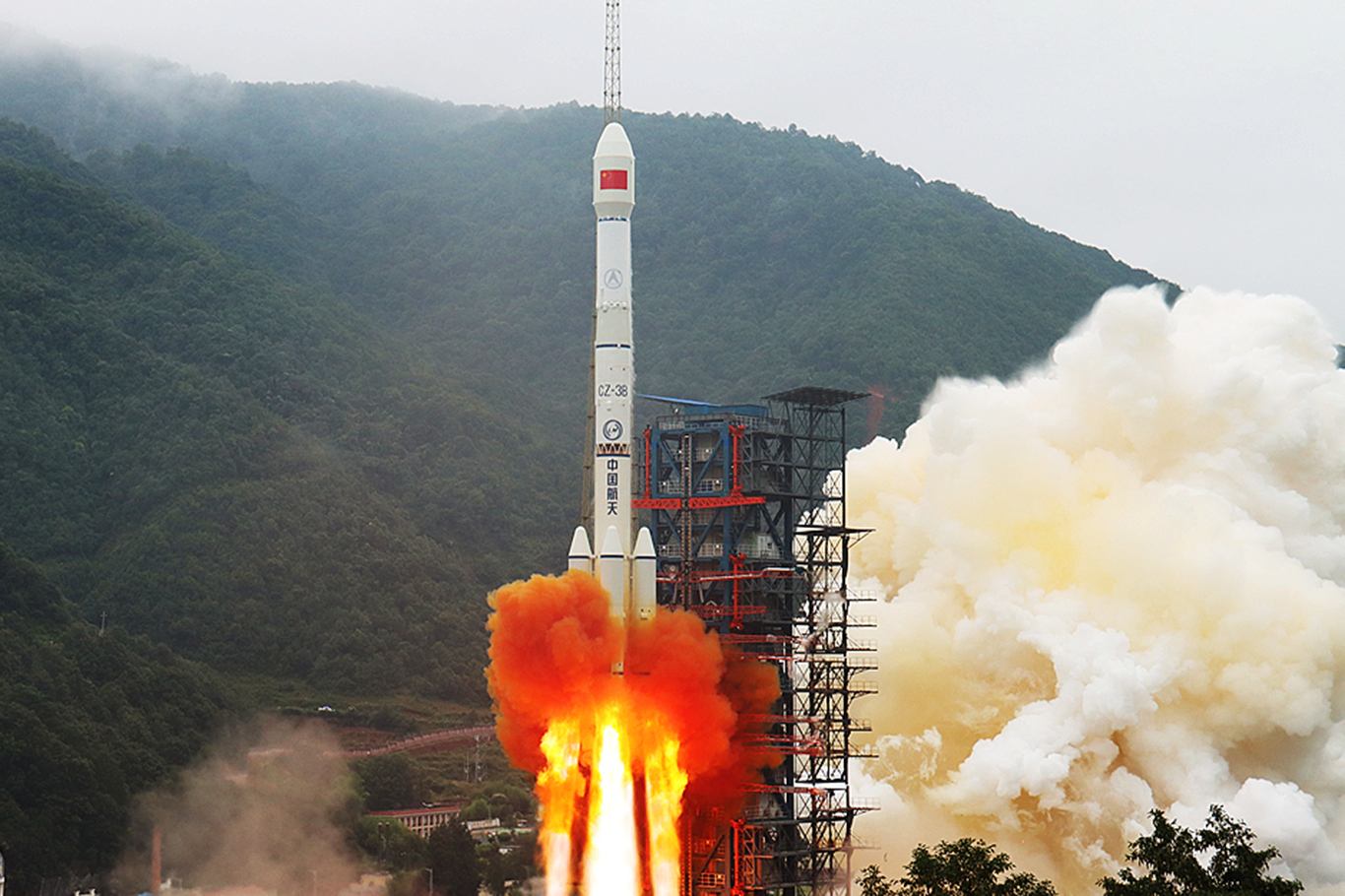
China launched a new communication test satellite on Thursday, marking a key step in the country’s efforts to advance next-generation orbital communication technologies.
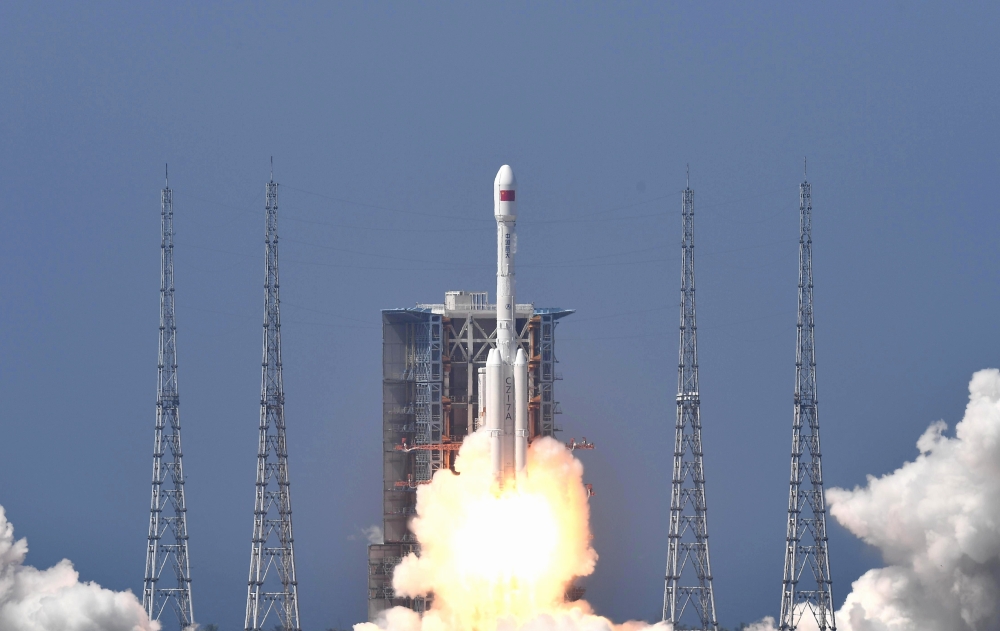
The Communication Technology Test Satellite No. 25 was successfully placed into orbit aboard a Long March 5 carrier rocket, which lifted off from the Wenchang Space Launch Site in Hainan province at 3:30 p.m. local time.
According to China’s state broadcaster CCTV, the satellite will primarily be used to test multi-band, high-data-rate satellite communication technologies aimed at improving future space-based connectivity speed and reliability.
The mission is the 11th flight of the Long March 5 series and its first launch of the year. The rocket, developed by the China Academy of Launch Vehicle Technology, is among China’s most powerful launch vehicles, with the capability to carry large payloads to various orbits.
Officials said the satellite deployed in this mission is relatively heavy, reflecting the rocket’s high lift capacity. The Long March 5 can carry up to 25 tonnes to low-Earth orbit, 14 tonnes to geostationary transfer orbit, and 8.25 tonnes to trans-lunar injection trajectories.
The launch took place at the Wenchang spaceport, located on China’s southern island of Hainan. Its coastal position, closer to the equator than inland launch sites such as Jiuquan or Xichang, allows rockets to take advantage of Earth’s rotational speed, increasing payload capacity by around 15 percent.
The site also enables the transport of large rocket components by sea, avoiding logistical limitations associated with rail and road systems.
Crowds of international spectators, including visitors from Hong Kong, Taiwan, Russia, and the United States, reportedly gathered at the Wenchang Space Viewing Centre to witness the launch.
The launch followed a brief postponement from Wednesday, proceeding within a narrow launch window on Thursday. While liftoff occurred under clear skies, weather conditions changed rapidly, with cloud cover forming shortly after ascent.
Engineers noted that nine technical improvements were implemented for this mission to enhance reliability. These included optimized inspection and launch procedures, reducing the rocket’s time on the pad from six days to four, improving resilience against Hainan’s humid and unpredictable weather conditions.
The Long March 5 is a two-stage cryogenic rocket powered by liquid hydrogen and liquid oxygen in its core stage, while its boosters use kerosene and liquid oxygen. The vehicle stands 63.2 metres tall and has a diameter of five metres.
The launch comes as China continues expanding its space exploration program. The next planned mission from Wenchang is expected to be the Chang’e-7 lunar mission in August.
The development follows recent developments in the global space sector, including a reported explosion during an engine test of a New Glenn rocket in the United States, which caused damage to a launch pad in Florida. Officials have warned that repairs could take years, potentially affecting future lunar program schedules.
China’s latest mission underscores its continued push to strengthen space-based communication infrastructure and expand its capabilities in orbital technology. (ILKHA)