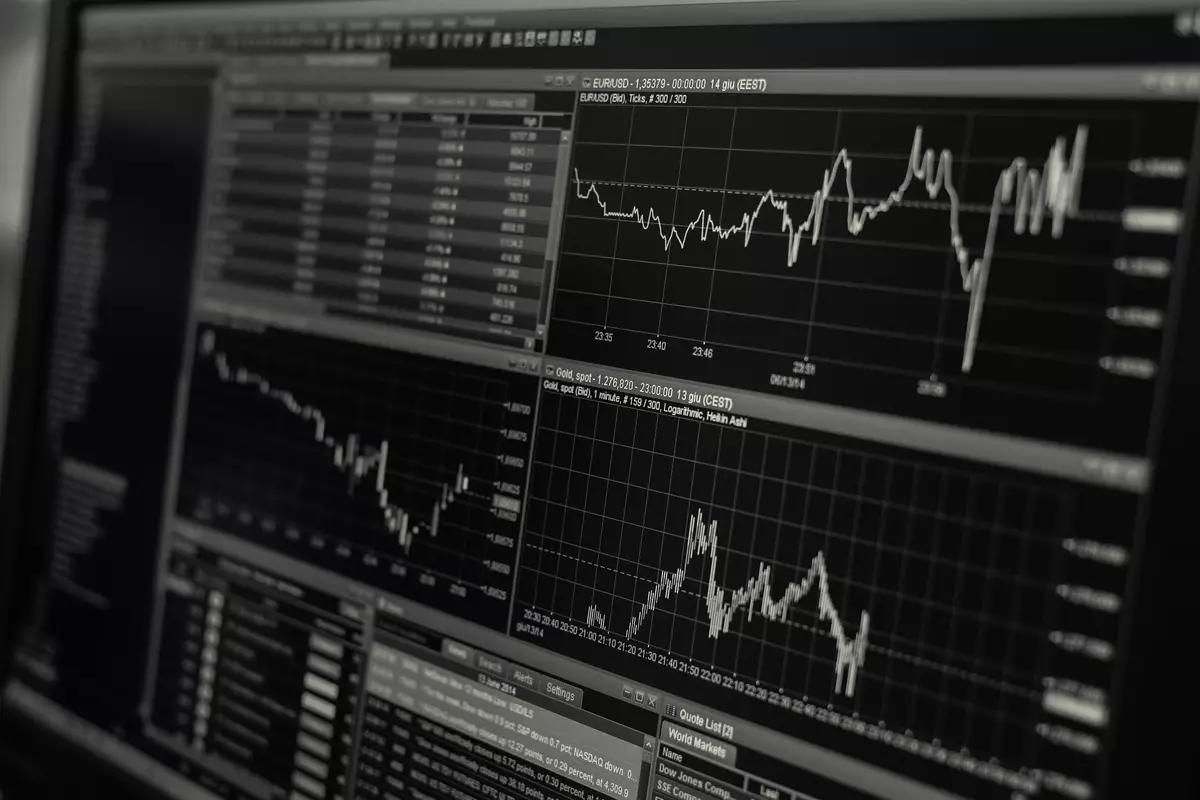
Germany’s DAX 40 index fell 0.97% on Wednesday 10 June 2026, closing near 24,195 — its lowest level since mid-May — as a combination of renewed global technology sector weakness, energy company-specific disappointments, and the broader macroeconomic headwinds of elevated Middle East tensions and rising US inflation combined to push Frankfurt’s flagship benchmark lower.
The DAX led European index losses on the day, recording a steeper decline than France’s CAC 40, which managed a modest advance, and reflecting both Germany’s specific sector exposures and the particular vulnerabilities of the German economic model in the current environment. The session built on an already difficult week for German equities. In the prior week’s trading, the DAX had declined 1.38% as investors digested the eurozone’s 0.2% first quarter GDP contraction and the implications of renewed Middle East escalation for European energy costs. Wednesday’s additional decline extended the index’s pullback from its record highs and positioned it at a level that technical analysts are watching closely for signs of further support or continued deterioration.
Siemens Energy: The Day’s Defining Underperformer
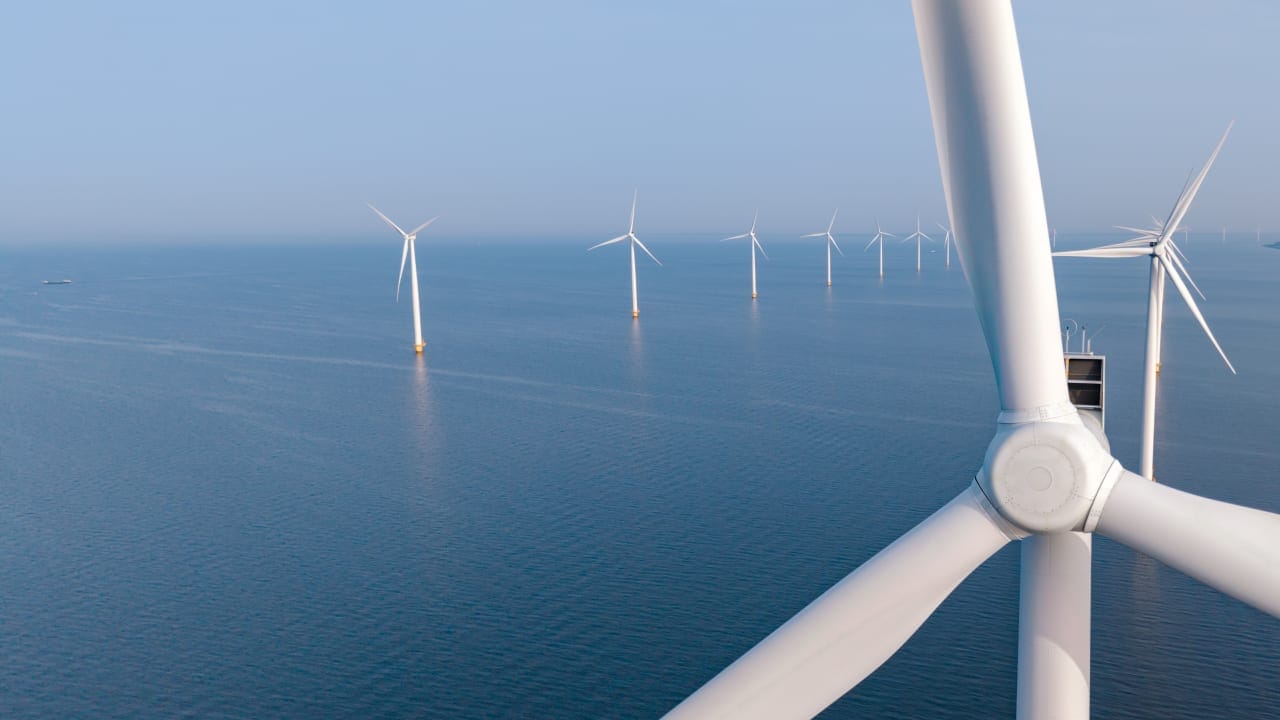
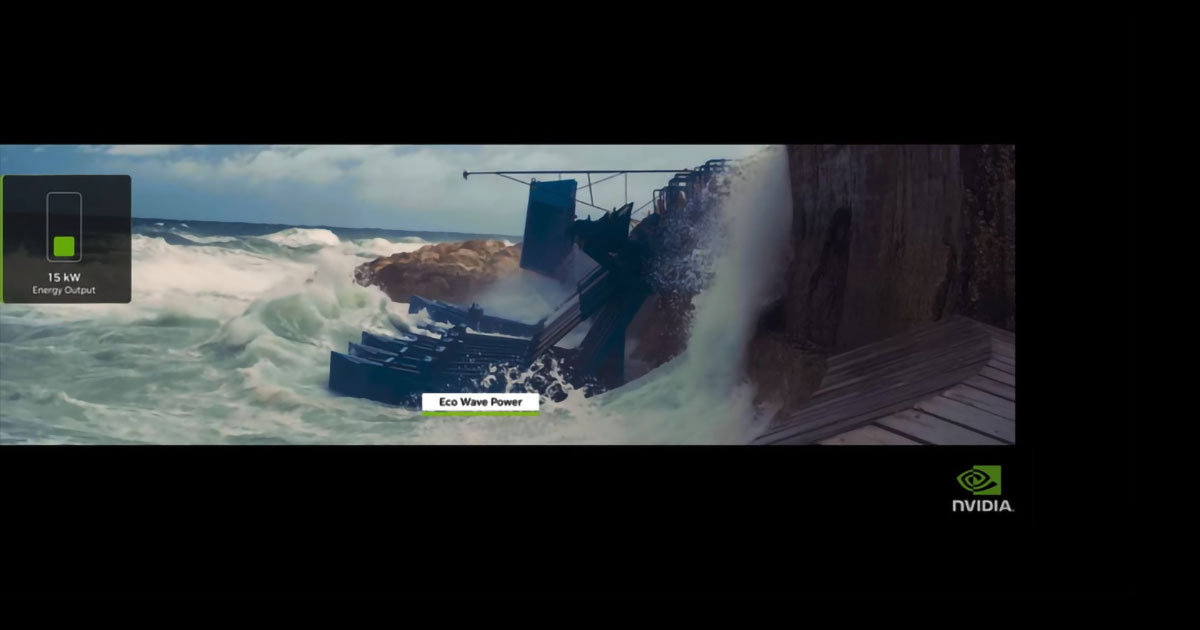
The most dramatic individual mover in the DAX 40 on Wednesday 10 June was Siemens Energy, which fell 6.49% — by far the largest single-stock decline in the index. Siemens Energy, the energy technology company that was separated from its parent Siemens AG in 2020 and has since navigated a turbulent path that included a major crisis with its Siemens Gamesa wind turbine subsidiary in 2023-2024, fell sharply as investors reacted to a combination of sector-specific concerns. The company’s wind energy segment continues to face cost pressures from supply chain disruptions and material price inflation, while its conventional power generation and grid technology businesses are experiencing a mixed environment: elevated electricity demand from AI data centres and industrial electrification provides long-term structural growth, but near-term execution challenges and elevated input costs have created uncertainty around margin delivery. The stock’s near-7% decline on a single day reflects the degree to which investor confidence in Siemens Energy’s recovery path remains fragile.
SAP and Technology Sector: Global Chip Anxiety Reaches Frankfurt
SAP SE, Germany’s largest technology company and one of the DAX 40’s most significant constituents by market capitalisation, declined 3.28% on Wednesday, reflecting the global technology sector’s difficult week as AI semiconductor valuation concerns and higher-for-longer interest rate expectations weighed on growth stock multiples. SAP’s business model — enterprise software, cloud migration, and increasingly AI-integrated business applications — is distinct from the semiconductor supply chain dynamics that have driven the most acute volatility in US technology names. However, as a high-valuation growth stock trading at a significant premium to the DAX’s overall multiple, SAP is sensitive to the same interest rate and risk appetite dynamics that affect technology valuations globally. The company’s ongoing cloud transition has been broadly successful, with cloud revenue growing at a strong pace, but the multiple applied to that growth is a function of global discount rates, and the May CPI inflation data renewed pressure on those discount rates.
Banking Sector Under Pressure: Commerzbank Declines
Commerzbank, Germany’s second-largest publicly listed bank, fell 2.03% on Wednesday, as broader European financial sector weakness reflected concerns about the economic environment. German banks face a specific challenge in 2026: while elevated interest rates have supported net interest income in recent quarters, the combination of a contracting German economy and elevated energy costs has raised concerns about credit quality in the corporate loan book, particularly for mid-sized German industrial companies (the Mittelstand) that are struggling with energy costs and weak export demand. The broader German banking system’s exposure to commercial real estate — a sector under pressure globally from higher interest rates and structural shifts in office occupancy — is also an area of investor scrutiny. UniCredit’s interest in acquiring Commerzbank, which attracted significant attention in 2025, continues to create uncertainty around the bank’s strategic direction, adding a corporate governance overlay to the fundamental credit concerns.
Outperformers: Deutsche Telekom, Adidas, and Symrise
Not all DAX 40 components fell on Wednesday. Deutsche Telekom, Germany’s telecommunications giant and one of the largest telecom operators in Europe through its T-Mobile US subsidiary, rose 3.06%, benefiting from its defensive revenue characteristics and the progress of its US operations in capturing market share from competitors. Adidas gained 2.84% as the sportswear company benefited from resilient consumer demand in athletic wear and positive sentiment around its ongoing recovery from the high-profile split with Ye (formerly Kanye West) that had severely impacted revenues in 2023-2024. Symrise, the specialty chemicals and fragrances group, advanced 2.47%, continuing its pattern as a defensive consumer staples-adjacent name that attracts capital during risk-off periods. These gainers were insufficient to offset the declines led by Siemens Energy and SAP, but their performance illustrated the DAX 40’s sectoral breadth and the opportunities available for stock-pickers within the index even on challenging macro days.
German Economic Context: A Challenging 2026 for Europe’s Largest Economy
Germany’s economic position in 2026 is among the most challenging of any major developed market. The country, which had suffered from an energy dependency on Russian gas that was abruptly severed by the 2022 invasion of Ukraine and the subsequent sanctions regime, has spent the intervening years restructuring its energy model — a process that has been costly, inflationary, and economically disruptive. The eurozone’s first quarter 2026 GDP contraction of 0.2% reflected German weakness in particular. Germany’s automotive sector, one of the country’s most important industrial clusters, is navigating a difficult transition between internal combustion engine manufacturing — which has defined Germany’s industrial identity — and electric vehicles, where Chinese competition from BYD and CATL has eroded the premium position that brands such as Volkswagen, BMW, and Mercedes-Benz have historically enjoyed. Volkswagen’s restructuring programme, which has involved significant workforce reductions, reflects the depth of the adjustment facing German auto.
Energy Policy and the Iran Conflict’s Impact on Germany
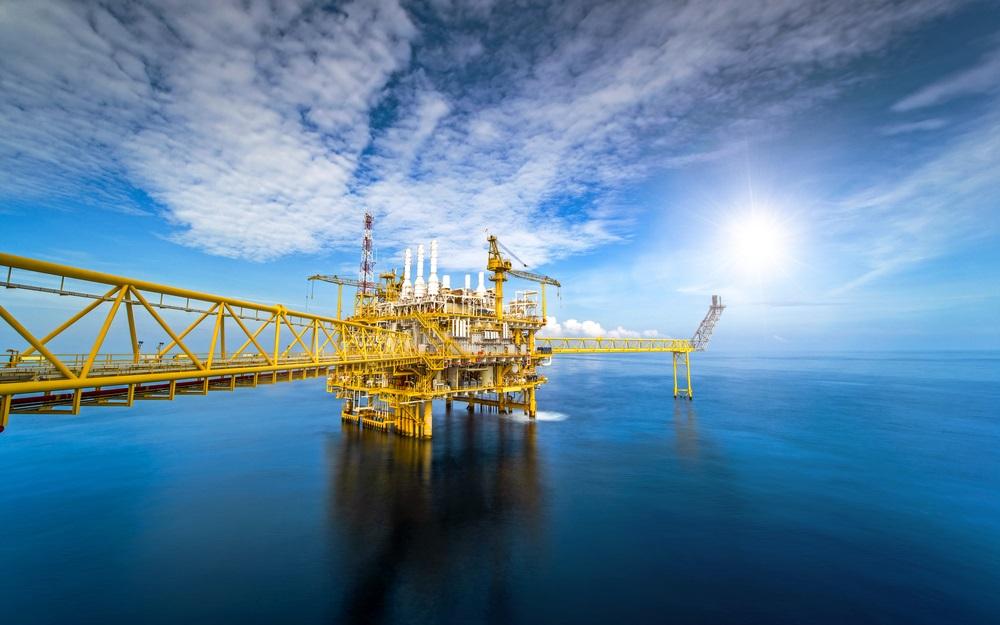
Germany’s energy import dependency makes it particularly exposed to the macroeconomic consequences of the US-Iran conflict. Having eliminated nuclear power, undergone an expensive energy transition, and replaced Russian gas with liquefied natural gas from the United States and Qatar, Germany’s energy costs are structurally higher than in the pre-2022 period. The Iran conflict’s disruption of Strait of Hormuz oil flows has added an incremental inflationary layer to an already elevated energy cost base. For German industry — particularly the chemical sector, led by BASF, which relies on natural gas as both a feedstock and an energy source — sustained elevated energy costs represent an existential competitive challenge. BASF has already announced production reductions at its Ludwigshafen headquarters and expanded investment in lower-cost jurisdictions in the United States and China. The DAX 40’s industrial and chemical components collectively reflect these structural energy market dynamics in their daily price movements.
Technical Levels and Market Outlook for the DAX 40
At 24,195, the DAX 40 is trading at its lowest level since mid-May, having fallen back from the record highs set earlier in 2026. The index’s 52-week range has been wide, reflecting the volatility introduced by the Iran conflict and the AI technology cycle, and technical analysts are monitoring the 24,000 level as a key support zone. A break below 24,000 on significant volume would likely attract additional selling, while a stabilisation at current levels — potentially supported by ceasefire progress in the Middle East — could provide the basis for a recovery toward 25,000. The medium-term outlook for the DAX 40 depends on three intersecting factors: the trajectory of European energy prices (which are directly tied to the Iran conflict’s resolution), the pace of German economic recovery (which is partly a function of export demand from China and the United States), and the global technology sector’s ability to re-establish investor confidence in AI earnings trajectories. Germany’s role as a major exporter of capital goods, automotive products, and industrial equipment means that global growth conditions matter more to the DAX than to more domestically-oriented indices, making it simultaneously a high-beta play on global recovery and a significant casualty when global sentiment deteriorates.