It isn’t strange to hear about the lack of power in some parts of the West Nile sub-region, but it is disheartening to know that learners are unable to access critical services due to such gaps.
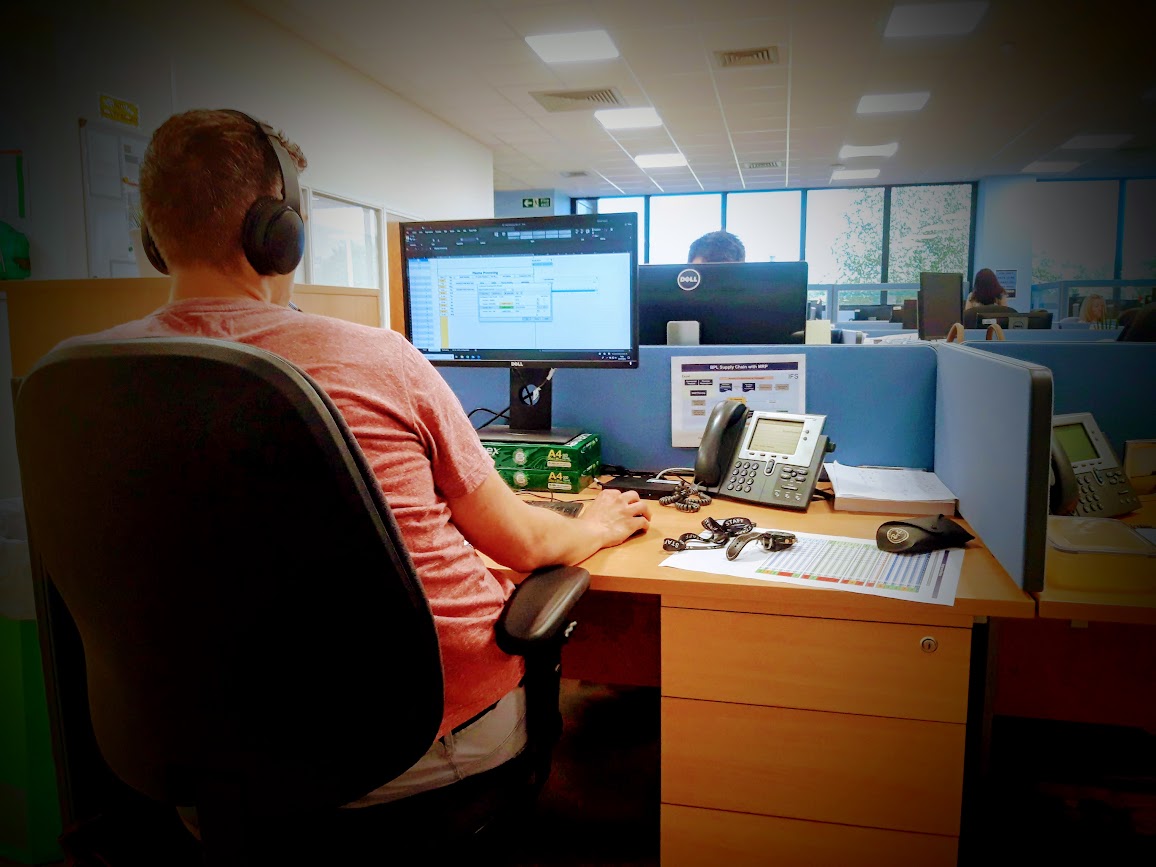
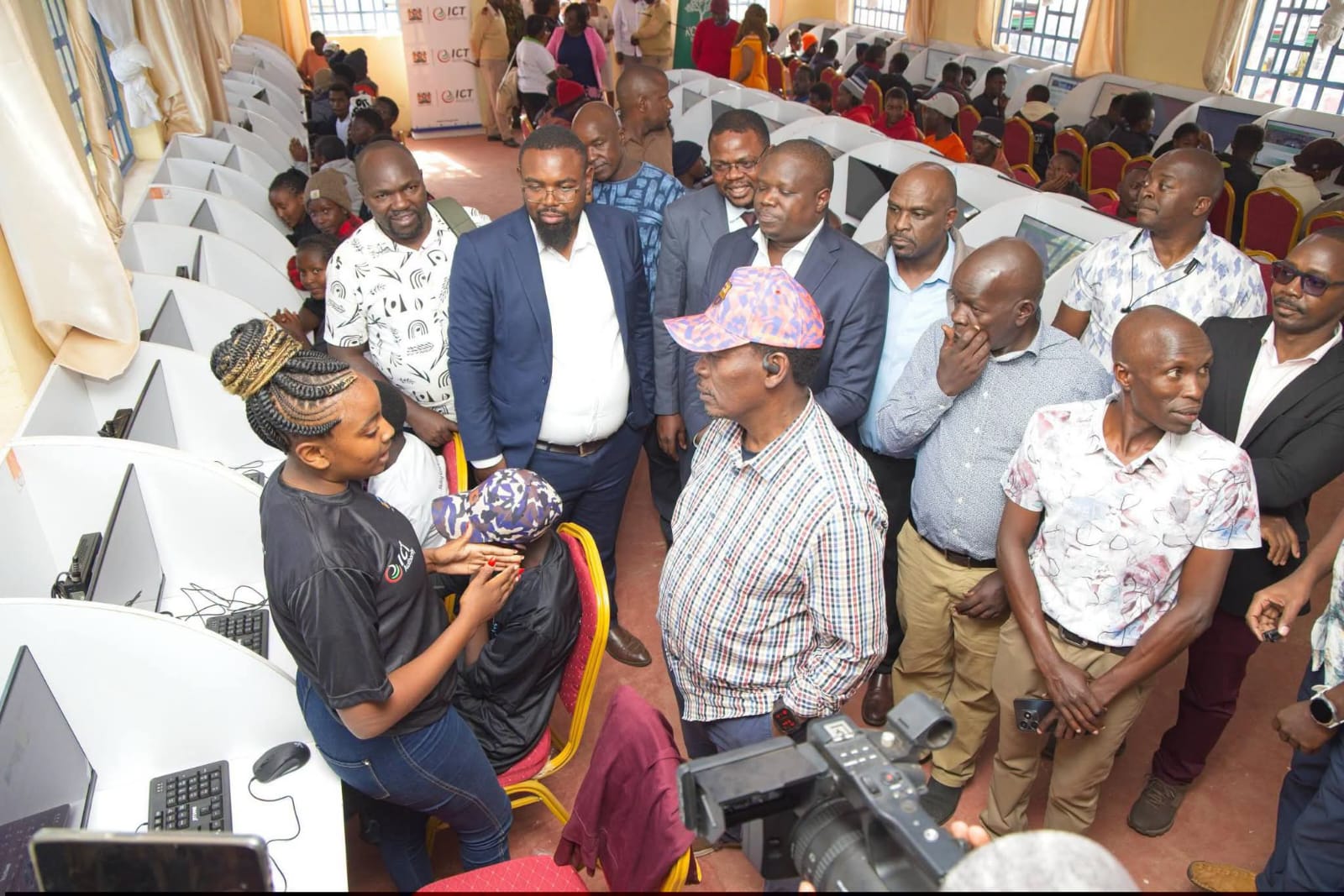
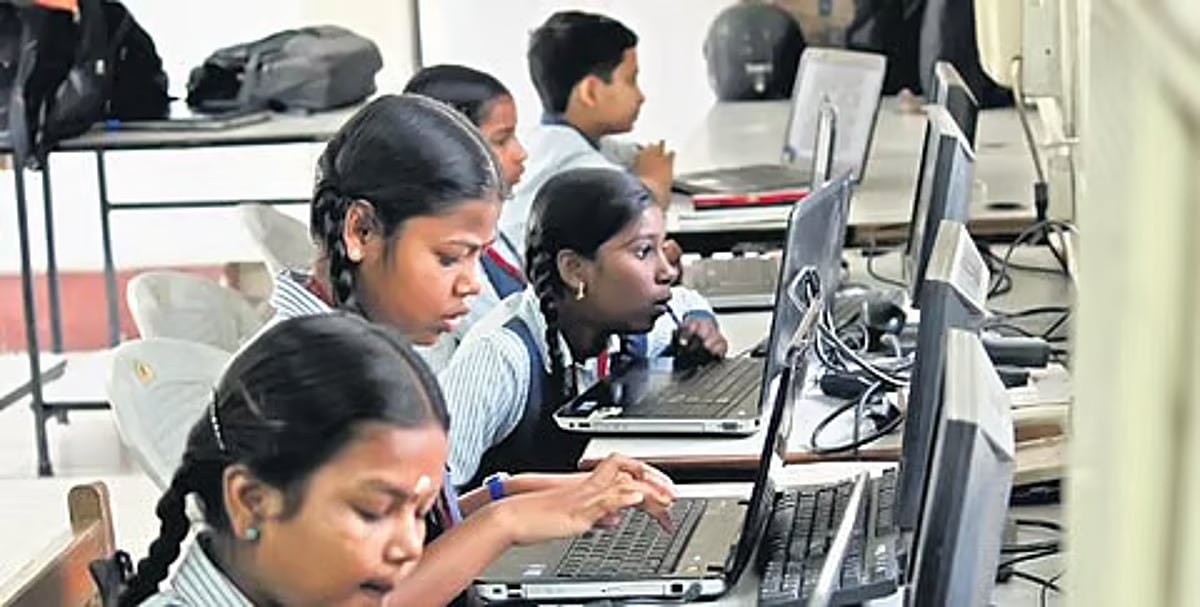
In Erussi Secondary School in Nebbi district, the science laboratory equipped with 20 computers and other essential Information and Communication Technology (ICT) equipment has been lying idle for the last 15 years due to the lack of electricity.
In a bid to promote ICT among learners and staff based on the fast-growing need, the school, through the Parents and Teachers Association (PTA) in 2010, mobilised resources to construct the ICT block. The weight was topped up by support from the school`s Old Students Association, which donated 20 desktop computers.
Surprisingly, just three out of the twenty have been switched on due to the lack of power and the school solar system`s inability to power all of them.
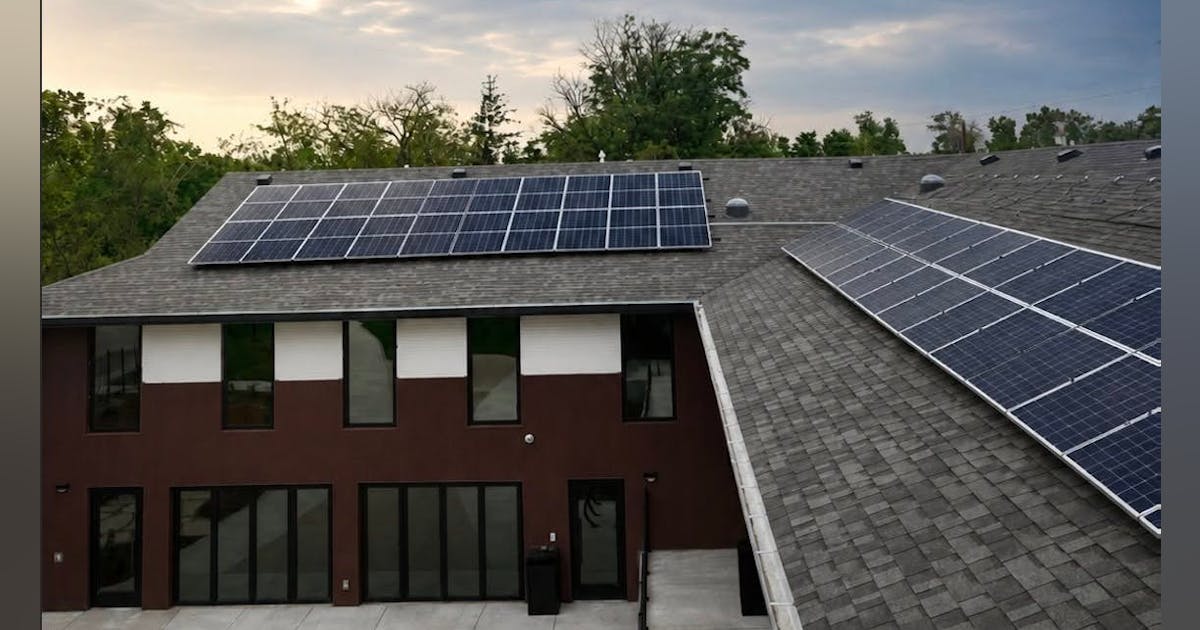
Mr Godfrey Kumakech, the Head teacher of the school, told this publication that the solar system they have can only provide lighting and operate very few pieces of equipment, leaving the computers idle.
Matters are made worse during rainy seasons, for the solar system fails to store enough power, hence plunging the school into darkness and affecting evening classes and preps.
Moved by the need, the school sometimes tries to operate on a generator, but this move has been unsustainable, with the school requiring over Shs5 million to operate it and service the solar system termly.
“Since we have no access to electricity power, it has become expensive for the school to conduct ICT lessons and yet what is sent from the ministry as capitation grants to run the school’s activities is so meagre”, Kumakech said.
Established in 1984, Erussi Secondary School is located some 30 kilometres away from Nebbi town, it`s government-aided, currently with a population of 800 students. It is off the national grid.
Students at the school often use kerosene lamps, candle lights, torches and rechargeable lamps to revise their notes in the evening. The matter was presented to President Museveni during a campaign in the area in 2021, but no action has been taken to address it.
Mr Bright Pirwoth, an ICT Specialist at the school, worries that with only three computers in use due to insufficient power supply, the ones idle risk being damaged.
“Teachers in rural schools are faced with difficulties in using digital resources, and teaching digital skills without access to electricity is a myth, and when they tell the students to go for research, they can’t make it because the school lacks electricity”, Pirwoth said.
Mr Samson Oyirwoth, an ICT student at the school says they scramble for the few functional computers.
“Lack of electricity in our school is a major obstacle to our learning. We struggle to access computers and online assignments, which puts us at a disadvantage compared to students in urban areas”, Oyirwoth said.
Nebbi Resident District Commissioner, Mr Robert Abak, has urged the school authorities to formally present their issues to the Ministry of Education and Sports for consideration.
“My office hasn’t received a letter requesting that the school be considered to be connected to the national grid, but based on the terrain of the rural schools in the district, more so Erussi SS, deserves to be connected to the national grid for easy access to electricity”, Abak said.
However, the LC III Chairperson of Erussi Sub-County, Mr Collins Orom Jal-Acida, says Erussi Secondary School is among the two schools they mapped two years ago for power connections by the Uganda Electricity Distribution Company Limited (UEDCL).