The mortgage rate party is over, writes Frances Cook. Here’s what to do next.
The low interest rate era had a good run. It’s done now.
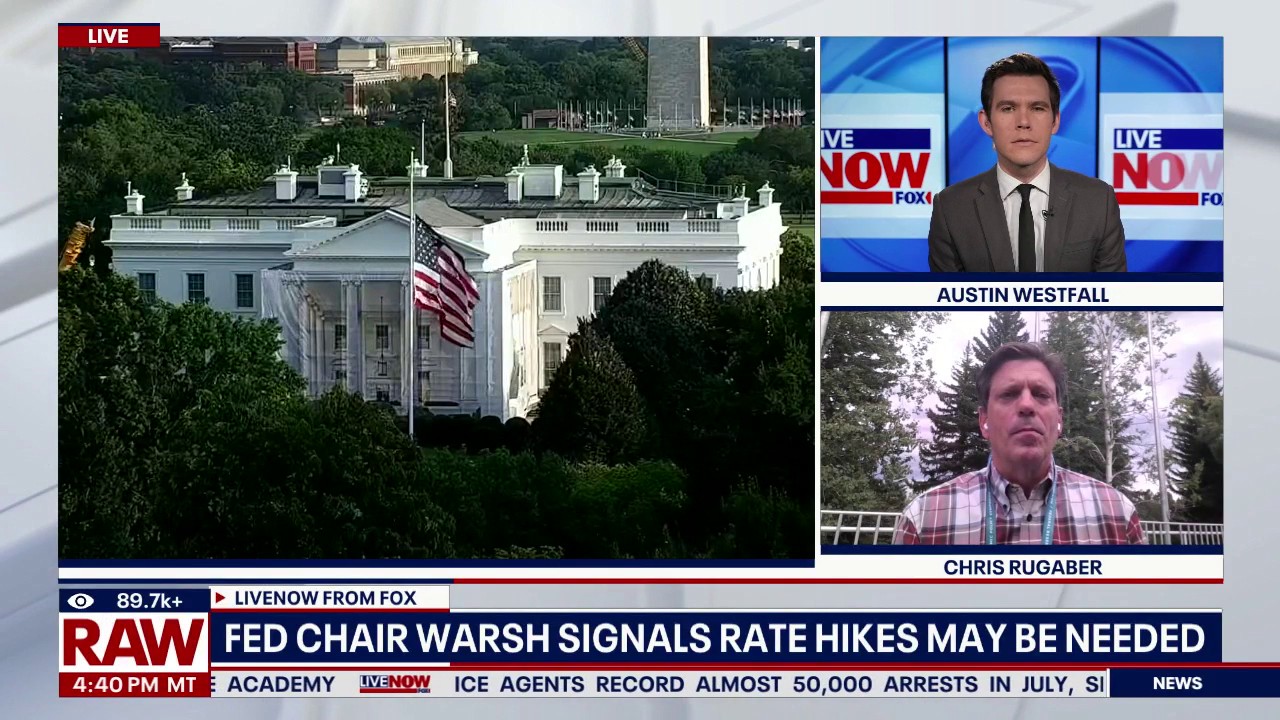
With conflict in the Middle East pushing up oil prices, inflation back on the radar, and the Reserve Bank making increasingly pointed noises about rate hikes, the question is no longer “will mortgage rates rise?”, it’s “how fast, and what do I do about it?”.
ANZ, New Zealand’s biggest bank, now expects three OCR increases this year, starting as early as July. ASB has pencilled in September. Both agree on the direction. Up.
And a lot of our banks aren’t waiting that long. Wholesale rates have already been moving, and that’s flowing through to what banks charge you.
If your eyes have already glazed over, just know, my main point is: the low-point of this cycle is likely behind us.
So if you’ve been sitting on floating, or rolling short, hoping to catch cheaper rates on the way back down, that window is closing fast.
From Iran to New Zealand
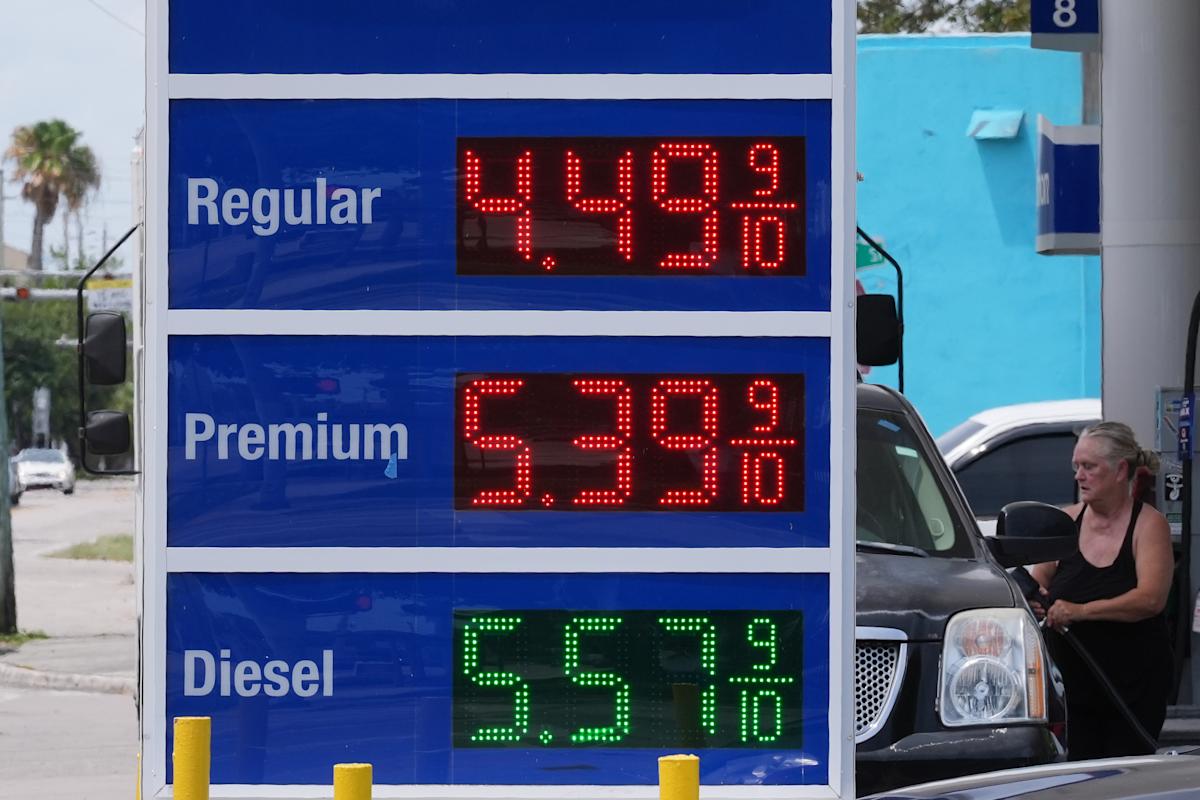
If you’ve tried filling up your car lately, you know the Iran war has disrupted oil shipping through the Strait of Hormuz, one of the most important shipping lanes in the world.

That pushes up oil prices globally, which pushes up the cost of pretty much everything that gets transported, manufactured, or grown using fuel. So… most things.
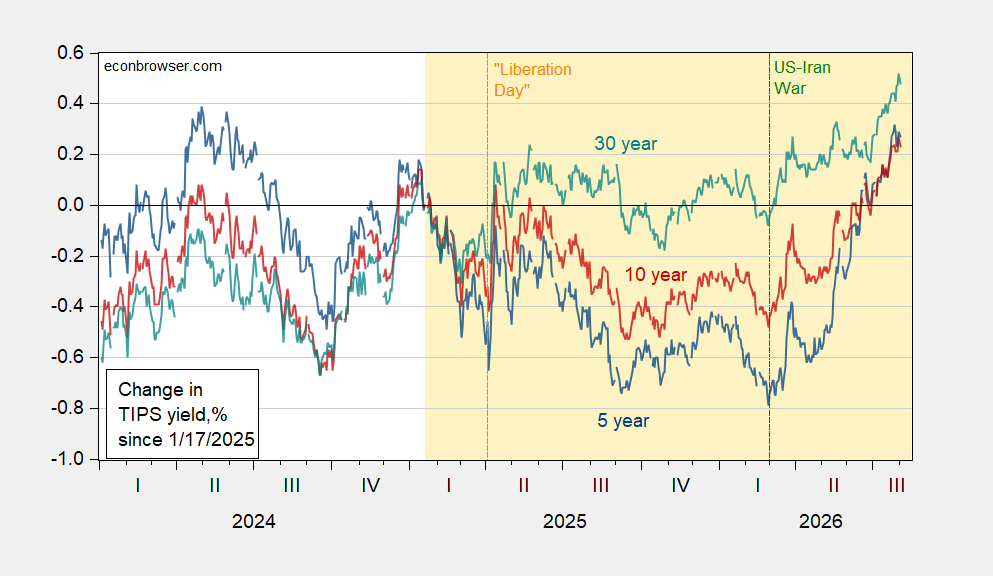
That means inflation, or the cost of living going up again. And when inflation goes up, interest rates are likely to follow, as central banks try to cool the price increases.
But New Zealand banks also borrow money on international wholesale markets to fund home loans. Those wholesale rates are already moving, because pretty much everyone in the business world looks at the current situation, and knows it means inflation going up.
So your mortgage rate is being squeezed from two directions at once. International markets moving on inflation fears, and our own Reserve Bank likely to follow with actual OCR hikes from as early as July.
That’s why a war that feels very far away is being felt very close to home.
What can you do right now?
So while the world is turning to chaos, and life is about to get more expensive, what can you do to make the most of a tough situation?
Well, there’s more to good mortgage strategy than just picking a term and hoping for the best.
There’s more than one option, which you can then adapt to your situation, to stabilise the rest of your finances.
Shop around, and then ask your bank to match. Any bank competition works in your favour. If you’re coming up to refix time, then get a couple of quotes from other banks on what terms they would give you if you signed up with them. Then take those quotes to your bank, and ask them to match. It might only take you a couple of hours, and could save you thousands, which is a pretty good hourly rate. Or, you can do it through a mortgage adviser, and have them do the legwork for you.

Floating is the expensive option. Floating mortgage rates are often the most expensive option, and right now is no exception. The main reason to keep any portion floating is if you’re expecting a lump sum, such as a bonus, inheritance, or tax refund, that you’re planning to throw at the mortgage soon. Floating lets you do that without break fees. Otherwise, it might be costing you more than it’s worth.
Split it up. Even if you do want to have some mortgage on floating, so that you can make the most of any windfalls, the entire amount doesn’t have to be structured that way. You can even spread your risk by having different fixed terms. So you might have a small amount floating, to give you the flexibility to pay it off faster. Then part of it fixed on one year, and part of it fixed on two year. It basically spreads your risk at a chaotic time, meaning you’re not entirely exposed if things move faster or slower than expected. Some of your lending rolls over sooner, giving you flexibility to adjust. Again, a good mortgage adviser could probably help you with this, if it’s sounding a bit confusing.
Pay more than the minimum, while you still can. This one is underrated. Every extra dollar you put into the principal now is a dollar you’re not paying interest on for the rest of the loan. If rates are heading up, reducing your loan before they do is one of the most straightforward ways to soften the blow. Some banks let you pay up to a certain amount extra, or a percentage, even when you’re on a fixed term. It could be a smart move before things get more expensive again. Consider it a discount on where things are heading.
Don’t forget your foundations
When times get economically wobbly – and a war affecting oil prices, rising rates, and an election year definitely qualifies as wobbly – the foundation can matter more than the tactics themselves.
Do you have an emergency savings fund? The kind that would cover three months of expenses, mortgage included, if something went sideways? If the answer is no, that’s the first thing to fix.
Because all the clever mortgage structuring in the world doesn’t help if an unexpected job loss or bill forces you to break a fixed term early. Break fees are real, and they sting.
Get the foundation right. Then think about rate strategy. Now isn’t a moment to panic, but it’s not a moment to be cavalier about your finances, either.
The bottom of the rate cycle has passed. The question is just how well-positioned you are for what comes next.
The information in this column is general in nature and should not be read as personal financial advice.