-

Sam Bruce
Multiple Authors
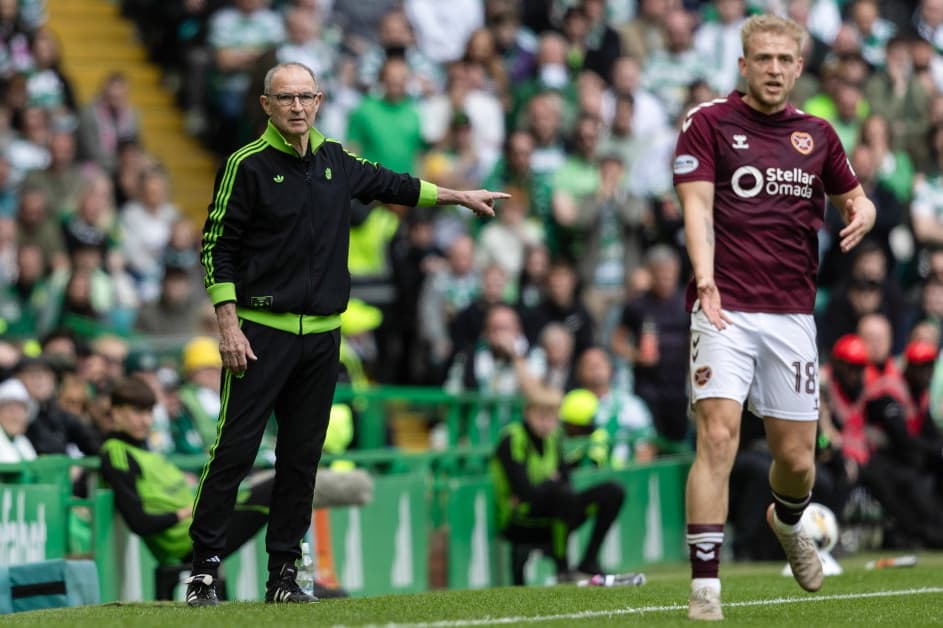
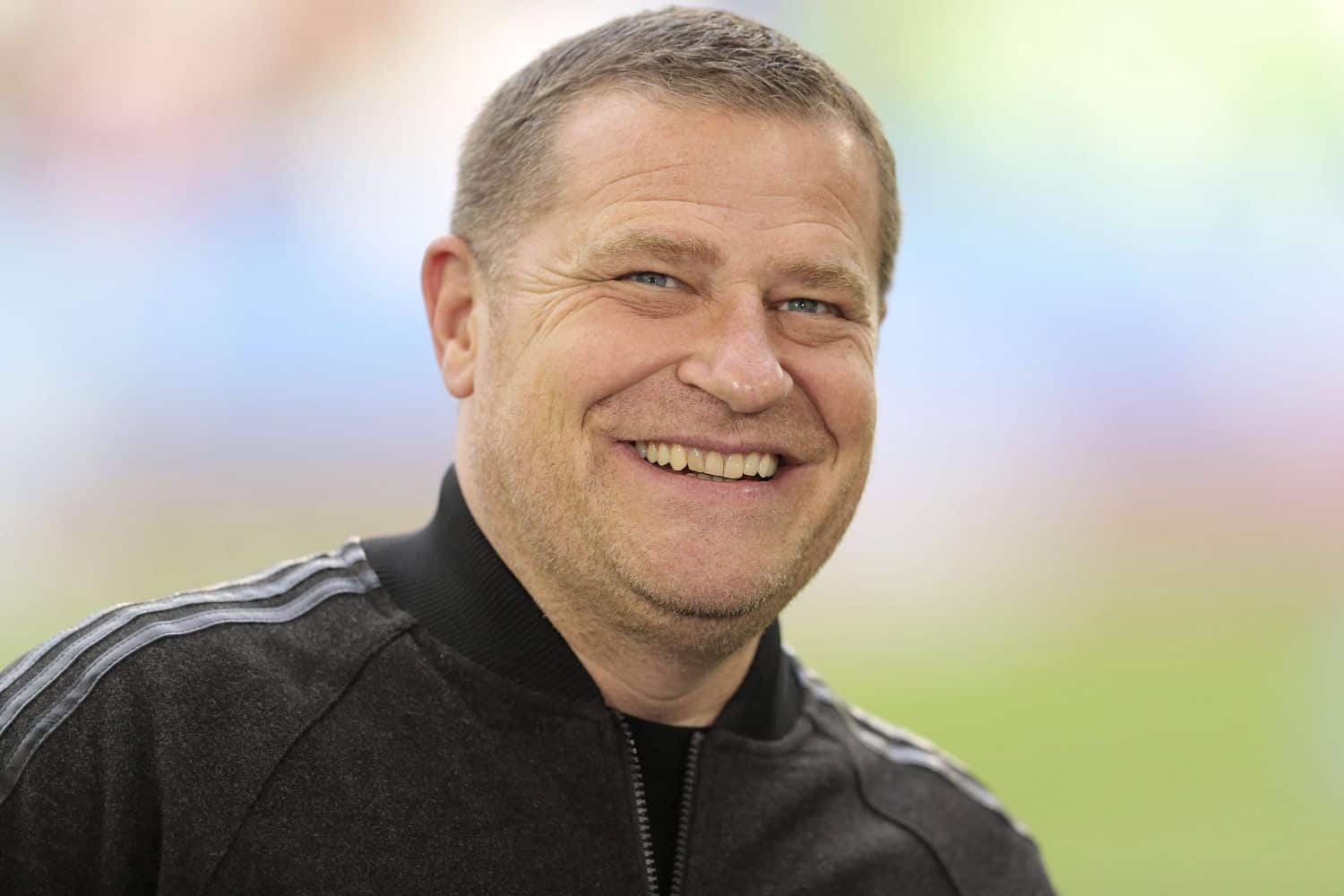
Super Rugby Pacific boss Jack Mesley has claimed the competition is in “good health” despite the likely demise of Moana Pasifika, the CEO revealing that there is genuine “inbound interest” from other parties wanting to join the tournament.
Mesley joined ESPN Scrum Reset, discussing last week’s news that Moana Pasifika’s current owners would not fund the team beyond this season, before turning his attention to some of the competition’s other issues from scheduling, the need to drive greater revenue, the removal of eligibility issues, potential expansion opportunities, and how Super Rugby might fit into a potential global calendar.
Mesley said there was hope yet that a new owner for Moana could be found, but if they were condemned to the scrapheap then preparations for a 10-team tournament in 2027 were well advanced.
“I’m not in the rooms with Moana Pasifika ownership week in, week out to understand the conversations that are live, but I think if you read the sentiment around the room, there’s a lot of passion for this project,” Mesley said.
“And I frame it as a project, not just a team or a club, because they are about something bigger than just winning the games. [There is] a lot of passion for that and we’re really hopeful that that fleshes out… we’re hopeful, but we don’t know whether or not a new party will come forward.”
Given the Auckland-based franchise’s likely exit then, one that would follow Melbourne Rebels’ departure following 2024 season, expanding the competition once more may seem like a foolhardy proposition.
But Mesley said he had been approached by multiple parties keen on joining Super Rugby Pacific should the competition look to expand beyond either a 10- or 11-team tournament into the future.
“We have inbound interest to join this competition.” Mesley told ESPN. “There are a number of clubs from different parts of the world that are knocking on our door saying they want to be part of Super Rugby Pacific, which is great.
“Based on where we are with the Moana discussion, with us trying to stabilise and grow and regrow our revenue lines to help clubs become sustainable and to take the pressure off unions, we really need to focus on the here and now.
“And as we continue to push forward, yes, we need to invest time in defining the long-term strategy. We’re year one into a new broadcast cycle now, so we’ve got a period of time where we really need to define the future of what this competition looks like. What geographies [we’re in]; does it remain in those geographies? Do we look to expand geographies? Do we have the right number of teams in the existing geographies versus potential future ones?
“But as I said on that other podcast that seemed to get a lot of traction, we also have a finite amount of resources and those resources need to primarily be focused on the here and now and, continuing the growth that we’ve seen over the past couple of years.”
With Moana all but finished, Mesley’s claims that the competition has shown “growth” over the past two years might not wash with the broader rugby public. But he pointed to both on- and off-field metrics as evidence the tournament was not struggling as badly as some might be making out.
“If we start with our core product, we’ve been on a journey probably since 2022 of really trying to enhance our core products and what happens between the white stripes,” he said. “And we’ve seen great momentum on that over the last couple of years, and that’s really continued this year.
“So the amount of static time is coming down. The amount of ball in play is coming up. That’s translating into points, into great rugby, great attacking rugby, which is excellent. I think we can give ourselves a big tick on core product; it is continuing to shape in the right direction and we’re really, really pleased with that.
“We talked a bit about jeopardy, and there continues to be an increased level of unexpected results, which is also really great.
“In terms of our attendance, you know, we’ve seen a couple of years of consecutive growth, which is excellent. And this season, I think we will post some really positive numbers by the end of the season as well. So that’ll be three years in a row of consecutive crowd growth. But there’s a long way to go in that. And we sit here saying it’s growing, but it’s nowhere near where we want it to be.”
Mesley acknowledged there were ongoing issues with scheduling that needed to be remedied, but said the three-game Easter weekend, which drew scores of criticism, was created both by the unavailability of stadia and religious objections.
Another long-time gripe of rugby fans, in Australia in particular, is the fact that Test-match eligibility conditions restrict both established an uncapped Wallabies and All Blacks from playing outside of their home country, particularly given the contribution that James O’Connor made at the Crusaders last year — O’Connor was later available for the Wallabies under Rugby Australia’s ever-changing Giteau Law — and that of former All Blacks winger George Bridge at the Western Force this season.
While Mesley said he hoped there may one day come a time when both New Zealand Rugby and Rugby Australia — Super Rugby Pacific’s two chief stakeholders — would bring down their eligibility border walls, he admitted it was unlikely to happen anytime soon.
“I don’t think so, and I think that has to do largely with where we are in the cycle,” Mesley said when asked if a borderless SRP was possible. “We’re coming into a home World Cup; it’s a difficult conversation to have for both unions at any point in time. With a home World Cup, it’s an even more difficult conversation, so it hasn’t progressed. And right now, with all focus on making sure 2027 World Cup is a success in Australia, I don’t think it’s going to get a lot of oxygen.
“I’ve been public in saying I’d love to open the conversation, but ultimately that’s a decision for the unions to take that conversation and open the door for it to happen.”
Mesley will head to Christchurch for Super Round later this week — 10 of the 11 teams will come together to launch the city’s new One NZ Stadium — when he said he will continue talks with other interested parties who might look to stage an event that was an undeniable failure in Melbourne.
But with strong ticket sales for this weekend’s Super Round, and three big trans-Tasman clashes, the chief executive was hopeful it could have a rosy future.
And he said despite the recent drama surrounding Moana Pasifika, so too claims that Super Rugby was better off in the days of South African involvement, that there was a lot to be positive about. And that somewhere down the road a return to Japan was again possible.
“The optimistic view is; how lucky are we that we have some of the best rugby in the world played in our backyards week in, week out?” he told ESPN. “You can be in Dunedin, walk down the road and watch the Blues versus Highlanders and some of the best rugby players playing. So, there is a lot to be optimistic about.
“We do as a sport have, in some ways, we’re our own worst enemy. We like to kick our sport and we need to be optimistic. I was saying on a podcast the other day that all of my mates are texting me going ‘Jack, we’ve got to do this’. I know which mates are in the tent. I know which mates are coming to games, or watching on Stan. We need the whole rugby ecosystem to lean in.
“The way that we don’t have the situation with Moana is that all the people that are passionate about Moana, that are on social media saying, ‘what an outrage’, we need all those people coming to our games, getting behind our clubs.
“But Super Rugby Pacific is in good health. If you look at the data over the last three years, we have improved things and we’re going to continue to improve things with a focus on fan engagement. That is what we are focused on, on the fans. We are focused on improving this product for you.
“But fans need to, if you want rugby to go well, you have to vote with your feet.”