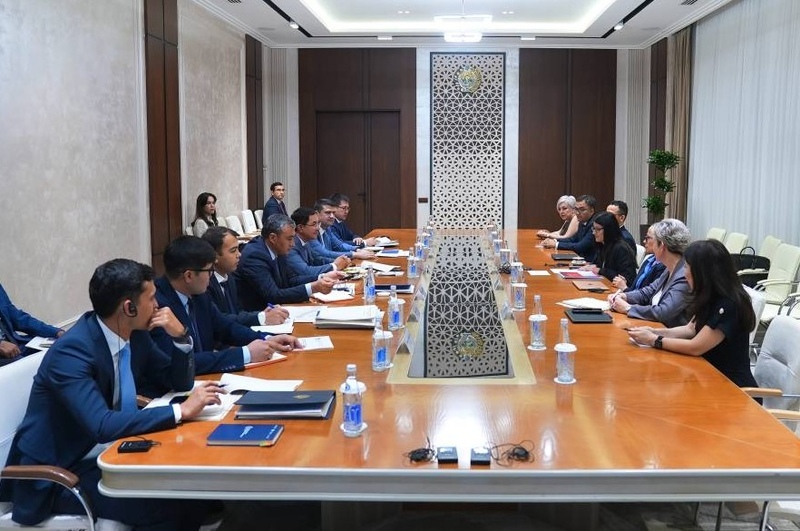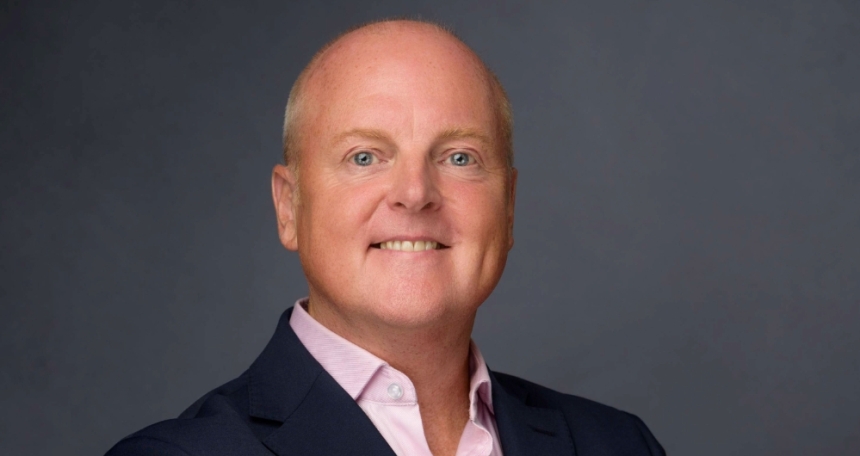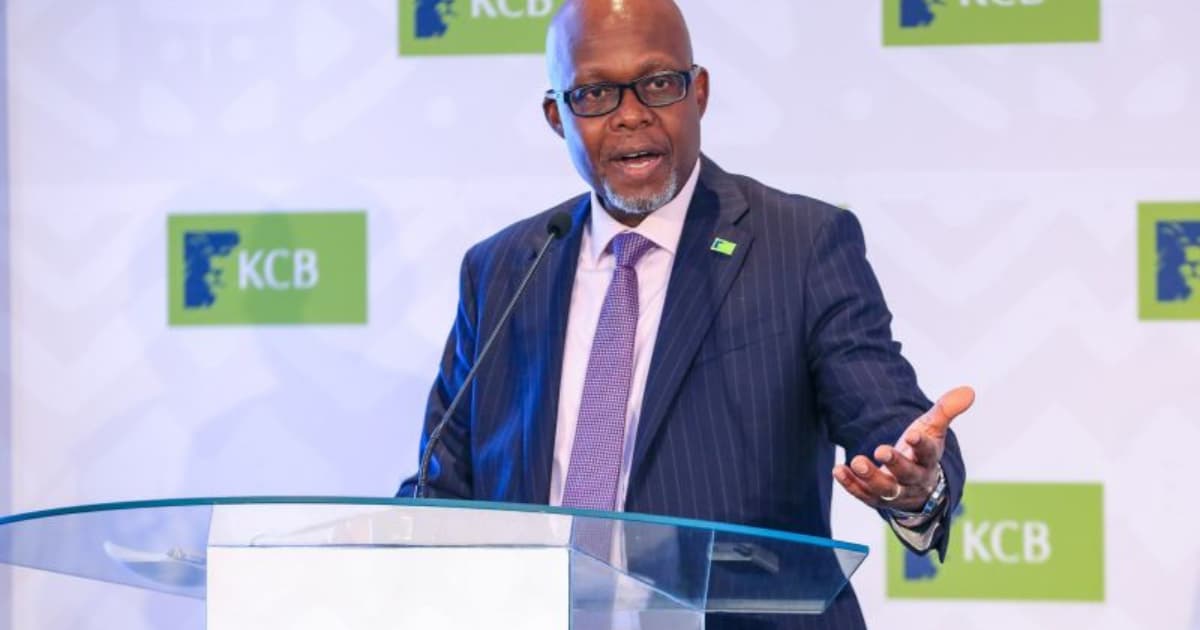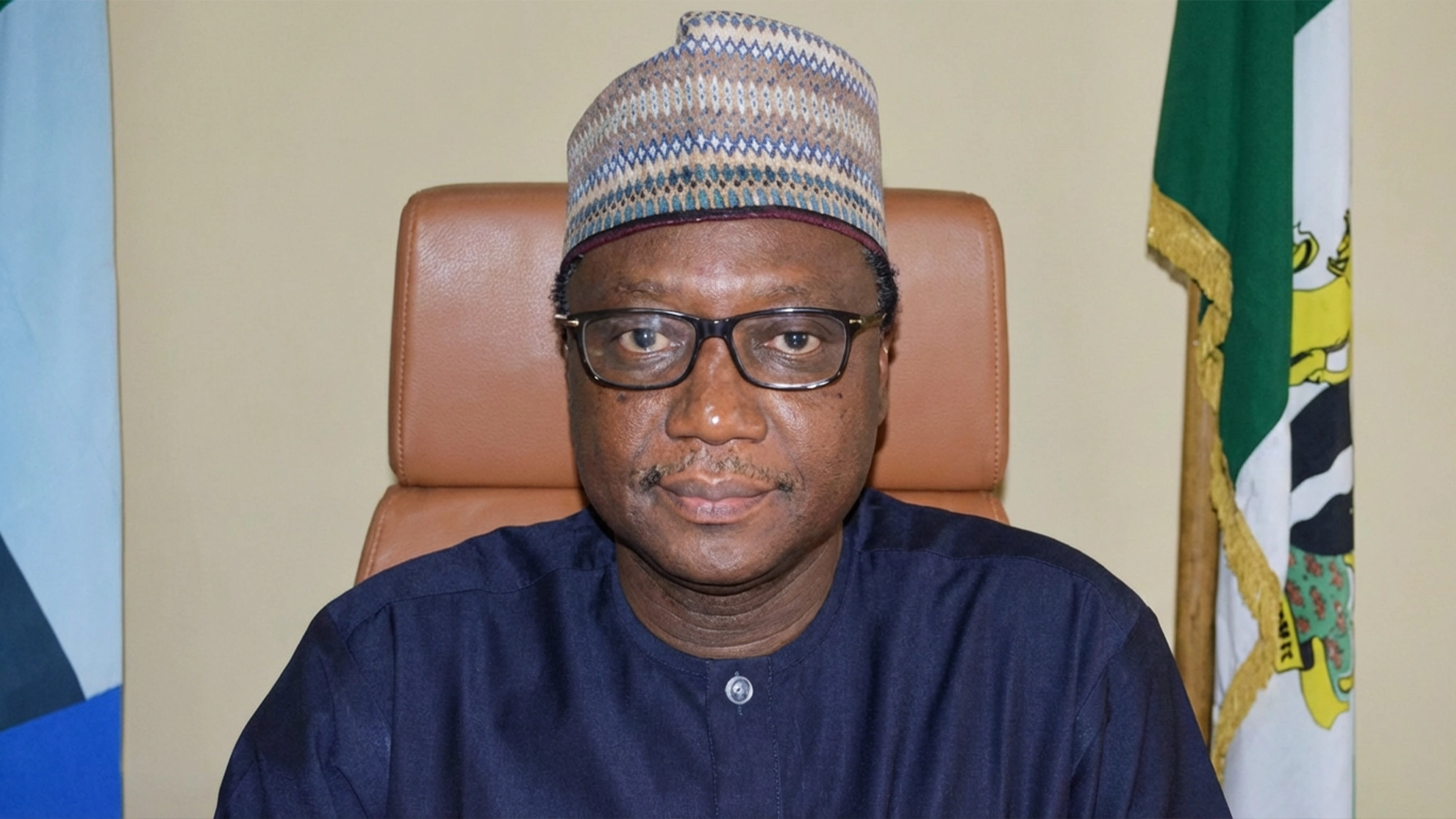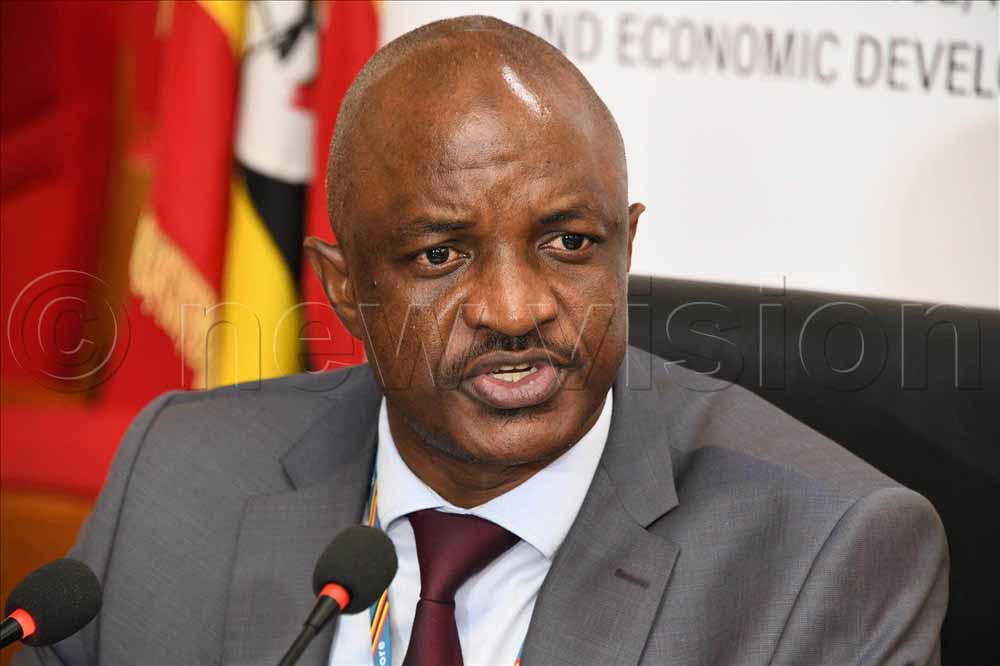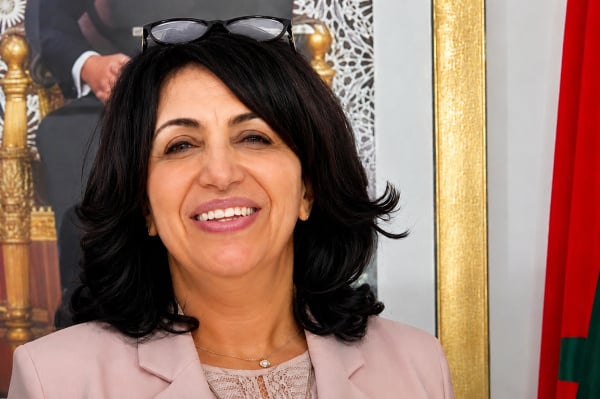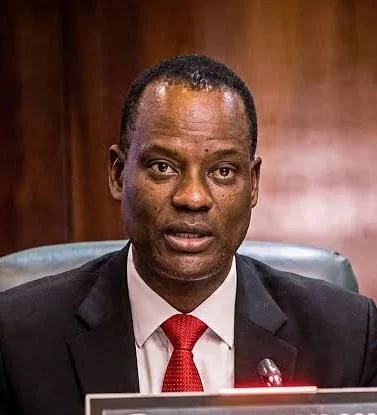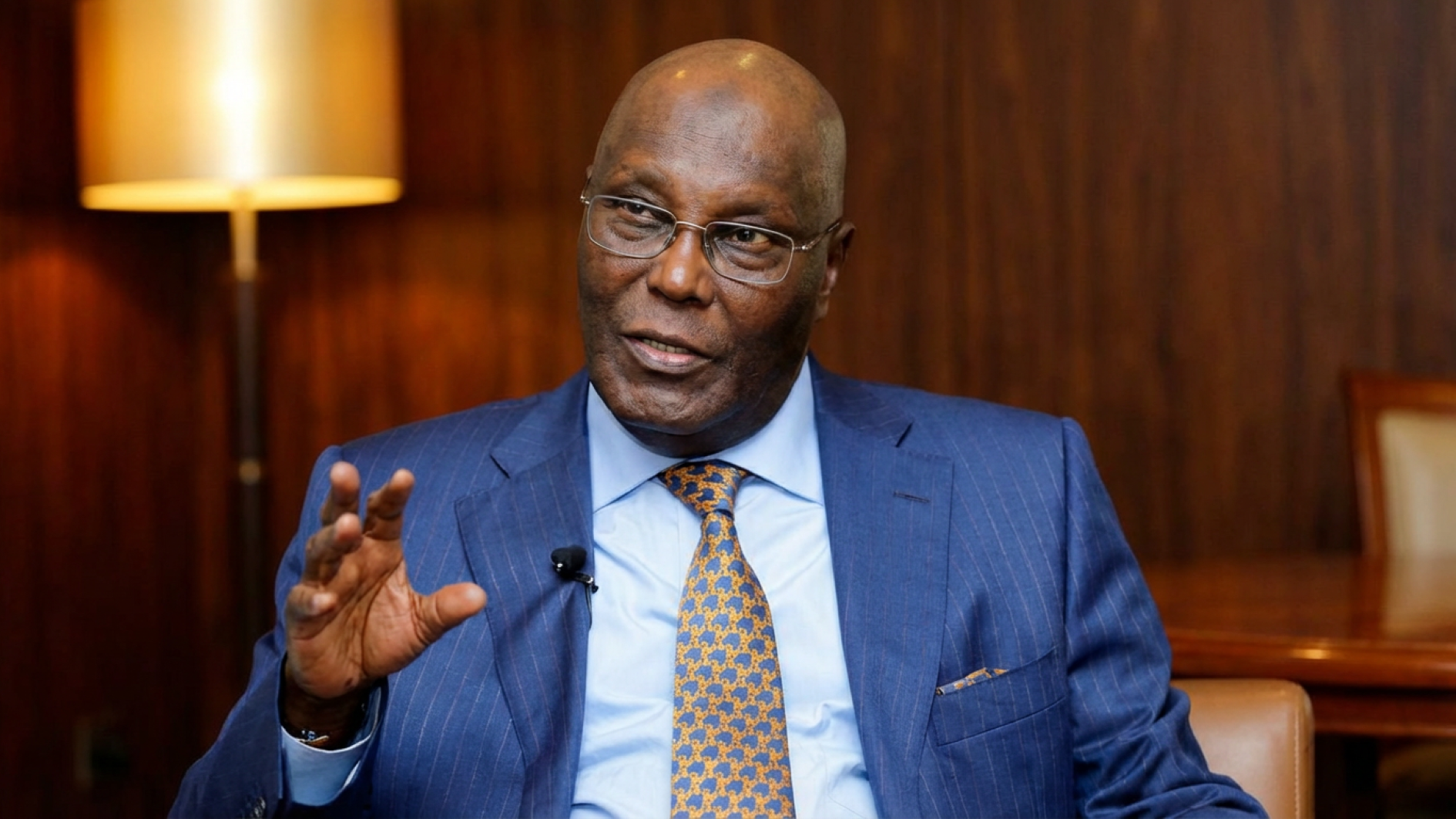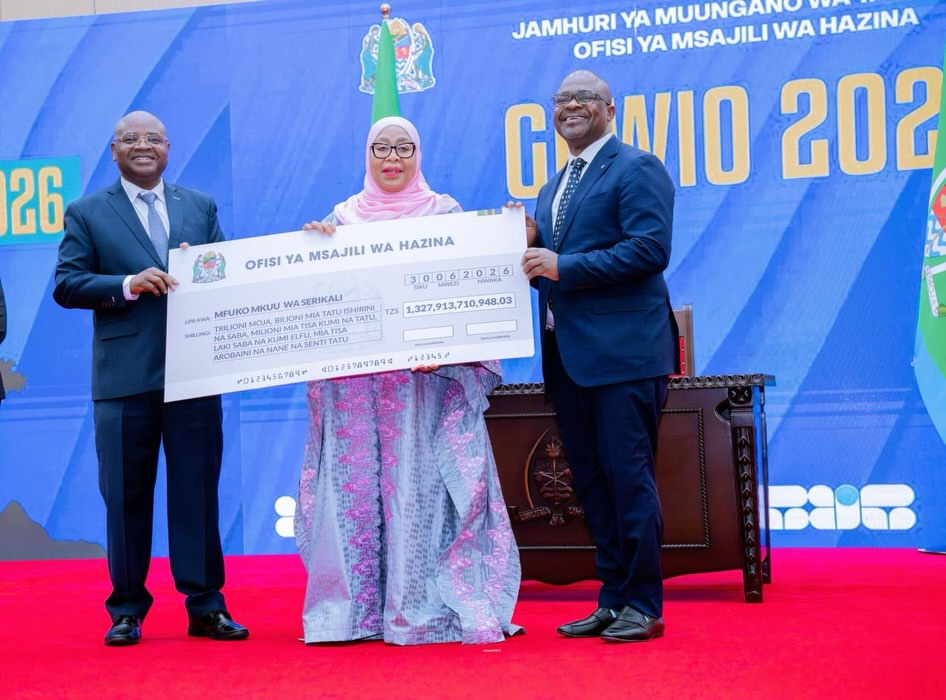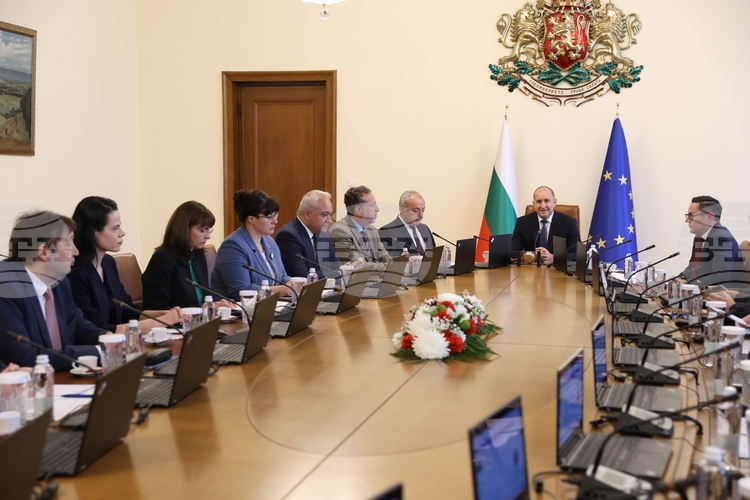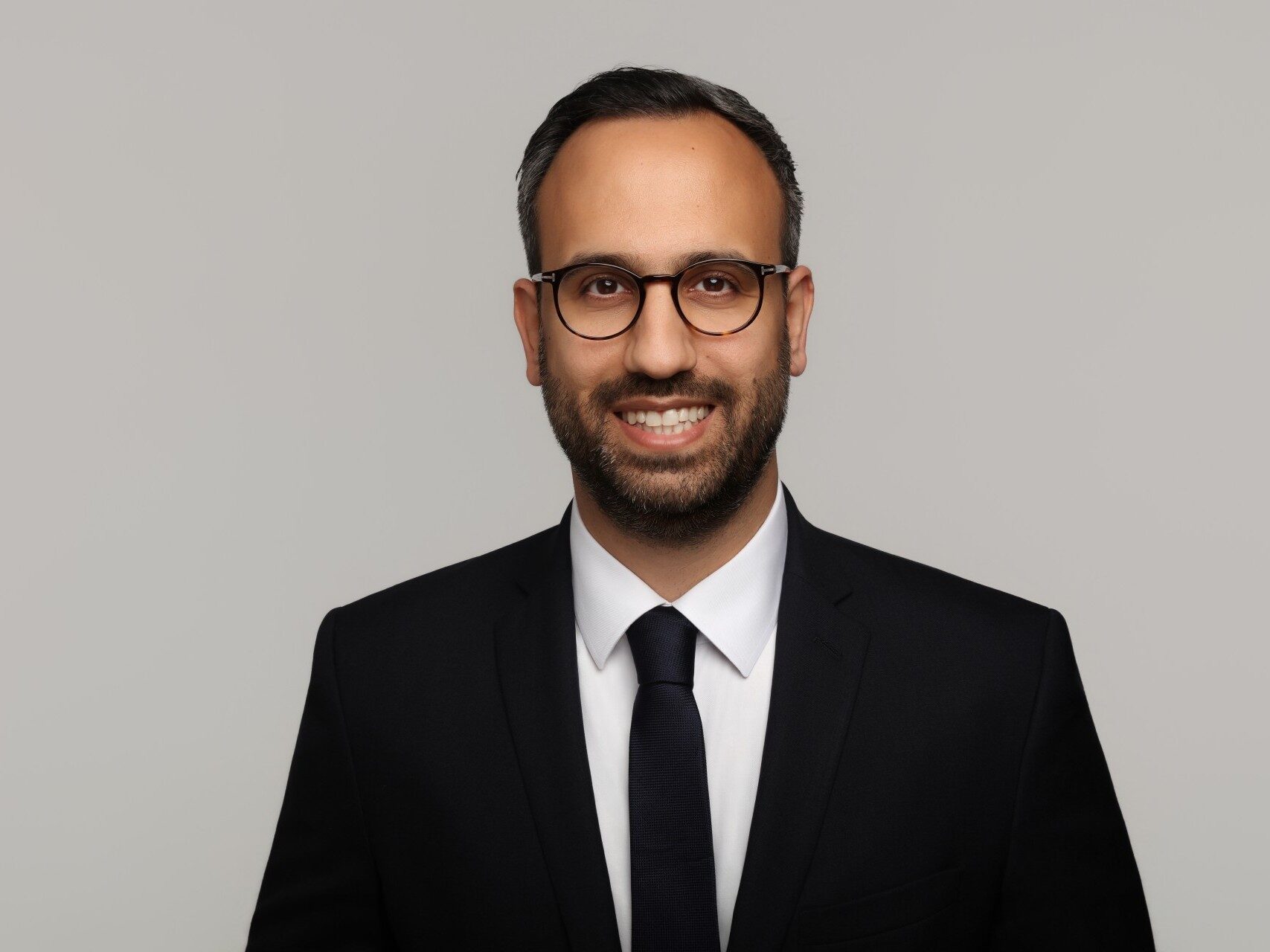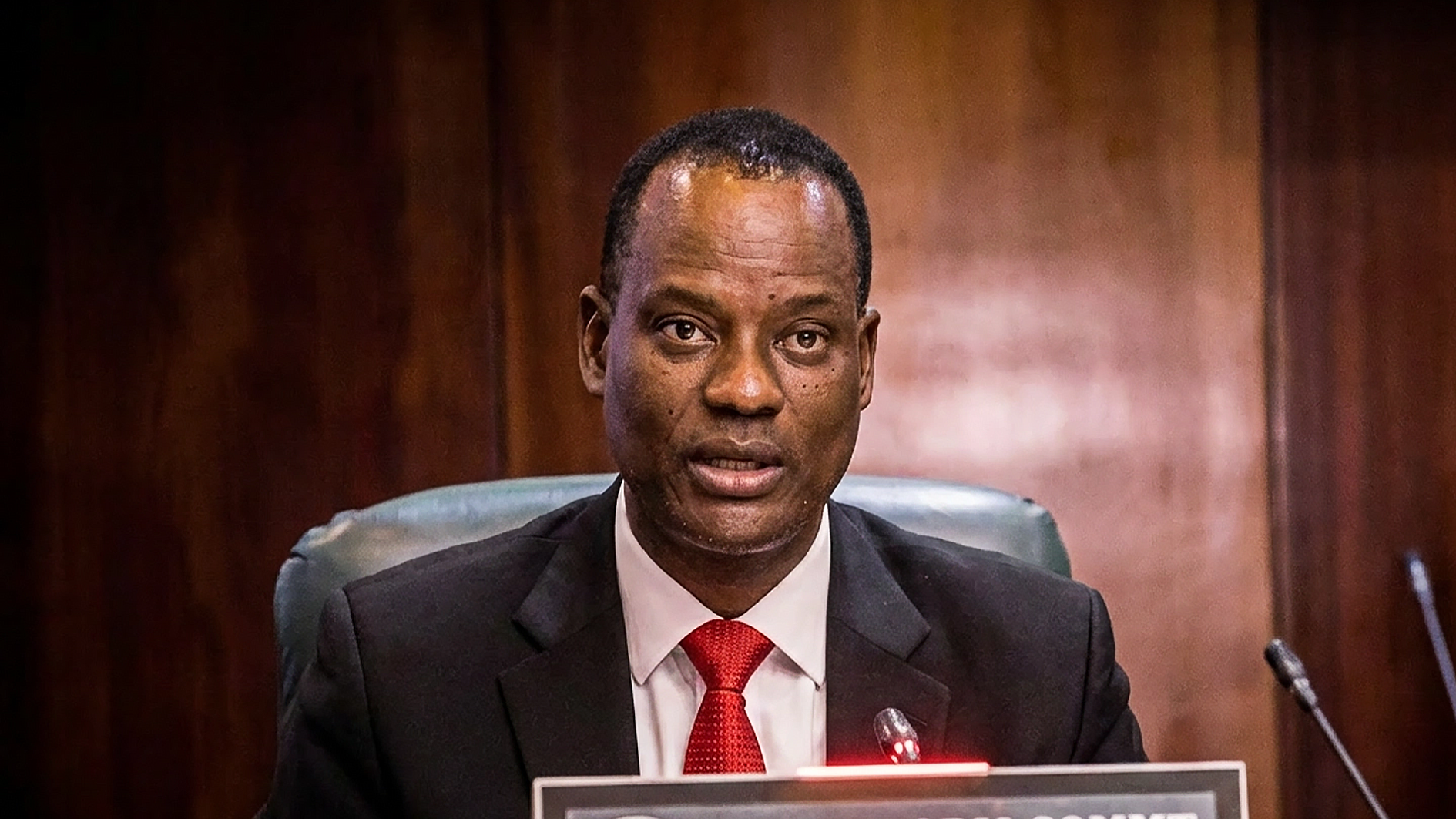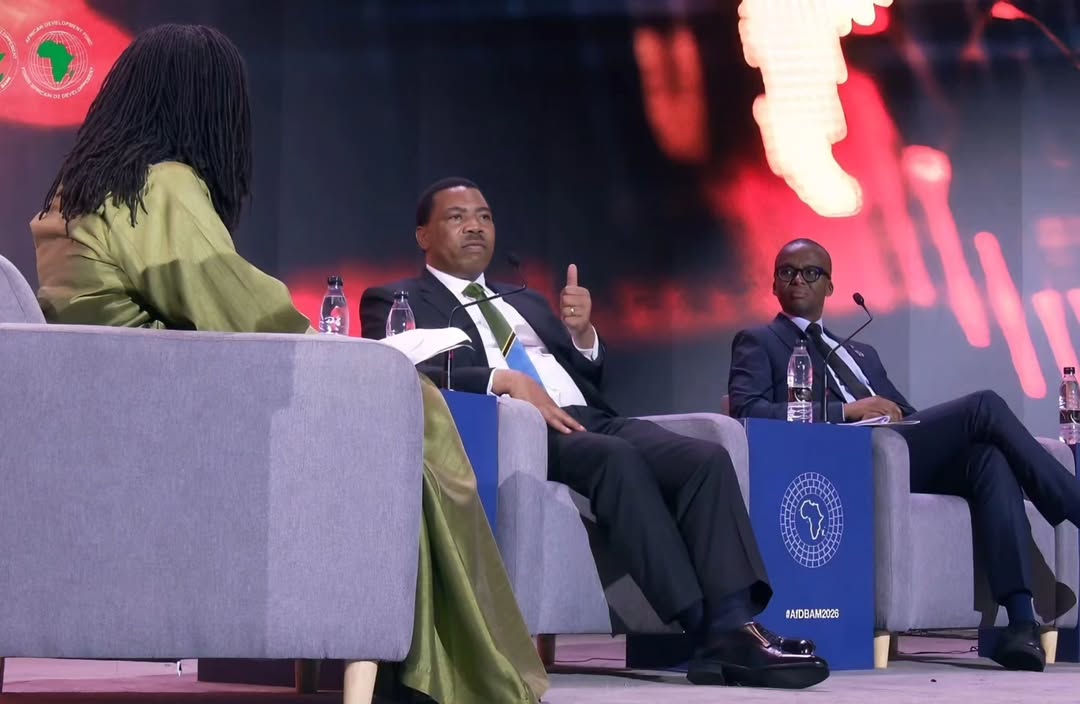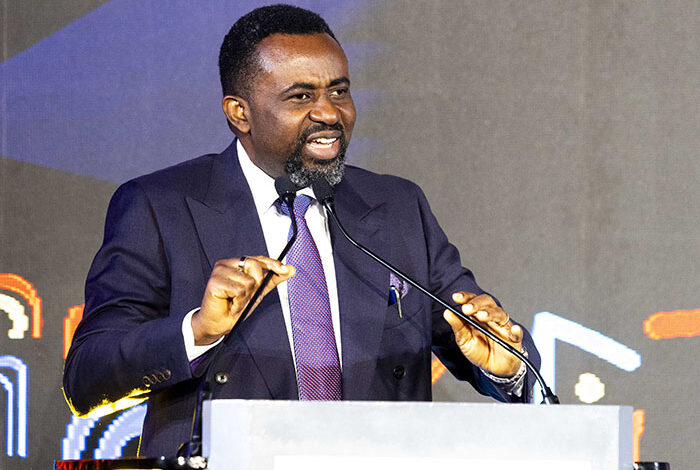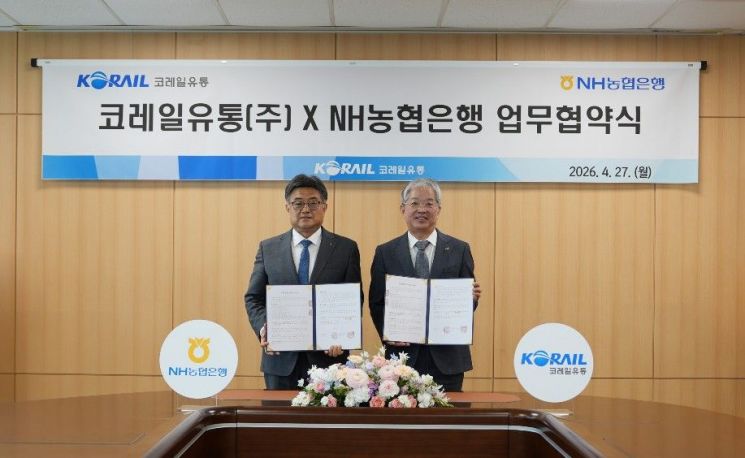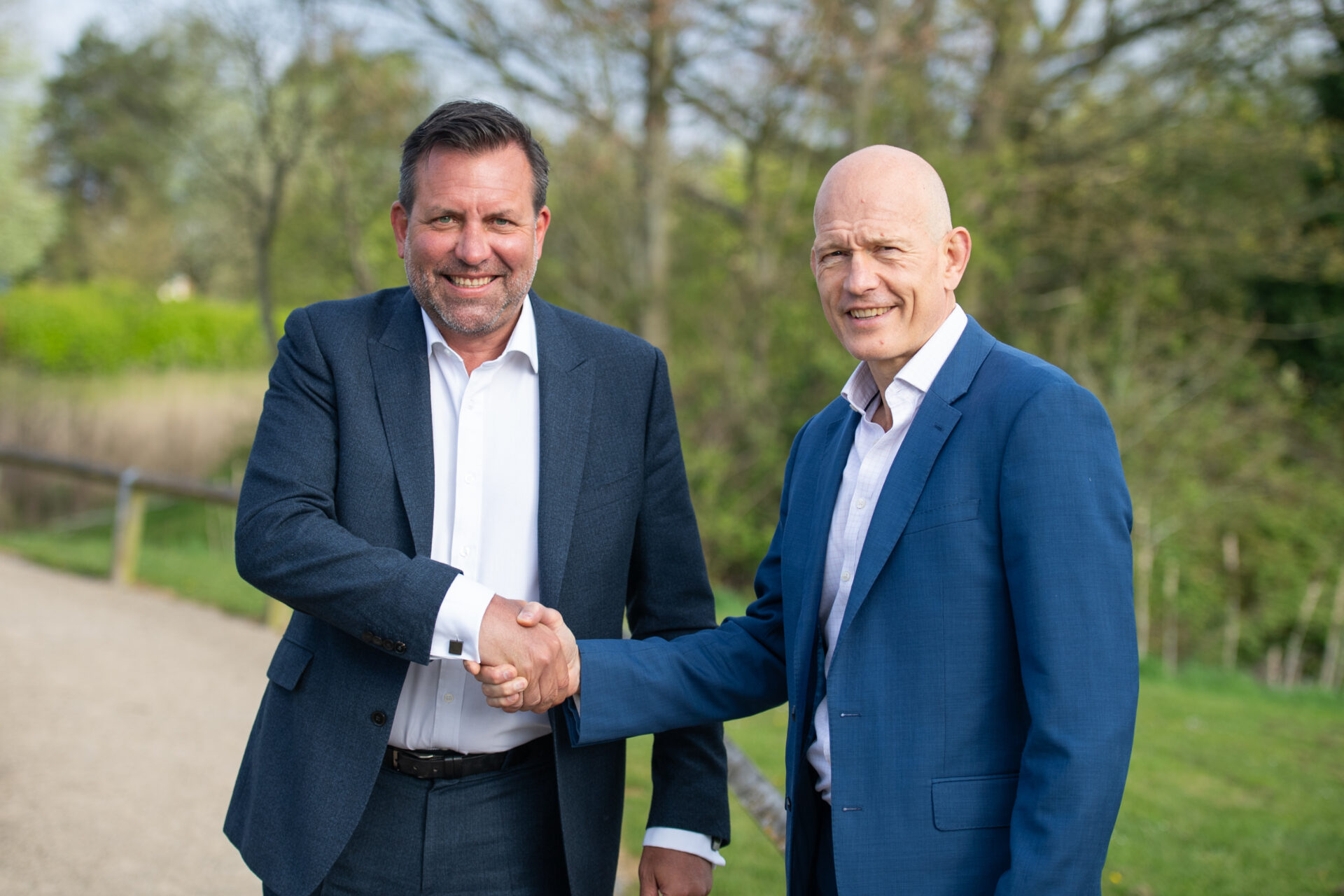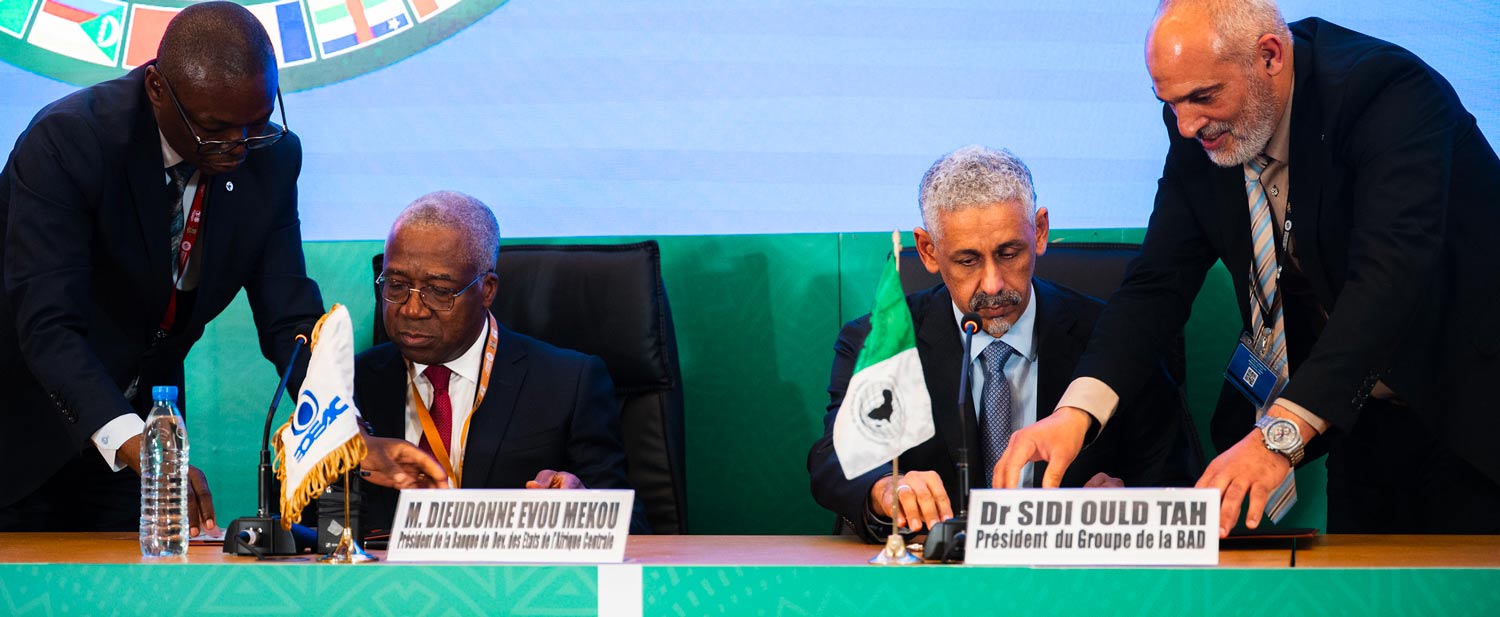
The President of the African Development Bank Group, Dr. Sidi Ould Tah, and the President of the Development Bank of the Central African States (BDEAC), Dieudonné Evou Mekou, signed a letter of intent to strengthen their cooperation in support of the region’s economies.
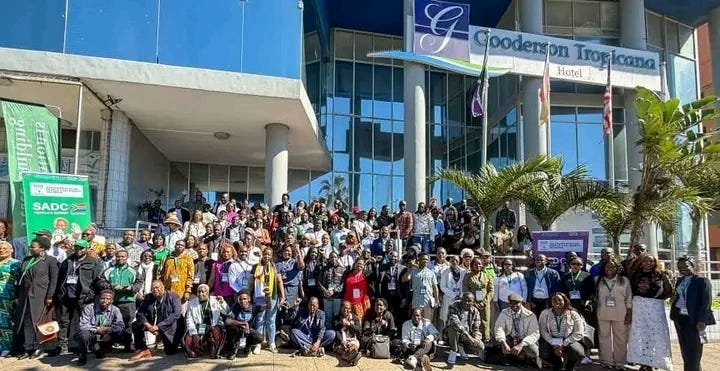
The signing took place on 28 May during the Bank Group’s Annual Meeting’s in Brazzaville.
The letter of intent paves the way for the African Development Bank Group to support BDEAC in sustainably strengthening its financial base, solvency and long-term resource mobilisation capacity, and thus its effectiveness in supporting the region’s economies. The Bank Group is also expected to explore the possibility of establishing a line of credit for BDEAC to finance public and private projects with a high development impact.
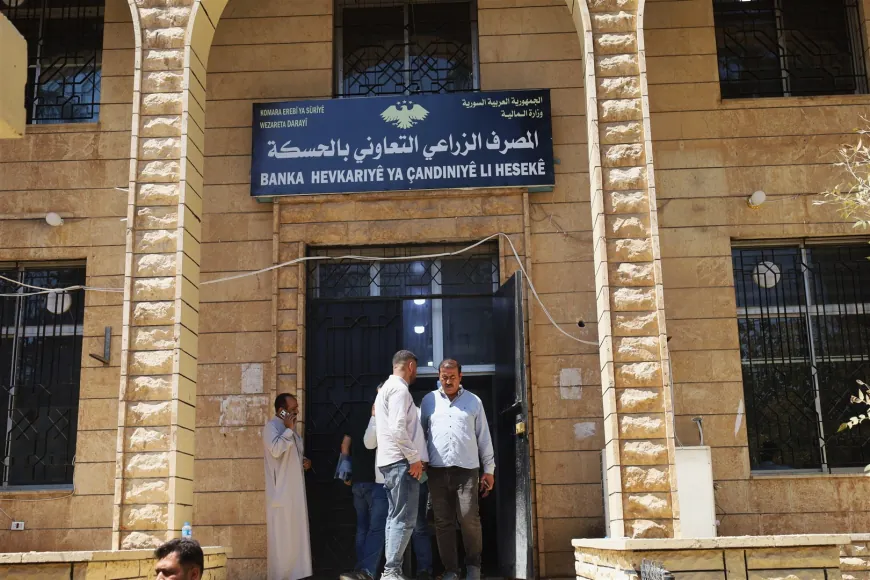
Founded in 1975, BDEAC is the development finance institution of the Central African Economic and Monetary Community (CEMAC) and headquartered in Brazzaville. Its members are Cameroon, the Central African Republic, the Republic of the Congo, Gabon, Equatorial Guinea and Chad.
The signing aligns with the Bank Group’s New African Financial Architecture for Development (NAFAD), which seeks to mobilise Africa’s vast domestic resources, estimated at approximately $4 trillion, reduce risk perceptions, deepen capital markets and attract long-term investment. NAFAD also aims to reduce fragmentation within Africa’s financial ecosystem to achieve greater scale.
The letter of intent also provides scope for the Bank Group to provide technical assistance and share expertise with BDEAC in project appraisal and monitoring, risk management, environmental, social and governance (ESG) practices, public-private partnership (PPP) structuring, climate finance, as well as governance, compliance, internal control and treasury functions.
Under the Four Cardinal Points, President Ould Tah’s strategic vision for Africa’s transformation, the African Development Bank intends to enhance partnerships among African institutions, between public and private capital, between domestic and international investors, and between Africa and its global partners.
The Bank will also position itself as a financing institution, but also as a catalytic institution—a platform capable of mitigating risks, mobilizing more capital, connecting African and international investors, and transforming scattered opportunities into bankable investments.