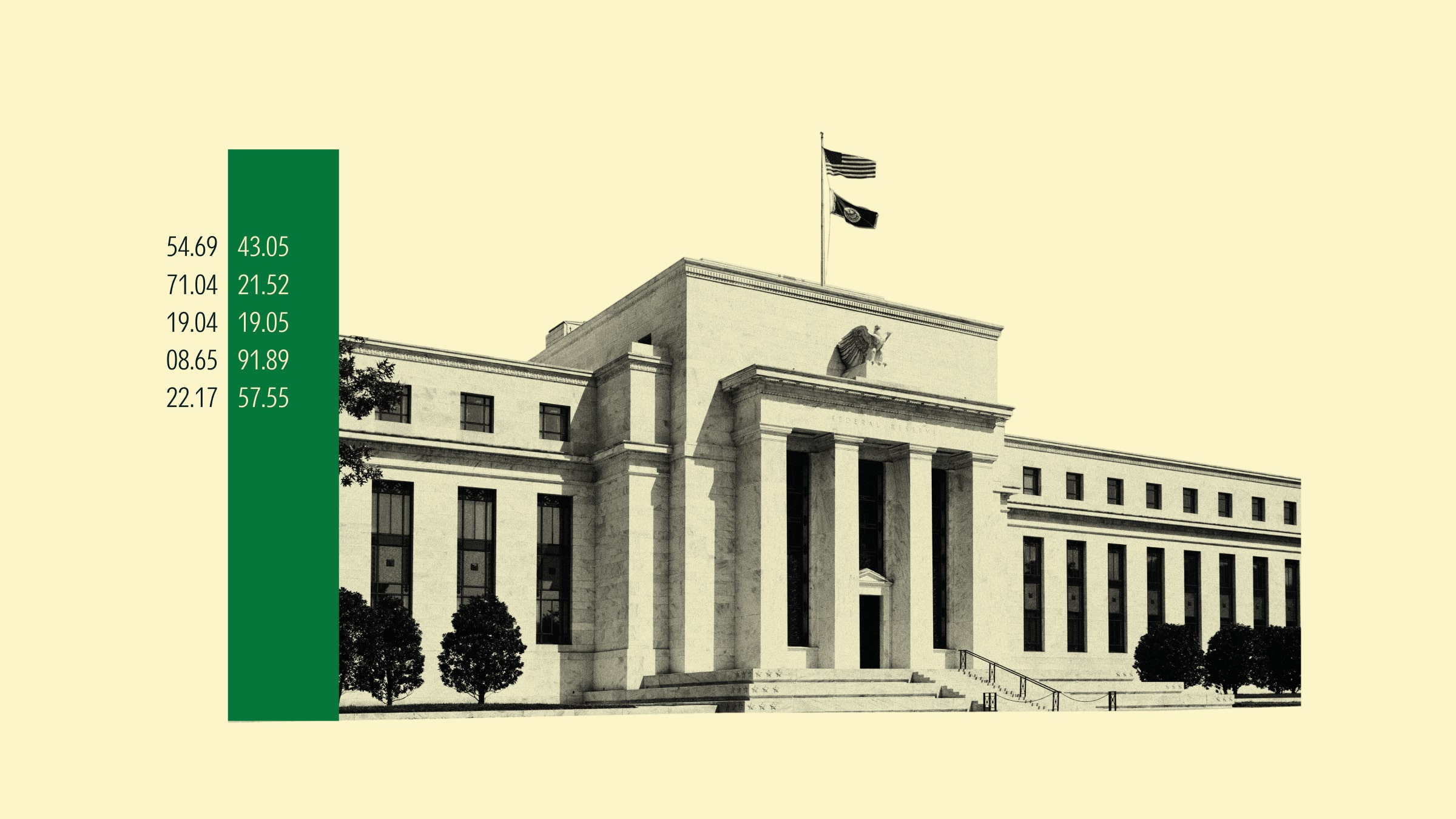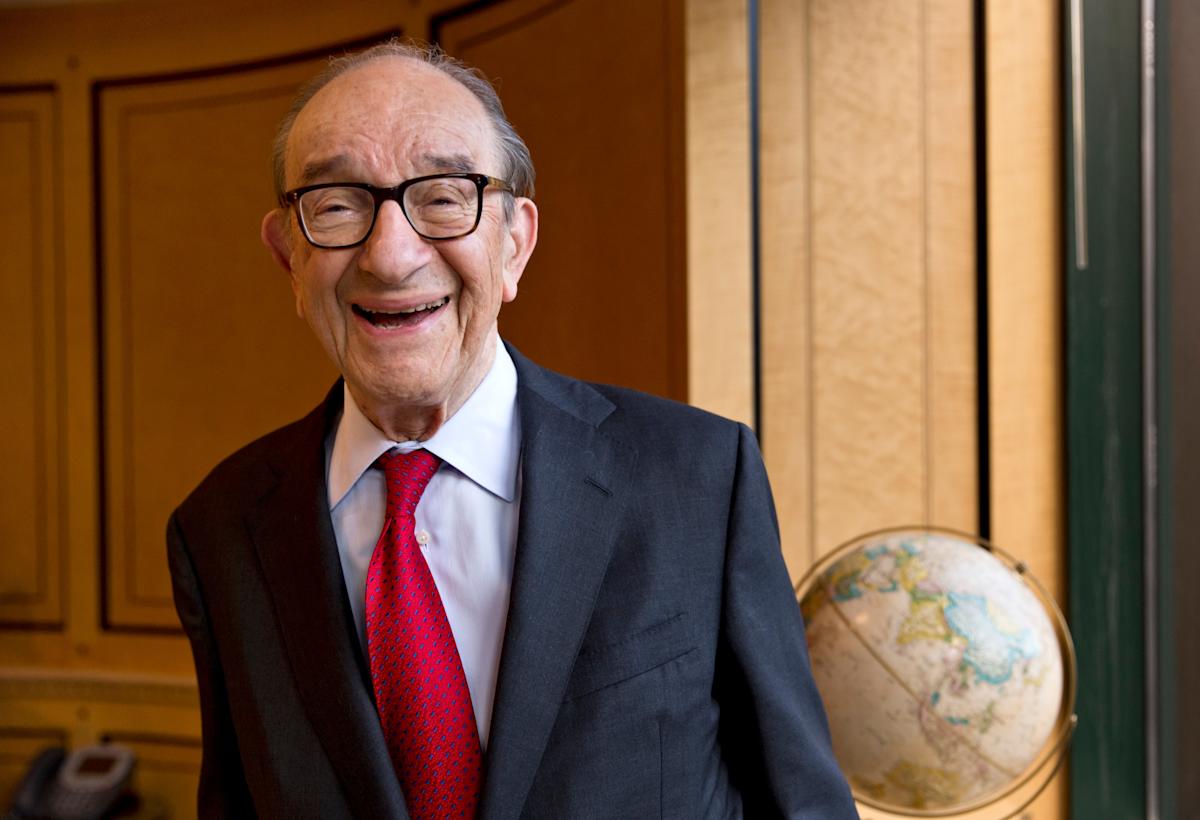
AS CHAIRMAN OF the Federal Reserve in the 1990s, the jazz-loving Alan Greenspan earned a reputation as the maestro of monetary policy. Many of his colleagues believed that unemployment had fallen so low that it was certain to stoke inflation, and called for higher interest rates. But Mr Greenspan heard a different tune. From anecdotes about retailers tracking inventories by satellite or airlines using computers to adjust fares to match demand, he inferred that an IT-driven productivity boom was taking hold before it appeared in official statistics. The economy could thus grow faster without stoking inflation. He held rates steady for much of 1996 and 1997, trusting his inference over economic models. For a time, it worked.