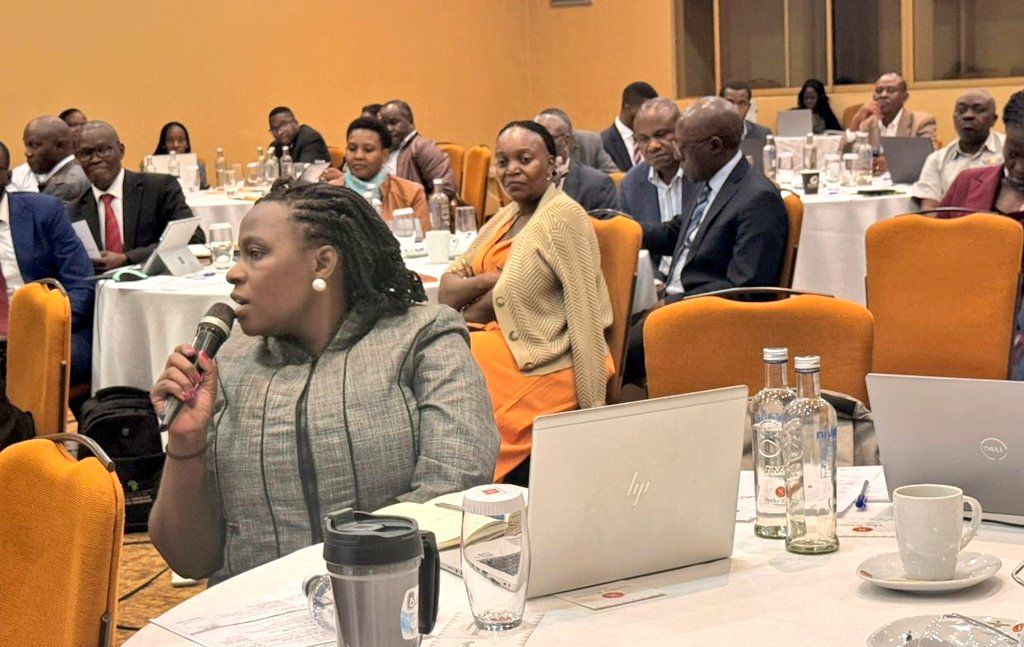
Carbon markets are market-based systems designed to address environmental challenges by reducing greenhouse gas emissions and creating financial incentives for businesses and other entities to lower their carbon footprint. A recent study by the Eastern African Alliance on Carbon Markets and Climate Finance highlights the critical importance of aligning climate mitigation and financing strategies to unlock opportunities for scaling sustainable, low-carbon development.
East Africa stands at a point where climate and finance must work in tandem. With rising public debt and increasing climate-related shocks, there has never been a more opportune time to establish a framework centred on resilience, mitigation and a just transition towards sustainable growth.
The Region’s Playbook
Carbon credits present an opportunity to lower borrowing costs, unlock private capital and position the region as a credible global climate-finance hub. Achieving this will require a shift away from fragmented and traditional financing models. As East African economies confront multiple pressures simultaneously, country-level prioritisation of climate finance structures risks undermining regional collaboration.
Some of these pressures include:
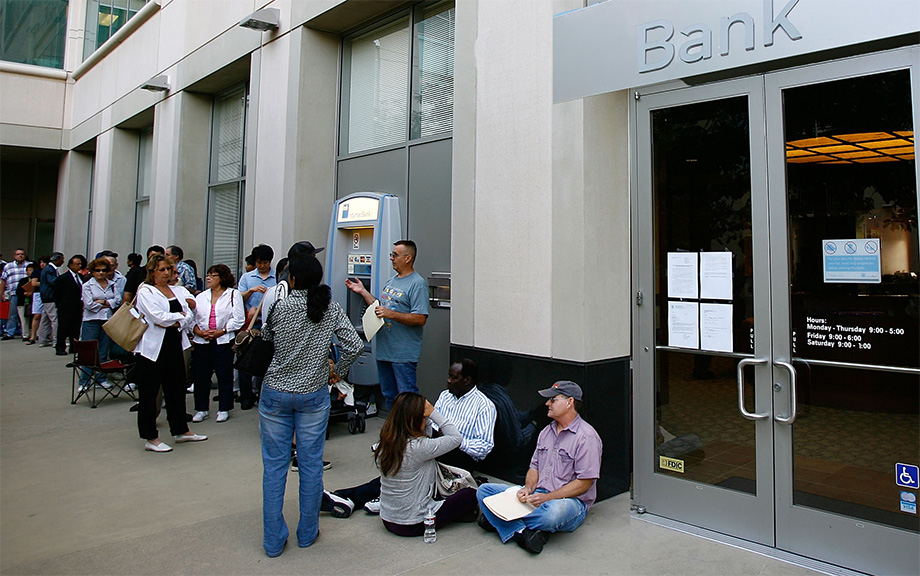
Debt Stress and Fiscal Constraints
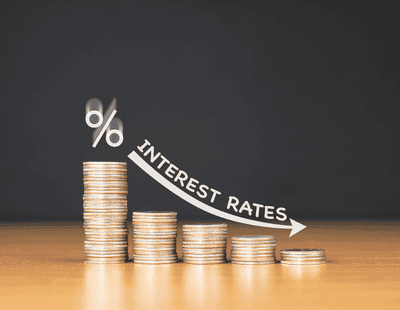
Countries such as Kenya and Uganda are experiencing rising public debt, driven largely by infrastructure spending and higher global interest rates. Servicing this debt reduces fiscal space for development, as an increasing share of government revenue is directed towards debt obligations.
Climate Vulnerability
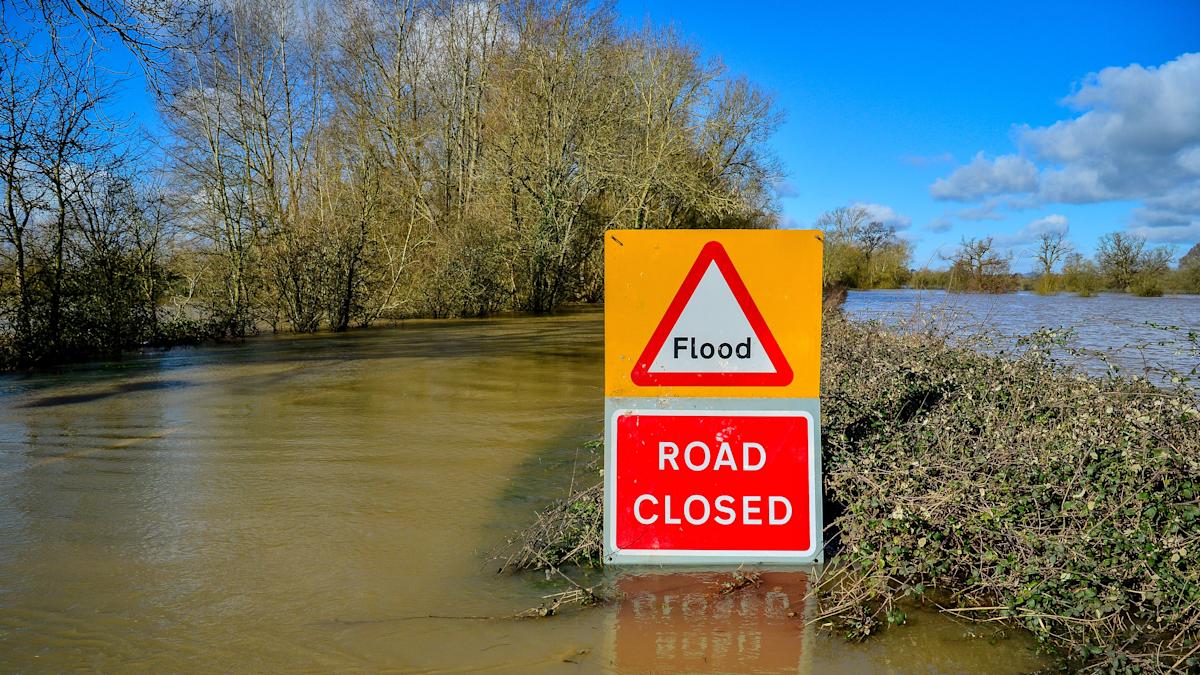
East Africa is among the regions most affected by climate shocks. Droughts, floods and changing rainfall patterns are eroding agricultural productivity, weakening infrastructure resilience and reducing household incomes, while simultaneously increasing the costs of climate adaptation.
Infrastructure and Energy Financing Gaps
While development finance and bilateral aid remain important sources of funding, they are insufficient to meet infrastructure and energy demands at the scale and speed required.
The Need
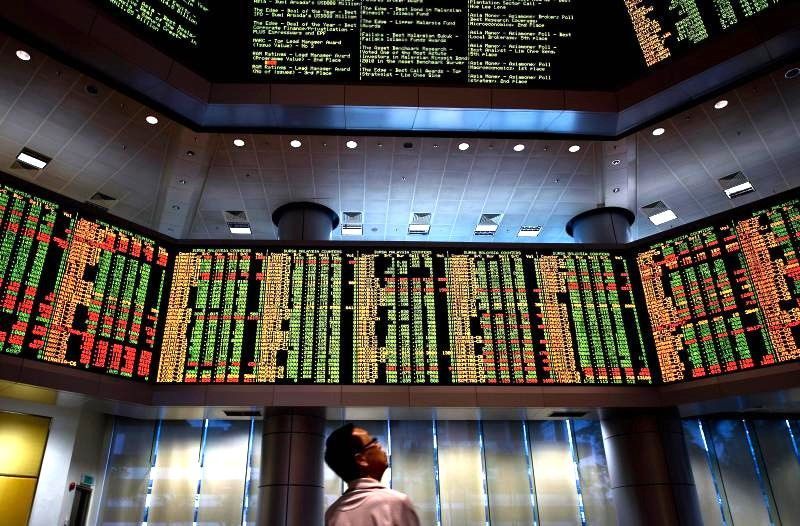
Carbon markets offer a mechanism for monetising environmental assets and future emissions reductions by converting them into tradable financial value. They represent not only an environmental policy tool but also a fiscal and investment instrument. If effectively harnessed, carbon finance can deliver transformative benefits to communities across East Africa and the wider continent.
The region’s comparative advantages are evident:
Kenya: With more than 80 per cent of its energy generated from renewable sources, global leadership in geothermal power production, and relatively mature regulatory and policy institutions, Kenya is well-positioned to integrate carbon credits into its financing models.
Tanzania: With vast forest resources, significant blue-carbon potential, and substantial rare-earth mineral deposits, Tanzania is well-placed to support clean energy development and nature-based solutions that promote sustainable agriculture and livelihoods.
Rwanda: Rwanda has positioned itself as a leader in conservation finance and high-integrity environmental governance, setting an example for countries across the region and continent. This creates an attractive premium for biodiversity-linked carbon projects.
Uganda: With extensive forestry assets and a growing renewable energy sector, Uganda offers significant opportunities for large-scale climate-smart agricultural investments.
The African Carbon Markets Initiative estimates that the continent could generate 300 million carbon credits annually by 2030, creating millions of jobs in the process. East Africa is well-positioned to capture a significant share of this opportunity.
How to Unlock Meaningful Capital
By moving carbon credits from the periphery of sustainability and ESG reporting to the mainstream of financial structures, governments and businesses can unlock substantial economic value and investment capital.
Carbon-Linked Sovereign Bonds
Governments can issue sustainability-linked sovereign bonds tied to verifiable emissions-reduction targets or carbon-revenue performance metrics. For example, Kenya could structure a bond around geothermal expansion, using a portion of the proceeds to service debt while displacing fossil-fuel-based power generation. Such instruments could reduce perceived investor risk and potentially lower borrowing costs.
Carbon Revenue as Collateral for Infrastructure Loans
Across Africa, many infrastructure projects fail to reach financial close due to concerns about repayment risk. Projects with predictable carbon-credit generation could leverage future carbon revenues as collateral, thereby improving lender confidence and unlocking financing.
Blended Finance Structures
Carbon finance can strengthen blended finance models by adding a revenue stream alongside user fees and concessional capital. This could involve funding early-stage project development, attracting private investors to finance construction and operations, and using carbon-credit revenues to improve project bankability and returns. Such an approach could be particularly impactful for climate-resilient agricultural infrastructure and landscape restoration projects.
Carbon as an Asset
For East Africa, the strategic question is whether the region can shape carbon markets to align with its economic priorities and financing needs. Integrating carbon credits into sovereign bonds and corporate financing models offers significant opportunities, from strengthening household resilience and unlocking infrastructure investment to reducing financing costs.
However, realising these benefits will require transparent governance, credible regulation and strong regional coordination.
Capturing the full value of carbon markets will depend on building robust institutional frameworks, including clear rules, effective registries and innovative financing mechanisms. By doing so, East Africa can position itself to harness one of the most important emerging asset classes for long-term economic transformation.