Taxpayers may spend Sh100 million to implement a proposed law requiring the government to publish detailed spending estimates for every sub-county, a report by the Parliamentary Budget Office (PBO) shows.
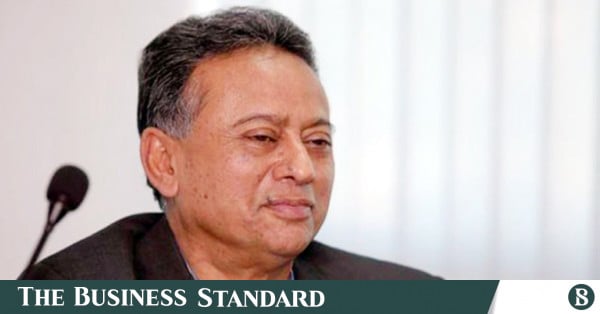
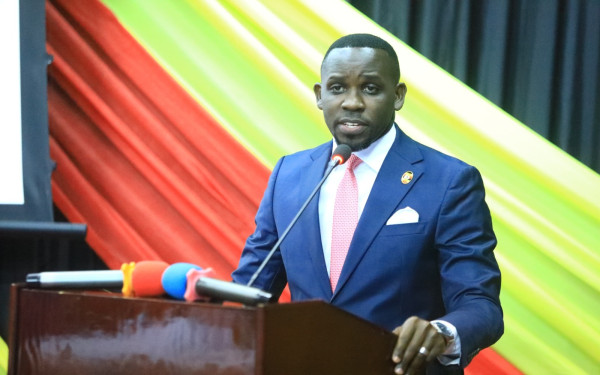
The Public Finance Management (Amendment) Bill 2025, sponsored by Suba South MP Caroli Omondi, seeks to strengthen budget transparency by ensuring that every constituency is aware of its specific allocations for development projects.
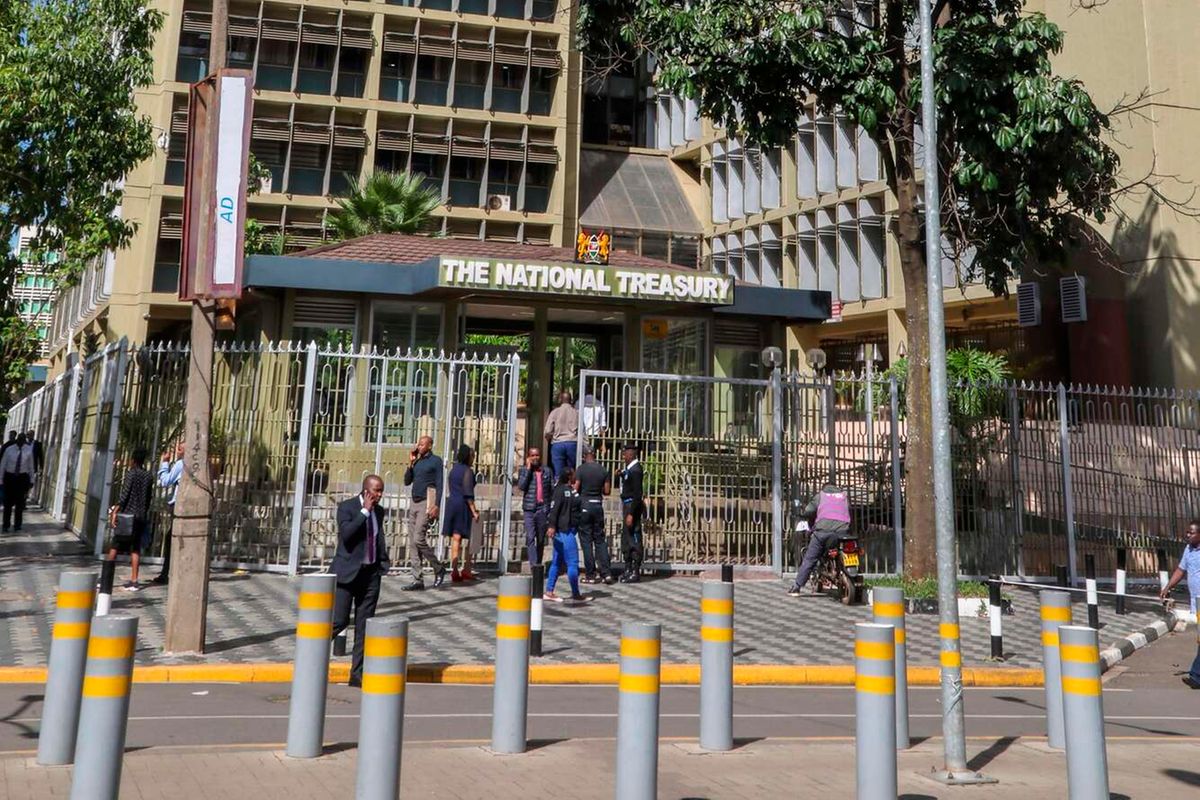
Under the current arrangement, the National Treasury prepares national revenue and expenditure estimates in collaboration with MDAs before consolidating them into a national budget submitted to Parliament for approval. However, this structure does not clearly show allocations per sub-county.
The Bill proposes that budget analysts “prepare analyses of national government expenditure estimates and report whether allocations reflect each sub-county administrative unit forming single-member constituencies for both the National Assembly and the Senate.”
According to the PBO, the Sh100 million funds will be used to modernise budget systems and integrate all 290 sub-counties into a detailed coding and reporting framework under the Integrated Financial Management Information System (IFMIS). It added that the reforms would significantly improve transparency and accountability in public financial management.
“This will boost visibility of resource allocation across constituencies and strengthen Parliament’s capacity to undertake evidence-based oversight of national government expenditure,” reads the report.
The office further noted that each accounting officer, budget officer and relevant technical officer will require annual training on sub-county reporting and IFMIS upgrades. It estimates the cost of training per officer at Sh100,000 every year, with about 2,500 officers across the National Treasury and Ministries, Departments and Agencies (MDAs) expected to be directly involved in budgeting, coding and reporting.
In addition, Sh100 million will be used to reconfigure IFMIS to include sub-county geographic coding and reporting structures. The PBO also projects an annual cost escalation of five per cent in sustaining the system.
The office further noted that similar systems are used in countries such as Rwanda, Mexico and South Africa.
In its submission to the Budget and Appropriations Committee, which is currently reviewing the Bill before its First Reading, the PBO said the proposed law carries multiple benefits, including enhanced transparency in public spending, stronger parliamentary oversight, improved equity in resource distribution, better accountability and reduced misallocation of resources.
The office also said the Bill would support evidence-based planning and decision-making, improve public participation, enhance monitoring and evaluation of development outcomes and promote balanced regional development.
“When budgeting, execution and reporting systems are linked to administrative boundaries, it becomes easier for oversight institutions to verify allocations, monitor implementation and assess equitable distribution of public resources,” the PBO noted.
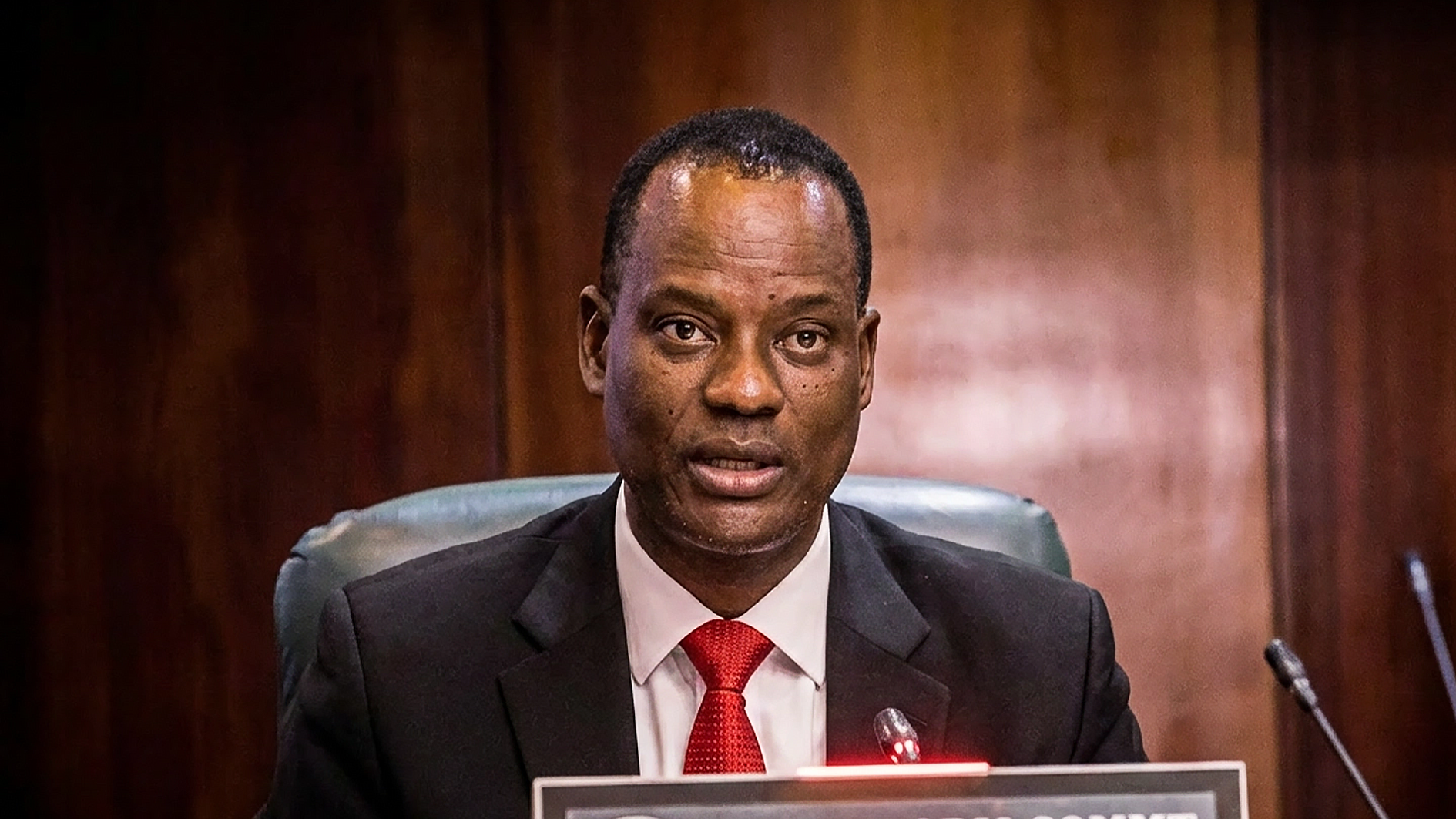
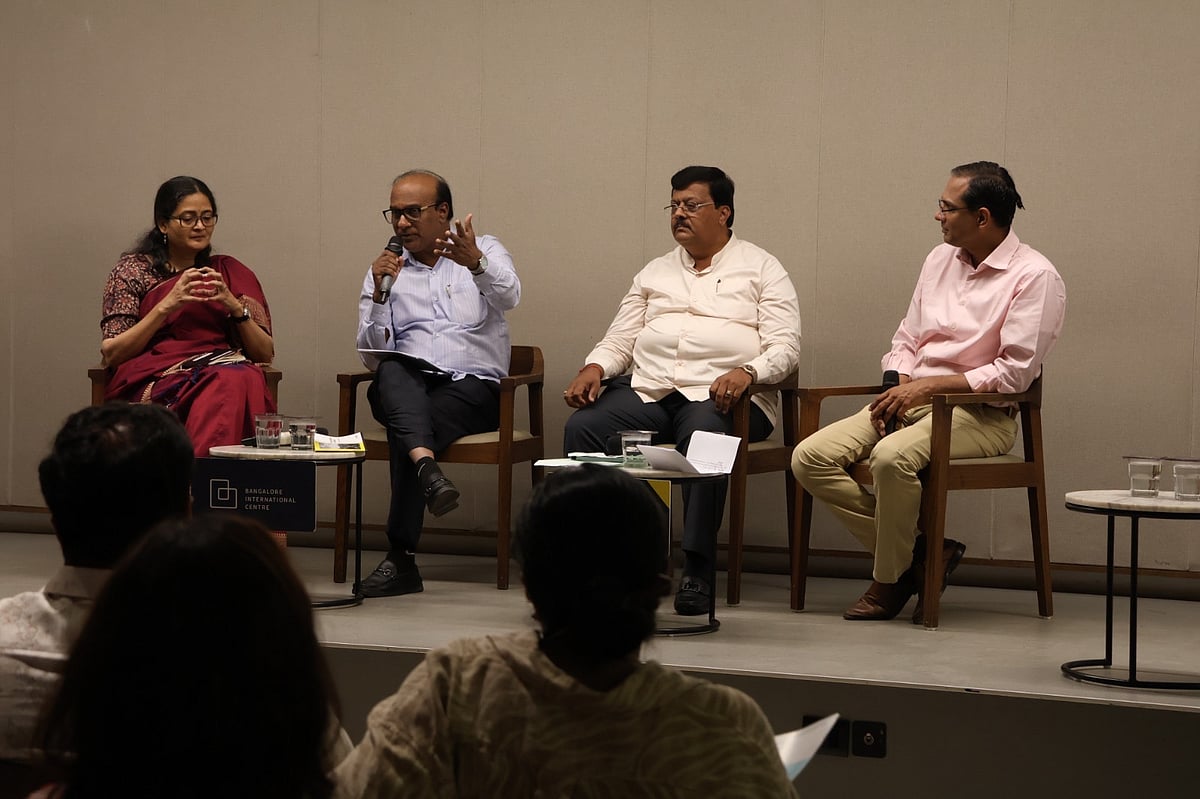
Appearing before the committee, MP Caroli Omondi said the Bill, if enacted, would help MPs better understand and scrutinise budget structures.
“What I’m trying to cure is a situation where some areas get allocations for roads each financial year and they are well developed, while others have no infrastructure at all,” he said.
He added that the current presentation of budget figures in broad blocks does not reflect principles of equity, openness, sustainability, transparency, inclusivity, fairness, non-discrimination and timely public access to accurate information.